Big-Box Retail Roofing in Roswell, GA
A torn flashing corner at a parapet can admit water well beyond its visible edge. We inspect the curb, adjacent laps, insulation and drain path before deciding whether a local repair will hold. A big-box store may have long roof runs, clustered mechanical units and continuous customer activity below. Roswell, GA brings humid summer heat and frequent rain to those details. The work plan needs a defined zone, safe access and a stable tie-in each day.
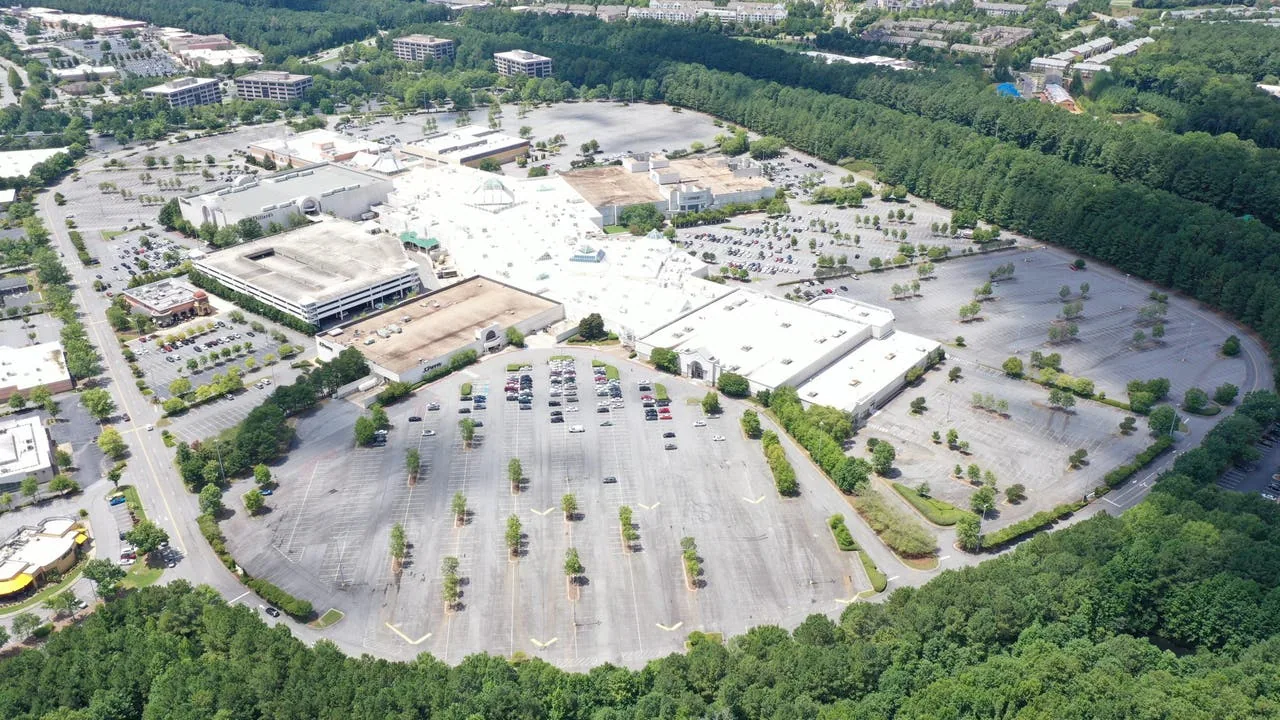
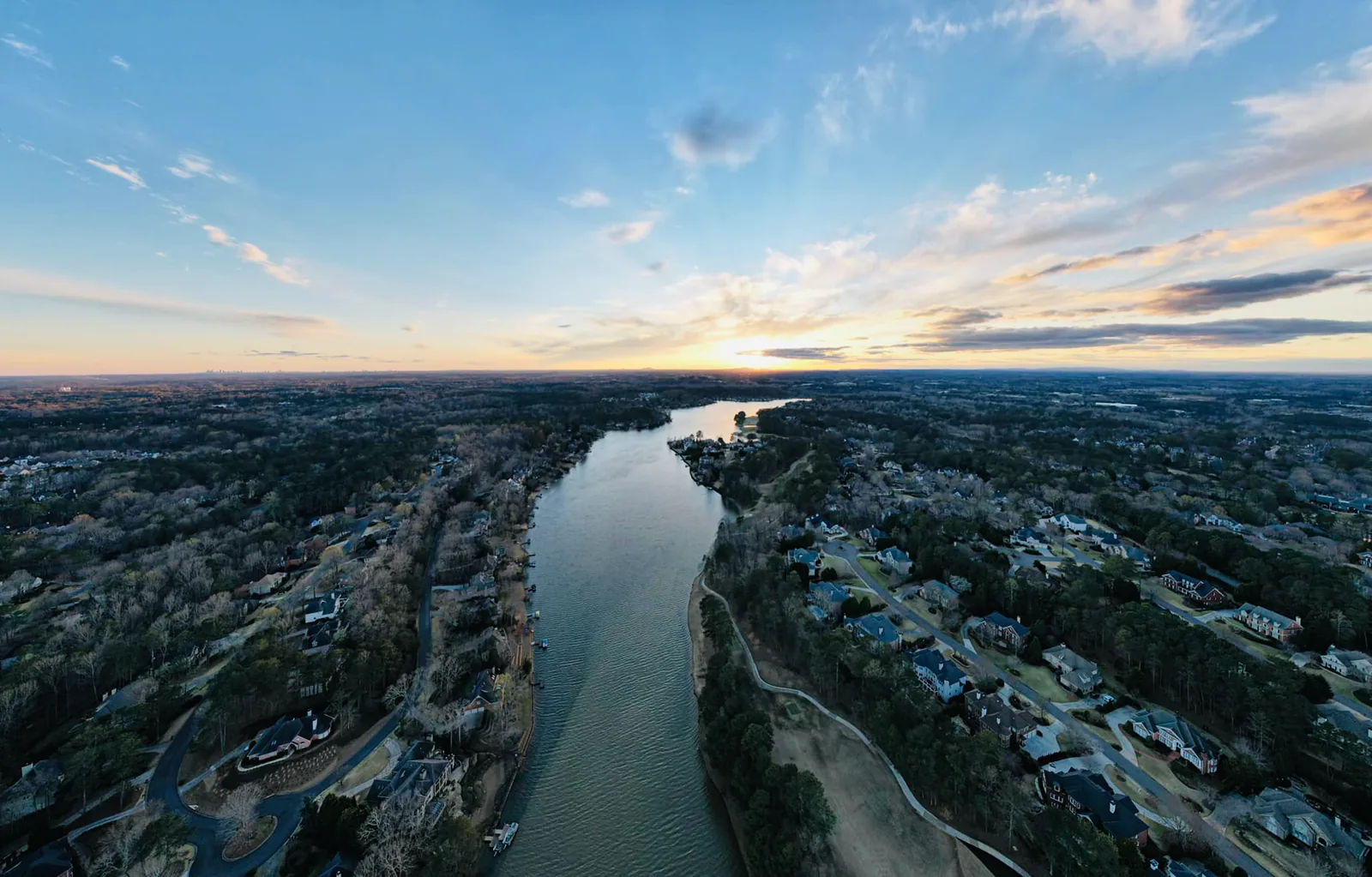
Alpharetta identifies North Point as a regional shopping and commercial activity center linked by North Point Parkway and Big Creek Greenway. Windward is another major employment district on the GA 400 corridor, with retail and residential areas. These locations show the area's connected commercial geography, not a specific store condition. We review the actual roof and operations before setting a scope. A roof review for the North Point area starts with the store's zones and access rules.
Divide the roof into useful work areas
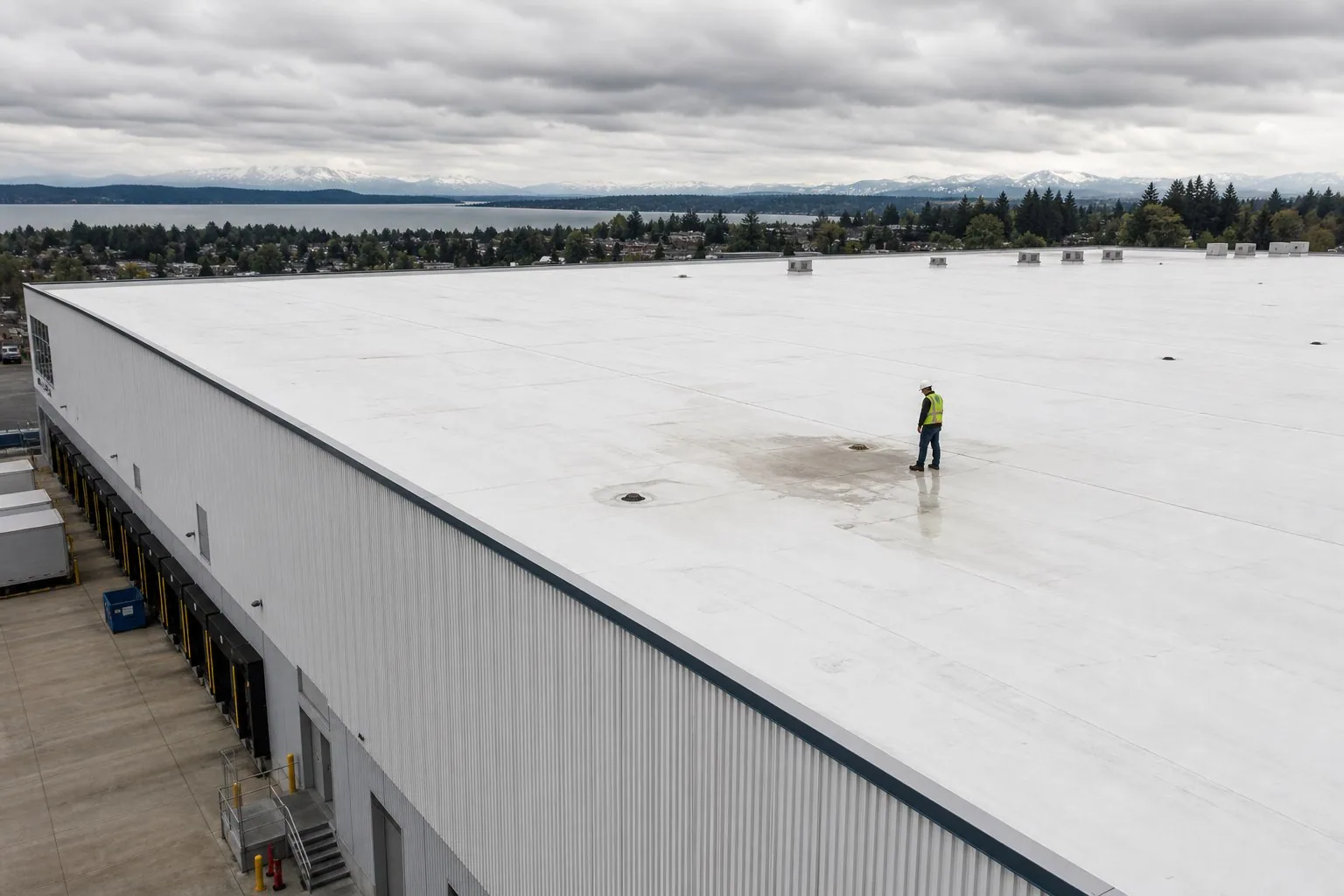
A long roof should not be priced as one undifferentiated surface. We map drain basins, expansion joints, curbs, edges, previous repairs and changes in assembly. That plan shows where leaks recur and which areas can be repaired independently. A roof drawing helps, but field checks confirm whether additions, screens or equipment have changed the layout. Each finding is labeled by store and roof zone.
Big Creek Greenway runs parallel to North Point Parkway between Windward Parkway and Mansell Road, crossing a major Alpharetta commercial spine. That transportation and activity-center context matters for delivery planning, but it does not establish roof access at a store. We confirm the receiving area, lift location, delivery hours and emergency routes with site management. A Windward-area roof inspection likewise requires the property's own access map.
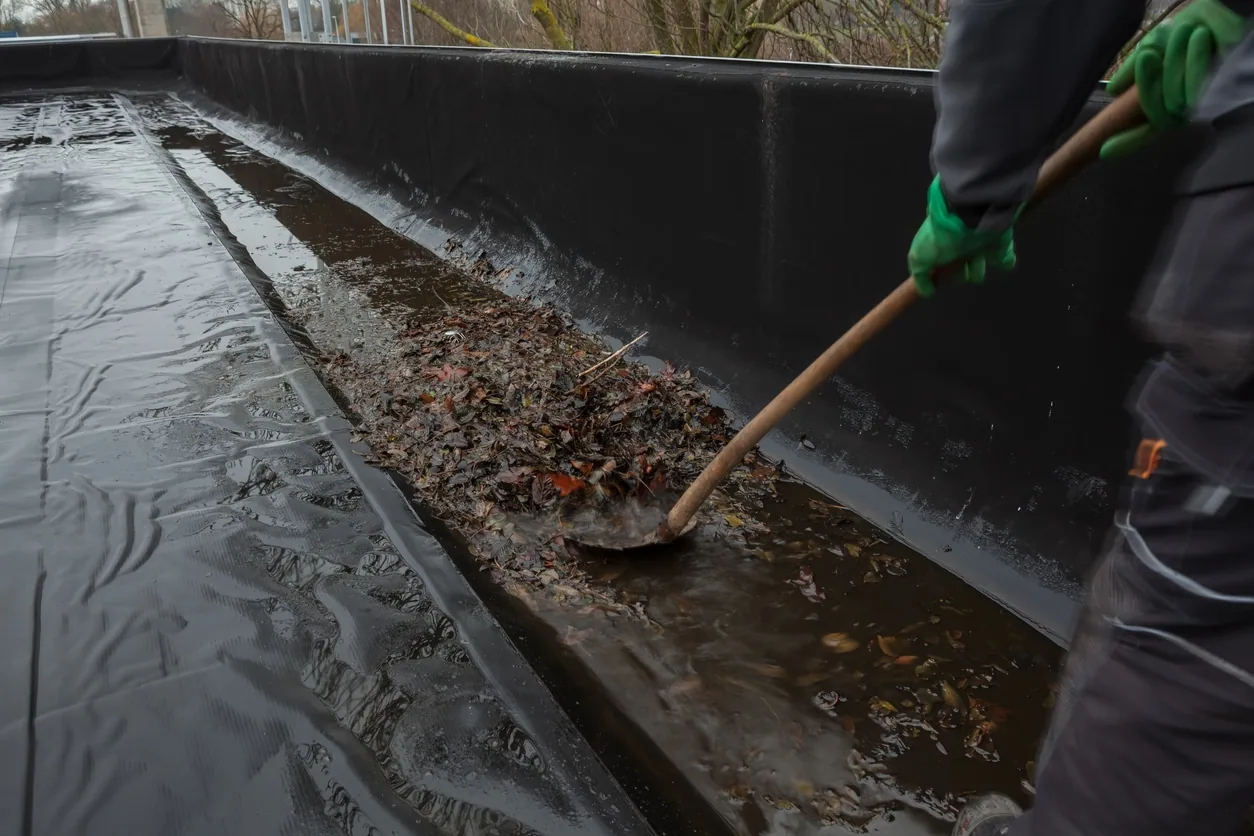
At a drain basin, we inspect the primary outlet, overflow, slope and surrounding seams together. A blocked strainer is a maintenance issue; a failed clamping ring or wet insulation changes the repair scope. Low areas can keep debris and water against membrane laps. A drainage review records the outlet condition and identifies whether water can leave the zone.
Check curbs and equipment transitions
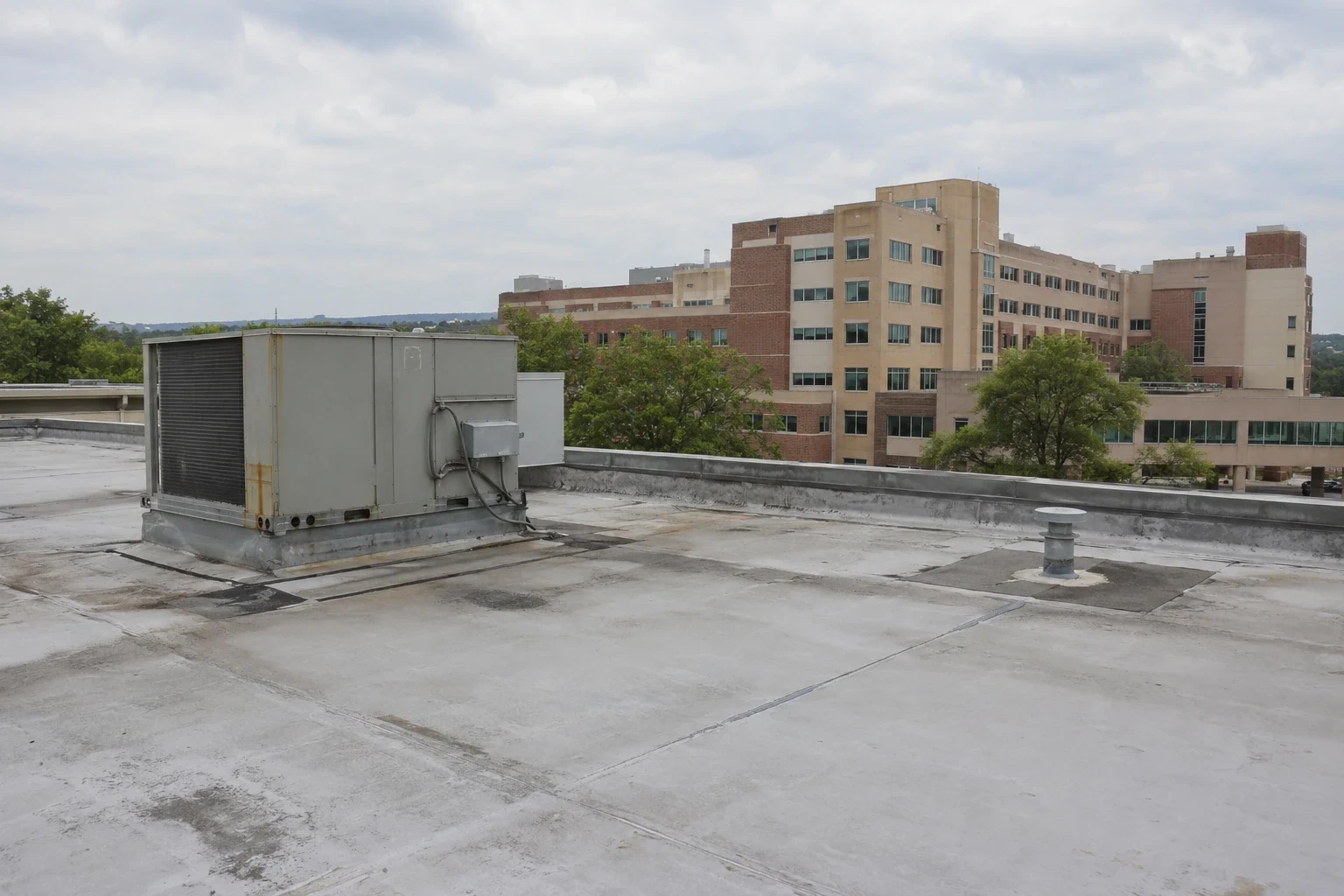
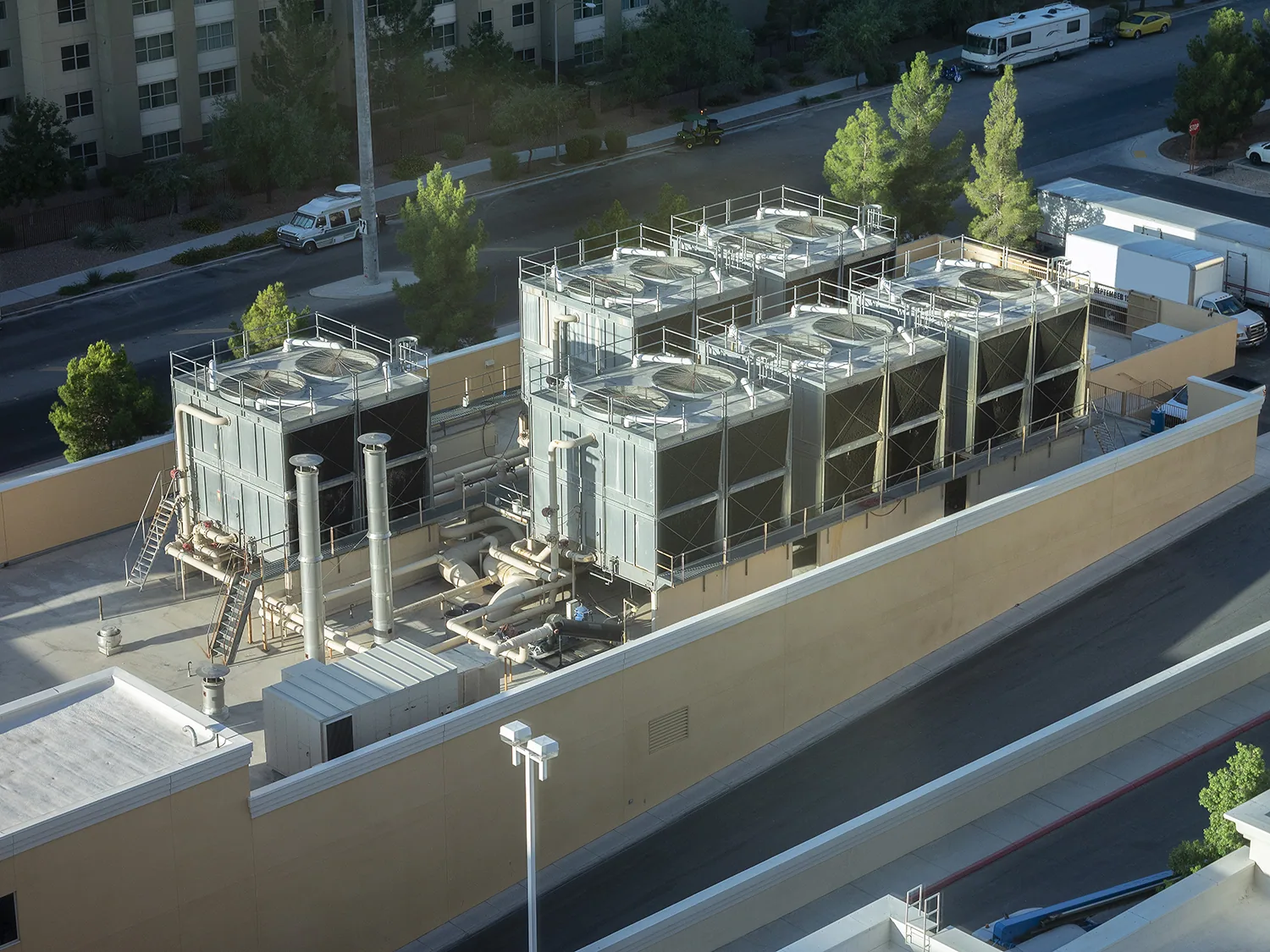
Rooftop units create repeated transitions across a large store roof. We inspect curb corners, counterflashings, conduit supports, exhaust penetrations and service paths. Vibration or maintenance access can stress nearby membrane details. A lifted corner may expose the insulation edge; a loose conduit boot can admit water at another point. We document the specific defect and check nearby tie-ins before recommending a repair.
Facilities staff can identify units that must remain on, service appointments and required clearances. We coordinate shutdowns with the store contact and avoid staging materials in equipment service lanes. If work affects a curb, the scope states how flashing will be restored and who authorizes temporary equipment changes. The curb and support review can list each penetration that needs work.
A leak may travel from a unit curb to a distant ceiling stain. We compare indoor reports with roof slopes, seams and drain basins rather than assume the closest equipment caused the leak. A targeted leak investigation records the entry point when evidence supports it and identifies testing where the source remains concealed.
Protect customer and receiving routes
A working store needs clear customer entrances and a usable receiving area. We ask the manager about opening hours, stocking schedules, overhead work zones, fire lanes, pickup areas and notification rules. Material lifts, dumpsters and staging limits are confirmed before mobilization. If a repair requires a brief entrance change or equipment shutdown, the store approves the window and communicates it to staff.
Replacement proceeds in zones that can be dried in at shift end. The sequence identifies tear-off limits, temporary protection, drain control, debris movement and the roof access route. If removal uncovers damp insulation or a damaged deck, we photograph the material and protect the opening. Work resumes after the store approves a priced change and revised boundary. Phased occupied-store reroofing can keep unaffected sections operating.
North Point planning emphasizes connected streets, trails, parks and a mixed-use district structure. A store's own site rules still govern delivery and pedestrian control. We confirm lift reach, rooftop access, fence limits and the route for equipment. Every daily closeout notes which zone is secure and what must be checked before work resumes.
Match the work to the roof in place
Retail use does not reveal whether a roof is TPO, PVC, EPDM, modified bitumen, built-up, metal or coated. We identify visible materials, attachment, insulation and substrate before pricing a tie-in. A patch may hold where the defect is isolated and surrounding material remains compatible. Recovery may fit an assembly that can support another layer. Replacement is considered when moisture or repeated failures undermine retained materials.
Coatings need a sound, dry surface and workable drainage. They do not fix failed insulation or a blocked outlet. A coating restoration review checks adhesion, seams, penetrations and low spots before that option is priced. Where wet material is suspected, infrared scanning and test cuts can answer different questions. We state the test area and what result would change the repair boundary.
Cost varies with repair count, roof access, equipment moves, removal layers, drain work, store hours and confirmed deck or insulation repairs. Schedule depends on weather, material lead time, delivery windows and the number of zones. The proposal shows included areas, exclusions, detail work and the person who approves concealed-condition changes. A shopping center scope may share tenant coordination, while grocery roof work needs separate findings for refrigeration equipment and roof penetrations.
Close with roof-zone evidence
Closeout photographs show repaired curbs, laps, drains, edge metal and tie-ins. We label the store and roof zone, note material and work completed, and list any concealed condition or deferred access item. The manager can compare the record with earlier repairs and schedule maintenance for the same area. Debris is removed and outlets are checked before handoff.
North Georgia experiences severe thunderstorms, damaging wind, hail and tornadoes. A regional weather report does not establish impact at a store. After a reported event, we inspect accessible areas for punctures, displaced edge metal, open seams or damaged flashing. Emergency response is available at any hour, including holidays, if an opening needs protection. We document observed damage and any area awaiting safe access.
Name one store and the work area. Provide its roof plan, unit register, leak log, access procedure, delivery window and earlier scopes. We will mark confirmed work, note open questions and show where approval is needed before a concealed condition changes the scope.
Related Roofing Work
Scope a big-box roof zone
Name the store and roof area. Send roof plans, equipment locations, receiving hours, leak reports, access rules, shutdown limits and repair records.
Questions About Big-Box Retail Roofing
How do you keep rooftop units available during repairs?
The store contact identifies units that must stay in service, required clearances and any authorized shutdown windows. We map the curb or penetration work by zone and coordinate with equipment service staff before a tie-in is opened. If a unit must move or stop, the proposal states the assumed duration and approval contact. The daily record shows which equipment areas are complete.
Can you repair one area of a large retail roof at a time?
Yes, when the assembly and tie-ins allow the work to be divided safely. We map drain basins, seams and equipment zones, then set daily dry-in limits. Each phase lists access, material staging and areas kept open. Moisture or deck damage found during removal may change the boundary, so the store contact approves any extension before work moves on.
How do you tell whether ponding calls for drainage work or replacement?
We check the outlet, overflow, slope, membrane and nearby insulation. Debris or a blocked strainer may need clearing; a failed drain detail requires repair. If standing water has affected the assembly, moisture testing can establish whether the work extends beyond the surface. The report compares the confirmed correction with wider options instead of treating ponding alone as a replacement decision.
What records help after storm damage is reported?
Send the roof plan, previous repair locations, date and areas affected by the report, and any access restrictions. We inspect accessible details, photograph observed conditions and map each finding to a zone. A weather report is not proof of roof damage. The closeout record distinguishes repairs completed from areas that could not be reached safely.
Commercial Roofing Across Roswell and North Fulton
Roof Repair, Replacement and Maintenance for Every Kind of Commercial Building
From Historic Roswell and Canton Street to the Holcomb Bridge Road corridor, GA 400 and the North Point area, we inspect, repair and replace low-slope and metal roofs on offices, retail centers, medical buildings, schools and warehouses.