
Commercial Roofing in Roswell, GA
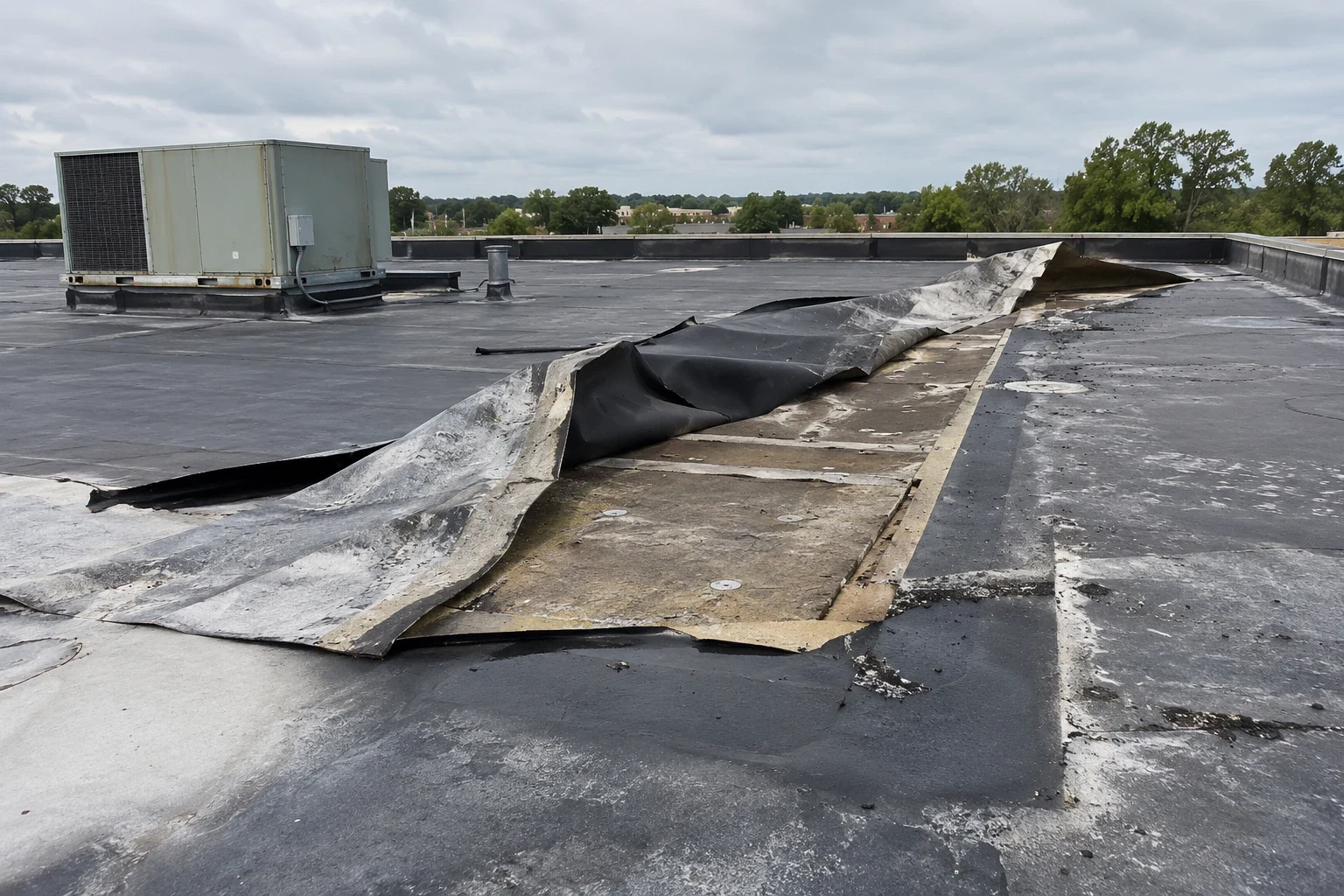
A separated edge termination lets wind and rain work beneath the roof line. We trace the loose section into attached membrane, backing, and nearby drainage before setting the repair boundary. Roswell has offices, healthcare, schools, civic buildings, retail, and light industrial property across a connected city. Each roof needs a scope tied to its actual assembly, access, and use, not a guess based on its street or business name.
Roswell's planning covers transportation, public facilities, land use, economic development, and cultural resources. Those decisions touch different parts of the commercial city. We begin with the roof zone, document visible conditions, and separate confirmed work from material that cannot be seen yet. For a wider property review, North Fulton commercial roof planning can coordinate records across nearby municipalities.
Trace the edge before pricing the repair
At an edge, we check the membrane termination, metal cleat or fascia, fasteners, adjoining wall, and the condition of the deck-facing substrate. A loose cover may expose a narrow defect or signal movement across a longer run. We mark the affected roof zone and photograph changes in attachment. The repair decision follows that evidence. It does not start with a blanket call to replace a full perimeter.
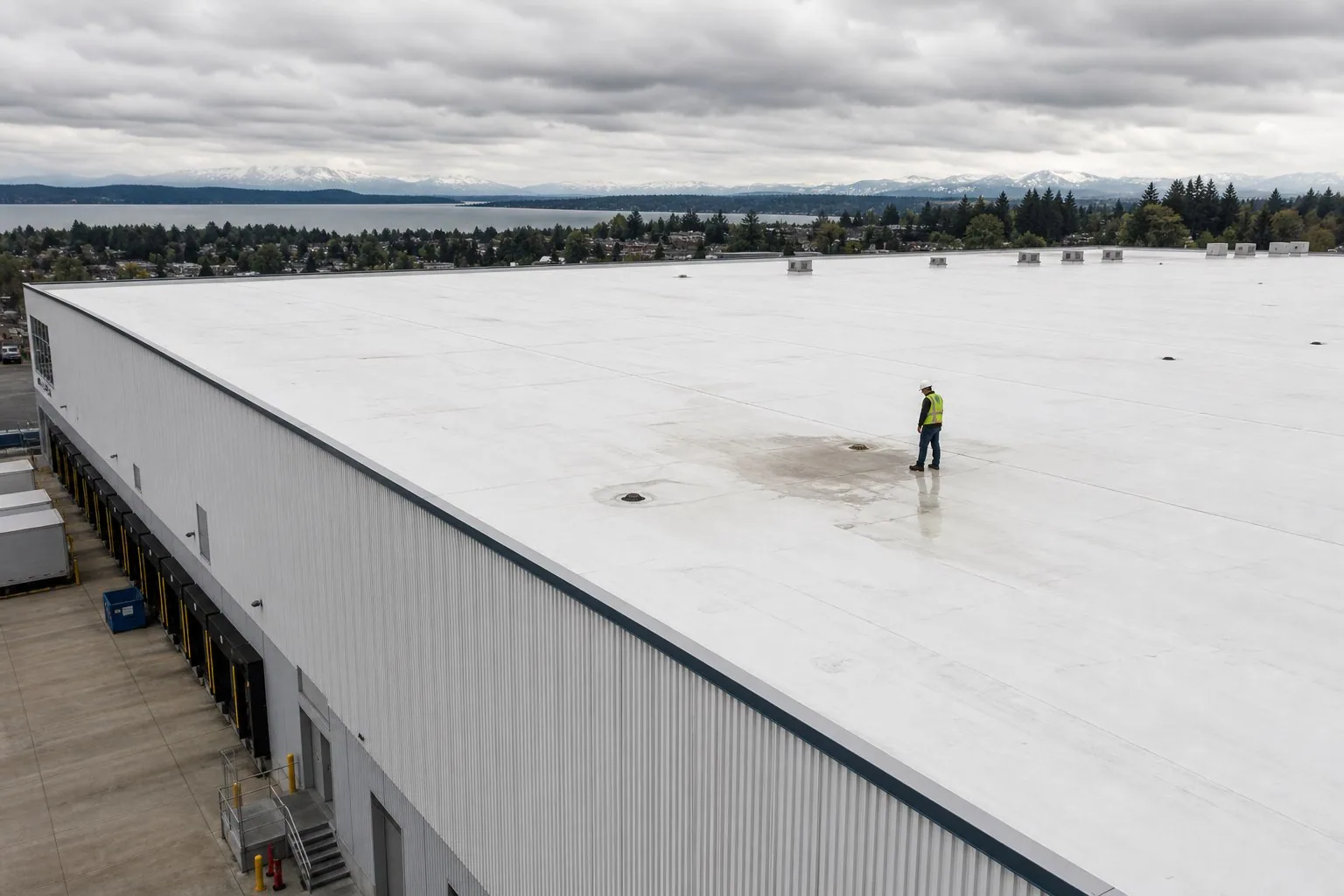
Drainage deserves a separate look. Roswell's frequent warm-season rain can test drain bowls, scuppers, overflow routes, and low areas in quick succession. We look for retained water, debris, open seams, and softened material near outlets. If a drain is clear but water still remains, the cause may involve slope or insulation. We identify what can be confirmed from the surface and what would require a test opening.
Atlanta climate normals show a July normal high near 90 degrees Fahrenheit and frequent warm-season rainfall. On exposed roof details, repeated heating and wetting can stress seams and flashing transitions. The market climate describes the work conditions; it does not prove damage at a particular property. A photo-based roof condition report can preserve the inspected zones and the evidence behind each recommendation.
Match the next step to the assembly
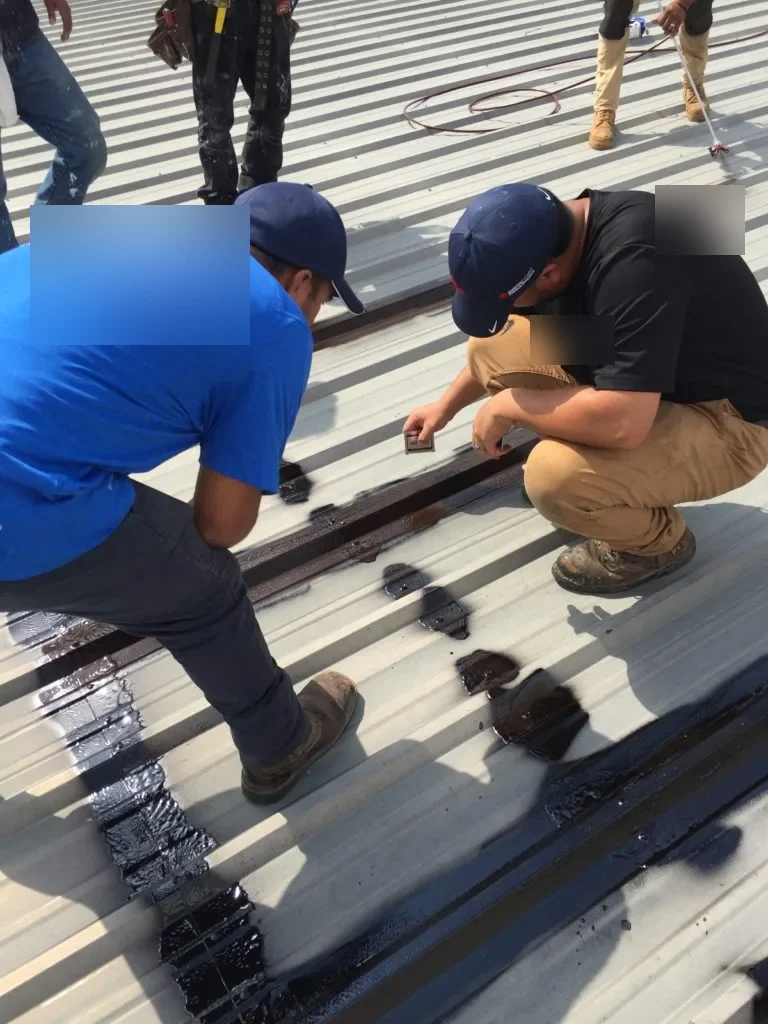
A repair starts with the existing system. TPO and PVC seams may allow a compatible welded detail after preparation. EPDM, modified bitumen, built-up roofing, coatings, and metal each need a different tie-in. We identify the material where possible, check adhesion or weldability, and inspect adjacent transitions. If the surface has become brittle or layers are wet, a small patch may not reach sound substrate. The scope should show where that decision changes.
Replacement becomes a comparison when defects recur across zones, moisture reaches multiple layers, or repairs no longer restore a stable water plane. Recovery may be another option when the assembly and code conditions permit it. We look at deck condition, insulation, drainage, roof height, and existing layers before describing a path. A replacement scope should explain removal, tie-ins, equipment curbs, and how the building stays protected during the work.
Coating can suit some existing roofs, but surface preparation and adhesion control the result. Wet insulation, unstable seams, incompatible repairs, or trapped moisture can rule it out. We identify the substrate and repair defects before discussing a coating system. A silicone coating review should state the preparation, reinforcement, drainage corrections, and exclusions in plain terms.
Plan around Roswell access and approvals
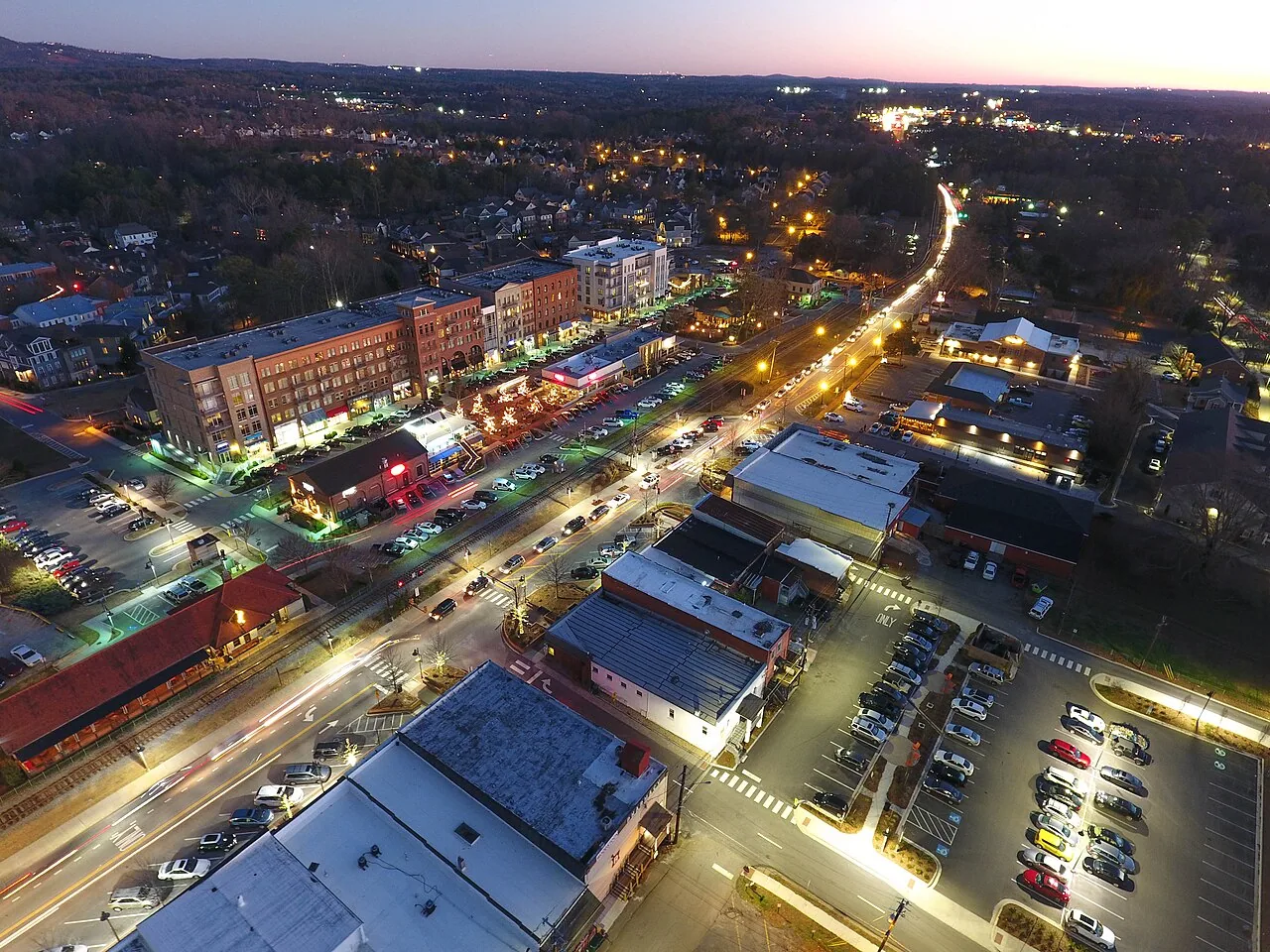
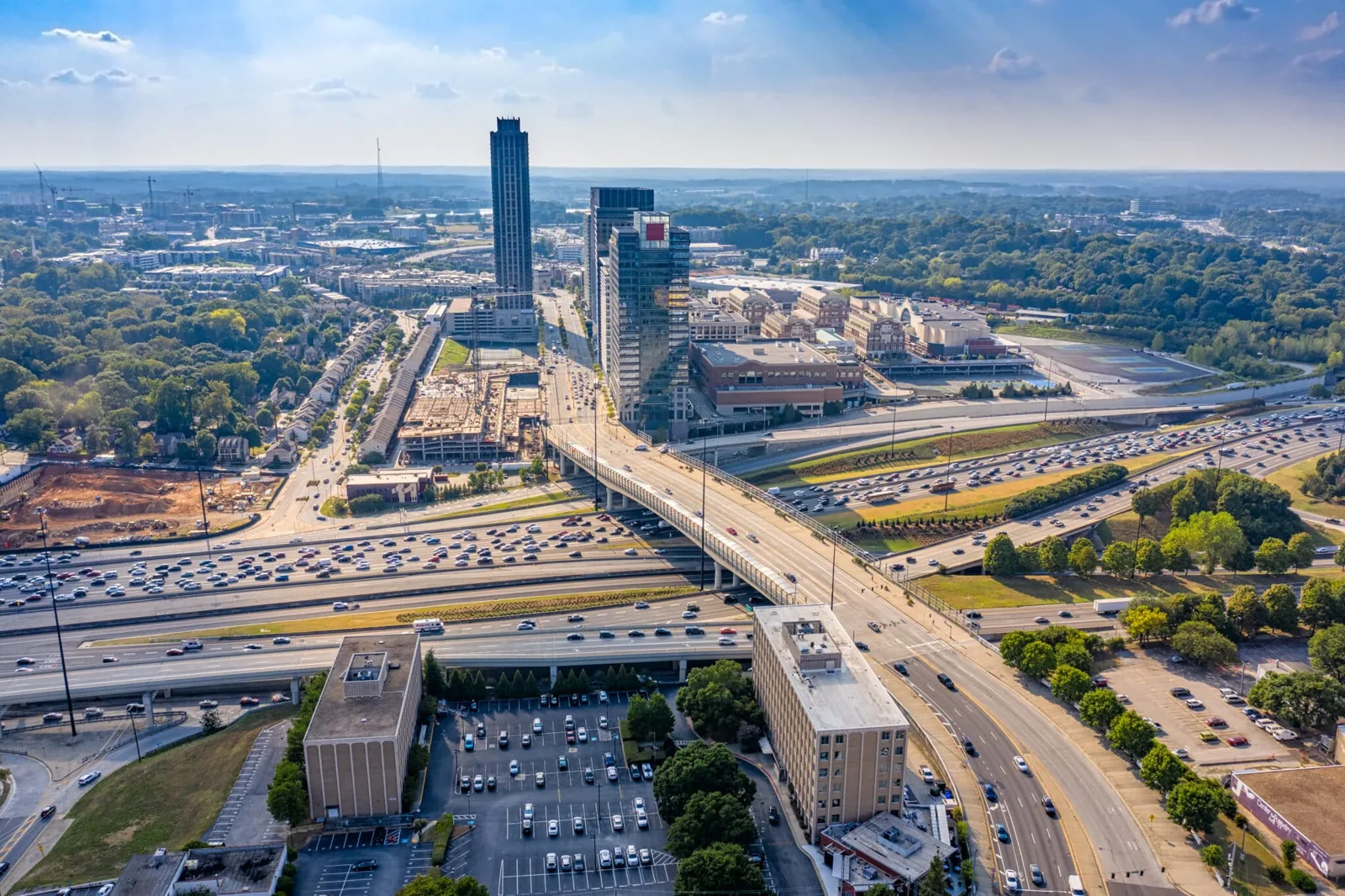
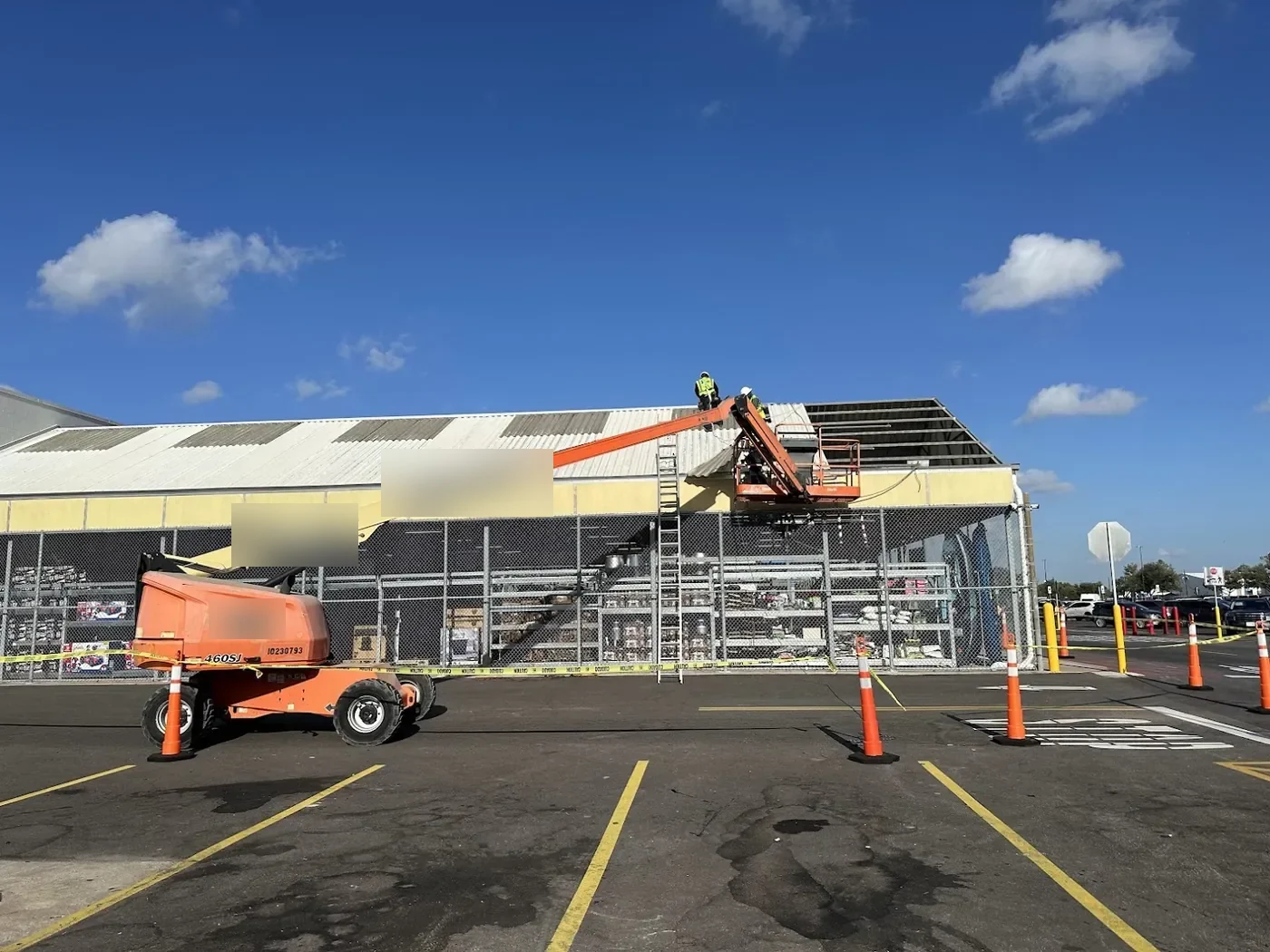
GA 400, Holcomb Bridge Road, Roswell Road, and the Chattahoochee corridor connect the city's commercial districts. The route to a site can affect delivery windows, staging, and crew arrival, while roof access is determined at the property. We confirm loading areas, gates, roof hatches, lift locations, restricted hours, and tenant paths before scheduling. A route name alone does not tell us where material can be placed. Buildings in the Downtown Roswell district may also have different access and review coordination than a property near the highway.
Roswell's Development Authority supports trade, commerce, industry, and employment across the city. The commercial mix includes offices, healthcare, schools, civic uses, retail, and light industrial properties. Each operation can set a different work window. We coordinate noisy removal, odor-producing materials, rooftop equipment shutdowns, and temporary barriers with the property contact. Occupied buildings can remain active when the scope and safety controls support it.
North and central Georgia can experience severe thunderstorms, damaging wind, hail, and tornadoes. After an event, we document visible displacement, punctures, lifted metal, or newly opened seams. The event itself does not establish a claim or repair need. For confirmed storm effects, a wind-related roof assessment can separate observed damage from unrelated aging or prior repairs.
Set a workable scope and schedule
Cost follows the roof details that need work. Access, membrane type, number of transitions, surface preparation, wet insulation, deck repair, and material staging all change the scope. We identify the confirmed repair and show any allowance tied to concealed conditions. If opening the roof reveals more damage, the owner receives the finding and approval request before added work proceeds.
Timing depends on dry weather, material availability, building hours, lift or loading access, and the length of the repair. Warm-season rain can interrupt preparation or installation, so a forecast window matters. We can sequence urgent water control separately from a longer replacement decision. A leak investigation and repair visit focuses on the reported entry while documenting adjacent details that affect the permanent fix.
Before approving work, share roof plans, known membrane records, previous invoices, interior leak dates, and access rules. Note any planned mechanical work or tenant event that changes the schedule. When several areas need attention, list them by building and roof zone. A multi-property roofing program can coordinate visit timing while keeping each building's conditions and costs distinct.
Leave a record the next visit can use
Closeout photographs should show the repaired detail and the surrounding roof. We note material, location, repair extent, and any area that stayed outside the approved work. If a concealed layer was opened, the record describes what was found before it was covered. That gives a future inspection a reliable point of comparison instead of an unlocated invoice entry.
Follow-up is tied to the defect. A repaired edge can be checked for movement. A drain correction can be reviewed after rainfall. A newly coated surface may need a separate review of adhesion and flashing details. We can add agreed visits to a preventive roof maintenance plan and keep new findings separate from completed work.
Request an inspection for a named building or roof zone in Roswell. Send access contacts, roof plans, repair history, known leaks, and operating limits. We will document visible conditions, identify decisions that depend on concealed material, and provide a scoped comparison when several options remain open.
Related Roofing Work
Request a Roswell roof assessment
Name the building and roof zones. Share roof plans, leak dates, repair history, access rules, and operating hours so we can document confirmed conditions and scope the next decision.
Questions About Roswell
Can one inspection cover several commercial properties in Roswell?
Yes. We can plan a portfolio route, but each building receives its own access notes, roof-zone labels, photographs, and findings. Property records help us compare priorities without treating distinct assemblies as one roof. Share site contacts and operating hours so we can group visits while preserving the conditions and approvals for each address.
What makes a repair boundary move beyond the visible opening?
Loose membrane, wet insulation, failed attachment, or damaged substrate can extend beyond the point where water appears. We inspect connected seams, flashings, and drainage before setting the edge. If removal reveals concealed damage, we document it and seek approval before expanding the work. The report distinguishes what was confirmed from what remains inaccessible.
Does a severe storm mean the roof needs replacement?
No. We look for specific impacts such as punctures, displaced edge metal, opened seams, or damaged flashings. A regional weather event alone does not determine roof condition. The assembly, extent of confirmed damage, and existing moisture evidence guide the choice between repair, broader correction, and replacement.
What records help set a useful inspection visit?
Roof plans, system information, previous repair invoices, leak dates, interior photos, access instructions, and mechanical work schedules help focus the visit. Missing records do not prevent an inspection. We mark uncertain construction details as unconfirmed and identify which test or opening would answer the remaining question.
Commercial Roofing Across Roswell and North Fulton
Roof Repair, Replacement and Maintenance for Every Kind of Commercial Building
From Historic Roswell and Canton Street to the Holcomb Bridge Road corridor, GA 400 and the North Point area, we inspect, repair and replace low-slope and metal roofs on offices, retail centers, medical buildings, schools and warehouses.