Distribution Center Roofing in Roswell, GA
A separated edge-metal joint can admit water before anyone sees a ceiling stain. At a distribution center, that opening may sit above conveyors, staging lanes or inventory, while trucks continue moving below. We inspect the joint, adjacent membrane, fasteners and drain path, then mark a repair boundary on the roof plan. Roswell's warm, humid summers bring frequent rain that tests those transitions. The work scope must identify the detail that failed and the area that can be repaired safely.
Distribution facilities have different operating patterns, roof assemblies and equipment layouts. Roswell's commercial network follows GA 400 and Holcomb Bridge Road, and the city identifies light industrial uses among its building stock. We confirm access, dock hours and active equipment at the actual property. A GA 400 and Holcomb Bridge area visit starts with site rules, not an assumed operating plan.
Trace the leak across connected roof details
Water may enter at a seam, curb, skylight or edge, travel below the membrane, then appear away from the opening. We match interior reports to roof evidence and inspect around each point. Diligence Notes identify open laps, loose flashings, punctures, standing water, wet insulation and prior patches. We photograph the zone so staff can relocate the condition.
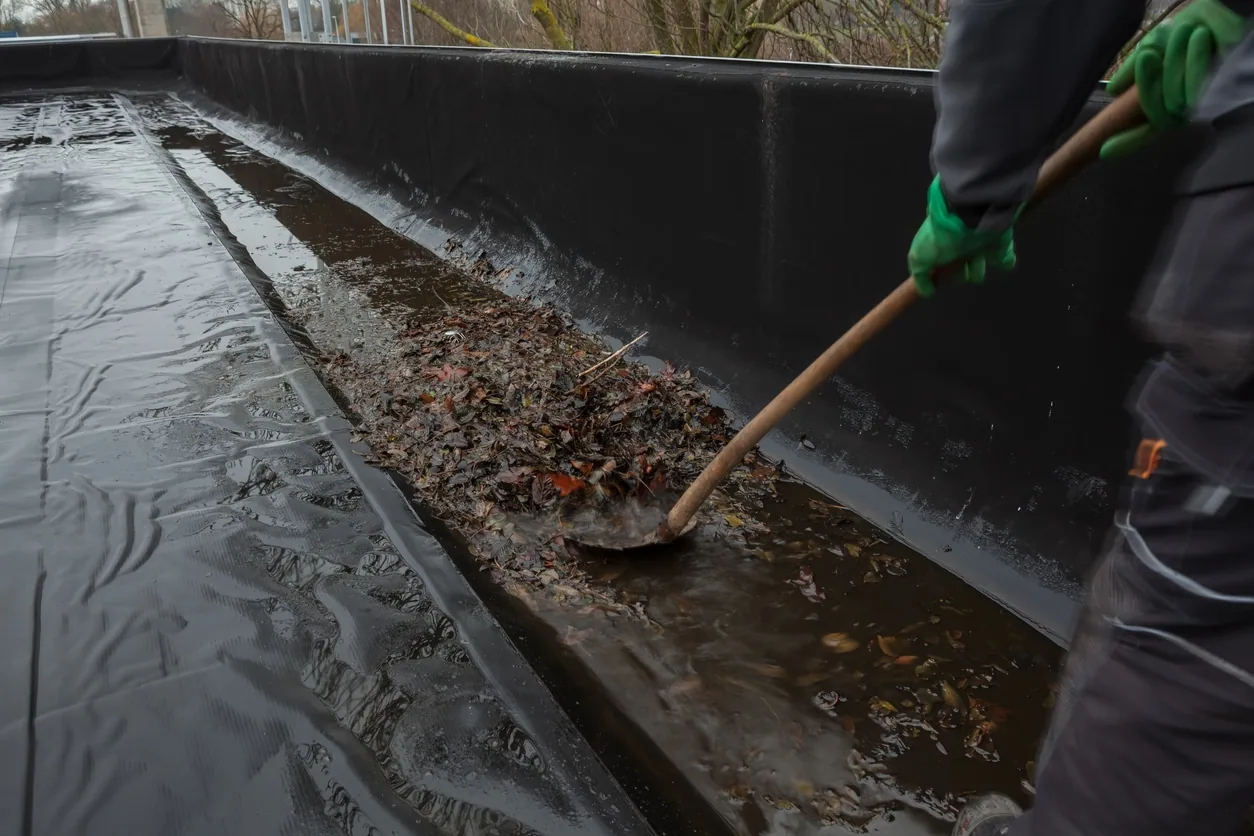
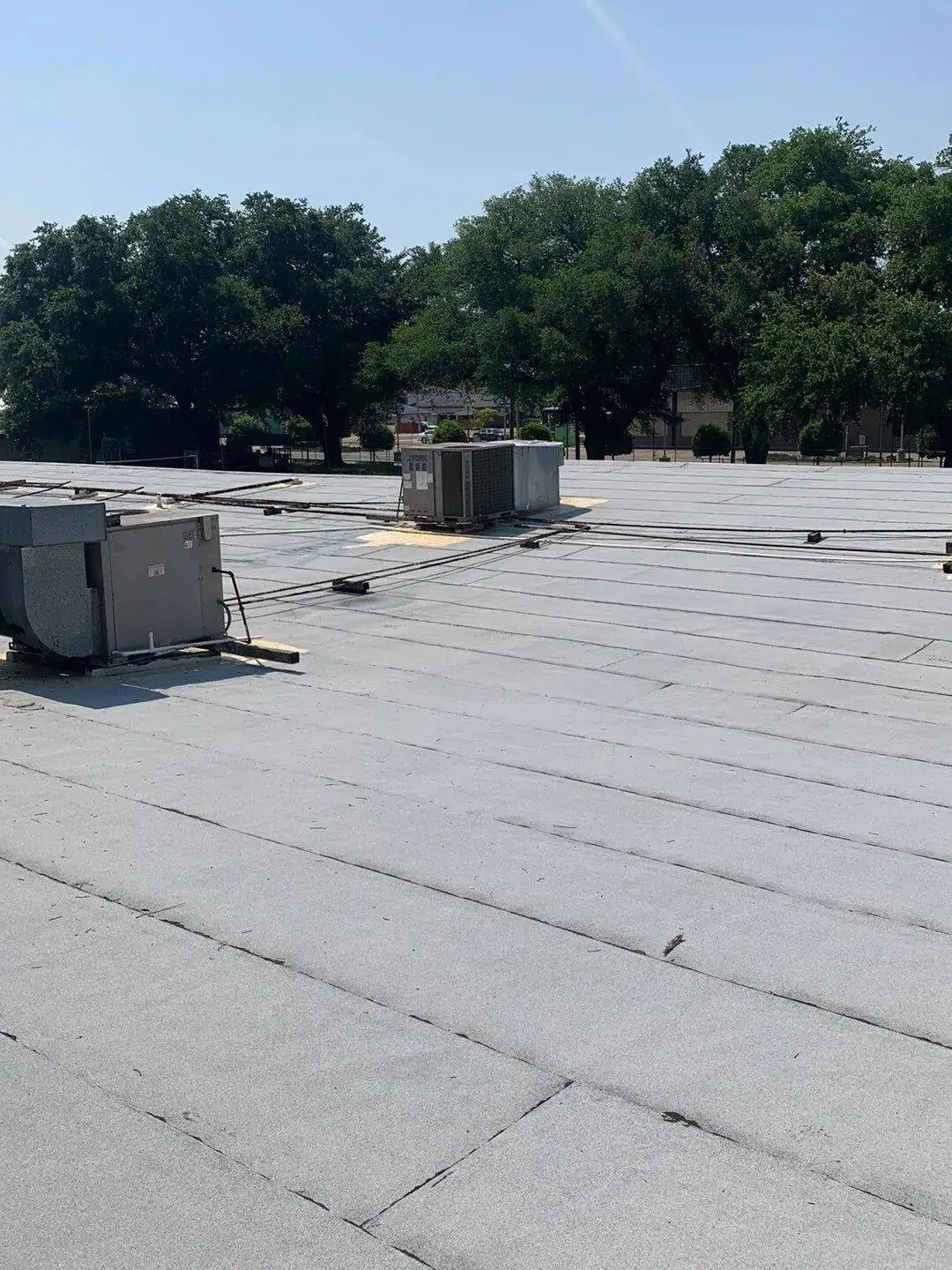
Distribution centers can have many rooftop units and penetrations. We check curb corners, pipe boots, electrical supports and service clearances, including surfaces where foot traffic may wear the membrane. At drains, we look at the bowl, clamping ring, nearby slope and overflow route. A blocked drain needs clearing and review; it does not prove that membrane replacement is needed. The drain and overflow scope can be priced separately.
Holcomb Bridge Road carries more than 70,000 vehicles daily at GA 400 and provides Roswell's only interchange access to SR 400. For a busy property, we confirm gate process, delivery windows, lift locations and pedestrian routes with the site contact before mobilizing. The corridor informs access planning, not roof condition.
Sequence work by roof zone and shift
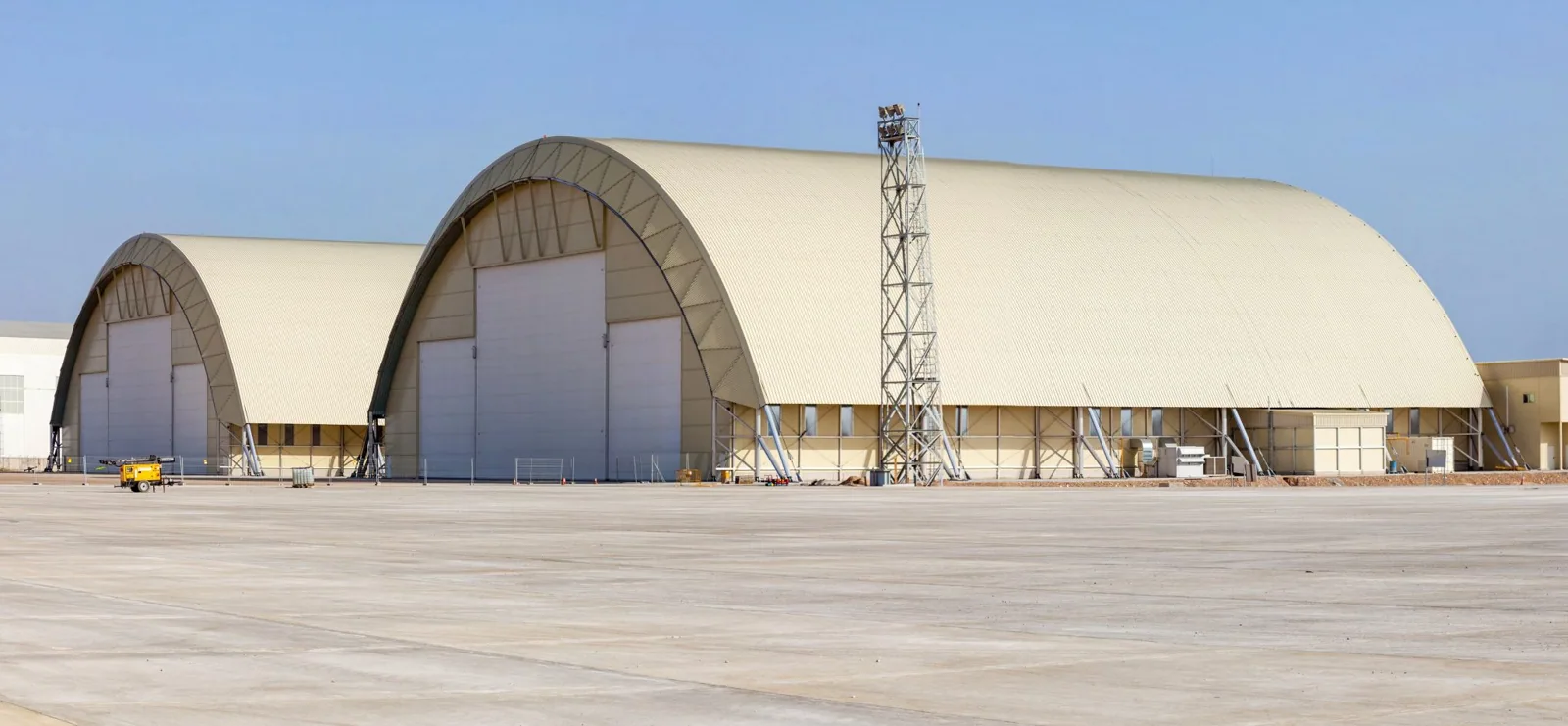
A distribution operation may have dispatch peaks, shift changes and lanes that must stay clear. Before repair or reroofing, we identify roof hatch access, approved loading areas, material routes, active mechanical equipment and interior zones needing protection. The facility contact sets limits for noise, odors and temporary access changes. We put those limits into the work schedule and confirm who can authorize a change.
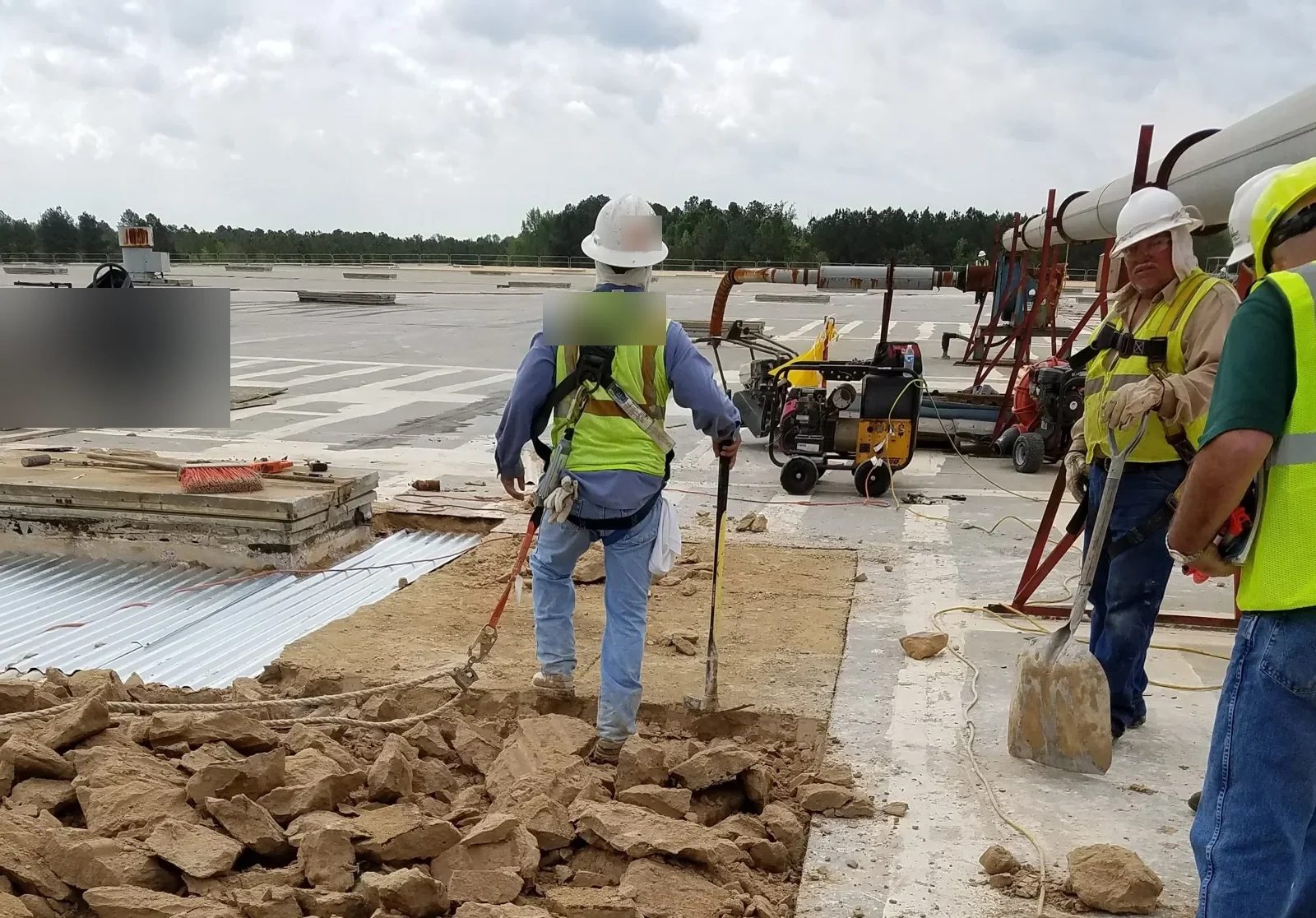
For replacement, each section needs a defined removal limit and daily dry-in. We stage materials so drains and overflows remain open, and close exposed edges at the end of a shift. If rain moves in or opening the assembly reveals wet insulation, the crew secures a stable boundary while the authorized contact reviews the condition. Work proceeds after the additional scope and price are approved. A phased occupied-building sequence can show the access and protection steps for each zone.
Roswell project lists include improvements along Old Alabama Road and Riverside Road. At the property, we confirm truck routes, crane or lift areas, and dock windows that must stay clear. Those constraints set staging, while inspection findings determine the roof diagnosis.
Separate isolated damage from broad deterioration
A local seam opening may be repairable if the adjacent sheet is clean, attached and sound. We prepare a patch with the correct overlap and compatible material, then inspect the surrounding lap and nearby flashing. If the membrane is brittle, detached across multiple seams or wet below the surface, a small patch will not restore the wider assembly. We explain where the confirmed failure ends and what further testing could establish.
Some roofs can be recovered if the existing layers, attachment and moisture condition allow it. Others require tear-off to reach a sound deck and correct insulation issues. The decision uses core samples, infrared findings, visual observations and available roof records. We do not infer roof type from distribution use. A recover evaluation compares retained layers with a replacement assembly and states the conditions that could change the work.
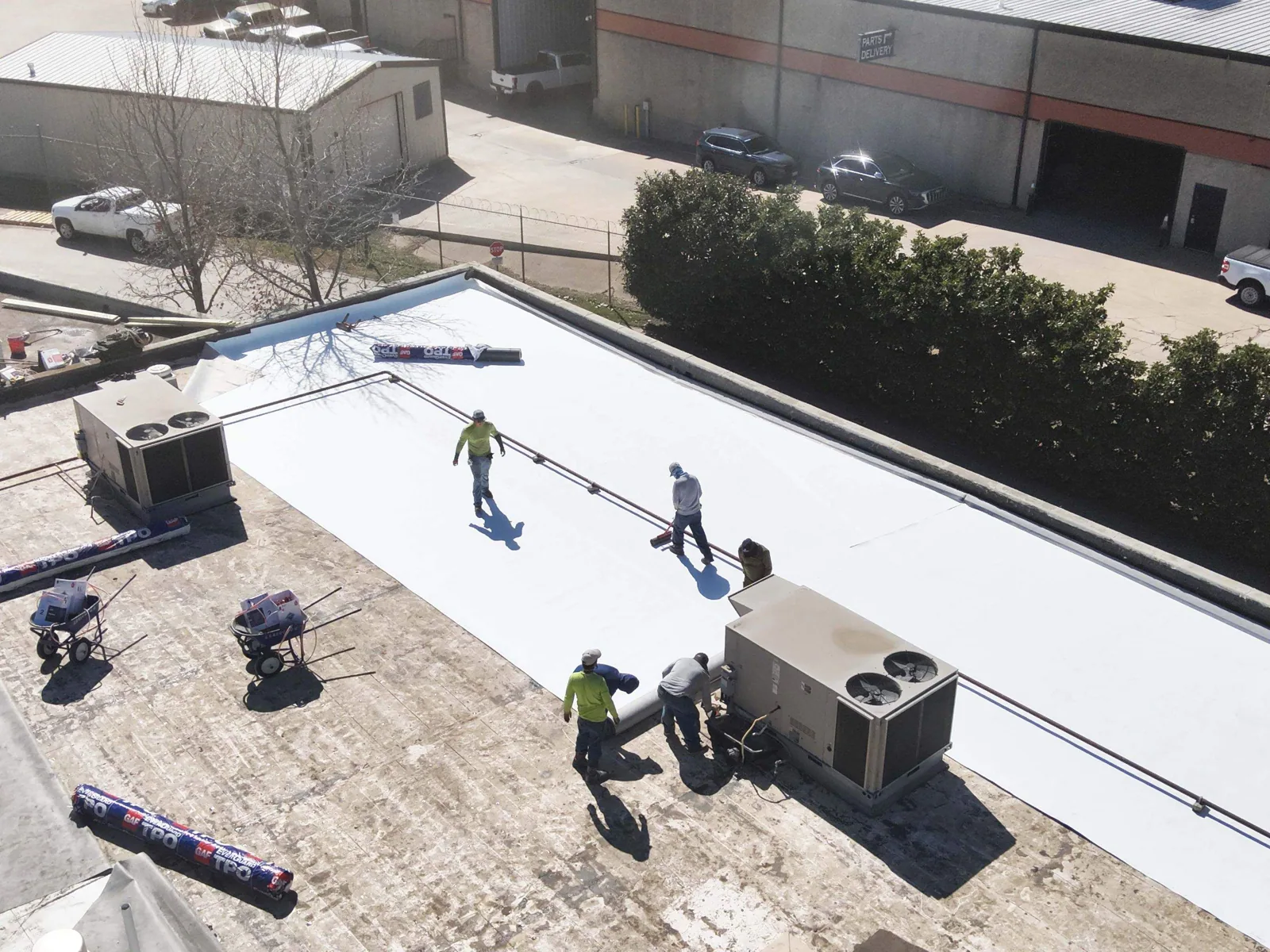
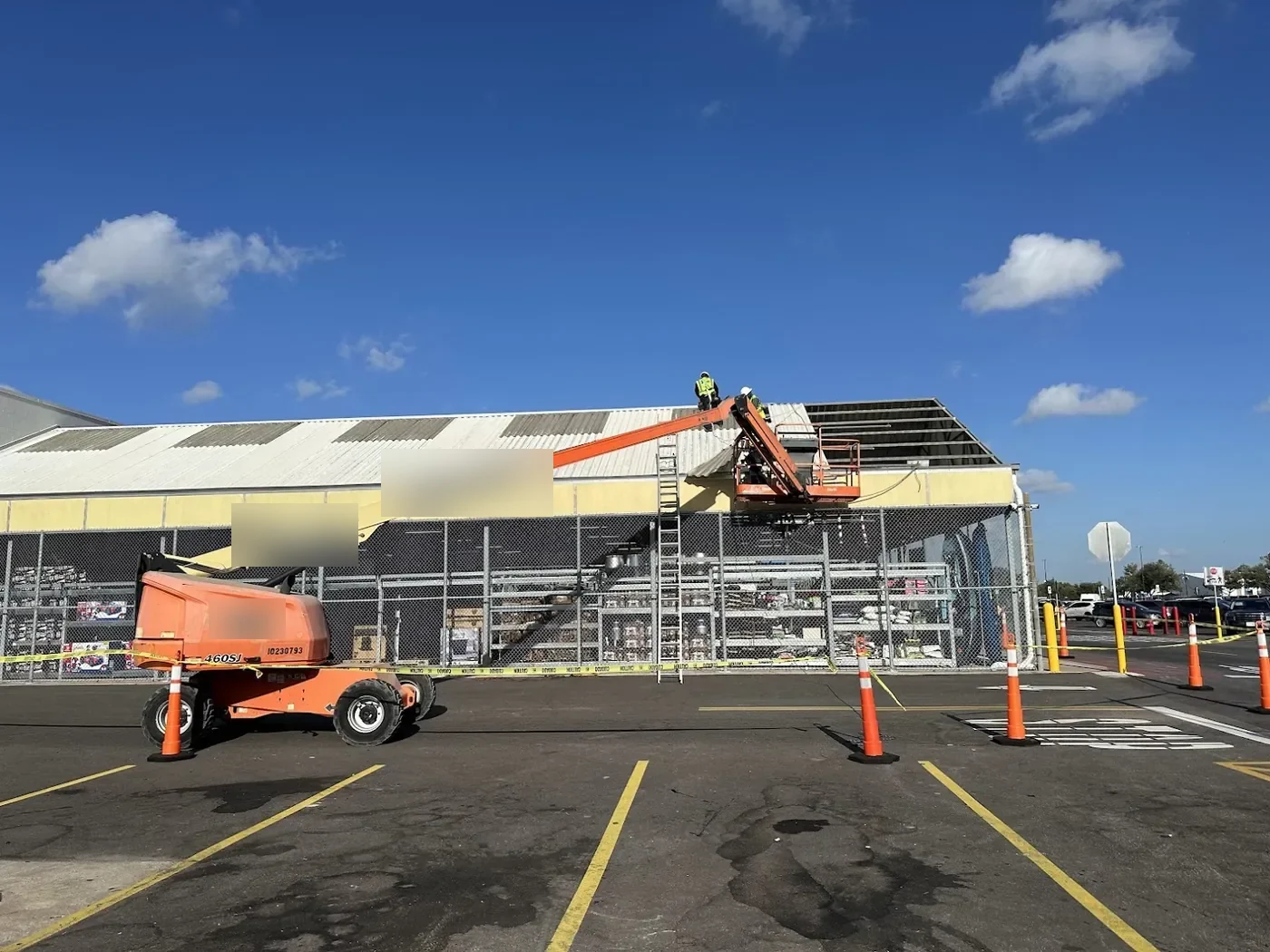
Materials must suit the existing roof. TPO, PVC, EPDM, modified bitumen, built-up and metal systems need different preparation and connection details. We identify the membrane, attachment and insulation before naming a repair method. At metal roofs, we check panel laps, fasteners, ridge transitions and penetrations; a retrofit may be considered only after reviewing structure and attachment. The repair detail follows the assembly: modified bitumen roofing uses layered asphalt materials, while a standing-seam metal roof relies on panel joints and attachment details.
Protect open work through rain and storms
Warm-season rain can arrive while a large roof is under repair. We check the forecast, stage temporary protection, clear the drains in the work zone and plan tie-ins that can close securely. Adhesives and coatings need suitable surface conditions. Wind can limit safe material handling. When the roof is wet, the crew pauses and protects the opening.
National Weather Service outlooks cover severe storms, hail, tornadoes and damaging gusts in the Atlanta region. A regional alert does not establish damage at a specific building. After a reported event, we inspect for displaced edge metal, punctures, loosened flashings or hail fractures. Emergency service is available day or night, including weekends and holidays, when an opening needs attention.
Timing depends on the number of roof zones, removal layers, access windows, equipment coordination, material delivery and weather. The schedule identifies dry-in milestones and who can approve added work. If concealed deck damage appears, we photograph the exposed area and provide a defined repair extent before continuing.
Keep each building's approval record distinct
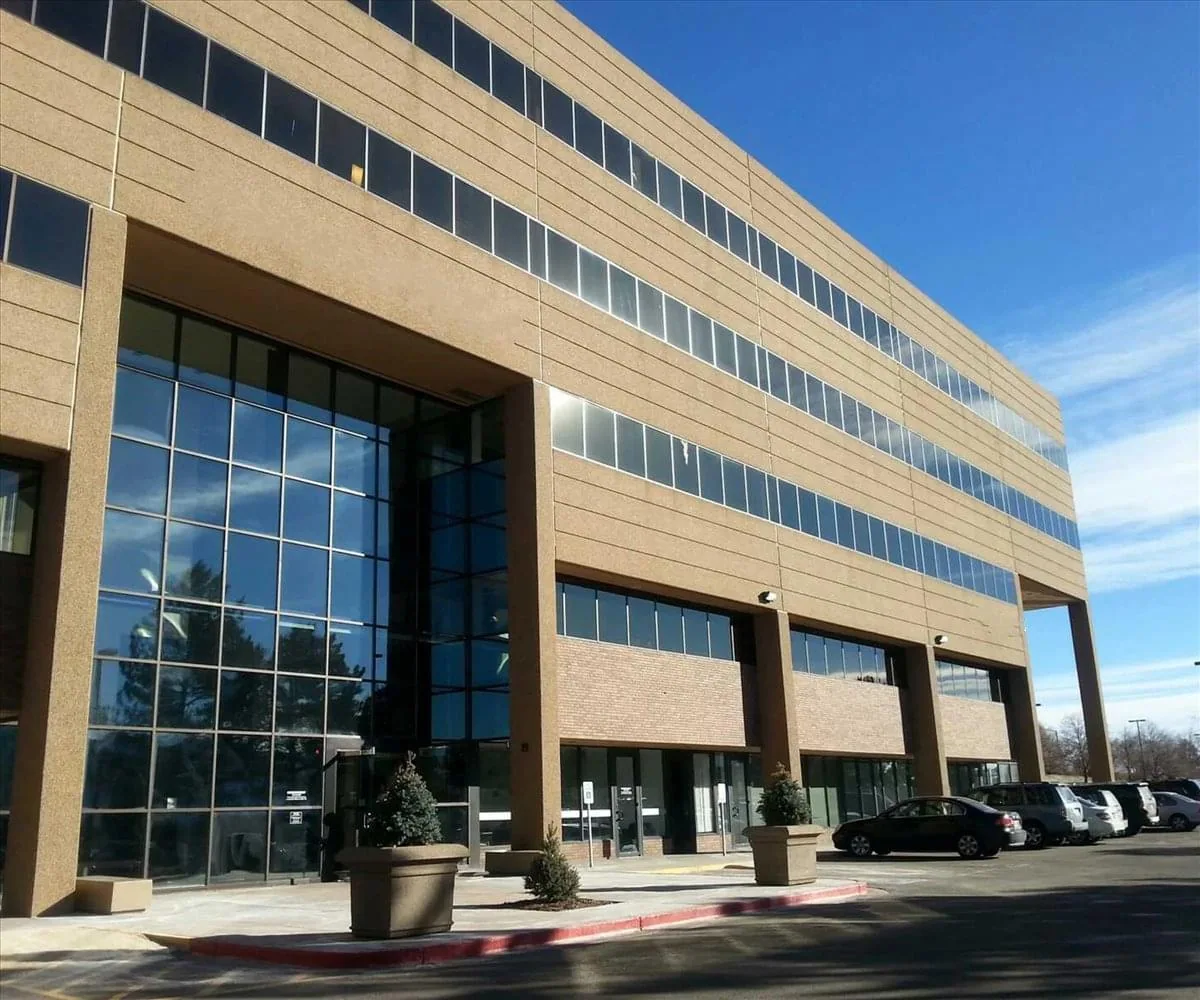
For a campus or multi-building operation, every roof gets its own zone map and condition record. We list the date, inspection limits, photographs, membrane, repair locations and work completed. Findings from one building do not transfer to another without supporting inspection evidence.
Closeout photos show repaired seams, edges, curbs and drains. We note concealed conditions, maintenance items and locations to review after rain. A cold-storage roof review may involve similar equipment and access concerns. Compare the work with a warehouse roof scope only after checking this facility's dock pattern.
Request an inspection or comparison for a named distribution center and roof zone. Send roof plans, leak records, dock schedules, access rules, equipment restrictions and prior surveys. We will mark the repair boundary, identify needed tests and price approved work separately from concealed-condition allowances.
Related Roofing Work
Plan roof work around distribution hours
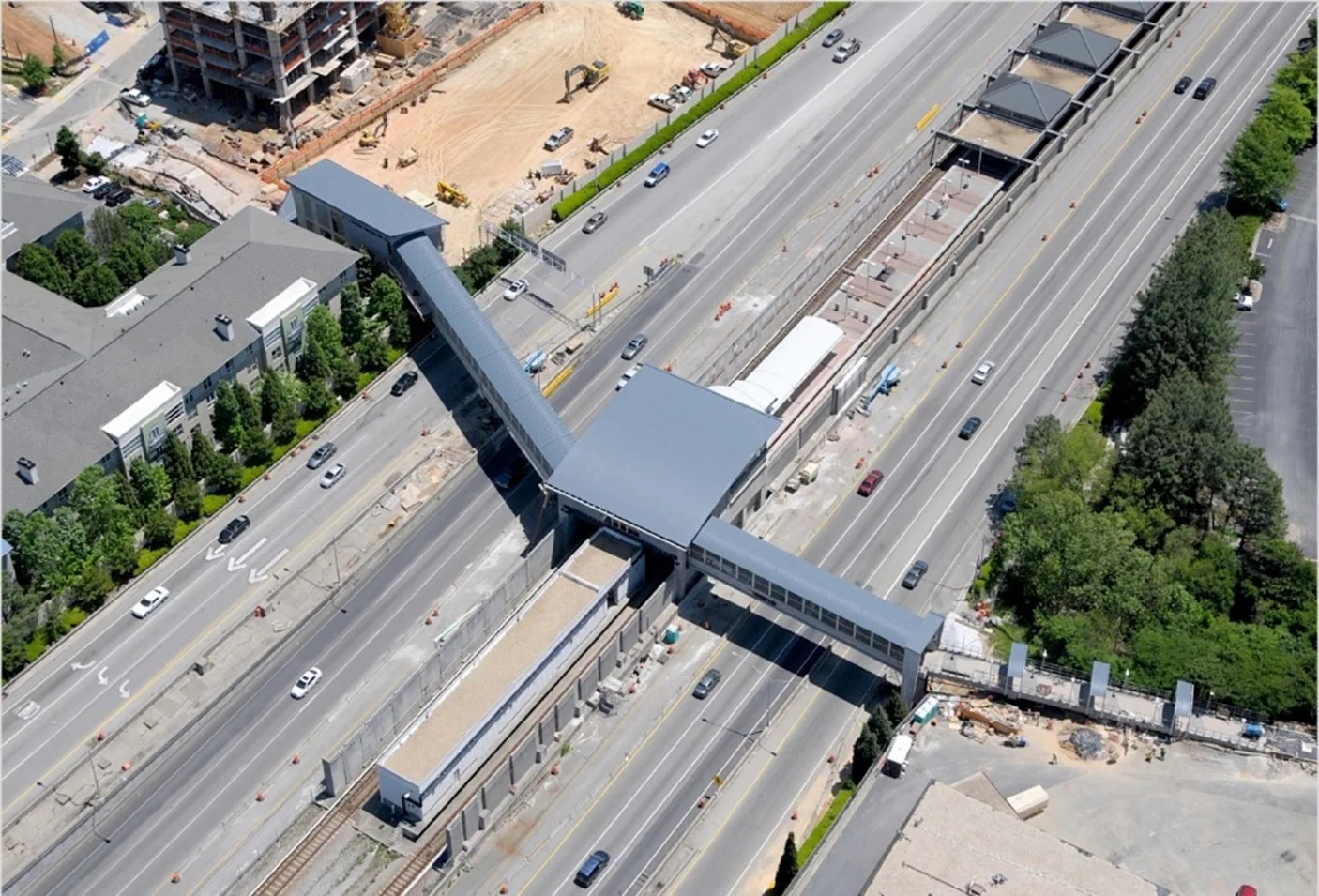
Send the roof plan, leak history, dock schedule, access rules and equipment restrictions. Name the building and affected zone so we can map findings and set approvals for concealed conditions.
Questions About Distribution Center Roofing
Can you work above active sorting and conveyor areas?
We first map roof zones to interior equipment and operating periods with the facility contact. Some repairs can proceed above active areas with agreed protection and access controls. A shutdown or temporary restriction may be needed where work reaches a curb, electrical service or equipment clearance. The sequence names affected zones and identifies who approves any operational change.
What roof details deserve attention after heavy rain?
Check interior reports against drains, overflows, seams, curb corners and edge transitions. Ponding can show a drainage issue, but the wet area alone does not identify the entry point. We photograph the roof and follow connected details until the water path is understood. If the roof is unsafe or storms are active, interior protection comes first and the roof visit waits for safe access.
How do you keep docks and delivery lanes available?
The facility identifies protected truck routes, dispatch peaks, receiving windows and staging limits before materials arrive. We plan roof access and ground operations around those restrictions, then confirm daily changes with the site contact. If a lift or debris route crosses an active lane, the schedule needs an approved time and control plan.
What belongs in an allowance for concealed conditions?
An allowance should identify the condition that activates it, such as wet insulation or unsound deck exposed during removal. It should also state the measurement method, unit cost and approval contact. We photograph and measure the confirmed area before extending work. The base scope remains separate so the operator can see what has already been authorized.
Commercial Roofing Across Roswell and North Fulton
Roof Repair, Replacement and Maintenance for Every Kind of Commercial Building
From Historic Roswell and Canton Street to the Holcomb Bridge Road corridor, GA 400 and the North Point area, we inspect, repair and replace low-slope and metal roofs on offices, retail centers, medical buildings, schools and warehouses.