EPDM Commercial Roofing in Roswell, GA
A loose EPDM seam beside a pipe boot lifts the repair boundary past the visible edge. We inspect the splice, membrane, boot, insulation, and nearby drain path before choosing work. Roswell's humid summers and regular rain expose weak transitions over time. We mark the condition by roof zone and distinguish a surface repair from moisture or attachment problems below the sheet.
EPDM is a flexible rubber membrane. Its seams and flashing details rely on compatible primers, tapes, adhesives, and terminations. We identify the installed material and surface condition before selecting a repair. The commercial stock across Roswell includes offices, retail, healthcare, schools, civic facilities, and light industry. A roof inspection can record the assembly and identify which EPDM details need repair or monitoring.
Inspect the splice and surface
We check seam edges for lift, contamination, open laps, and loss of bond. A probe can identify an exposed edge, while a test area can show how the membrane responds to repair preparation. We inspect patches for curled corners and examine the rubber for cuts, punctures, shrinkage, or weathering. Findings are tied to nearby curbs, drains, and roof-plan references where available.
EPDM can move as the roof cycles through sun, heat, and cooler periods. We look for tension at corners, wall terminations, and penetrations. If the sheet has pulled away from a curb, the issue may extend beyond a short seam. We check the substrate and attachment before determining how far to remove material. Roswell's frequent rain makes a continuous water-shedding lap important at each transition.
Interior reports guide the inspection but do not locate the leak by themselves. Water can travel below the membrane before it reaches a ceiling. We compare stains with seams, penetrations, slope, and drain positions. When the path remains unclear, a leak tracing visit can investigate the connected area before the EPDM repair is priced. We record uncertain areas as questions, not confirmed moisture.
Rebuild a compatible seam
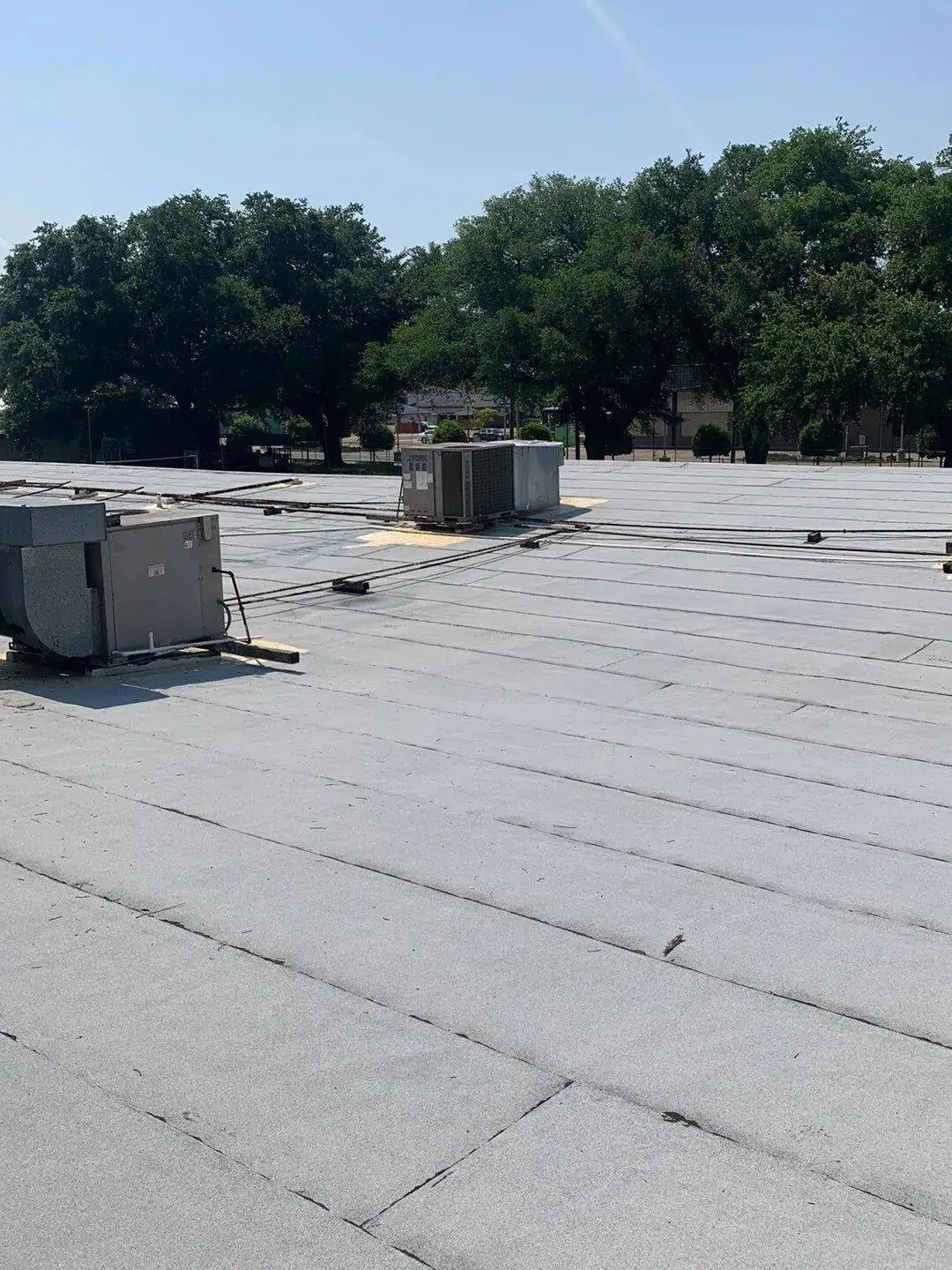
A seam repair starts with a clean, dry membrane and a stable lap. We remove loose material within the approved boundary, prepare the surface, and apply compatible primer and seam tape or flashing. Pressure and edge rolling help establish contact. We check the completed edge and document its location. If contamination or aging prevents a sound bond, we extend the repair to material that can accept the tie-in.
Pipe boots, drains, and curbs need shaped flashing rather than a flat strip across the opening. We inspect the boot, clamp, corners, termination, and adjacent membrane. At a drain, the EPDM must secure at the clamping ring without blocking the bowl. At a curb, we check vertical height and movement at corners. A penetration flashing repair can address a boot or curb where the membrane is sound beyond that detail.
If wet insulation or a soft deck appears during an approved opening, we photograph each layer and remove unsound material to a dry boundary. A new EPDM patch cannot restore lost support underneath. We replace the affected board and complete a tie-in to retained membrane when the system supports it. The estimate separates confirmed seam work from concealed repairs that require an additional approval.
Keep EPDM separate from other membranes
Black sheet appearance does not prove that a roof is EPDM. We review records, seam construction, flashing, and visible markings before specifying material. Modified bitumen and other dark surfaces require different preparation and repair products. A modified bitumen roof should not receive an EPDM patch based on color. A KEE roof system uses different material and flashing details. We keep system identification tied to what the inspection can confirm.
Insulation, cover board, attachment, perimeter securement, and drainage shape the full assembly. A loose edge may reflect failing attachment rather than a seam issue. A low roof area may keep water against an otherwise bonded lap. We inspect those related conditions together. A cover board assessment can address lost support or wet insulation when the opening confirms those layers need replacement.
For a Roswell property near GA 400, access and loading can affect where materials are staged. Holcomb Bridge Road carries heavy traffic at the city's only interchange, so delivery planning should use the site's actual gate and loading instructions. That corridor context informs logistics, not the membrane diagnosis. We record the access plan separately from the EPDM condition and repair boundary.
Sequence work around weather
Seam tape and adhesive need a prepared surface and suitable application conditions. We check the roof for moisture, dew, residue, and forecast rain before beginning. Work proceeds by roof zone, with open edges protected before a hold. If a shower interrupts preparation, we secure the area and resume when the sheet is dry and ready for the specified repair method.
Occupied offices, clinics, schools, and retail buildings may need clear access below the roof. We confirm hatch rules, equipment service paths, loading limits, and rooms where water has been reported. The facility contact sets operating windows and any escort needs. Those details affect the sequence and duration, while seam length, flashing count, material condition, and concealed moisture affect the roof scope.
Timing and cost vary with membrane condition, preparation, patch area, access, insulation replacement, and edge work. The proposal names the confirmed locations and any allowance for concealed conditions. If the assembly changes during opening, we photograph the layers and obtain approval before extending removal. A defined commercial repair scope can address the confirmed EPDM defects without combining unrelated zones.
Track the repaired rubber membrane
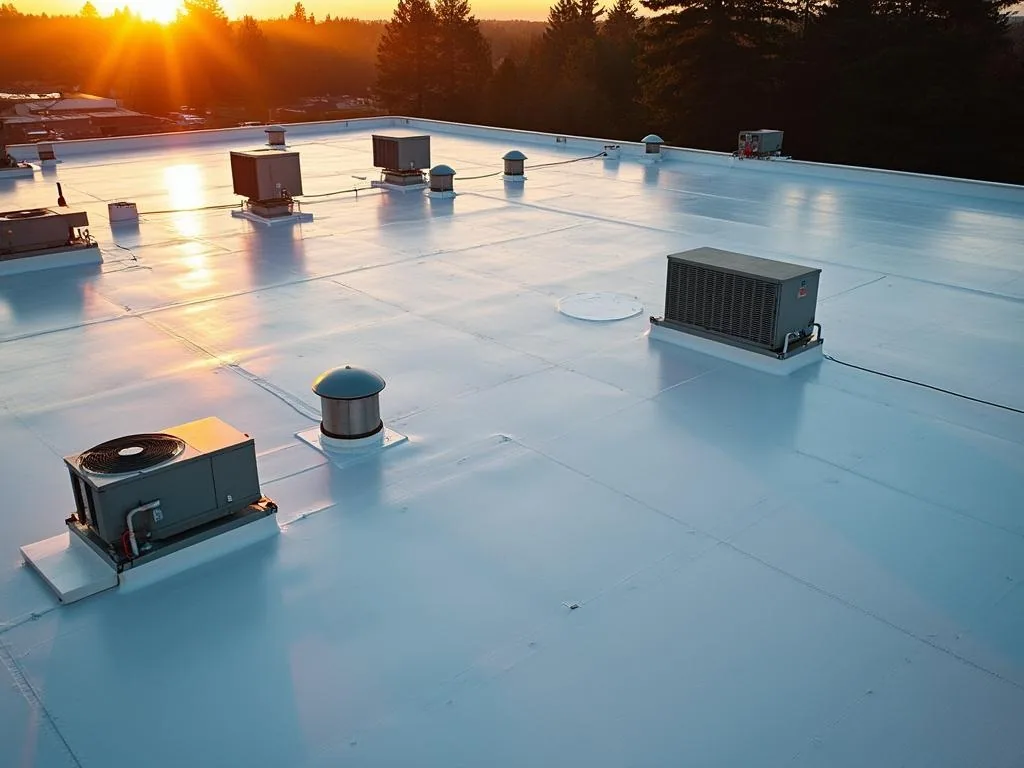
Closeout photos show the prepared lap, finished tape edge, boot or curb flashing, and adjacent roof condition. We list materials used, repair area, test locations, and any remaining issue. If the assembly was opened, we record insulation and substrate findings before closing the roof. Those details help the next inspection locate the repaired zone accurately.
Follow-up checks should revisit seam edges, penetrations, drains, and previous patches. A maintenance visit can compare those details after rain and note any movement. For a North Fulton property with several buildings, a roof asset record can keep EPDM assembly notes separate by site and repair date.
Request an EPDM assessment for a named building and roof zone. Send plans, leak history, prior repair notes, access rules, and material records. We will inspect the seams and transitions, then define confirmed repair work and any conditions that need testing or approval.
Related Roofing Work
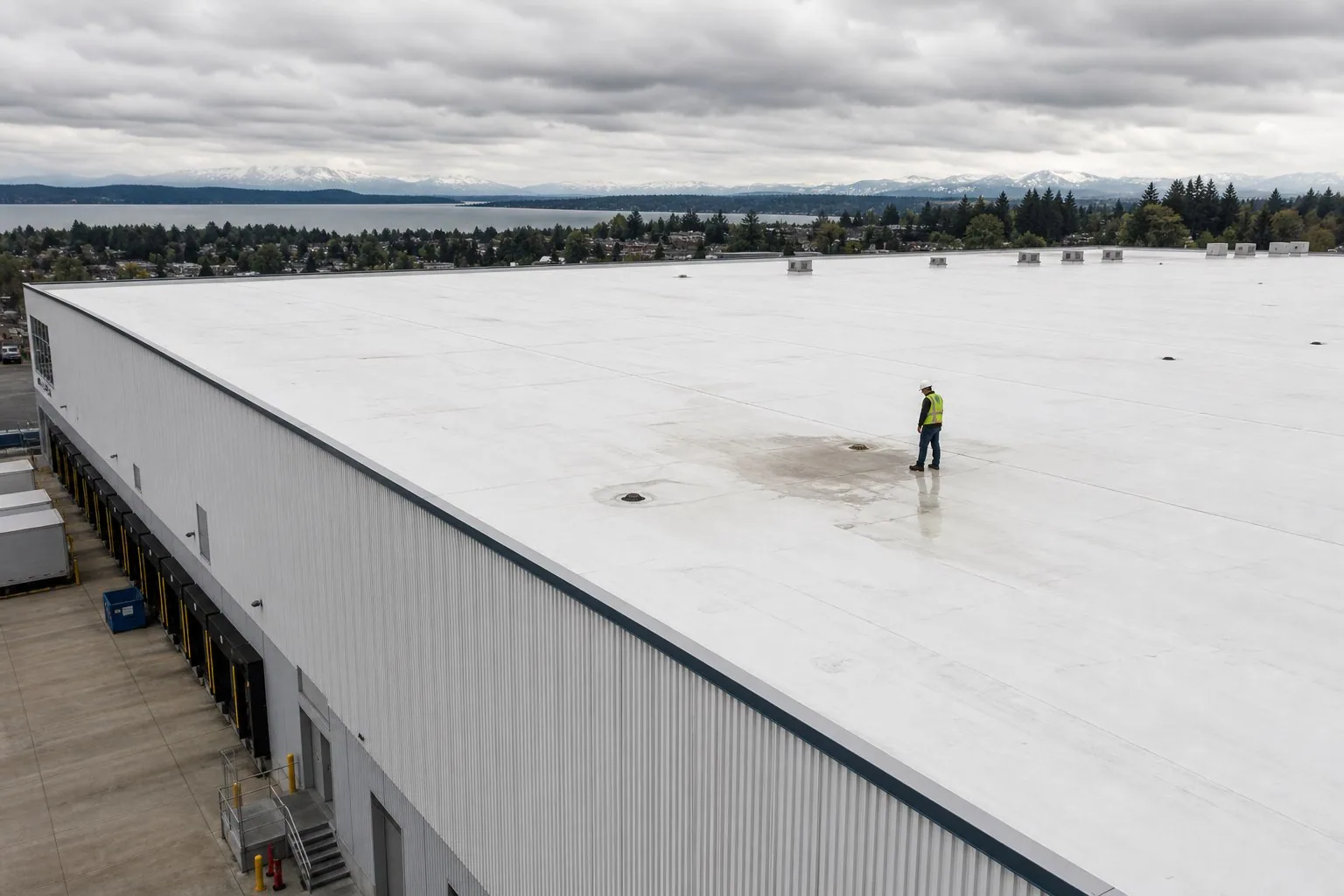
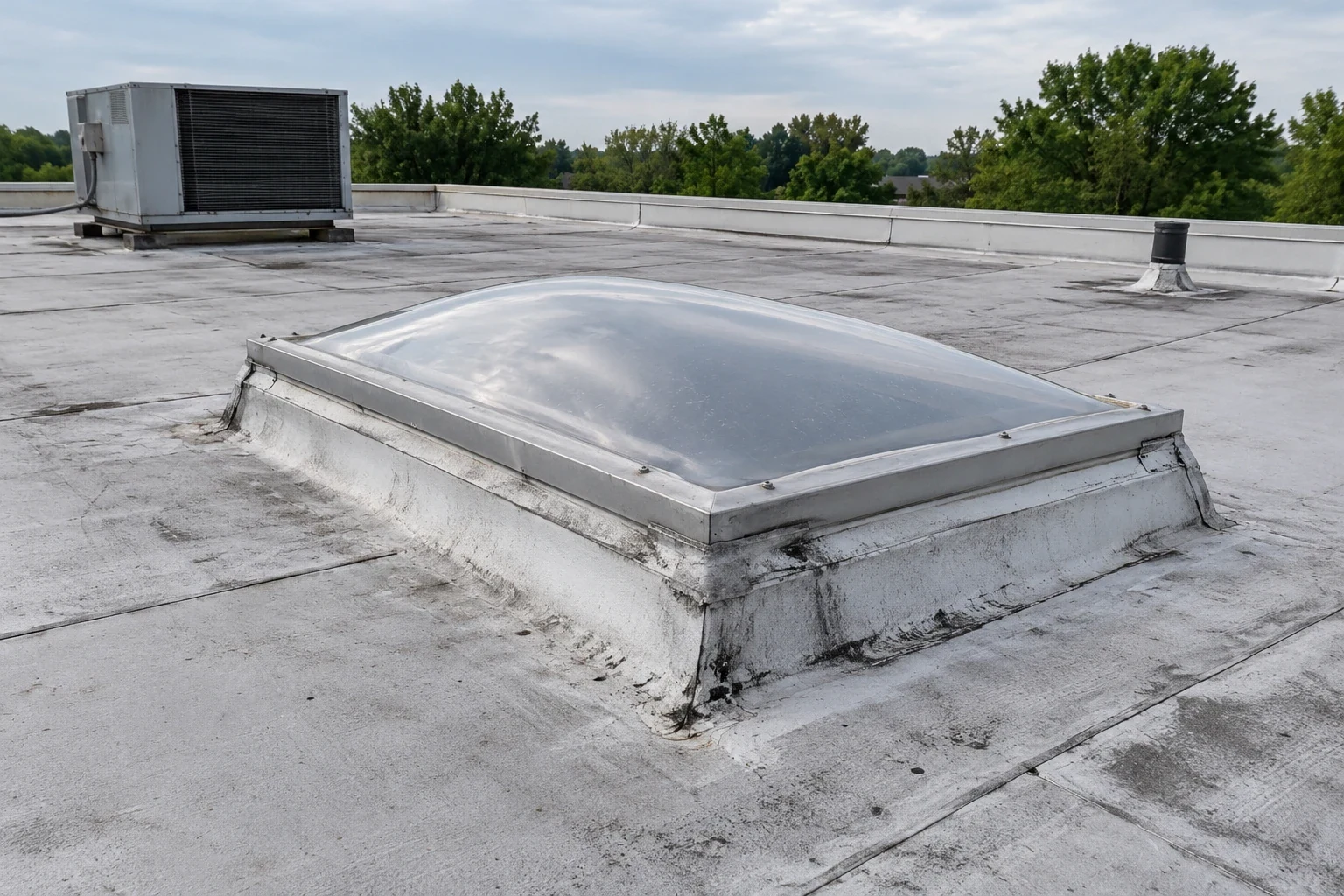
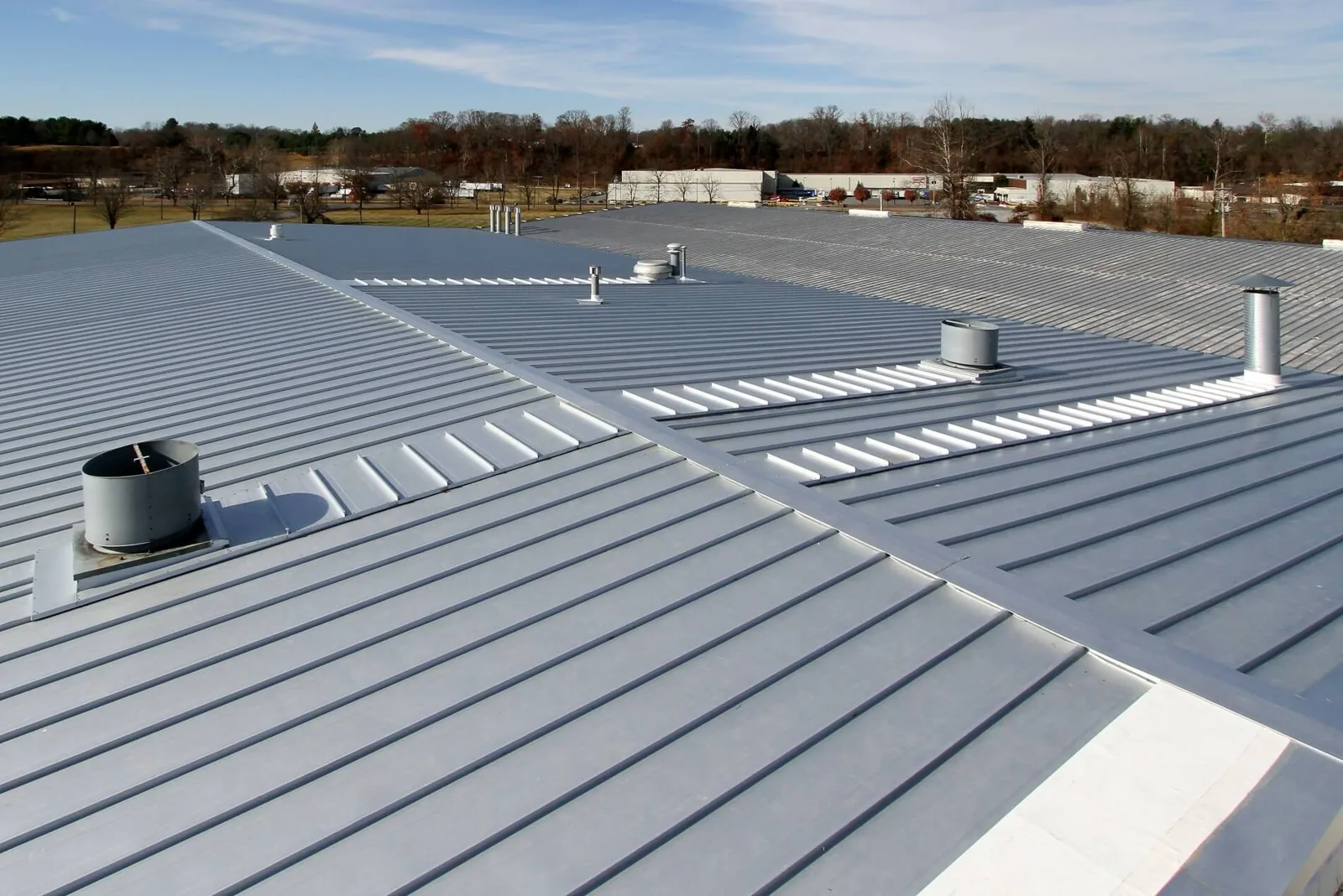
Inspect EPDM seams and flashings
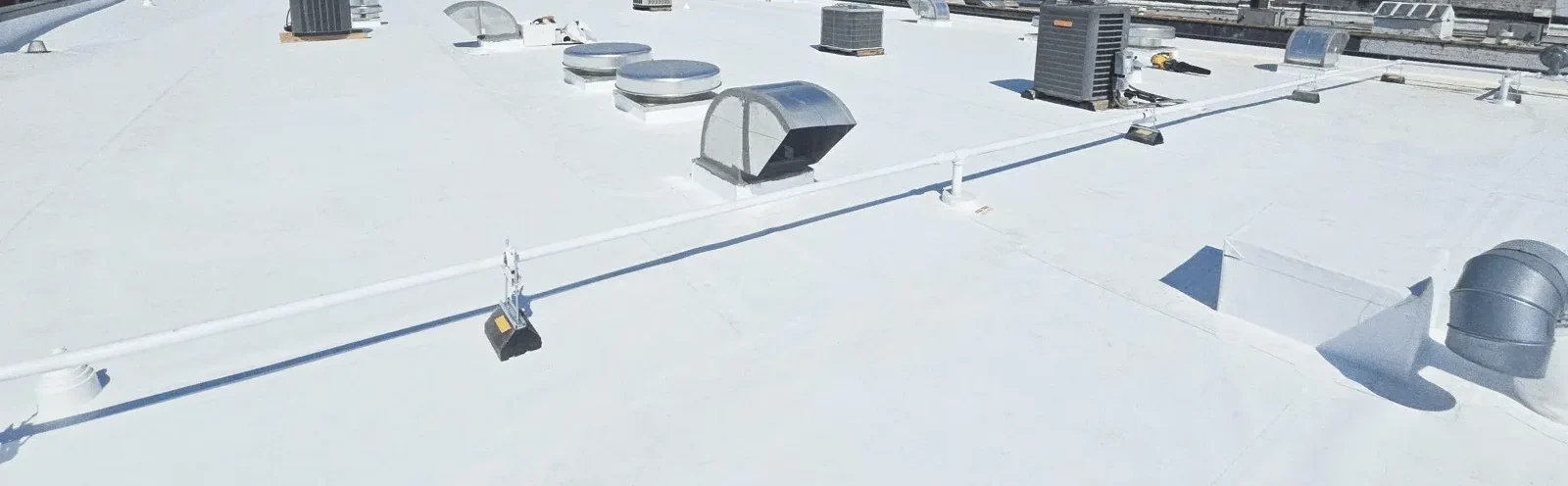
Name the building and roof zone. Share roof plans, material records, leak dates, repair history, access rules, and photos so we can locate the affected details and define the inspection.
Questions About EPDM Commercial Roofing
Can a loose EPDM seam be repaired without replacing the roof?
A local repair may fit when the surrounding membrane is sound and the seam can accept compatible preparation and tape. We check for movement, contamination, shrinkage, and moisture below the lap. If the material has pulled away across a broader area, the repair boundary expands. The report identifies tested areas and any concealed conditions still open.
What should be checked around an EPDM pipe boot?
We inspect the boot, clamp or termination, membrane tie-in, and nearby seam. The rubber should remain bonded without a split at the collar or a lifted edge at the base. If the boot is loose but surrounding EPDM is sound, a detail repair may work. Wet insulation or a damaged substrate needs separate scope and approval.
How do you tell EPDM from modified bitumen?
Roof records, visible sheet characteristics, seams, and exposed edges help identify the assembly. A dark surface alone is not enough. We keep the identification open when evidence is limited and use an appropriate test or opening before choosing repair materials. The selected method follows the confirmed membrane and its condition.
What does an EPDM repair record include?
The record shows the roof zone, seam or flashing repaired, material used, photos, and any test opening. It notes whether wet insulation or deck conditions were found and lists work left outside the approval. A later visit can compare the repaired edge and adjacent detail with the closeout photos.
Commercial Roofing Across Roswell and North Fulton
Roof Repair, Replacement and Maintenance for Every Kind of Commercial Building
From Historic Roswell and Canton Street to the Holcomb Bridge Road corridor, GA 400 and the North Point area, we inspect, repair and replace low-slope and metal roofs on offices, retail centers, medical buildings, schools and warehouses.