Commercial Roofing in Marietta, GA
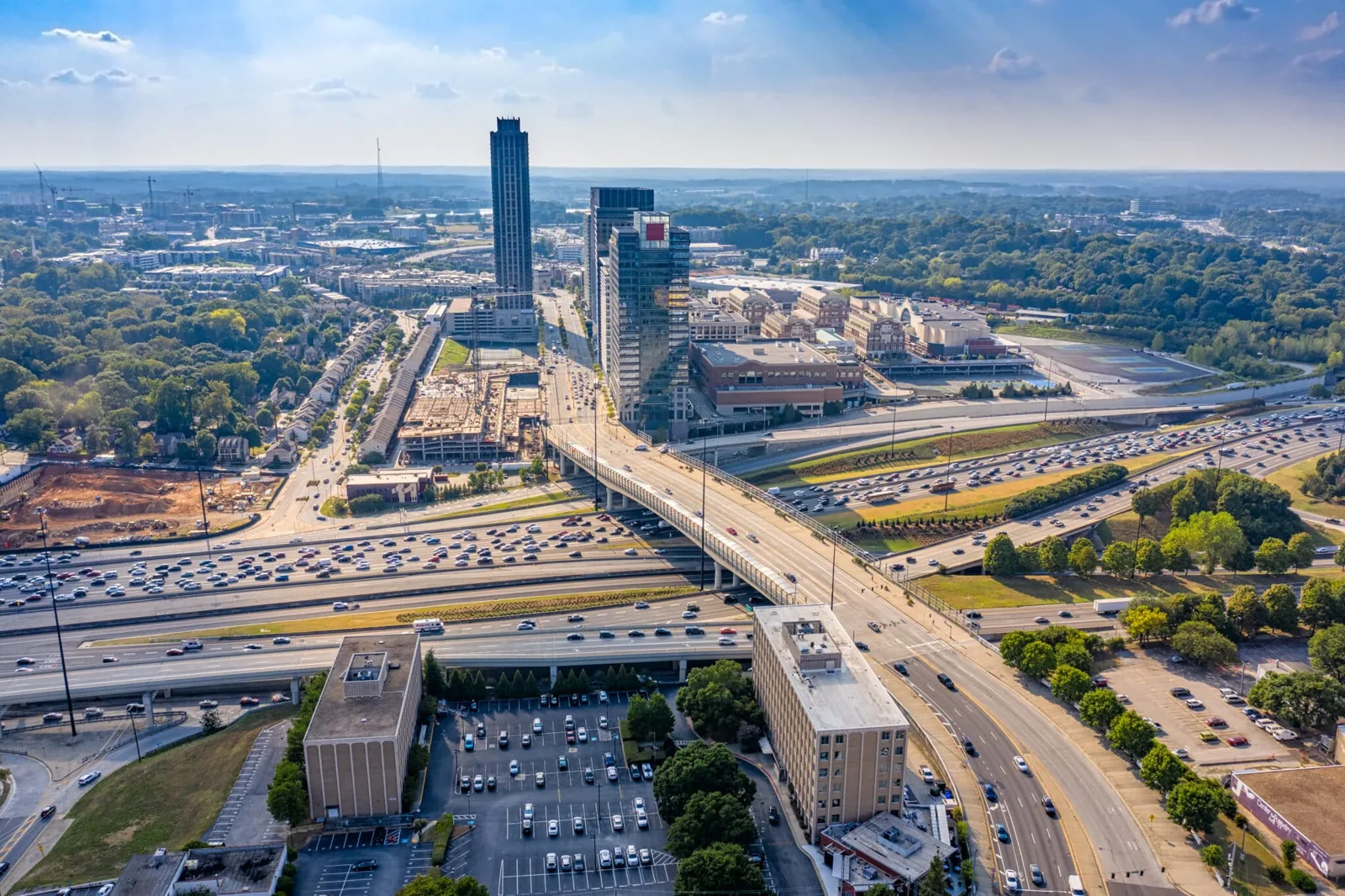
Marietta's commercial roof inventory spans more than one kind of property. The city's economic development office supports industrial, flex, office, and retail locations, while its business-park inventory includes distribution, warehouse, manufacturing, and service uses. A roof plan for a small office and a large industrial building may require different access, drainage, and sequencing decisions. We inspect the actual structure before recommending a repair or renewal path.
Marietta also combines a historic downtown commercial center with office parks and industrial areas on the city's outskirts. Those settings give owners a broad municipal service area, not a single building target. A Marietta-Cobb industrial park review can focus on the multi-park industrial context; a citywide assessment can include retail, office, and other commercial assets. We keep photographs, observations, and budgets tied to each property.
Inspect the details that shape each roof scope
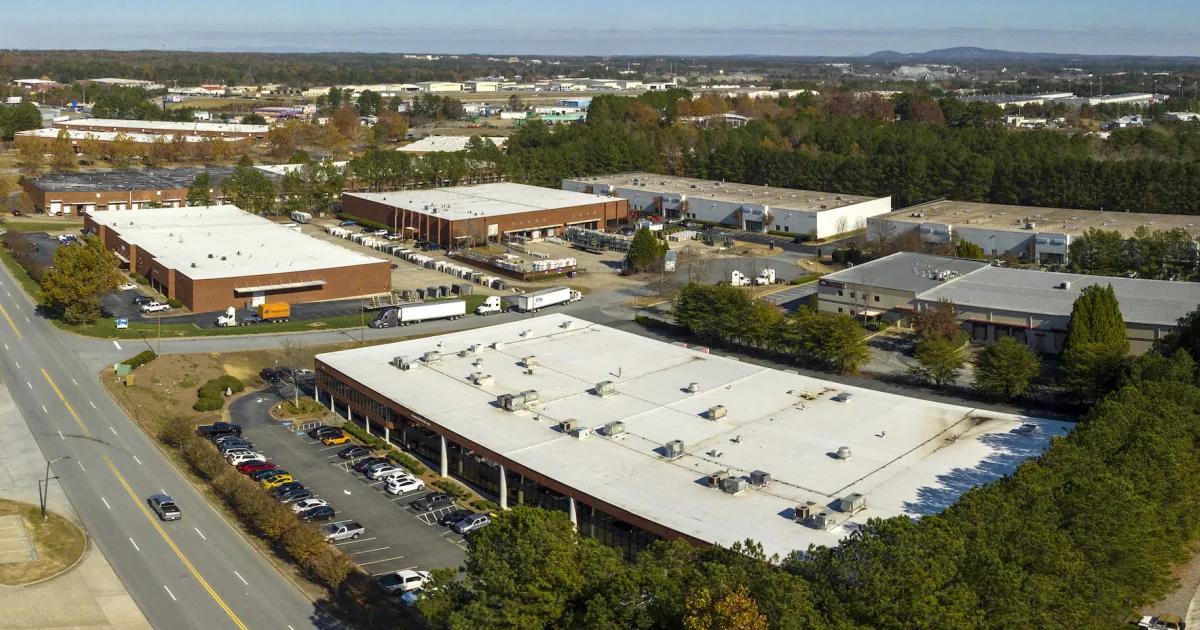
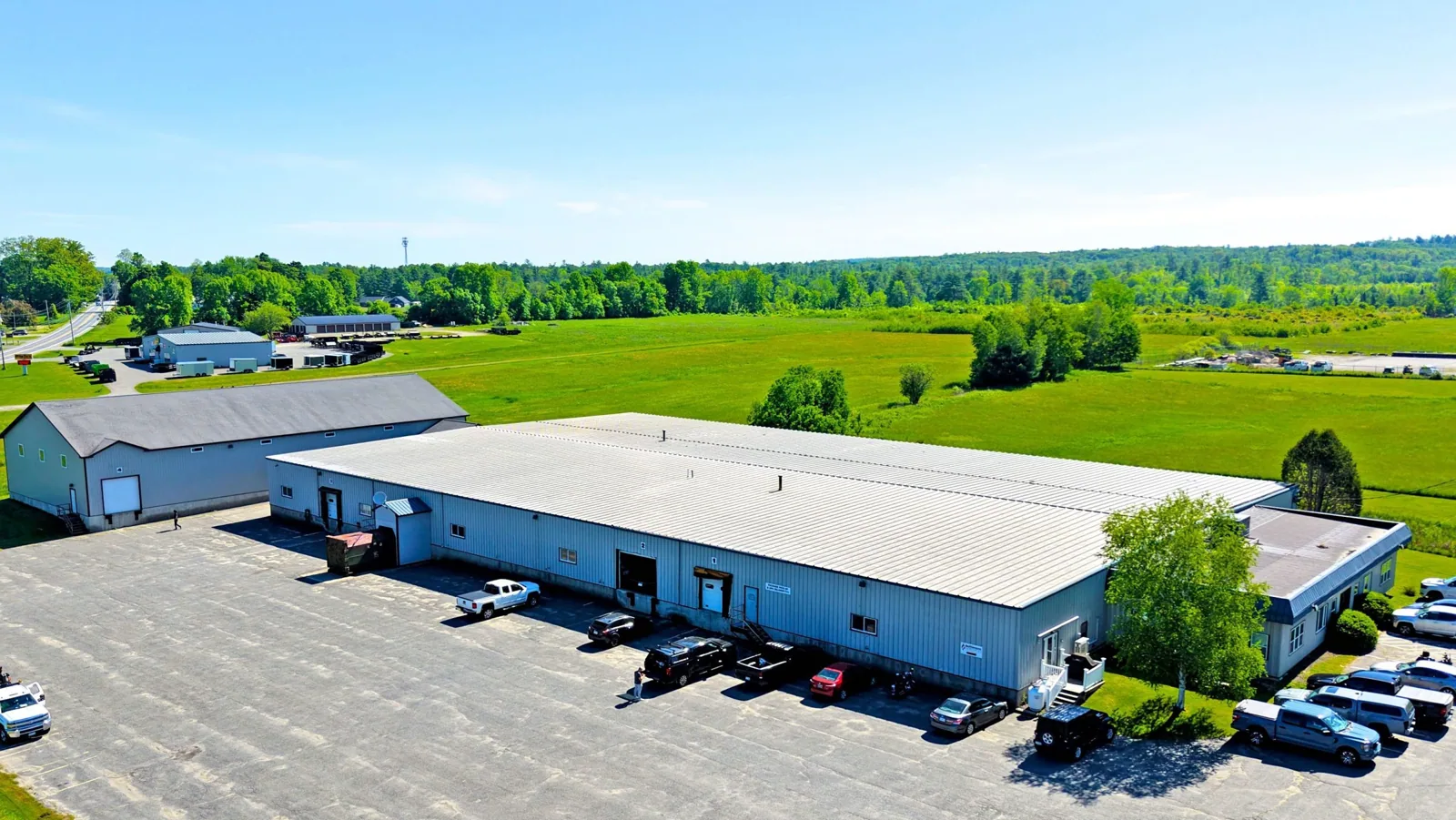
Distribution and warehouse roofs may have extensive field areas, interior drains, rooftop equipment, and long transitions. Flex and manufacturing properties may include multiple additions or different roof sections. Offices and retail spaces can need a sequence that protects entrances and tenant activity. Those are inspection questions, not assumptions about a particular Marietta address. We confirm building layout, roof heights, drainage points, penetrations, and operating requirements with the owner.
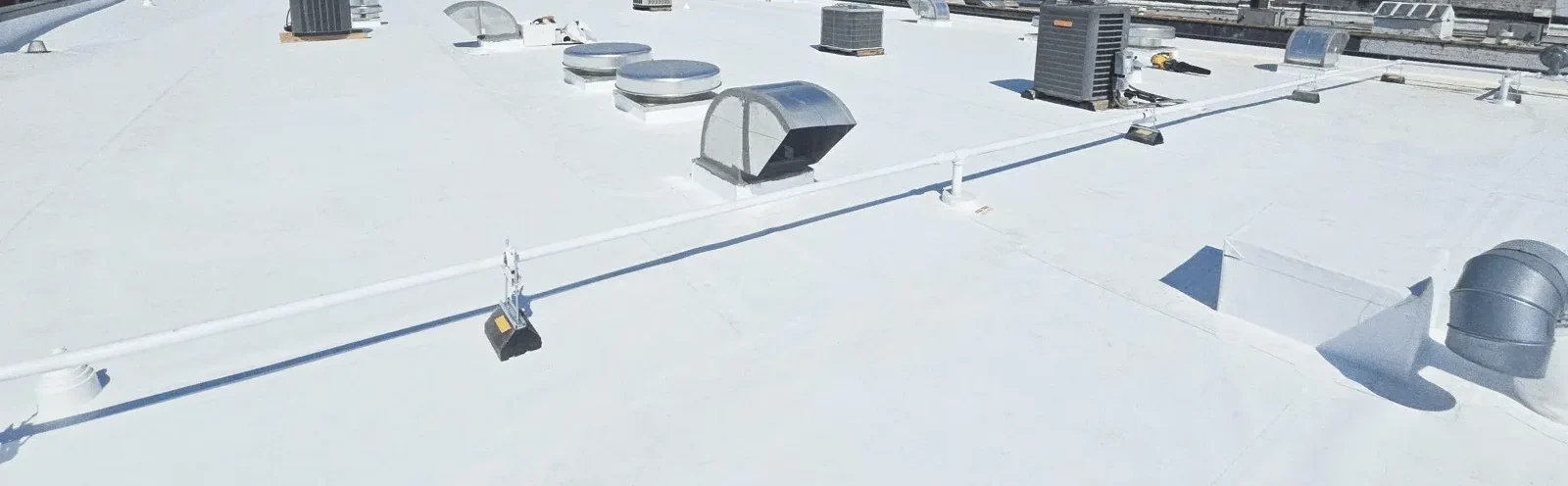
On the roof, we check edges, seams, flashings, drains, curbs, skylight details, and prior repairs. We photograph areas that show open laps, loose metal, punctures, standing water, or surface wear. A roof-zone map connects findings to the corresponding area below. If one section is inaccessible or obscured by equipment, we note the limitation and identify what access or testing would resolve it. A commercial inspection can establish this baseline before an owner weighs repair or capital work.
Atlanta's long-term climate record combines hot, humid summers with frequent rain; July afternoons average close to 90 degrees Fahrenheit. In a Marietta estimate, these conditions affect which workdays suit surface preparation and membrane installation. We still base repairs on visible defects, roof history, and confirmed material conditions.
Keep access plans specific to the property
Industrial, office, and retail work can involve different delivery schedules and public access. We ask the property contact to identify active entries, loading areas, roof hatches, equipment shutdown requirements, and any interior spaces that need protection. If a lift is required, the estimate names the planned setup area and any owner approvals still needed. A downtown commercial property and an outskirts business park should not inherit each other's access notes.
For a portfolio with several properties, grouping visits may save travel time, but each report stays building-specific. One distribution roof may need drain work while a nearby office roof has a flashing concern. A multi-site roof program can track inspection dates, priority, budgets, and approvals while preserving the underlying observations. The schedule can be coordinated without treating the city's entire inventory as one roof system.
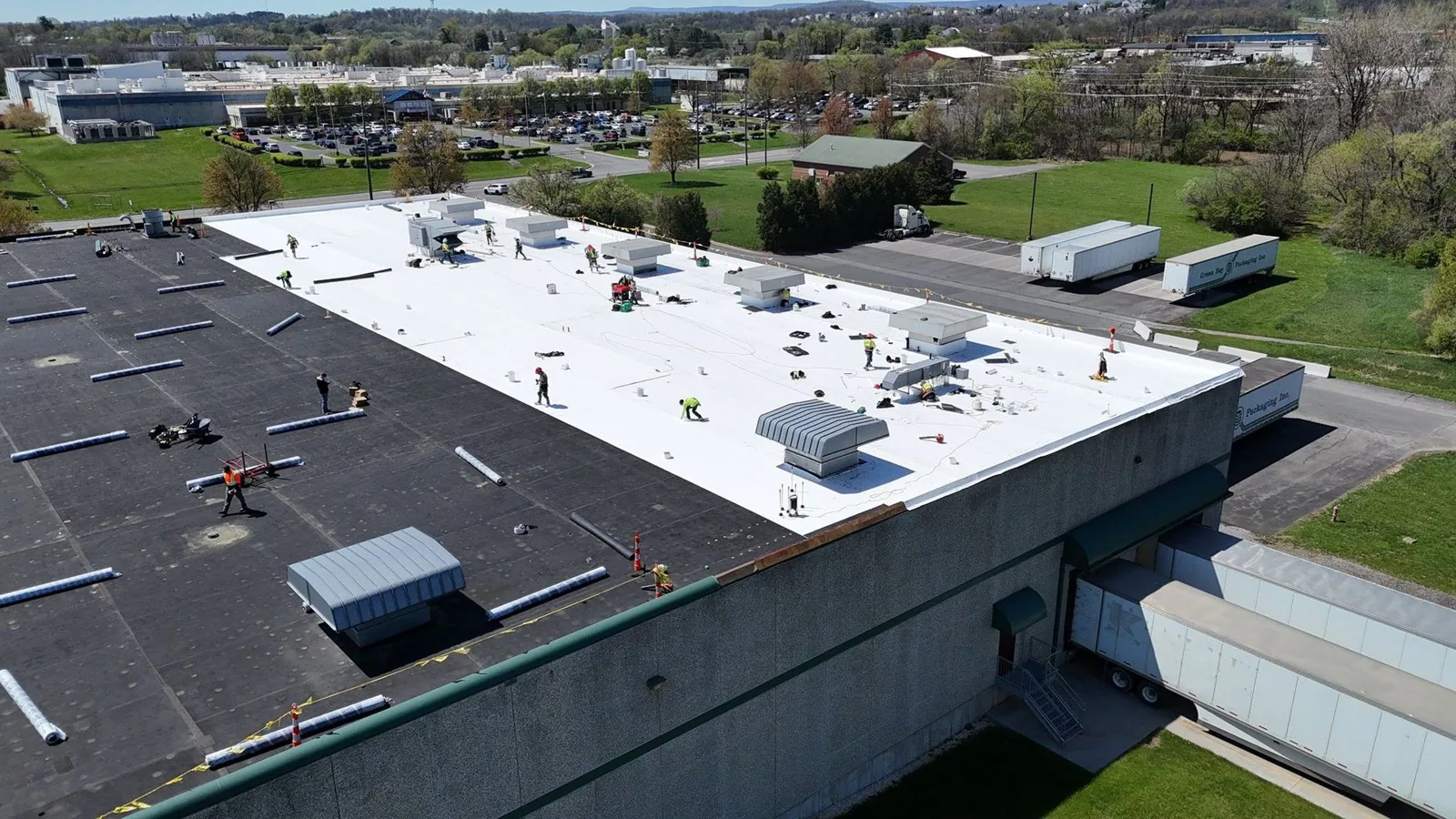
Occupied properties require a separate work sequence. We define daily work areas, temporary cover, pedestrian controls, and the point at which a roof section is safe to leave. For offices or retail operations, management may also set limits on odor, noise, or access. A planned occupied-building reroof can state those constraints and show how crews progress without leaving an open section unprotected.
Compare a defined repair with larger work
A localized repair can be appropriate when the failure is limited and surrounding materials remain sound. We identify the existing assembly before choosing a patch or flashing detail. TPO, PVC, EPDM, modified bitumen, built-up roofing, coating systems, and metal each use different preparation and attachment methods. If existing records are incomplete or old repairs conceal the original surface, a small test may be needed to confirm a compatible tie-in.
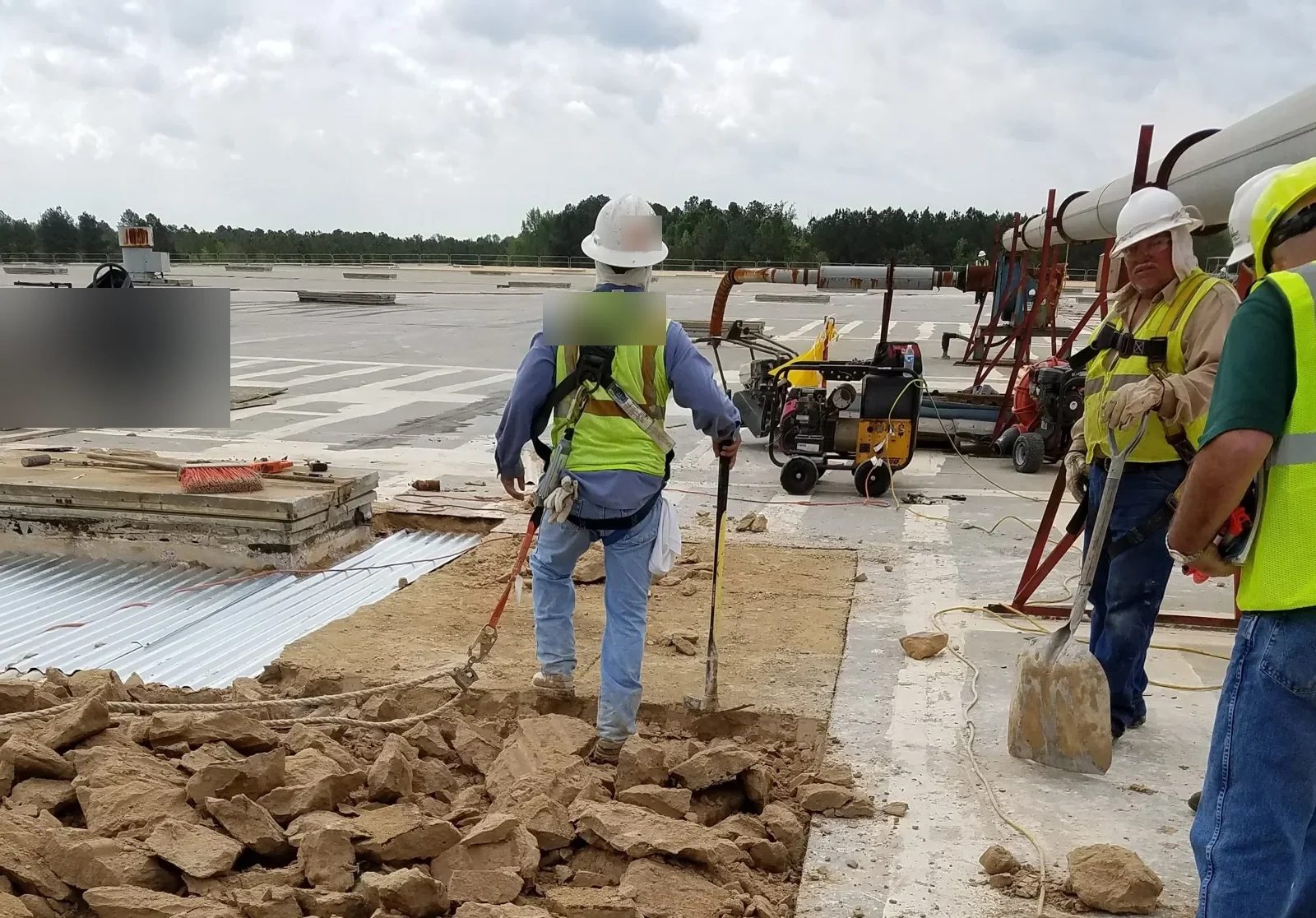
Where wet insulation or deteriorated substrate appears, we document what is exposed and define the removal boundary. The proposal separates confirmed work from a concealed-condition allowance. If additional deck repairs become necessary, the owner can review the evidence before the scope expands. A written repair scope should name the roof zones, materials, preparation, temporary protection, and exclusions.
Multiple failures or widespread moisture may justify comparing repair, recovery, and replacement. We examine deck condition, roof height, drainage, existing layers, and the number of penetrations. The decision also depends on intended use and the owner's time horizon. A replacement comparison can explain removal assumptions, tie-ins, staging, and how each phase remains weather-tight. The recommendation should follow observed conditions rather than property category alone.
Build the schedule around verified constraints
Cost and duration depend on area, access, roof assembly, material availability, preparation, and the extent of wet or damaged components. Distribution and warehouse work may require a different staging approach than a retail or office project. We verify loading restrictions, equipment clearances, active work below, and any concurrent construction. If the owner has several structures, the estimate can sequence them while showing each building's scope separately.
Warm-season rain can interrupt washing, priming, adhesive application, coating, and membrane work. We identify a safe stopping point for every workday and state how open sections will be protected. Surfaces must meet material requirements before permanent installation resumes. A forecast delay can change order of operations; it should not silently expand the approved work area.
Historic downtown commercial activity, office parks, and industrial areas all fall within Marietta's wider property context. Their differing uses make advance coordination valuable, but current site instructions must be verified with each manager. When several buildings need attention, a regional commercial roof assessment can help organize neighboring ownership needs without merging Marietta's conditions into another city's report.
Make the repair record easy to revisit
Closeout photos should show the finished detail and enough of the surrounding roof to locate it later. We label the building, zone, installed materials, limits of removal, and any unresolved condition. If a test opening exposed hidden layers, the record captures what was found and how the area was restored. The next contractor or facilities manager can then distinguish completed work from sections not included.
For owners with downtown, office, retail, flex, or industrial property, keep roof plans and service records with the asset that generated them. Add equipment changes, drain work, access contacts, inspection dates, and warranty documents as they occur. The city's multi-park business inventory supports a broad commercial context; it does not establish identical roof ages, products, or maintenance histories. Consistent labeling makes those differences visible during budget review.
Request an inspection for a Marietta property or a list of buildings under common management. Provide roof plans, reported leak locations, repair records, operating hours, and access limits. We will document confirmed conditions, compare practical options, and separate concealed work from the scope that can be approved now. For continuing upkeep, a preventive maintenance visit can return to the same roof zones and note changes over time.
Related Roofing Work
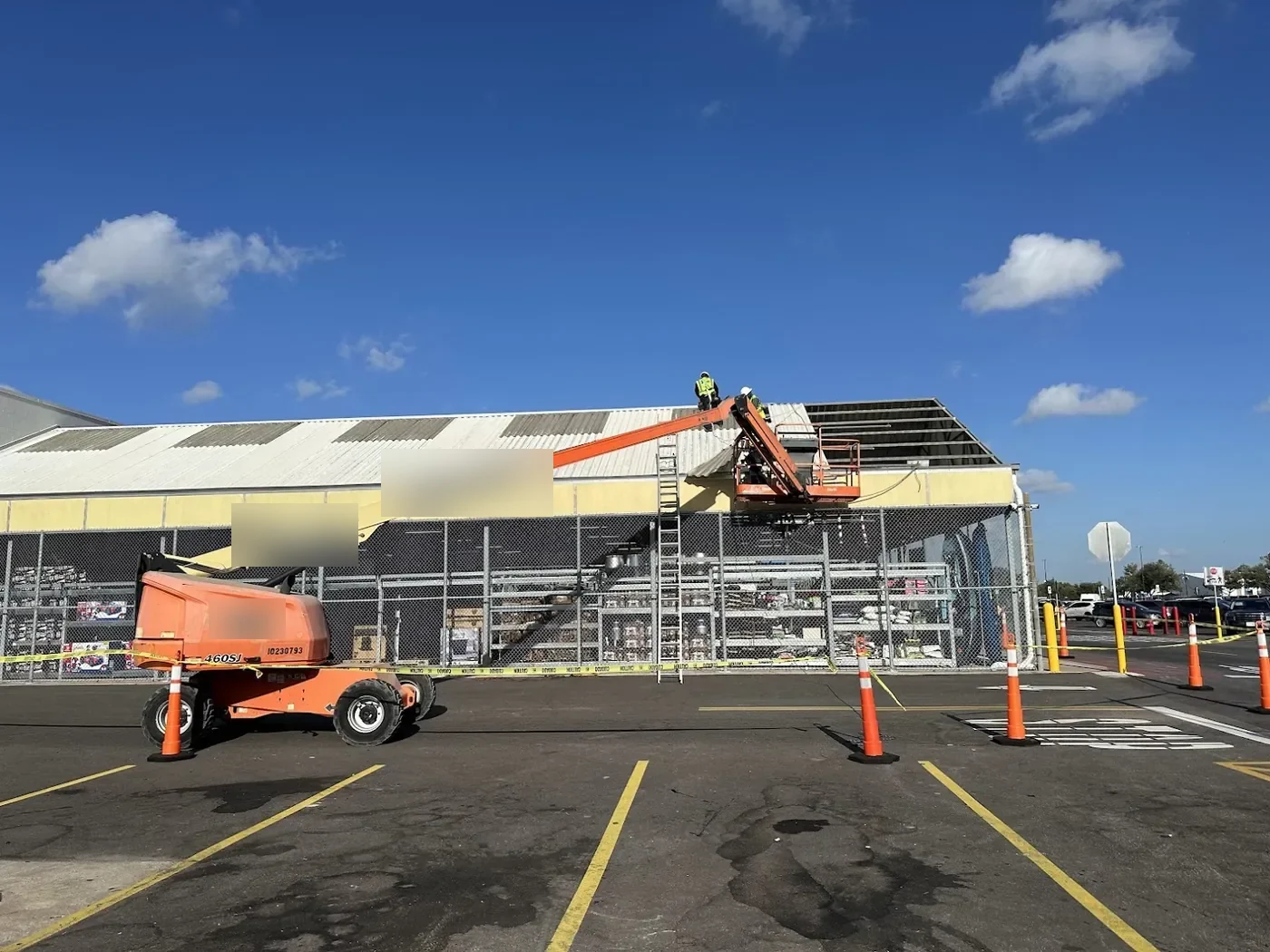
Plan commercial roof work in Marietta
Send the property list, roof plans, repair history, and access requirements. We will inspect individual buildings, document the conditions, and outline repair or renewal choices.
Questions About Marietta
Can a single estimate cover office and industrial roofs?
One proposal can coordinate both property types, but the inspection and scope should identify each building separately. Access, assembly, drainage, and work sequencing may differ. We keep costs and findings itemized so owners can compare priorities.
Does a business-park listing identify the roof material?
No. The city's property inventory describes commercial uses, not the assembly installed at an individual address. We review visible details, service records, and test results before selecting materials or recommending a repair method.
What helps protect tenants during roof work?
A clear sequence identifies which areas remain open, what interior zones need protection, and how crews dry in each section at the end of a shift. The owner should provide operating hours, delivery windows, and sensitive-space requirements.
When should a Marietta owner compare replacement?
Consider a comparison when problems recur across several areas, moisture is widespread, or localized work no longer addresses the roof's needs. We inspect the deck, drainage, layers, and details before explaining the options and assumptions.
Commercial Roofing Across Roswell and North Fulton
Roof Repair, Replacement and Maintenance for Every Kind of Commercial Building
From Historic Roswell and Canton Street to the Holcomb Bridge Road corridor, GA 400 and the North Point area, we inspect, repair and replace low-slope and metal roofs on offices, retail centers, medical buildings, schools and warehouses.