
Modified Bitumen Commercial Roofing in Roswell, GA
A split cap sheet near a roof hatch opens a seam that can carry water below the surface. We inspect the surfacing, laps, flashings, substrate, and nearby drain before defining a repair. Roswell's humid summers and frequent rain put repeated stress on low-slope transitions. The repair boundary depends on the condition of the cap sheet and underlying plies, not on the visible split alone.
Modified bitumen uses reinforced asphalt sheets modified with polymers. SBS and APP assemblies can differ in flexibility, surfacing, and application method. We identify the actual layers and prior repairs before selecting materials. A built-up roof system also uses multiple plies but has different construction details. Records and field checks help keep one assembly's repair method from being applied to another.
Trace damage through each ply
We inspect cap sheet granules or coating, laps, end joints, blisters, wrinkles, and open seams. A surface split may stop at the top layer or extend through several plies. We check the perimeter of each defect and look for water marks, soft substrate, and previous patches. Photos show the roof zone and scale. Test openings can confirm layers when the assembly remains concealed.
Roswell's warm-season rain can enter at a raised lap and travel toward a low area. We compare the suspected opening with roof slope, drain placement, curb flashing, and interior reports. A stain helps guide the route but does not prove where the roof opened. If the path is uncertain, a leak tracing inspection can examine connected details before the repair limit is set.
Heat and sun can dry or crack exposed surfacing, while water can weaken a saturated area. We note whether the defect is isolated or appears across multiple roof zones. If only a lap or penetration failed, a local repair may be appropriate. Broad blistering, wet insulation, or repeated ply separation can require a wider scope. We identify the evidence supporting that choice and avoid assuming replacement from surface age.
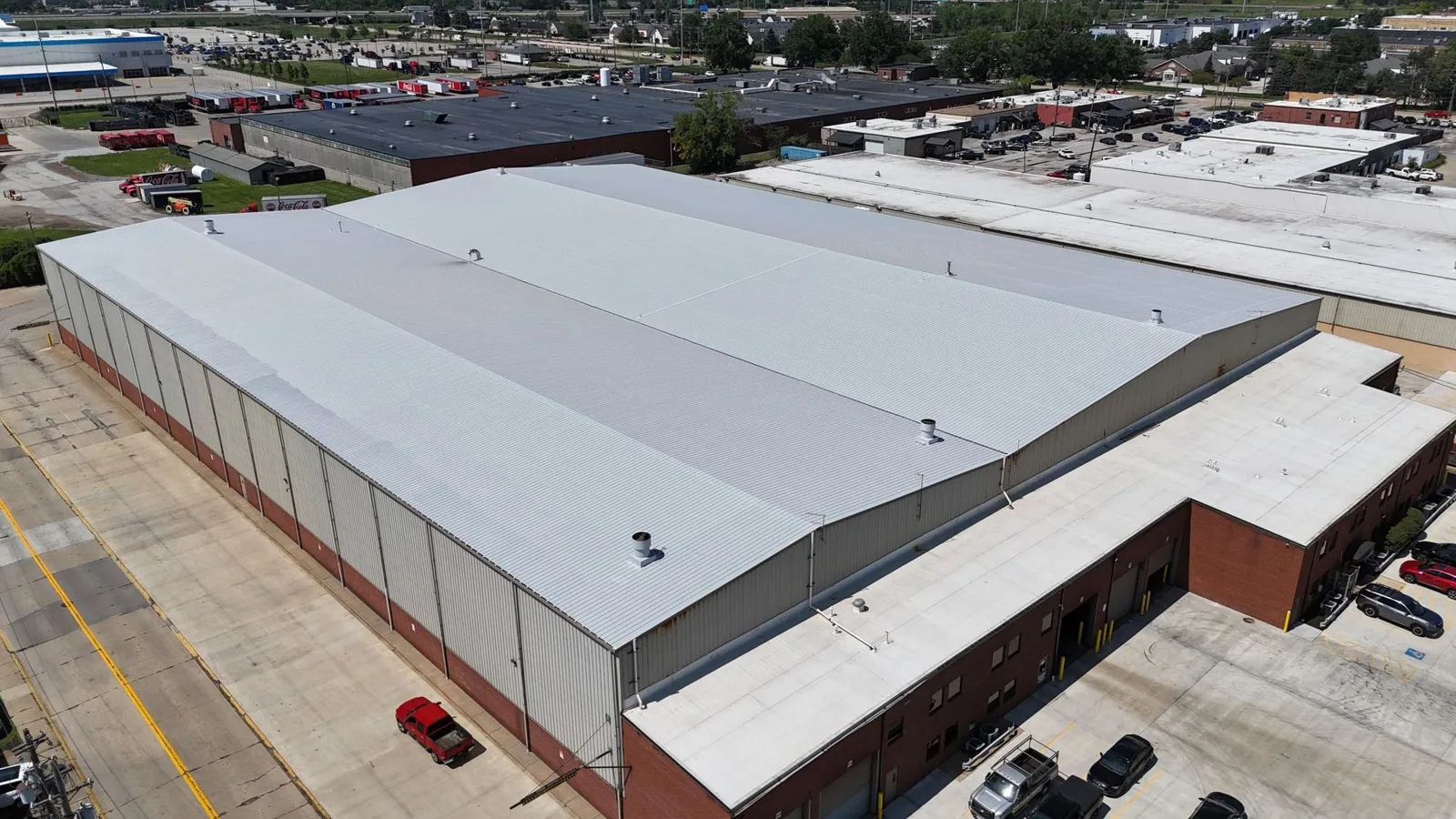
Choose the repair method by assembly
Repair methods depend on the membrane type, surfacing, weather, and roof access. Some assemblies use torch-applied sheets; others may use hot asphalt, cold adhesive, or self-adhered materials. We do not infer the existing method from the roof's appearance alone. We confirm compatibility, prepare the surface, and tie new material into sound layers. Any open edge receives secure dry-in before a weather hold.
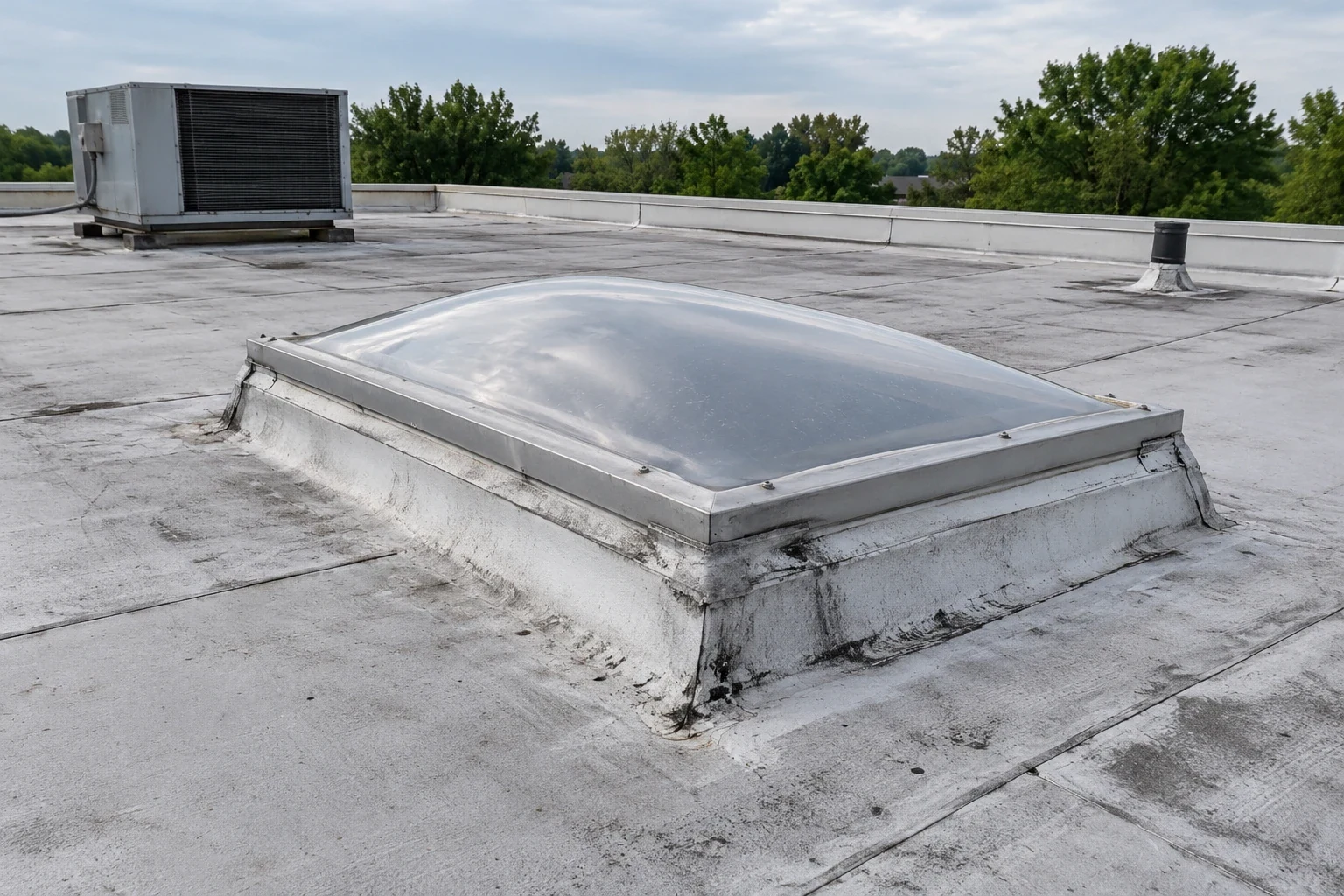
At a curb or pipe, flashing must continue through the roof layers and terminate securely. We inspect vertical height, corners, counterflashing, and the lap into the field. A patch that stops at a loose curb edge leaves the transition unresolved. A flashing repair can address a curb or penetration detail, with modified bitumen selected to fit the existing assembly.
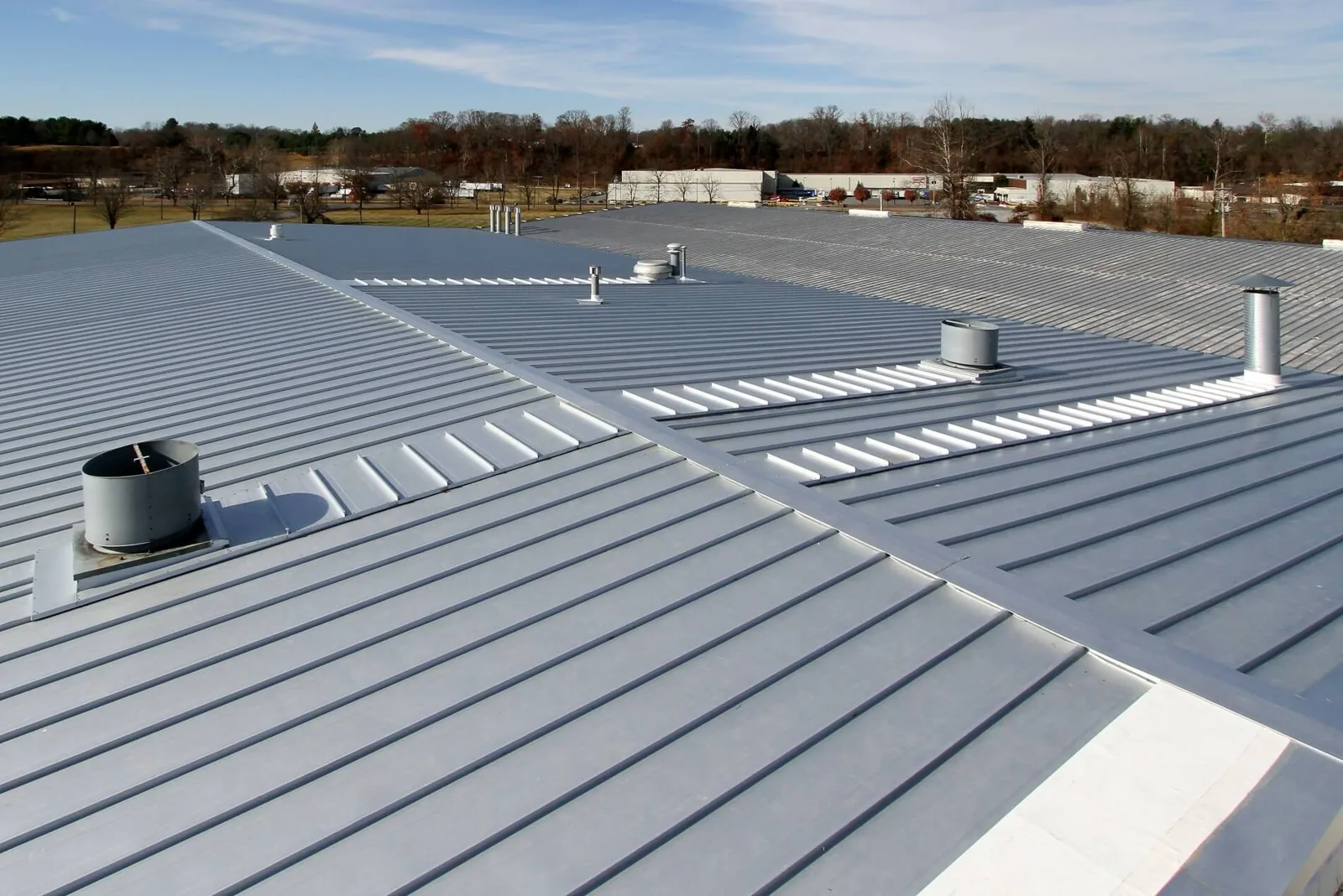
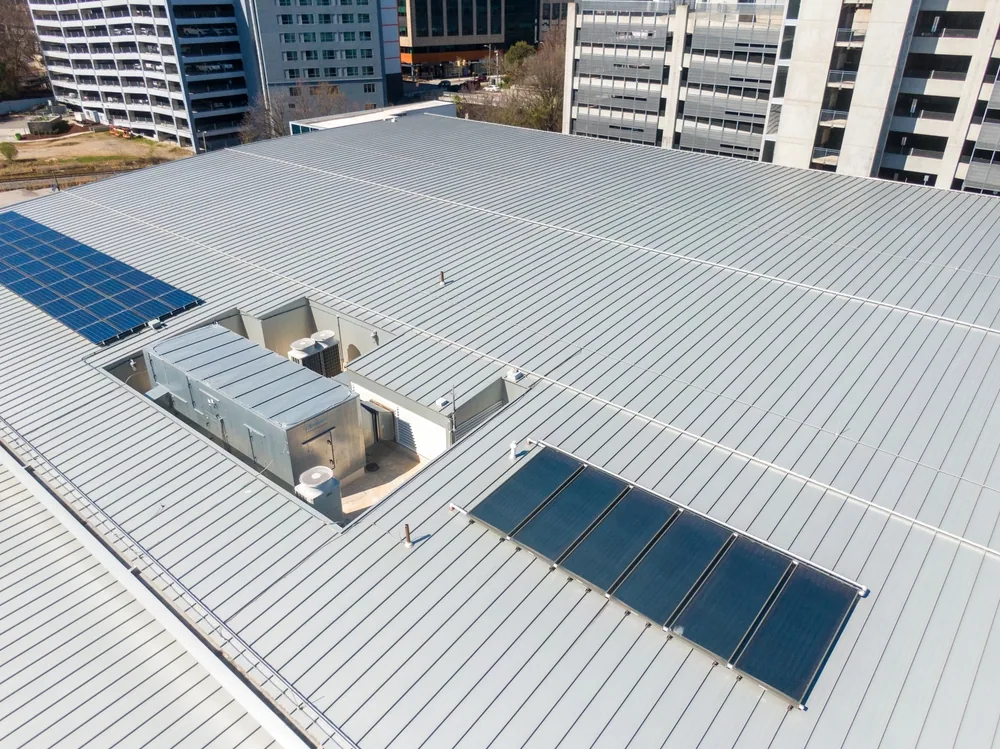
If the opening exposes wet insulation or unsound deck, we photograph each layer and extend removal only after approval. Material is removed to a dry boundary, and new plies connect to stable existing construction. A cover board scope may be needed to restore support under the cap sheet. Where a bitumen roof meets a separate standing-seam metal roof, we check the profile and movement detail before tying the assemblies together. The estimate separates confirmed repair from concealed conditions that could change the quantity.
Check drainage and roof transitions
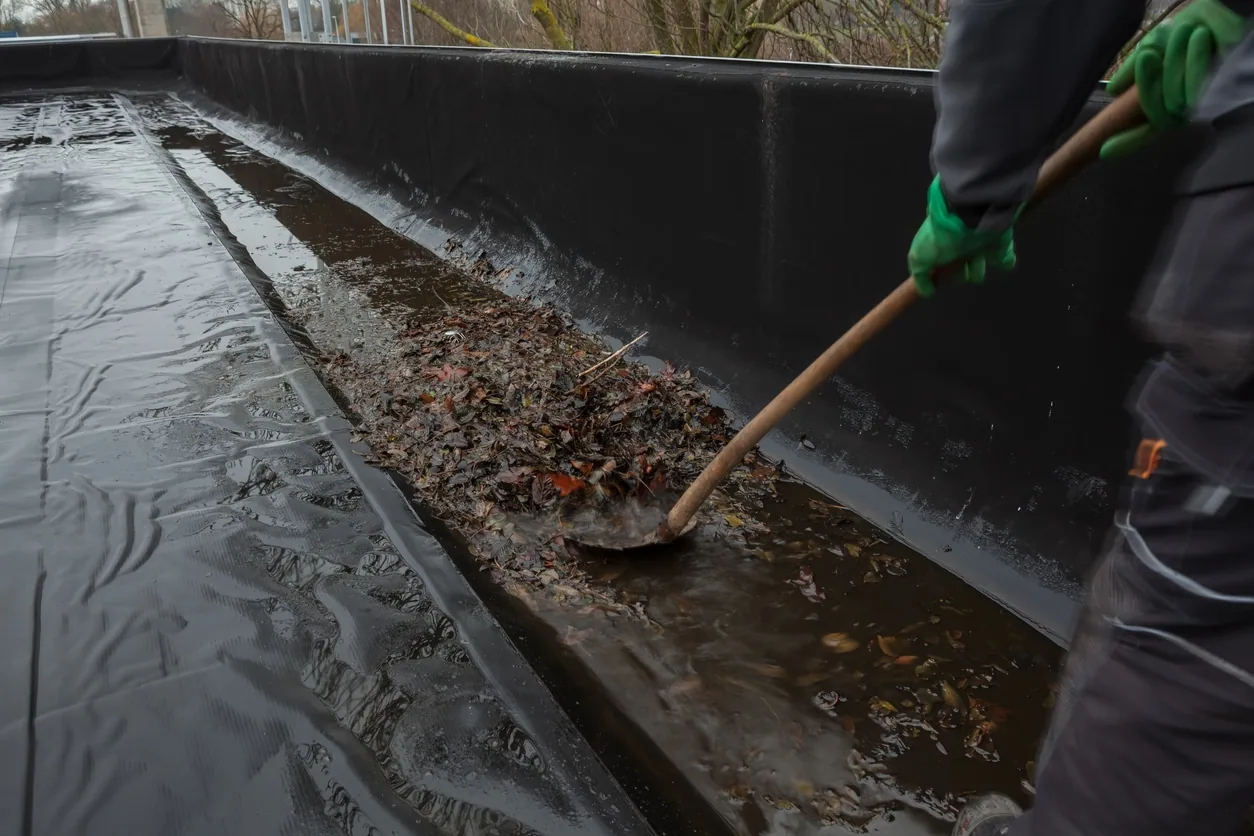
Modified bitumen must work with the roof's insulation, attachment, edge details, and drainage. We inspect sumps, overflows, scuppers, curbs, and parapet terminations around the repair. A low area can hold water at a lap and accelerate surface wear. A blocked drain can also create ponding without being the original membrane defect. We identify each issue separately and define the work needed at that detail.
A cricket or tapered area should direct water to its intended outlet. If the slope fails, we compare that condition with the current insulation and drain height. Drainage correction may be required before new membrane covers the area. We preserve primary and overflow paths during work and document any outlet that cannot be accessed from the roof.
Roswell's commercial properties stretch from the historic central business area to office, healthcare, school, retail, and light-industrial corridors. Their roofs can use different assemblies even within the same district. Roswell's commercial building base spans a historic central district, retail corridors, healthcare, schools, and light industry. The Old Alabama Road corridor connects eastern Roswell with Holcomb Bridge Road, so we confirm delivery access for each property. We check the membrane at each building rather than carrying the last scope forward. For multi-building owners in North Fulton, separate roof records keep the modified bitumen findings tied to the correct location.
Plan a safe installation window
Weather, surface moisture, method, ventilation, and access determine when work can proceed. We sequence removal and new plies by roof zone, keeping open areas small and protected. Where heat or open-flame methods are specified, the work plan addresses site conditions and required precautions. We coordinate equipment shutdowns, roof hatch access, deliveries, and occupied areas before material reaches the roof.
Roswell's humid summer conditions can delay drying and change how surface preparation proceeds. We check the substrate and follow the selected material's installation requirements. Rain before an edge closes can compromise the tie-in, so the crew protects unfinished work and adjusts the sequence when needed. The facility contact receives the planned work zone and any change requiring approval.
Cost and timing depend on plies, surfacing, removal, flashing count, wet insulation, substrate repairs, and installation method. The proposal lists assembly assumptions, confirmed quantities, and an allowance for concealed layers. If a test cut reveals a different membrane build-up, we show the evidence before changing the scope. A planned repair scope can stay focused on confirmed conditions when the remaining roof is suitable.
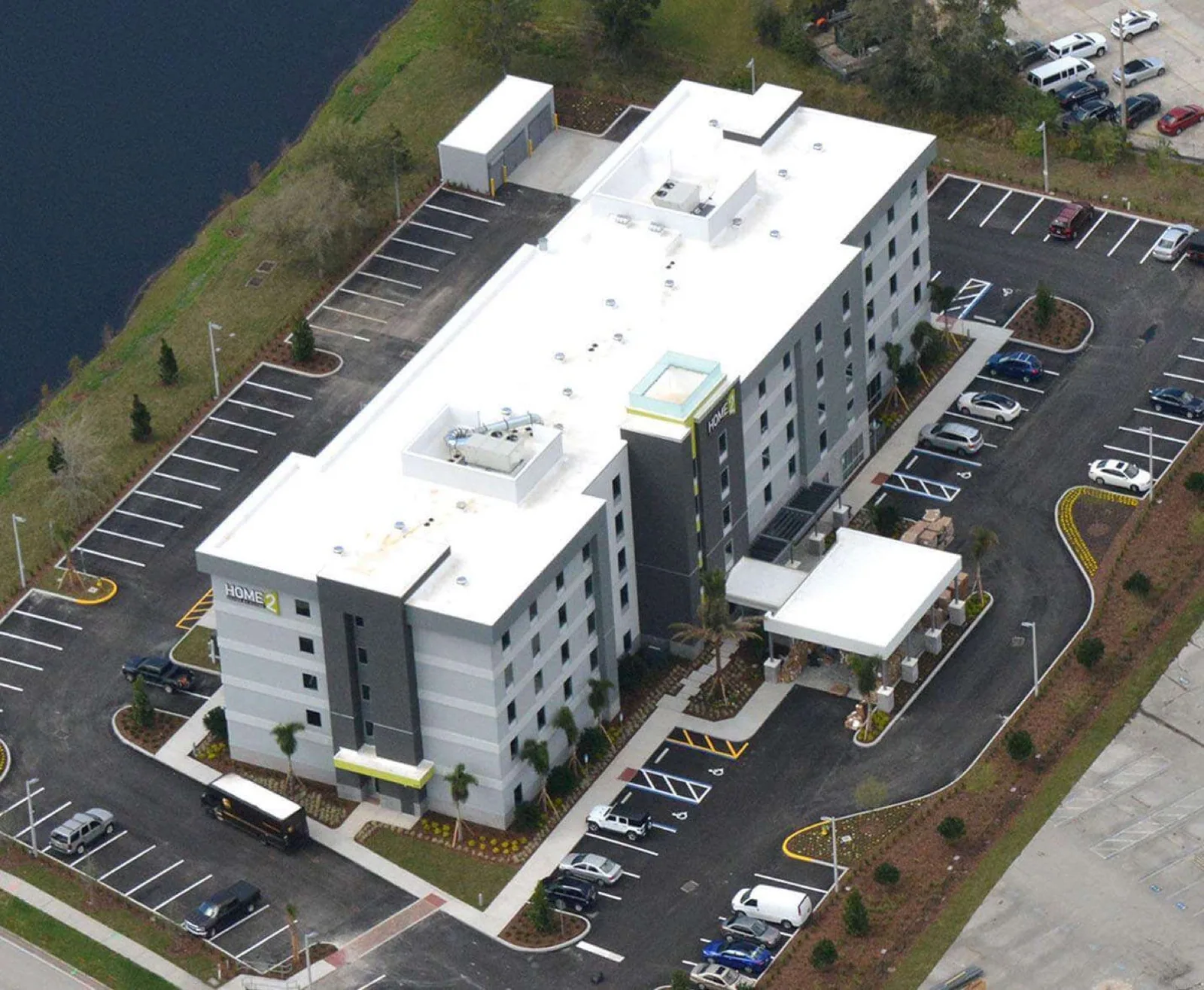
Record the finished bitumen detail
Closeout photos show the prepared surface, new laps, flashing transitions, and any exposed layers before they are covered. The record identifies the roof zone, repair method, material used, and conditions left outside the approved work. We note where the assembly was opened and what insulation or deck was present. Those details help an asset manager compare future findings with the completed repair.
Follow-up checks should revisit lap edges, parapets, curbs, drains, and prior repair locations. A maintenance route can record surface changes after rain and keep debris clear of outlets. For a wider condition review, a roof condition report can list repair priorities by roof zone without merging unrelated assemblies.
Request a modified bitumen assessment for a named property and roof zone. Send plans, leak dates, prior repair details, access rules, and any available assembly records. We will identify the plies, inspect related transitions, and separate confirmed work from areas that need testing or approval.
Related Roofing Work
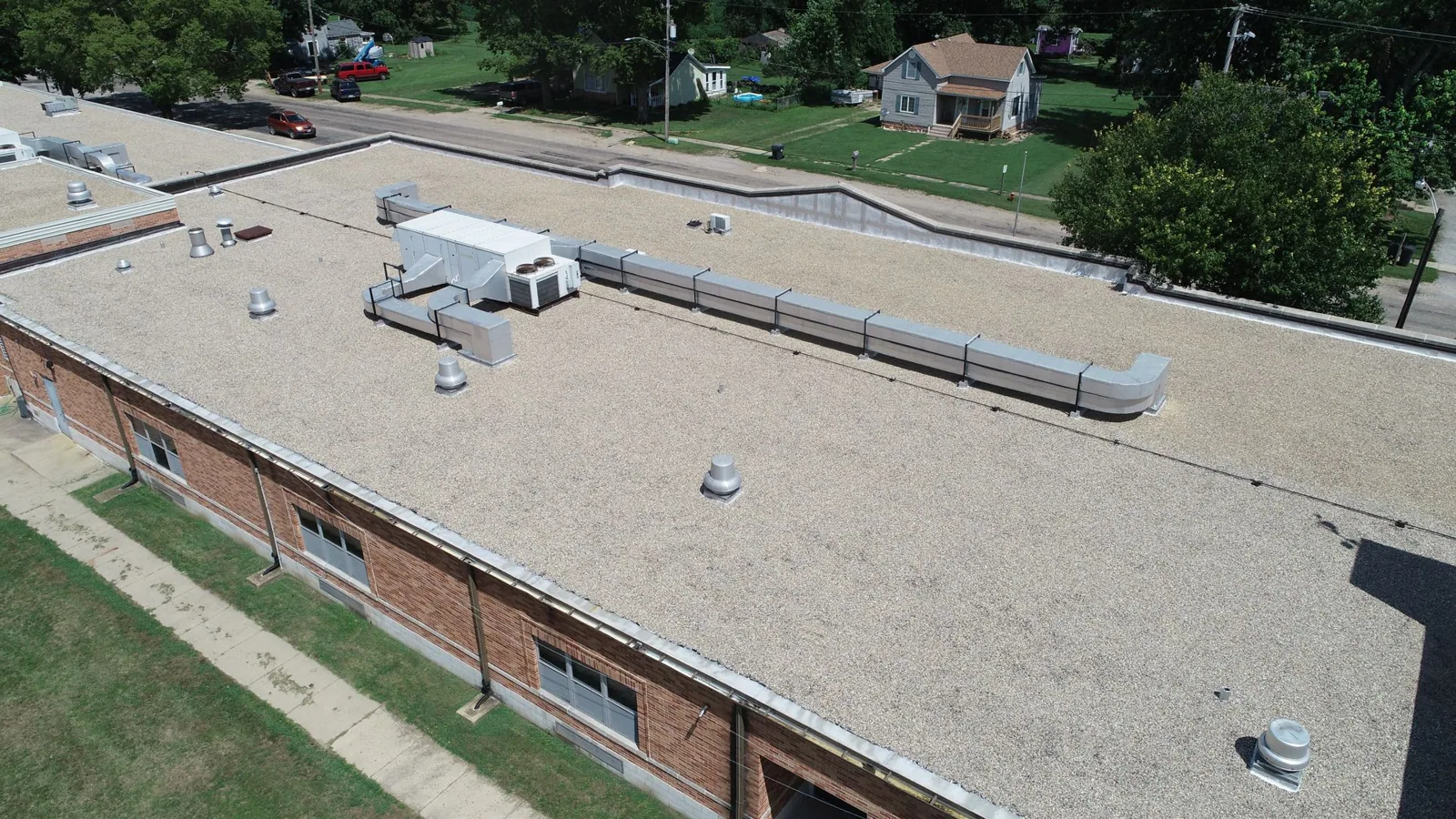
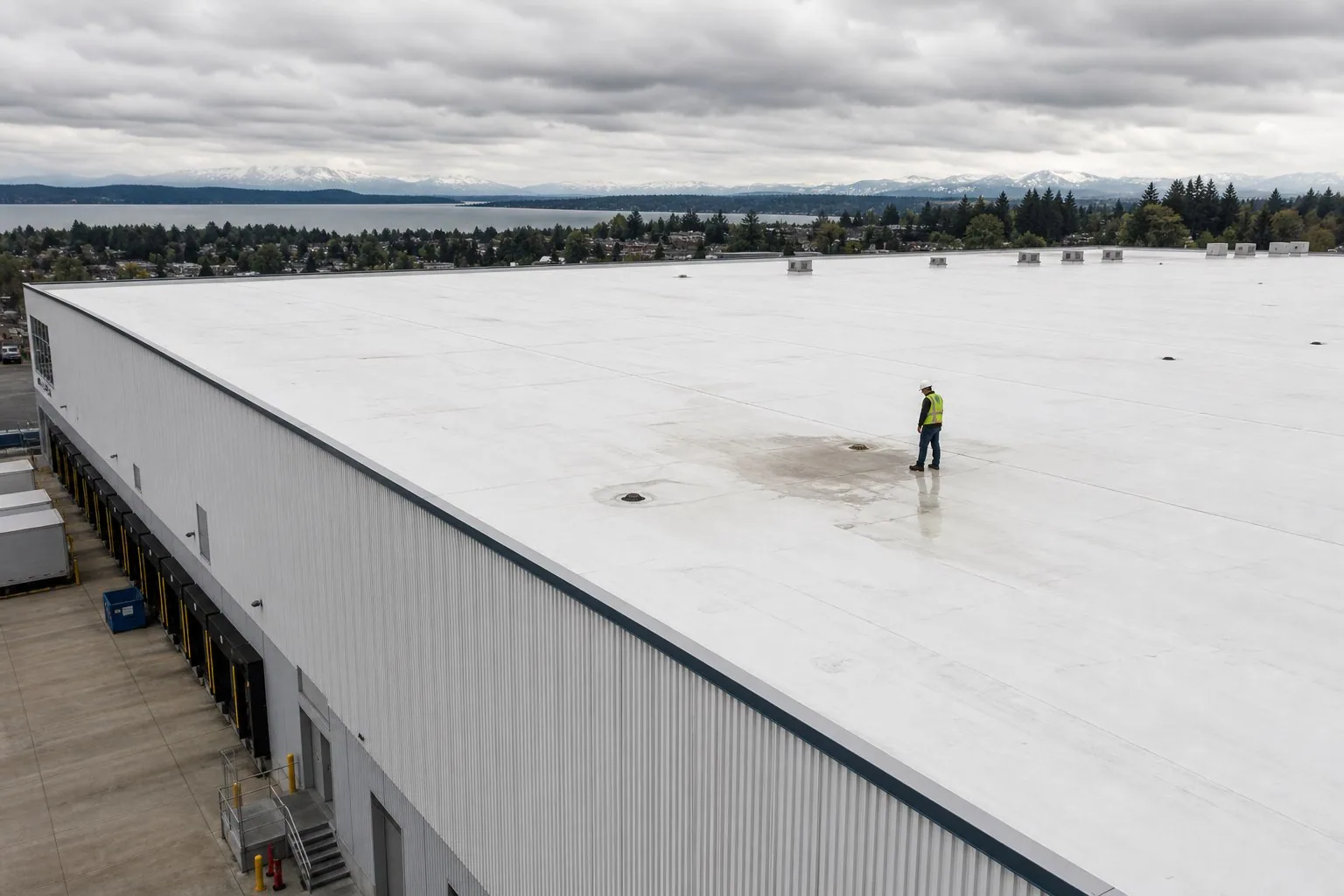
Identify the existing bitumen layers
Name the building and roof zone. Share roof plans, repair history, leak timing, access rules, and material records so we can confirm the assembly and define the repair boundary.
Questions About Modified Bitumen Commercial Roofing
How do SBS and APP modified bitumen differ?
Both are polymer-modified asphalt roofing sheets, but their formulation and application characteristics differ. We identify the installed system and its surface before selecting repair materials. The existing layer, attachment, and condition matter as much as the membrane category. If records are missing, an opening or test may be needed before finalizing the method.
Can you patch only the top sheet?
A surface patch works only when the lower layers and substrate are sound. We inspect the split, nearby laps, and any soft or wet area before choosing how many plies to open. If moisture has reached insulation or deck, the repair extends to a dry, stable boundary. Photos show what was confirmed before the assembly is closed.
What causes blisters in a modified bitumen roof?
Blisters can involve trapped moisture, air, or bond loss between layers. We examine their size, movement, surface condition, and nearby seams. A blister that is dry and stable may require monitoring, while a split or wet assembly can need repair. We test uncertain areas before deciding whether removal should extend beyond the visible feature.
Does weather affect torch-applied roof work?
Weather and surface condition affect preparation, bonding, and safe sequencing. We confirm the existing assembly and planned method before setting work limits. If moisture or rain prevents a secure tie-in, we protect the open area and resume when conditions allow. The work plan identifies method-specific precautions and occupied-site coordination.
Commercial Roofing Across Roswell and North Fulton
Roof Repair, Replacement and Maintenance for Every Kind of Commercial Building
From Historic Roswell and Canton Street to the Holcomb Bridge Road corridor, GA 400 and the North Point area, we inspect, repair and replace low-slope and metal roofs on offices, retail centers, medical buildings, schools and warehouses.