Commercial Roofing in Roswell Town Center and Atlanta Street Corridor, Roswell, GA
A curb corner with split flashing can send water beneath a sound-looking field membrane. We check the corner, nearby seam, and drain route before setting the repair limit. Roswell lists a dedicated Town Center and Atlanta Street Corridor study among its planning resources. The corridor connects central Roswell's commercial core with the broader north Fulton road network, so roof planning should stay tied to the individual building while accounting for coordinated access.
Properties here can also receive a Roswell commercial roof assessment when work extends beyond the corridor. The citywide framework covers land use, transportation, and economic investment. That context may matter when a roof project overlaps other property work, but it does not establish a building's roof type or condition. We inspect the assembly, define the affected zones, and state what is confirmed. A Downtown Roswell roof visit can be coordinated separately when a property falls in the central business district.
Follow the curb into adjacent details
At a curb, we examine corners, vertical flashing, counterflashing, fasteners, and the membrane at the base. Equipment vibration or past service work may disturb a detail, but the inspection must show that evidence before scope expands. We compare the curb with nearby seams, penetrations, drains, and any patched area. The repair boundary ends at stable, compatible material, not at an arbitrary line around the visible split.
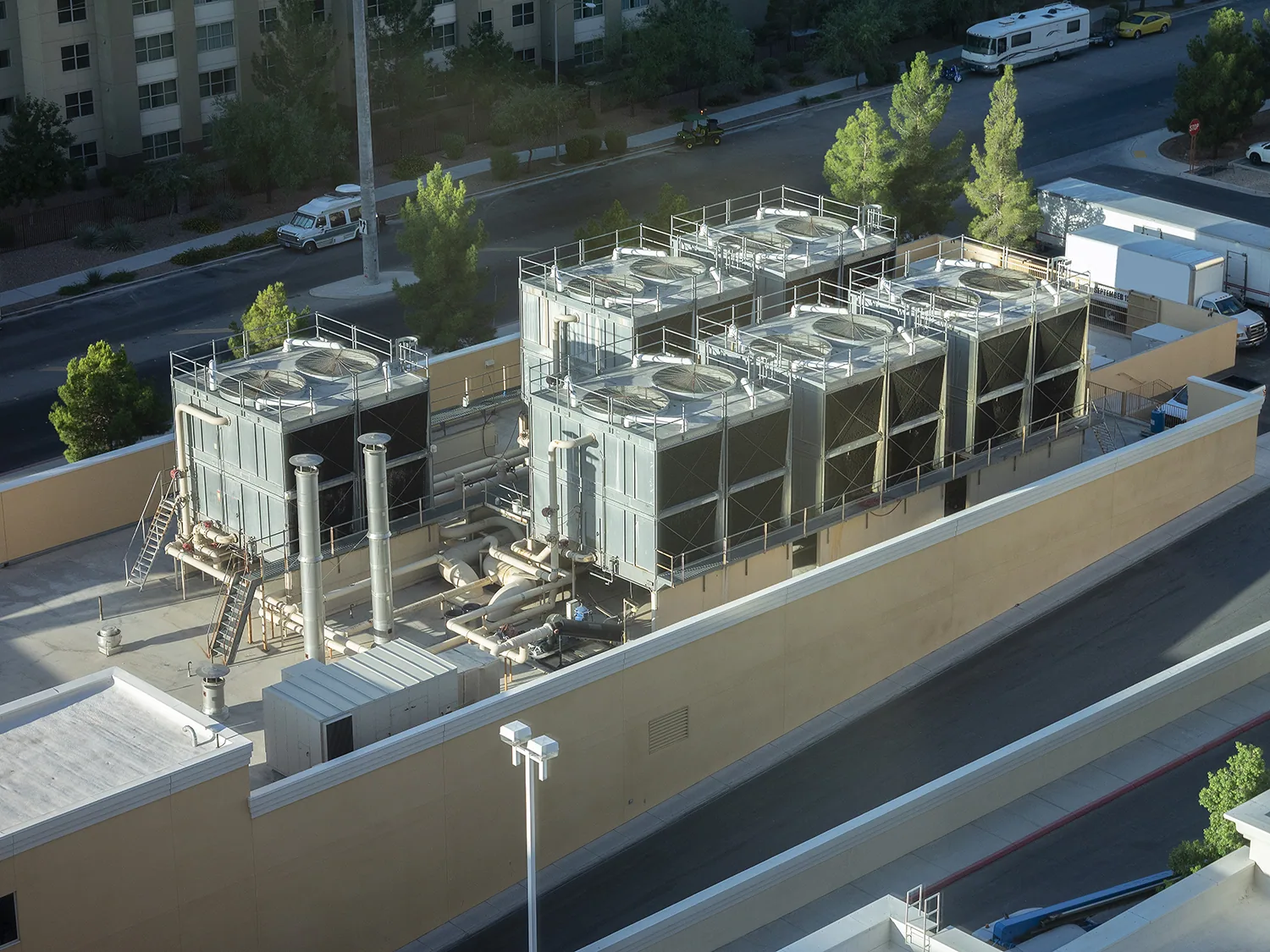
Water can travel from a roof penetration before it appears indoors. We compare the complaint location with roof drainage and transitions above it, then label the inspection zone on a plan or field sketch. If an equipment service visit is planned, the owner can coordinate that access with the roofing sequence. A curb and equipment support review can document the roof interface before mechanical work changes it.
Atlanta's recorded climate pattern pairs recurring summer showers with days when July highs approach 90 degrees Fahrenheit. That cycle can test flashing laps and sealant transitions after repeated heat exposure. The climate figure belongs to the Atlanta region; it is not evidence that a particular curb has failed. We record visible openings, loose material, and moisture findings before recommending a repair.
Coordinate corridor access without guessing
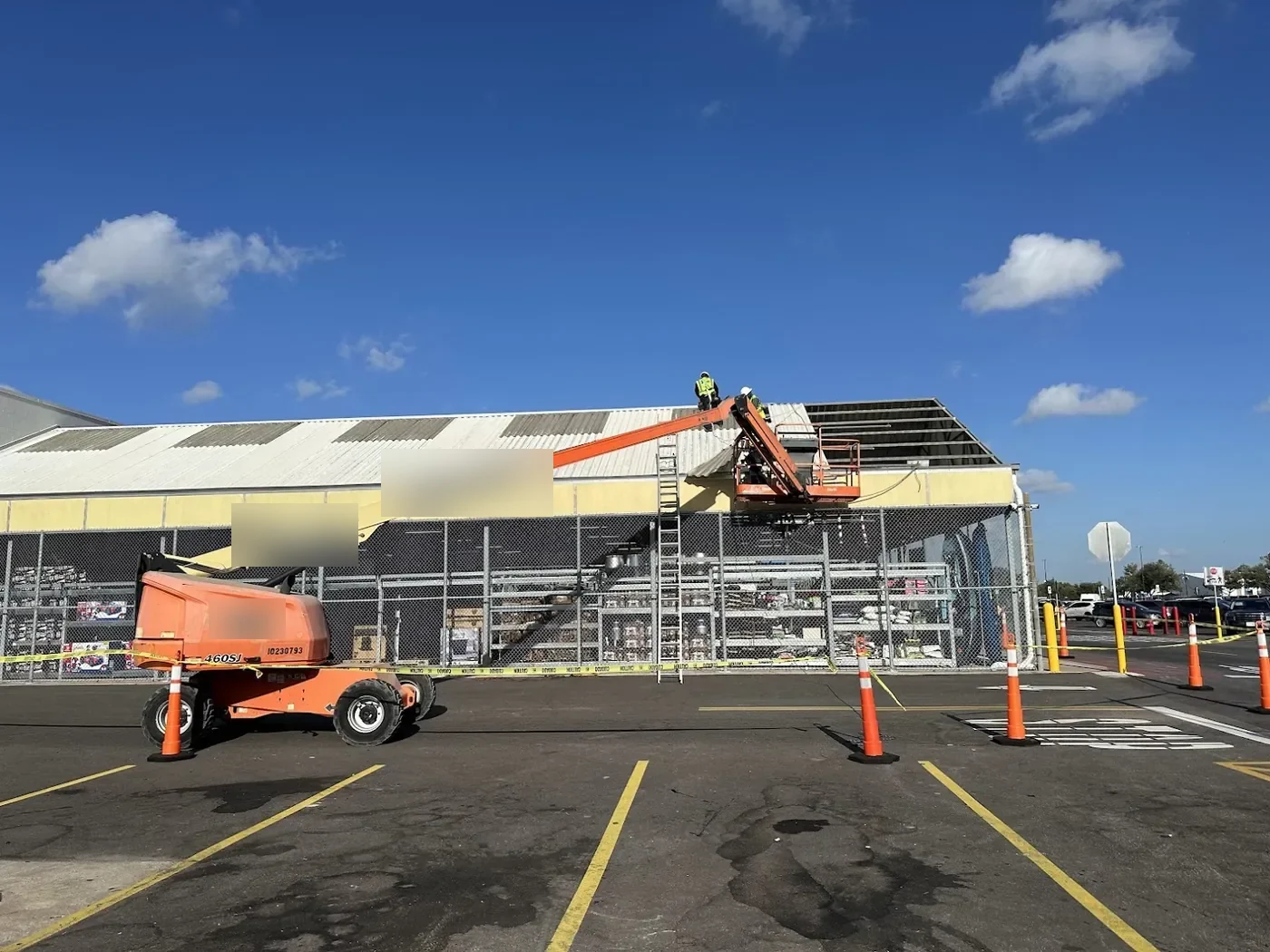
Atlanta Street links central Roswell's commercial core with the larger north Fulton network. Delivery and crew arrival may rely on different access points than the roof itself. We confirm where equipment can be staged, how materials reach the roof, which gates or hatches require a contact, and what hours keep work clear of property operations. Corridor planning informs the visit; site instructions control the actual sequence.
Roswell's planning framework covers transportation, land use, and economic investment. A city study may connect those topics, while a roof scope answers separate questions: which zones need work, what assembly is present, and what access the crew requires. When a property project affects the roof, we note trade tie-ins, penetrations, and temporary weather protection before work begins. A photo-based condition record can preserve these details for asset review.
Occupied commercial spaces may require quiet periods, limited odors, controlled material movement, or protection over entrances. We ask for the affected hours and map the work zone before choosing a sequence. A single corridor should not receive one assumed schedule. Each property has its own roof access, loading conditions, and operations contact.
Compare a curb repair with broader renewal
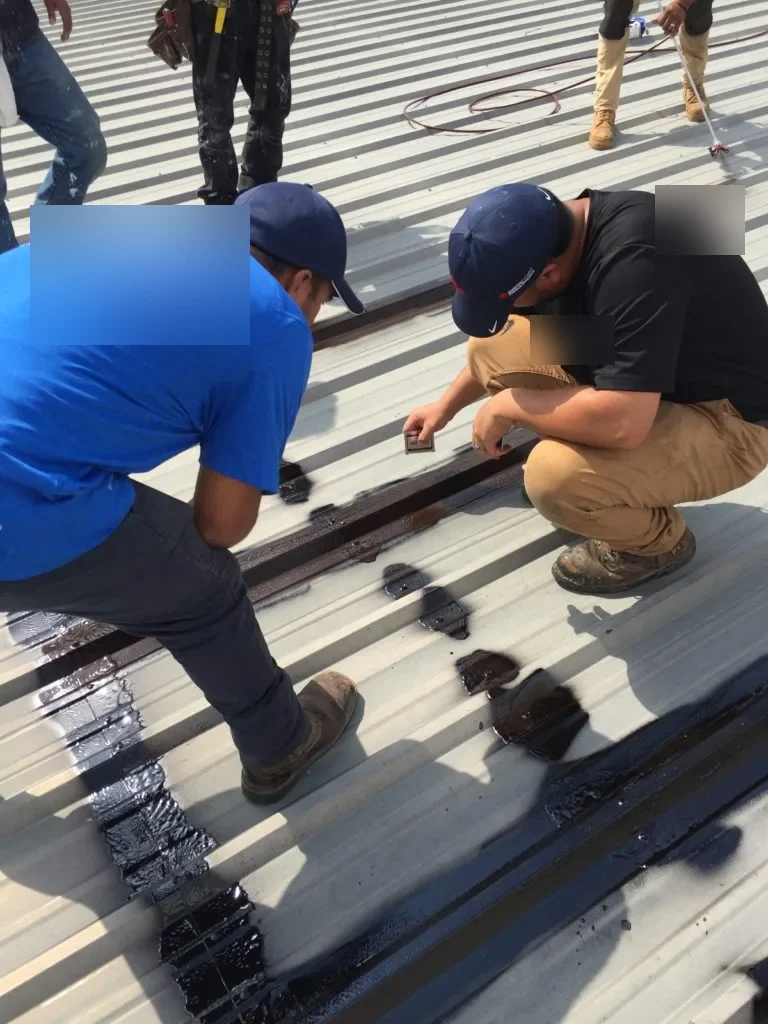
A curb repair may be enough when the field membrane remains intact and the flashing can be tied into sound material. We prepare the existing surface and use a detail compatible with its system. If the curb is loose, its backing is deteriorated, or moisture extends into the roof assembly, the work may need to include attachment or substrate correction. Those findings are documented before the repair allowance changes.
Different membranes need different repair methods. TPO and PVC may allow a welded flashing detail. EPDM and modified bitumen use other materials and lap treatments. Metal and coated roofs require their own transition details. We identify the current assembly from records or field evidence rather than choosing a patch by appearance alone. A focused repair scope names the product type where known and shows the tie-in location.
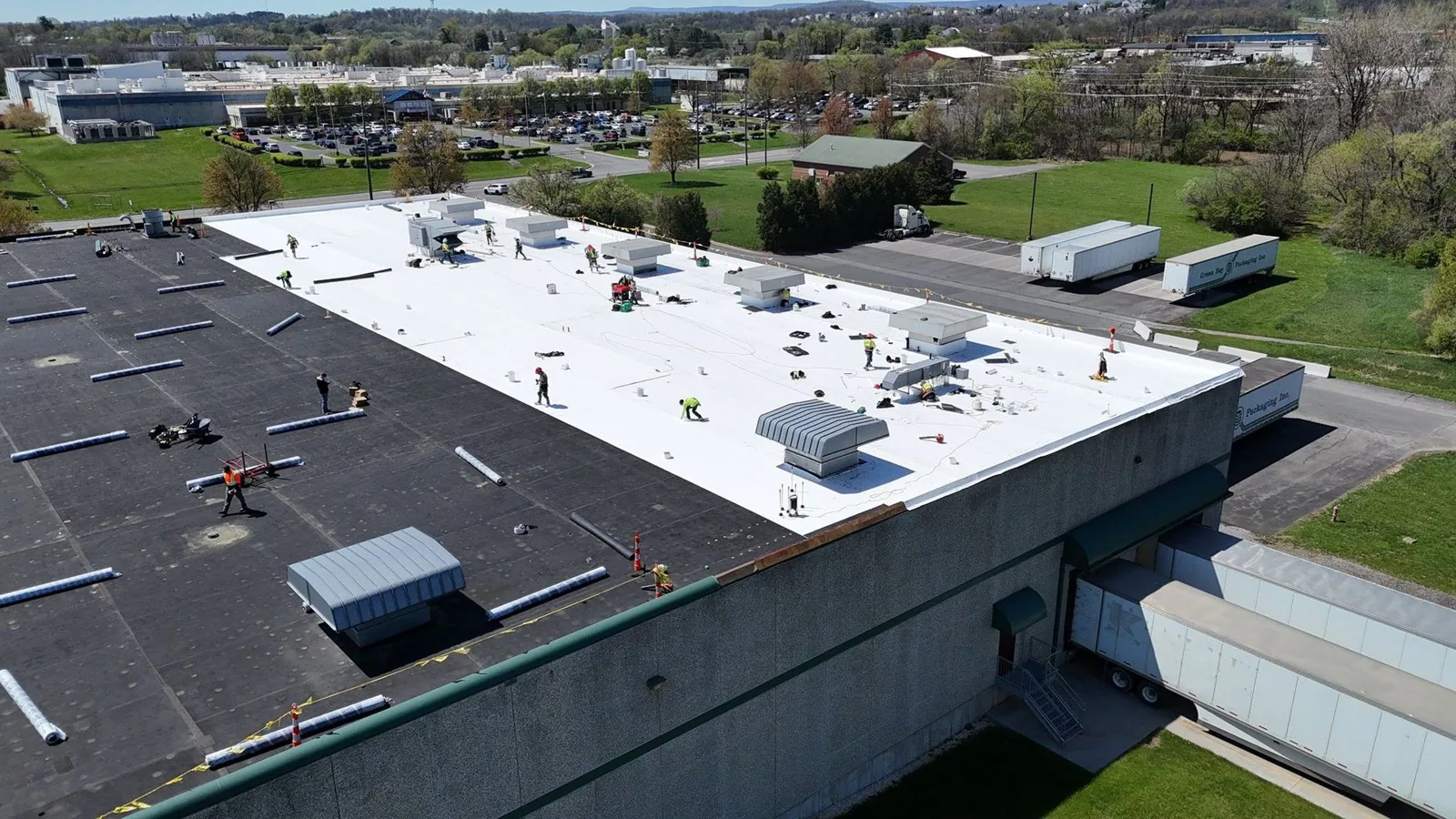
When roof failures repeat at several curbs, seams, or drains, compare localized work with recovery or replacement. We assess deck condition, insulation, moisture extent, roof height, drainage, and the number of transitions. A replacement plan should show how equipment curbs, service routes, and temporary protection will be handled through each phase.
Protect exposed work through rain windows
Warm-season rain can interrupt cleaning, welding, priming, or coating. We split work into stages that can be protected at each stop and identify which conditions require a pause. The proposal can state how an open curb is covered overnight and what must be dry before permanent flashing is installed. That is more useful than placing every task on one uninterrupted calendar.
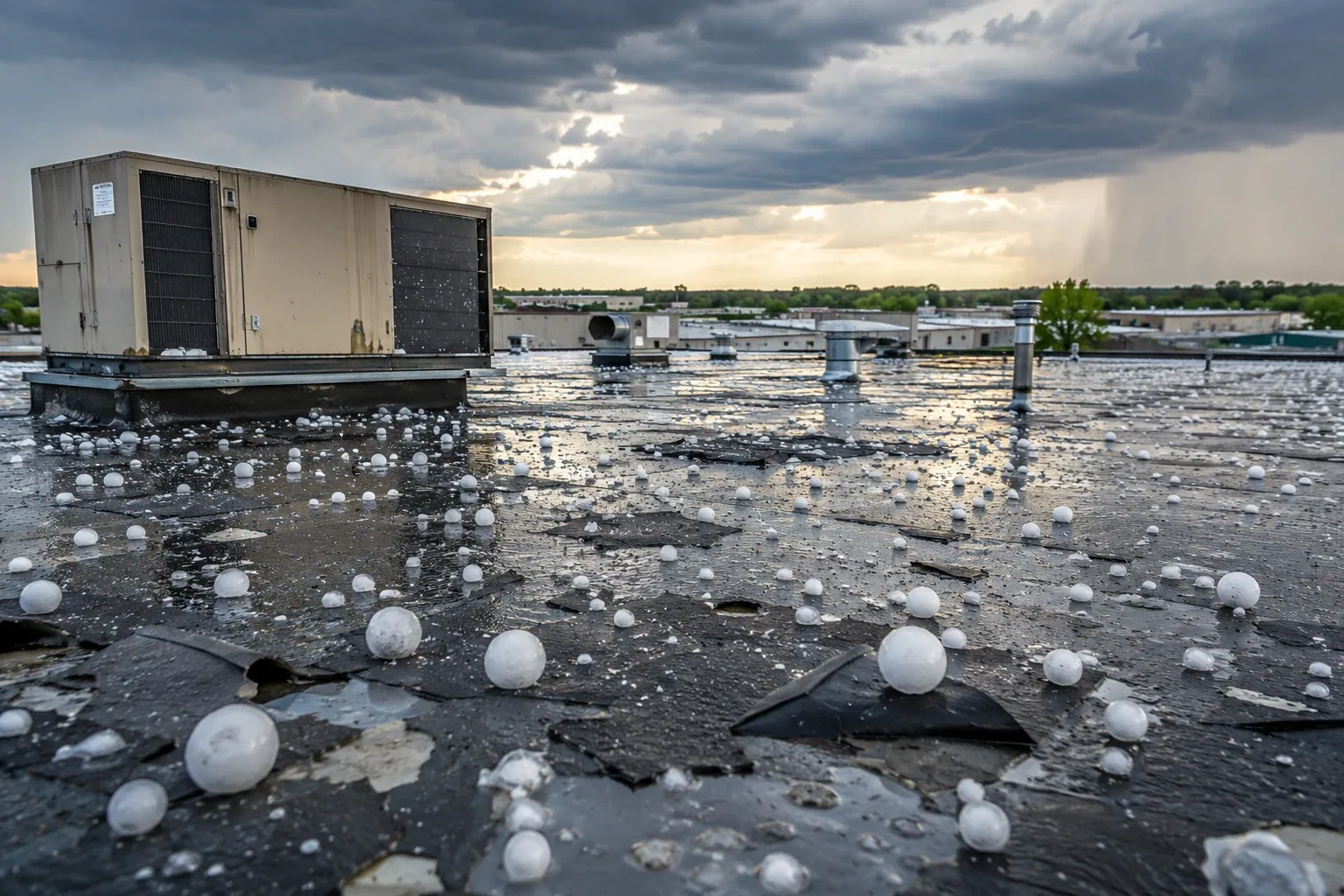
Atlanta-region storm activity can bring hail, strong gusts, or tornadic conditions. When an owner reports an impact, we inspect the named roof zone for observable changes. The inspection might find a puncture, shifted edge, broken fastener, or no visible change. We record the evidence and keep regional weather context separate from property condition. A hail impact review can be scoped when marks or punctures are present.
Timing and cost depend on material availability, roof access, staging, preparation, the number of curb details, wet insulation, and any deck correction. If work must avoid deliveries or tenant activity, phased mobilization can add time. We separate confirmed repair from allowances for concealed damage. A leak tracing visit can address an active water entry while larger renewal options are compared.
Keep equipment interfaces in the record
After repair, photographs should show the curb base, vertical flashing, corners, fasteners, and adjoining membrane. The closeout record lists the roof zone, materials used, repair limit, and any condition left outside the approved scope. If the assembly was opened, we describe the layer found and how the opening was restored. That record helps a later service visit avoid cutting through a newly repaired tie-in.
Future mechanical work can change a curb, add conduit, or alter rooftop service paths. We recommend retaining equipment work orders alongside roof photographs. A follow-up inspection can check the new penetration and confirm that flashing remains attached. Where multiple buildings are involved, multi-property roof coordination can standardize records without combining separate roof conditions.
Request a roof assessment for a named Town Center or Atlanta Street property. Send available plans, leak reports, curb locations, service schedules, and access instructions. We will identify the confirmed failure, set the repair boundary, and present options where several scopes could solve the same roof issue.
Related Roofing Work
Scope a Town Center roof zone
Share the building plan, curb locations, reported leaks, service schedule, and roof access rules. We will document the roof interface and identify the next repair or renewal decision.
Questions About Roswell Town Center and Atlanta Street Corridor
Can equipment service happen before a roof repair?
It can, if the current condition is stable and the service plan will not disturb the failed flashing. We inspect the curb and document the opening first. The owner can coordinate both trades, then have the completed equipment work checked for new penetrations or disturbed membrane before the roof scope closes.
How does the Town Center corridor study affect roofing work?
The study is part of Roswell's planning resources, while the roof proposal addresses field condition, access, materials, and work limits. If property improvements overlap, we identify tie-ins and sequencing needs. The roofing scope does not assume a project schedule or building condition from the corridor study alone.
What should a curb repair proposal identify?
It should identify the known roof system, curb location, flashing detail, repair boundary, access plan, and any allowance for concealed backing or insulation. Photographs show the existing condition. The closeout record should capture the finished corners and adjacent seams so later mechanical work can be coordinated.
When should a localized repair be compared with replacement?
Compare broader renewal when failures recur across roof zones, moisture reaches several layers, or the existing surface no longer accepts a reliable tie-in. We inspect the deck, insulation, drainage, penetrations, and roof transitions. The recommendation explains which conditions favor a repair and which make replacement a stronger option.
Commercial Roofing Across Roswell and North Fulton
Roof Repair, Replacement and Maintenance for Every Kind of Commercial Building
From Historic Roswell and Canton Street to the Holcomb Bridge Road corridor, GA 400 and the North Point area, we inspect, repair and replace low-slope and metal roofs on offices, retail centers, medical buildings, schools and warehouses.