Commercial Roofing in Johns Creek, GA
A lifted flashing boot around a roof penetration can admit water before the surrounding membrane shows a tear. We inspect the boot, nearby seam, and substrate, then set a repair boundary that reaches a stable tie-in. Johns Creek's stated industry priorities span clinical care, life-science work, and innovation. Its economic development office also supports commercial property data, relocation, and expansion. Those uses call for roof decisions tied to confirmed building conditions, not assumptions about a business sector.
Boston Scientific opened a medical-device manufacturing and supply-chain facility in Johns Creek, a fact that reflects the city's investment activity but says nothing about that facility's roof. For any commercial property, we verify the assembly, work zone, and access details before writing a scope. A North Fulton roof portfolio review can coordinate regional properties while keeping each building's history separate.
Check the penetration before closing the opening
At a pipe or equipment penetration, we check the boot, base flashing, fasteners, sealant, membrane condition, and nearby equipment supports. A damaged boot can be a localized failure, while movement or wet insulation can broaden the repair. We inspect connected seams and follow the drain path where visible. The report marks the exact roof zone and separates confirmed damage from a condition that needs an opening to verify.
Health and life-science operations may have access or scheduling rules that the building owner must identify. The industry label does not tell us whether a space is occupied or which hours are available. We confirm the work window, rooftop equipment restrictions, interior areas below the repair, and safety steps with the property representative. A Technology Park roof inspection can address that employment district separately.
Atlanta climate normals show humid summer conditions, frequent warm-season rain, and July's normal high close to 90 degrees Fahrenheit. Heat and moisture can expose weak flashing and drainage details. We look for separated laps, softened material, blocked outlets, and interior reports that align with a roof-zone finding. A climate pattern tells us what to inspect, not what failed at one site.
Keep roof evidence ahead of business assumptions
The city reports medical-device manufacturing investment alongside its health and innovation priorities. Those industries can involve distinct operating controls, but the roof scope must follow the actual building and contact instructions. We record tenant hours, material access, equipment shutdown requirements, and any space that must remain operational. We do not select a roof system from a tenant's line of work.
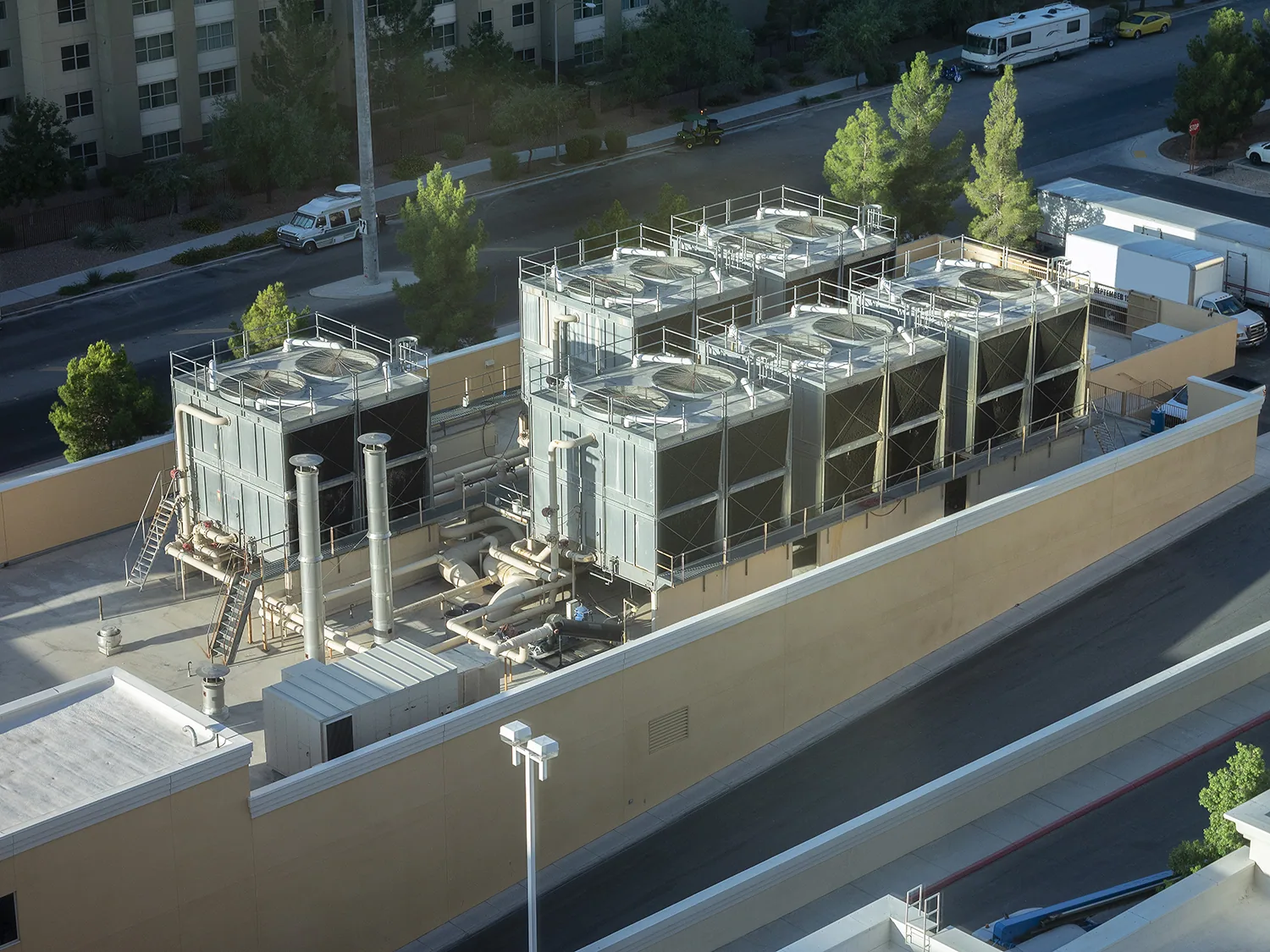
A medical-device facility or office may have roof equipment and penetrations that require coordination. We identify each curb or conduit affected by the work and note whether mechanical service is planned. If no system records exist, we inspect visible layers and can propose a small test opening. A roof equipment curb review can document the flashing connection before a separate equipment change takes place.
The city's commercial property data and expansion support can help an asset manager organize site information. Roof records add system type, repair dates, photos, moisture findings, and access restrictions. We separate owner-supplied details from field observations so future decisions have a clear source. A photo-backed condition report can preserve that information for maintenance or capital planning.
Choose a compatible flashing and repair path
Flashing repair depends on the roof assembly. A thermoplastic sheet may accept a welded boot after preparation. Rubber membranes, asphalt-based systems, coatings, and metal require different products and seams. We identify the surface and inspect prior patches before selecting a detail. If the membrane is contaminated, brittle, or poorly attached, the repair may need to reach farther than the visible split.
Wet insulation or a deteriorated deck changes the scope. We photograph the material found after opening and price the added work before covering it. A limited repair can remain appropriate when the surrounding assembly is sound and the tie-in is stable. A penetration repair scope should state what is included and what hidden conditions require another approval.
If penetrations, seams, or drains show repeated failures across several zones, compare localized work with recovery or replacement. We review deck condition, drainage, roof height, existing layers, and equipment plans. A replacement schedule may need mechanical coordination and daily dry-in limits. A renewal comparison can lay out those constraints without presuming that every Johns Creek property needs the same assembly.
Sequence work around access controls
Surface preparation and flashing installation need a dry work window. Atlanta-region showers can interrupt cleaning, welding, or adhesive curing. We identify which tasks can be finished before a weather hold and how the opening will be protected. If the building has restricted roof access, the work plan names the escort or release contact supplied by the owner and the time needed for entry.
North Georgia storm systems may bring damaging wind, hail, and tornado conditions. A regional event does not prove a roof was affected. When a property reports an impact, we inspect the named zone and document punctures, loosened flashings, or displaced metal that can be seen. A wind-related roof review can record confirmed effects apart from pre-existing defects.
Cost and timing depend on penetration count, membrane type, work height, access rules, surface preparation, wet layers, and coordination with mechanical staff. If a work area needs a shutdown, the contact and window should be confirmed before mobilization. We keep any allowance for concealed conditions separate from the confirmed repair. An active leak can be isolated through targeted leak tracing while a longer replacement option is reviewed.
Preserve the system record for the next decision
Closeout photos show the penetration from above, its flashing base, and the tie-in with surrounding membrane. We label the building, roof zone, material installed, and work extent. If removal exposes damp insulation or an unknown deck, the record describes the finding and where repair stopped. This avoids turning an isolated repair into an unsupported statement about the rest of the roof.
Johns Creek's economic development office helps businesses assess commercial property information and expansion needs. Building managers can pair that property data with roof plans and repair records to plan future work. The roof file should retain contact details, access limits, equipment changes, and follow-up needs. A preventive roof visit can inspect the repaired penetration and nearby details during a later cycle.
Request a roof inspection for a named Johns Creek property or portfolio. Share roof plans, repair records, equipment schedules, leak dates, and access requirements. We will inspect the reported zones, document confirmed conditions, and present repair or renewal choices with hidden-condition allowances identified.
Related Roofing Work
Review a Johns Creek roof zone
Send the property name, roof plans, penetration locations, leak dates, equipment schedule, and access instructions. We will document the confirmed condition and compare repair with renewal where warranted.
Questions About Johns Creek
Can a business's industry determine which roof repair is needed?
No. The roof assembly and observed failure determine the repair. Industry operations may set access, schedule, or equipment constraints, which we confirm with the property contact. We identify the membrane and flashing detail before selecting materials or recommending a broader renewal option.
What if a penetration is surrounded by working equipment?
We identify the equipment clearance, service path, and any required shutdown with the owner before selecting a work sequence. The inspection records the curb or boot and the nearby membrane. If mechanical service changes the penetration, the roof flashing can be coordinated as a separate defined task.
Does a new manufacturing investment mean the facility needs a new roof?
An investment announcement does not establish roof age or condition. We inspect the assembly, drainage, flashings, and moisture evidence at the building under review. If records show planned expansion or equipment changes, those details can inform sequencing, while the roof recommendation remains based on field findings.
Which Johns Creek records help prepare for a roof review?
Send roof plans, prior repair invoices, membrane information, leak dates, equipment schedules, and access rules. Business property data may help identify the asset, but roof drawings and field observations establish the assembly. We note any missing information and propose testing only when it can resolve a scope decision.
Commercial Roofing Across Roswell and North Fulton
Roof Repair, Replacement and Maintenance for Every Kind of Commercial Building
From Historic Roswell and Canton Street to the Holcomb Bridge Road corridor, GA 400 and the North Point area, we inspect, repair and replace low-slope and metal roofs on offices, retail centers, medical buildings, schools and warehouses.