Commercial Roof Condition Reports in Roswell, GA
A dark ceiling stain and a roof photo without a location leave the next decision open. We build condition reports around labeled roof zones, visible defects and the evidence needed to set a repair boundary. Each finding connects a close view with its place on the building. The owner can tell what was observed, what remains concealed and which action would resolve the uncertainty.
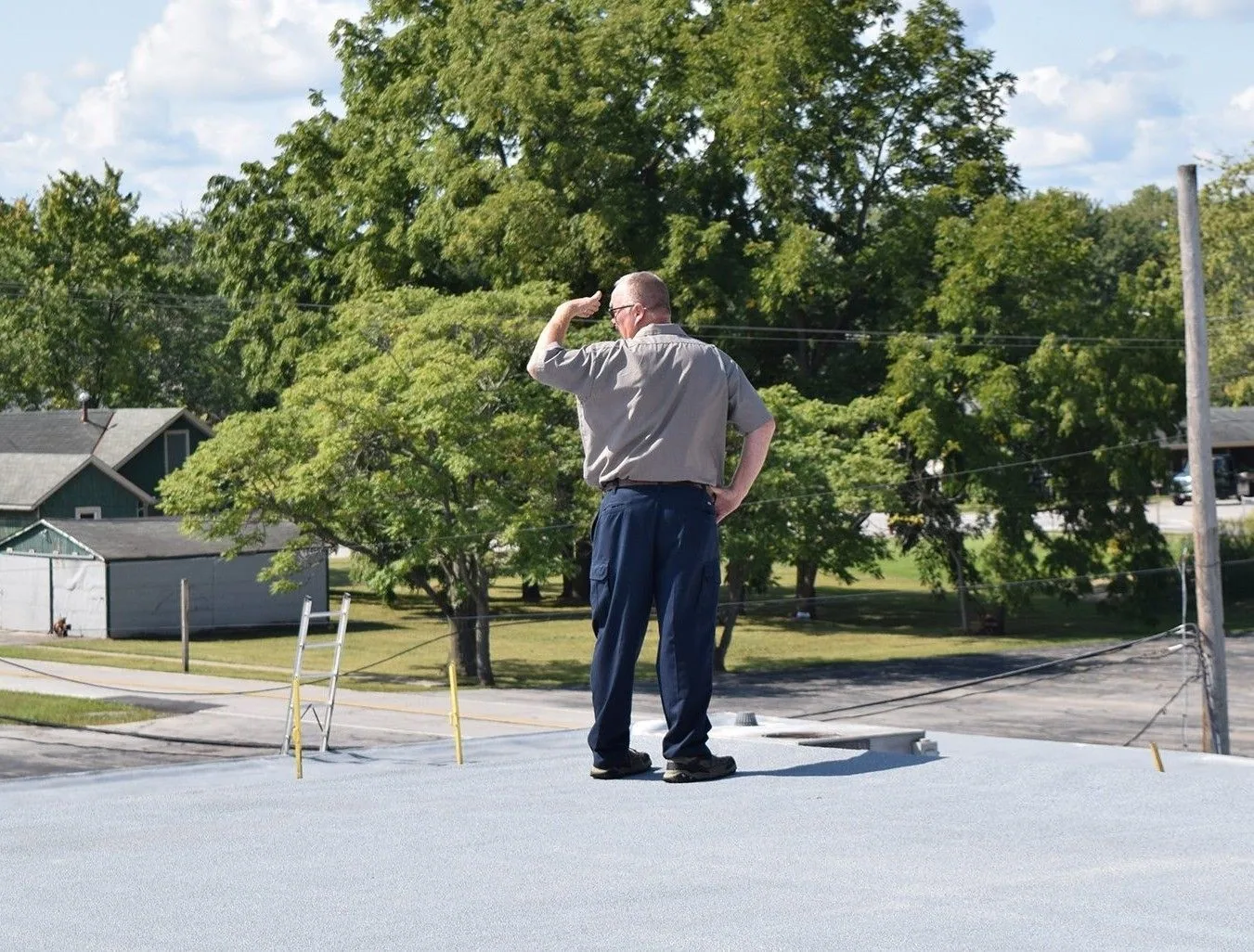
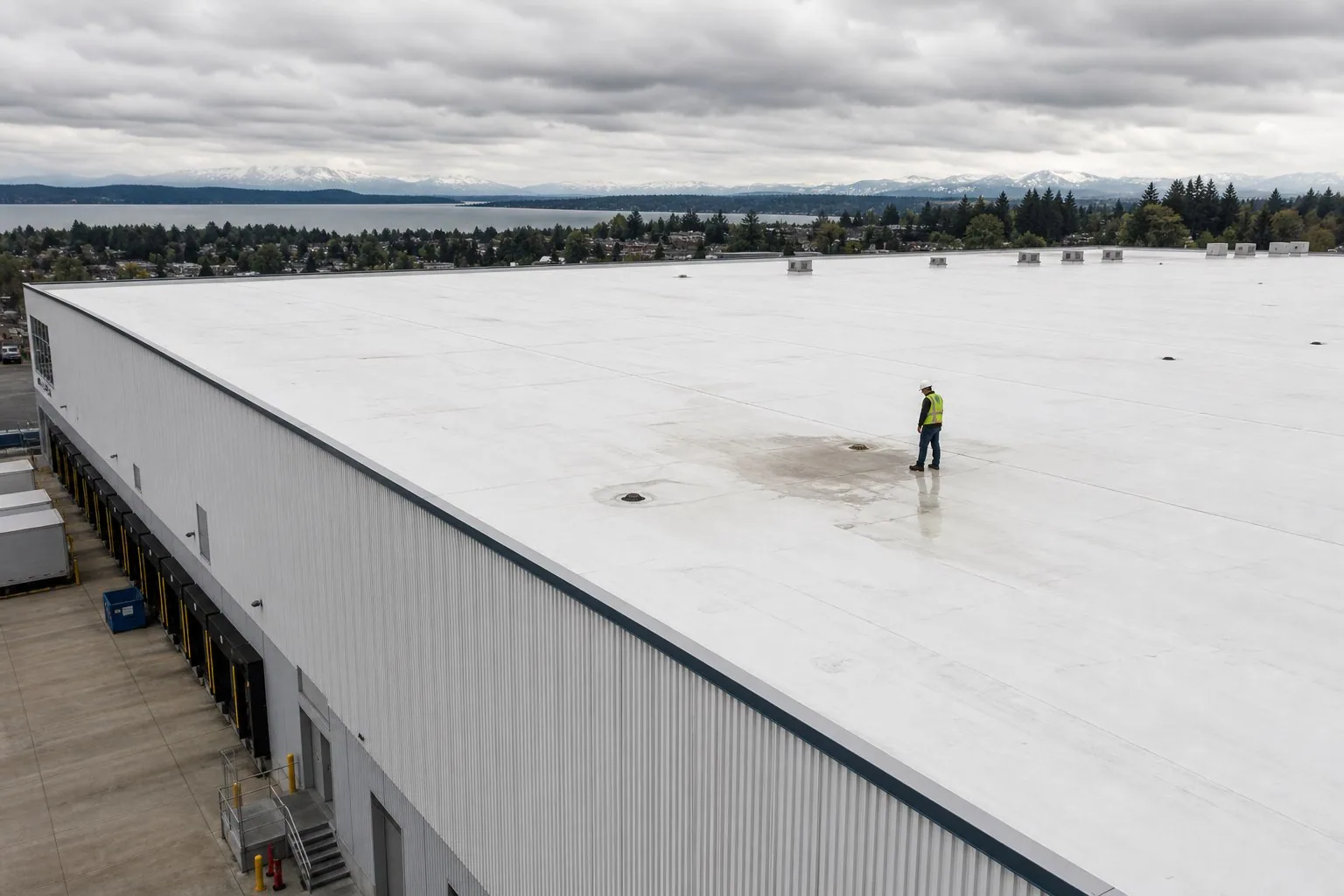
Roswell has a mix of offices, clinics, schools, civic buildings and light industrial properties across GA 400 and Holcomb Bridge Road. A Roswell roof condition visit records the actual building and access available. The report then describes the roof materials and details visible during that visit.
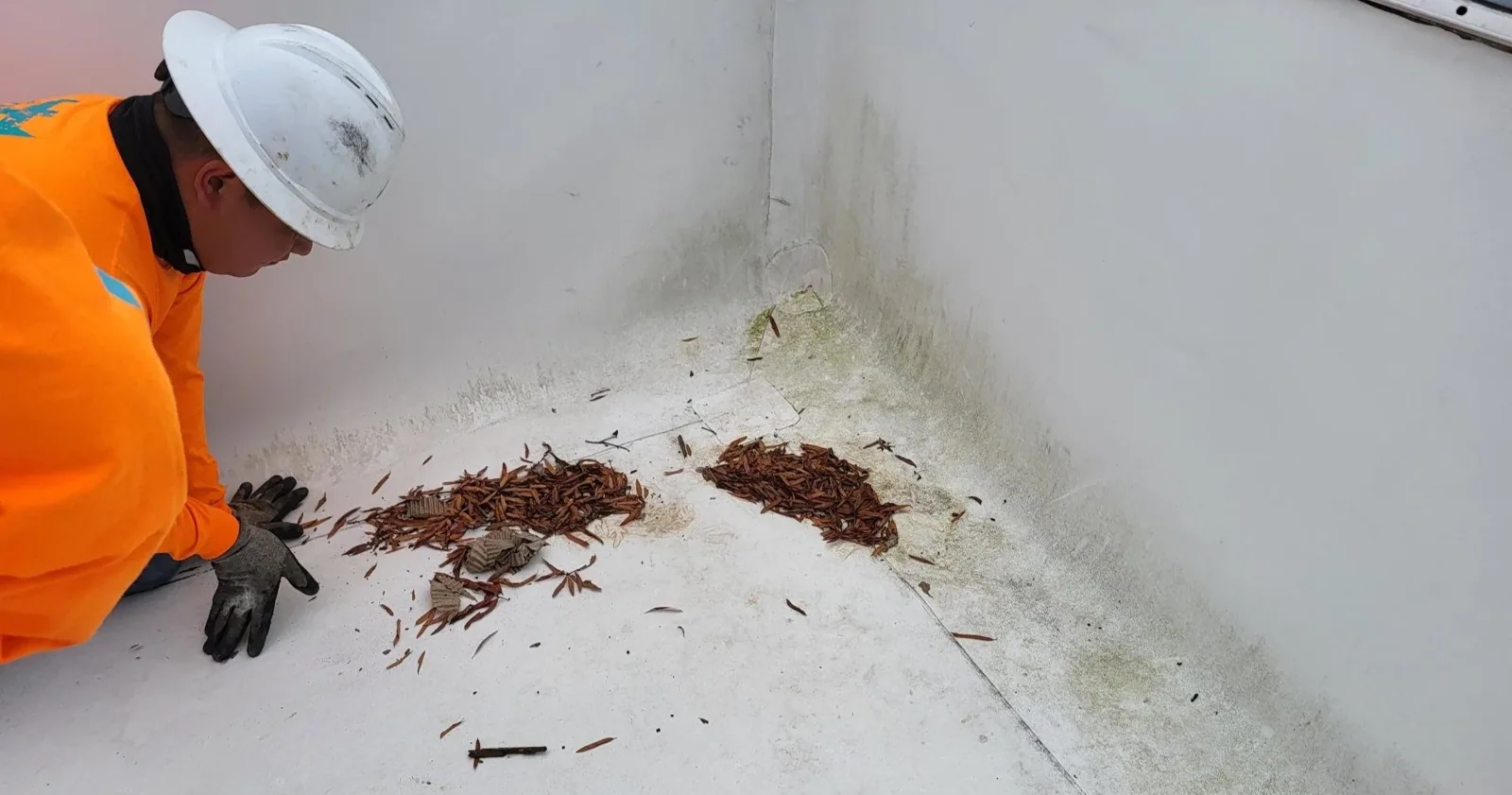
Photograph defects with a location reference
We divide the roof into sections that can be found again on a plan or by a field landmark. Images show the whole zone, the detail and a closer view where scale matters. A loose edge, open lap, split flashing, drain obstruction or puncture receives a location label. That way, a later repair proposal can use the same reference rather than relying on a general note such as north roof.
Photographs document conditions that were visible at the time of inspection. They do not show what remains beneath an intact membrane. We state when insulation, deck attachment or flashing substrate was not exposed. If the question requires opening material, the report identifies a proposed test area and how it will be restored after review.
Property records can contain plans, repair tickets and warranty documents that use different names for the same wing. We reconcile those labels where possible and preserve the owner’s building terminology. A roof asset record can carry consistent zone names between inspections, repairs and future budget reviews.
Separate observed defects from suspected causes
Each item describes the visible condition first. We note seam separation, membrane wear, loose metal, standing water, displaced sealant or a previous patch edge. The next line explains why it may matter to water entry, attachment or service life. If the evidence does not establish the cause, the report says so and identifies what could confirm it.
An interior stain may align with a roof opening, but water can travel before it appears indoors. We compare the reported room and timing with drains, curbs, penetrations and transitions above. The leak investigation can trace active entry and document the confirmed repair boundary. A condition report includes the broader observed roof context without assigning a cause beyond available evidence.
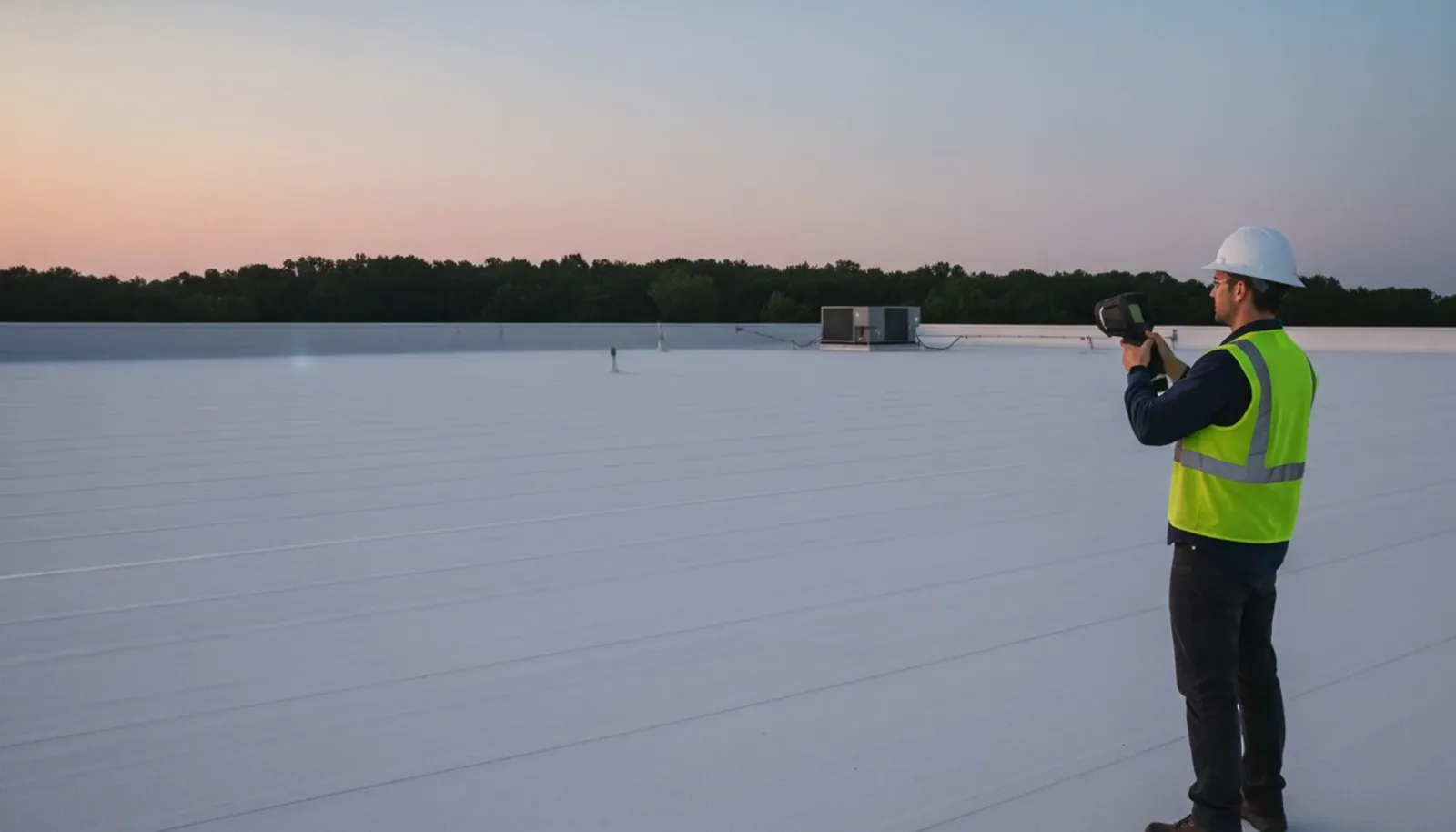
Where moisture is suspected beneath the surface, visible staining, soft spots or surface distortion may justify a closer test. Infrared review can locate temperature patterns for follow-up; a test cut confirms layers only where opened. We list method, area, conditions and limitations. A moisture survey can support that investigation when the roof and weather conditions make scanning useful.
Order recommendations by the decision required
The report separates active protection, repair, monitoring, testing and planned replacement. A puncture admitting water does not belong on the same line as surface wear with no known opening. We include the reason for priority, affected zone and any operational issue below. The owner can review near-term work and longer-range items without turning every observation into an emergency.
Roswell's warm, humid summers and recurring rainfall can test details that already show movement. Atlanta climate normals record a July normal high near 90 degrees and frequent summer precipitation. We connect those conditions to observed drains, laps, flashings and areas where water remains. The weather context helps frame exposure, while the recommendation follows what was found at the roof.
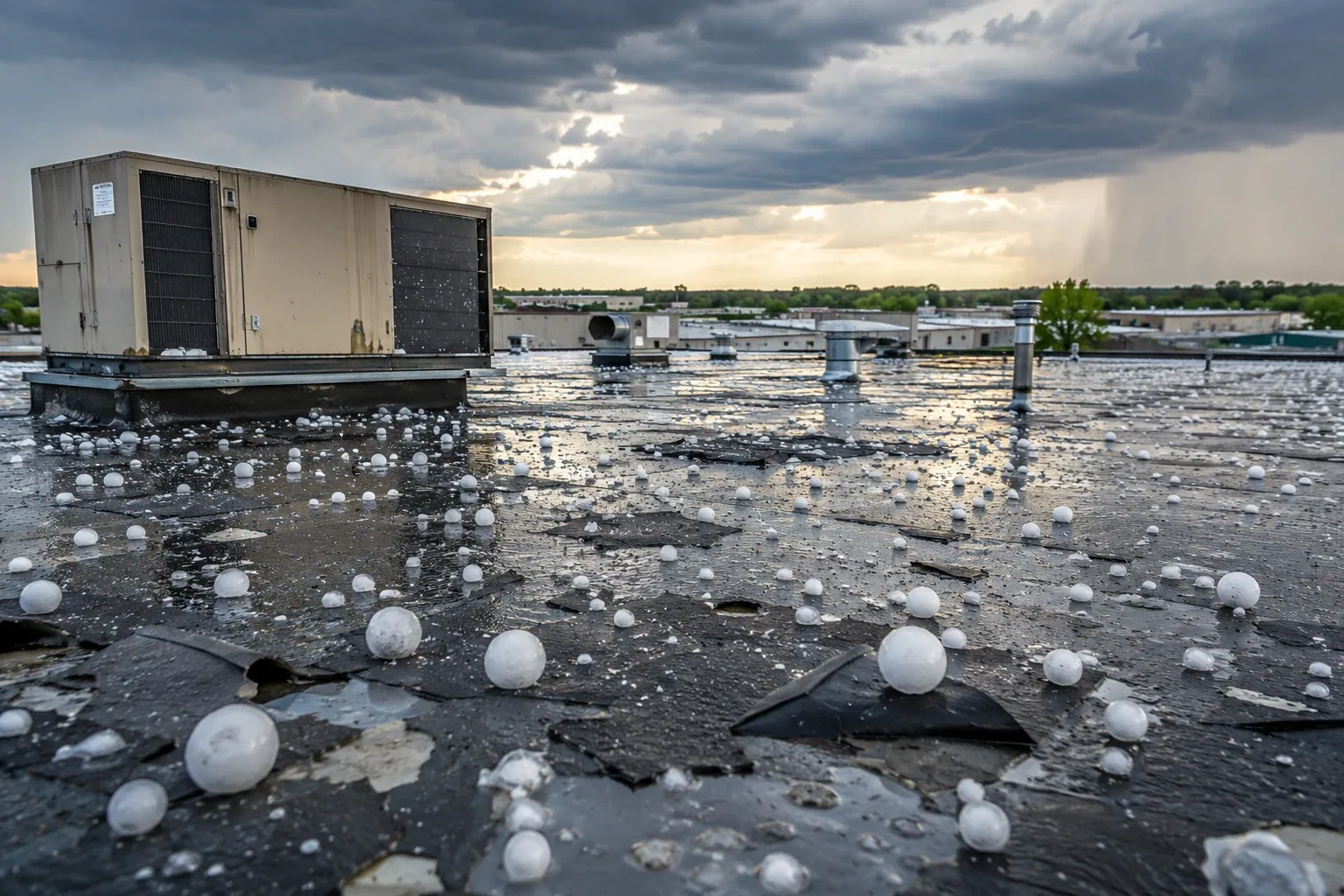
For a reported hail or tornado date, we log the event supplied by the owner and inspect released zones for impact marks, punctures or shifted components. A regional alert does not establish roof damage. A hail damage inspection can document impact evidence separately when marks or punctures are present.
Each recommendation notes whether price can be set from visible scope or depends on concealed material. An capital planning review can use those distinctions to organize funding by urgency, testing need and expected project sequence.
Record access and property constraints
A report must explain which roof areas were reached and which were not. We list locked hatches, fall-protection limits, mechanical restrictions, weather interruptions and areas blocked by ongoing work. The reader can see the coverage of the inspection and decide whether another visit is needed. Inaccessible space is not assigned the condition of a nearby roof zone.
Historic Roswell's 640-acre district includes properties subject to exterior design review. If a finding calls for changing visible edge metal or rooftop screening, we note that a separate review may affect project timing. It does not alter the observed defect or authorize a repair. The property owner confirms applicability and coordinates required approvals before visible work proceeds.
Holcomb Bridge Road is Roswell's only GA 400 interchange and a major commercial access route. For properties along that corridor, delivery windows, gate procedures and roof access can shape a follow-up visit. A Holcomb Bridge corridor inspection can organize access notes for commercial sites while the report keeps each finding tied to its own address and roof plan.
Make the record usable after the visit
The finished document identifies the property, inspection date, roof zones reviewed, materials observed, limitations, photographs and recommended next actions. Findings reference the same labels used on the roof plan. The report also distinguishes maintenance items completed during the visit from repairs that require separate approval and pricing.
Owners often need the record for a board meeting, renewal discussion, insurer file or capital review. We keep the language direct and attach photographs close to the item they support. Where a question remains, the report names the evidence needed to close it. That creates a clear handoff from inspection to testing, repair or design.
For multiple facilities, a multi-site reporting program can use common labels and reporting periods. Individual buildings keep separate conditions, access rules and repair history. A portfolio summary can compare priorities without suggesting one roof has been inspected merely because another is nearby.
Request a condition report for a named building or group of properties. Provide roof plans, known leak locations, prior repair records, warranty documents and access instructions. We will photograph accessible details, map the findings and identify the next decision each condition needs.
Related Roofing Work
Request a photo-based roof report
Send the property list, roof plans, known leak locations, prior repair records and access instructions. We will map accessible conditions and identify decisions that remain open.
Questions About Commercial Roof Condition Reports
What does a commercial roof condition report show?
It identifies the property and roof zones inspected, observed defects, photographs, access limits and recommended next steps. We separate visible evidence from suspected causes and concealed conditions. Where a test or opening is needed, the report states what it could establish and the proposed location.
Can the report tell us how much life remains?
We can describe visible condition, repair history supplied and factors affecting serviceability. A precise remaining-life figure is not established by appearance alone. We explain the evidence, unresolved questions and options that could clarify whether repair or renewal should be planned.
Will you include areas that could not be reached?
Yes. We identify inaccessible zones and the reason access was limited. Those spaces are not given a condition based on adjacent areas. The owner can decide whether to arrange an escort, shutdown or other access for a follow-up inspection.
Can one report cover several buildings?
A portfolio report can summarize findings across sites, with separate building records underneath. Each roof keeps its own labels, photos, system details and access notes. That makes comparison possible without combining unlike assemblies or assigning one property's repair history to another.
Commercial Roofing Across Roswell and North Fulton
Roof Repair, Replacement and Maintenance for Every Kind of Commercial Building
From Historic Roswell and Canton Street to the Holcomb Bridge Road corridor, GA 400 and the North Point area, we inspect, repair and replace low-slope and metal roofs on offices, retail centers, medical buildings, schools and warehouses.