
Preventive Commercial Roof Maintenance in Roswell, GA
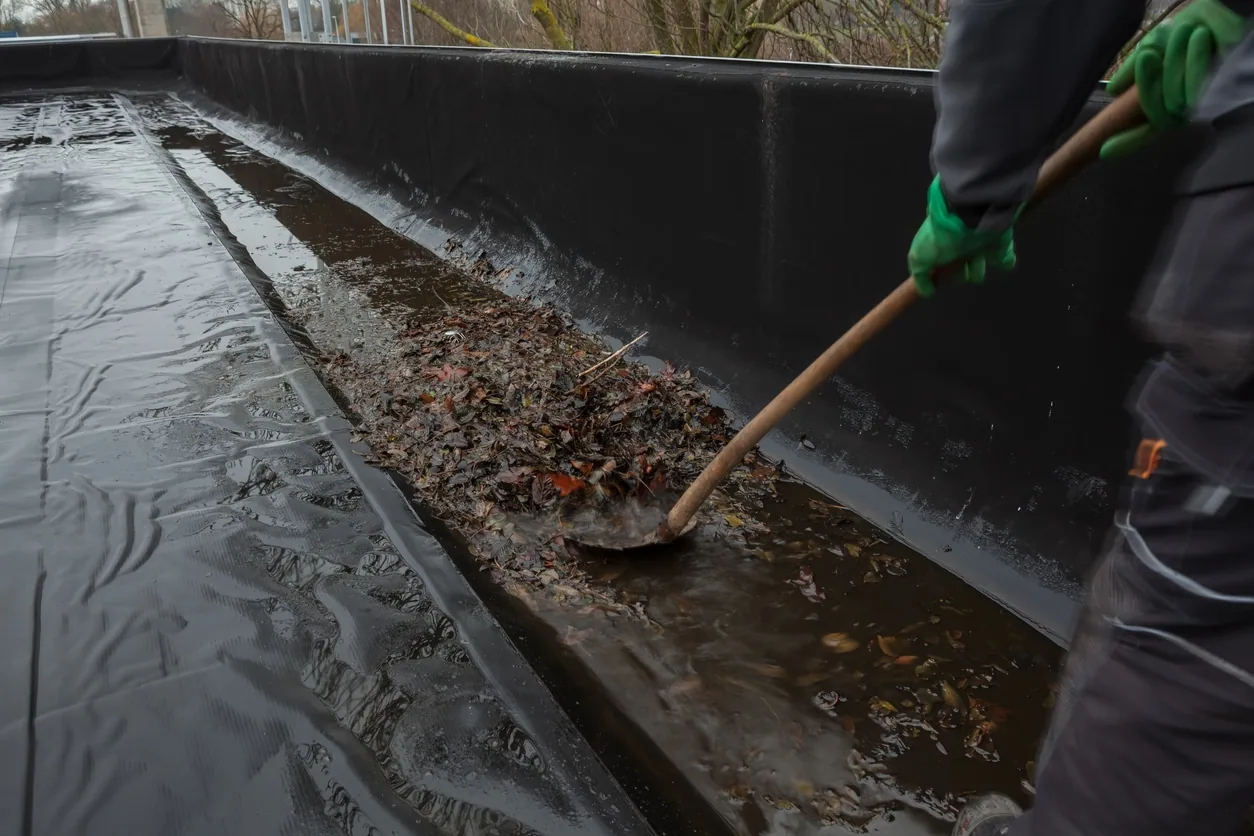
A dried leaf mat at the drain can hide a loose clamping ring. Water backs up, then tests the nearby membrane lap. We clear the outlet, inspect the bowl and overflow, and record any open transition. In Roswell, frequent warm-season rain makes that small sequence useful. A maintenance visit should leave the asset manager with a roof-zone record, not just a list of debris removed.
We set a repeatable route for drains, seams, curbs, penetrations, perimeter metal, and prior repairs. Each visit records what changed since the last review. GA 400 connects commercial areas with different building uses, from offices and retail to healthcare and light industry. We inspect the actual assembly and roof conditions at each property. A hands-on roof inspection can establish the first condition baseline before a scheduled program begins.
Track movement at roof details
A seam edge that begins lifting may still have a local repair boundary. We check the lap, adjacent patches, surface condition, and insulation around the detail. At a pipe or curb, we inspect flashing corners, fasteners, sealant, and the termination. The note identifies whether the condition is stable, changing, or ready for repair. That distinction keeps a maintenance observation separate from an approved construction scope.
Repeated sun, humid air, and summer heat can work on exposed laps and flashing edges. Atlanta climate normals show a July normal high near 90 degrees, with frequent warm-season rainfall. We watch for open seams, split sealant, loose metal, and areas where water stays after a storm. We record the roof zone and nearby reference points so the next visit can compare the same detail instead of starting over.
Prior repairs need their own review. We check patch edges for lift, confirm that water has not tracked beneath a previous tie-in, and note nearby movement or standing water. A patch that remains sound can stay in the record as stable. If its edge starts to release, a scoped roof repair can address the defect before water reaches more insulation. We describe what changed and why the repair boundary moved.
Clear the drain path
At each primary drain, we remove accessible debris and inspect the strainer, bowl, clamping components, and surrounding membrane. We check the overflow opening separately. A clear bowl cannot correct a low area that holds water, so we note ponding, sediment lines, and softened material nearby. If the outlet is obstructed below the roof, we identify that limit instead of reporting the drain as fully cleared.
Scuppers and downspouts need a continuous route too. We look for leaves at the throat, loose metal, separated joints, and discharge patterns that leave water against a wall or roof edge. Crickets and tapered areas should direct flow toward the outlet without creating a new low pocket. A drainage correction scope may be needed when cleaning alone does not restore the path. We photograph the water route and identify what requires a separate approval.
Roswell's Holcomb Bridge Road corridor carries heavy daily traffic at the GA 400 interchange. Commercial properties in that area rely on functioning access and loading areas during wet weather. We plan roof visits around gate procedures, roof access, and active deliveries supplied by the property contact. The corridor context helps set the visit window. It does not tell us which drain or roof detail needs service.
Set a useful visit interval
Visit timing follows roof condition, prior leak history, tree exposure, drainage behavior, and the building's operating schedule. A roof with recent repairs may need an earlier return to check tie-ins after rain. A clear, stable zone may need only the next planned route. We note why each return interval was selected. The program can change when a new leak, storm impact, equipment project, or roof alteration changes the conditions.
We can inspect after severe weather when access is safe and visible impacts warrant a closer look. The National Weather Service tracks damaging wind, hail, and tornadoes across north and central Georgia. We look for confirmed punctures, displaced edge metal, lifted flashing, and changed drainage. A weather notice alone does not create a roof repair. The field record ties each action to a visible condition and roof location.
Occupied clinics, schools, offices, and retail properties need clear coordination. We confirm hatch access, escort rules, equipment restrictions, and rooms where water has been reported. Near Historic Roswell, visible exterior changes may also require review, depending on the property and proposed work. The 640-acre district includes buildings subject to Historic Preservation Commission review. We flag relevant questions early if maintenance would change a visible edge or wall detail.
Keep findings ready for approval
Each visit record lists the date, roof zones reached, conditions observed, debris removed, and repairs recommended. Photographs show scale and location, with a roof-plan reference when one is available. We separate routine maintenance from corrective work and from concealed conditions that need testing or opening. The asset manager can approve one repair at a time without treating every observation as a construction commitment.
Findings also support budgets across several buildings. We keep each roof's material, repair history, and unresolved detail tied to its own record. A roof asset record can track dates and open items without assuming that every building shares one assembly. A condition report can summarize priorities when the portfolio needs a broader review. Both records should preserve the actual roof-zone evidence.
After a repair, the next visit checks the completed lap, flashing, drain, or edge. We compare the same reference points and note whether the condition stayed stable through rain. If a stain returns, we record its timing and location, then trace the connected roof details. We can schedule follow-up with a targeted moisture survey when visible evidence indicates a broader question. Testing locations and limits remain clear in the report.
Start with the roof zones that matter
Preventive maintenance works best when records lead to specific actions. We identify which drains need clearing, which laps need repair, and which details should be watched after rain. The visit plan can cover a single building or separate roofs across a North Fulton portfolio. North Fulton properties include distinct commercial areas, so each building keeps its own access plan and findings.
Request a maintenance visit for a named building or roof zone. Send available roof plans, prior repair records, leak dates, access instructions, and operating hours. We will use those details to set the route, record confirmed conditions, and separate routine work from repairs needing approval.
Related Roofing Work
Schedule a roof maintenance route
Name the building or roof zones and share plans, repair history, access rules, and operating hours. We will map the visit route and separate routine tasks from repairs requiring approval.
Questions About Preventive Commercial Roof Maintenance
What belongs on a recurring maintenance route?
The route should include drains, overflows, seams, penetrations, curbs, edges, and prior repair locations. We adjust it for the roof assembly, tree exposure, equipment, and leak history. Each visit records which zones were reached and what changed. If an area is unsafe or inaccessible, we list that limit instead of marking it inspected.
Can routine maintenance include small repairs?
A visit can include authorized maintenance tasks such as clearing accessible debris or tightening a detail when the approved scope allows it. A membrane repair, flashing replacement, or opening into wet insulation needs a defined work limit. We describe the condition, price or allowance, and approval point before expanding the task. The closeout record then shows the work completed.
How do you change the schedule after a storm?
A new leak or visible roof impact can justify an earlier visit. We check access and weather first, then inspect relevant zones for punctures, displaced metal, loose flashing, or drainage changes. The event itself does not set the repair. We document what is present and update the next maintenance date only where the confirmed condition supports it.
What should I provide for a multi-building program?
Send building names, roof plans, prior work records, active leak locations, access rules, and operating windows. Tell us which properties share staff or approval procedures. We will keep findings separate by roof and note shared scheduling needs without carrying one building's assembly or condition to another.
Commercial Roofing Across Roswell and North Fulton
Roof Repair, Replacement and Maintenance for Every Kind of Commercial Building
From Historic Roswell and Canton Street to the Holcomb Bridge Road corridor, GA 400 and the North Point area, we inspect, repair and replace low-slope and metal roofs on offices, retail centers, medical buildings, schools and warehouses.