
Cold Storage Roofing in Roswell, GA
A damp line at a freezer roof curb can signal a break in the air and vapor control layers. The roof membrane may look intact while moisture moves through a penetration or a failed tie-in. We check the curb, seam, insulation, interior observations and drainage before drawing a repair boundary. Roswell's hot, humid summers and frequent rain increase the moisture load around warm-side details. Cold storage needs a roof scope that treats the building envelope and operating conditions together.
We do not infer the roof assembly from the room temperature or facility label. We identify membrane, insulation, vapor retarder and deck details from records and field evidence. North Fulton includes Roswell, Alpharetta, Milton and Johns Creek, connected by GA 400; its business base includes healthcare and advanced manufacturing. That local context supports careful coordination around temperature-controlled operations. A Roswell cold-storage roof inspection starts with the actual assembly and access rules.
Find where warm, moist air reaches the roof
Condensation can form when warm, humid air reaches a colder surface. A roof leak can produce similar interior signs, so a damp ceiling or frost line alone does not identify the cause. We inspect membrane laps, wall transitions, penetrations, rooftop equipment and the continuity of the vapor control layer where accessible. We compare that evidence with interior temperatures, reported locations and any known changes to refrigeration or ventilation.
At curbs and pipe penetrations, we check corners, sealant, flashing terminations and insulation transitions. Loose membrane, open joints or a damaged vapor retarder can create a path for moisture. A wet insulation layer may reduce thermal performance and soften the substrate. We photograph confirmed conditions and flag concealed areas that need an opening or test. The repair limit follows the verified moisture extent, not just the visible stain.
Check the full thermal and moisture assembly
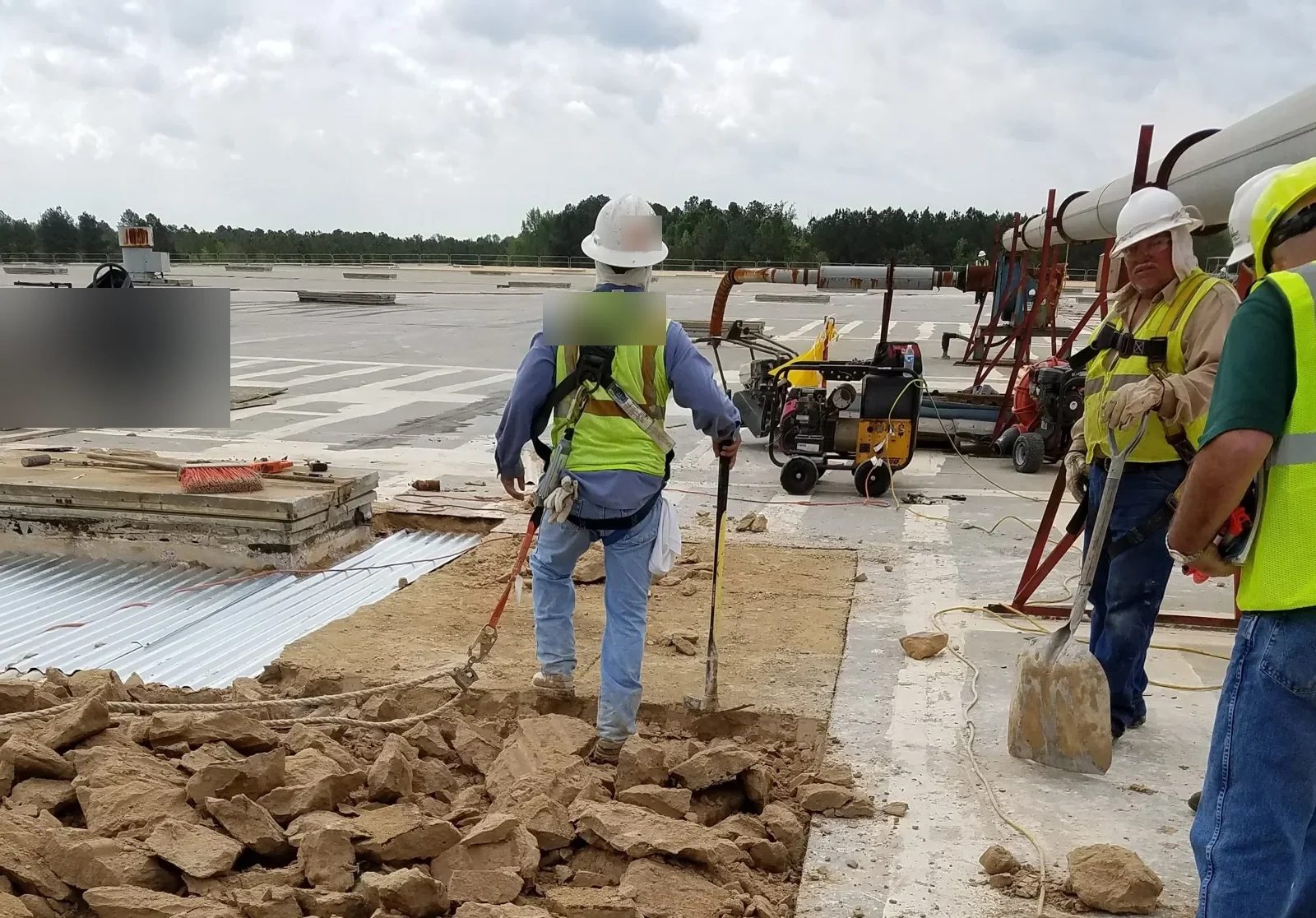
Roof review begins with the layer sequence: membrane, cover board, insulation, vapor retarder, deck and any retained system below. We note where records confirm a layer and where its condition remains concealed. Cold storage may have high interior-to-exterior temperature differences, so discontinuities at wall-to-roof transitions and equipment curbs deserve close review. A patch above a wet or disconnected layer may stop surface water without correcting the moisture route.
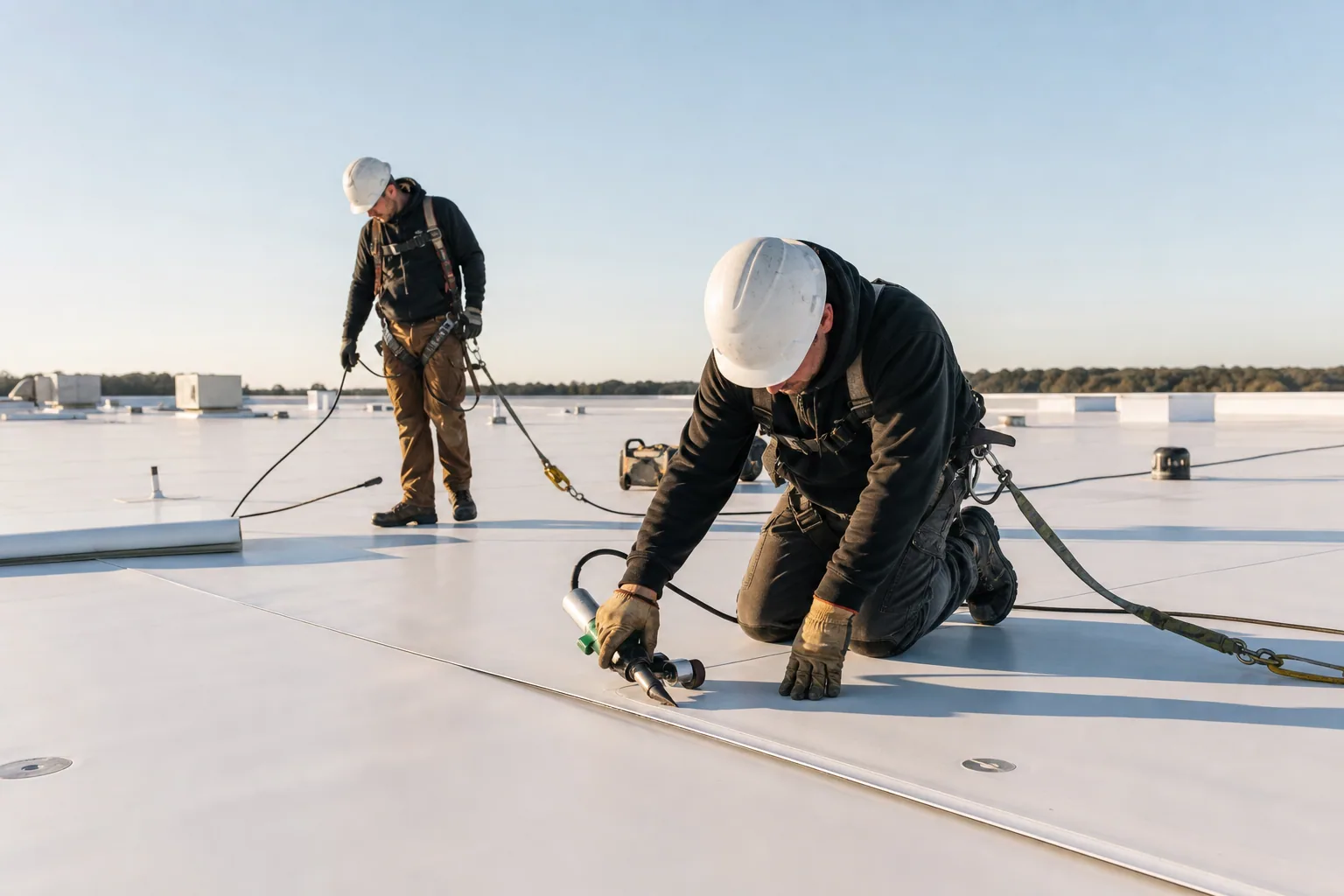
Membrane selection depends on the existing system and exposure. TPO, PVC and KEE sheets, EPDM, modified bitumen and built-up roofs use different seam and flashing methods. Coating is considered only when moisture, adhesion and drainage conditions support it. For a PVC membrane review, we inspect welds and flashing preparation; an EPDM system check focuses on bonded laps and compatible adhesives. The final recommendation follows field evidence.
Refrigeration lines, supports, exhausts and electrical penetrations should have complete flashing and maintainable clearances. We inspect each curb transition for movement, exposed fasteners, open sealant joints and water that can collect on the warm side. If a unit replacement changed curb dimensions, we compare the new condition with the roof detail. A curb repair may need mechanical coordination so refrigeration service remains protected while the flashing is rebuilt.
Coordinate work with temperature control
Before mobilization, we ask which rooms must hold temperature, when loading doors are active, which alarms or sensors need protection and who controls equipment shutdowns. The facility contact identifies sanitary rules, access restrictions, product protection and any work that cannot occur during a particular shift. We define where materials can be staged and how crews will reach the roof without crossing restricted operations.
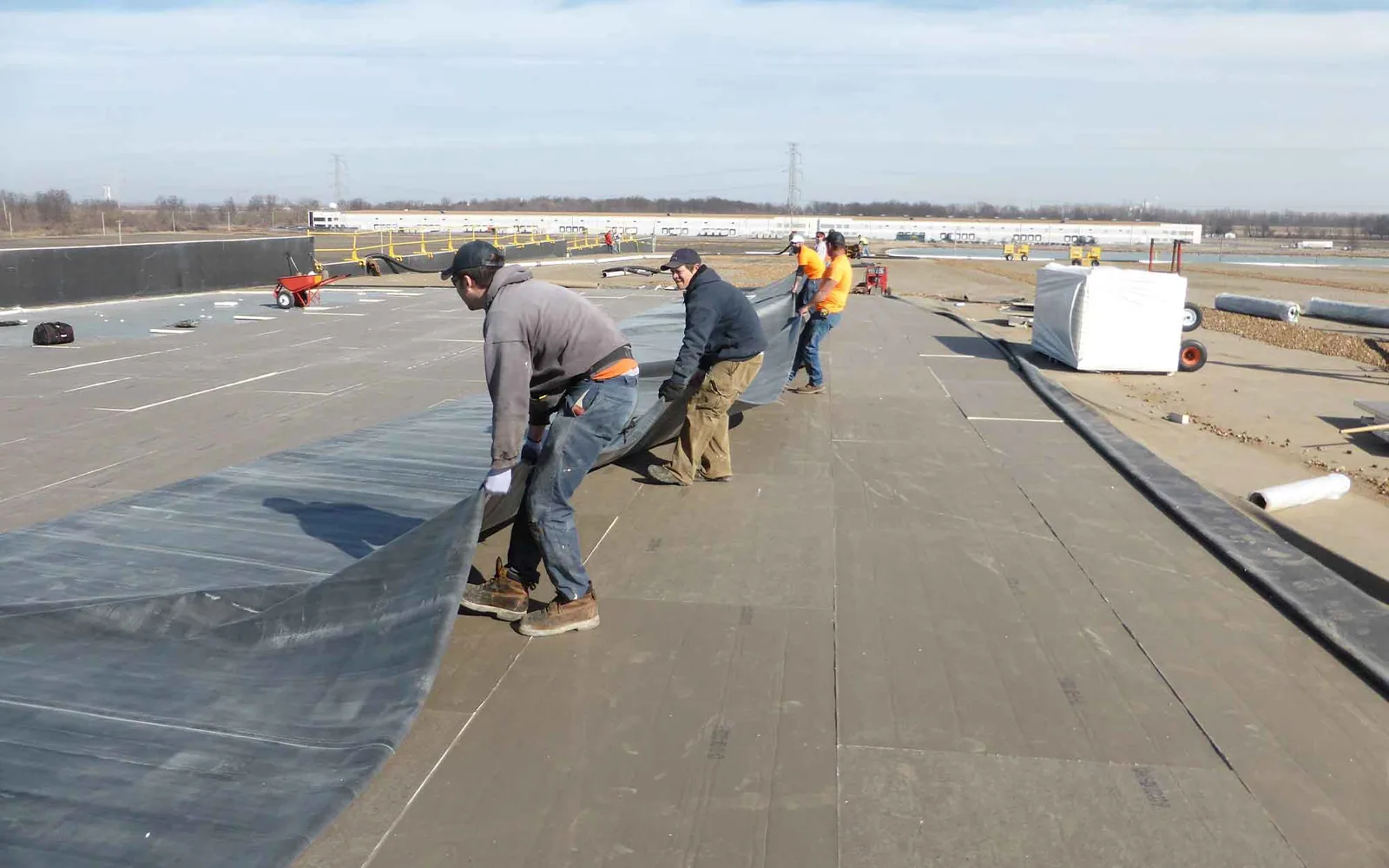
For a larger scope, roof zones are sequenced so the assembly can be closed and protected at each shift end. Temporary protection must not block drains, intakes or equipment clearances. If the crew finds wet insulation, a failed vapor layer or damaged deck, we photograph and measure the opened area. The authorized contact reviews the added scope before removal extends into another zone. A phased reroof plan can list zone limits and daily dry-in checks.
North Fulton employment districts connect Roswell, Alpharetta and Johns Creek along GA 400. Johns Creek identifies life sciences and healthcare among its target industries and reports medical-device manufacturing investment. Cold-chain or controlled-environment operators in the area may have sensitive processes, but those needs must be confirmed at each facility. We ask for the building's actual operating controls instead of assuming that every storage room follows the same protocol.
Compare a localized fix with broader work
A seam patch can be appropriate when surrounding material is sound, the substrate is dry and the vapor control detail remains continuous. We prepare the surface, make the compatible lap and inspect nearby terminations. If moisture extends below the membrane or failures recur along several curbs, we map those zones and assess whether repair or replacement gives the better boundary.
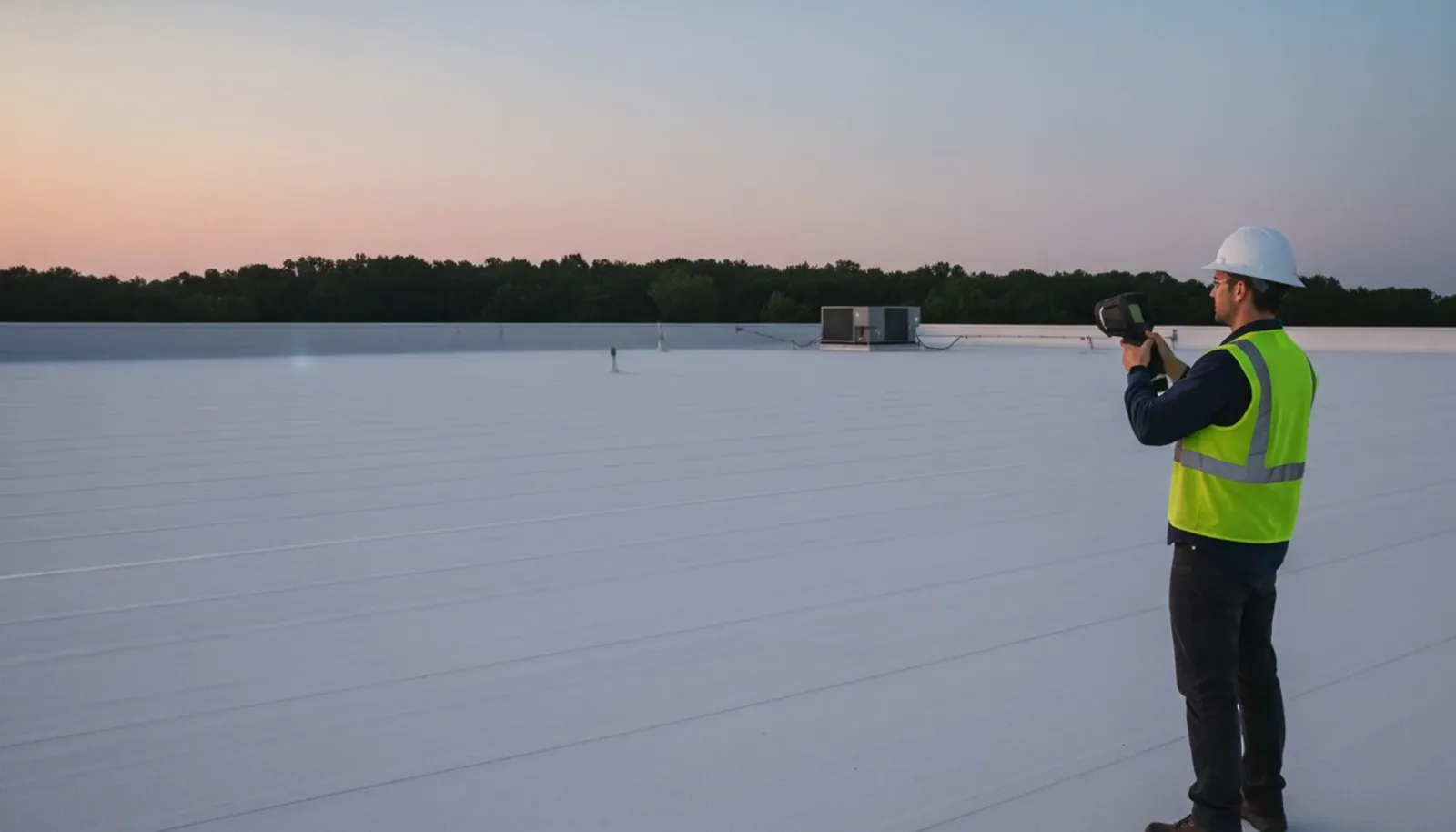
Infrared scanning can help identify temperature patterns consistent with trapped moisture, but it needs suitable conditions and field confirmation. Test cuts may show the actual layer sequence and moisture state. We state the locations and limits of each method. A moisture survey should answer a defined question, not stand in for a repair scope.
Replacement cost and timing depend on removal layers, insulation type and thickness, vapor-control continuity, membrane selection, equipment coordination, deck repairs and temperature-sensitive work windows. A replacement proposal identifies the assembly, transitions, drains, staging and temporary protection. If the roof can be retained, coating restoration requires adhesion tests and suitable moisture conditions. We list base work separately from allowances for concealed damage.
Manage outdoor moisture during installation
Warm, humid air and afternoon rain narrow the exposed-work window. We check surface conditions before applying adhesive or coating and protect open insulation from moisture. Drains stay clear. When the assembly cannot close securely, the crew holds the zone at a temporary tie-in.
North Georgia sees severe storms, hail and tornadoes. A regional report does not confirm damage at this building. We document visible punctures, displaced metal or open seams after a reported event. Emergency response is available every hour, including holidays, when an opening threatens the facility.
Preserve the repair and operating record
At closeout, we photograph seams, curb flashings, wall transitions, drains and insulation before concealment. The record names the zone, materials, work and approvals. We note test locations and concealed issues that remain. The facility can keep these files with refrigeration maintenance records.
After completion, we clear debris and confirm drains remain open. A follow-up visit can check transitions after rain or equipment service. A manufacturing plant roof scope may coordinate around process equipment, while cold-room vapor needs separate review. Data center roof planning also addresses cooling equipment but uses its own controls.
Request an inspection or repair comparison for a named cold-storage building and roof zone. Send plans, temperature restrictions, leak history, refrigeration records and access rules. We will identify confirmed conditions, needed tests and approval points for added work.
Related Roofing Work
Review a cold-storage roof condition
Name the building and roof zone. Send plans, temperature-control restrictions, leak reports, equipment records, access rules and prior repairs to scope the inspection and approval points.
Questions About Cold Storage Roofing
How can we tell condensation from a roof leak?
The interior sign needs to be compared with roof evidence and operating data. We inspect seams, curbs, wall transitions, insulation and vapor-control details, then review reported timing and temperature changes with the facility contact. A survey or test cut may be appropriate if it answers a specific question. We record what is confirmed and what remains concealed.
Can we keep refrigeration running during roof repairs?
Often the unit can remain on when the repair zone and service clearance are separated from the work. A curb alteration, shutdown requirement or protection rule may change that plan. We coordinate with the refrigeration contact before entering the affected zone and identify the approved operating window. The scope notes any shutdown or alarm bypass that the facility must authorize.
What does wet insulation mean for the repair?
Wet insulation can reduce thermal performance and weaken the substrate beneath a patch. We establish the affected area with accessible observations, scanning or test cuts, then mark the confirmed removal boundary. The proposal separates measured replacement from a concealed-condition allowance. If the moisture source is a discontinuous vapor detail, that transition also needs correction.
What records should a cold-storage roof closeout include?
Keep zone plans, photographs of the exposed assembly, moisture-test locations, materials installed, curb and wall details, drain checks and approvals for added work. Note operating restrictions and areas that were not opened. Those records help facility and refrigeration staff connect later changes to the roof work without treating a past repair as proof of current condition.
Commercial Roofing Across Roswell and North Fulton
Roof Repair, Replacement and Maintenance for Every Kind of Commercial Building
From Historic Roswell and Canton Street to the Holcomb Bridge Road corridor, GA 400 and the North Point area, we inspect, repair and replace low-slope and metal roofs on offices, retail centers, medical buildings, schools and warehouses.