Commercial Roofing in North Fulton, GA
A worn termination at a roof edge can open the repair beyond the visible metal. We check attachment, membrane turn-up, nearby seams, and the path to drainage before setting the limit. A regional roof route can group properties in Roswell, Alpharetta, Milton, and Johns Creek along the GA 400 employment belt, while each site keeps a separate inspection record. A portfolio may cross those municipalities, but each roof needs its own assembly record, access plan, and approval trail.
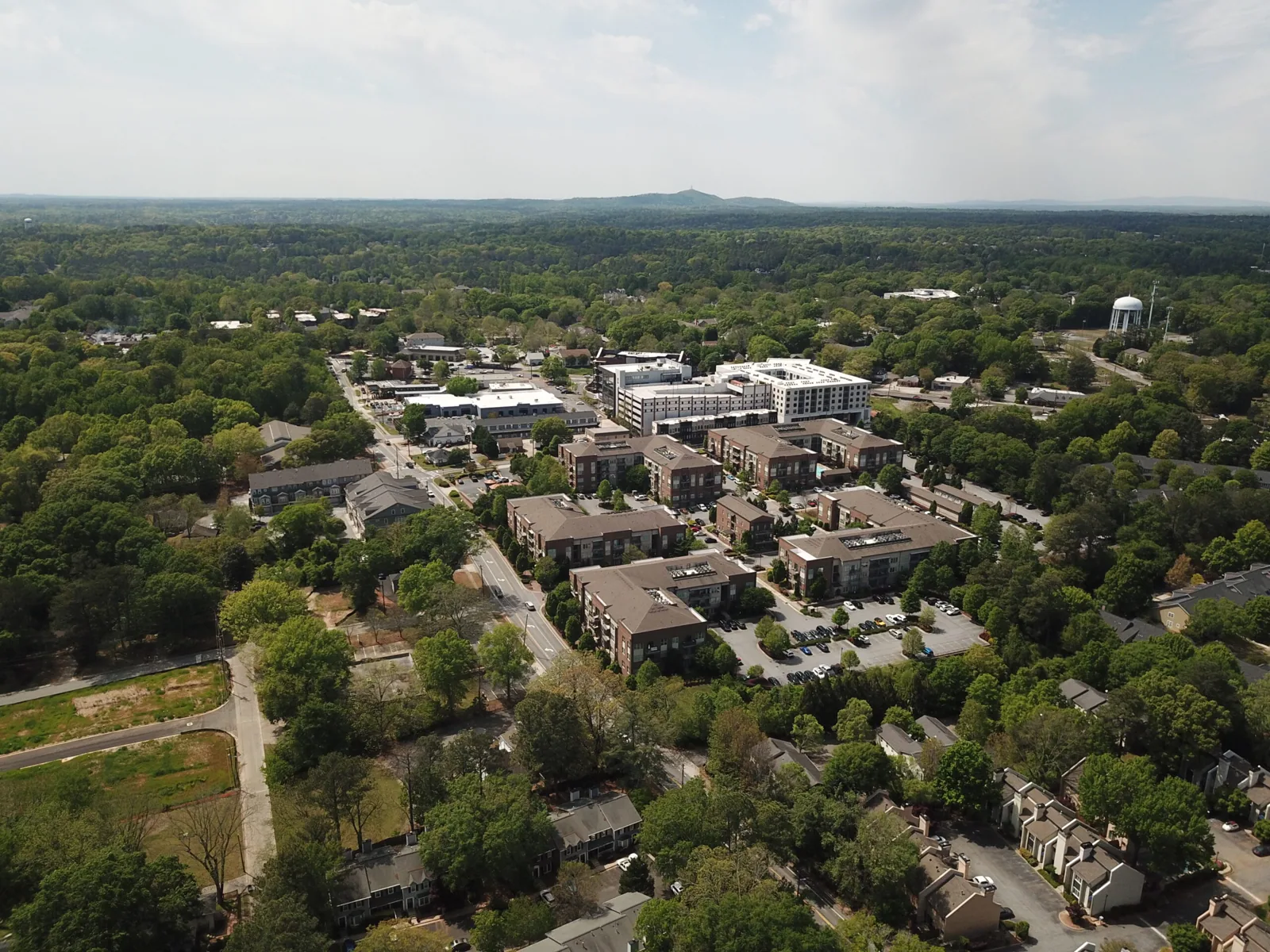
Commercial activity spans Roswell's civic, healthcare, school, retail, office, and light industrial uses; Alpharetta's Downtown, Avalon, North Point, and Windward activity centers; and Johns Creek's healthcare, life-science, and innovation base. A Roswell roof assessment can document one municipal setting; a North Fulton schedule keeps each property's findings separate.
Compare conditions without averaging them
One portfolio may include different roof systems, project histories, and access rules. We label each property and divide the roof into zones that can be found again. A leaking drain in Roswell should not inherit the condition of a sound membrane at an Alpharetta office. Photos, plan references, and Diligence Notes preserve what was actually observed at each building.
North Fulton's employment centers connect along GA 400, and its cities have different commercial settings. Alpharetta identifies Downtown, Avalon, North Point, and Windward as activity centers with commercial uses. Johns Creek's stated economic priorities include healthcare, life sciences, and innovation. Those market facts help organize a route, but do not determine roof type or condition. A commercial roof review in Alpharetta can address its activity centers separately.
For each site, we list active water entry, exposed substrate, edge movement, drainage concerns, and uncertain layers. The owner can compare repair urgency and operating impact without reducing several distinct assemblies to one score. A multi-site roof program can coordinate recurring visit dates and report formats while keeping individual findings available for approval.
Trace the failure at each property
A water report begins at the roof zone above the affected interior area, then follows possible routes across seams, curbs, walls, and drains. A stain may sit away from the opening. We inspect connected details, photograph transitions, and note where evidence stops. If a concealed path cannot be confirmed without a test, we identify the opening and restoration needed before the owner approves it.
For Atlanta, the climate record places a typical July high close to 90 degrees Fahrenheit and shows humid summer months with recurring showers. Across a regional portfolio, that pattern can expose drainage and flashing details to repeated wetting and heat. North and central Georgia also experience severe storms with damaging wind, hail, and tornadoes. We inspect physical conditions after a reported event; a regional alert alone does not establish roof damage.
Local records matter. Roswell's Building Division administers permitting and directs applicants to applicable state construction codes. Other municipalities may have separate project procedures. For a roof replacement or substantial alteration, the property manager can confirm the applicable permit path. We describe the assembly and proposed work, then keep permit coordination separate from the field condition report. A photo-supported condition report records inspected areas and any access limits.
Separate urgent repairs from capital work
A small opening can be repairable when the membrane around it remains attached, clean, and compatible with a patch. The result depends on system type and substrate condition. TPO and PVC may use welded details; EPDM, modified bitumen, built-up, metal, and coated roofs call for different materials and preparation. We identify the surface before specifying the patch and inspect prior repairs for conflicts.
If moisture extends into insulation or deck, the repair may need a larger opening. We document the layers found and price added removal before proceeding. When defects recur across roof zones, compare localized repairs with recovery or replacement. The choice depends on deck condition, roof height, drainage, remaining layers, equipment curbs, and access. A scoped repair visit can address immediate defects while preserving a separate capital option.
For multiple buildings, the same treatment may not fit all sites. One roof can need drain corrections; another may have open perimeter metal; a third may need a moisture survey before renewal. We rank confirmed conditions and label assumptions. A replacement comparison should show each property's removal, tie-ins, insulation, and temporary protection rather than applying one specification to every address.
Schedule routes around access and operations
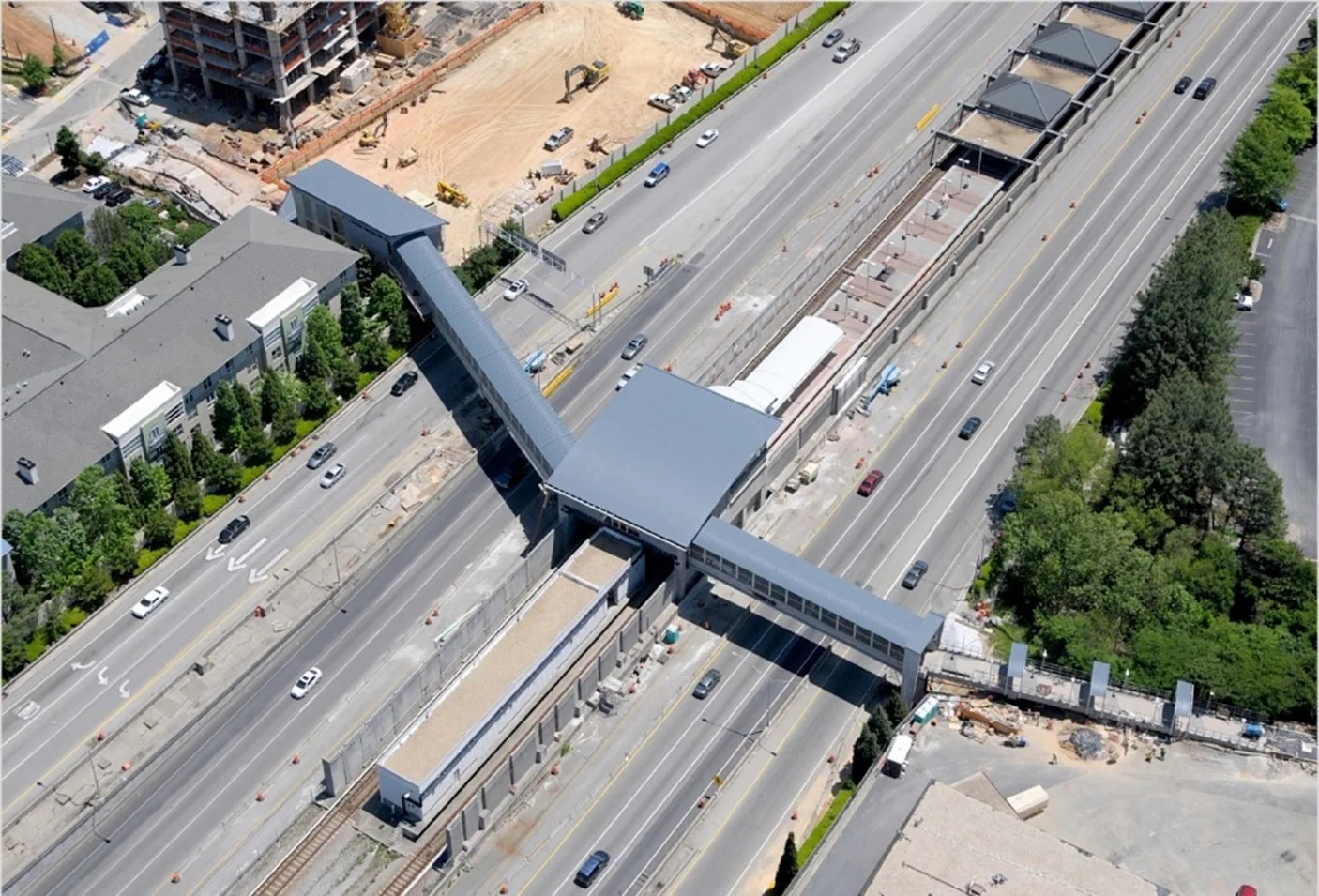
GA 400 connects major North Fulton employment areas, but it does not define the last turn, loading point, or roof hatch. We confirm those details with each property contact. A route plan may group nearby visits, while each site keeps its own arrival instructions, visitor controls, tenant hours, and material limits. If an office or healthcare operation needs restricted work hours, we record that before mobilization.
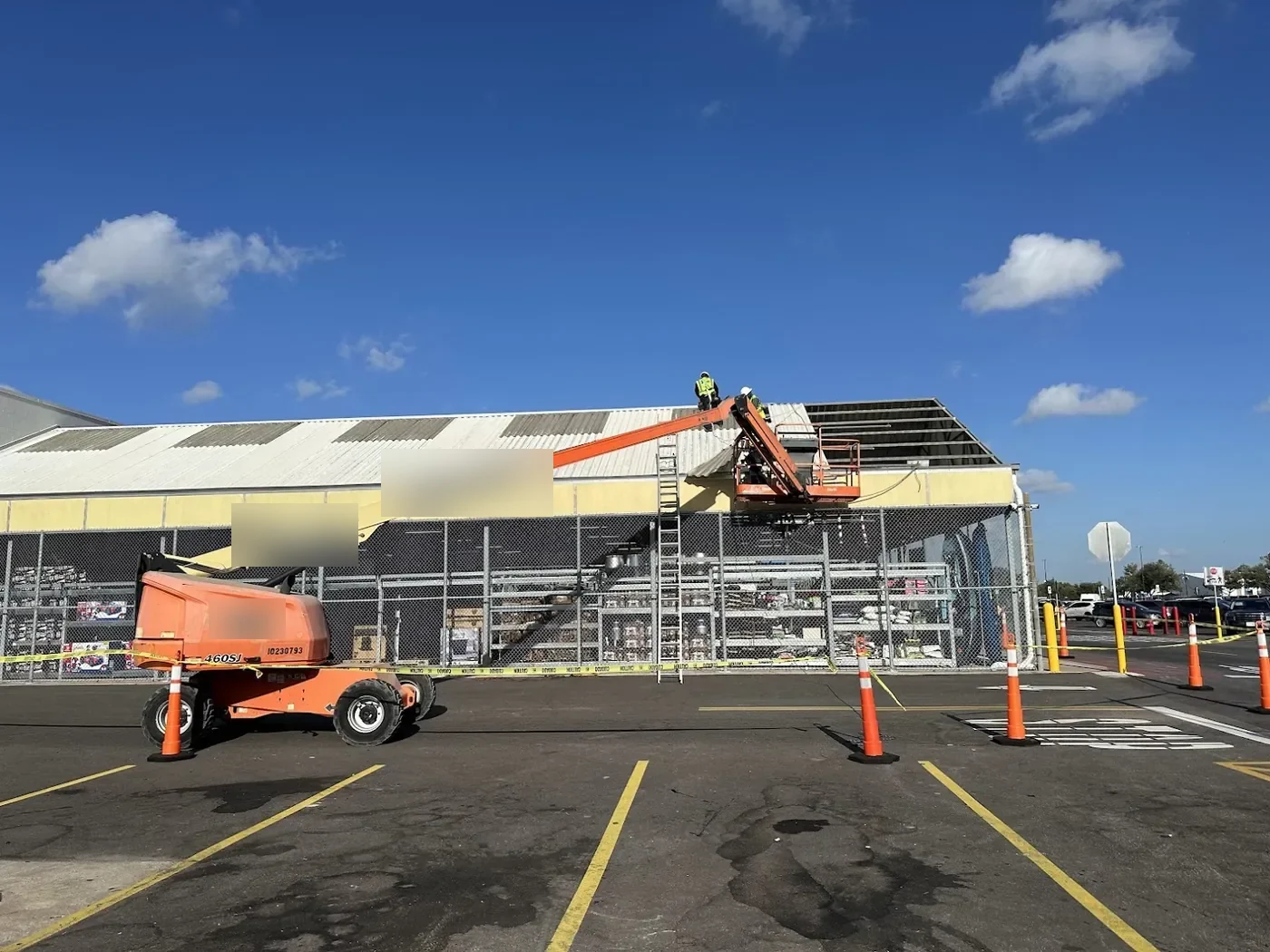
Roof access can change the work sequence. A lift, ladder, hatch, or interior route has different setup and safety needs. We identify pedestrian paths, equipment clearances, delivery windows, and areas that must remain open. If mechanical work is scheduled, the roof scope notes which curbs or penetrations could be affected. A phased occupied-building roof plan can limit open areas and define daily dry-in points.
Cost and duration depend on system type, roof-zone count, access equipment, staging, surface preparation, wet layers, and required protection. Across a regional route, travel between properties can influence sequencing, but site work remains separately priced. We identify the assumed access and work hours in the proposal. Concealed deck damage or wet insulation stays in an approval allowance rather than being buried in a broad estimate.
Keep a useful regional roof history
Closeout records should identify the property, roof zone, materials installed, repaired details, and conditions left outside scope. Photographs should include the tie-in and adjacent transitions, not just a close view of the patch. If layers were opened, note their condition before covering them. Dated records make it possible to compare the same location on a later visit.
North Fulton includes Roswell, Alpharetta, Milton, and Johns Creek, with distinct commercial centers and employment uses. A regional report can summarize upcoming work, but the source documents should remain organized by property. An owner can then see which item belongs to the Johns Creek roof inventory, which relates to Alpharetta, and what remains a Roswell condition.
Request a portfolio assessment for named North Fulton buildings. Share roof plans, repair records, access contacts, known leak dates, operating windows, and any planned acquisitions or construction. We will map each roof separately, document confirmed conditions, and prepare repair priorities that preserve building-level decisions.
Related Roofing Work
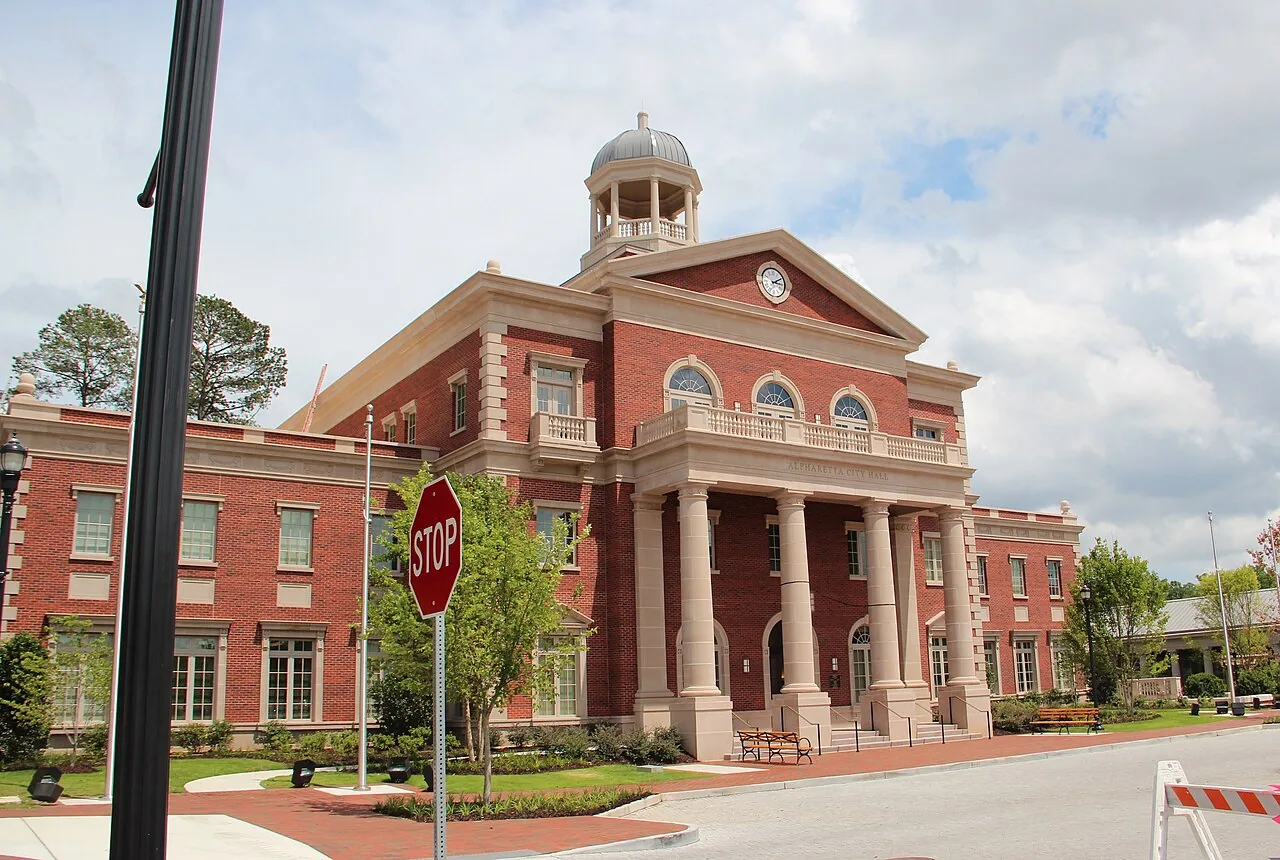
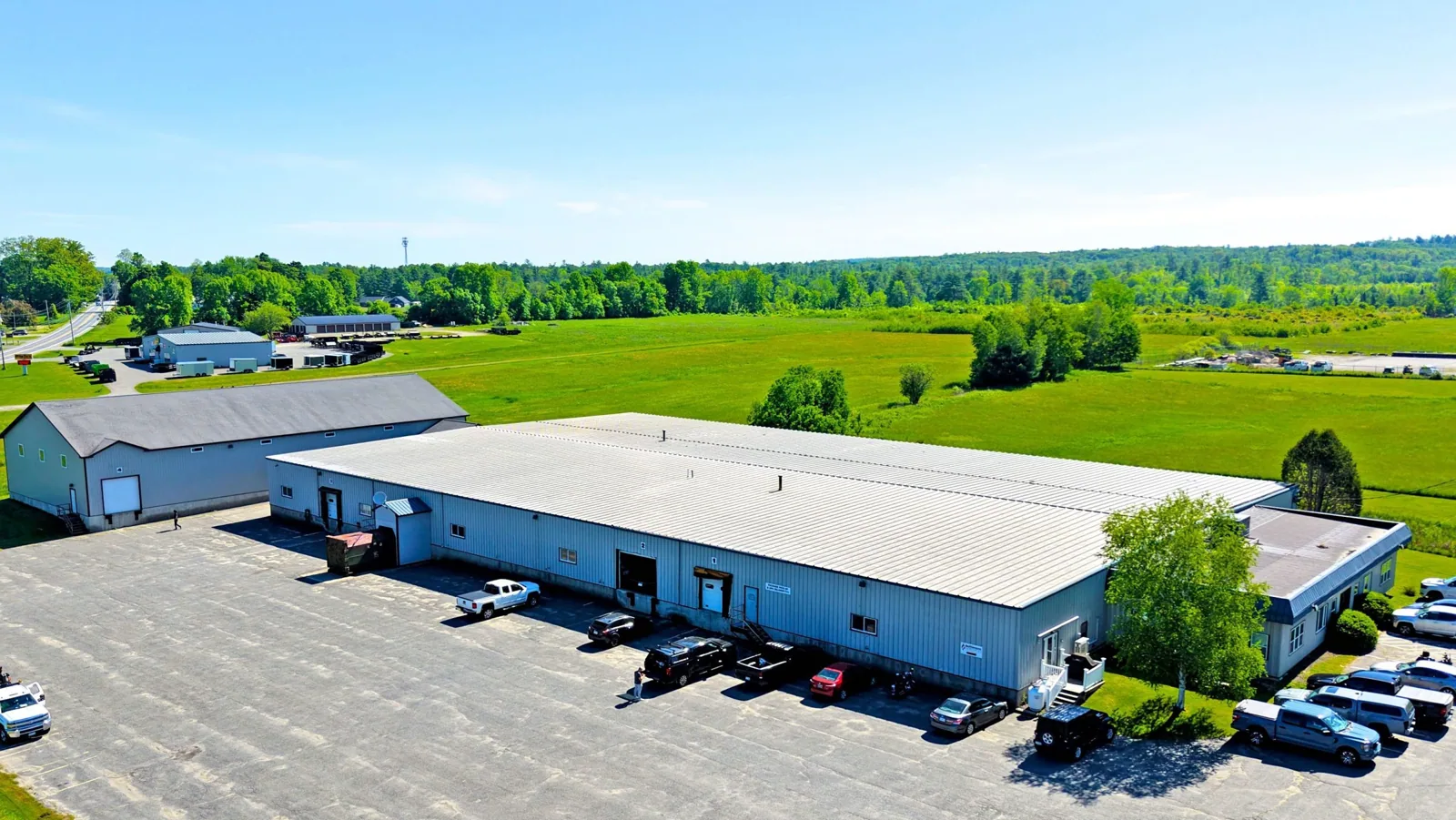
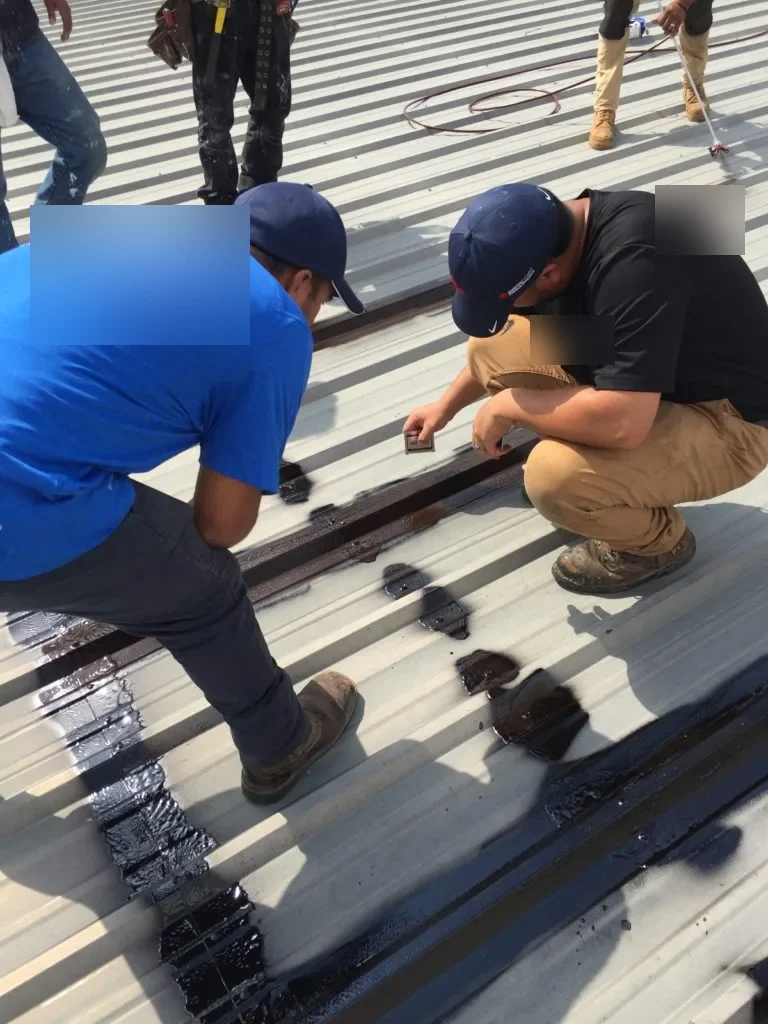
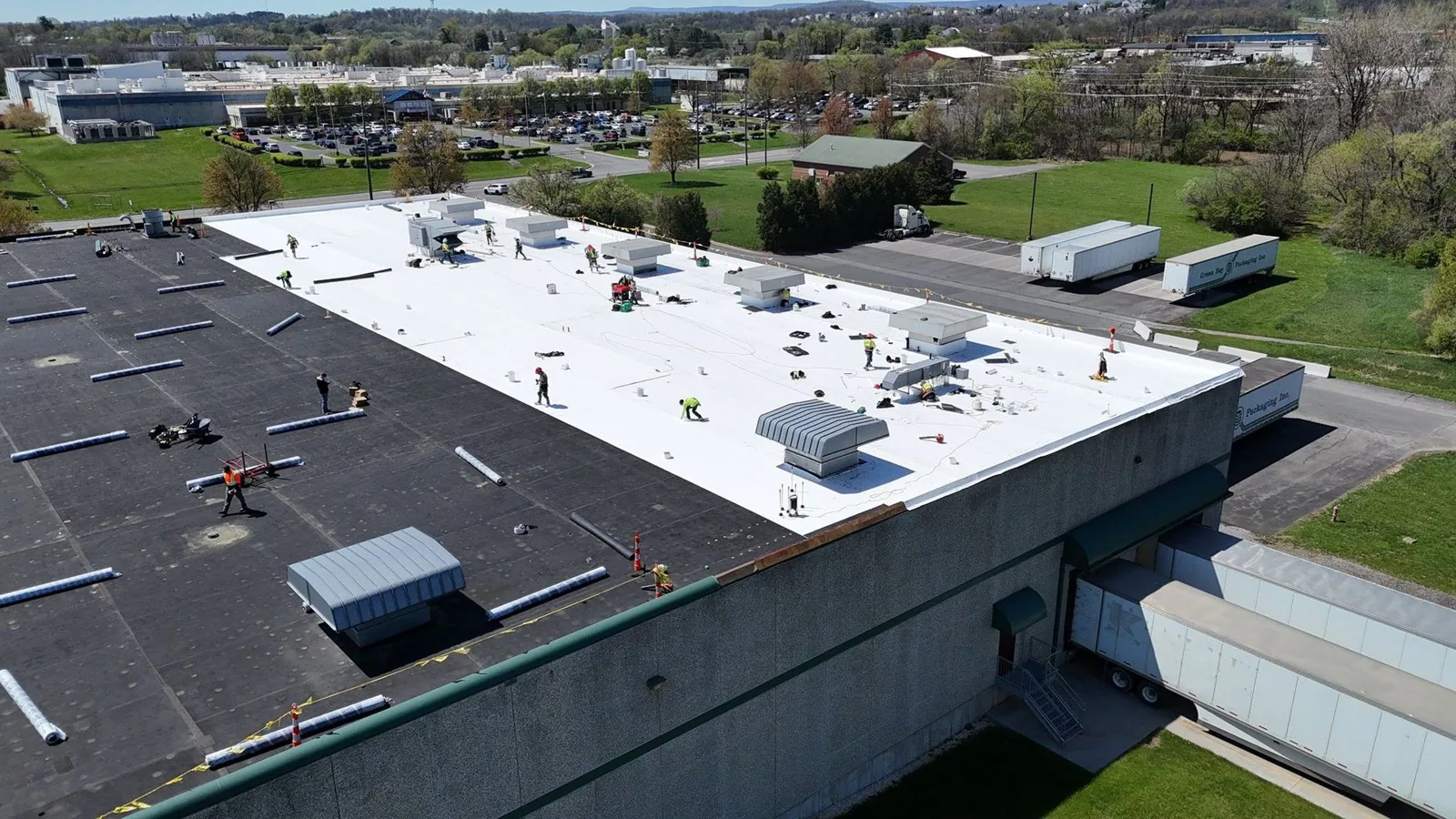
Review a North Fulton roof portfolio
Send the property list, roof plans, repair history, leak dates, access contacts, and operating limits. We will document each building separately and identify confirmed repairs, testing needs, and capital choices.
Questions About North Fulton
Can one roofing schedule cover Roswell, Alpharetta, and Johns Creek?
Yes, a route can coordinate visit dates across the region. Each building still needs its own access instructions, roof-zone labels, photographs, and findings. Share contacts and operating windows for all locations so route timing can be coordinated without carrying one property's condition into another record.
How do North Fulton market differences affect the roof scope?
They help identify property operations that may influence access, such as offices, retail, healthcare, or industrial uses. They do not establish the membrane or condition. We inspect each assembly, confirm roof entry and work hours, then tailor the repair scope to the observed details and the building's operating limits.
What happens when records are missing for one building?
We mark the system or repair history as unconfirmed and inspect visible details. A test opening or moisture survey may be proposed when it would resolve an important question. The report identifies what is known, what remains concealed, and which decision depends on additional evidence.
How should capital priorities be compared across different roofs?
Compare active leaks, exposed layers, drainage, safety, access, and operational impact while preserving each roof's evidence. We separate immediate protection from planned renewal and state the reason for each priority. That gives the asset manager a regional sequence without treating varied systems as one condition.
Commercial Roofing Across Roswell and North Fulton
Roof Repair, Replacement and Maintenance for Every Kind of Commercial Building
From Historic Roswell and Canton Street to the Holcomb Bridge Road corridor, GA 400 and the North Point area, we inspect, repair and replace low-slope and metal roofs on offices, retail centers, medical buildings, schools and warehouses.