Commercial Roof Leak Repair in Roswell, GA
A lifted termination at a parapet needs its tie-in checked before the repair boundary is set. The path may cross a seam, travel under the membrane, or follow a deck joint before showing indoors. We start at the roof zone above the reported stain, then inspect connected penetrations, laps, curbs, and drains. Roswell's frequent warm-season rain can make an intermittent opening active again before the water path is clear.
A leak visit needs a specific record: where water appeared, when it appeared, what was visible on the roof, and which conditions remain concealed. We photograph the affected details and mark the repair boundary. If the leak followed a severe thunderstorm, that timing guides the inspection but does not establish storm damage. We document the observed condition before recommending a targeted roof repair.
Follow the water path
Inside, we note the stain, active drip, ceiling condition, nearby equipment, and any recent change. Above, we inspect roof penetrations and transitions within the likely path. Water can move across insulation or along a deck before it becomes visible. The repair boundary follows the confirmed opening and connected wet material, not simply the ceiling mark or the nearest roof detail.
We check the lap at seams, flashing at curbs and pipes, edge terminations, drain bowls, and overflow routes. A clogged drain may leave water near a vulnerable seam. A loose termination can admit water at the wall. A puncture may be hidden by rooftop equipment. We clear only what can be safely reached, record the condition, and distinguish an immediate repair from drainage or maintenance work that needs separate approval.
Atlanta climate normals show humid summers and frequent warm-season rain. These conditions can expose weak flashing and drainage as water repeatedly reaches roof details. The 640-acre Roswell Historic District includes buildings whose exterior changes may be subject to Historic Preservation Commission review. For qualifying properties, we flag visible edge or wall changes that need review while keeping urgent water control distinct from later finish work.
For an office or medical property near Holcomb Bridge Road, a roof plan or equipment map can help locate the affected zone, but field confirmation remains necessary. We record the roof access point, unit or curb reference, and interior location. Similar stains in another building receive a separate inspection.
Stop active water safely
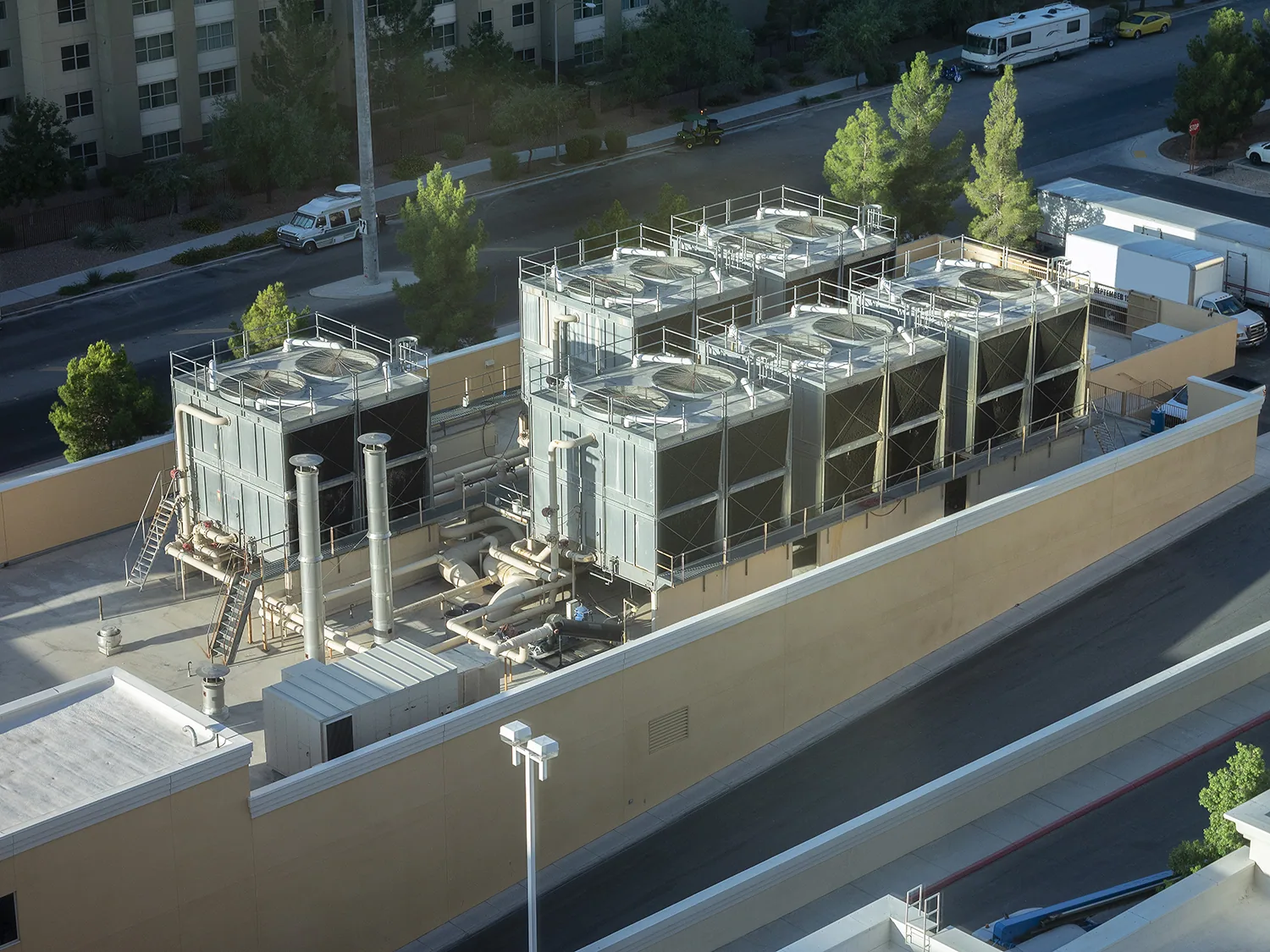
Active water needs prompt control. We protect the interior area where practical, move vulnerable contents when directed by the facility contact, and inspect the roof only when access and weather conditions allow. If a permanent repair cannot be installed immediately, temporary protection can limit exposure until the surface is suitable. Temporary work is recorded separately from the permanent repair and does not replace confirmation of the underlying defect.
Roswell has hot, humid summers and recurring rain, so an exposed opening should not be left without a defined next step. We identify the roof area to revisit, the temporary measure installed, and the condition needed for a permanent tie-in. If a storm is ongoing or the roof surface is unsafe, we coordinate the response around safe access. A 24-hour emergency roof response is available when water intrusion requires immediate attention.
For multi-tenant sites, we confirm the affected space and who can authorize access. The facility contact directs protections near active equipment or sensitive rooms. We record areas that remained inaccessible.
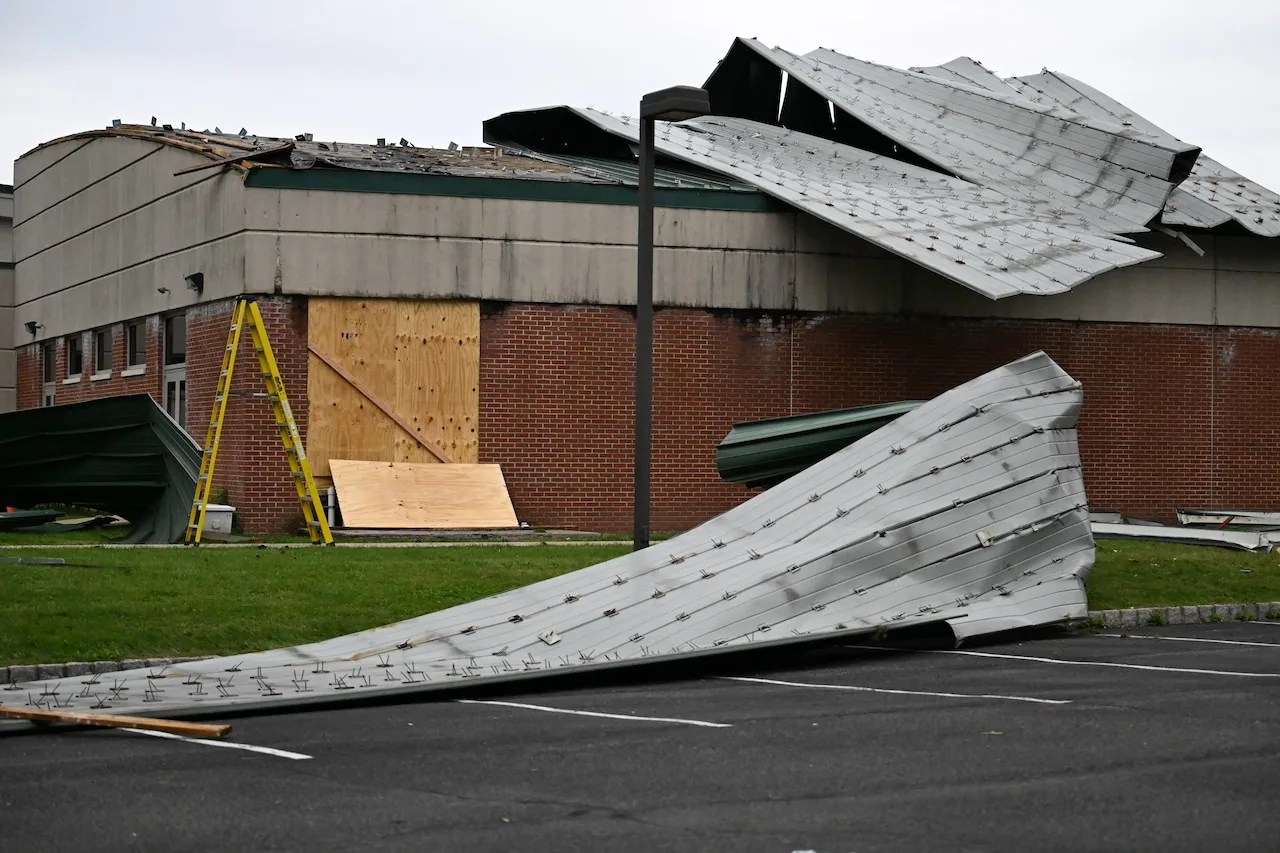
When several leaks appear after one weather event, we inspect the roof zones separately and look for common exposure without assuming identical damage. The National Weather Service tracks severe thunderstorms, damaging wind, hail, and tornadoes across north and central Georgia. If visible impact is present, we photograph it and connect it to a hail damage assessment where appropriate. If the roof only shows an older seam split or blocked drain, we describe that observed condition instead.
Repair the confirmed opening
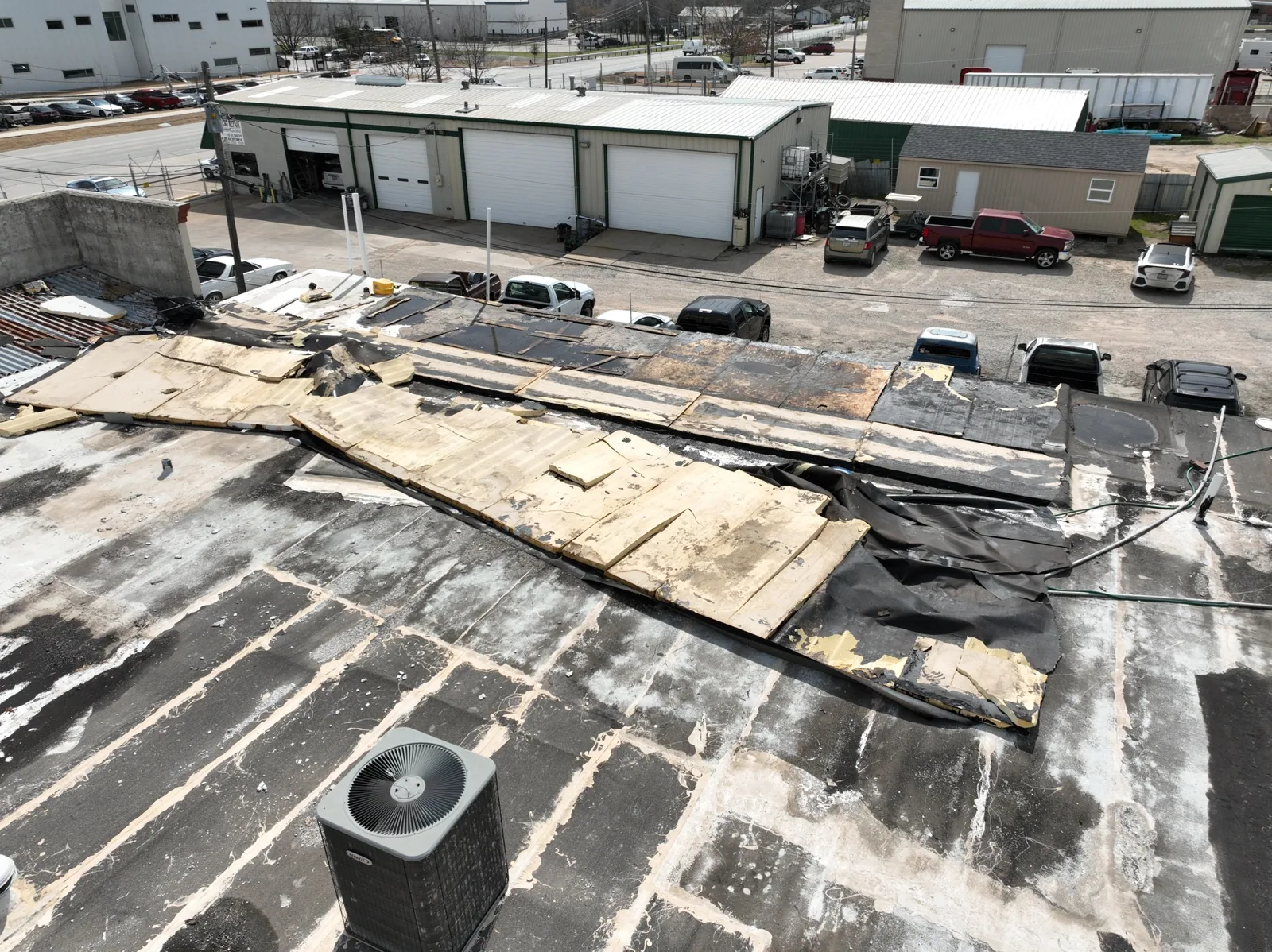
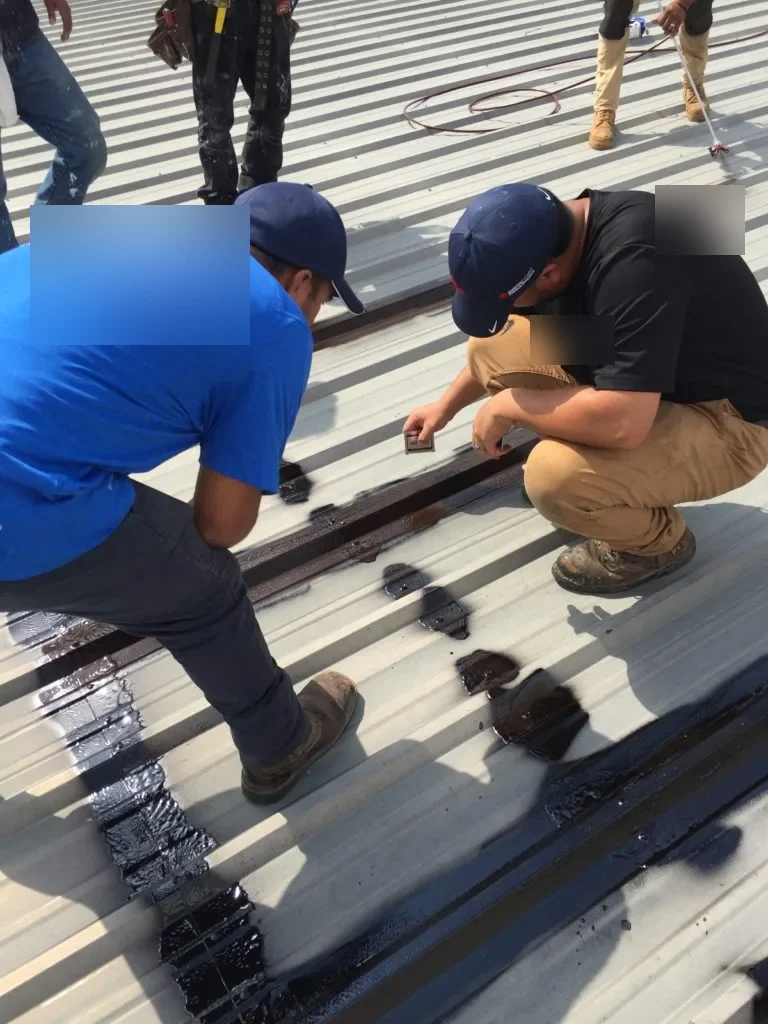
Once the entry detail is identified, we prepare a stable surface for a compatible repair. A membrane patch must extend to sound material and connect cleanly at its edge. A failed pipe boot needs a sealed transition to the pipe and membrane. A curb repair must address corners and termination points, not just cover the visible gap. Where moisture extends into insulation, we open the affected area and replace material to a dry boundary before closing it.
We test the finished seam or flashing where the system allows and photograph the repair before leaving the roof zone. A drain repair may require clearing the throat or adjusting a loose component. We do not seal the nearest lap if the actual water path leads elsewhere. When the opening cannot be confirmed during a dry visit, we document the suspected areas and set the next inspection conditions rather than inventing certainty.
Repair scope and timing depend on roof access, membrane type, surface condition, weather, and whether wet insulation or deck damage is concealed. The proposal separates confirmed work from an allowance for additional removal. A hands-on roof inspection can record the broader roof condition when the leak is one item in a larger maintenance decision.
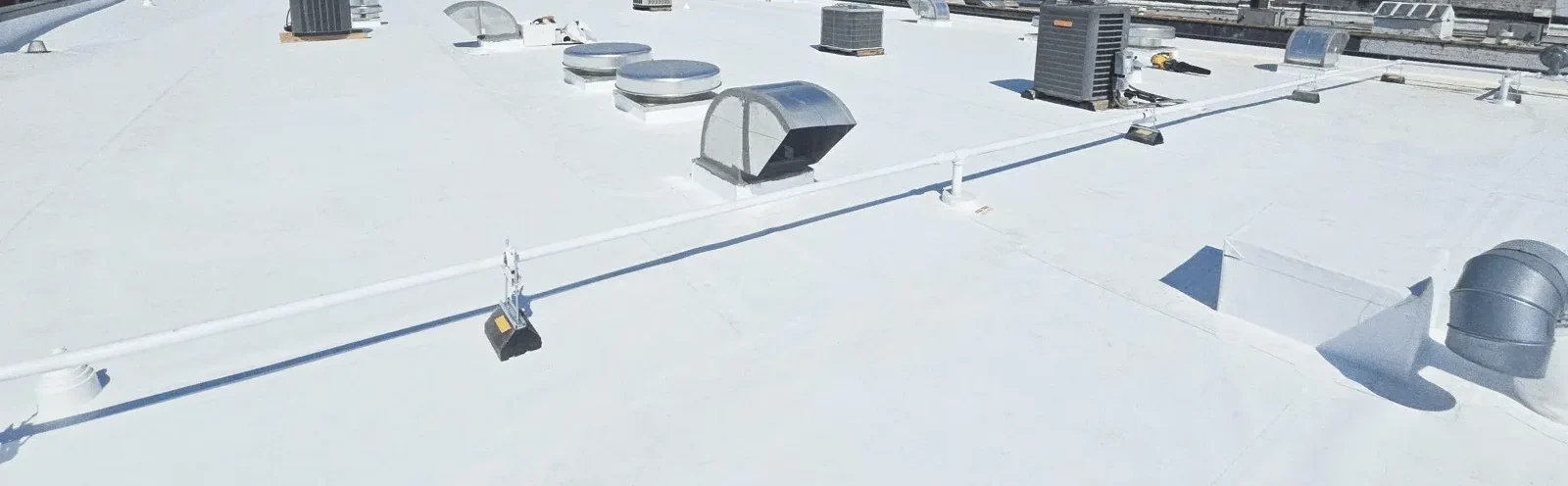
Where the roof system is not clear from records, we identify visible materials and note remaining uncertainty. TPO, PVC, EPDM, modified bitumen, metal, and coating assemblies need different repair approaches. We use compatible materials and document the selected detail. The closeout record says where the repair ends, what was replaced, and which nearby condition needs another look.
Check the repair after rain
A repaired leak should be checked against the original report. We record the date, roof zone, interior location, and any conditions that might explain a return. After rain, the facility contact can compare the same interior area and report whether water is present. If it reappears, we inspect the repair and adjacent details instead of layering a new patch over the last one.
Roswell's commercial building base includes healthcare, schools, offices, retail, civic facilities, and light industrial properties along GA 400 and Holcomb Bridge Road. The same water mark can have different operating consequences in a clinic, classroom, or storage area. We note the room use and access constraints needed for follow-up. For a property with repeated leaks, a condition report can separate confirmed openings from areas that merit monitoring.
Request leak service for a named roof zone. Share the date and time water appeared, the interior location, photos, roof plans, access rules, and any recent roof work. We will trace the visible path, document confirmed conditions, and identify the repair or next test needed to narrow the boundary.
Related Roofing Work
Trace the leak to a roof detail
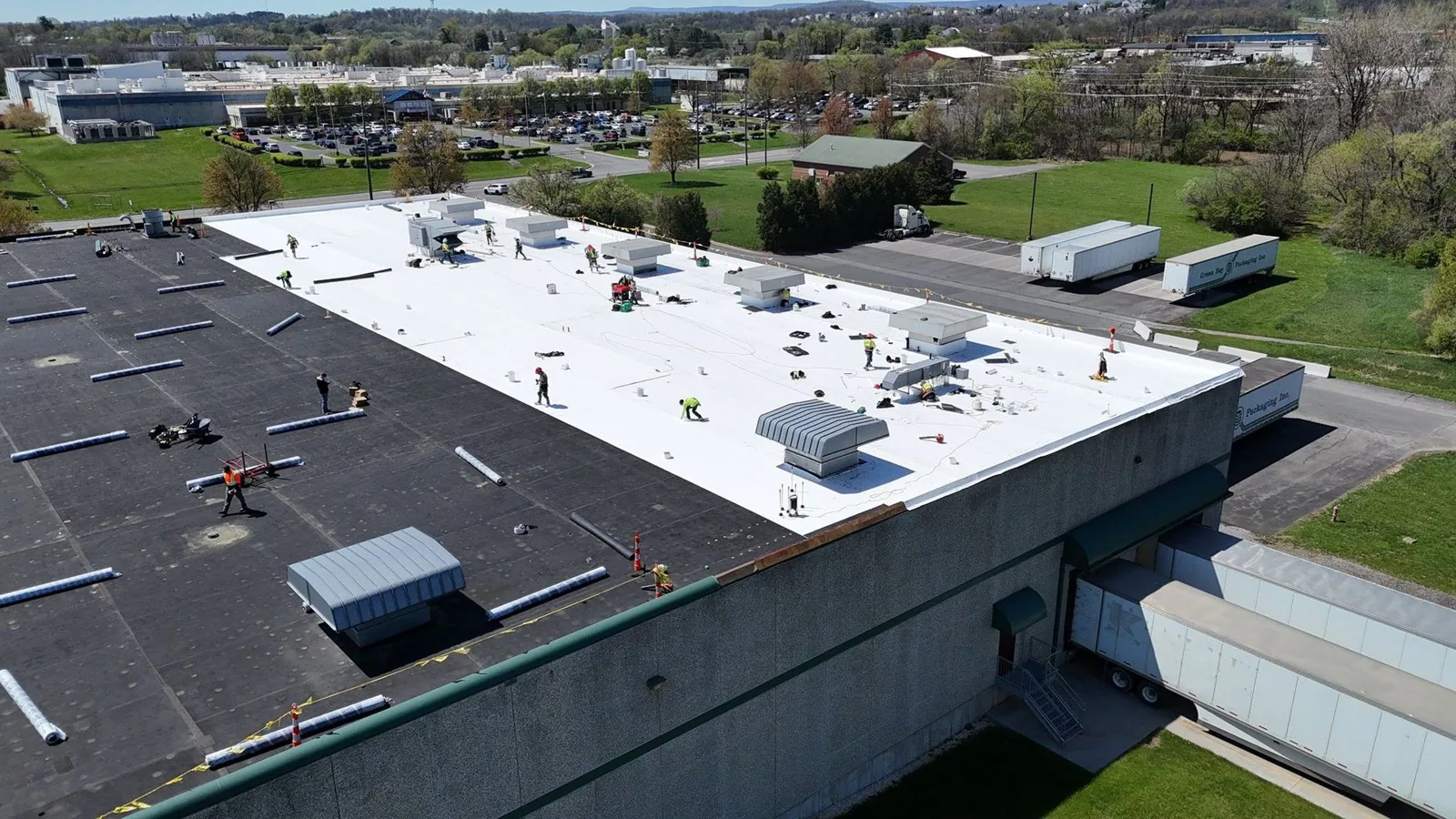
Request service for a named roof zone. Include the interior location, date and time of water entry, photos, roof plans, access rules, and any recent roof work.
Questions About Commercial Roof Leak Repair
Should I send someone to the roof while water is coming in?
Keep occupants away from wet electrical equipment or unsafe ceiling areas and notify the facility contact. Roof access should wait until weather, surface, and access conditions are safe. Share the interior location and timing with us so the visit can focus on the likely roof zone. Temporary interior protection can reduce exposure while the roof opening is assessed.
Why can a leak continue after the visible roof crack is patched?
The water path may include a second opening, wet insulation, a loose flashing edge, or a drain condition near the original defect. We inspect connected details and compare the repair record with the interior location. If the stain returns, that is new evidence to map. The next visit should reopen the likely path and check the boundary instead of assuming the first patch failed for one known reason.
What records help trace an intermittent leak?
Dates, rainfall timing, interior photos, room location, prior ceiling work, roof plans, and previous repair notes help us compare observations. A note that the leak appears only after prolonged rain can direct attention toward drainage or seams that remain wet. Access to the roof and interior space also matters. We record which areas were inspected and what could not be seen.
Can you confirm that hail caused the leak?
We can document visible impact and the condition of seams, flashings, edges, and penetrations. A hail report alone does not identify the leak source. We connect any observed damage to the roof zone and keep older deterioration, drainage issues, and concealed moisture separate in the findings. That record supports a repair decision without attributing damage beyond the evidence.
Commercial Roofing Across Roswell and North Fulton
Roof Repair, Replacement and Maintenance for Every Kind of Commercial Building
From Historic Roswell and Canton Street to the Holcomb Bridge Road corridor, GA 400 and the North Point area, we inspect, repair and replace low-slope and metal roofs on offices, retail centers, medical buildings, schools and warehouses.