Commercial Roof Inspection in Roswell, GA
A loose termination at the parapet can turn a visual review into a repair decision. We check the edge, membrane tie-in, fasteners, and nearby drainage, then record whether the condition is active, stable, or concealed. In Roswell, hot humid summers and frequent rain put seams, curbs, and drains under regular stress. A hands-on inspection connects each roof detail to its condition and gives the asset manager a record by zone.
Our inspection includes accessible membrane, flashings, penetrations, drains, edges, rooftop equipment interfaces, and visible interior evidence when access is available. We photograph findings and note repairs, monitoring items, or further tests. The result can support a written condition report, an approved repair allowance, or a capital planning discussion. It does not assume that a roof system or concealed condition exists without inspection.
Walk the roof zone by zone
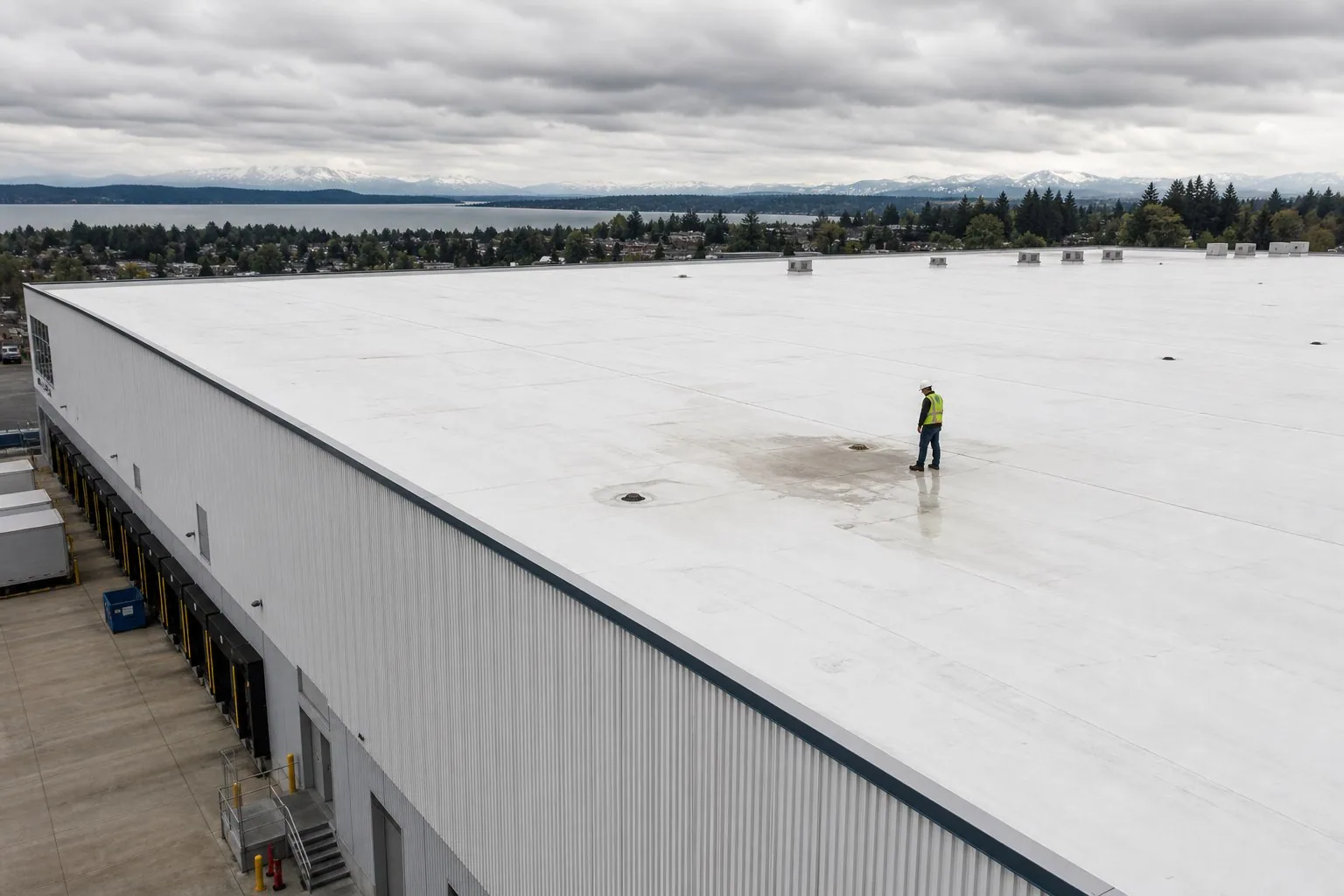
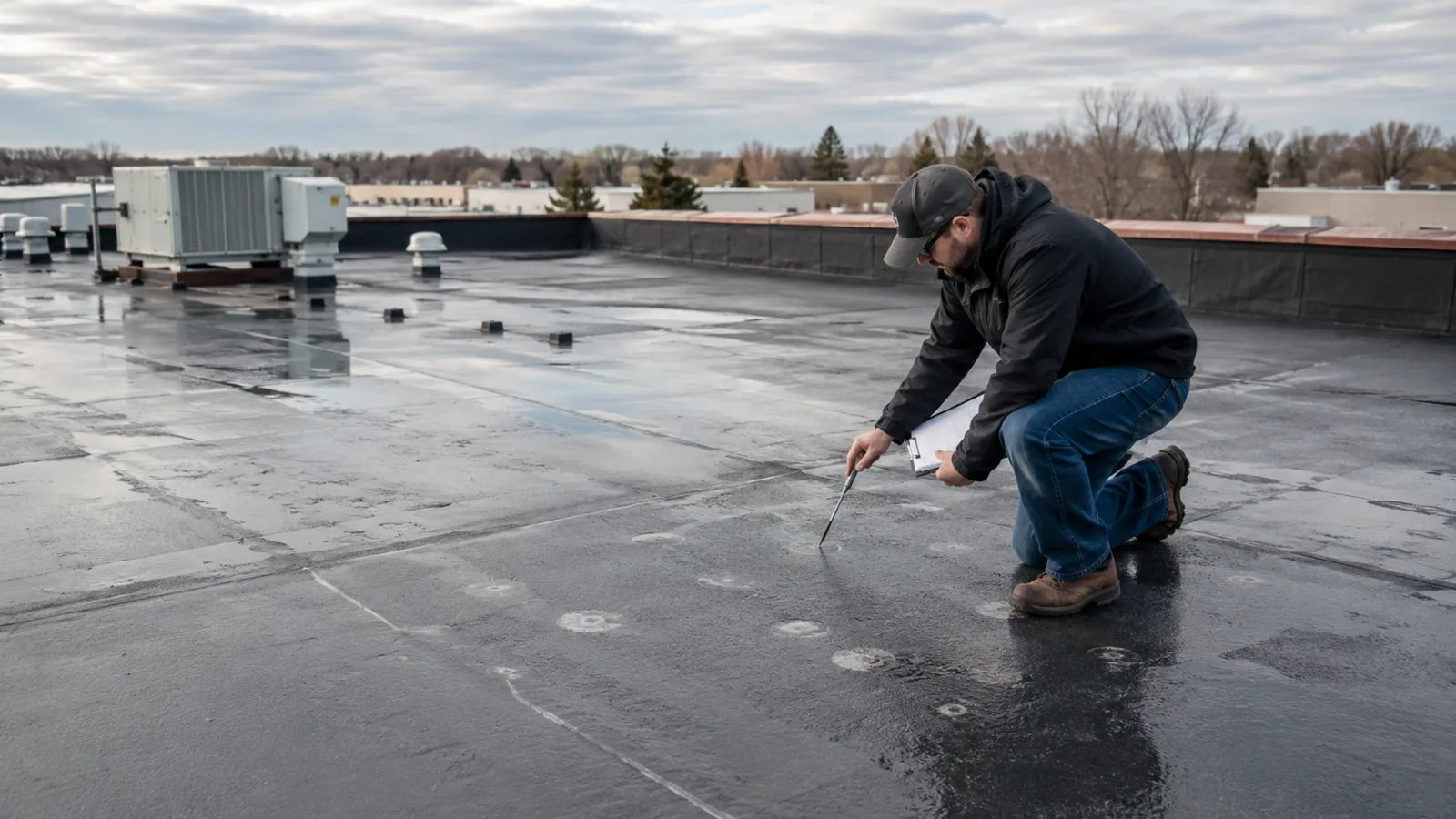
We use available roof plans to divide the inspection into identifiable areas. If a plan is unavailable, we establish practical references from drains, access points, curbs, and edges. We note the membrane and attachment features where they can be identified, then inspect laps, patches, penetrations, walls, and transitions. Each finding includes a location, photograph, and condition description so it can be revisited without relying on memory.
Drainage deserves a direct look. We check primary drains and overflows for visible blockage, loose components, damaged strainers, or signs of recurring ponding. We follow the water path to low areas and adjoining seams. A clear drain does not prove the whole system drains correctly, but it helps separate a maintenance item from a slope or insulation concern that needs further evaluation.
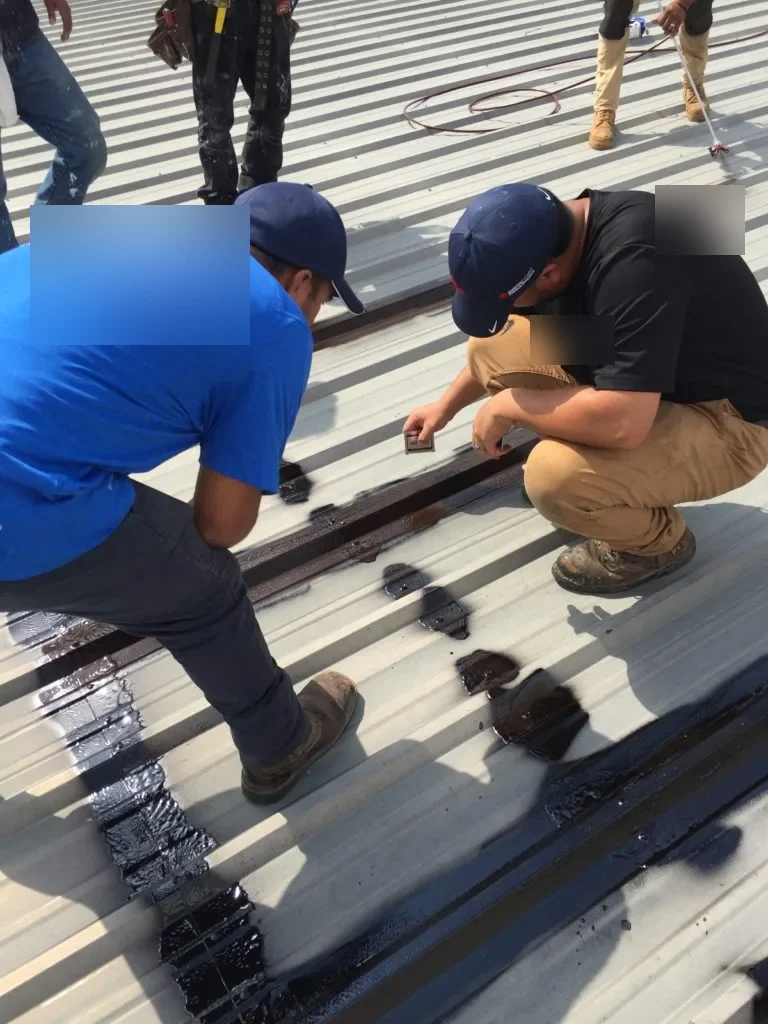
At equipment curbs and pipe penetrations, we examine the flashing, termination, fasteners, and membrane around the base. We look for open corners, split sealant, loose counterflashing, and movement that can pull a detail apart. At perimeter edges, we note membrane attachment and metal condition. Where a suspected issue needs a closer survey, a drone roof inspection can add overhead views of broad or difficult-to-access areas.
Roswell's commercial building base spans offices, healthcare, schools, civic facilities, neighborhood retail, and light industrial property along GA 400 and Holcomb Bridge Road. We do not infer roof material from building use. Each assembly is recorded from what is visible, and any unknown is kept explicit in the report.
Separate observed and concealed conditions
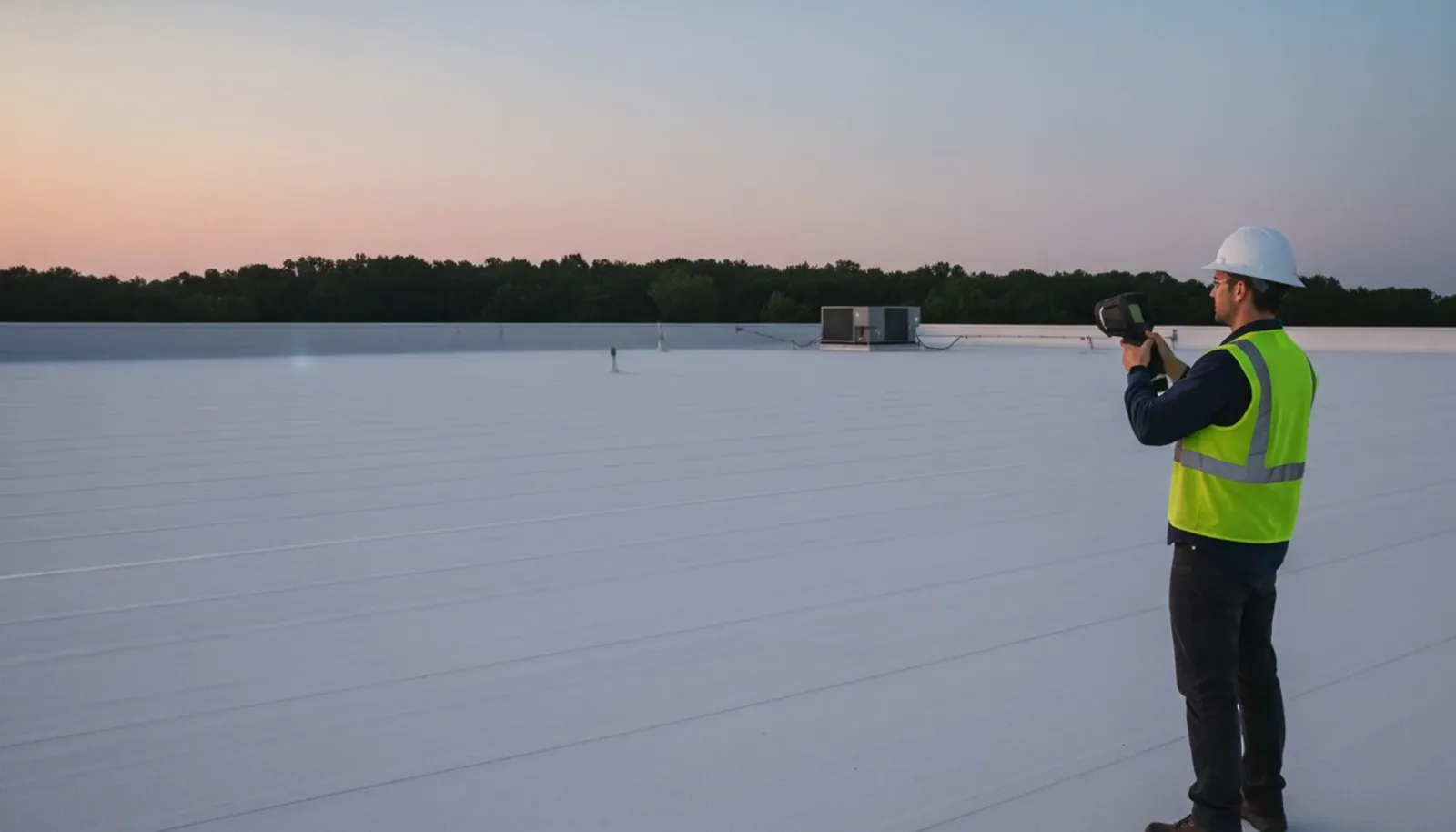
A roof inspection can document what is visible and accessible. It cannot expose every concealed layer without testing or opening the assembly. We identify where membrane is cracked, seams are loose, flashing has separated, water is ponding, or previous repairs have lifted. If moisture is suspected beneath the surface, we describe the evidence and recommend a suitable next check, such as an infrared moisture survey followed by confirmation at selected locations.
In Roswell's humid summers, water can remain at a low point after rainfall and challenge laps or flashing transitions. We note the location and visible drainage context rather than assigning a cause without support. If an interior stain is reported, we compare it with the roof zone above and inspect connected details. A stain that appears after a storm can guide the route without proving that the storm created the defect.
The 640-acre Roswell Historic District includes buildings whose exterior changes are subject to Historic Preservation Commission review. When an inspection identifies visible perimeter or wall conditions on a qualifying property, we describe the roof detail and flag that exterior review may apply before changing it. We keep the recommendation focused on the observed building and do not assume that every structure in the district is subject to the same scope.
Nearby Perimeter Center, Alpharetta, and Johns Creek add office and technology employment concentrations to the North Fulton market. For owners with more than one property, records should retain building-specific conditions and follow-up items. A roof asset record can organize inspection dates, photographs, repair history, and upcoming decisions without treating separate buildings as one roof system.
Rank repairs by evidence
Findings are grouped by the action they support. An open seam with an active water path may need prompt repair. A cracked surface without visible movement may need monitoring or a closer check. Debris at a drain can be a maintenance item. A wet interior stain may require tracing. We state why each item received its priority and avoid using a broad label when the condition is local.
Repair planning also needs access, occupancy, and weather context. We ask about roof hatch controls, equipment shutdown requirements, tenant schedules, restricted rooms, and areas where staging is limited. For Roswell properties near Holcomb Bridge Road, the site contact can clarify loading access and roof entry. The road context does not replace a property-specific inspection, but it can inform the visit plan.
Cost and timing depend on repair count, membrane compatibility, preparation, access, testing, and whether concealed damage is confirmed after opening. Our findings separate the base repair from a potential allowance. If several zones show similar laps or flashing failures, the report lists them individually so the asset manager can compare urgency and sequence. A scoped repair visit can follow once the priority and authorization are set.
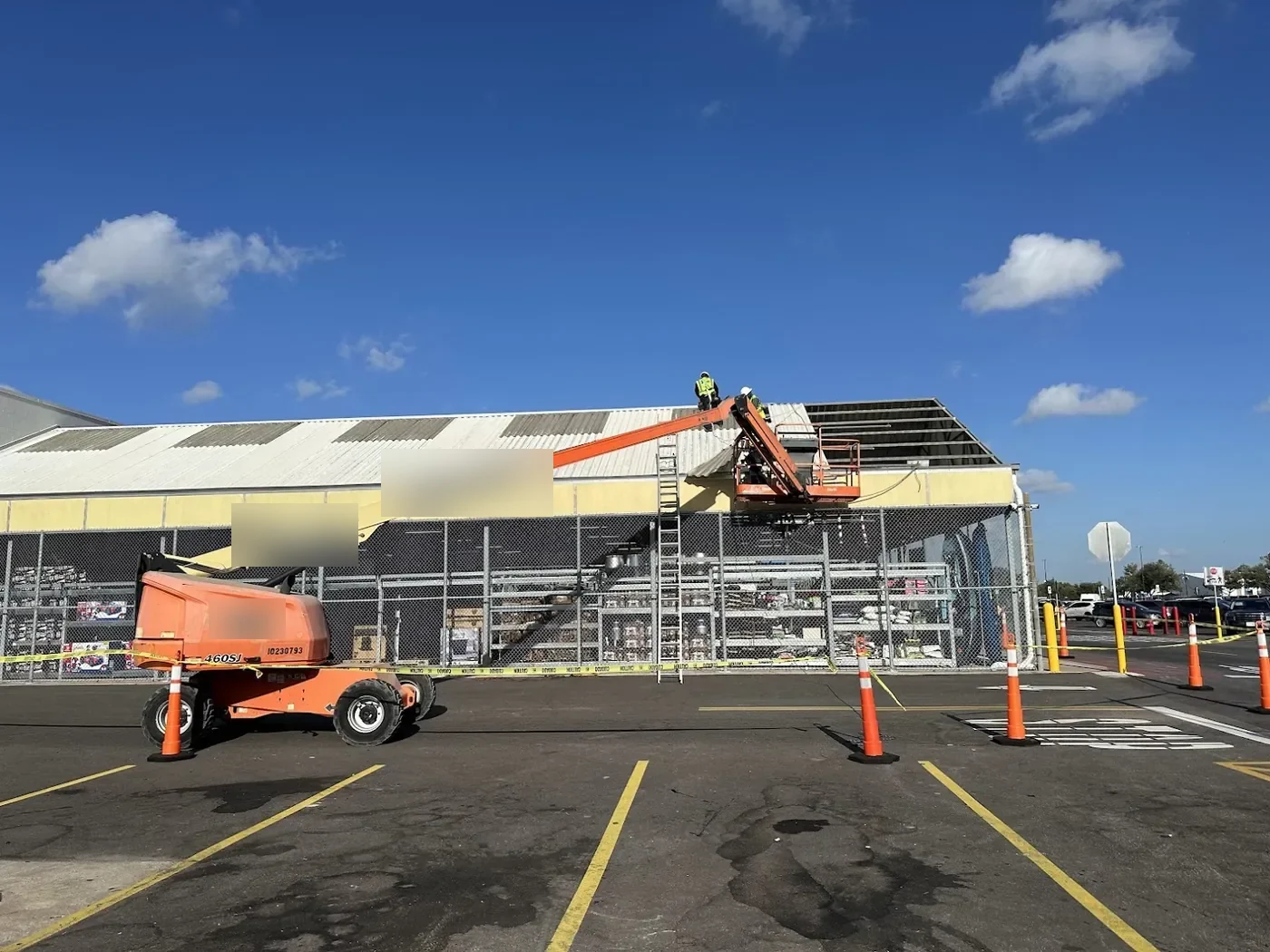
After severe weather, we check for visible punctures, displaced metal, lifted flashings, and other impacts. The National Weather Service tracks damaging wind, hail, and tornadoes in north and central Georgia. We record observed damage without attributing unrelated deterioration to the event. That distinction supports maintenance planning and, when requested, claim documentation.
Set a usable inspection baseline
The report includes the date, conditions noted during the visit, roof zones inspected, photographs, observed defects, repair priorities, and areas that could not be accessed. We list recommended tests separately from confirmed repairs. Where drawings or past repair records were available, we note the details used to orient the inspection. The asset manager can then approve specific work without treating every note as a construction scope.
Future inspections can compare the same drains, seams, curbs, and edge details. A maintenance visit may clear debris, check previous repairs, and document changes after heavy rain. If active water is present, leak tracing and repair should focus on the opening and its water path. An inspection record gives that work a starting point.
Request a hands-on inspection for a named roof zone or building. Send roof plans, prior repair records, reported leak locations, access rules, equipment restrictions, and preferred operating windows. We will document accessible conditions and identify which findings support immediate repair, monitoring, or a more specific test.
Related Roofing Work
Request a roof condition inspection
Name the building and roof zone, then send roof plans, prior repairs, leak locations, access rules, and equipment restrictions. We will document findings and separate repair items from tests or monitoring.
Questions About Commercial Roof Inspection
What will the inspection report tell me?
It records the zones inspected, accessible roof components, photographs, observed defects, and recommended next actions. We separate confirmed conditions from suspected concealed moisture and note areas that could not be reached. Each repair priority includes its location and the reason it needs attention, so the report can support approval by roof zone.
Does a hands-on inspection include moisture testing?
Moisture testing is added when the observed roof condition or interior evidence warrants it. A visual inspection can identify clues such as blistering, ponding, or a recurring stain, but it cannot confirm every layer below the membrane. We recommend infrared scanning or selected test cuts when those methods answer a specific question, then report their limits and locations.
Should the inspection happen after heavy rain or a severe storm?
A reported leak or visible impact should be inspected promptly when access is safe. Rain can show where water collects, while a storm inspection looks for specific punctures, displaced metal, and loosened flashings. The report distinguishes new visible damage from existing conditions. Unsafe roof surfaces or active severe weather may require a later roof visit with immediate interior protection first.
What should I send before a multi-building inspection?
Share building and roof plans, leak history, prior repair notes, access procedures, restricted hours, and any equipment that needs coordination. Tell us which zones have active problems and which buildings are part of a capital review. We keep findings tied to each roof so one building's assembly or condition is not carried over to another.
Commercial Roofing Across Roswell and North Fulton
Roof Repair, Replacement and Maintenance for Every Kind of Commercial Building
From Historic Roswell and Canton Street to the Holcomb Bridge Road corridor, GA 400 and the North Point area, we inspect, repair and replace low-slope and metal roofs on offices, retail centers, medical buildings, schools and warehouses.