Warehouse Roofing in Roswell, GA
A split lap beside a roof hatch can spread the repair beyond the opening. On a warehouse, nearby seams, drains and inventory below matter before sizing a patch. We trace the water path, check the substrate and mark the roof zone with failure evidence. Roswell's hot, humid summers and frequent warm-season rain put seams and drains under repeated stress. The first decision is whether the membrane alone failed or the assembly below also needs attention.
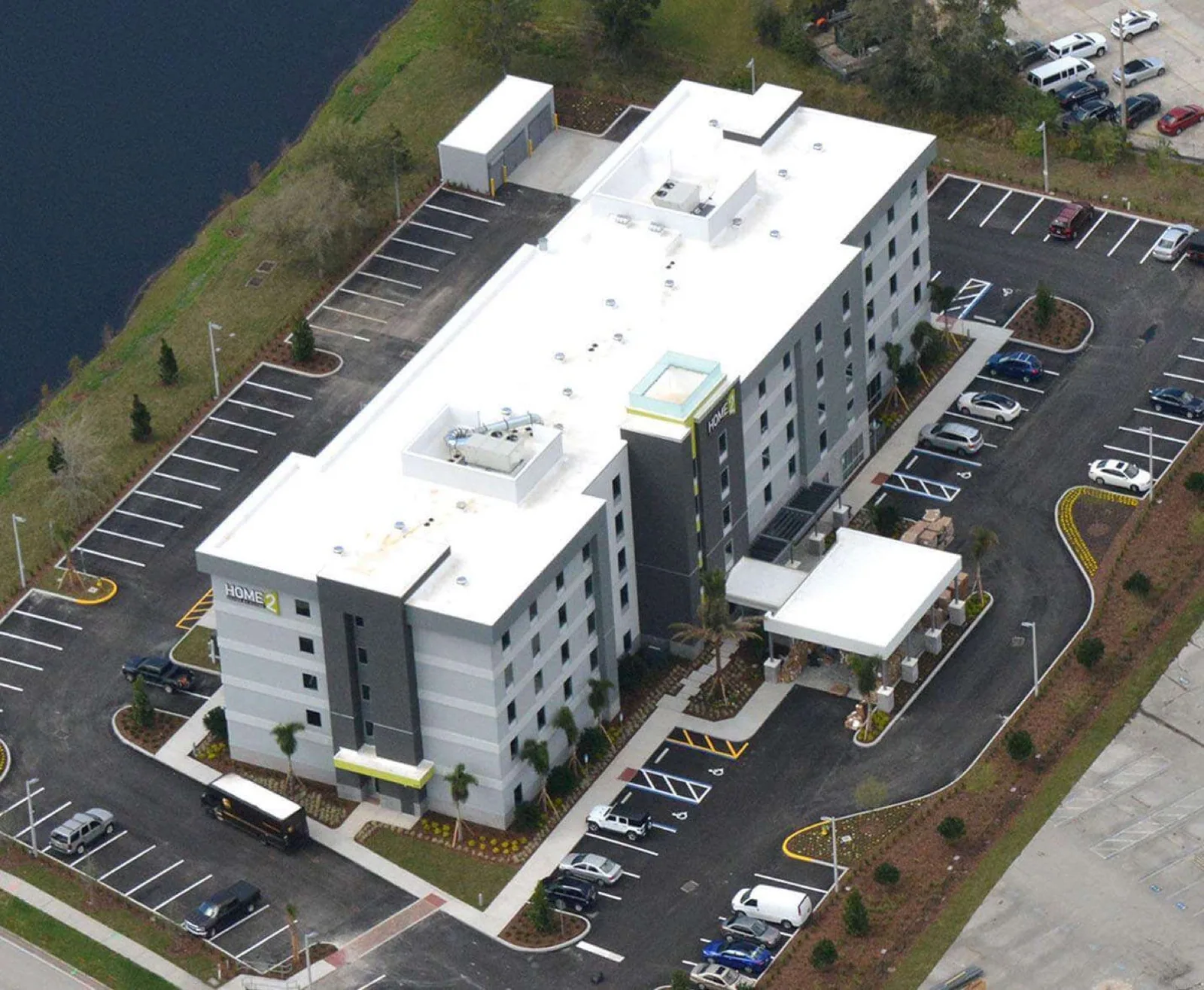
Warehouse stock sits beneath broad roof areas, but floor use does not tell us the roof system or its condition. Roswell's commercial building base includes light industrial uses along the GA 400 and Holcomb Bridge Road network. We inspect the actual assembly, then compare a local repair, a larger restoration or replacement. A Roswell roof inspection starts with the building and zone in front of us, not an assumed warehouse detail.
Trace failures beyond the visible mark
A ceiling stain marks where water became visible, not necessarily where it entered. We compare the interior report with roof seams, penetrations, edge details and drainage. At a loading area, vibration and repeated door cycles can make interior reports time-sensitive, but they do not identify a roof defect. We inspect the roof above and around the reported zone, photograph the evidence, and note any limits in access.
At a curb, the flashing corners, termination and adjacent membrane need to work together. A loose corner may admit water that travels under the sheet before reaching insulation or deck. We check for open laps, trapped debris, wet or softened substrate and prior patches that hide the original boundary. If moisture extends past sound material, the repair limit moves to a dry, stable edge. That distinction gives an asset manager a clear approval point.
Warm-season rainfall makes low spots and blocked drains visible after a storm. Roswell records more than 70,000 vehicles each day on Holcomb Bridge Road at GA 400, a corridor that carries commercial traffic and service access. We confirm delivery timing, service-vehicle windows, and roof-access staging with each property contact. We check the bowl, overflow, slope and nearby penetrations, then document where water stands and how it can leave the roof.
Set the repair limit on sound material
A patch only works when its lap reaches compatible, prepared material. We clean and probe the surrounding membrane, identify its type where possible, and check that the surface can accept a tie-in. A patch placed over a wet layer can hide the entry point while the concealed condition continues. Where test cuts or infrared scanning would answer whether moisture has spread, we describe the proposed test and its limits before adding it to the scope.
Warehouse roofs often carry vents, exhausts, skylights and mechanical curbs. Each transition creates another place for movement, sealant separation or poor drainage to show. We inspect penetrations as a group within each roof zone, then record individual findings rather than pricing an undefined blanket repair. A commercial roof repair scope can list patch locations, preparation, materials, access needs and closeout photographs. If the membrane remains serviceable across broad areas, a recover option may be compared after confirming the existing assembly can accept it.
When replacement is the stronger option, removal exposes the deck and insulation for direct review. The proposal identifies the new assembly, edge details, drains and transitions. We separate confirmed work from an approved allowance for concealed damage. If the assembly is still sound in other zones, those areas remain identified and priced separately. A warehouse roof replacement should state where work begins and ends, along with the tie-in to retained roofing.
Match materials to the existing roof
Warehouse use does not dictate whether a roof is TPO, PVC, EPDM, built-up, modified bitumen or metal. We identify what is present before choosing a repair material or replacement assembly. Membrane type, attachment, insulation, slope and deck condition all affect compatibility.
Thermoplastic seams, EPDM laps and asphalt-based systems each need different preparation and tie-in methods. Coatings require sound adhesion, dry layers and workable drainage. We explain what the inspection confirms and where concealed layers remain unknown. The TPO assembly and EPDM option are evaluated against the roof in place.
Keep shipping and storage in the work plan
An operating warehouse needs a named site contact, roof access rules and a defined work zone. We ask about loading windows, truck circulation, restricted aisles, inventory protection and equipment that cannot be interrupted. Roof access may be separate from dock access, so we confirm both before material arrives.
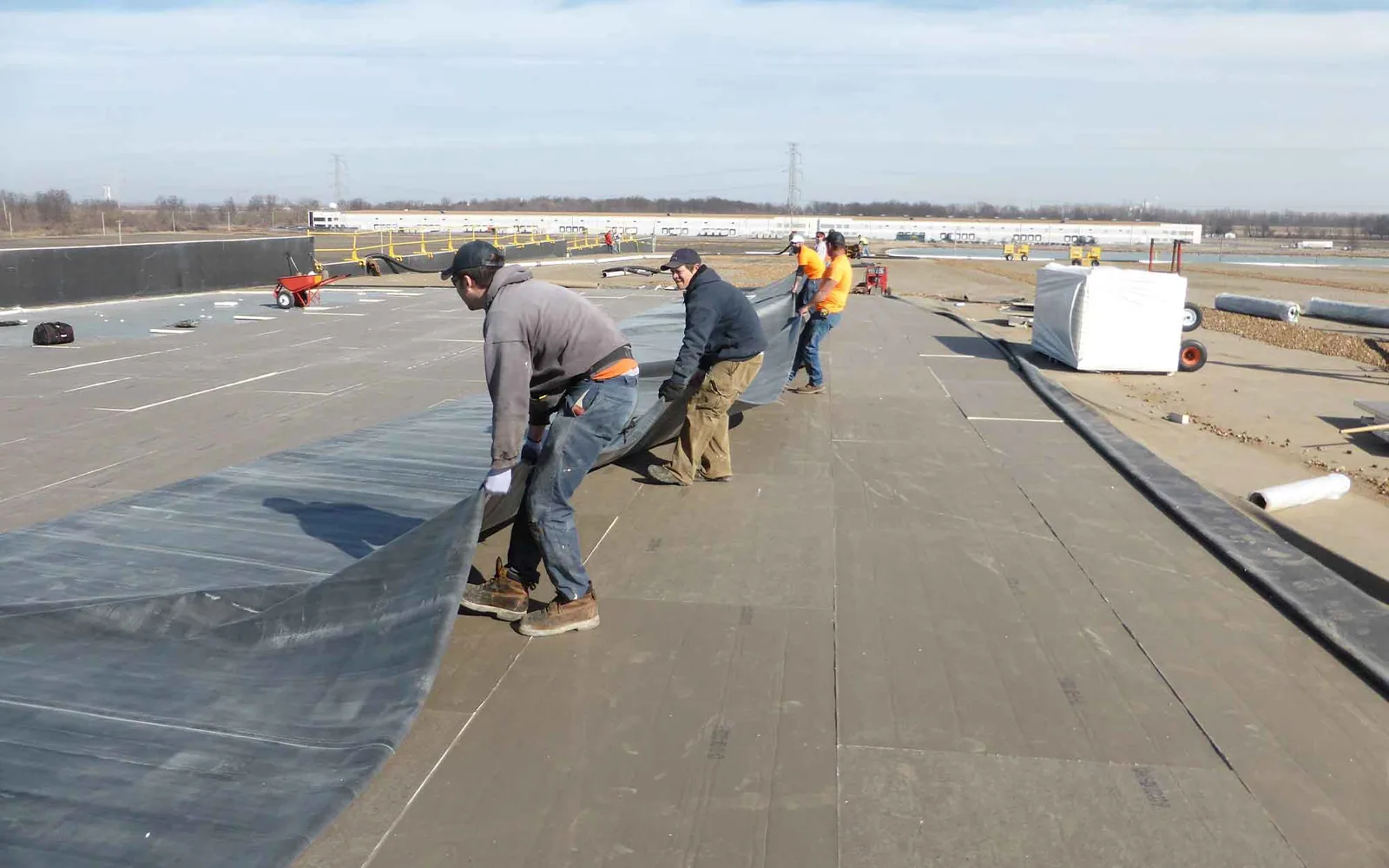
Larger scopes are divided into zones that can be made watertight at shift end. The sequence accounts for drains, edges, hatches and temporary tie-ins. Material removal stops at a stable boundary when weather or concealed damage changes the plan.
North Georgia sees severe thunderstorms, damaging wind, hail and tornadoes. After an event, we inspect for lifted metal, punctures, displaced coping, or fractured membrane at the affected zone. Emergency response is available around the clock, every day and holiday, when an active opening needs attention.
Price the confirmed work and the unknowns
Cost changes with repair count, membrane compatibility, preparation, access, removal layers and wet insulation or deck damage. The scope should include drains, edge metal, temporary dry-in and ties to sound material so proposals cover the same zones.
Schedule depends on roof area, material lead time, weather, staging and access to each section. Heat and rain affect adhesives and coatings; a wet substrate may need drying or replacement. We identify decision points and set an approval step for added work.
A roof capital plan can separate urgent leak control from lifecycle work. Keep records tied to the building and roof zone. A distribution center roof scope may share access concerns, but its dock patterns and equipment require a separate property review.
Close the zone with usable evidence
At completion, we photograph repaired laps, curb corners, penetrations, drains and the termination at sound material. The closeout record names the zone, materials, completed work and any concealed limits. We also note maintenance items, such as debris near an overflow or a detail to check after heavy rain.
Before handoff, we clear loose materials and verify the drainage path. A manufacturing plant roof review may share similar membrane questions, but process areas and equipment restrictions need their own scope. Request an inspection or comparison for a named warehouse and roof zone. Send roof plans, repair records, leak locations, access rules, loading windows and equipment restrictions. We will map findings, set the repair boundary and separate confirmed work from any allowance for concealed conditions.
Related Roofing Work
Scope a warehouse roof zone
Name the building and affected zone. Send roof plans, repair history, leak locations, access rules, loading windows and equipment restrictions so we can document conditions and price confirmed work.
Questions About Warehouse Roofing
Can a patch stop a leak without interrupting loading?
A localized repair can often be sequenced around dock activity when roof access and staging are separated from vehicle routes. We first locate the roof defect, confirm the membrane can accept a compatible patch and identify any interior protection needed below. The schedule names the loading window and contact who can approve a temporary change. If the leak reaches insulation or deck, the boundary and time required may expand.
How do you decide if warehouse insulation needs removal?
Moisture evidence sets that decision. We inspect the surface and adjacent details, then recommend infrared scanning or test cuts when either method can answer a defined question. A confirmed wet layer is marked by zone and separated from suspected concealed conditions. The scope states how much material needs removal and where an allowance applies if opening the assembly reveals a different boundary.
Will a coating solve recurring ponding on our roof?
A coating does not correct a blocked drain, inadequate slope or soft substrate by itself. We map the low area, check primary and overflow drainage, and review the membrane and moisture condition. Where the roof is suitable, coating can restore a prepared surface. Drainage correction or insulation work may need a separate line item before a coating is considered.
What should I compare in warehouse roof proposals?
Compare the same roof zones, repair locations, preparation, membrane compatibility, edge and drain work, temporary protection, access and closeout records. Check whether wet insulation, deck repairs and equipment coordination have defined approval steps. A proposal should state the included work and any allowance separately. The price is easier to assess when exclusions and concealed-condition triggers are explicit.
Commercial Roofing Across Roswell and North Fulton
Roof Repair, Replacement and Maintenance for Every Kind of Commercial Building
From Historic Roswell and Canton Street to the Holcomb Bridge Road corridor, GA 400 and the North Point area, we inspect, repair and replace low-slope and metal roofs on offices, retail centers, medical buildings, schools and warehouses.