
Commercial Roofing for School Districts in Roswell, GA
A split seam near a classroom exhaust curb can leave a ceiling stain in a different room. We trace the roof detail, inspect the nearby lap and drain path, then mark the repair zone. Warm, wet summer weather in Roswell puts a premium on early roof planning. A school closure creates access time, but each work package still needs a verified condition, dry installation window and return-to-service date. The inspection needs to show what can be repaired before students return and what requires a longer schedule.
School buildings may have different roof assemblies, additions, mechanical upgrades and access controls across one district. We verify those conditions from plans and field inspection. The report separates active leaks, maintenance items and concealed concerns instead of giving a campus a single condition label. That helps facilities and finance staff compare priorities without treating every building as the same project.
Locate trouble before a school break
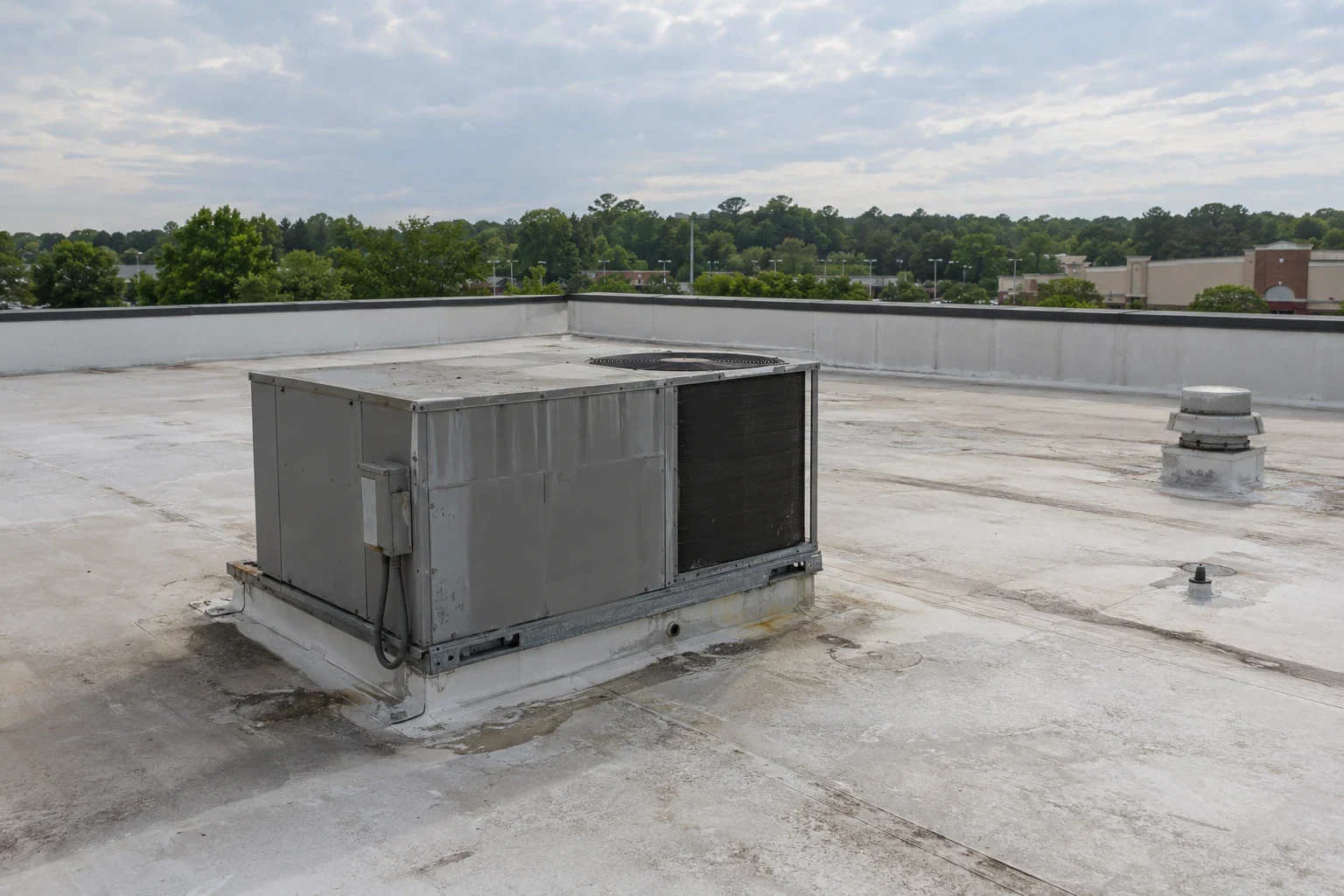
We compare maintenance tickets, ceiling marks, room locations and previous repair records with roof zones above them. At each area, the inspection checks seams, penetrations, curbs, drains, overflows and edge details. Water can travel beneath insulation before it appears indoors. A photograph ties the observed roof defect to its location and nearby features, giving staff a usable reference for scheduling and follow-up.
Roswell's East Roswell plans identify Old Alabama Road and Big Creek Parkway connections, while North Fulton links Roswell with Alpharetta and Johns Creek through the GA 400 corridor. Those routes help plan arrival and access; each campus still needs its own roof-system confirmation and Diligence Notes.
Prepare work for the return to class
Before a planned closure, facilities staff can identify roof zones with recurring tickets, rooms affected by past leaks and areas that need a closer look. We inspect those items first and report which can be completed in the available window. Work that depends on concealed conditions, special material preparation or permit review should be identified early, not compressed into the final days before students return.
Public owners may use the agency roof procurement framework to define bid boundaries and approvals. For schools across a broader property portfolio, the multi-building roof record helps preserve each campus's separate findings. Link the schedule to Roswell locations by campus and roof zone, then list any access area that remained unavailable.
School facilities staff can keep a room and roof-zone index with work orders through each term. When a temporary ceiling repair or room change is made, log its date and the associated roof visit separately. That history helps identify a recurring water path without treating repeated interior marks as proof that the same membrane detail failed each time.
Use breaks without compressing the scope
Summer and holiday closures can provide quieter access, yet a schedule still has to account for weather, material delivery, substrate preparation and inspection. Warm-season rain may delay welding, adhesive work or coating application. We identify the intended work window, a weather contingency and the person authorized to approve a field change. For active leaks during term, temporary protection can be separated from the permanent repair plan.
We coordinate roof hatch rules, keys, escorts, alarms, playgrounds, bus loops, loading areas and restricted mechanical spaces with the facilities contact. Work near an occupied wing may be sequenced differently from a vacant section. Material staging and debris removal need a defined path that avoids student routes. Those logistics belong in the schedule, rather than being discovered when a lift or delivery reaches the site.
Repair the actual roof system
A seam repair on TPO or PVC depends on membrane condition and preparation. EPDM, modified bitumen, built-up roofing and metal assemblies use other repair details. We identify the system where possible and check whether the substrate is sound. If wet insulation extends beyond the visible defect, the boundary must reach stable material. The estimate identifies the confirmed work and states what concealed condition could expand it.
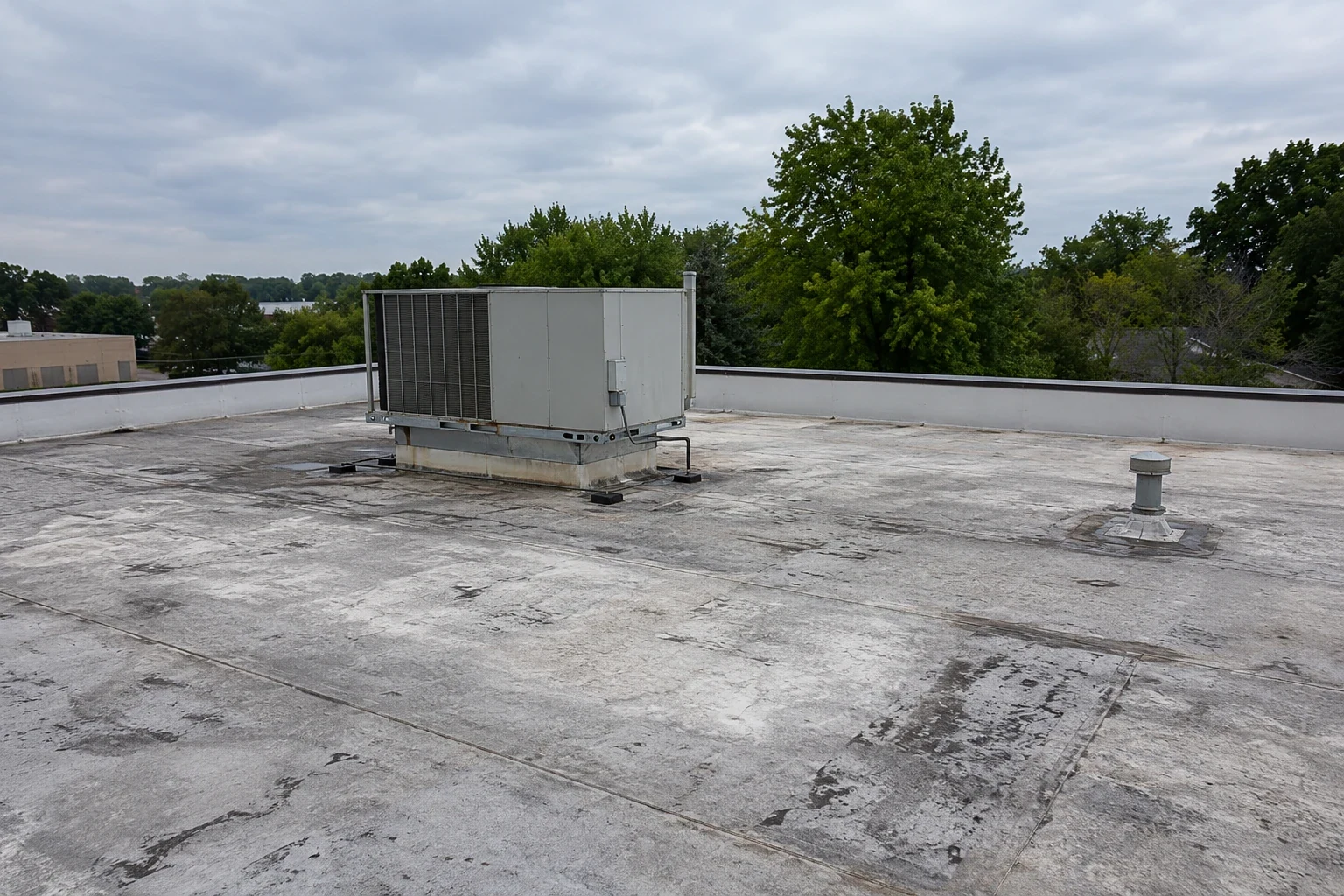
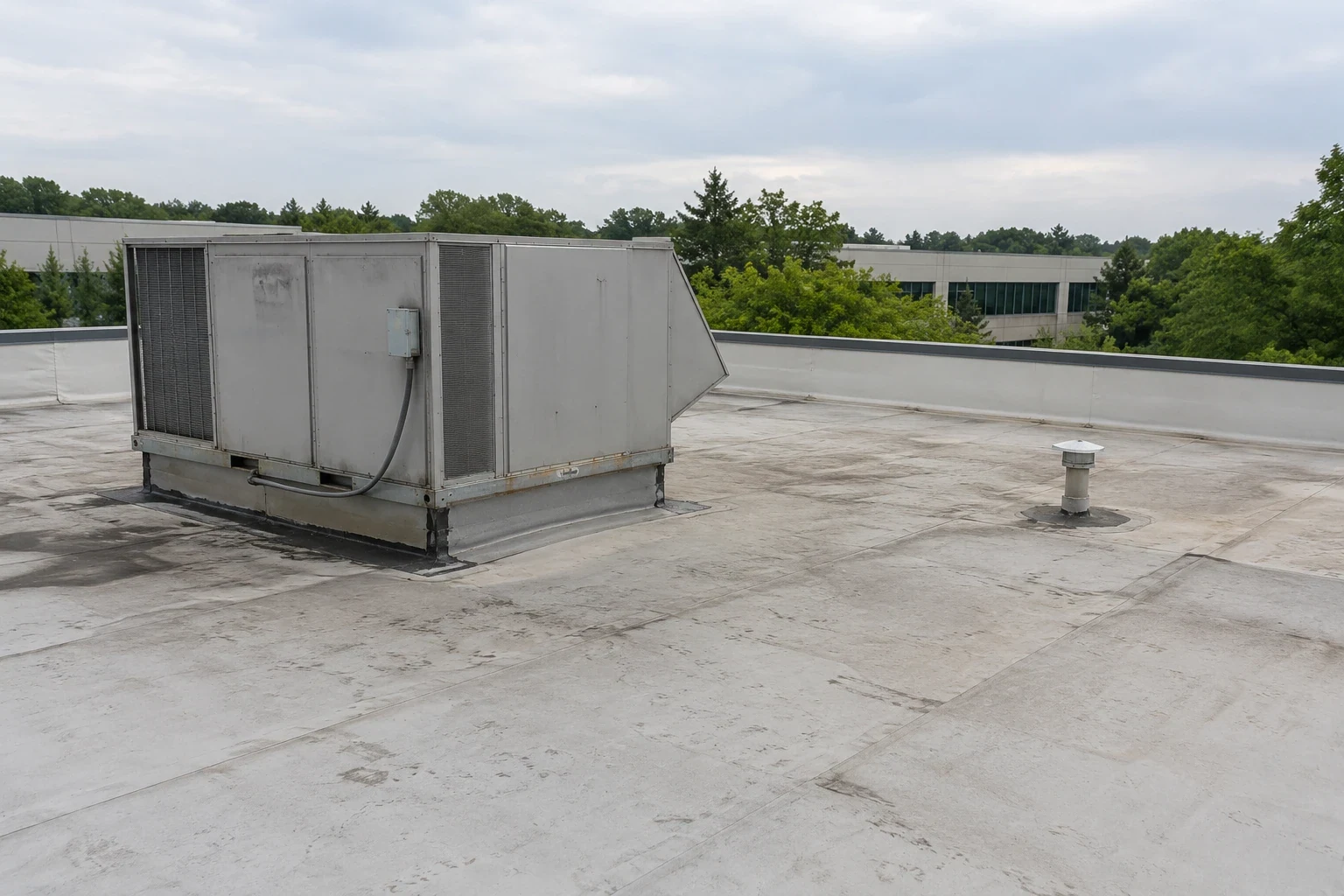
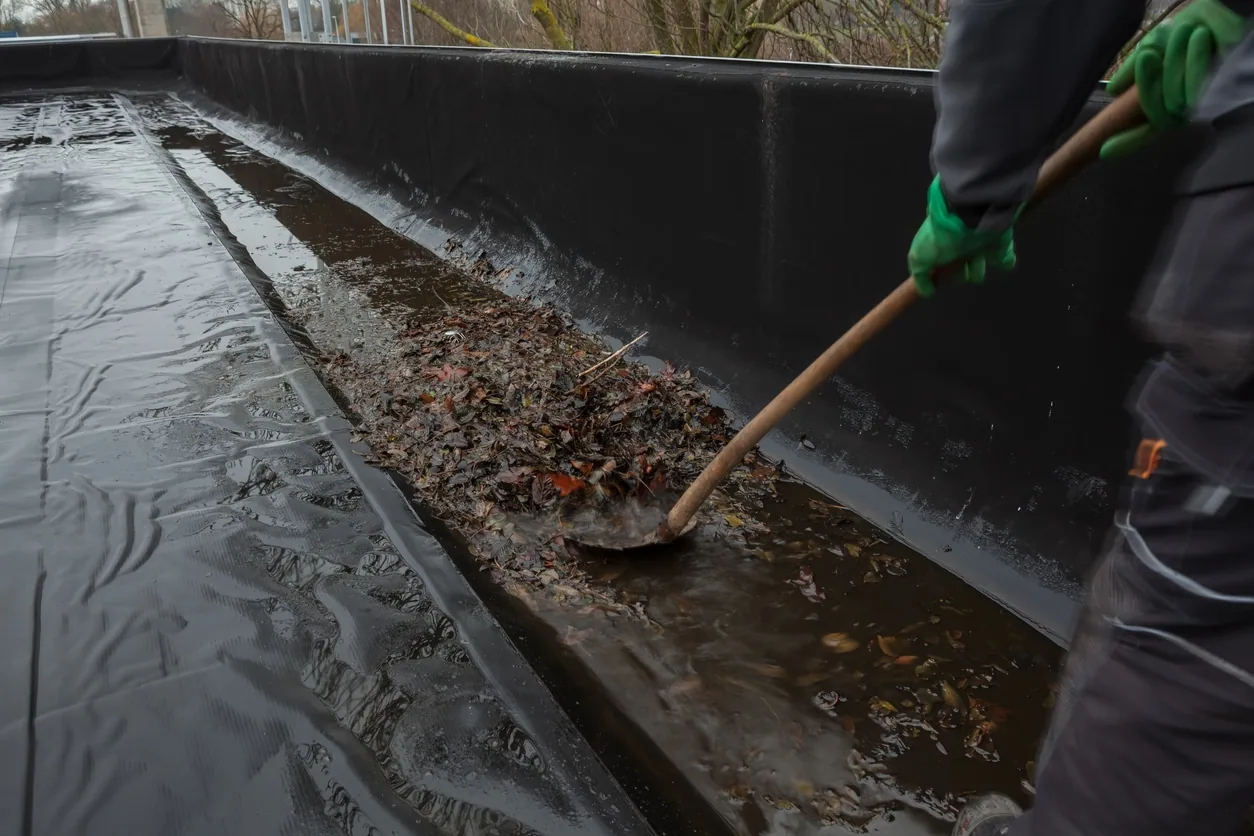
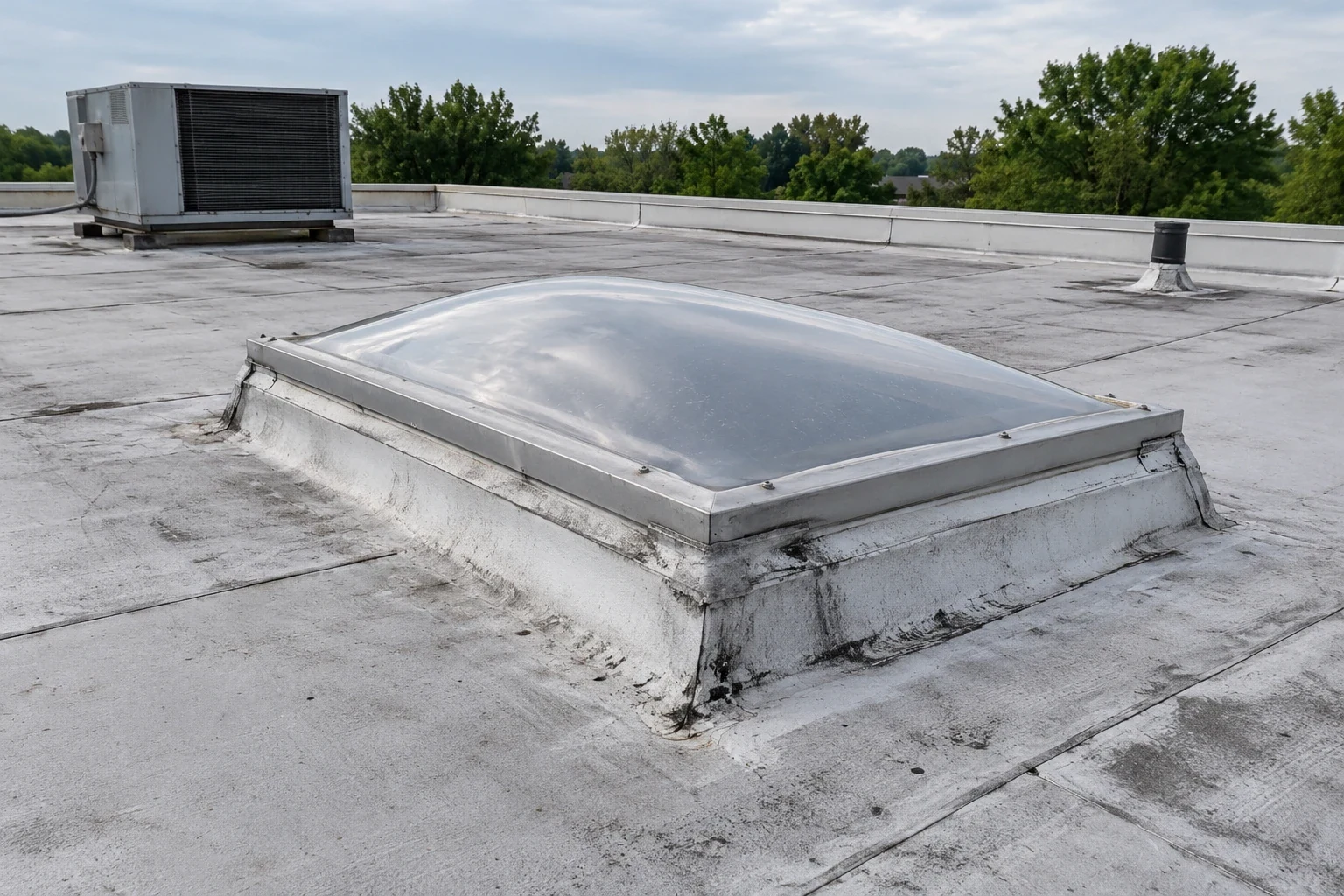
School roofs also have many transitions: vents, skylights, exhaust curbs, wall edges, expansion joints and drains. A leak near a curb may require corner and termination work, not another surface bead of sealant. We inspect the water path and report any roof area that could not be reached. A drain and scupper assessment can address drainage findings, while skylight and penetration flashing covers related transition work.
Make approval packages clear
District approvals need a defined task, location, price basis, timing and trigger for additional work. We show confirmed repairs separately from exploratory openings, wet insulation replacement and deck investigation. Cost varies with assembly, access, staging, preparation, roof height, disposal and the number of details. A vague allowance can be hard to compare; a marked zone and photos make the proposed boundary reviewable.
Georgia applies the 2024 IBC with state amendments and the 2015 IECC with Georgia supplements. Roswell's Building Division handles local construction permits and connects applicants with the applicable state requirements. Confirm the review path for the proposed roof scope before setting dates. For capital work, we provide roof scope details needed for coordination and distinguish permit questions from observed conditions. A capital plan can stage repairs and replacement review across budget cycles.
Leave a record for the next term
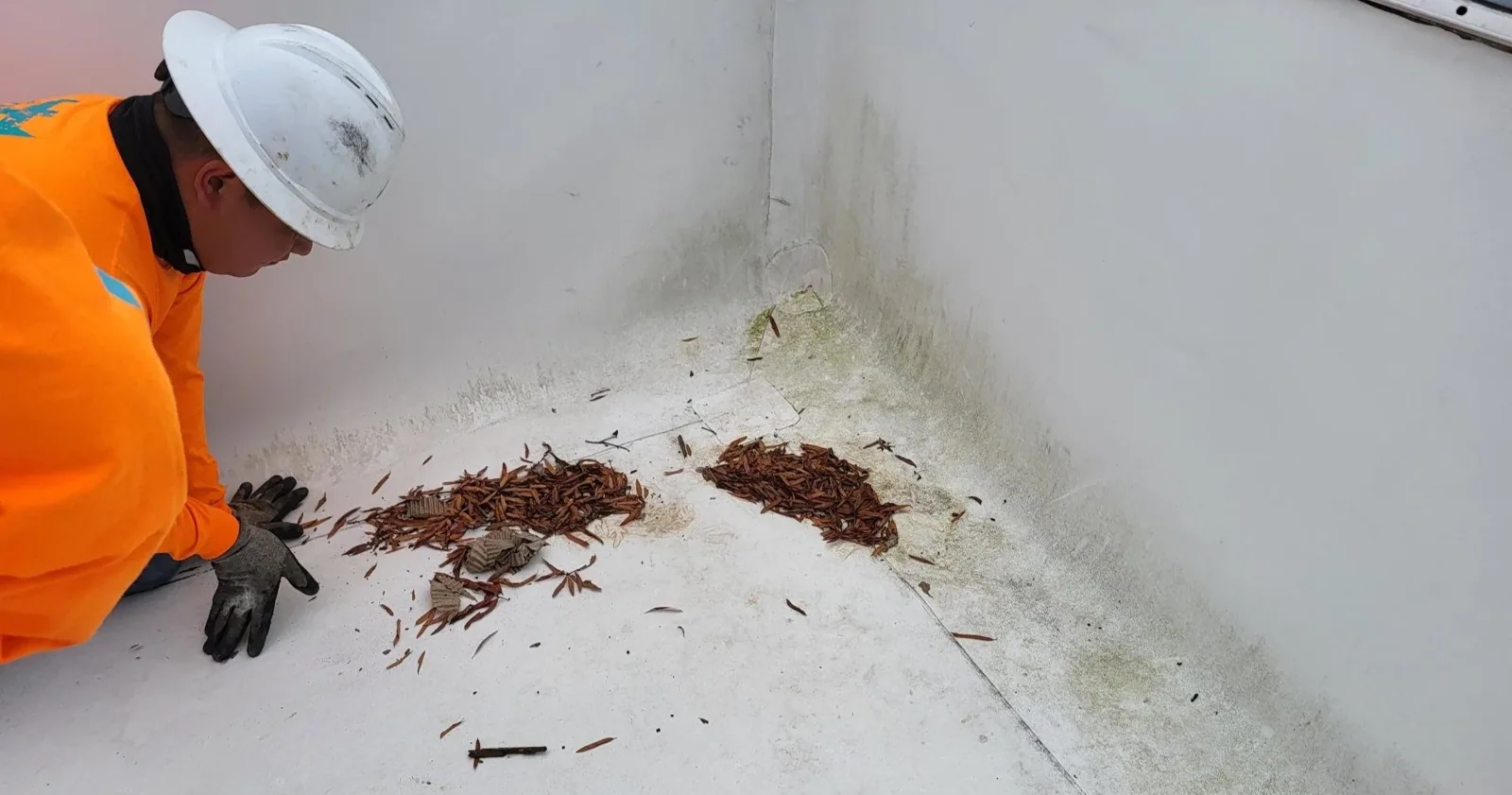
At closeout, we photograph the repaired seam, curb, drain or edge, list material and identify the roof zone. If insulation or deck was exposed, the record describes what was found before closure. Any deferred item gets a location and follow-up action. Staff can compare the completed work with the original ticket and check that area after the next period of heavy rain.
Send campus roof plans, work-order history, leak reports, access restrictions, bell schedules, holidays and approval procedures before a visit. We will group findings by building while keeping each roof's condition distinct. For continuing service, a preventive maintenance visit can check drains and transitions between larger repairs. Request a school roof inspection with named buildings and zones so the scope can be planned around the district calendar.
Related Roofing Work
Plan school roof work by campus
Share roof plans, work orders, leak reports, campus access rules, school calendar and approval limits. We will map findings by building and identify schedule constraints.
Questions About School Districts
Can roof projects be completed during summer break?
A summer window may help with access, but the schedule still depends on roof condition, weather, materials, preparation and inspection. We identify phases and contingency dates before work begins. If rain delays a permanent installation, the plan should state whether temporary protection is needed and how the return visit will be approved.
What should a district provide before roof inspections?
Share roof plans, work orders, prior repairs, leak dates, campus maps, access rules, bell schedules and restricted-area procedures. Name a facility contact for each site and identify areas requiring escort. We use those records to plan the visit, then verify the roof details in the field.
How do you prevent roof work from interfering with students?
We coordinate the material route, work boundary, lift placement and schedule with the school contact. Work can be staged around student arrival, dismissal and outdoor areas. If a safe route cannot be maintained, we pause and revise the sequence before continuing. The approved plan should identify any temporary closure.
Should a leak be repaired before the next school term?
An active leak deserves prompt inspection so the repair boundary and any wet materials are understood. The schedule then depends on access, weather, system compatibility and whether the deck or insulation needs investigation. We document immediate protection separately from permanent work, so the district can make an informed timing decision.
Can a district compare several roof systems in one report?
Yes, if the record keeps each assembly and building separate. We identify observed system, defects, photos, repair priorities and access limitations by zone. A summary can help rank work across sites, but it should not treat a shared building use as evidence that all roofs need the same repair.
Commercial Roofing Across Roswell and North Fulton
Roof Repair, Replacement and Maintenance for Every Kind of Commercial Building
From Historic Roswell and Canton Street to the Holcomb Bridge Road corridor, GA 400 and the North Point area, we inspect, repair and replace low-slope and metal roofs on offices, retail centers, medical buildings, schools and warehouses.