
Commercial Roof Coating Restoration in Roswell, GA
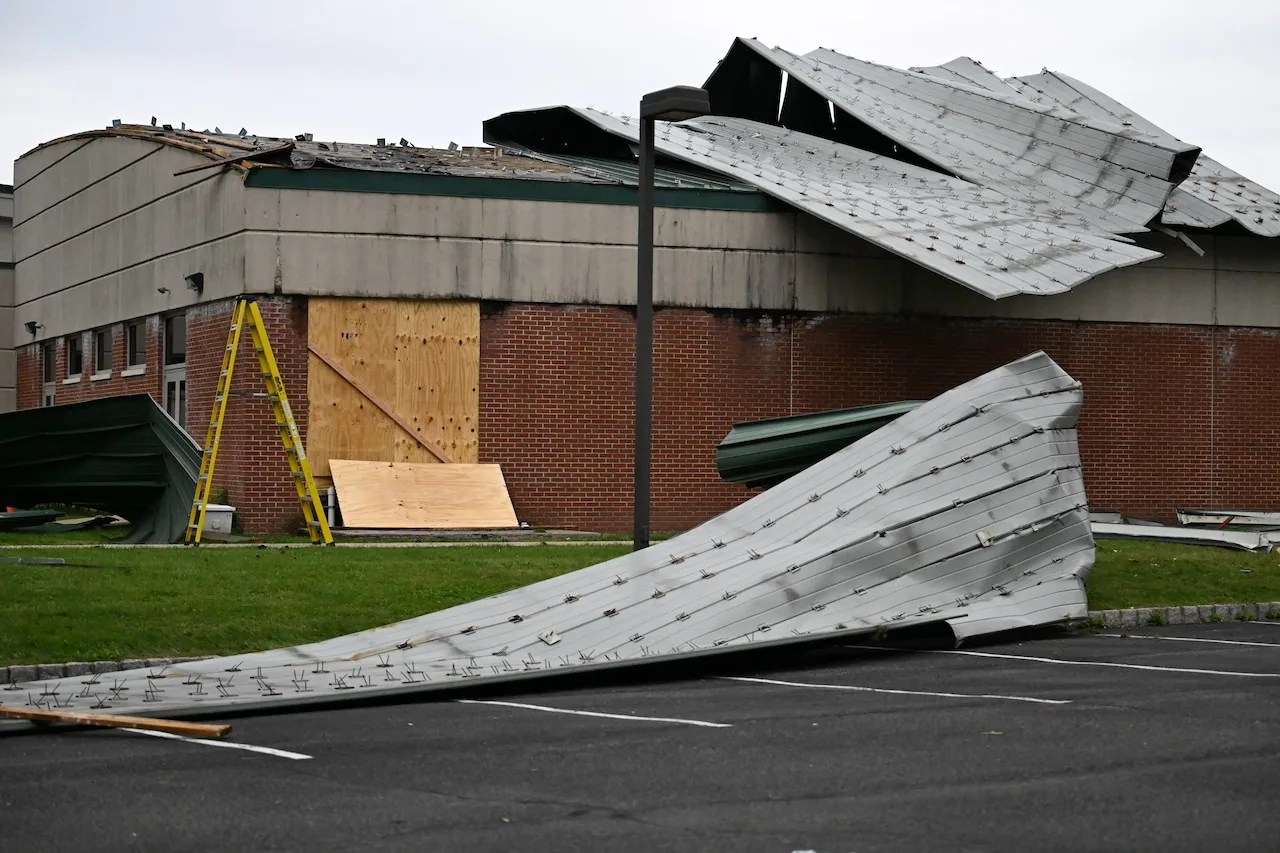
A split coating at a roof edge exposes the membrane beneath it. The defect may stay local, or it may point to a surface that no longer holds a new layer. We inspect adhesion, seams, penetrations, drains, and the substrate before choosing restoration. Roswell's summer heat and frequent rain test coating bonds and flashing transitions. The repair boundary must reach stable material before a restoration system goes down.
A coating can extend service life when the existing roof is suitable, dry, and firmly attached. It does not correct wet insulation, a weak deck, or a failed assembly by covering the defect. We map test areas and needed repairs, then compare restoration with replacement when removal is warranted. Properties along GA 400 include many commercial uses, but roof assembly follows field evidence. A roof recover assessment may be useful when another membrane layer is under consideration.
Test the existing surface
We first identify the existing membrane and coating, where the layers can be confirmed. Then we inspect adhesion, cracks, blisters, seam edges, flashing, and drainage. A surface sample or adhesion test can help determine whether the proposed coating bonds to the roof. We also inspect suspected wet areas and repair openings before broader application. Test results represent their locations, so we mark each point and define where more checking may be needed.
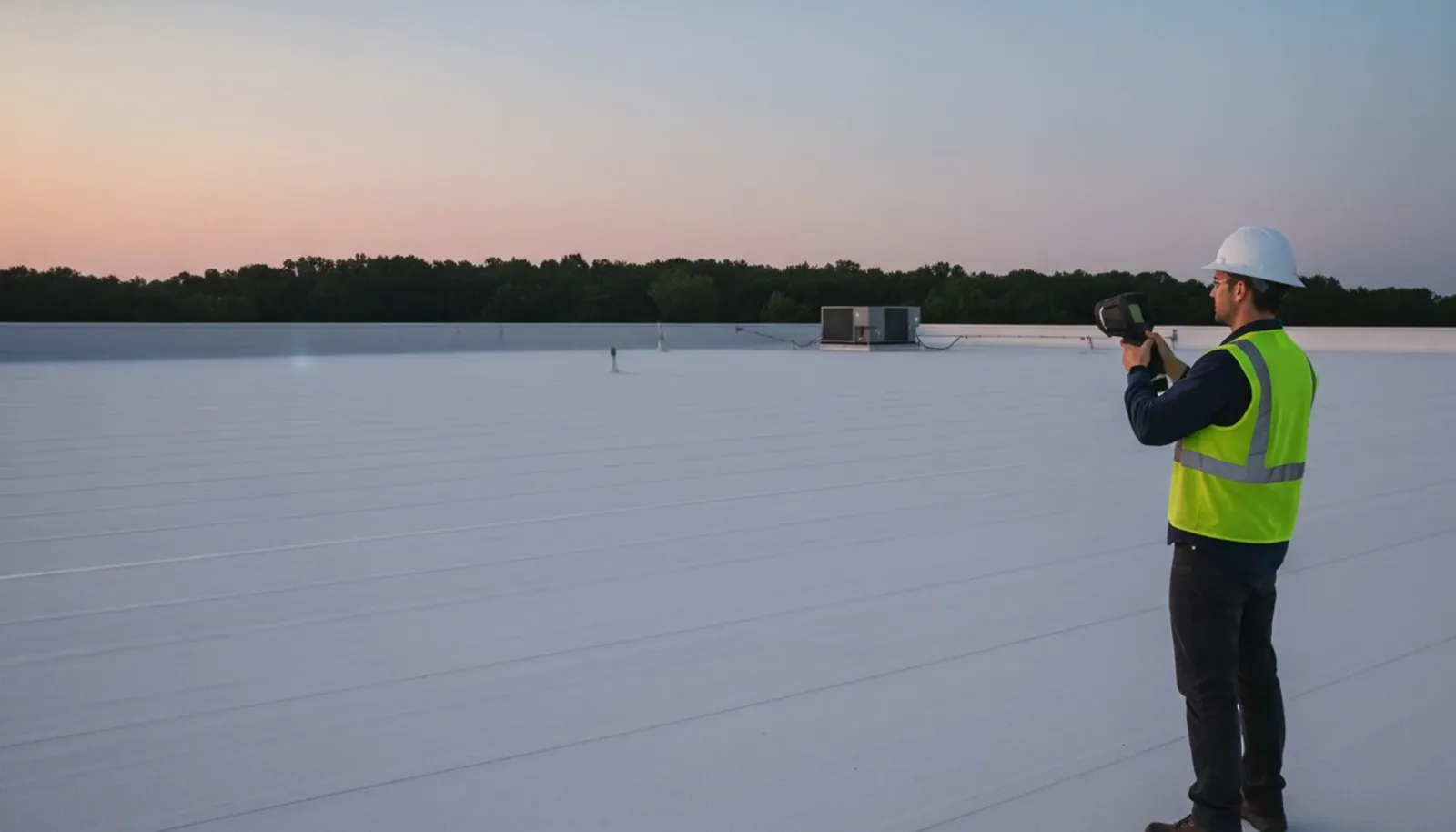
Moisture changes the decision. A coating can trap water within the assembly and hide deterioration from later visual review. We compare test findings with ponding marks, interior reports, and roof transitions. If wet insulation or a soft substrate appears, we mark that zone for removal or further testing. An infrared moisture survey may help target test cuts across a broad roof, followed by confirmation at selected points.
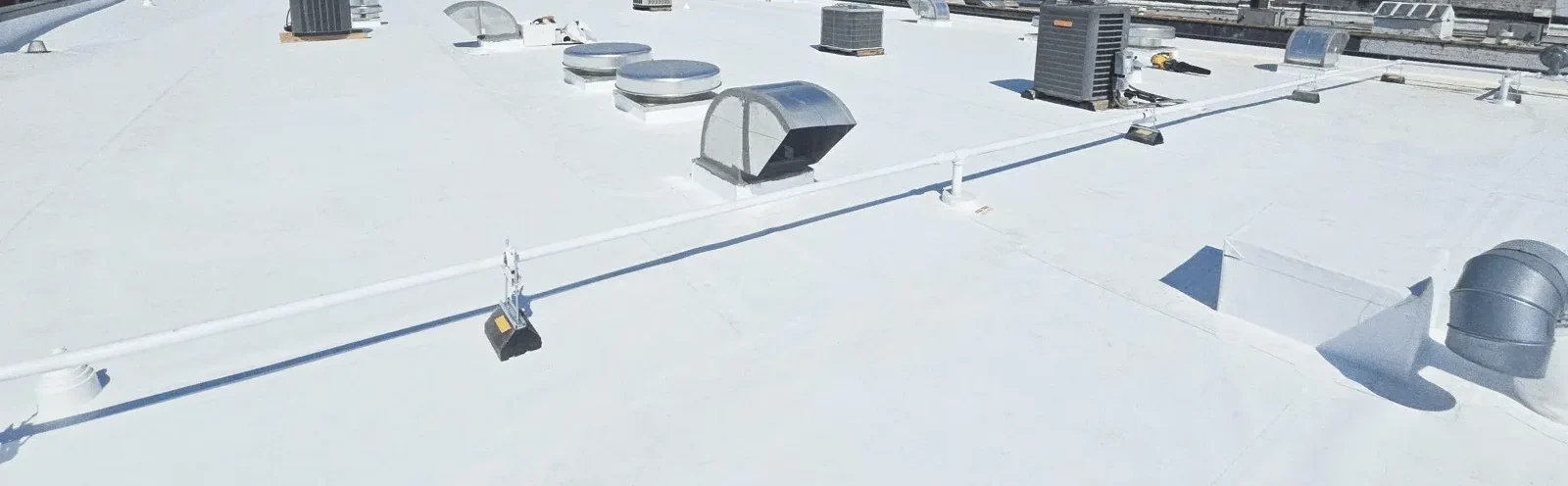
Roof geometry matters as much as surface condition. We check drain sumps, scuppers, curb heights, wall terminations, and edge metal before adding thickness. Coating must not obstruct a drain or leave a curb flashing too low. We note details that need rebuilding before restoration. A hands-on roof inspection can map those conditions by roof zone before the coating scope is priced.
Prepare a sound repair boundary
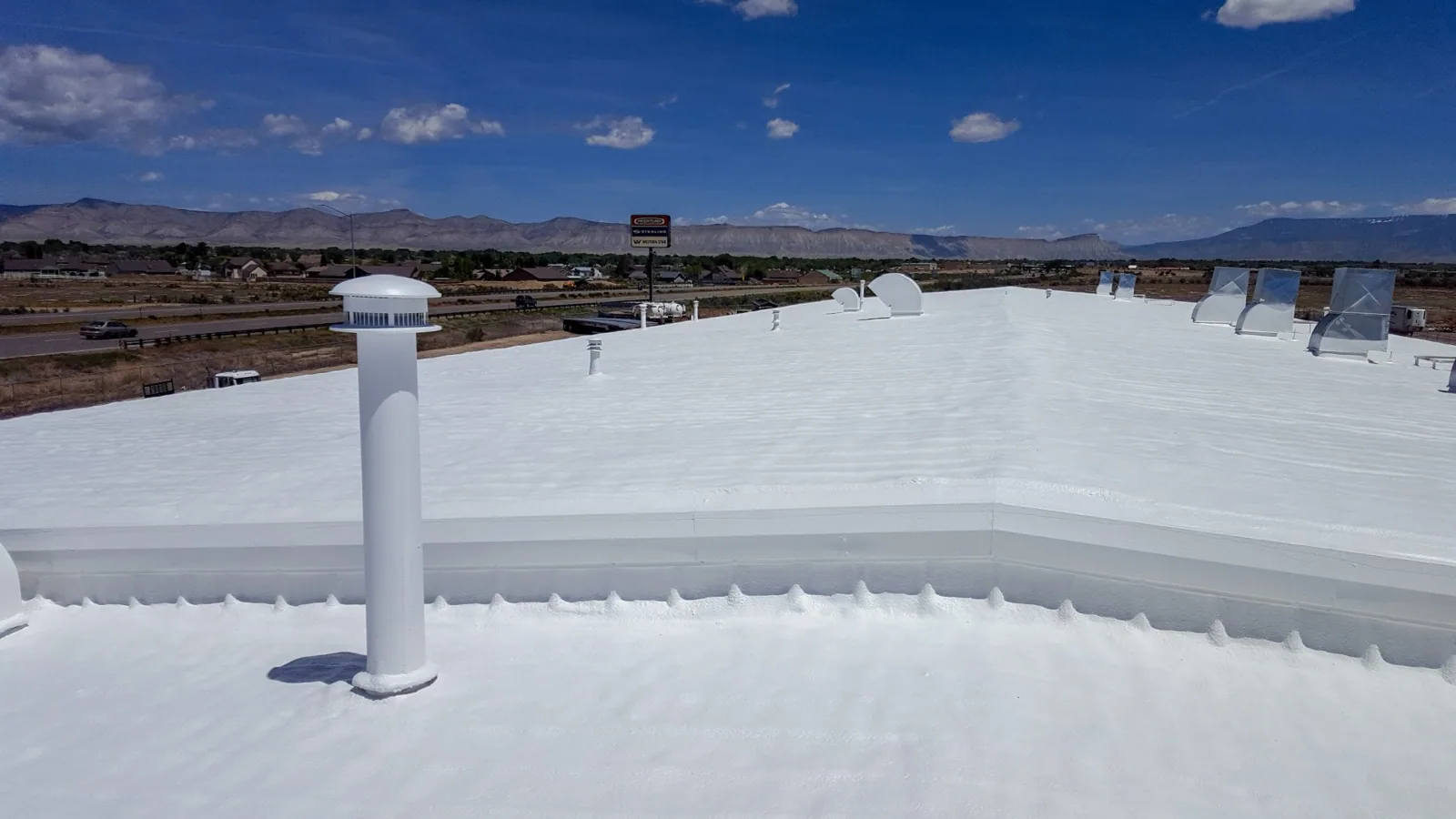
Coating starts after the roof is clean, dry, and repaired. We remove loose material and incompatible residue, then prepare the surface for the selected system. Open seams, failed flashing, punctures, and damaged terminations need their own repairs. We replace wet insulation where the scope includes opening the assembly. The preparation plan defines which layers remain and where new material ties into the existing roof.
Details often need separate reinforcement. At a curb, we inspect corners and vertical flashing for movement or loss of adhesion. At a pipe, we check the boot and termination before coating the surrounding surface. At a drain, we protect the throat and preserve a clear water path. The approved scope lists these transitions because broad field coverage alone does not restore a failed curb or open lap.
For a Roswell property near Holcomb Bridge Road, site access and staging may affect surface preparation. We coordinate loading, wash water control, equipment placement, and work hours with the property contact. The route serves businesses and regional traffic at the GA 400 interchange. Those access conditions affect setup; they do not establish the roof's condition. We keep the repair boundary tied to documented field findings.
Match the coating to the assembly
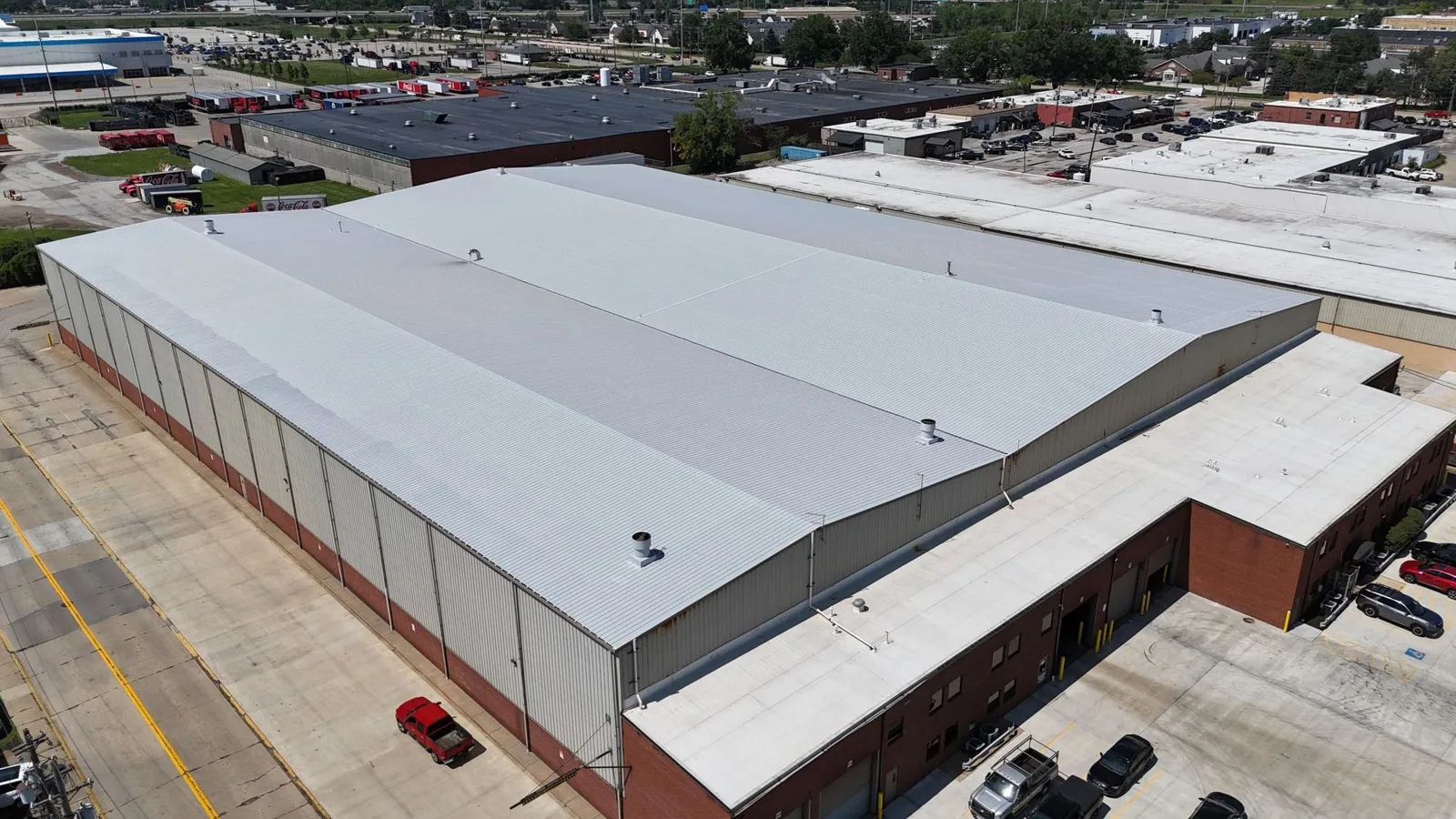
Coating chemistry must suit the existing membrane, surface, and project conditions. Silicone and acrylic systems have different strengths and application limits. A silicone roof coating may suit some confirmed assemblies. We identify the selected material, preparation steps, reinforcement details, and expected coverage in the proposal. We do not treat one product type as suitable for every roof. The system choice follows adhesion testing, drainage review, and confirmed repair work.
Application conditions affect the result. Surface moisture, temperature, forecast rain, and cure time set the work window. Roswell's humid summers can leave a roof damp after showers, even when nearby pavement has dried. We check the substrate before application and protect open details during a weather hold. If conditions turn before a tie-in is complete, we secure the edge and return when the surface is ready.
Coating thickness and reinforcement must follow the selected assembly specification. We document the planned application method and measure coverage as the work proceeds. Reinforcing fabric can strengthen selected seams, corners, or transitions where specified. It does not substitute for repairing loose membrane or replacing wet material. When a detail requires membrane work, a compatible repair scope comes before the coating layer.
Set work limits and weather windows
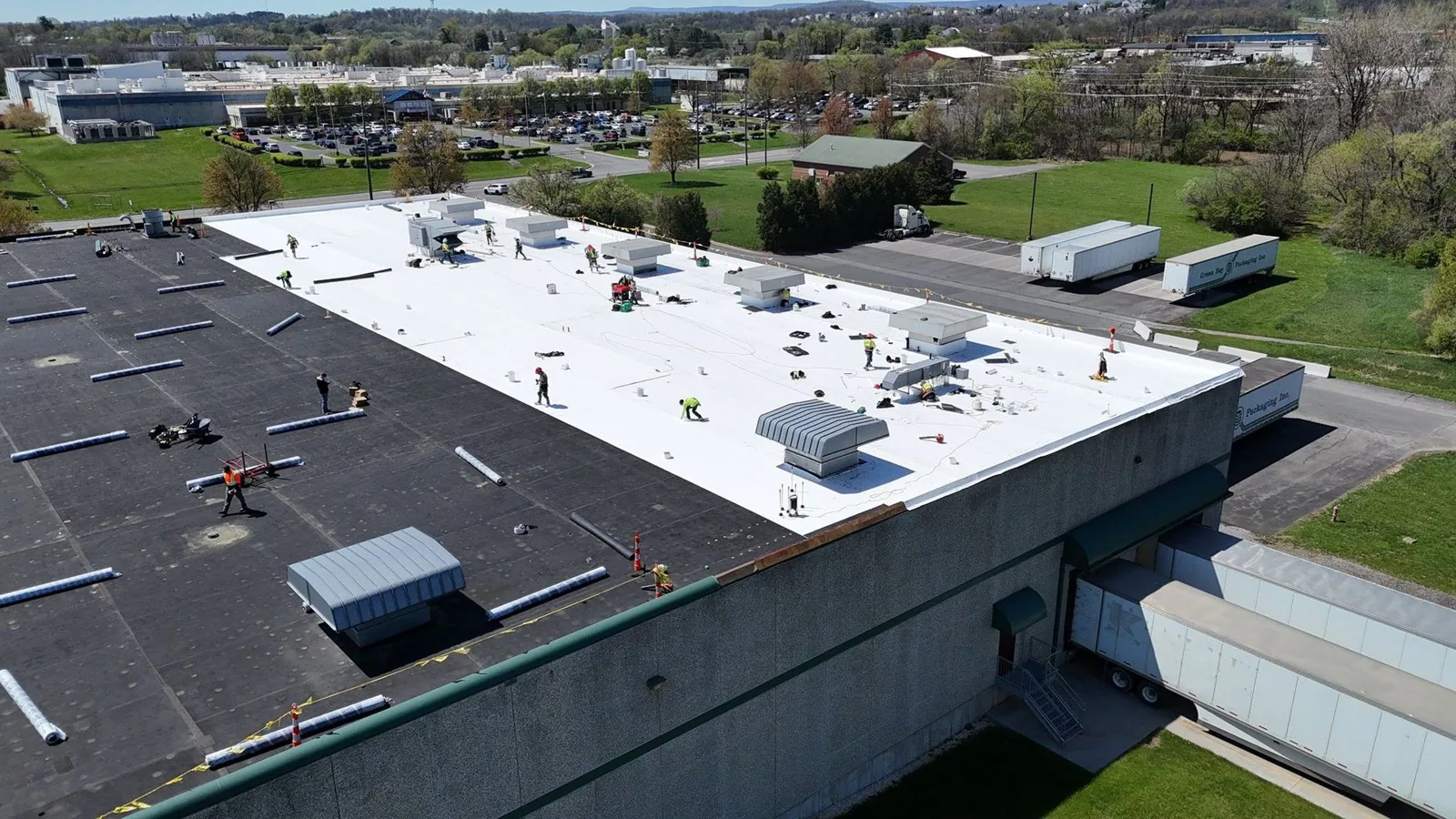
Schedule depends on roof access, preparation, test results, material delivery, and usable weather. We sequence repairs and coating by roof zone, with each day's open work protected before a hold. Occupied clinics, schools, offices, and retail sites may require access windows, equipment coordination, and noise controls. We confirm those conditions before mobilization. The work plan also names who can approve added removal if opening a test area reveals concealed damage.
Roswell's commercial stock includes central business properties, neighborhood retail corridors, healthcare, schools, civic buildings, and light industry. A property within the 640-acre Historic Roswell District may be subject to exterior review for visible changes. We identify that issue when edge or wall work may alter the exterior, then coordinate permitting questions before construction. Review requirements depend on the property and proposed change.
Cost and timing vary with roof size, number of test locations, repairs, surface preparation, reinforcement, coating system, access, and weather holds. The proposal separates confirmed restoration work from allowances for concealed conditions. We list exclusions and identify what would change the scope. When a coating is unsuitable, we explain why and compare a defined repair or roof replacement based on the documented roof condition.
Record restored and excluded zones
The closeout record identifies the roof zones restored, test locations, repairs completed, materials used, and details that remain outside the coating scope. Photos show seams, curbs, drains, and edge transitions before they are covered. We list any area that needs follow-up after rain. This record lets the asset manager distinguish restored areas from roof sections that still need repair, testing, or replacement planning.
Future reviews should check coating condition at drains, curbs, seams, and penetrations. A maintenance visit can note cracking, peeling, or newly exposed material and compare it with the closeout photos. For properties across North Fulton, separate roof records keep one restored assembly from being treated as a standard for other buildings. Each system and decision remains tied to its own roof zone.
Request a coating evaluation for a named roof zone. Send prior coating records, leak locations, roof plans, access rules, and any moisture findings. We will inspect the existing surface, identify needed tests and repairs, and separate confirmed restoration work from concealed conditions.
Related Roofing Work
Check the roof before restoring it
Request an evaluation for a named roof zone. Share plans, coating history, leak records, test results, access rules, and operating hours to focus the inspection and define approval limits.
Questions About Commercial Roof Coating Restoration
How do you decide whether a roof can be coated?
A coating is considered after we identify the existing system, test adhesion where needed, check moisture, and inspect seams, flashings, drainage, and substrate condition. Wet insulation, loose membrane, or unsound deck changes the scope. We map suitable and unsuitable zones separately, then state what preparation and repairs must happen before application.
Will coating stop water already trapped below the surface?
No coating removes trapped moisture. We investigate suspected wet areas with suitable testing and confirm selected locations by opening them when needed. Wet insulation must be removed and the substrate restored before closing the assembly. The proposal identifies tested areas, remaining uncertainty, and any allowance for concealed damage found during approved work.
Which roof details need separate work before coating?
Drain bowls, scuppers, curbs, pipe boots, wall terminations, open seams, and loose edge metal may need repair or rebuilding. We inspect each transition and protect drain paths during preparation. The scope lists the work at each detail so field coverage does not hide an unresolved opening or incompatible tie-in.
Can the coating work pause for Roswell rain?
Rain, damp substrate, and cure requirements can interrupt application. We divide work into roof zones, protect open edges, and resume when the surface meets the selected system's conditions. The schedule accounts for preparation and weather holds. We record the completed boundary each day so the next shift can continue without covering unfinished details.
Commercial Roofing Across Roswell and North Fulton
Roof Repair, Replacement and Maintenance for Every Kind of Commercial Building
From Historic Roswell and Canton Street to the Holcomb Bridge Road corridor, GA 400 and the North Point area, we inspect, repair and replace low-slope and metal roofs on offices, retail centers, medical buildings, schools and warehouses.