
Commercial Roof Replacement in Roswell, GA
A brittle membrane at the drain can set the replacement boundary. We inspect field conditions and trace seams, curbs, edges, and insulation. That shows which areas remain sound. Roswell's summer heat and frequent warm-season rain test those transitions. We map confirmed deck or insulation damage separately from sound areas. The asset manager can approve removal by roof zone.
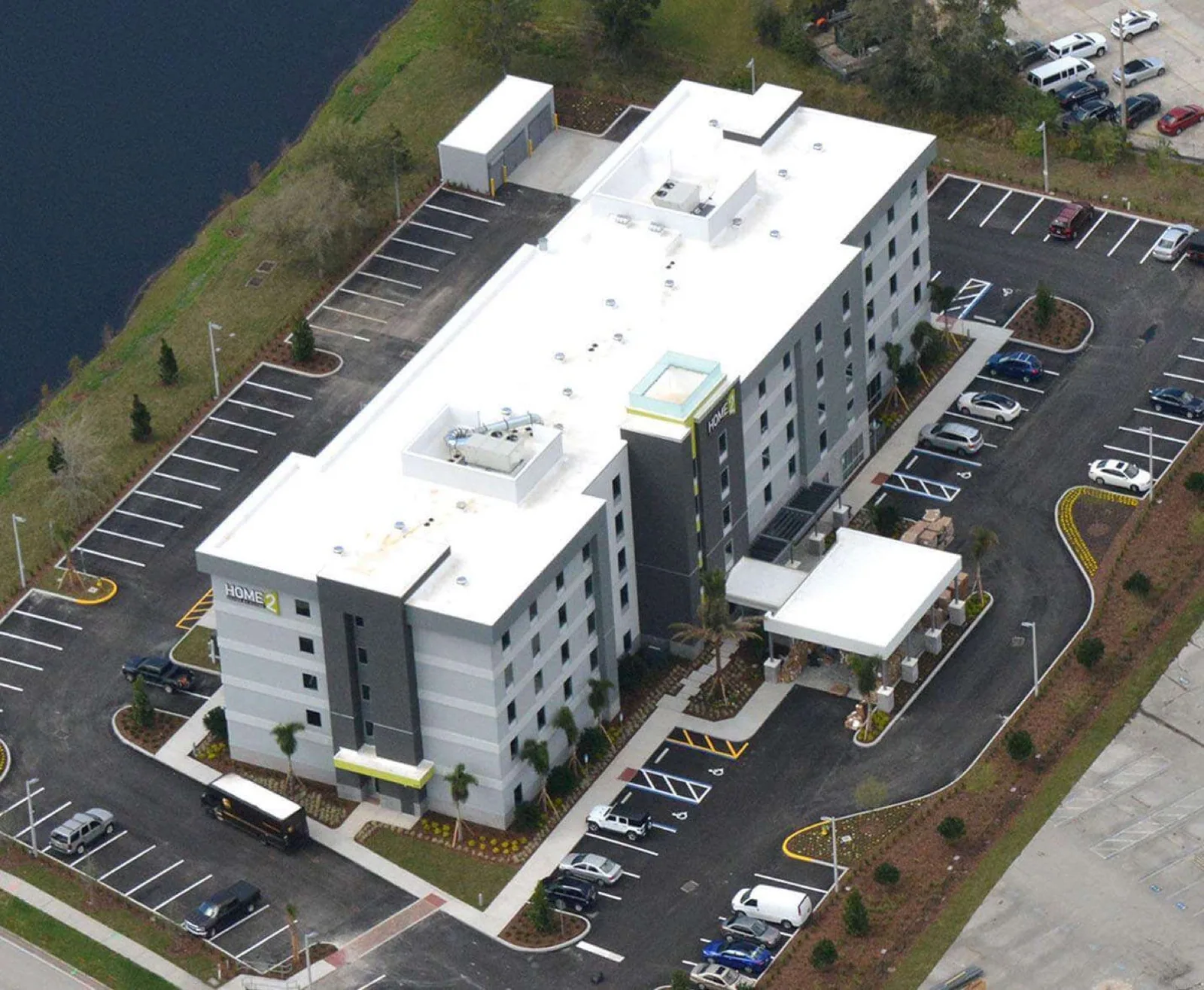
GA 400 and Holcomb Bridge Road serve a varied commercial base. Roswell has offices, retail, healthcare, schools, civic sites, and light industry. Each property has its own assembly and operating limits. Before choosing an approach, we document the membrane, attachment, drainage, penetrations, and access. We also note interior limits. For older low-slope systems, compare replacement with a qualified roof recover. Check moisture and code first. Plans and prior repair notes can locate covered layers. Field checks resolve differences before pricing.
Trace the failure before removing the field
A split seam can admit water while nearby membrane remains serviceable. Crushed insulation can hold moisture beyond the visible stain. We photograph the termination and curb, then test near the proposed removal edge. Those results define the removal limit. This keeps a local repair separate from a roof zone that needs replacement.
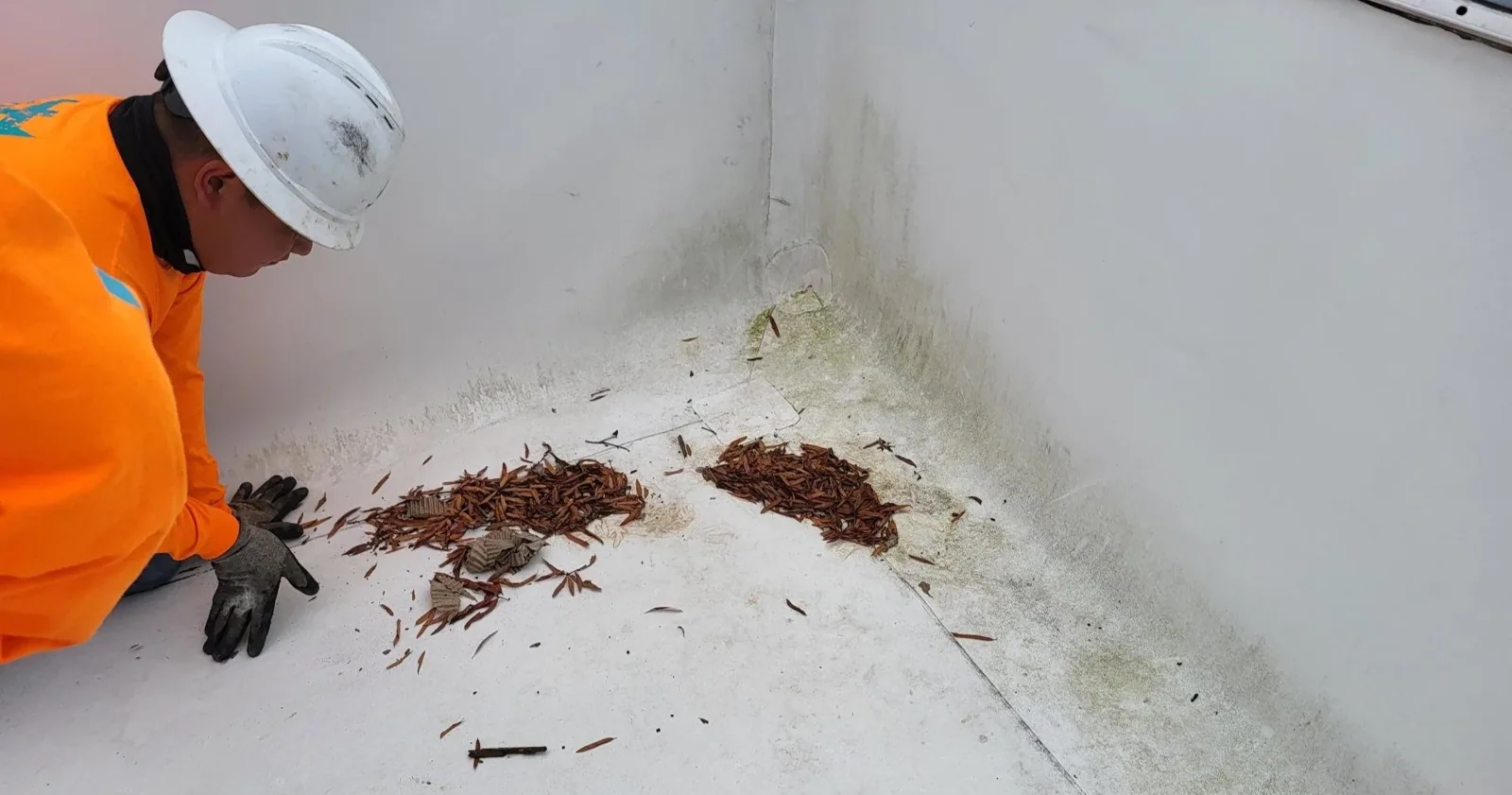
Roswell's humid summers and frequent rain can leave water at low points. At an office, a drain leak may affect ceilings or stored materials. At a medical property, it may reach operating rooms. We check the drain bowl, overflow path, flashing, and adjacent insulation together. If water reaches the deck, the scope identifies the affected area and evidence. A blocked overflow or raised drain can hold water at nearby seams. We map the water path and mark each flow.
North and central Georgia see severe thunderstorms and hail. We inspect for displaced metal, punctures, fractured surfacing, and loose flashings. A confirmed local defect may call for commercial roof repair. Repeated failures across separated zones can support replacement. The recommendation ties that choice to recorded conditions. Hail reports guide the inspection, while visible roof impacts define the work.
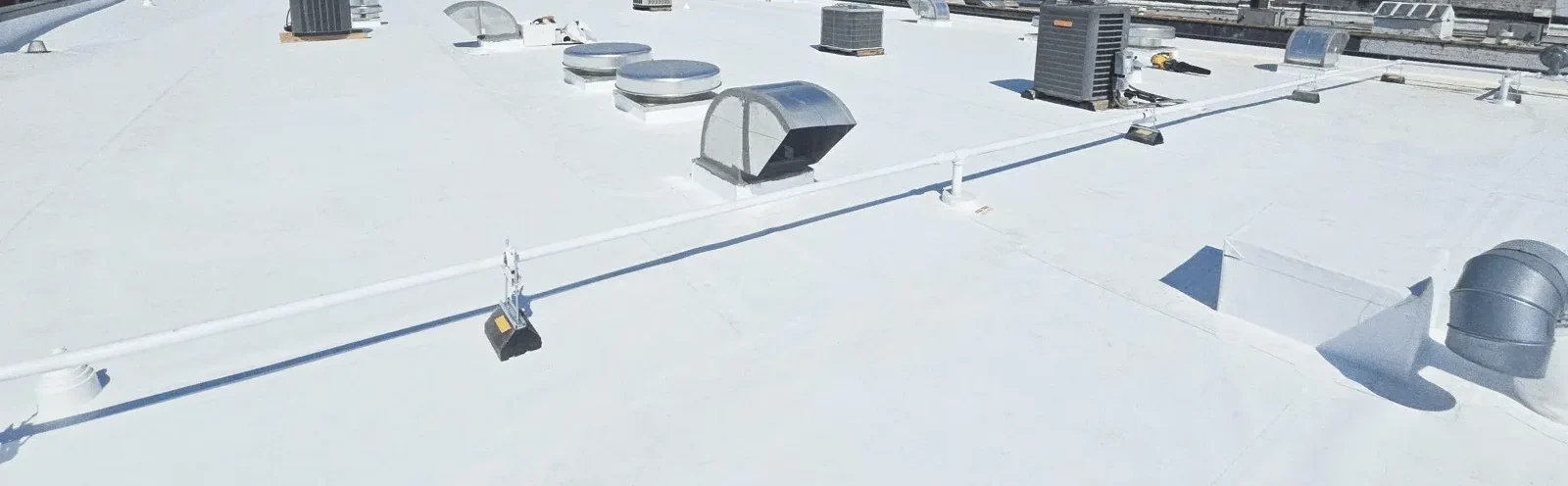
Set the tear-off boundary
We divide the roof plan into work zones before removal. The scope names membrane layers, insulation transitions, penetrations, curbs, drains, and tie-in edges. It states what comes off and what remains. Concealed conditions found during tear-off use an approved allowance, separate from confirmed work. Deck repairs, insulation replacement, and transition work each receive a defined quantity and limit.
Sequence and timing reflect layers, wet insulation, deck repairs, occupied areas, and equipment. Staging limits and weather holds also shape the schedule. Near the Roswell Historic District, visible edge or wall changes may need review. We identify permit questions early and coordinate submittals with Roswell's Building Division when required. The work plan names who can approve added removal. That approval matters if the deck differs from available records.
Removal exposes the substrate. We inspect it, replace unsound insulation, and prepare a sound surface. We check deck fasteners and note soft areas before setting new cover board. We correct slope or drainage details when the design requires it. A clean, compatible tie-in joins the new membrane to retained material. Before covering the deck, we photograph its condition and record any approved change. At each shift end, we protect open zones and clear drains for forecast rain.
Match the new roof to the building
The new membrane is one layer in the assembly. Attachment, insulation, cover board, vapor control, edge securement, penetrations, and drainage all affect performance. We review the deck, geometry, wind exposure, and interior use before choosing a system. Options include TPO roofing and other compatible low-slope assemblies. The proposal explains selected details and maintenance needs. Membrane choice follows the existing substrate and project requirements, not the building's business type.
We check each curb, pipe, and equipment support for a sound transition. Wall terminations need a secure edge that remains inspectable. Drain sumps and overflows must stay clear after insulation changes. Drain height matters after added insulation. The sump must still direct water to the bowl. At metal edges, the membrane termination must meet the edge detail. These interfaces belong in the assembly scope. We keep equipment clearances and service paths usable after installation.
Roswell's commercial stock includes offices, healthcare, schools, civic sites, and light industry. Records and field observations establish the assembly. We verify unknown layers during tear-off. For capital decisions, roof capital planning can track zones, repairs, and inspection dates.
Protect occupied operations
A tear-off exposes the building, so daily dry-in is part of the plan. We limit open roof area and secure protection before a weather hold. Roswell's warm-season rain makes forecast review and clear drains practical controls. Before each phase, we plan noise, loading, materials, and access with the facility contact.
For clinics and schools, room schedules can determine which zone opens first. Retail and office sites need clear entrances and delivery routes. We agree on one contact for daily progress and concealed conditions. A zone plan shows nearby entrances, equipment, and occupied spaces.
Timing reflects roof size, assembly layers, weather, staging, deck condition, and coordination needs. The proposal names these drivers and key decision dates. We also identify when the facility contact must approve deck repairs. If a wet surface prevents a secure tie-in, work pauses until conditions improve. Material staging and debris removal are sequenced with building operations.
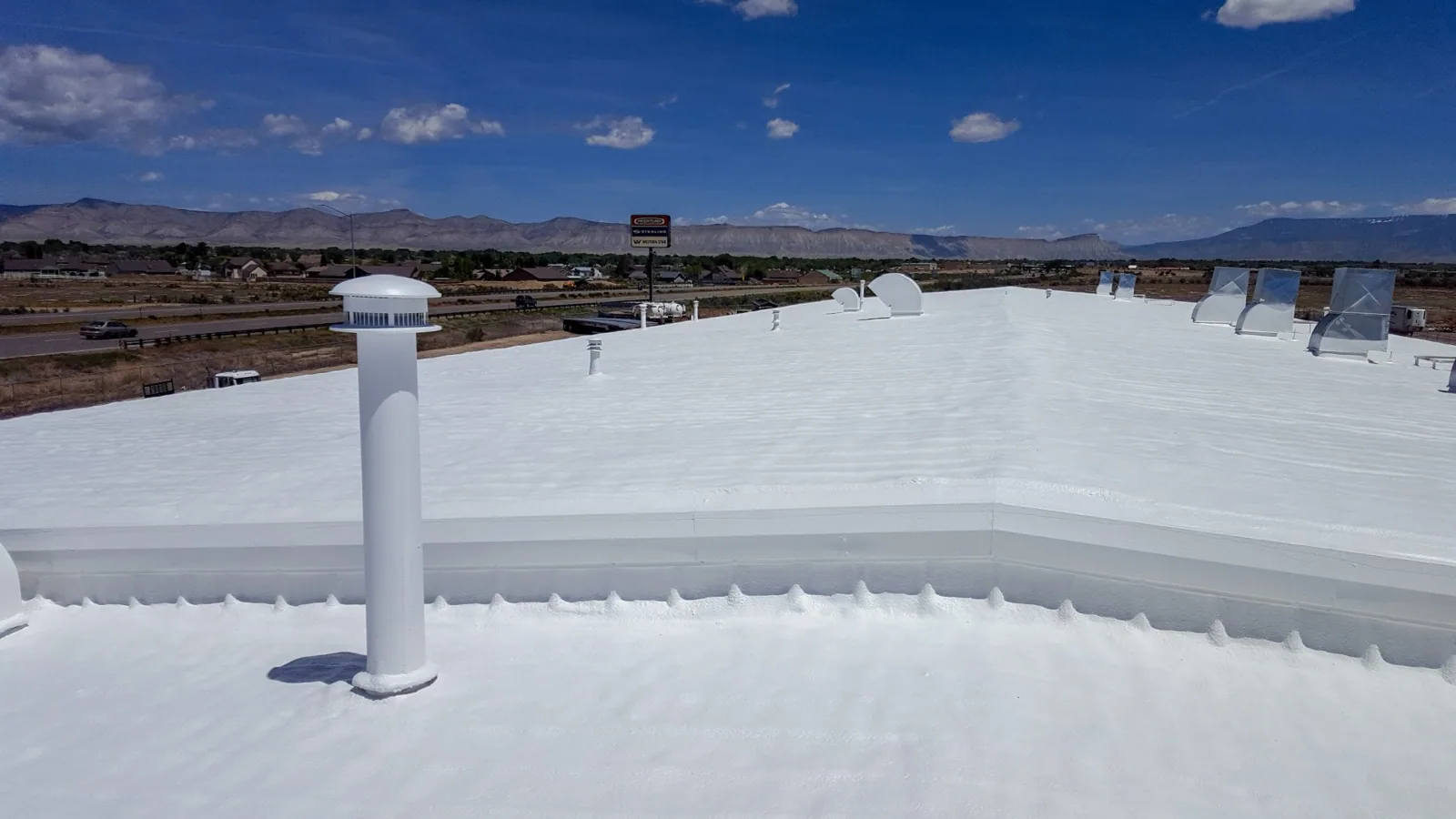
Record the finished roof zone
Before covering, we photograph substrate, insulation, seams, penetrations, edge metal, and drain transitions. The closeout package lists work limits, approved changes, product information, and maintenance items. A commercial roof inspection can establish the next maintenance baseline.
We mark repaired and replaced zones on the roof plan. The record lists concealed conditions and details to check after heavy rain. Near Holcomb Bridge Road, staging and roof access are coordinated with the facility contact.
Send roof plans, repair history, leak locations, access rules, and operating hours. We will inspect the roof zone and compare repair or replacement options. The proposal separates confirmed work from any allowance for concealed conditions.
Related Roofing Work
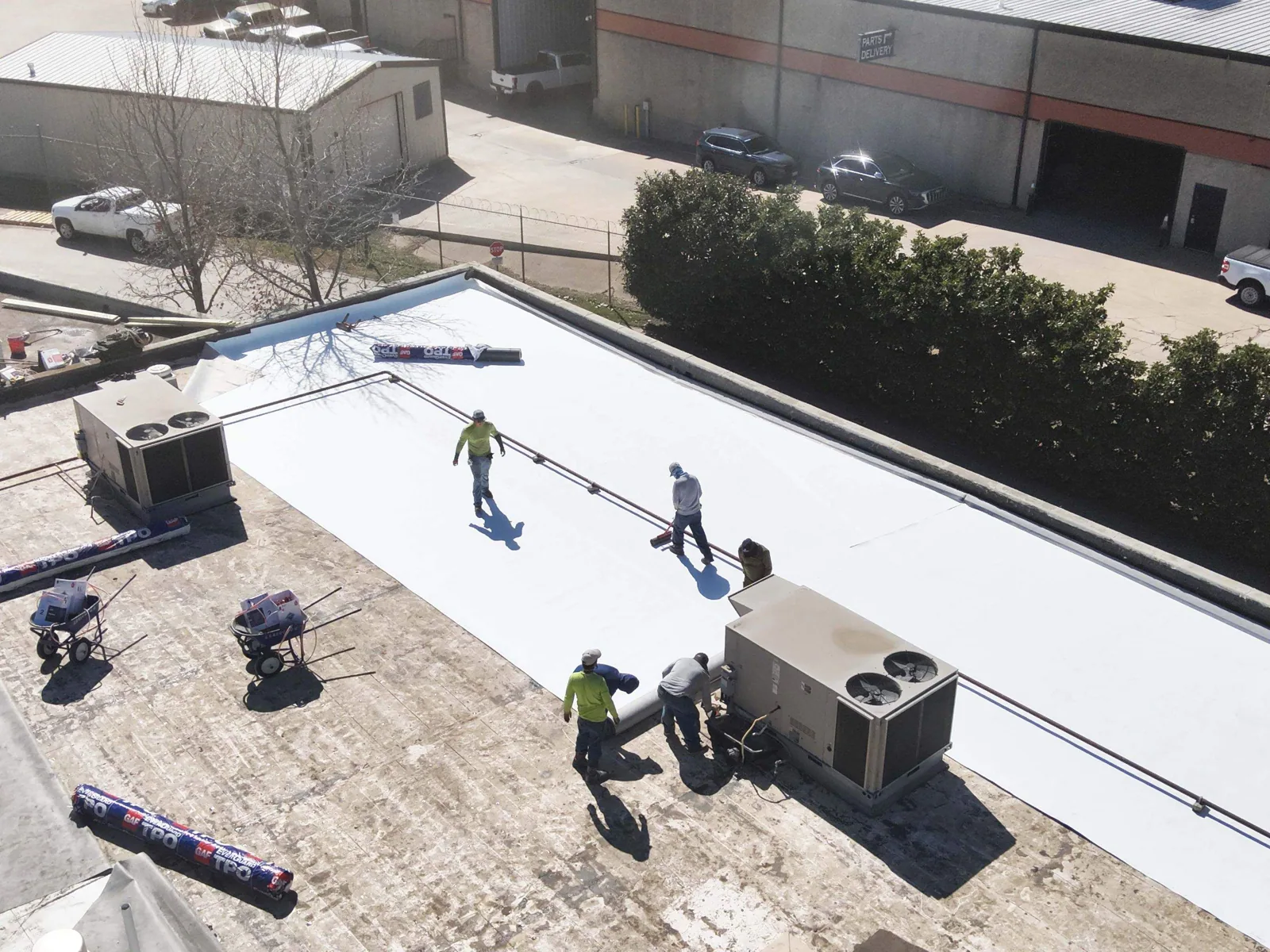
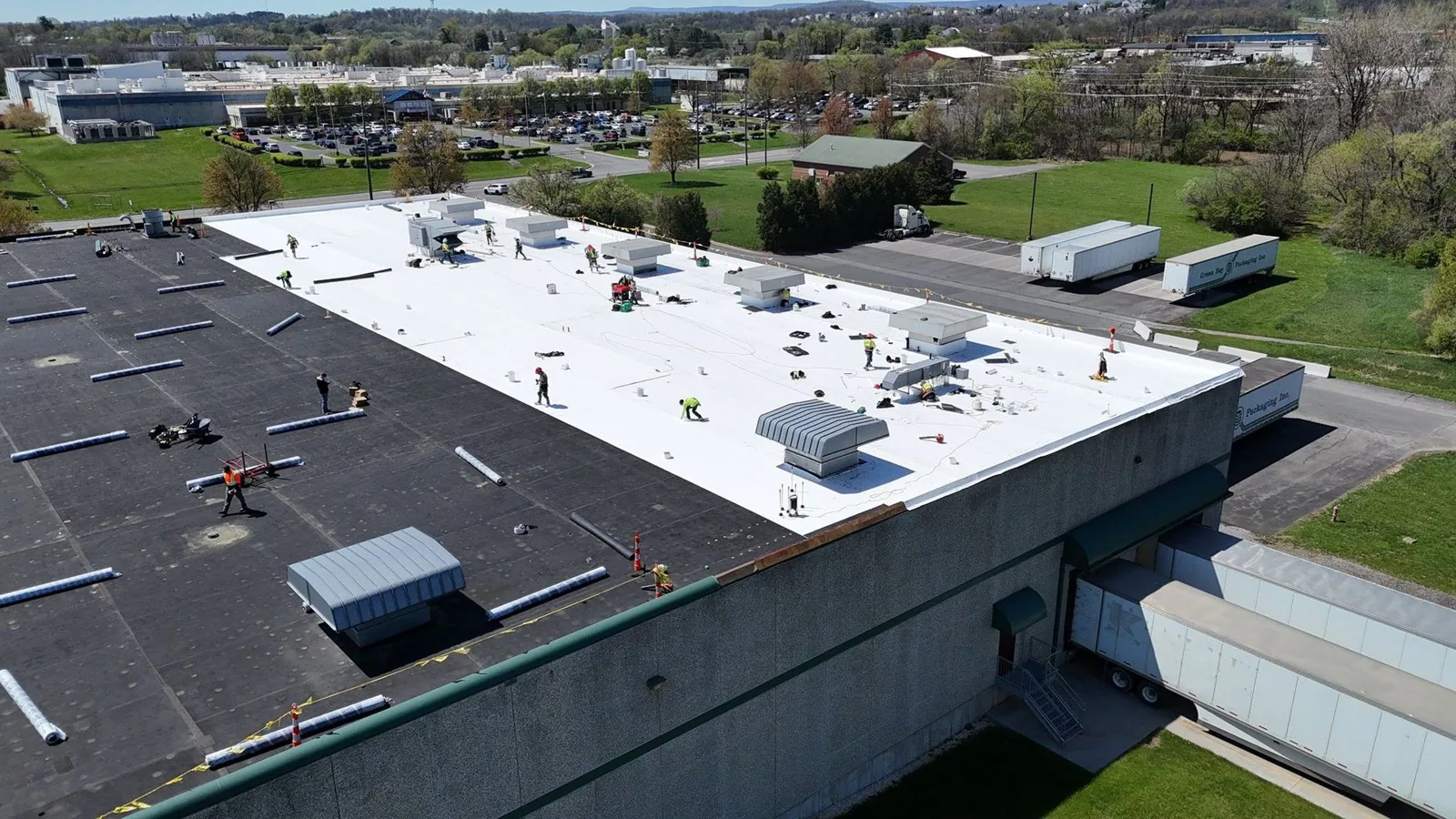
Define the replacement scope
Request an inspection or scoped comparison for a named roof zone. Send available roof plans, leak records, access rules, and operating hours so we can focus the visit and identify decisions that need approval.
Questions About Commercial Roof Replacement
What findings support full replacement instead of another repair?
Replacement may fit when defects recur across roof zones. Wet insulation, broad seam failure, or extensive deck work can support that decision. We map those conditions and compare them with repairable areas. A single leak or storm report alone does not set the scope. The recommendation identifies confirmed damage and serviceable areas. It lists concealed conditions that still need opening.
Can the new membrane go over the existing roof?
A recover works only when the existing roof can support another assembly. We verify attachment, moisture, deck condition, code limits, drain heights, and edge capacity. Wet insulation or weak substrate comes out before cover work. The design must preserve drainage and secure perimeter terminations.
What should be included in a replacement proposal for an occupied property?
A useful proposal names roof zones and removal limits. It lists the assembly, tie-ins, drain and edge work, dry-in plan, access, and closeout. It separates confirmed work from allowances for concealed deck or insulation conditions. For a Roswell clinic or school, share access rules and operating windows. Those details shape the work sequence.
How do storms affect the replacement decision?
After hail or severe storms, we document visible impacts. These include punctures, displaced edge metal, and damaged flashings. The weather event does not prove that the roof needs replacement. A condition report ties each defect to its roof zone. It separates storm impacts from age, drainage, and prior repairs. That record supports a repair, replacement, or monitoring decision.
Commercial Roofing Across Roswell and North Fulton
Roof Repair, Replacement and Maintenance for Every Kind of Commercial Building
From Historic Roswell and Canton Street to the Holcomb Bridge Road corridor, GA 400 and the North Point area, we inspect, repair and replace low-slope and metal roofs on offices, retail centers, medical buildings, schools and warehouses.