Commercial Roofing for Manufacturers in Roswell, GA
A loose penetration flashing above a production line creates two separate questions: where is water entering, and what must remain operating below? We trace the roof detail, identify the affected zone and coordinate access with the facility contact before setting a repair boundary. Roswell's humid heat and frequent summer rain can expose weak laps and drainage transitions. The roof scope has to account for the process beneath it.
Manufacturing properties differ by assembly, equipment, loading pattern and operating schedule. A plant name or nearby industry does not tell us the roof system or condition. We inspect the membrane or metal, substrate, penetrations, curbs, drains and edge details, then record what is confirmed. The result can separate an urgent repair from planned maintenance or a larger capital decision without assuming that production can pause on short notice.
Map equipment and roof transitions
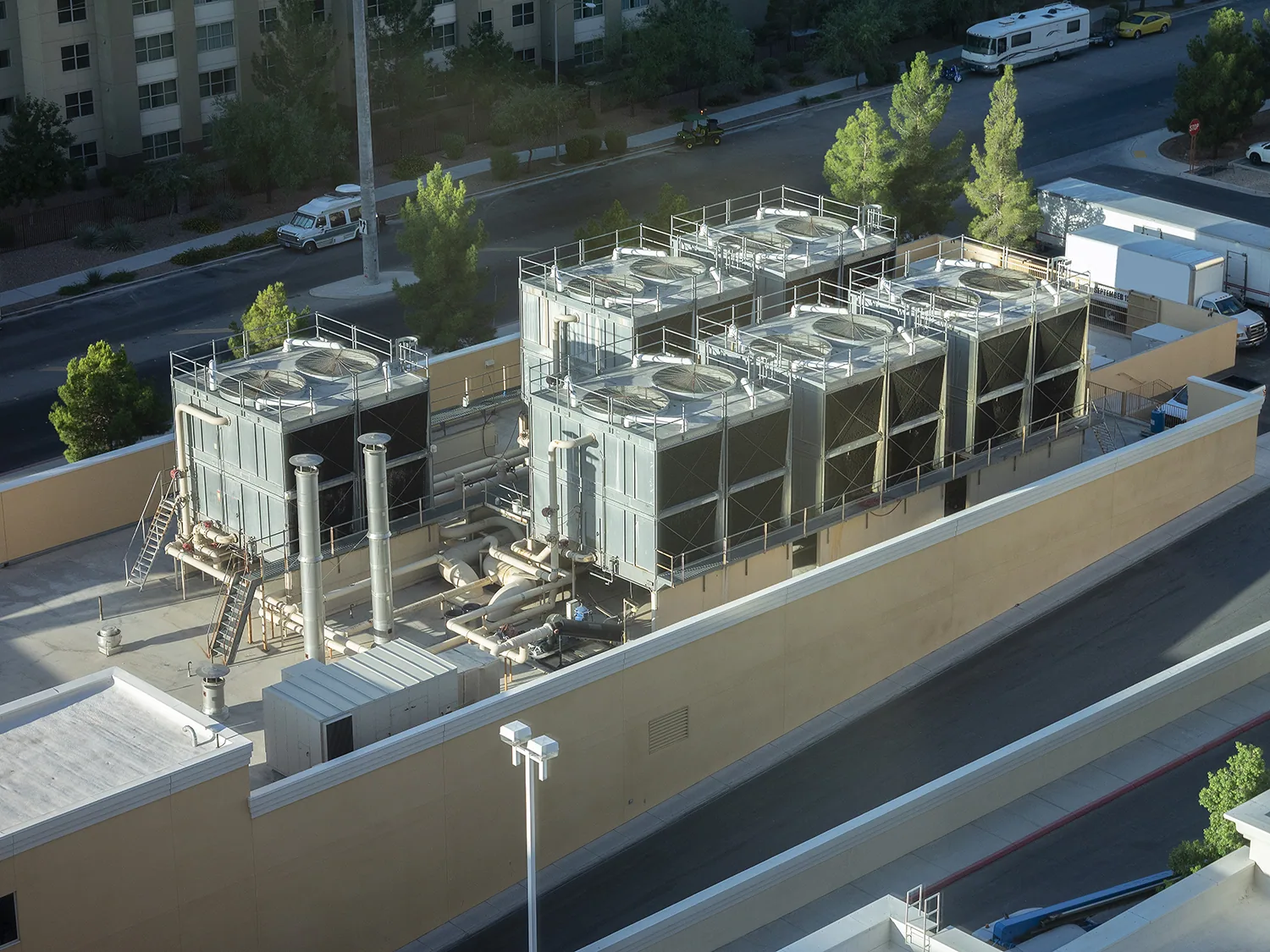
Before inspection, identify process areas, exhaust points, make-up air units, utility routes and areas where vibration or heat may affect roof details. We compare those records with the roof plan and verify penetrations in the field. A flashing tear beside a duct can be isolated, but adjacent curb corners and seams still need inspection. Photographs show the detail, roof zone and relevant equipment context so the repair can be relocated after closeout.
The north Fulton economy includes advanced manufacturing, healthcare, technology and corporate offices. Johns Creek identifies life sciences and innovation as target sectors and reports medical-device manufacturing investment. Technology Park Atlanta in Peachtree Corners is a low-rise business campus with technology and engineering employers. Those places demonstrate a varied regional production base, not a claim about any one roof. We plan for controlled access and verify plant-specific restrictions at each visit.
Confirm work windows before opening the roof
Some production areas cannot absorb an unscheduled utility interruption or material route change. We verify shutdown authority, work permits, hot-work restrictions and required escorts before opening any assembly. The proposal identifies which tasks can proceed without a shutdown and which need a facility decision. A roof condition that appears small can still require careful sequencing when it sits beside live process equipment.
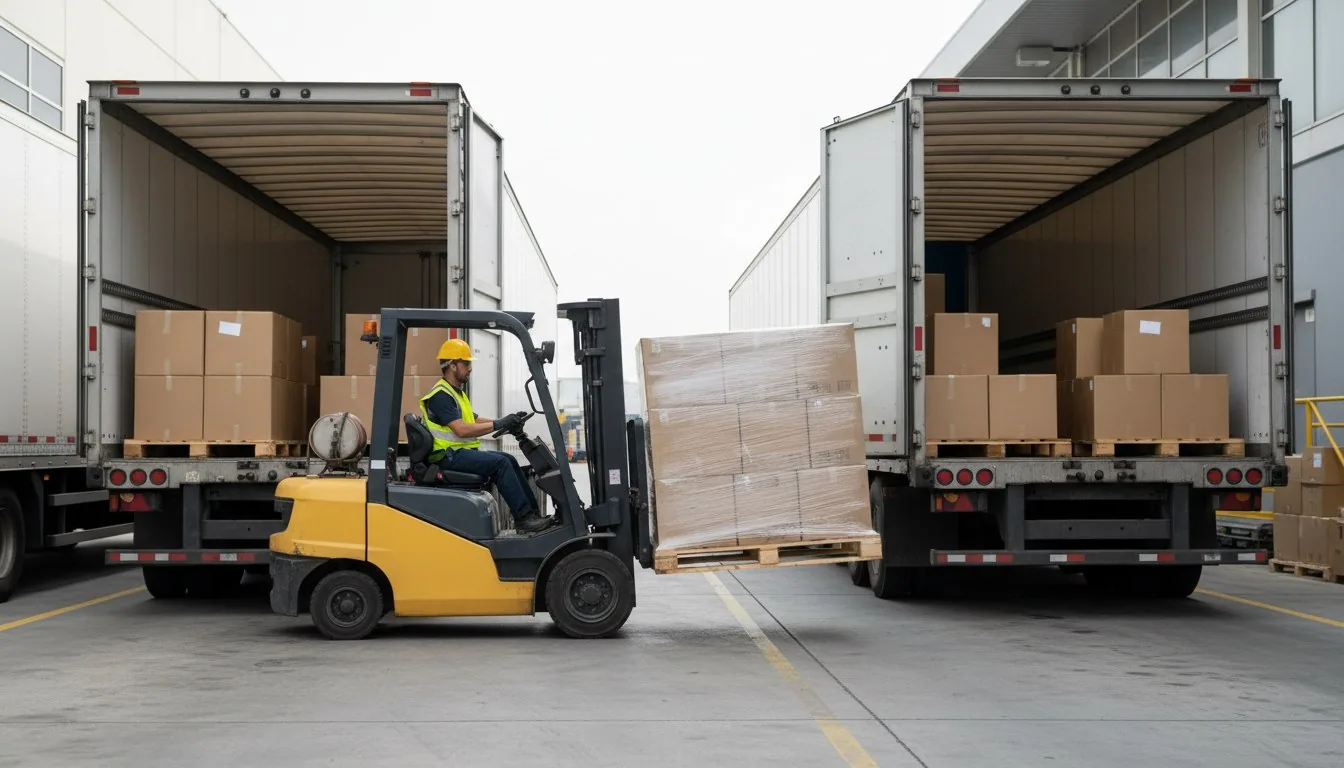
When a manufacturing portfolio includes distribution buildings, we use a portfolio condition record to prioritize roof work and map dock routes through a logistics roof coordination plan. The production area's process limits remain separate. For local work, Technology Park Atlanta is a broad business campus in Peachtree Corners, not a proxy for any individual facility's roof assembly.
Match repair to the installed roof
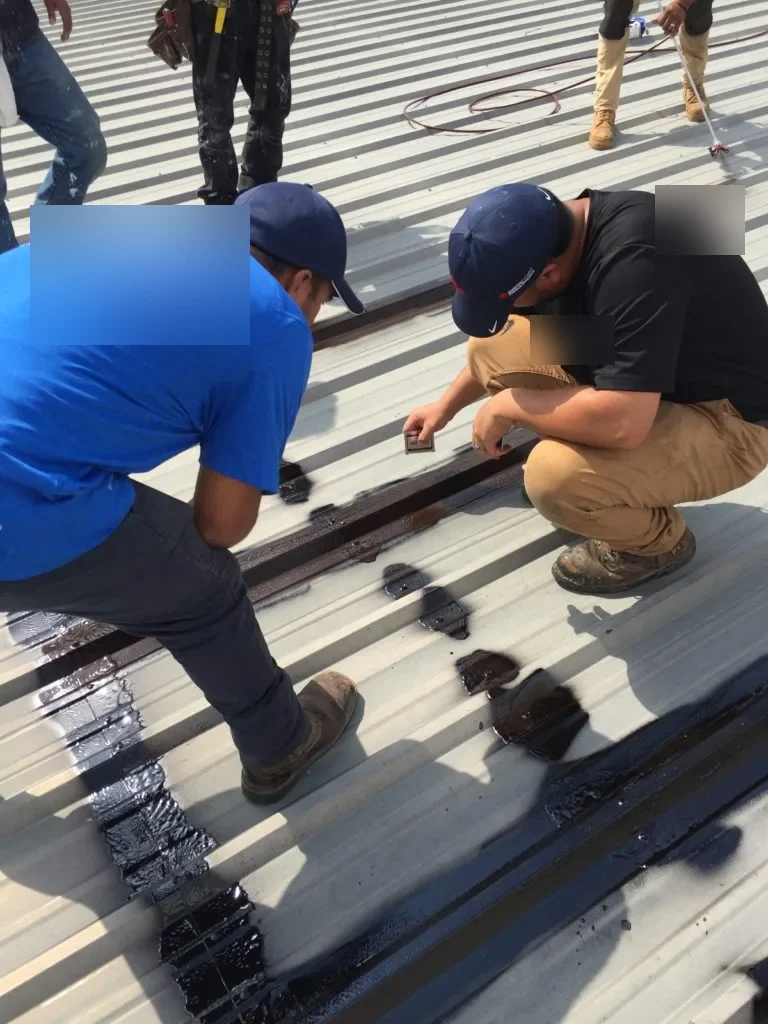
A metal roof may need a panel, fastener, ridge or penetration correction. A single-ply membrane may need a compatible weld or patch. Coated and modified bitumen assemblies require other preparation and materials. We identify the existing system from records and field details before recommending a repair. If the assembly cannot be confirmed, we state the uncertainty and identify the additional inspection or opening needed before specifying a permanent repair.
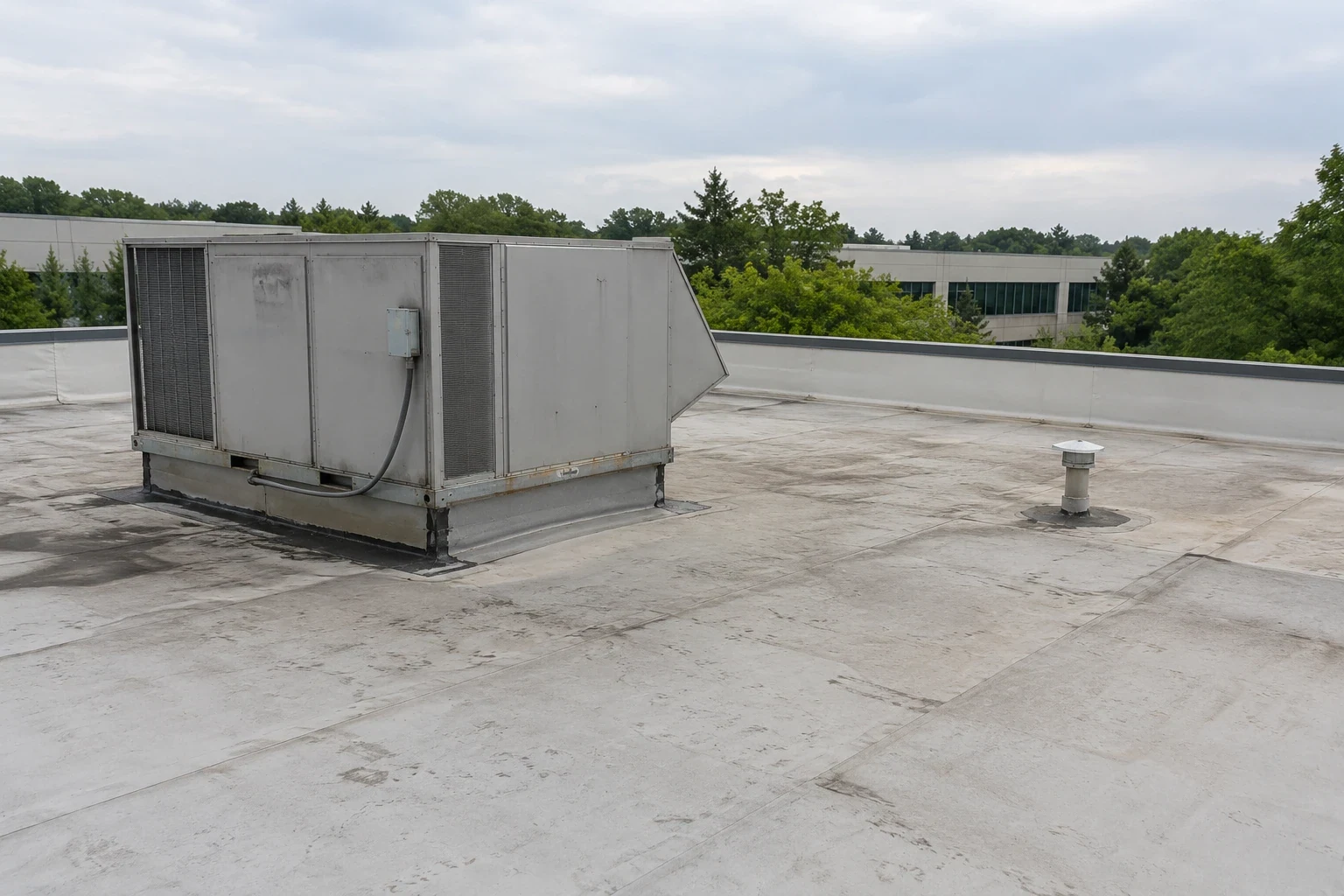
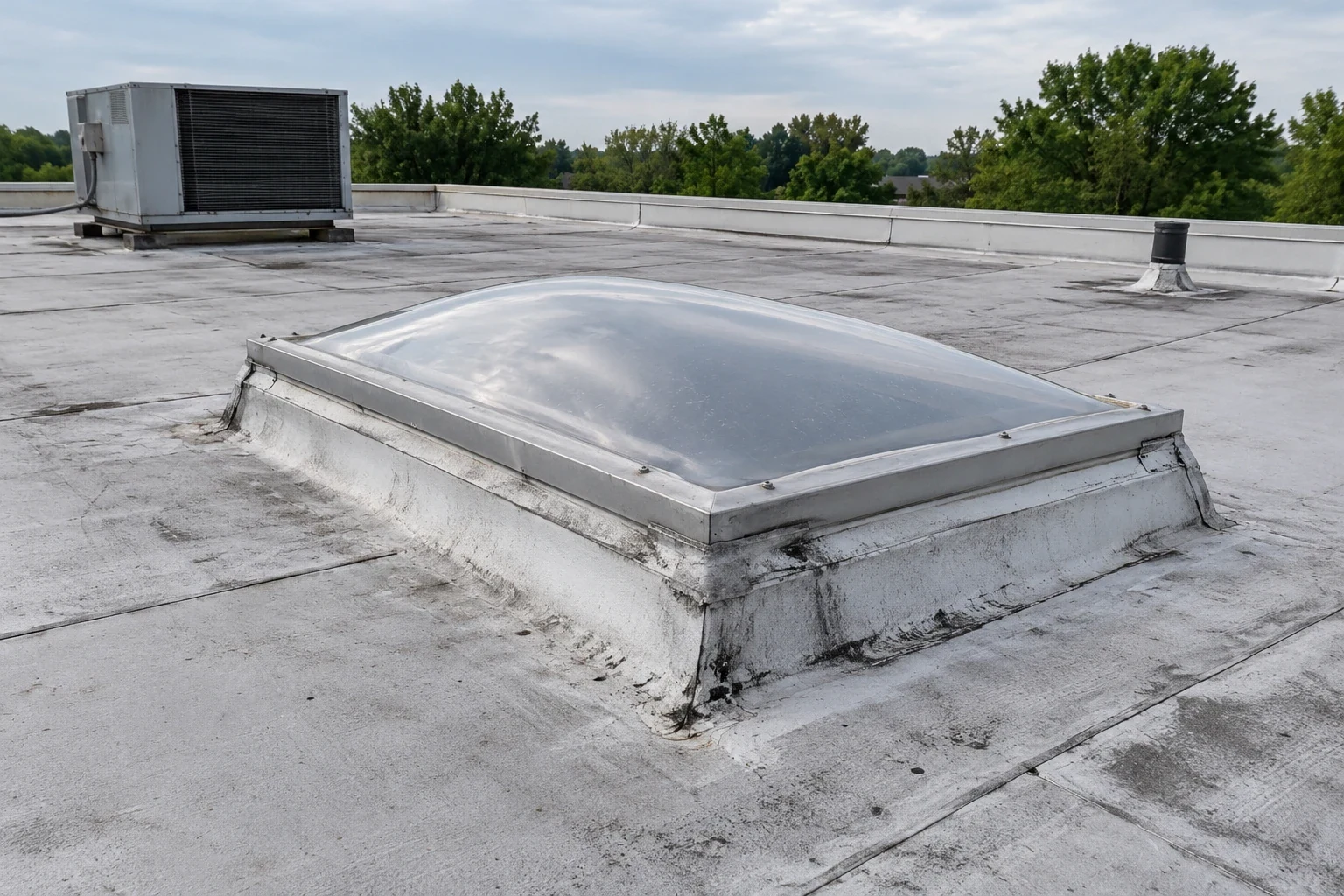
Water around equipment often travels beyond the first visible opening. We check the curb base, corners, counterflashing, pipe boots, adjacent seams and the drain path. If insulation is wet or the deck is unsound, we show where removal may be needed and what decision depends on opening the assembly. An equipment curb correction may need to connect with penetration flashing work so the scope does not stop at the first failed edge.
Protect production schedules
We confirm work hours, roof access, escort requirements, equipment shutdown windows, hot-work limits and material staging with the plant's designated contact. A repair near exhaust or intake equipment may need a different sequence from an open roof zone. If temporary protection is required before permanent work, we state its limits and the next visit needed. No roof plan should assume an unapproved shutdown or an unrestricted route through a production area.
Warm-season storms can shorten a safe installation window. Dry surfaces and preparation time matter for adhesion, welding and coating work. We coordinate deliveries and weather holds, then identify who can authorize a changed scope if hidden damage appears. Cost drivers include access, roof height, system, flashing complexity, wet insulation, disposal and production constraints. A phased occupied-building reroof can help sequence larger work while production remains active in other areas.
Keep repair and capital choices distinct
One puncture does not justify replacing a whole roof, and a broad condition label does not price a repair. We document each defect and compare local repair with a larger corrective scope only when the field evidence supports it. A roof with repeated seam movement may need more investigation than a roof with one isolated boot failure. Photos, moisture findings and assembly records make that difference reviewable for facility management and finance.
Roswell's commercial areas connect through GA 400 and Holcomb Bridge Road, while GA 400 also links north Fulton manufacturers with Alpharetta and Johns Creek. A condition report can preserve repair priorities by roof zone. For a longer view, capital planning separates near-term corrective work from future replacement review. These tools keep known work and unconfirmed conditions apart.
Return the roof to operations
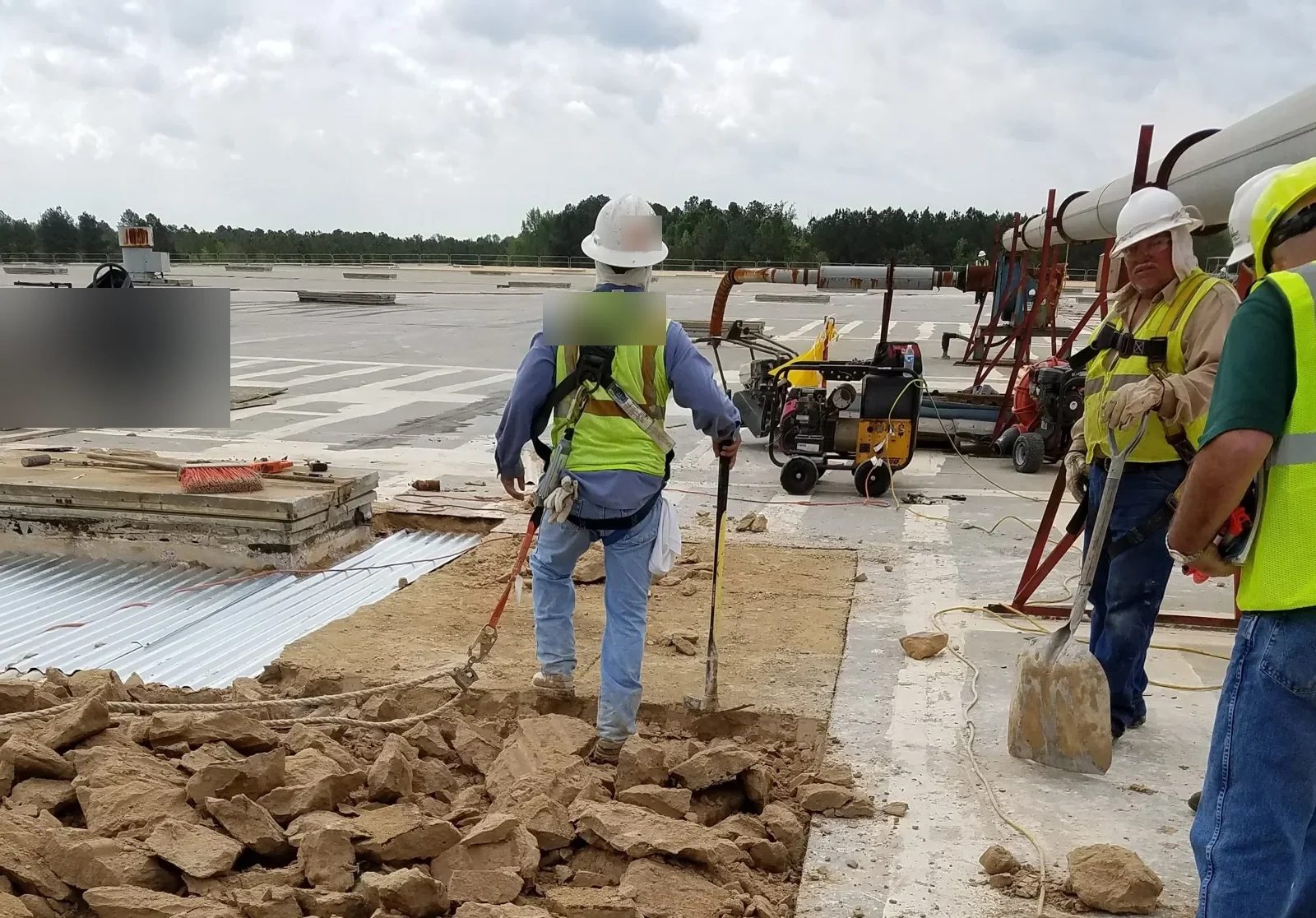
Closeout records identify the completed detail, material, location and photos. If equipment moved or a work zone was restricted, we note the limitation and any follow-up needed. When an opening reveals wet insulation or deck damage, photographs capture that layer before it is covered. Facility staff can then match the repair to production records and monitor the area after the next rain.
For planned work, share roof plans, system records, process restrictions, shutdown windows, leak history and the person authorized to approve a field change. We can inspect by named roof zone, define the repair boundary and document any concealed condition separately. Request a commercial roof inspection or compare an assembly-specific standing seam metal repair when the roof is confirmed as that system.
Related Roofing Work
Plan a manufacturing roof visit
Send roof and equipment plans, production restrictions, leak dates, access rules and shutdown windows. We will scope repairs by zone and document any approval trigger.
Questions About Manufacturers
Can roof repairs be scheduled around production shifts?
We can plan access and work windows with the facility contact, subject to weather, material requirements and safe roof access. Share shift times, equipment restrictions and required escorts in advance. The scope should state any shutdown request, restricted zone or temporary protection step before materials are staged.
What roof conditions near exhaust equipment should be checked?
We inspect the curb, flashing corners, penetrations, nearby seams and the membrane where heat or air movement reaches it. We also check the water path and substrate. Equipment location alone does not prove a defect, so recommendations follow visible conditions and any moisture evidence found during the visit.
How do you keep roof debris away from a production area?
We agree on a material route, work boundary and debris handling plan with the site lead. If the safest route changes or equipment access is affected, we pause and coordinate. The closeout record notes the completed area and any operational restriction that remains for follow-up.
What information helps price a plant roof repair?
Roof plans, assembly records, equipment schedules, leak locations, prior repairs, access rules and shift restrictions help define scope. We confirm the condition in the field and separate known work from concealed damage. Price drivers include the repair boundary, system compatibility, roof access and any required production coordination.
Should a manufacturer replace a roof after repeated leaks?
Repeated leaks call for a mapped review of the roof zones and repair history. We look for recurring seam, curb, drain or substrate failures and compare the evidence with the proposed work. Replacement becomes a consideration when the condition supports a broader scope; leak count by itself is not a specification.
Commercial Roofing Across Roswell and North Fulton
Roof Repair, Replacement and Maintenance for Every Kind of Commercial Building
From Historic Roswell and Canton Street to the Holcomb Bridge Road corridor, GA 400 and the North Point area, we inspect, repair and replace low-slope and metal roofs on offices, retail centers, medical buildings, schools and warehouses.