
Occupied Building Reroofing in Roswell, GA
A torn temporary seam can leave an occupied room below exposed. We divide reroofing into controlled roof zones and close each shift with secure protection. Roswell's humid summers and frequent rain make daily dry-in part of the work sequence. Before removal begins, we map drains, edges, equipment, access routes and the spaces below. The asset manager can review the work limits and escalation contact in advance.
Roswell's commercial properties include offices, healthcare, schools, civic buildings, retail and light industrial uses along GA 400 and Holcomb Bridge Road. Each operation has different hours, access controls and sensitive areas. We coordinate roof access, deliveries, noise and temporary restrictions with the facility contact. Work proceeds by approved zones, with confirmed repairs separate from any allowance for concealed conditions.
Limit each open roof zone
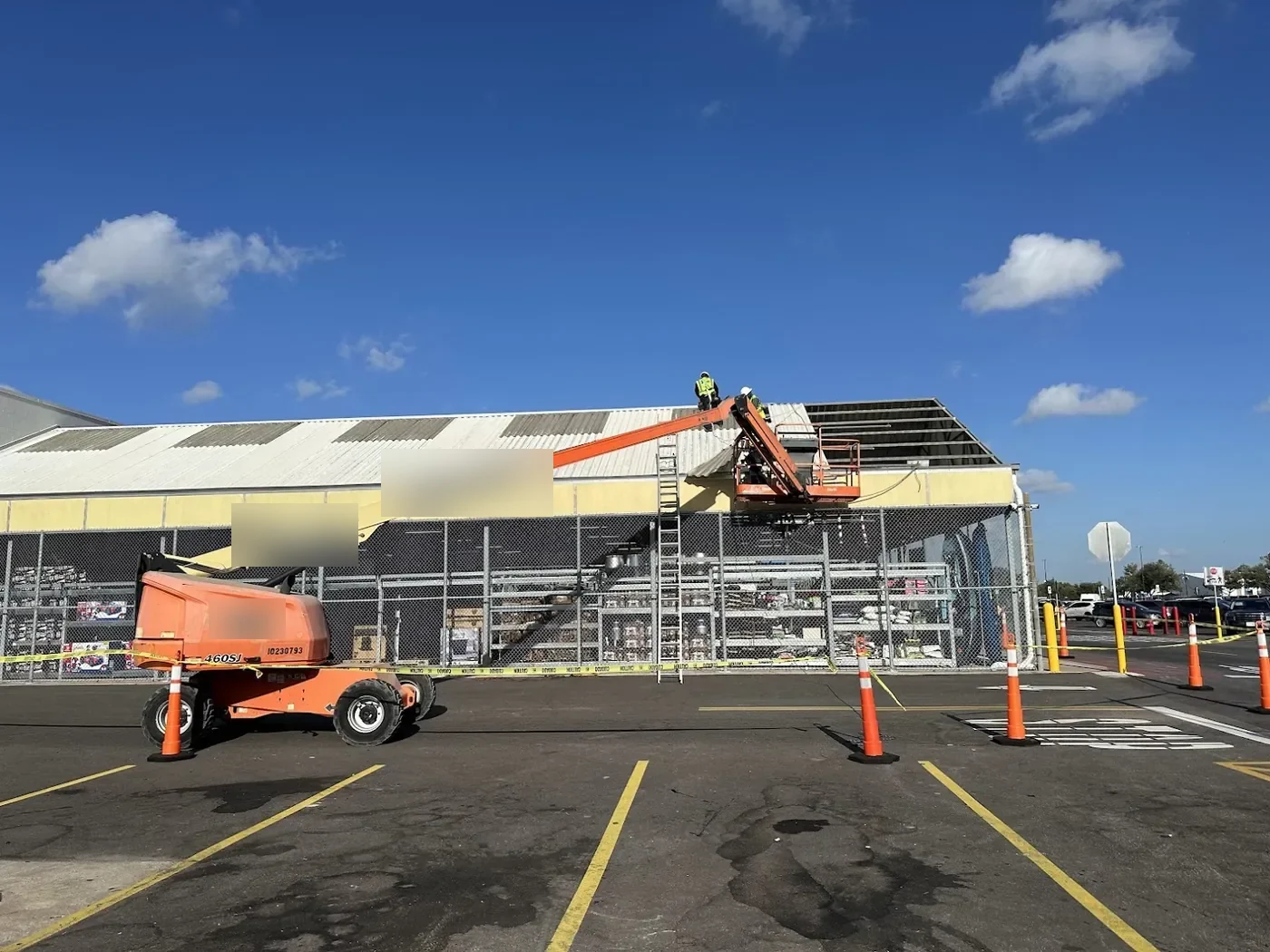
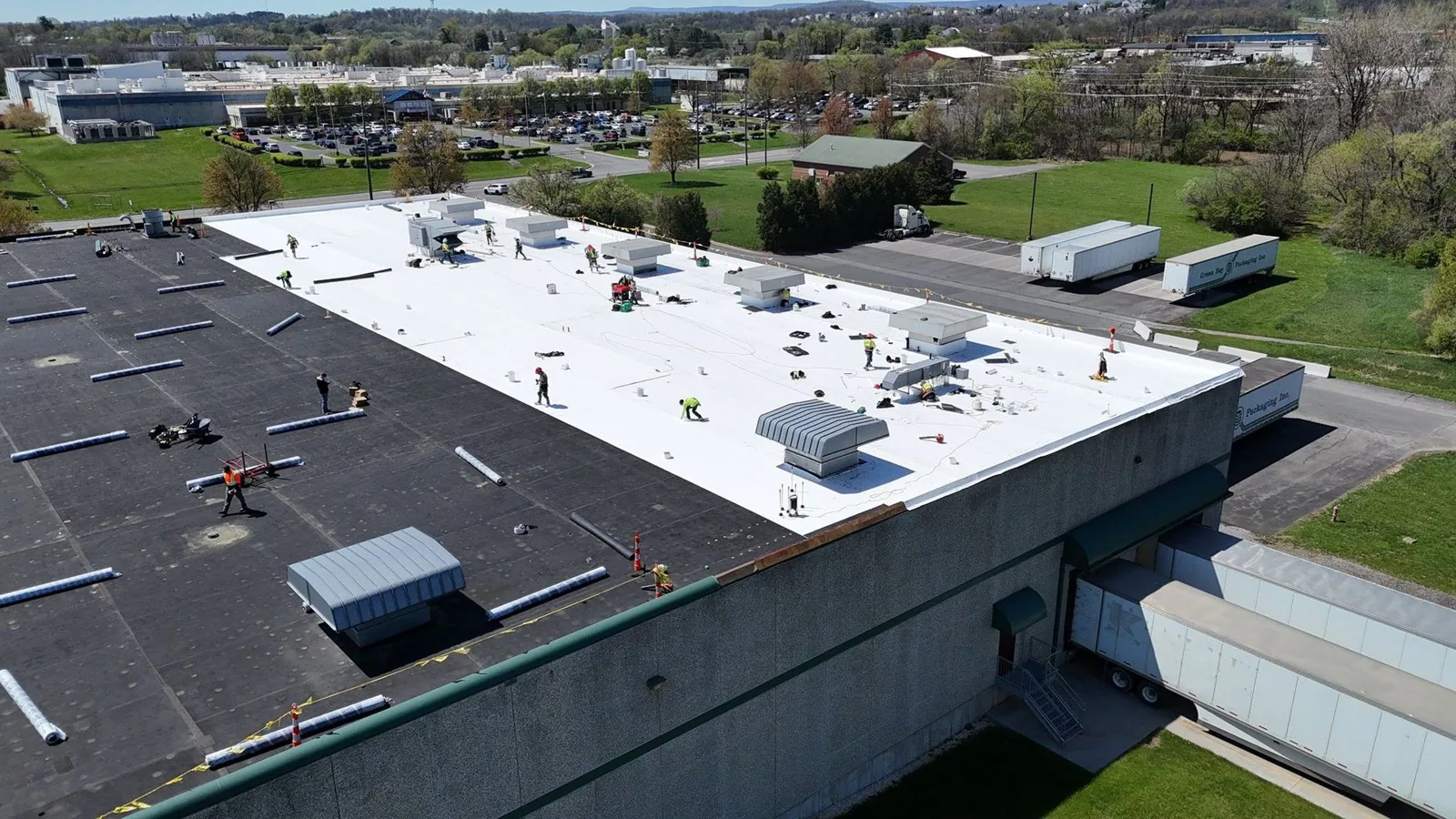
We size each daily work area to the crew, assembly, forecast and ability to reach a finished tie-in. The plan shows tear-off limits, material staging, debris removal and temporary protection. We avoid leaving open edges at shift end. If hidden deck or insulation damage appears, we photograph it and stop at a stable boundary while the authorized contact reviews the added scope.
A zone may be sequenced around a clinic wing, classroom block, retail entrance or production area. We mark the work above each space and identify where ceilings or equipment need protection. Near the Holcomb Bridge Road and GA 400 interchange, delivery timing and staging can be affected by the busy commercial corridor. The site contact helps set loading hours and routes. Road conditions do not establish roof access, so we confirm site rules before scheduling.
Removal reveals the substrate and retained layers. We inspect each exposed area, replace confirmed wet insulation and prepare a sound surface. New insulation, cover board and membrane follow the approved assembly. The tie-in to retained roofing must be clean and compatible. Before closing the zone, we photograph the deck, insulation, flashing, drains and edge details. That record supports approval if the opened assembly differs from the drawings.
Plan movement below the roof
Occupied reroofing needs a daily contact who can coordinate the roof and interior. We confirm roof hatch keys, lift access, restricted rooms, ceiling access and emergency egress. We identify noise periods and areas where odors or dust need added controls. The facility team tells us which entrances, deliveries, patient routes or class schedules cannot be interrupted. We then assign work zones and movement paths that keep the building operating.
Healthcare and school properties need room-level coordination. A clinic may have controlled areas, sensitive equipment or appointments that shape a work window. A school can require work outside class changes or near specific entrances. We agree how occupants receive updates and which contact can approve a change. When rooftop equipment must continue operating, we preserve service clearances and coordinate any needed shutdown before work reaches that zone.
Roswell's broader commercial base also includes civic facilities and neighborhood retail. Downtown Roswell has a central business district with redevelopment activity and access requirements that vary by property. We confirm loading, pedestrian access and any public-facing restrictions before material arrives. A Roswell service plan should reflect each building's current use, rather than assuming every property follows the same schedule.
Keep drainage and dry-in working
Warm-season rain can reach a roof before a work zone is fully closed. We check forecasts, clear drains and overflows, and stage temporary materials before removal. Each open area gets a secure daily tie-in or temporary cover. We keep water moving to the drainage system and protect penetrations that remain in service. If rain approaches before a seam can be completed, the crew closes the area at a prepared limit.
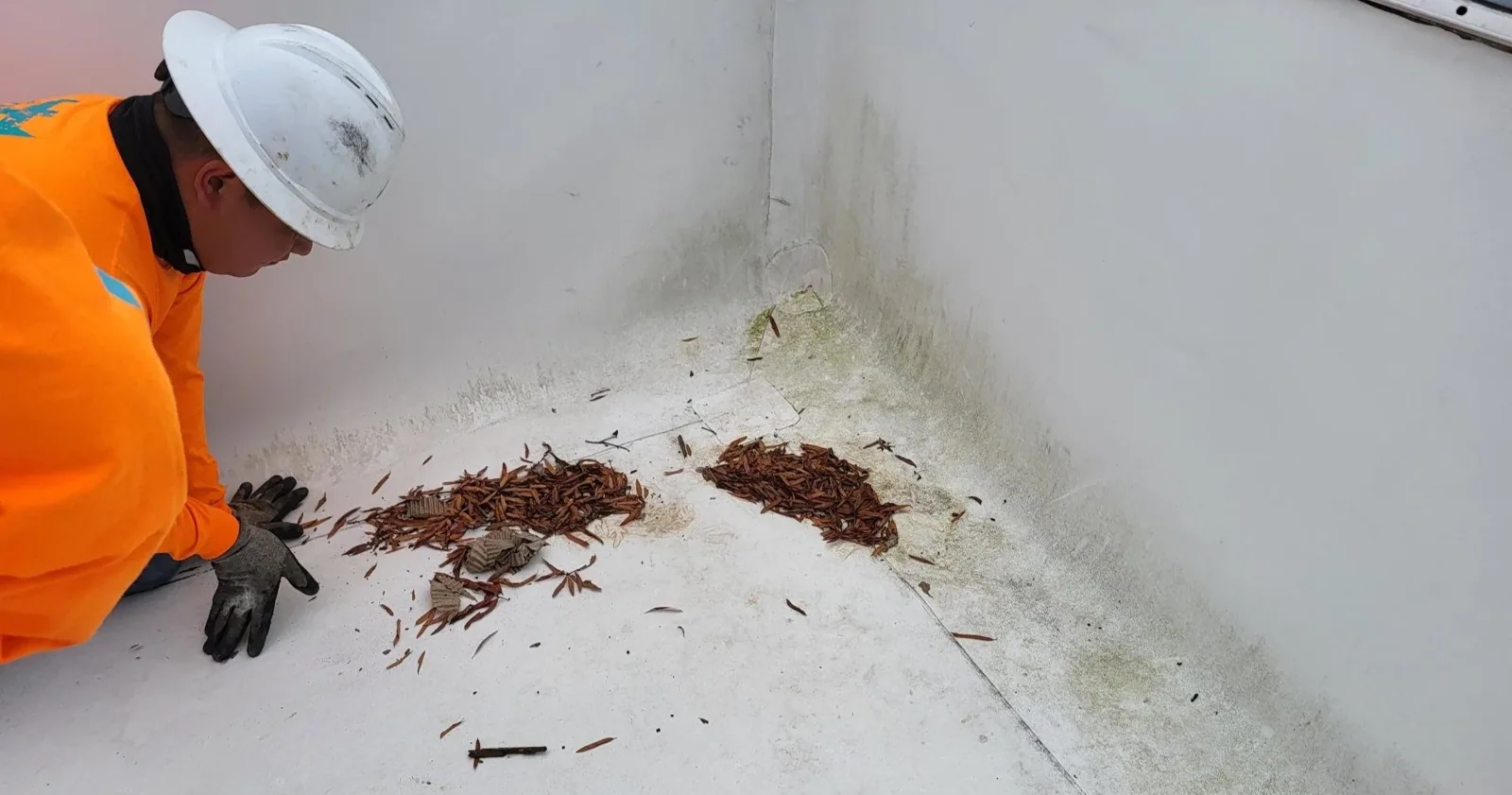
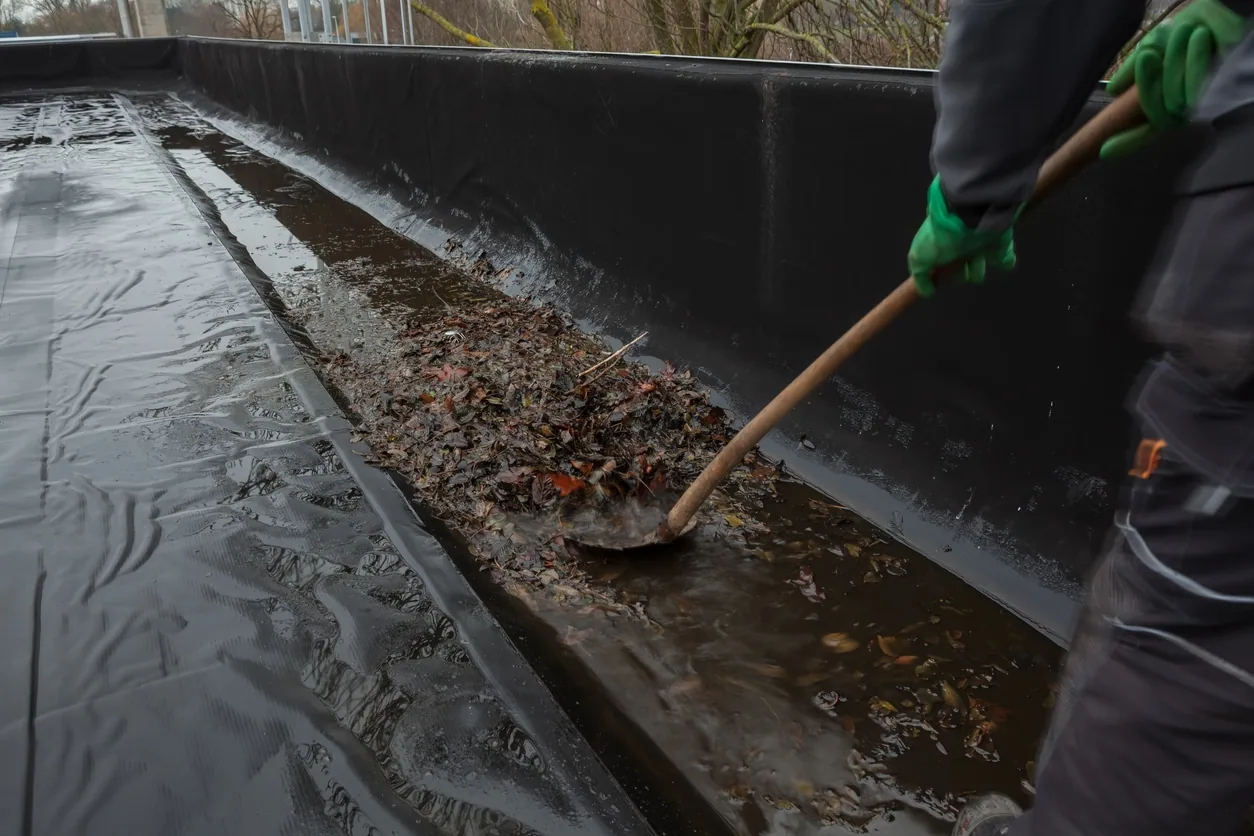
Drains near a reroof zone must remain accessible. Debris, temporary protection or stored material can block a bowl or overflow. We inspect the route at setup and closeout, then remove material that could hold water. For a large roof, the plan identifies primary and overflow drain locations in each work area. Where drainage is already defective, we price a separate drainage correction rather than expecting the new membrane to solve it.
Weather can alter installation pace. A damp substrate may not accept adhesive or coating, and wind can make material handling unsafe. We pause where conditions prevent a secure assembly and maintain temporary protection. Severe weather in north Georgia can include damaging wind, hail and tornadoes. An active storm response is available around the clock, all week and on holidays. For ongoing reroofing, we document protection status and restart conditions before crews return.
Keep approvals tied to observed conditions
The proposal separates removal, new assembly, flashing, drainage, access and temporary protection. It also identifies daily work limits and the person authorized to approve added costs. An allowance covers concealed conditions that cannot be measured before opening. When the crew finds an unsound deck or wet insulation, we record the location and quantity, then obtain approval before extending removal.
Timing depends on roof area, layer count, staging, weather, deck repairs, equipment coordination and restricted operating windows. We identify expected decision dates so the facility can plan room access and mechanical work. The schedule also shows how the crew will protect the building overnight and during weather holds. If a zone cannot be made secure, it does not proceed until the dry-in plan is workable.
For major scopes, a replacement proposal should describe each assembly and tie-in. If only some zones need replacement, a localized repair scope can be compared against broader work. A capital plan can carry approved phases across budget periods while preserving building-specific limits and decisions.
Close each zone with a usable record
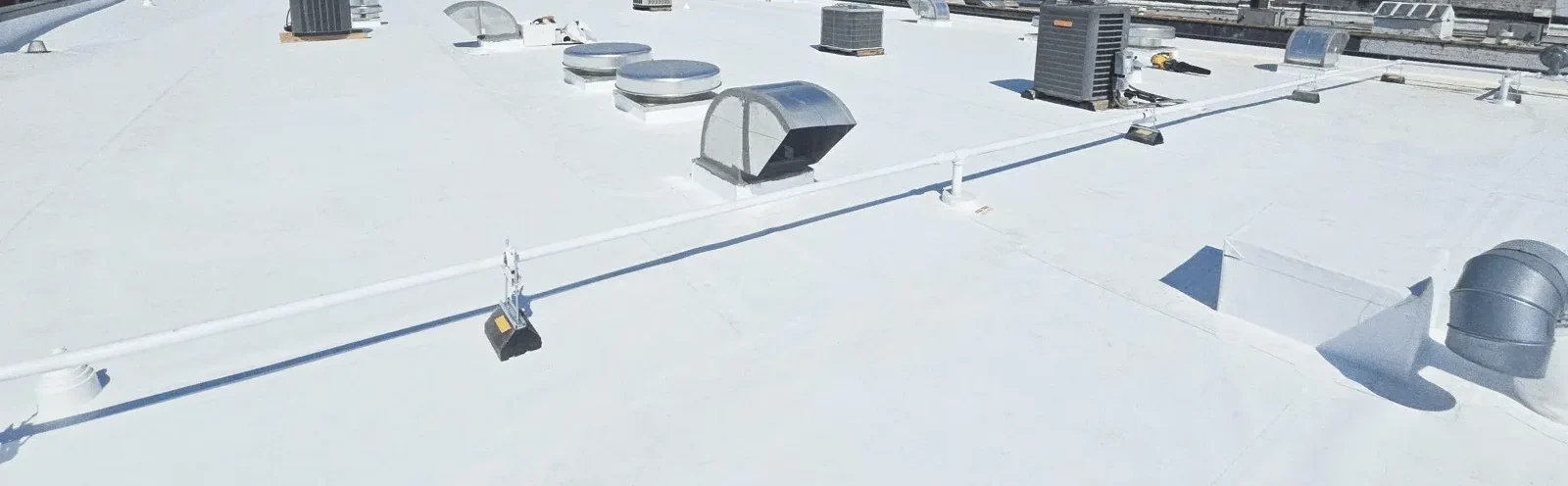
At each completed zone, we photograph membrane seams, flashings, curbs, edges, drains and transitions. The closeout record notes the date, completed work, approved changes and any area left concealed. The asset manager can compare the finished scope with the roof plan and work log. We also record follow-up items, including drains to recheck after rain or temporary access restrictions that remain.
Before the final walk, we remove loose materials and confirm drains and overflows are clear. The facility contact verifies that agreed paths and access points are restored. If occupants reported water or disruption, we record the date and affected area. A post-work roof inspection can establish a maintenance baseline across repaired zones.
Request a phased reroofing scope for a named building or roof zone. Send roof plans, prior repair records, operating hours, tenant restrictions, loading rules, equipment requirements and the facility contact. We will map the sequence, identify dry-in controls and separate approved work from any allowance that depends on opening the assembly.
Related Roofing Work
Plan reroofing around building operations
Send roof plans, repair history, operating hours, tenant restrictions, loading rules and equipment requirements. We will define roof zones, daily protection and approval points for concealed conditions.
Questions About Occupied Building Reroofing
How will occupants know which areas are affected each day?
We agree on one facility contact and provide a zone sequence with access changes, expected noise and planned work periods. The building team can use that schedule for tenant, patient, staff or visitor notices. If weather or concealed conditions change the sequence, we update the contact before moving to another zone. Routes and emergency egress remain part of the daily plan.
What happens if tear-off exposes wet insulation or deck damage?
The crew photographs the exposed area, measures the confirmed condition and marks a stable boundary. We protect the opening while the authorized contact reviews the added work. The proposal's allowance sets the approval path. Removal does not extend into another zone until the scope and price are approved. The closeout record identifies what was replaced and anything that remains concealed.
Can mechanical equipment stay in service during reroofing?
Many units can remain in operation when access and service clearances are protected. We coordinate each zone with the facility and mechanical contacts before work reaches a curb, pipe or intake. A required shutdown needs an agreed time and responsible person. The schedule identifies equipment restrictions and any route that crews must leave open.
What should I compare in bids for an occupied building?
Compare roof-zone limits, removal layers, assembly, temporary dry-in, drainage, access controls, occupant coordination, allowances and closeout records. Look for named approval contacts and a clear plan for concealed deck conditions. The schedule should identify work windows and how the property stays protected overnight. Different bids are easier to assess when their included and excluded zones match.
Commercial Roofing Across Roswell and North Fulton
Roof Repair, Replacement and Maintenance for Every Kind of Commercial Building
From Historic Roswell and Canton Street to the Holcomb Bridge Road corridor, GA 400 and the North Point area, we inspect, repair and replace low-slope and metal roofs on offices, retail centers, medical buildings, schools and warehouses.