Commercial Roofing for Logistics and 3PL Facilities in Roswell, GA
A blocked drain above a sorting area can put water on the floor before anyone spots a ceiling stain. At a logistics property, that turns a roof detail into a traffic and inventory concern. We inspect the drain, adjacent membrane, nearby seams and overflow path, then mark the affected zone. Roswell's humid summers and recurring warm-season rain can test drainage and flashing details in quick succession.
Distribution, warehouse and third-party logistics operations have different schedules, equipment and roof assemblies. We identify the system from records and field conditions rather than assuming a building's membrane based on its use. The scope records what is confirmed, what may be concealed and what would trigger a wider repair. Loading access, active dock doors and yard movement belong in the plan before materials arrive.
Trace water through the roof zone
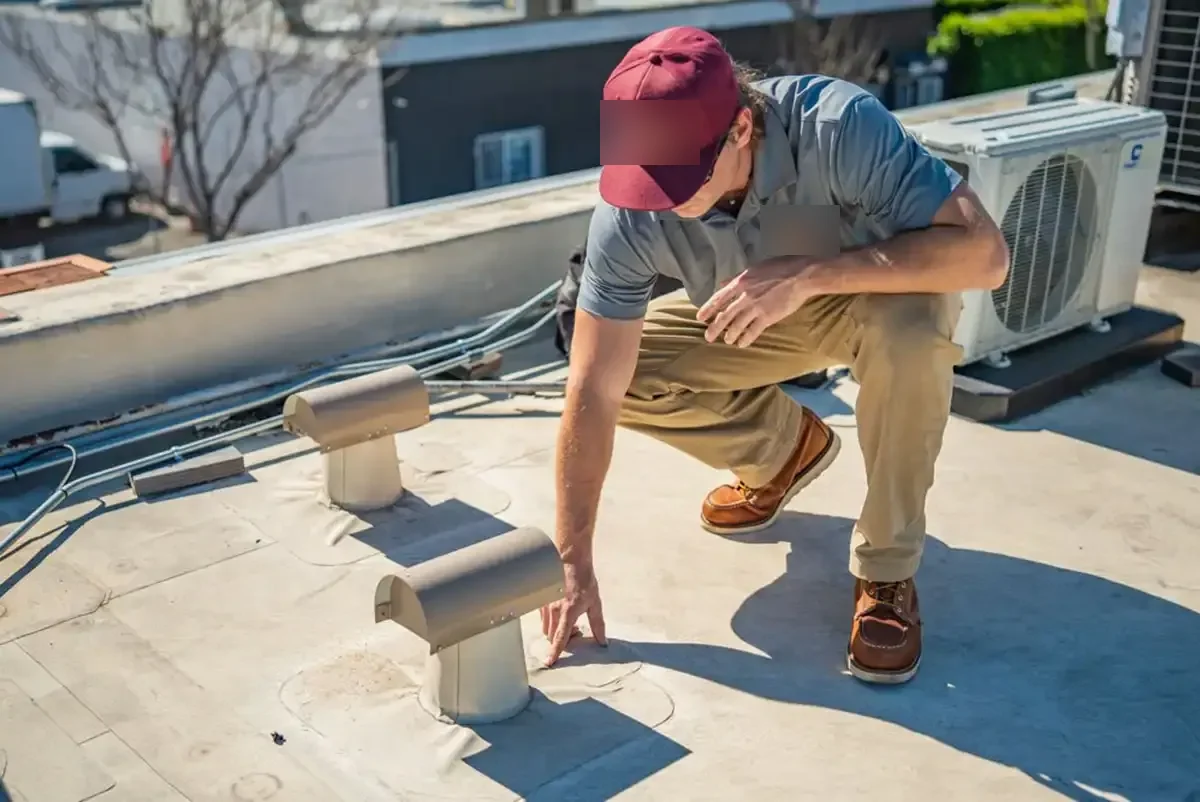
We compare the reported leak location with roof drains, penetrations, curbs, laps and equipment supports above it. Water can move along a deck or through insulation before reaching a staging lane or office. The inspection checks the likely entry detail and the connected path. Each photograph identifies the roof zone and gives enough context for operations staff to find the location without relying on a stain map alone.
The Roswell road network links commercial property to GA 400 through the Holcomb Bridge interchange. In Marietta, official park inventories identify distribution and warehouse uses alongside manufacturing and flex operations. Those facts suggest varied operating patterns, but say nothing about an individual roof layout. At a specific facility, we confirm dock arrangement, roof access, equipment zones, overflow routes and whether a leak report coincides with inventory or vehicle movement.
Keep dispatch informed as zones change
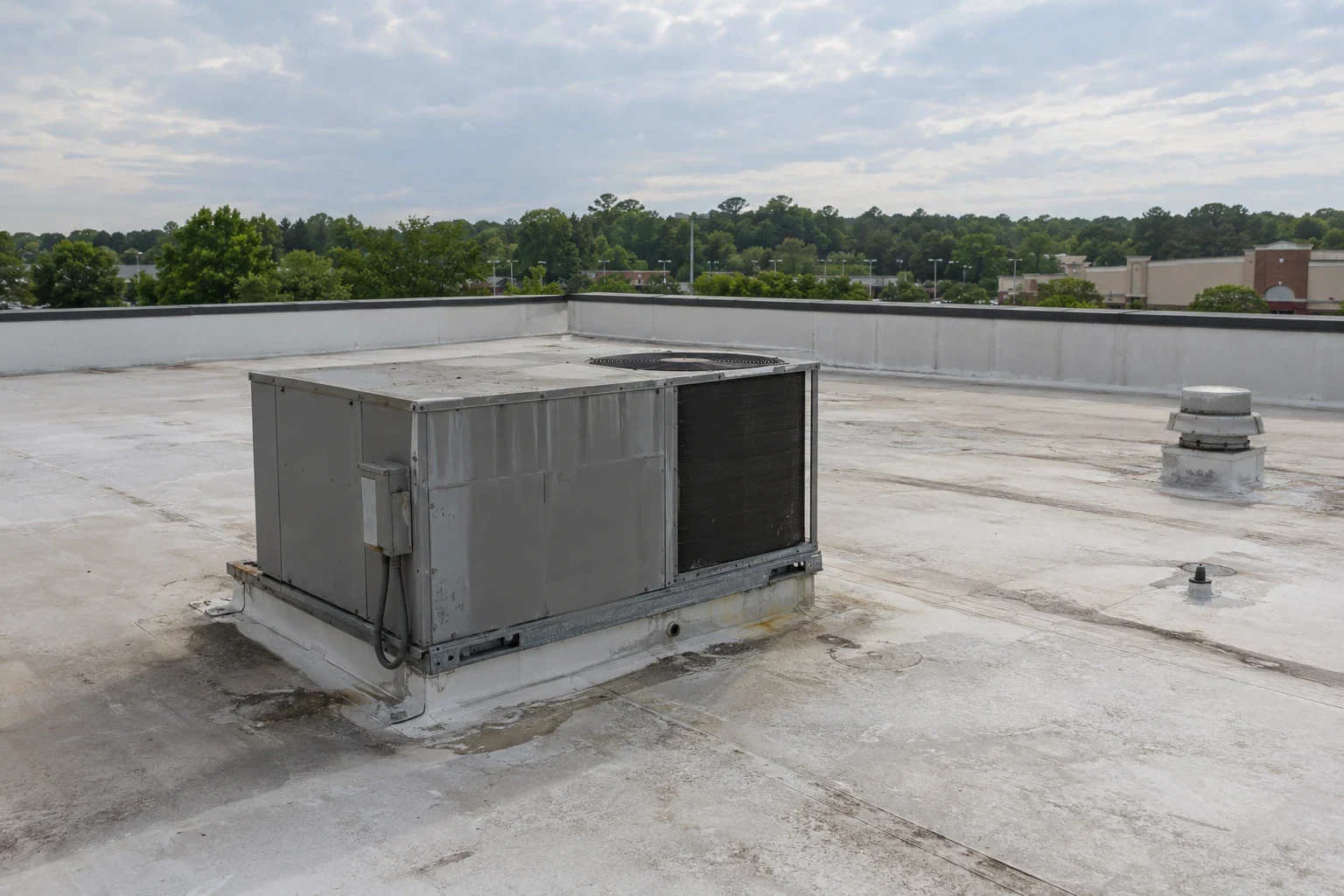
Roof work can shift a delivery route, block a staging lane or interrupt a loading sequence. We identify the affected dock, route and work hours with dispatch before material is moved. If the scope changes after an opening, the site lead receives the new zone and any access effect before the crew continues. A daily closeout note records which area is protected and which remains open for operations.
Where warehouse assets sit within a broader real-estate portfolio, the property management roof record can align inspection dates and approval contacts. Retail distribution feeding storefronts may require similar coordination; the multi-location retail roof plan addresses those store-side constraints. Keep the warehouse repair boundary and dock restrictions attached to the specific Marietta-Cobb industrial area property.
Keep drainage connected to dock safety
A drain correction includes more than removing debris from a bowl. We inspect the strainer, drain throat, overflow, nearby low areas and laps that remain wet after rainfall. If insulation has settled, water may collect beside a seam even when the drain is open. We record whether the immediate issue is maintenance, a membrane detail, or a condition that needs further investigation before a permanent correction is priced.
On the ground, confirm which dock doors, pedestrian routes and staging lanes need to stay clear. We coordinate lift placement, material delivery and debris removal with the facility lead. A repair near a roof hatch over active operations may require a different access route from a perimeter zone. We define those boundaries before work and keep the delivery plan aligned with the operating schedule, rather than blocking a route that the site needs for inbound freight.
Select materials for the installed assembly
Seam repair depends on the roof type and the condition of the lap. A weldable single-ply membrane needs compatible preparation and welding. EPDM, modified bitumen, metal and coating assemblies use different repair methods. We identify the existing system and test or open the assembly when records do not resolve an important uncertainty. The estimate names the repair material and boundary, so a patch does not simply cover contamination or wet insulation.
Curbs and pipe penetrations can require coordinated flashing, boot, termination and counterflashing work. We inspect each transition that connects to the defect and document whether the substrate is sound. For confirmed active leaks, leak tracing can precede a permanent repair. If rain or a wet surface prevents installation, temporary emergency protection can reduce immediate exposure while a suitable work window is arranged.
Plan around freight movement
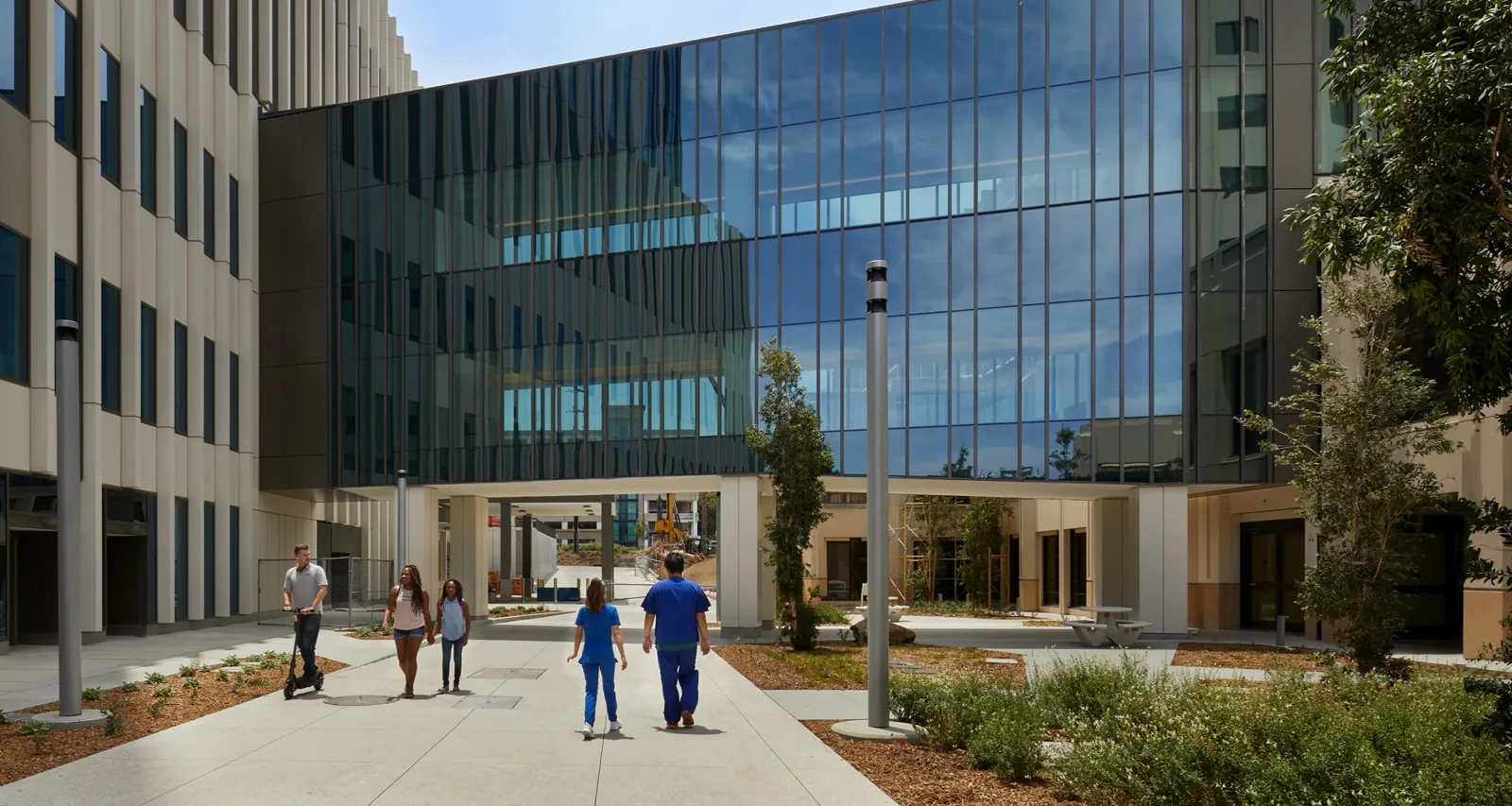
We confirm shift patterns, yard traffic, truck routes, dock priorities, roof access rules and any safety induction before staging. Work can be sequenced by roof zone to keep high-use areas available. The facility identifies restricted hours and contacts for change approval. Weather holds matter: Roswell's warm-season rainfall can interrupt membrane preparation, so the work plan should identify temporary protection and the return visit needed for a permanent tie-in.
Cost depends on roof height, access equipment, the number of penetrations, system compatibility, preparation, insulation or deck damage, and restrictions on delivery or work hours. A broad roof area does not tell us the repair quantity. A maintenance visit can check drains, seams and curb flashings before a known operating peak. For extensive work, a phased reroof can define daily zones, material movement and safe separation from active operations.
Give operations a useful closeout
After work, the closeout record includes the repaired detail, material, roof zone and photographs. If an opening exposed wet insulation or an unsound deck, the record shows that condition before the assembly was closed. We identify any adjacent zone that remained inaccessible and list its follow-up. Site teams can compare the closeout with later leak reports and inspect the same seam, drain or penetration after rainfall.
Share roof plans, leak dates, prior work, equipment locations, dock restrictions, delivery rules and the site contact who can approve added scope. We can compare confirmed repairs with future maintenance needs without treating them as one allowance. A photo-based roof report helps retain the history by zone. For properties across Roswell and Marietta-Cobb Industrial Park, use one tracking format while keeping each building's conditions separate.
Related Roofing Work
Schedule a logistics roof assessment
Send the roof plan, leak reports, dock schedule, truck routes, access rules and staging limits. We will identify the work zones and coordinate a practical inspection window.
Questions About Logistics and 3PL Facilities
Can roof repairs be done while distribution work continues below?
We can plan around active operations when the roof zone, material route and work hours are agreed in advance. The facility identifies restricted dock doors, pedestrian paths and equipment concerns. Some tasks may require a temporary closure or a short interruption. We put those conditions into the schedule before staging material.
How do you handle a leak above stored freight?
We record the affected roof zone and reported floor location, then inspect connected penetrations, seams and drainage. The immediate priority is safe access and protection of the affected area. We document visible conditions, define the repair boundary and identify whether insulation or deck needs further examination before permanent work.
What if the roof drain is clear but water remains nearby?
We check slope, low areas, insulation movement, membrane seams and the path to the drain. A clear bowl does not resolve a depression that holds water at a lap. We document the observed depth and limits of the area, then separate surface maintenance from corrections that may involve insulation or broader roof work.
Which site details affect a logistics roof estimate?
Roof assembly, access height, staging location, dock schedules, equipment restrictions and repair extent all matter. We also account for wet insulation, deck condition, preparation and weather exposure. A marked plan and operating schedule help identify practical constraints, but the final scope follows a field inspection.
Can one maintenance plan cover several distribution buildings?
A shared calendar and reporting format can coordinate service across buildings. Each roof still needs its own system identification, drain map, findings and repair record. We can summarize priorities by site while preserving the distinct access limits and work requirements of each operation.
Commercial Roofing Across Roswell and North Fulton
Roof Repair, Replacement and Maintenance for Every Kind of Commercial Building
From Historic Roswell and Canton Street to the Holcomb Bridge Road corridor, GA 400 and the North Point area, we inspect, repair and replace low-slope and metal roofs on offices, retail centers, medical buildings, schools and warehouses.