
Commercial Roofing in Downtown Roswell, Roswell, GA
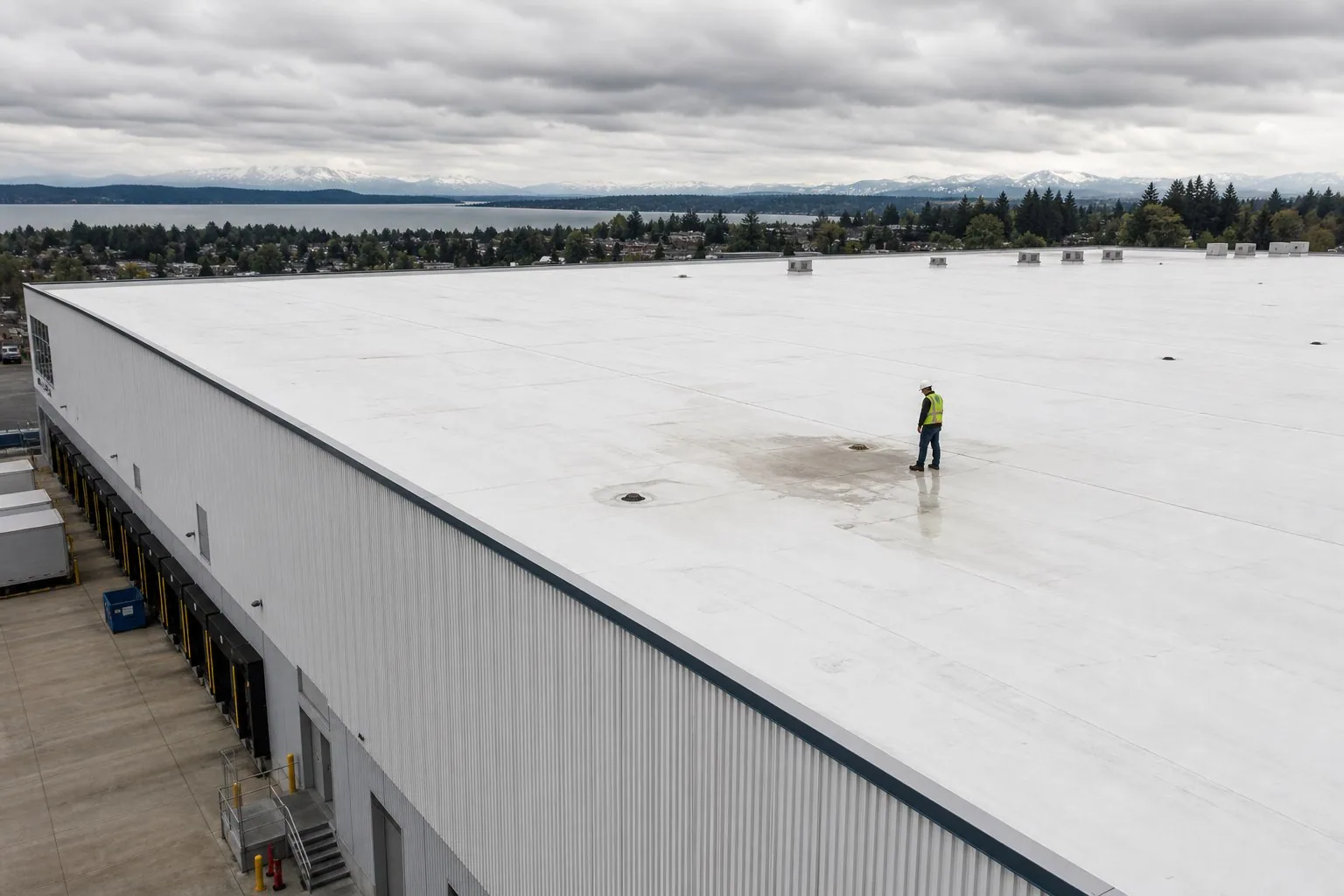
A drain bowl that sits below its clamping ring can hold water at the membrane edge. We inspect the bowl, flashing, overflow route, and nearby insulation before deciding whether the repair stops at the drain. Downtown Roswell is the city's central business district, where roof planning needs to account for both building operations and the area's continued redevelopment. The right scope protects the roof while keeping visible work and access decisions clear.
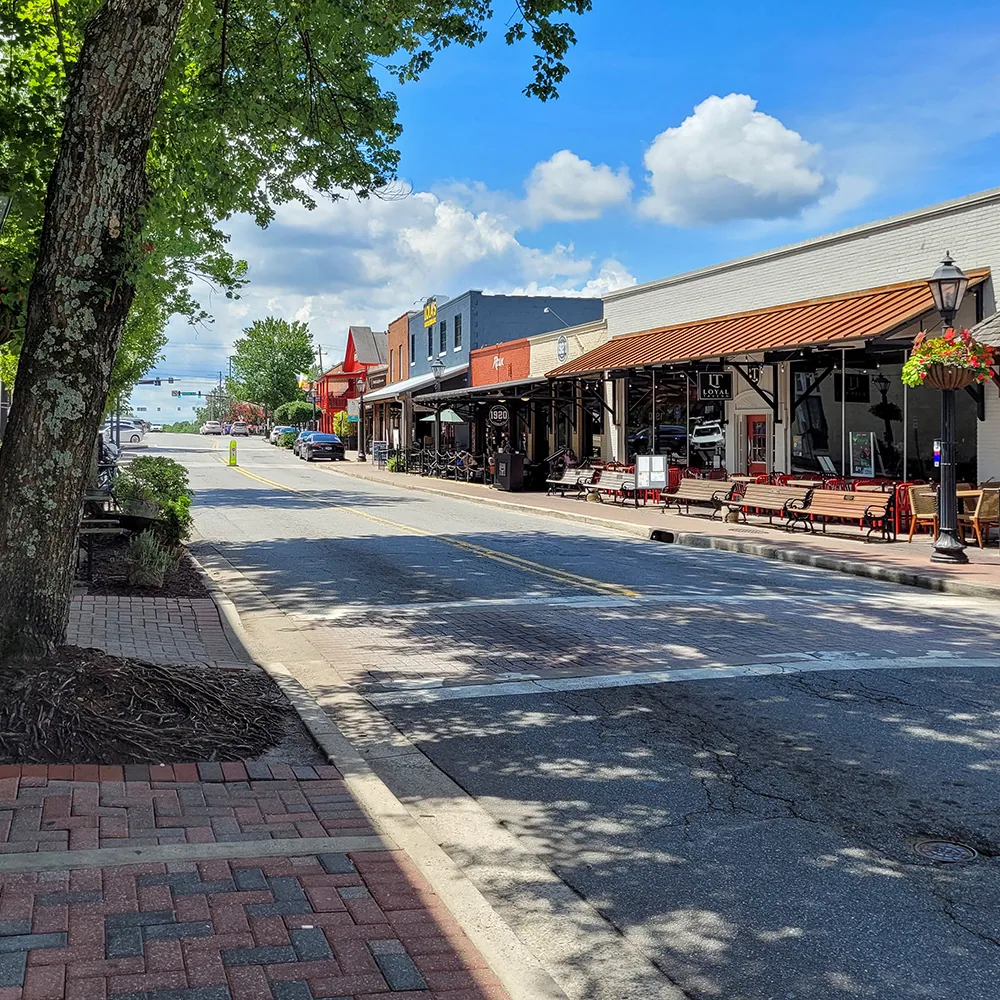
Roswell's Downtown Development Authority coordinates public-private redevelopment and growth programs. Its stated mission pairs long-term economic stability with maintaining downtown's small-town character. That context makes early coordination useful when roof work affects visible edges or occupied access. A Historic Roswell roof review can also be relevant when a property falls within the separate district review boundary.
Find the source before opening a roof
Water near an interior ceiling is a clue, not a reliable roof map. We compare the reported location with drains, seams, walls, curbs, and penetrations above it. At the drain, we check attachment and water flow. At a wall, we inspect membrane height, termination, counterflashing, and the route water may follow behind the finish. The report identifies the confirmed entry point separately from any concealed path that remains untested.
Warm-season rainfall in the Atlanta climate normals makes drainage details especially important. A July normal high near 90 degrees Fahrenheit adds heat cycling to wet-weather exposure. We look for a soft seam, open lap, or flashing edge that changes after repeated heating and rain. A targeted leak investigation can document the roof-zone evidence before a permanent repair is priced.
Atlanta-area storm warnings can involve hail, rotating storms, and high wind. A warning alone does not establish roof damage. Instead, the inspection records observable punctures, displaced metal, opened laps, or broken attachments. If the visible defect appears after a storm, photos and dates help separate fresh impact from older deterioration or prior patchwork.
Protect daily use during roof work
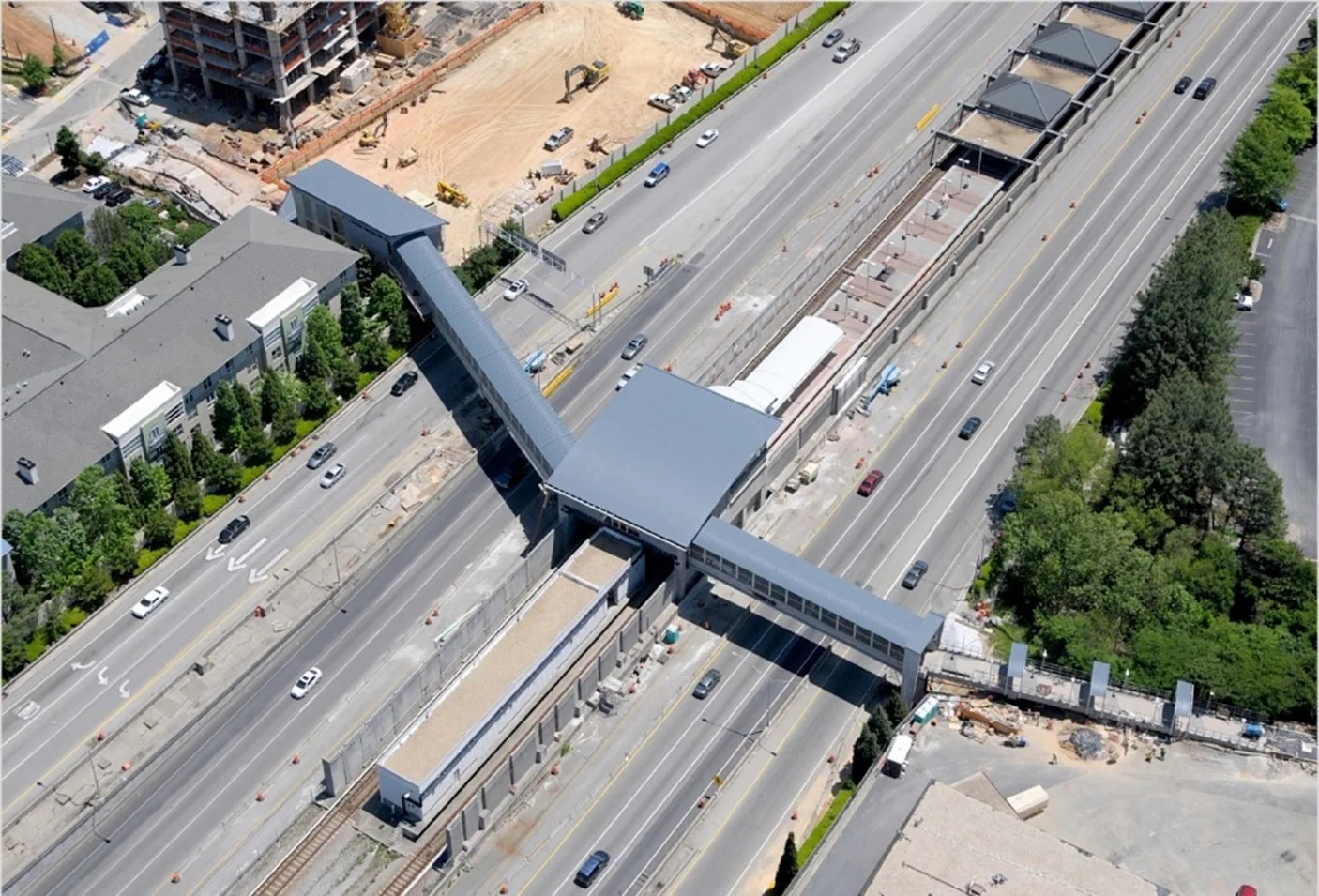
Downtown roof work may involve occupied commercial or civic spaces, but the exact operations vary by building. We confirm tenant hours, public entries, deliveries, roof-hatch access, and any area below the planned work. Material hoisting, noise, odor, and temporary barriers can affect how a task is sequenced. We use site-specific access notes rather than assuming a standard work window for the whole district.
Roof zones help keep decisions manageable. A drain correction, wall flashing repair, and membrane replacement can carry different urgency and access requirements. We label each zone on a plan or field sketch, photograph relevant transitions, and state which work can proceed independently. Where a broader project is underway, the roof scope can identify tie-ins and protection needed before other trades reach the roof.
Roswell's long-range framework includes investment, transportation, and economic development planning for downtown. That planning context does not establish construction at an individual property. The Town Center and Atlanta Street corridor has a separate city study and should be scoped on its own terms. It does make coordination with the property representative useful when roof activity overlaps a planned project. A roof condition report can state current observations, recommended work, access limits, and items requiring follow-up without blending them into a redevelopment assumption.
Compare repairs with longer-term work
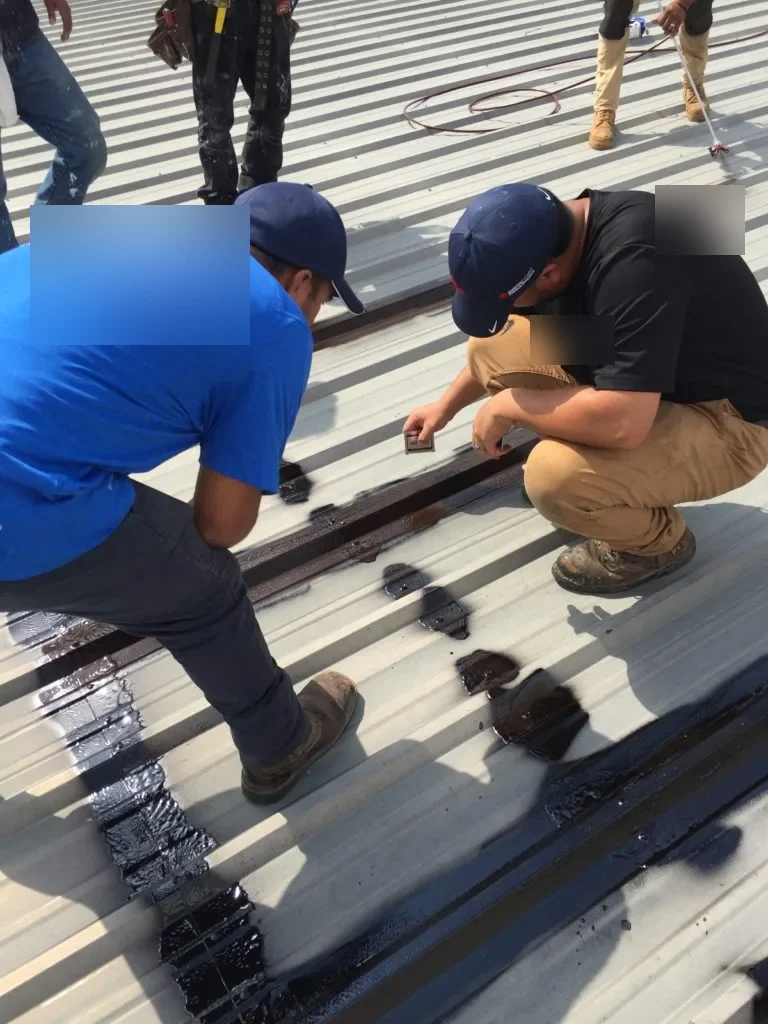
A localized repair can make sense when the membrane remains sound outside a limited opening and the tie-in can reach stable material. We identify the system, prepare the surface, and use a compatible patch or flashing detail. If moisture extends into insulation or the substrate has deteriorated, the boundary may move. Any added removal is documented and priced for approval before it becomes part of the work.
Recovery may be possible when existing layers, deck condition, drainage, height, and code requirements allow it. Replacement is a stronger candidate when defects span several zones, moisture is widespread, or an old system no longer supports reliable tie-ins. We compare what each option removes, retains, and adds. A replacement comparison should include perimeter, drains, equipment curbs, penetrations, staging, and temporary weather protection.
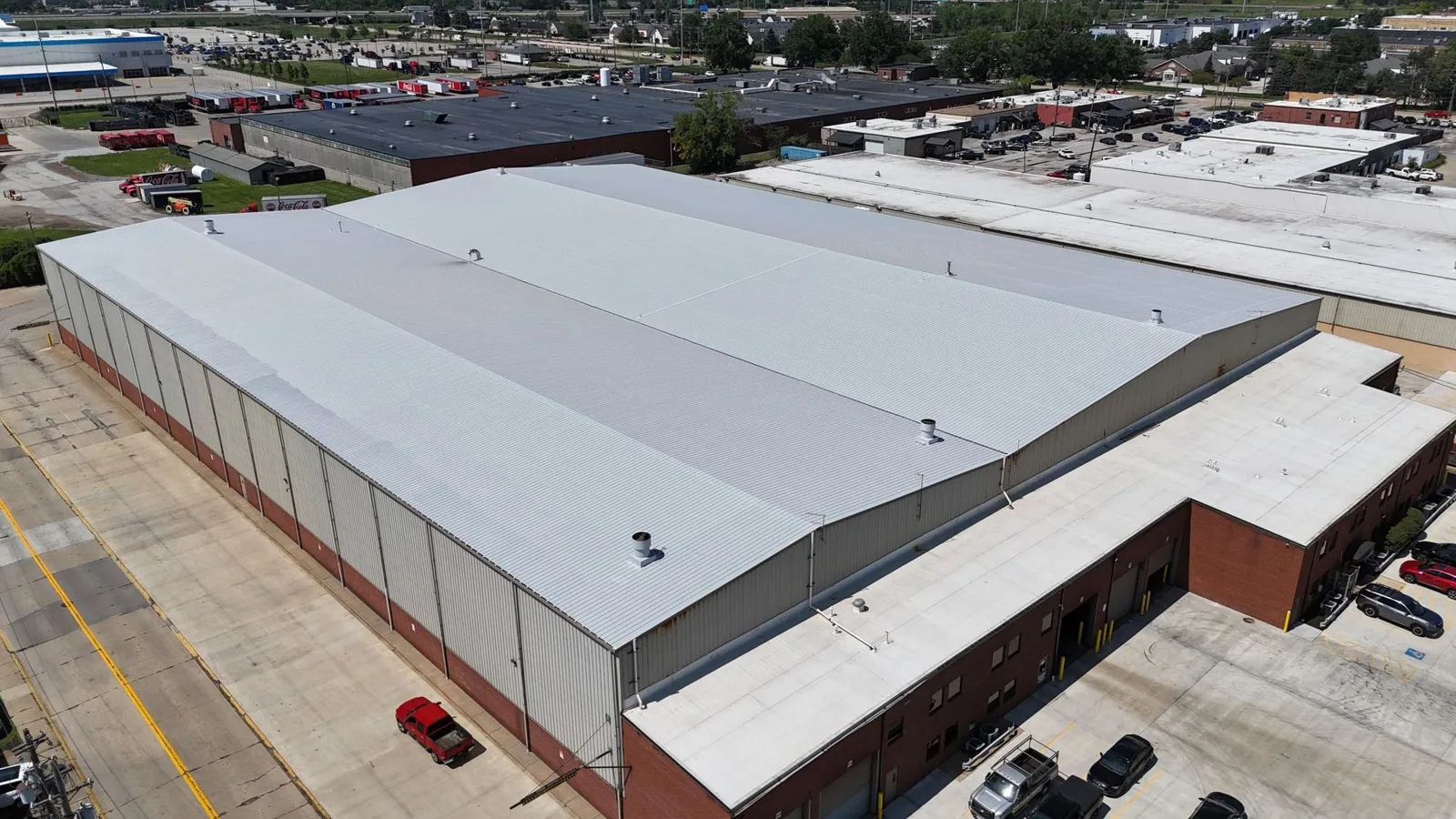
Coating can extend some roofs when adhesion and substrate conditions support it. It does not correct ponding, wet insulation, or loose flashing on its own. We check repairs, surface preparation, reinforcement at transitions, and termination details before presenting that option. A silicone roof coating plan should identify limitations and excluded areas as clearly as the coated scope.
Set the work window around weather
Rain timing controls preparation, installation, and temporary protection. Atlanta's warm-season showers can interrupt surface cleaning or bonding, while humid conditions can affect cure times for some products. We identify the weather-sensitive tasks and include a hold point when surfaces are not ready. That keeps a schedule realistic without shifting the repair boundary or covering a detail before it is prepared.
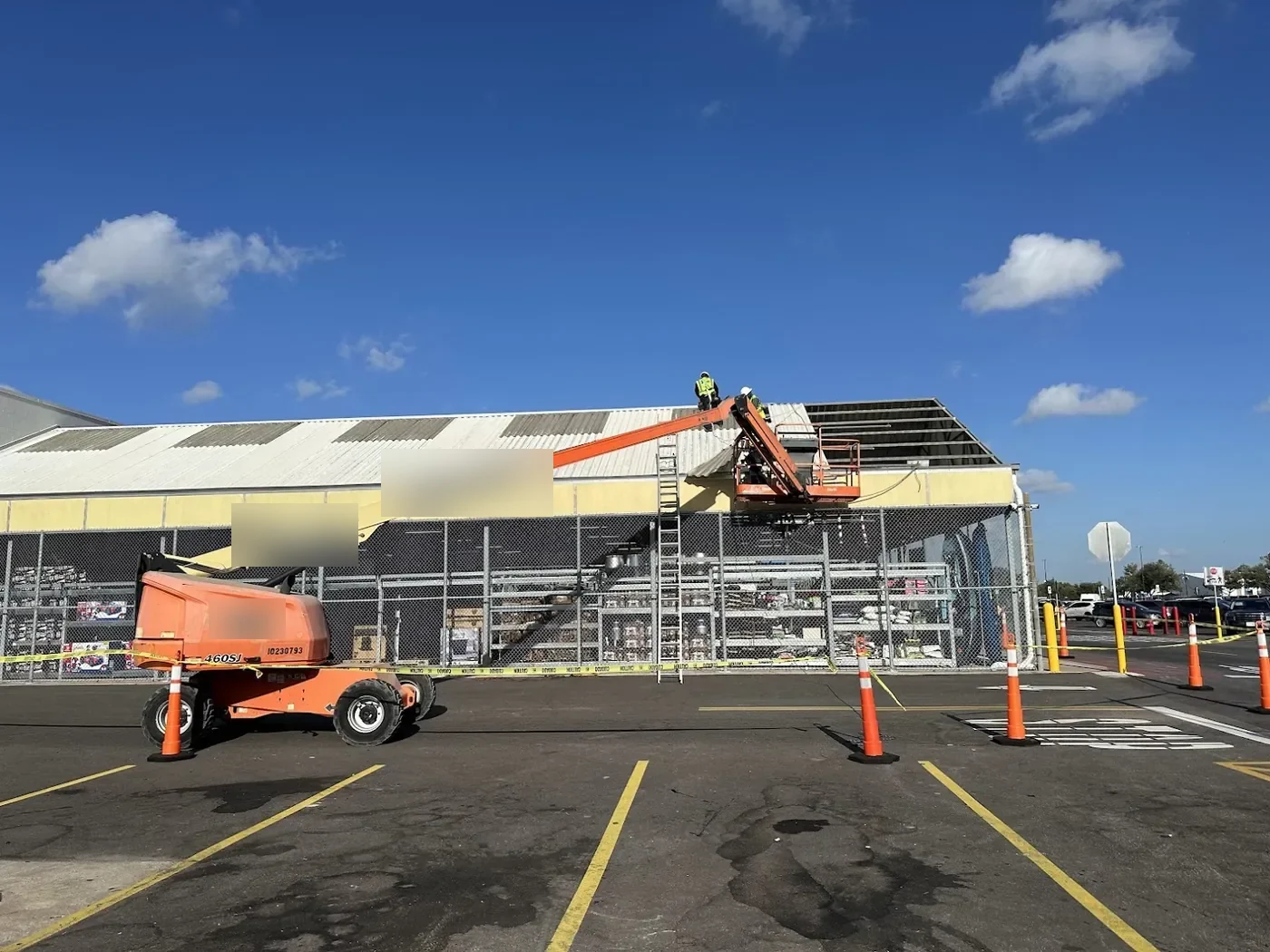
Work timing also follows access, material delivery, crew setup, and the building's operating limits. If a lift, closure, or rooftop equipment shutdown is required, the plan should name the responsible contact and approval window. An urgent temporary measure can protect a roof zone while a permanent repair waits for dry conditions. The record should say what protection was installed and when it needs another look.
Cost depends on access, material compatibility, number of roof details, preparation, insulation or deck repairs, and whether work must be phased around operations. We separate the confirmed base scope from concealed-condition allowances. When downtown improvements or other property work overlap, we identify the roof tie-in and trade handoff rather than assuming another contractor's schedule. A coordinated property roofing plan can align records for related assets while leaving each scope distinct.
Keep the roof record tied to the work
Closeout notes list the roof zone, materials installed, repair limits, and any area left outside the approved scope. Photographs show the finished drain, seam, edge, or penetration alongside nearby transitions. If work exposed concealed material, the record states what was found before it was covered. This gives a later visit useful evidence without implying that uninspected zones were repaired.
Follow-up depends on the detail. A drain repair can be checked after rain. A flashing termination can be inspected for movement. A coating can be reviewed at edges and penetrations. We can add a maintenance visit based on the confirmed condition and keep new findings separate from the completed work.
Request a Downtown Roswell roof assessment for a named building or zone. Share plans, leak locations, repair history, access instructions, occupancy hours, and any known project schedule. We will document the failure, compare practical options, and show which decisions require approval before work expands.
Related Roofing Work
Plan a Downtown Roswell roof visit
Send roof plans, leak dates, repair history, access contacts, occupancy hours, and any related project schedule. We will inspect the named zones and present confirmed work separately from concealed conditions.
Questions About Downtown Roswell
How do you find a roof leak when the ceiling stain is elsewhere?
We compare the interior report with roof drains, seams, wall transitions, curbs, and penetrations above and around that location. Water can travel along the assembly before appearing indoors. The inspection records the path supported by evidence and labels any suspected concealed route that needs testing before repair limits are set.
Can repairs happen while a downtown building remains open?
Often, when the work zone, access route, noise, odors, and protection can be coordinated with operations. We confirm occupied hours and areas below the roof before scheduling. If a task affects an entry or equipment system, the proposal identifies the needed closure or shutdown instead of assuming the building can operate normally.
When does recovery make more sense than replacement?
The existing layers, deck, insulation, drainage, roof height, and code conditions decide whether recovery is available. We inspect those items and compare them with the extent of wet or failing material. The recommendation states what remains in place and what risks would remain, then compares that option with removal and replacement.
What should a downtown roof scope include?
It should name roof zones, materials, access limits, daily operating restrictions, protection steps, and each repair tie-in. Include visible work that could affect the exterior and identify any concealed-condition allowance. Closeout photos and notes should match those same zone labels so the next inspection can follow the completed work.
Commercial Roofing Across Roswell and North Fulton
Roof Repair, Replacement and Maintenance for Every Kind of Commercial Building
From Historic Roswell and Canton Street to the Holcomb Bridge Road corridor, GA 400 and the North Point area, we inspect, repair and replace low-slope and metal roofs on offices, retail centers, medical buildings, schools and warehouses.