Multi-Site Commercial Roofing Programs in Roswell, GA
One roof crew can lose a day when three properties use different access contacts and no one knows which repairs were approved. We coordinate the schedule, reporting fields and review steps across a portfolio. Each building still gets its own inspection notes, photos, system details and repair limits. Shared administration should make the work easier to follow, not blur the condition of one roof into another.
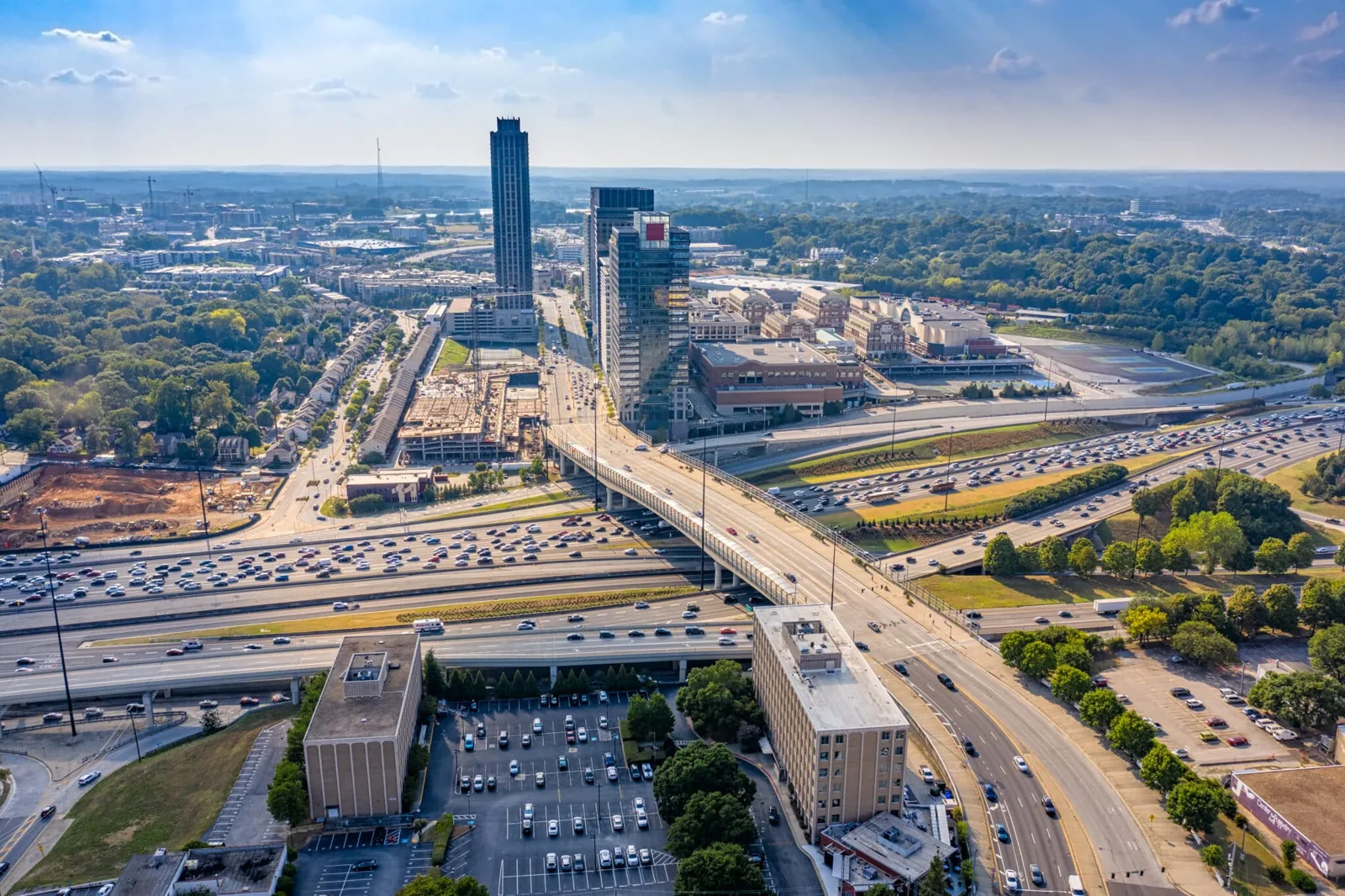
Roswell's east-west connections and GA 400 corridor serve offices, clinics, civic properties and light industrial sites with different roof-access needs. A Roswell multi-property review can begin with a named list of sites, contacts and access rules. We build the route around the properties and their operating calendars.
Set one working process for the portfolio
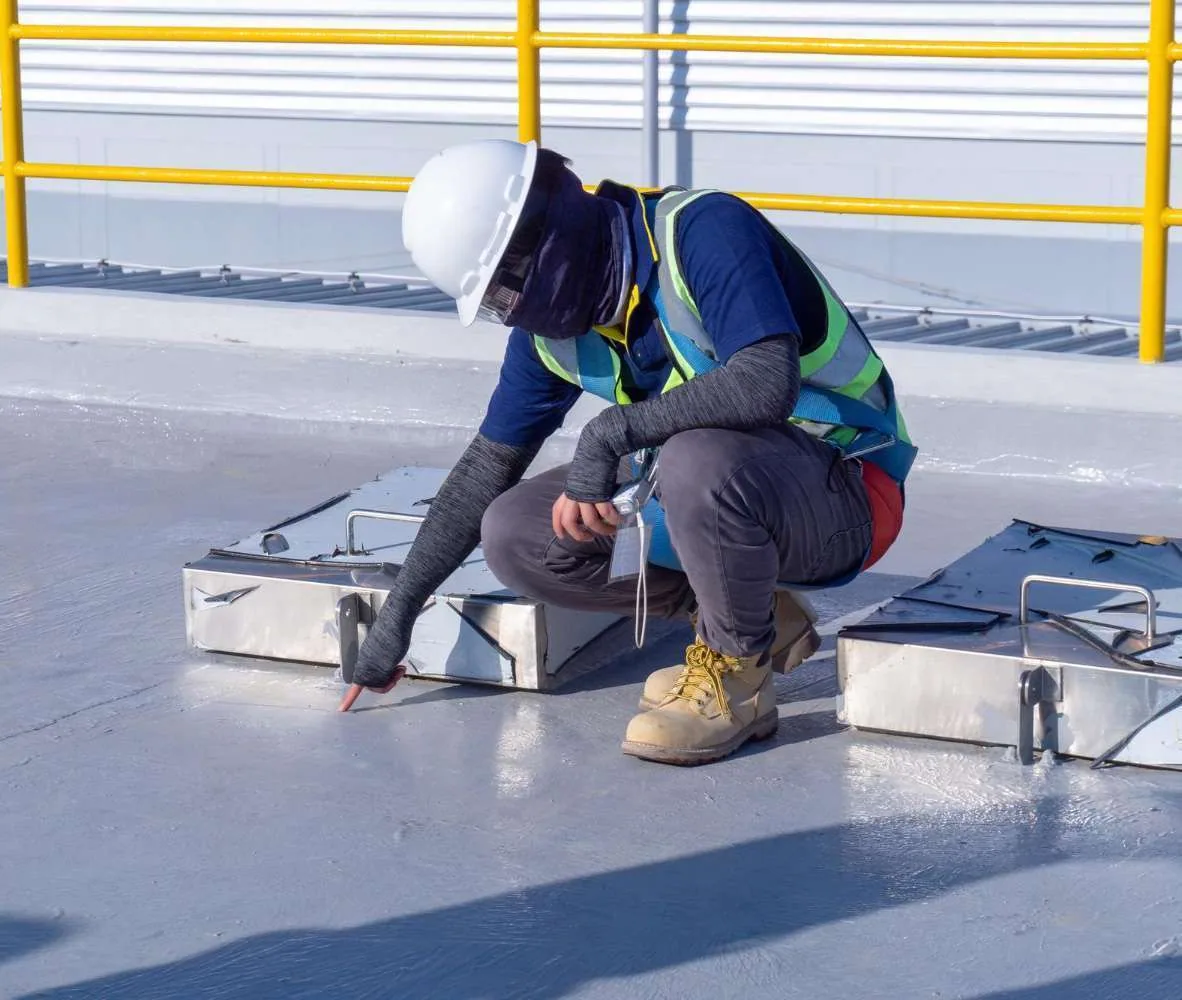
At kickoff, we confirm the property roster, approval contacts, document format and scheduling window. The owner identifies whether each site has roof plans, warranty files, leak logs or prior repair records. We flag missing material before the first visit. A shared checklist covers site arrival, escort, hatch access, safety rules, occupied areas and equipment restrictions.
Buildings receive their own labels and roof-zone map. Where plans differ, the site contact can identify familiar names for wings, additions or loading areas. We keep those terms consistent in photographs and work orders. A roof asset file preserves the current assembly, repair history and open issues for each location.
Some owners need comparable reporting fields across a portfolio. We can use common terms for active leakage, drainage, membrane, edges, penetrations, access limits and follow-up. The report still states the actual material and observed condition at each building. A warehouse, clinic and office do not receive the same repair recommendation just because they share an approval group.
Group visits without combining findings
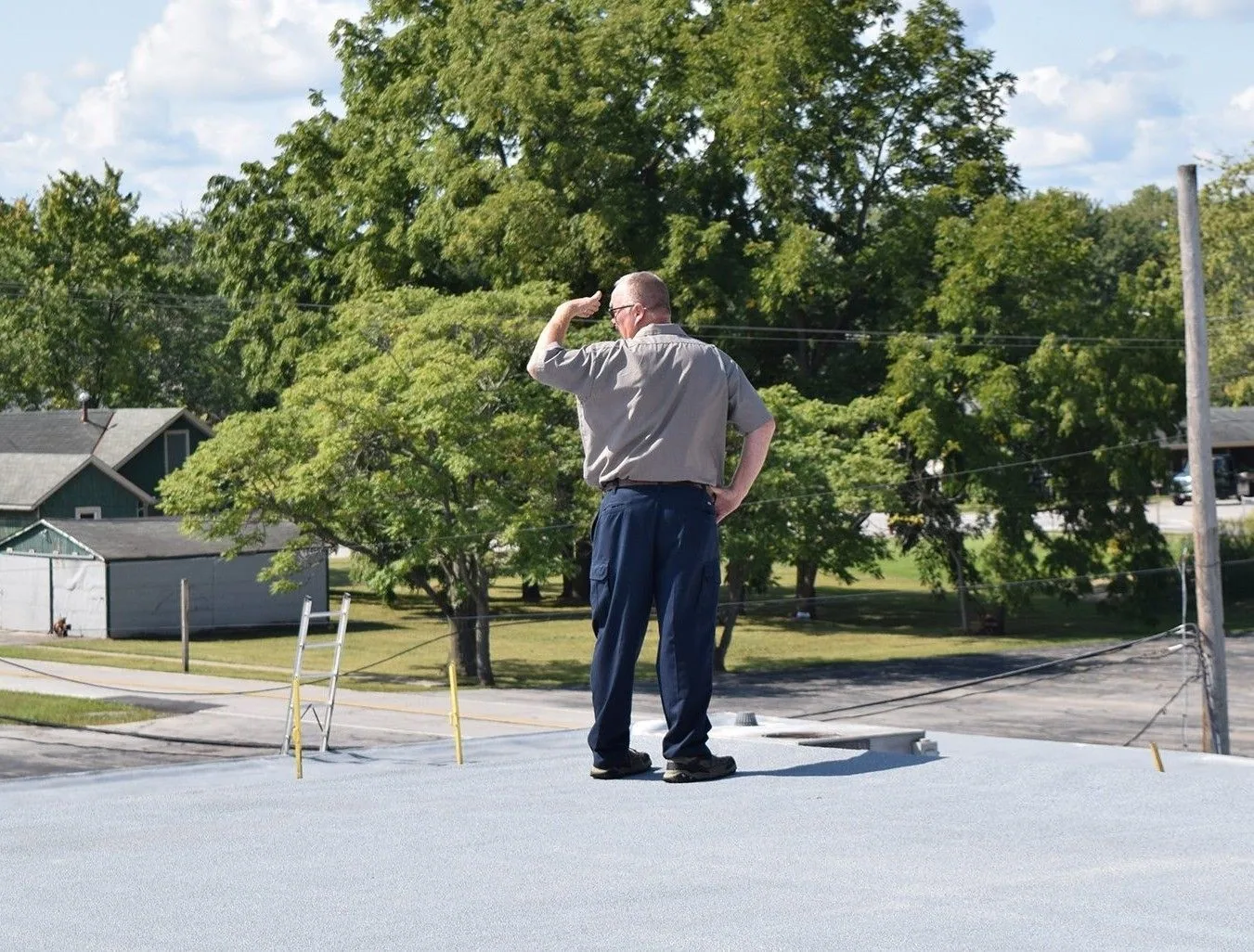
We sequence the route by geography, access hours, roof condition and operating priority. Several nearby buildings may fit one field day, while a restricted site needs a separate appointment. Delivery timing and material staging can also affect the route. Each visit record lists the property, zones reached, person authorizing access and anything that prevented a complete inspection.
North Fulton connects Roswell, Alpharetta, Milton and Johns Creek through GA 400 and related employment districts. When properties sit across those municipalities, a North Fulton schedule can coordinate visit windows while keeping local contact details with each site. The corridor is broad; no single property stands in for the others.
Roswell's Holcomb Bridge Road interchange is its only access to GA 400 and a major east-west route. Site delivery windows along that corridor may influence a workday plan. We ask the property contact to confirm gate procedures, loading routes and roof access rather than assume that one site's instructions apply to the next.
When inspection findings prompt a repair, the work order names the building, roof zone, approved quantity and closeout requirement. If a condition is concealed, we state what opening or test would resolve it and who authorizes that step. The crew does not transfer an approved allowance from one property to another.
Compare priorities using the same evidence
Portfolio summaries help an owner see which roofs need protection, repair, monitoring, testing or planned renewal. We compare the reasons behind each priority instead of ranking buildings by age alone. An active opening at one site may outrank a larger but stable roof. The record states what supports the order and which decisions remain open.
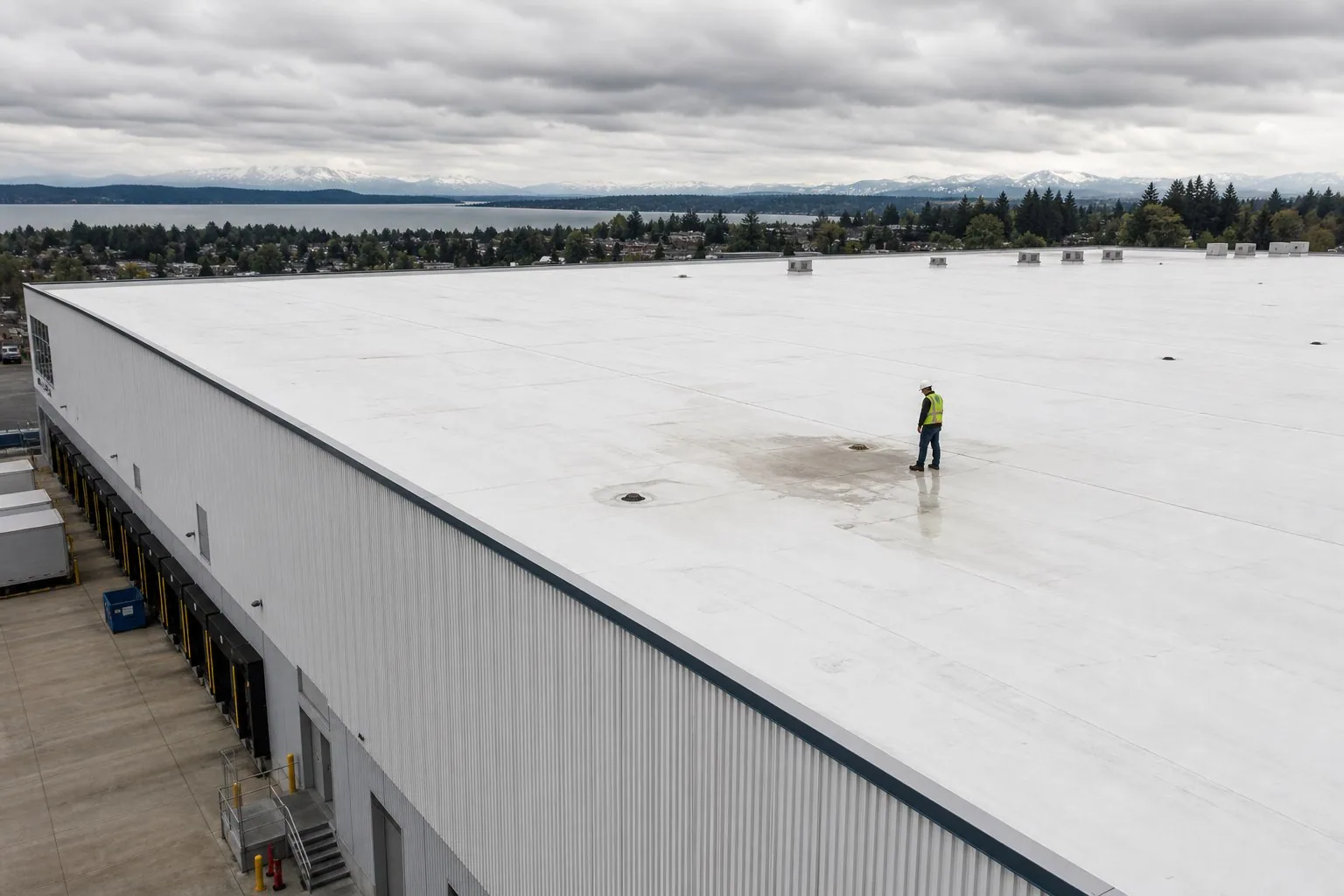
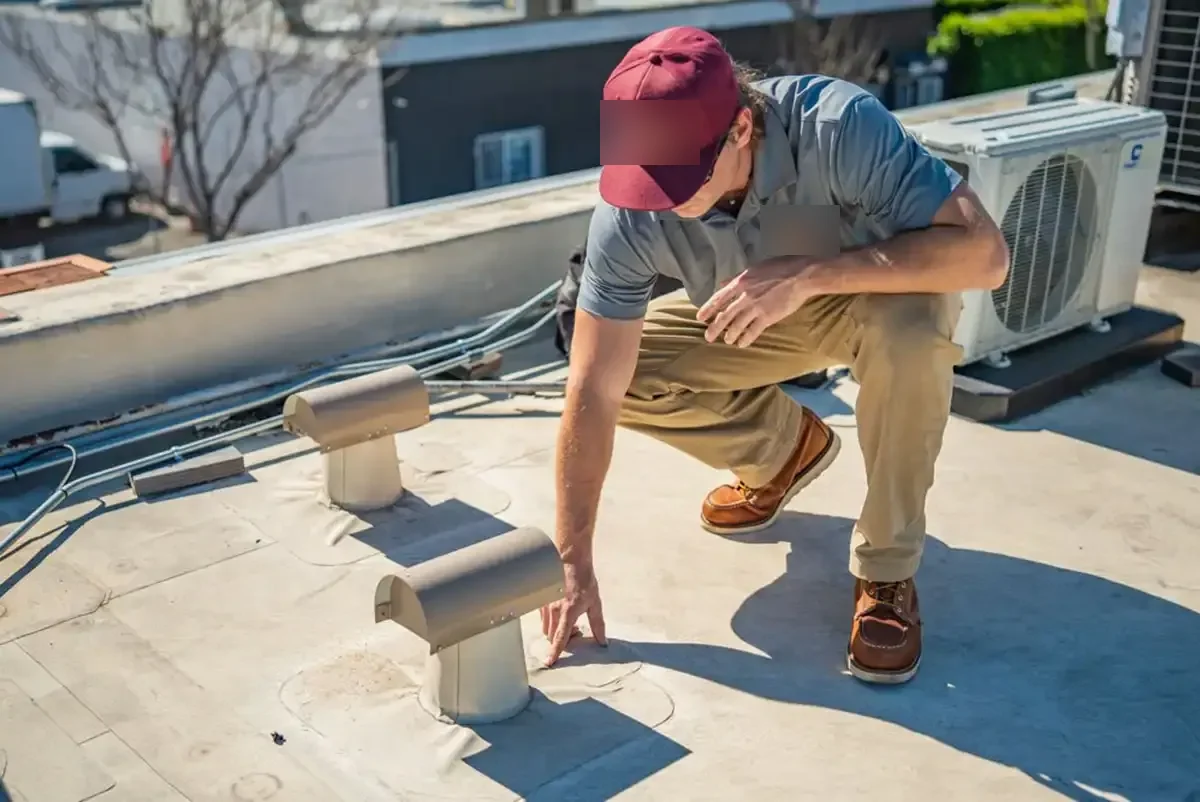
A summer inspection may follow long hot periods or repeated rain. At each property we check the conditions that matter there, such as an exposed lap, an obstructed outlet or a flashing edge. The route can bring several sites into one schedule, but each recommendation remains tied to the local roof evidence.
Severe thunderstorms, wind, hail and tornadoes are tracked across north and central Georgia. If one property reports storm impact, we add an event inspection to that site's work list and keep its findings separate. Other roofs are not presumed affected. A hands-on inspection can record the condition at the individual building and identify access limitations.
For a transaction involving several assets, the buyer may need a survey before the larger maintenance program begins. A due diligence review can document current condition and transaction-specific open questions. The program then carries only confirmed records into routine operations.
Control repairs and tenant disruption
Multi-site work needs a clear release path. We identify who approves repairs, who coordinates tenants and who can authorize added work when concealed damage appears. The site contact confirms interior protection, equipment shutdowns and work-hour limits. Crew notes record when an area was opened, secured, left temporarily protected or returned to service.
Historic Roswell includes a 640-acre district where exterior changes at covered properties are subject to review. A project that changes visible metal or roof profile at one site may require a separate approval path. We flag that question only for the relevant property and preserve its schedule separately from other roofs in the program.
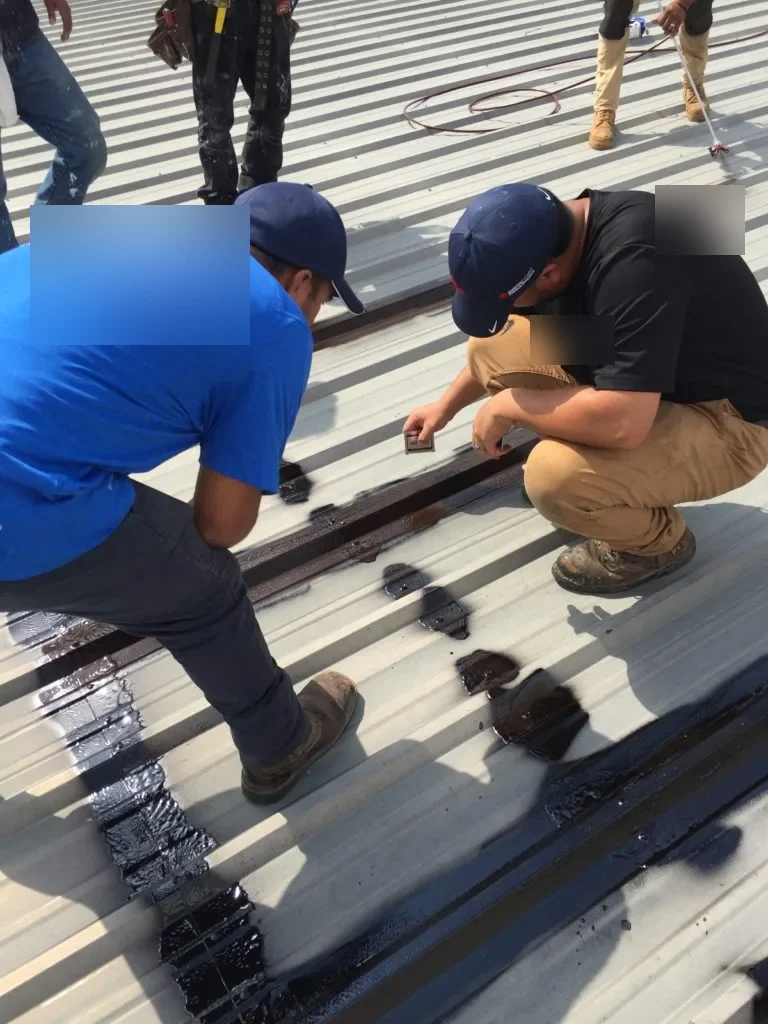
When an assembly shows a current leak, the leak repair scope identifies water entry, repair boundary and any test still needed. Routine inspections can follow the approved work later. The maintenance route records recurring visits and small authorized tasks, while larger repairs continue through their own pricing and approval.
Where work is divided into phases, we list each building and zone, temporary protection method, daily closeout check and return requirement. That protects a property with active operations without suggesting every site will receive the same sequence. Weather delays, access cancellations and material changes are logged against the affected location.
Keep approvals and warranties with each property
Each site file holds its reports, photos, repair approvals, invoices, warranty details and remaining questions. A portfolio overview can show open actions and planned dates, but the underlying evidence stays attached to the building. If one roof has a different membrane or manufacturer document, that distinction remains visible to the owner and field team.
Warranty terms can set notice or maintenance conditions. We collect the documents supplied, record the work performed and route coverage questions to the responsible issuer. A warranty record process can preserve communication and closeout documents without representing that coverage has been accepted.
Capital decisions also need site-level scope. We note repair quantities, concealed assumptions and timing drivers for each asset. A capital plan can roll up those findings for the budget discussion while keeping project amounts tied to actual approved work. If the owner requests a summary report, a photo condition report can connect the portfolio view to each roof zone.
Request a multi-site program with the property roster, available roof plans, contacts, access rules, active leak reports and desired review period. We will map the field schedule, keep findings separated by building and provide a clear path from inspection to approved work and closeout.
Related Roofing Work
Coordinate a multi-site roof program
Send the property roster, roof plans, access rules, contacts, active leaks and preferred review window. We will coordinate visits and maintain a separate record for each building.
Questions About Multi-Site Commercial Roofing Programs
How do you keep one property's findings from carrying to another?
Every building has a separate identifier, roof-zone map, photo set and work history. Shared terms make reports easier to compare, but the Diligence Notes name each roof material and observed condition. We do not use one property's repair or warranty details as evidence for another.
Can one approval cover repairs at several locations?
The owner can authorize a grouped project, but the work order should list each property, zone, quantity and scope. Concealed conditions stay tied to the location where they are found. We request approval for added work using that site's evidence and applicable allowance.
What does the program need before the first visit?
A property list, contacts, roof plans, access instructions, known leaks, prior work records and operating windows are a useful start. We mark missing documents and confirm escort or shutdown needs before scheduling. The route can begin with available information while open records are tracked.
Can the schedule include both inspections and repairs?
Yes. We can plan survey dates and reserve later work windows, subject to findings, approval and material availability. The schedule separates inspection from construction and identifies which zones must be released before repairs start. Each site receives its own closeout record.
Commercial Roofing Across Roswell and North Fulton
Roof Repair, Replacement and Maintenance for Every Kind of Commercial Building
From Historic Roswell and Canton Street to the Holcomb Bridge Road corridor, GA 400 and the North Point area, we inspect, repair and replace low-slope and metal roofs on offices, retail centers, medical buildings, schools and warehouses.