
Commercial Roof Asset Management in Roswell, GA
A roof record loses value when a repair date cannot be tied to a seam, drain or building. We start with a property list and map each roof into practical zones. The file connects observed defects, completed work, open questions and next review dates. That gives an asset manager a usable view of the portfolio without assuming every building has the same assembly or condition.
Roswell's office, healthcare, civic and light industrial properties sit across distinct commercial areas along GA 400 and Holcomb Bridge Road. A Roswell roof review can establish the first condition record for an individual property. For each building, we capture roof access, system information and the contact responsible for approvals.
Build a record for each roof
We identify the building, roof areas, known system, approximate installation or repair dates when supplied, and available drawings. The record distinguishes owner-provided information from field observations. If the membrane type is uncertain, we note the visible material and leave the field unconfirmed until the assembly can be checked. An address and a business name do not establish roof construction.
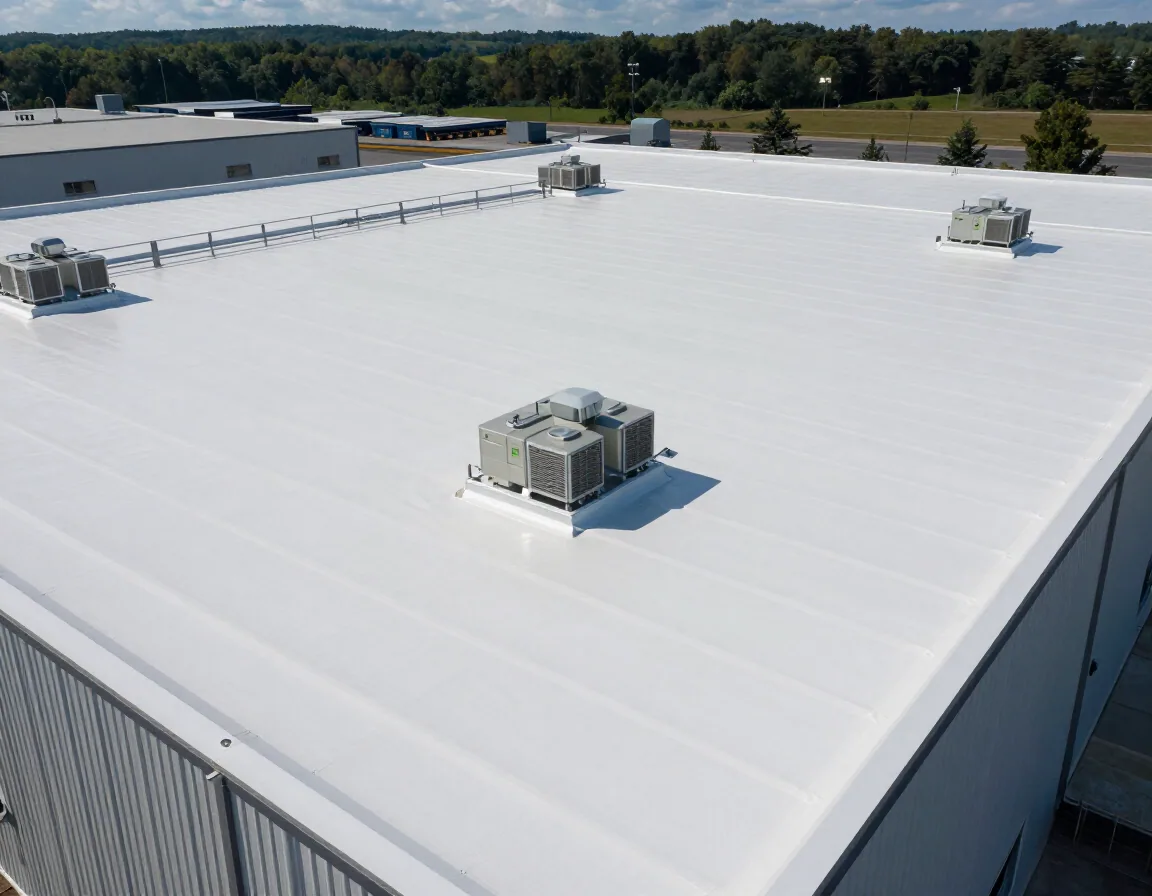
A large property can have several additions, transitions and roof levels. We assign zone names that a maintenance team can find again, such as the east wing, loading addition or rooftop unit cluster. Plans and photographs use the same labels. The condition report can preserve the current surface evidence and list concealed items that need another test or opening.
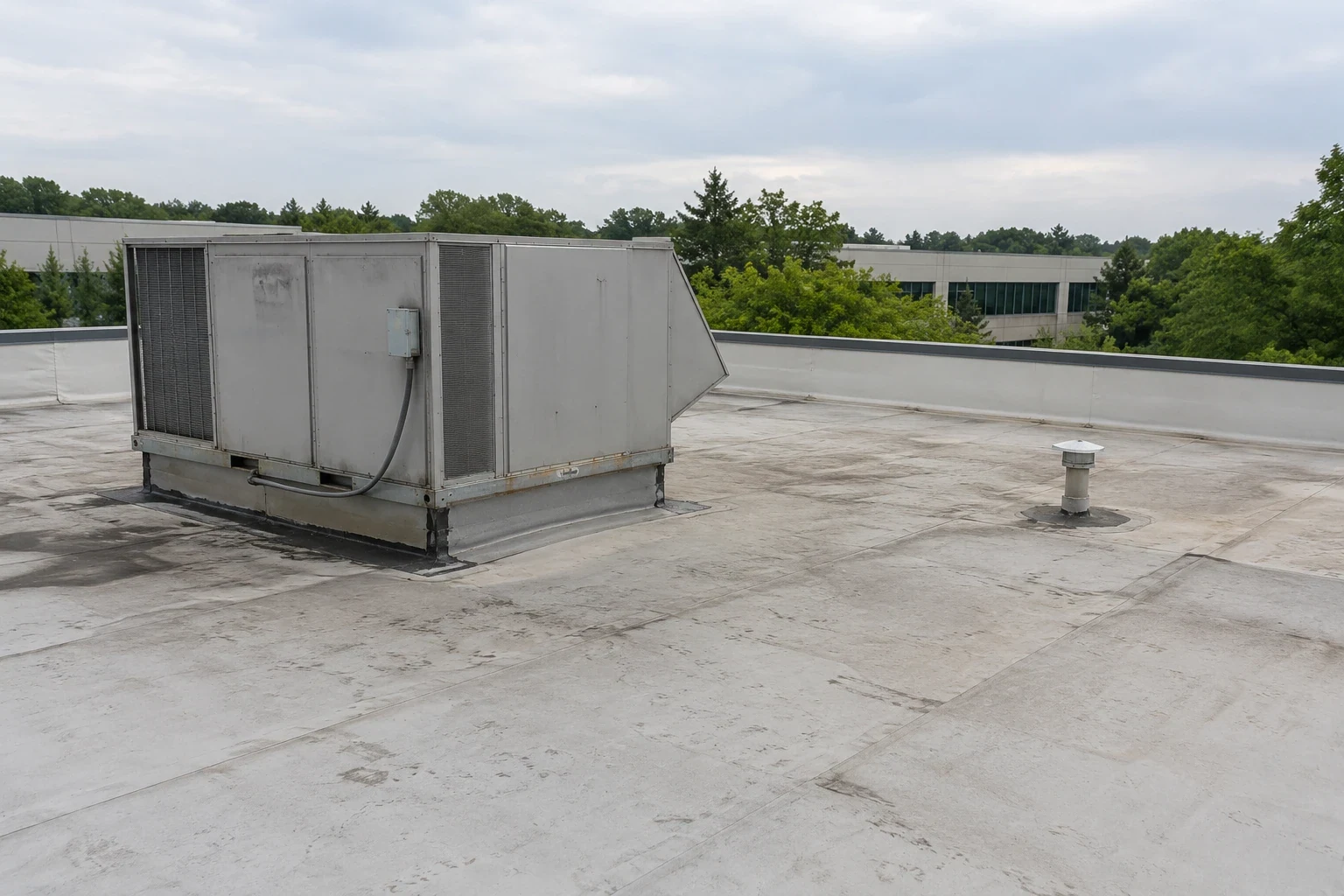
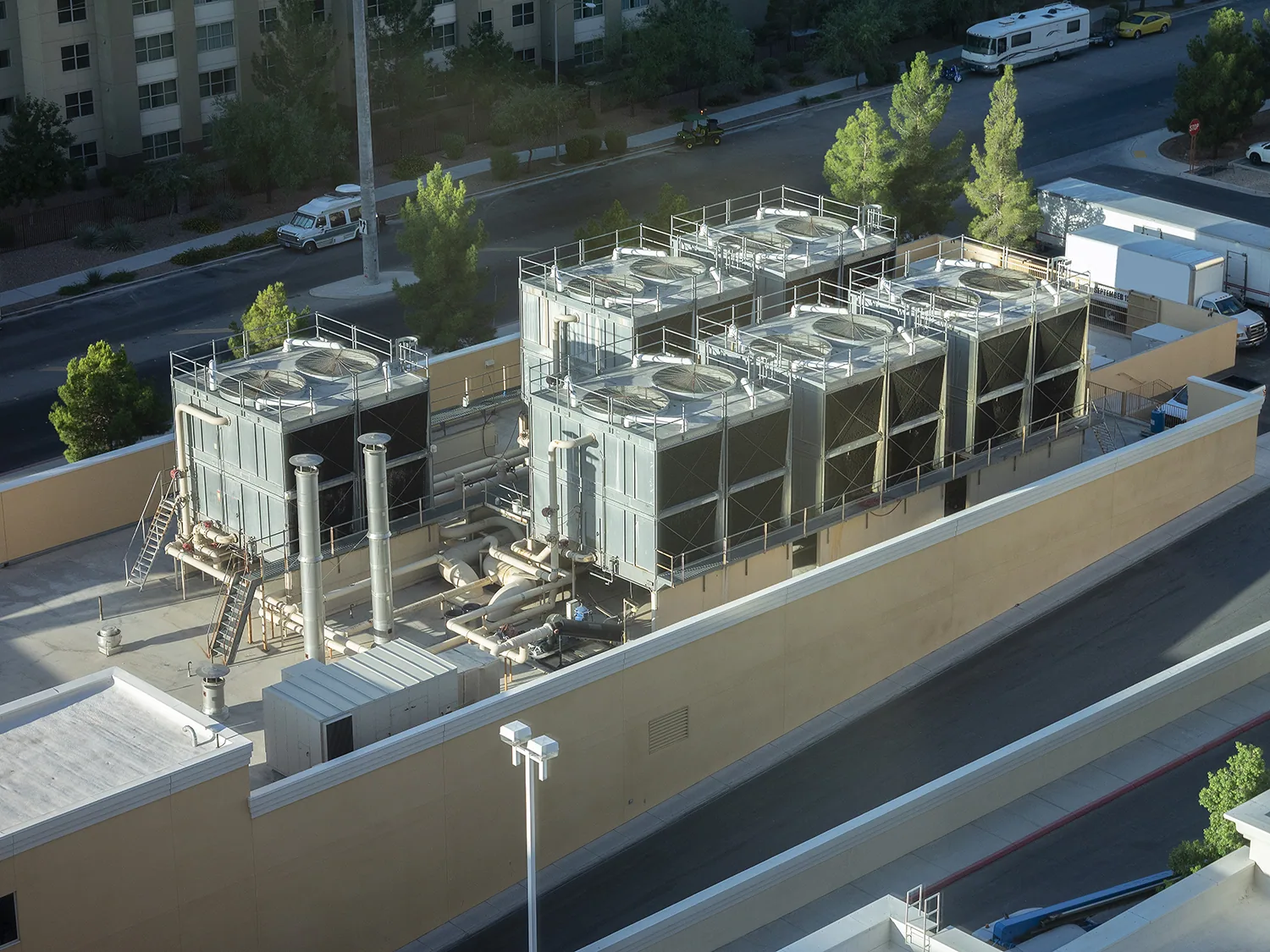
Equipment changes belong in the history too. New curbs, conduit supports or exhaust units can affect the membrane and its warranty conditions. We record the project date, roof location and any flashing work associated with that change. A curb and support review can document those details when mechanical work changes the roof surface.
Connect repairs to observed change
Each inspection adds dated findings to the correct roof zone. A lifted seam, open termination, drain obstruction or patch edge receives a location and photograph. The entry says whether the item was repaired, monitored, tested or left pending approval. That prevents an old observation from appearing current and keeps a completed repair from returning to the active list.
Roswell's long sunny stretches and recurring summer showers can expose a weak tie-in or drainage detail. We flag outlets that retain water and seams that already show movement, then compare them with the next visit. The season helps set the review window; the roof-zone record determines whether work is warranted.
When rain exposes an active opening, the manager needs the earlier record and the current repair response together. We compare the reported interior location with the mapped roof zone and note whether the defect is new, recurring or adjacent to prior work. The leak repair record can document the water path and completed tie-in for the asset file.
After an owner reports a storm-related concern, we schedule an additional look at the affected property when access is safe. We record the date supplied, inspect released roof zones and add only confirmed changes to the asset history. A regional alert alone does not alter a roof's recorded condition.
Rank work by condition and consequence
An asset list is useful only when it helps choose the next action. We separate active water entry, exposed substrate, loose edge metal, drainage problems and longer-term surface wear. The manager can then compare safety, tenant impact, repair urgency and planned capital work. We identify the evidence behind each priority so the rating does not hide an unknown assembly or inaccessible area.
Properties near Holcomb Bridge Road face a busy east-west route at Roswell's GA 400 interchange. Access windows and material staging can influence when crews reach a roof, particularly when several sites share one operations team. A corridor-specific visit plan can note site access and delivery constraints while keeping roof findings attached to their individual buildings.
Historic Roswell brings another planning consideration. Its 640-acre local district includes buildings subject to exterior design review. If an asset plan includes visible edge metal or a roof profile change at a covered property, we flag that review step before scheduling material. The roof condition remains separate from the approval process, but both affect the sequence.
For a group of nearby assets, a multi-site roof program can align reporting periods, access procedures and review meetings. Each location still keeps its own photographs, repair boundary and approval trail. Portfolio summaries roll up the work without averaging away a failing drain or a sound roof zone.
Keep the record active between projects
Records need a maintenance rhythm. We can set visits based on roof condition, leak history, tree exposure, drainage behavior and active construction. After each route, we update completed items and assign a follow-up date to unresolved findings. The next visit checks the same location, not merely the general roof area. Changes then become easier to compare.
For buildings across North Fulton, staff may need a shared checklist for keys, escorts, roof hatches, equipment restrictions and occupied spaces. The area includes Roswell, Alpharetta, Milton and Johns Creek, connected by the GA 400 employment corridor. A North Fulton roof schedule can coordinate visits across municipalities while preserving each building's contact and access plan.
Work order details matter. We capture approved scope, materials installed, areas opened, concealed layers found and protection left in place. If a contractor needs a return visit, the asset file identifies the reason and which party must release access. A preventive maintenance route can feed recurring observations into the same property history.
When a condition is unclear, we state what evidence would resolve it. Infrared review may help locate suspected moisture, while a test cut can show actual layers at a selected location. We note proposed test areas and restoration steps before proceeding. A moisture survey belongs in the record with its date, scan limits and follow-up findings.
Give approvals a clear trail
Each recommendation should lead to a decision. We list the roof zone, observed condition, recommended work, access needs and whether pricing is firm or depends on opening concealed material. The owner can approve a defined repair, request another test or carry a planned item into the next budget cycle. The file records that choice and the person who authorized it.
Closeout photographs show the repair boundary, tie-in and adjacent details. If work stopped before a permanent repair, the report says what temporary protection remains and what condition is needed to resume. We update the open-item list after the crew leaves. The history then gives the next inspection a starting point.
Request a roof asset review for a named building or portfolio. Send roof plans, property contacts, past inspection records, repair invoices, access rules and any planned acquisitions or projects. We will establish roof zones, document confirmed conditions and identify the decisions needed to make the records useful for operations and capital planning.
Related Roofing Work
Set up a roof asset review
Name the properties and share roof plans, repair history, access rules and contacts. We will map roof zones, record confirmed conditions and identify open decisions.
Questions About Commercial Roof Asset Management
What should a roof asset record include?
Start with a building identifier, roof zones, known system details, plans, access instructions and available repair history. Add dated observations, photos, approvals and open items after each visit. We label supplied information separately from field-confirmed conditions so future decisions do not rely on assumptions.
How do we track several roof areas on one building?
We divide the property into repeatable zones using plan references and field landmarks. Each repair and photo uses the same label on later visits. If an addition cannot be reached, it remains listed as uninspected rather than inheriting the condition of an adjacent section.
Can an asset record help set repair priorities?
Yes, when findings identify active leaks, drainage issues, exposed layers, access limits and remaining unknowns. We explain the evidence for each recommendation and distinguish urgent protection from planned renewal. That gives the manager a basis for sequencing work across buildings.
What information helps start a portfolio review?
Send property names, roof drawings, prior inspections, repair invoices, warranty documents, access contacts and any upcoming projects. We can begin with the available records, mark missing details and confirm which buildings need field review first.
Commercial Roofing Across Roswell and North Fulton
Roof Repair, Replacement and Maintenance for Every Kind of Commercial Building
From Historic Roswell and Canton Street to the Holcomb Bridge Road corridor, GA 400 and the North Point area, we inspect, repair and replace low-slope and metal roofs on offices, retail centers, medical buildings, schools and warehouses.