Commercial Roofing in Sandy Springs, GA
A fractured seam beside a rooftop unit can let water into the insulation before a ceiling report appears. We inspect the lap, curb, substrate, and drainage route before setting a repair limit. Sandy Springs reports a broad office, retail, and commercial property base, with a medical district that includes Northside Hospital, Emory Saint Joseph's, and Children's Healthcare of Atlanta. Roof decisions still depend on the assembly at the property and the operating rules supplied by its manager.
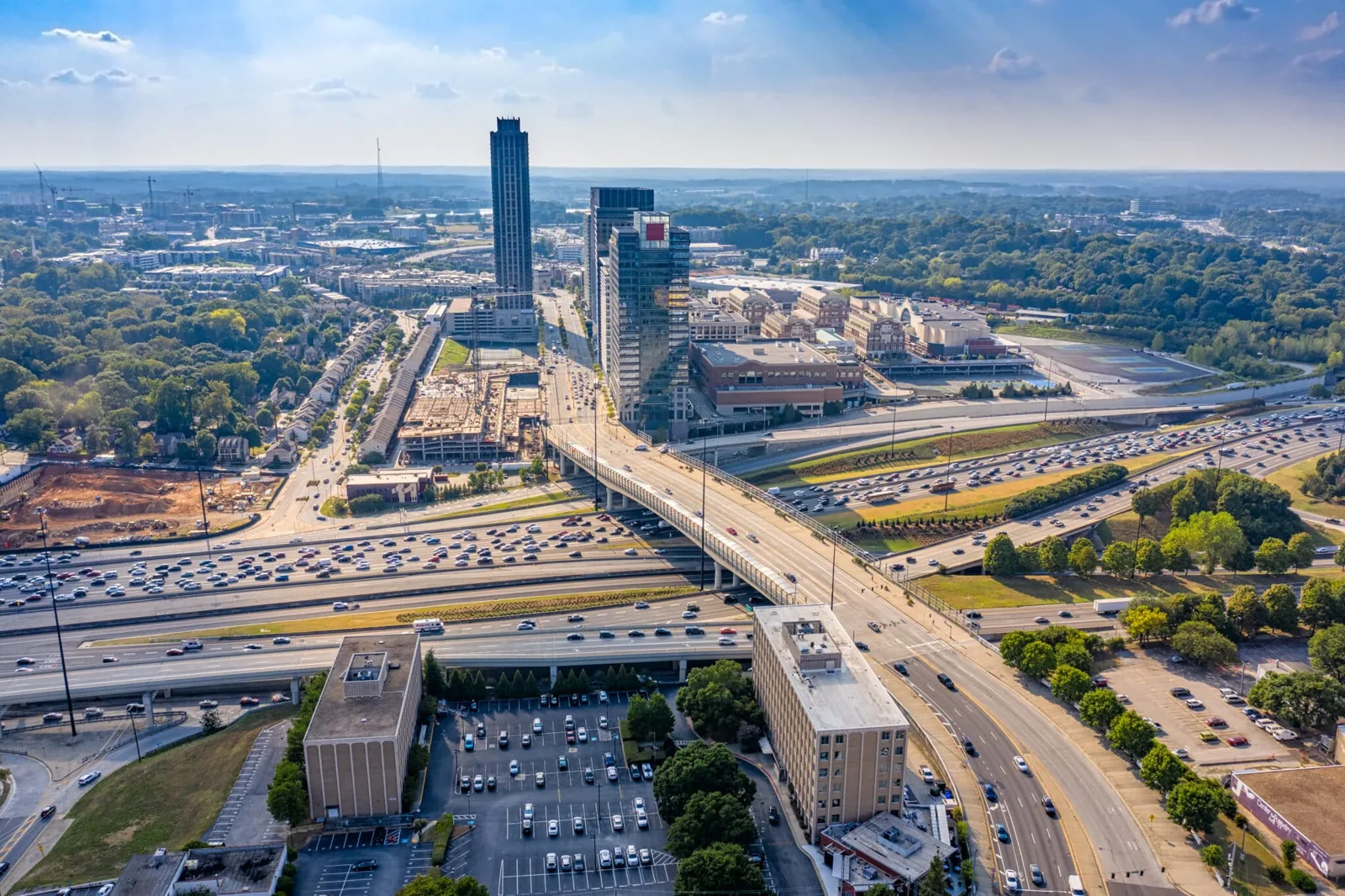
The city connects to I-285, GA 400, and nearby I-75, with MARTA service in the Central Perimeter area. Those links affect regional scheduling, while roof access remains property-specific. A Central Perimeter roof review can focus on the district's office, retail, and healthcare property mix. The Perimeter Dunwoody assessment tracks that municipality's separate planning boundary.
Protect occupied areas below the repair
Office, retail, and medical operations can set strict limits on noise, odors, deliveries, or equipment shutdowns. We confirm work hours and the area below the roof before opening a zone. The plan identifies entries that stay available, material paths, barriers, and the time needed for any lift or rooftop service. A property label alone does not establish occupancy or access conditions.
Sandy Springs lists a medical employment district that includes Northside Hospital, Emory Saint Joseph's, and Children's Healthcare of Atlanta. These institutions are part of the local context, not a basis for assuming a particular roof system or work history. When a building operates around patients or clinical services, its manager supplies required controls. We stage work around those actual requirements and keep the roof defect in scope.
A phased occupied-building roof plan can limit the open area each shift and show where temporary protection is installed. If rooftop units must remain active, we note clearances and service routes. If a temporary shutdown is necessary, the schedule identifies who approves it. These steps help protect the interior without stretching a repair beyond confirmed conditions.
Follow the seam beyond the visible split
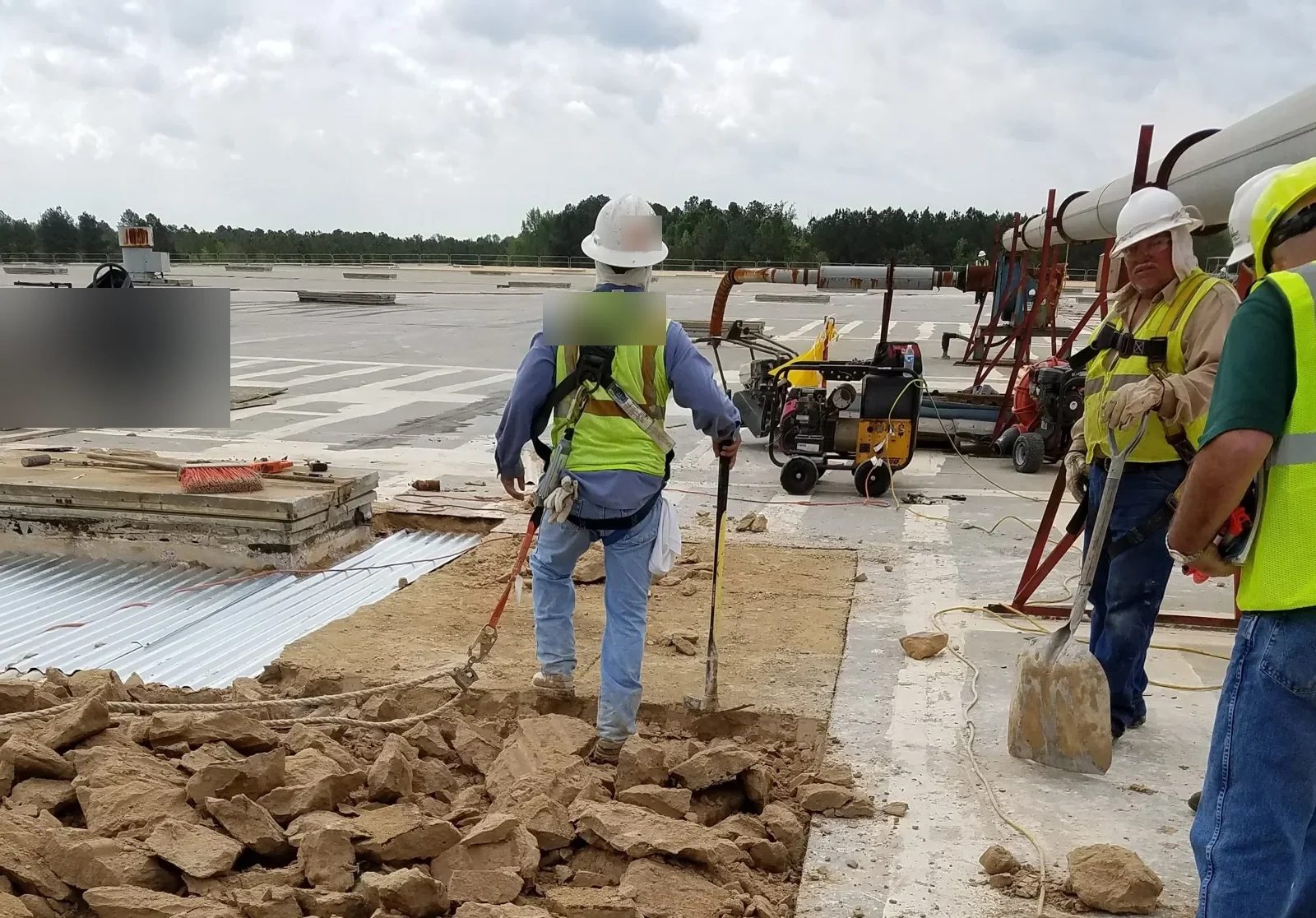
A split seam should be checked for length, edge lift, dirt, brittle material, and previous repair layers. We inspect adjacent curbs, penetrations, walls, and drains because water can move along more than one plane. Photos tie each finding to a roof zone. If the visible opening ends at sound material, a localized tie-in may be appropriate. If insulation is wet or the membrane has detached beyond the split, the repair boundary moves.
Atlanta climate normals describe humid summers, frequent warm-season rain, and a July normal high near 90 degrees Fahrenheit. That cycle can expose weak laps and drainage details. North Georgia storms can also bring damaging wind, hail, and tornadoes. We inspect the physical surface after an owner reports a concern; the weather event alone does not establish damage. A commercial roof inspection can document the relevant zones and any areas that were not accessible.
Sandy Springs' corporate and healthcare property base spans many building operations. We do not infer a roof assembly from the tenant name or property type. Available plans, previous repair records, and a field check help identify membrane and insulation. If those sources leave a concealed layer uncertain, we explain what a test opening would confirm before the owner approves it.
Choose a scope that fits confirmed conditions
A membrane repair must connect to compatible material. TPO or PVC may use a welded patch after preparation; EPDM, modified bitumen, built-up roofing, metal, and coatings require other repair details. We inspect the assembly and surface condition before selecting a method. A patch over wet insulation or a loose lap may not hold the intended boundary.
If a test opening exposes moisture, we document the insulation and deck before covering them. The proposal separates confirmed replacement from any allowance tied to concealed damage. A defined roof repair should name each roof zone, material, access assumption, and excluded condition. It should also state what new evidence would require a change order.
Repeated leaks or widespread separation can call for a comparison with recovery or replacement. We inspect roof height, deck support, drainage, equipment curbs, and existing layers. The recommendation should distinguish urgent water control from long-range renewal. A replacement scope can include phased access, equipment protection, perimeter tie-ins, and daily dry-in limits for an operating building.
Plan arrivals across a connected city
I-285, GA 400, and nearby I-75 connect Sandy Springs with regional work routes. Four MARTA rail stations serve the Central Perimeter area. Those transportation links help frame coordination, but they do not tell a crew where to load, park, or enter a roof. We confirm each site's delivery instructions, visitor controls, lift limits, and work hours with the property contact.
Medical, office, and retail properties can have different rules for loading docks, fire lanes, and public entries. We identify which access path keeps visitors away from material handling. If a facility needs an escort or credential check, the owner explains the requirement before the visit. The proposal records staging assumptions so the owner can correct them before the crew arrives.
Warm-season showers can interrupt surface preparation or flashing installation. We establish a stopping point that leaves each opened section protected, and specify what needs to dry before permanent work resumes. Cost and timing also reflect roof height, material compatibility, number of repair zones, moisture, and staging. A rapid response repair can stabilize an active opening while a permanent scope is prepared.
Give each property a dated condition record
Closeout photographs show the repaired seam, curb, or drain beside nearby transitions. We identify materials installed, the roof-zone reference, removal limits, and anything left outside scope. If hidden material was opened, the report describes what was found and restored. The owner can compare a later inspection with the actual closeout instead of a broad invoice description.
Named healthcare institutions and corporate occupants establish the scale of Sandy Springs' commercial setting, but each property remains its own asset. Keep its roof plan, access notes, equipment changes, and repair history together. A photo-supported roof condition report can help maintenance and capital staff act on confirmed findings.
Request an assessment for a named Sandy Springs building or portfolio. Send leak dates, roof plans, access contacts, operating windows, prior repairs, and any shutdown restrictions. We will inspect the affected zones, define confirmed work, and list concealed conditions separately for approval.
Related Roofing Work

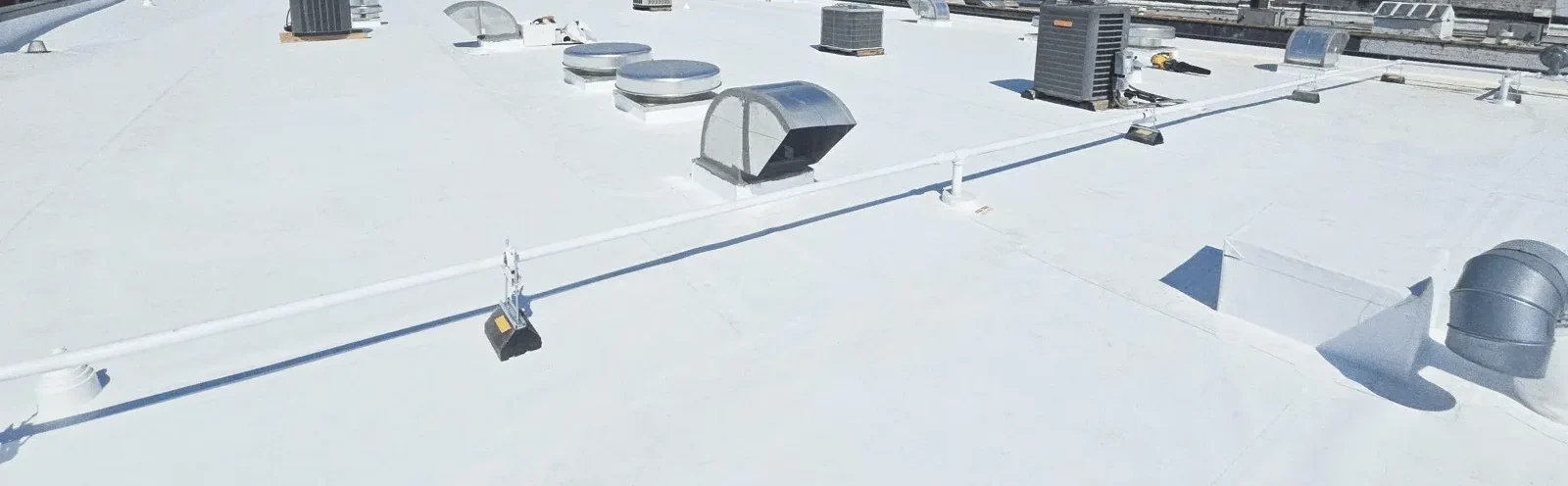
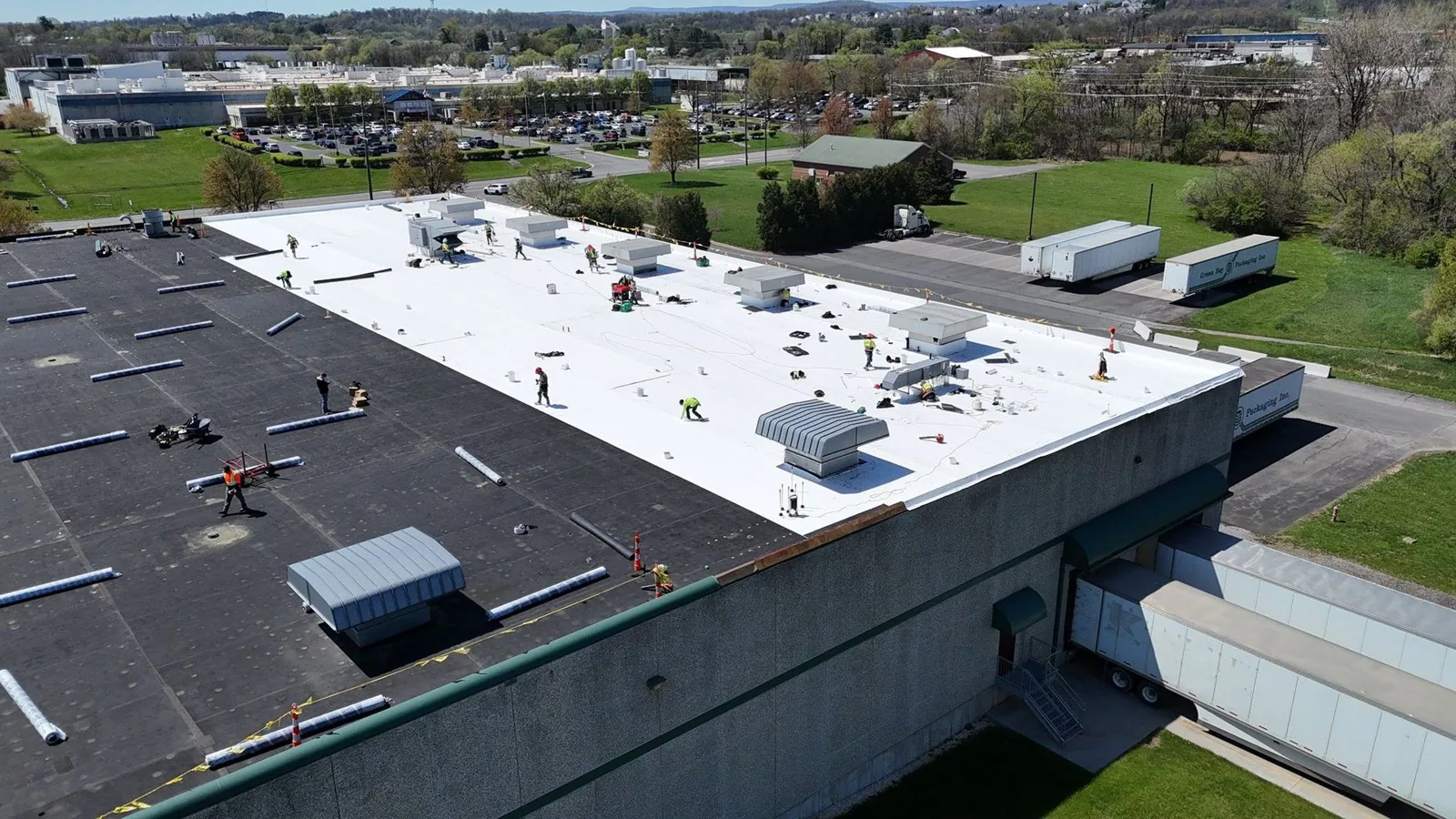
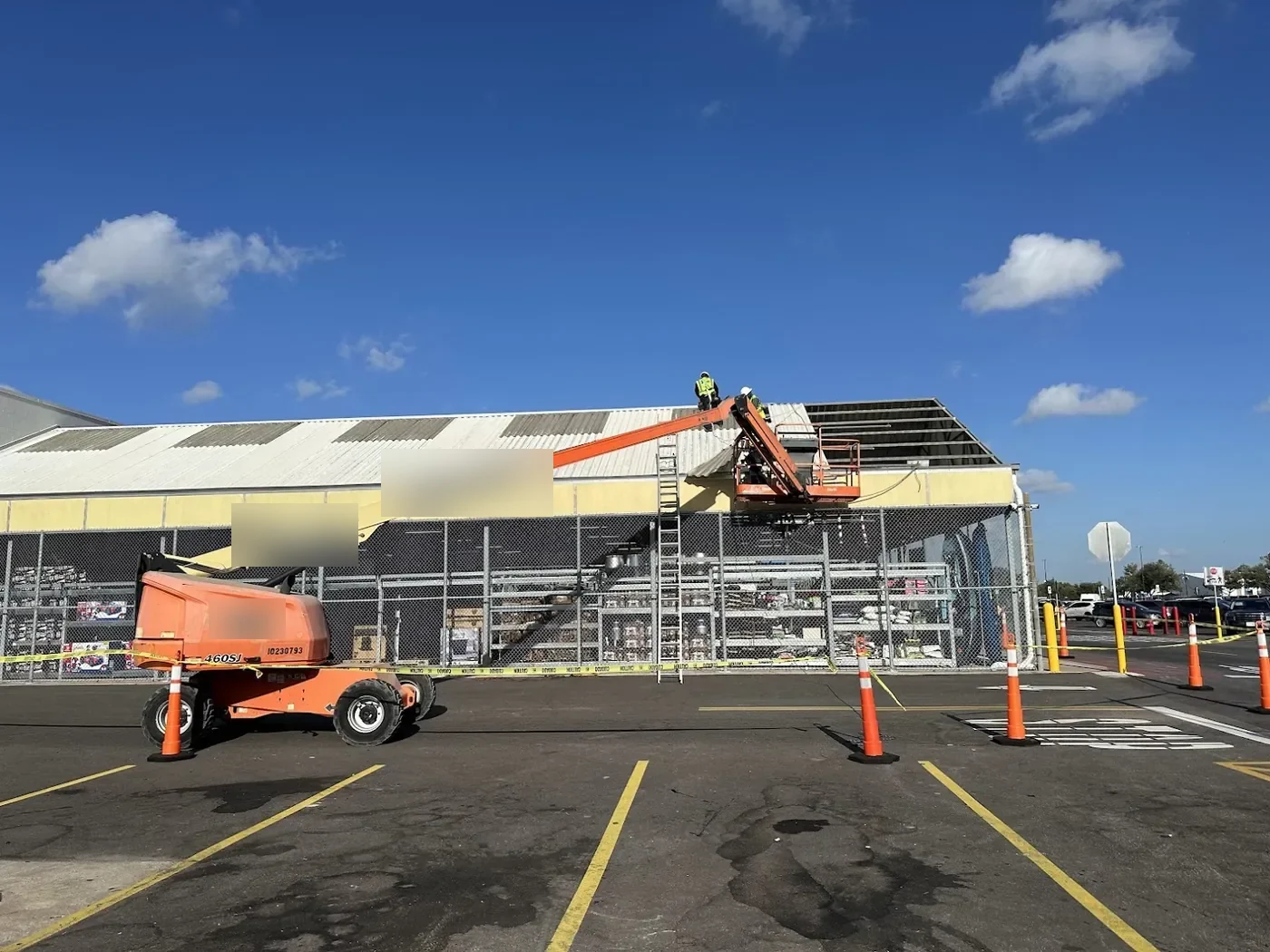
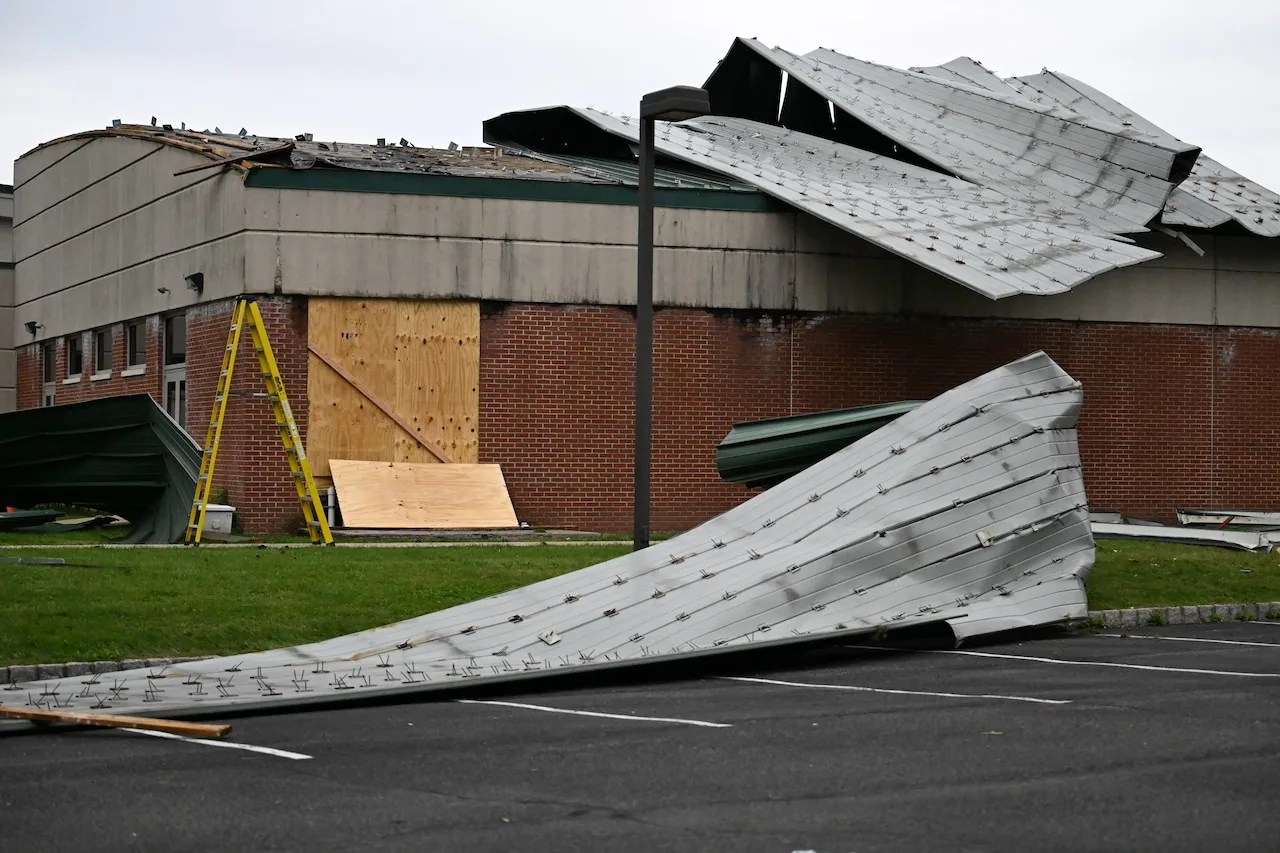
Scope a Sandy Springs roof repair
Share roof plans, leak dates, access instructions, operating windows, and any equipment shutdown limits. We will document the failure and price confirmed work separately from concealed conditions.
Questions About Sandy Springs
Can a roof repair proceed over a medical or patient-care area?
The property manager identifies the controls for the space below, including work hours, access, noise, odor, and equipment requirements. We map the roof zone and sequence the repair around those limits. If a shutdown or protected route is needed, the scope states it before the work date.
Do the major medical employers determine the roof system?
No. The employer and use describe the local market, not the concealed roof assembly. We identify membrane and layers from records or field inspection. If the tie-in surface remains unknown, we propose a test opening and explain how it will be restored.
How do road and transit access affect roof scheduling?
I-285, GA 400, I-75, and Central Perimeter MARTA service describe regional connections. The building's loading point, lift area, and roof entry still require direct confirmation. Share current delivery and visitor instructions so the work plan reflects site access rather than a corridor assumption.
What should be separated in a roof proposal?
Separate the confirmed repair, temporary protection, concealed-condition allowance, optional renewal, and any access or shutdown assumptions. Photos and roof-zone labels should support each line. That gives the asset manager a clear approval point if opening the roof reveals more than the visible defect.
Commercial Roofing Across Roswell and North Fulton
Roof Repair, Replacement and Maintenance for Every Kind of Commercial Building
From Historic Roswell and Canton Street to the Holcomb Bridge Road corridor, GA 400 and the North Point area, we inspect, repair and replace low-slope and metal roofs on offices, retail centers, medical buildings, schools and warehouses.