
Commercial Roofing in Central Perimeter District, Sandy Springs, GA
A lifted roof edge near an HVAC curb can open a gap beneath the membrane. We inspect attachment, curb flashing, neighboring laps, and drainage before setting the work limit. The Perimeter Center office market is a major Class A concentration with more than 123,000 workers. Its commercial base also includes retail and healthcare uses. That scale makes access planning important, but the repair still depends on the roof layers confirmed at each property.
I-285, GA 400, four MARTA stations, and bus service connect the Central Perimeter employment district. We use site instructions to plan staging, roof entry, and operating hours. A Sandy Springs roof assessment can address the city beyond this employment district, while a Perimeter Dunwoody roof review keeps the neighboring municipality's planning area distinct.
Plan around a concentrated workday
Large employment activity creates a practical need to coordinate when crews arrive, where materials move, and which entries remain open. We confirm loading rules, roof hatch access, visitor routes, lift locations, and any times when noisy work should pause. The district's worker count describes the scale of daily activity. It does not tell us how a specific property is occupied or what restrictions its manager requires.
Office, retail, and healthcare uses can bring different operating controls. A retail entrance may need pedestrian separation, while a healthcare property may specify access or shutdown rules. The property representative identifies those requirements; we map them to the roof zone and sequence. A phased occupied-roof scope can set a manageable work boundary and daily dry-in point for an active building.
Transportation connections do not establish where equipment can be staged. We verify a permitted setup and material path at each property. If a visitor or delivery route crosses the work area, the proposal names protection and control measures. A portfolio roofing schedule can coordinate related sites while preserving a separate access record for each one.
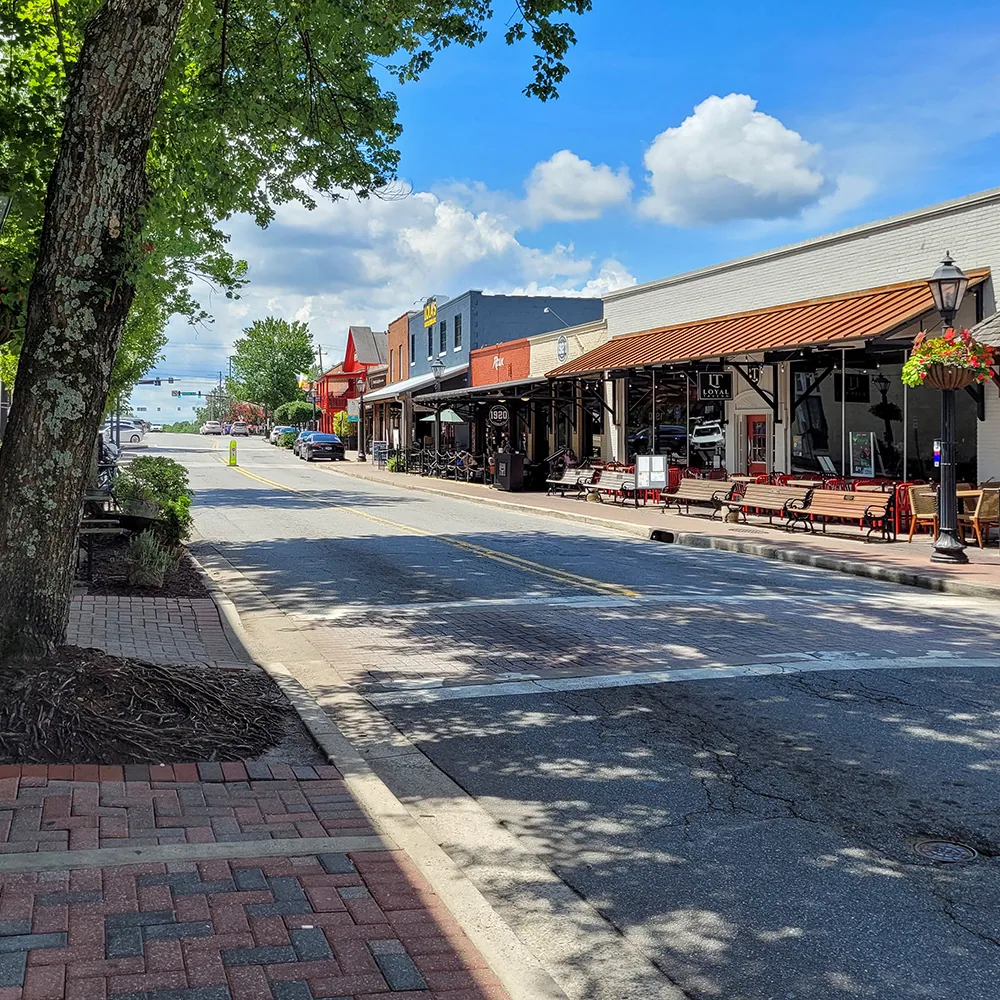
Check the edge and its attached details
A lifted edge can expose fasteners, backing, and the membrane termination to further movement. We check metal attachment, laps, wall transitions, sealant joints, and the substrate behind the visible separation. If water appears inside, we compare the reported location with roof seams, curbs, and drains above it. A roof plan or repeatable field reference helps locate the same detail during repair and closeout.
Atlanta climate normals show frequent warm-season rainfall and hot, humid summer weather, with a July normal high near 90 degrees Fahrenheit. That recurring heat and moisture can test edge and flashing details. North Georgia also sees severe storms that may bring hail, high wind, or tornado conditions. We inspect actual punctures, loose metal, or open seams rather than inferring damage from an event. A roof condition report can preserve the photographs and identify any inaccessible zone.
When the roof system is unknown, plans, repair records, and visible surface details can narrow it down. If the tie-in surface is still uncertain, we may propose a small test opening with restoration steps. We record confirmed material separately from assumptions. That distinction matters when comparing a patch with broader renewal across a commercial portfolio.
Separate a local fix from system renewal
A localized repair may hold when the membrane remains attached around the defect and a compatible tie-in reaches sound material. Thermoplastic sheets can use prepared welded details; rubber, asphalt-based, coated, and metal assemblies call for different methods. We identify the roof system before selecting materials. If the lifted area extends past the visible edge or insulation is wet, we document the larger opening before pricing it.
Where multiple zones show moisture, failing attachment, or repeated patches, compare repair with recovery and replacement. We inspect deck condition, insulation, roof height, drainage, perimeter details, and equipment curbs. A defined repair scope can handle confirmed failures while leaving a capital decision separate. A replacement comparison should show how the roof closes at curbs, edges, and shared transitions.
Some owners need work divided among assets or phases. We name each roof zone, state assumptions about staging, and show where an allowance depends on concealed material. No property inherits another building's roof type or condition. The estimate should state whether temporary protection, equipment coordination, or multiple mobilizations affect the schedule.
Set weather holds before the crew mobilizes
Rain can interrupt adhesion work, membrane welding, and exposed tear-off. We identify a safe completion point for each shift and show how unfinished work will be covered. If the forecast moves the installation window, the record states what protection remains and what needs to be dry before work resumes. This keeps the schedule tied to the roof detail.
Cost and duration reflect access, number of roof zones, material handling, membrane compatibility, surface preparation, wet insulation, and deck repair. In a concentrated office district, restricted delivery windows may also affect staging. We confirm those requirements with the property contact rather than assuming every address follows one schedule. If water entry is active, a leak tracing visit can locate and protect the opening while broader renewal is considered.
For a property with storm concerns, we photograph physical impacts and separate them from older conditions. A regional storm report does not establish a repair need. The owner can use a wind-damage inspection to document confirmed movement or openings and decide what should be addressed first.
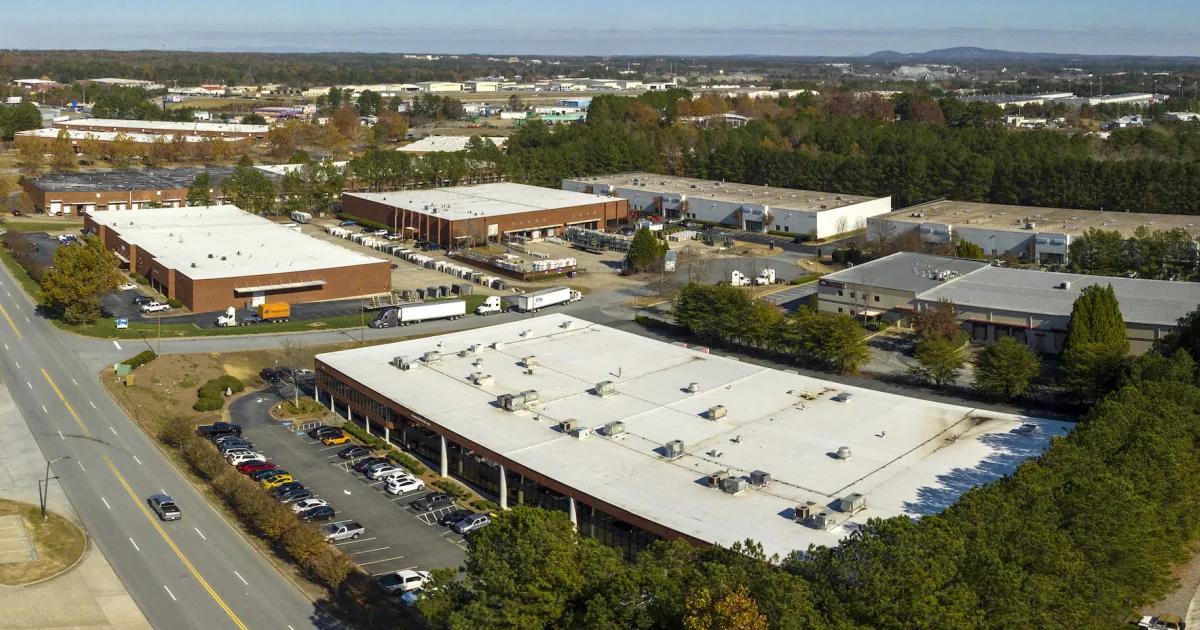
Keep asset records ready for the next approval
Closeout notes should name the building, roof zone, materials installed, repaired edge length, and any excluded condition. Photos show the completed tie-in and adjacent details, not only the patch center. If a test opening revealed wet insulation or damaged backing, the record describes what was replaced and what remains unknown. The owner can use the notes to approve follow-up or plan a capital phase.
The Central Perimeter district contains office, retail, and healthcare property. A portfolio summary can show urgency across assets, while the source reports retain each roof's evidence. A scheduled roof maintenance visit can check the repaired edge, drain route, and equipment transitions in a later season.
Request an assessment for a named Central Perimeter building or group of assets. Send roof drawings, prior inspection records, access details, operating hours, and reported leak dates. We will mark confirmed roof zones, describe the repair boundary, and separate concealed-condition allowances from approved work.
Related Roofing Work

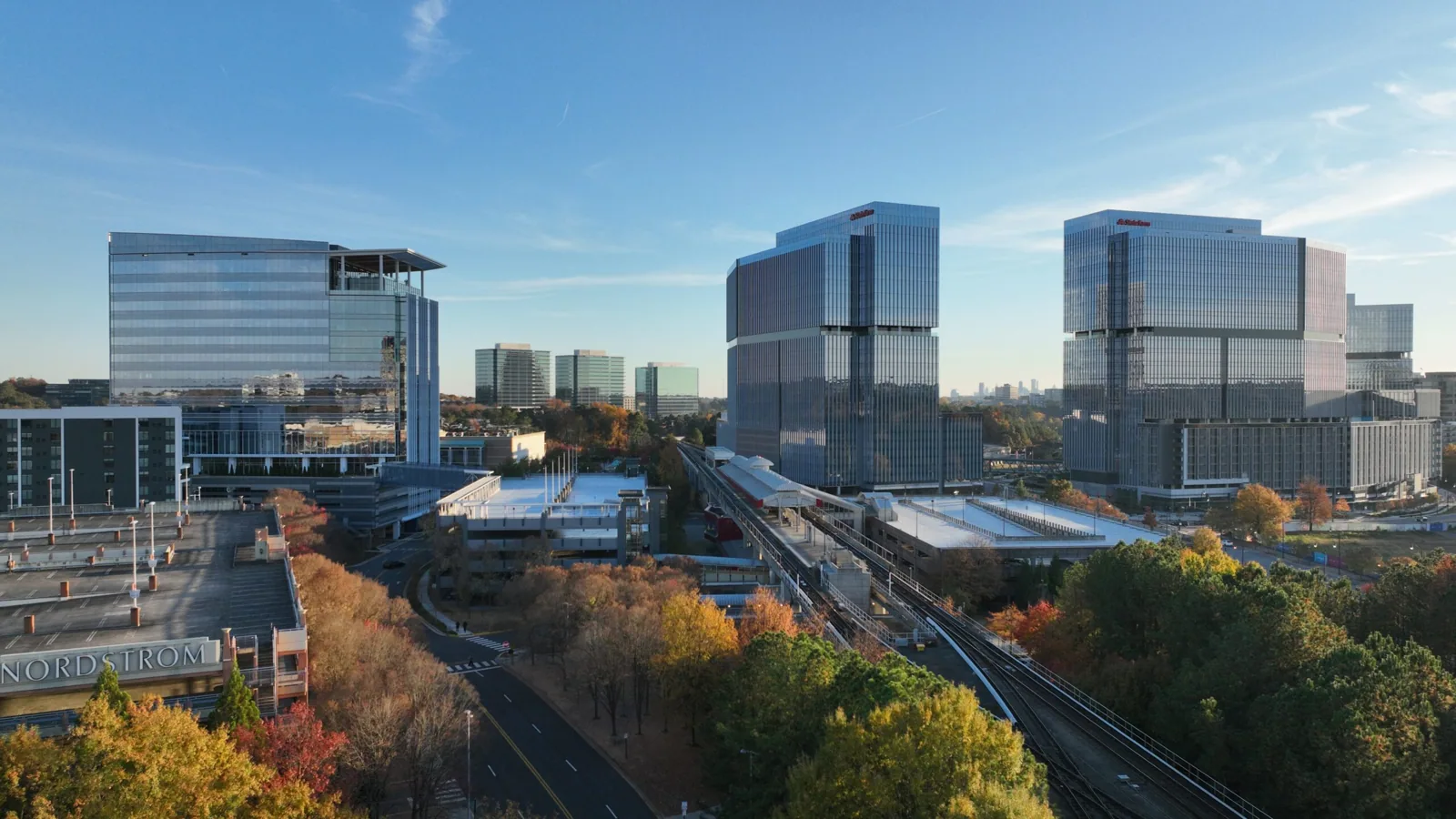
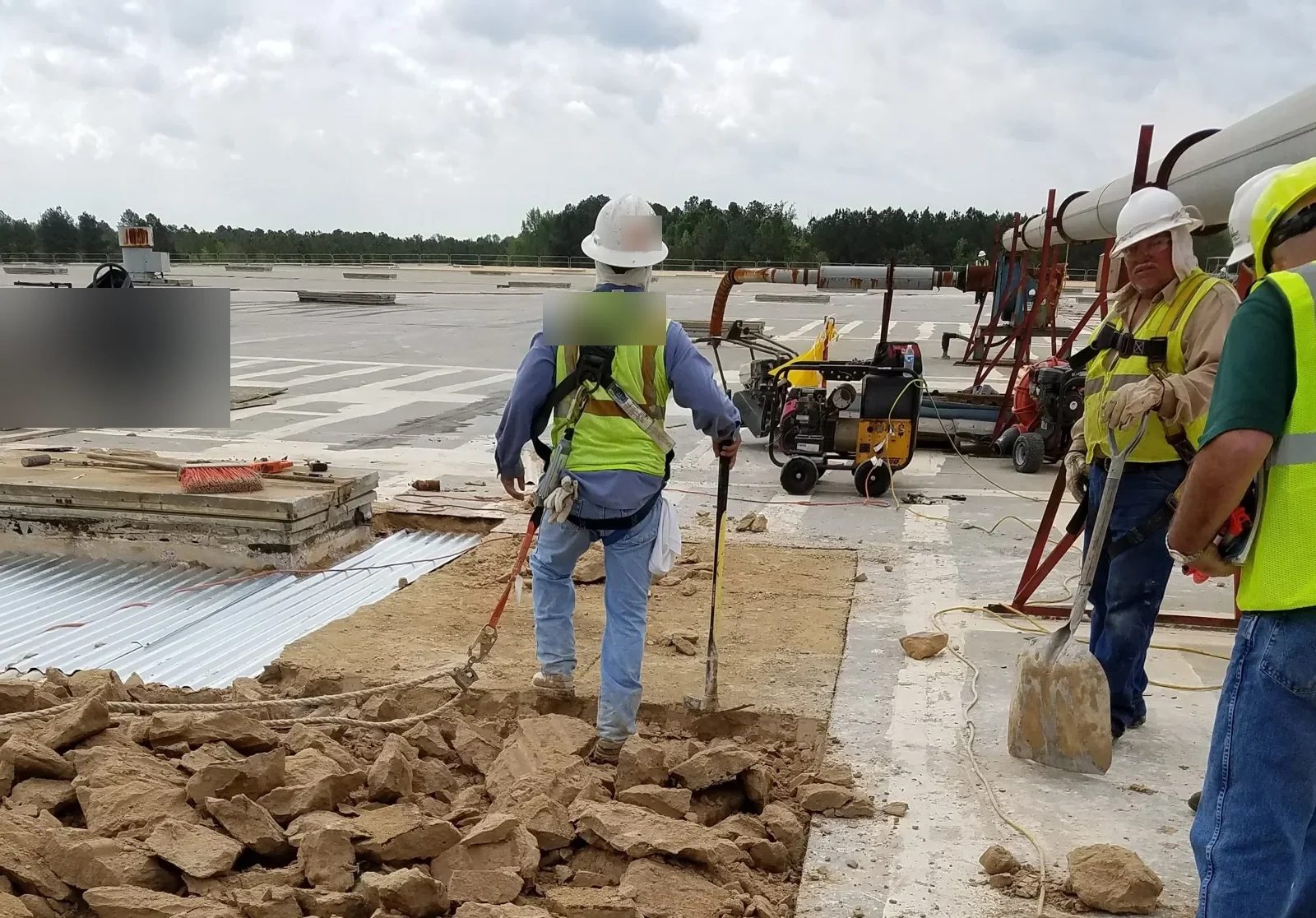
Scope Central Perimeter roof work
Share the building list, roof plans, access rules, operating hours, repair history, and reported water locations. We will document each roof zone and price confirmed work separately from concealed conditions.
Questions About Central Perimeter District, Sandy Springs
Does the district's worker count affect a roof estimate?
It helps explain why access and staging may need coordination, but it does not determine the price or condition of an individual roof. We confirm the property's work hours, lift setup, loading rules, and pedestrian routes. Cost follows the inspected roof details, materials, preparation, and any concealed damage.
Can roof work proceed while offices or healthcare areas remain active?
Often, if the building's restrictions can be built into the sequence. The property contact identifies sensitive areas, entry rules, shutdowns, and time windows. We map the roof zone above those operations and describe barriers or daily dry-in points before work starts.
How do I-285 and GA 400 change the access plan?
They connect the district regionally, but they do not establish an individual property's delivery or roof-entry path. We confirm staging, loading, lift access, visitor movement, and current arrival instructions with the site's representative before scheduling.
What information separates repair from replacement?
The roof system, deck, insulation, drainage, attachment, number of failing zones, and ability to tie into sound material guide the comparison. We document those findings by roof zone. Concealed conditions that need an opening remain separate from confirmed quantities until the owner approves them.
Commercial Roofing Across Roswell and North Fulton
Roof Repair, Replacement and Maintenance for Every Kind of Commercial Building
From Historic Roswell and Canton Street to the Holcomb Bridge Road corridor, GA 400 and the North Point area, we inspect, repair and replace low-slope and metal roofs on offices, retail centers, medical buildings, schools and warehouses.