Commercial Roof Recover in Roswell, GA
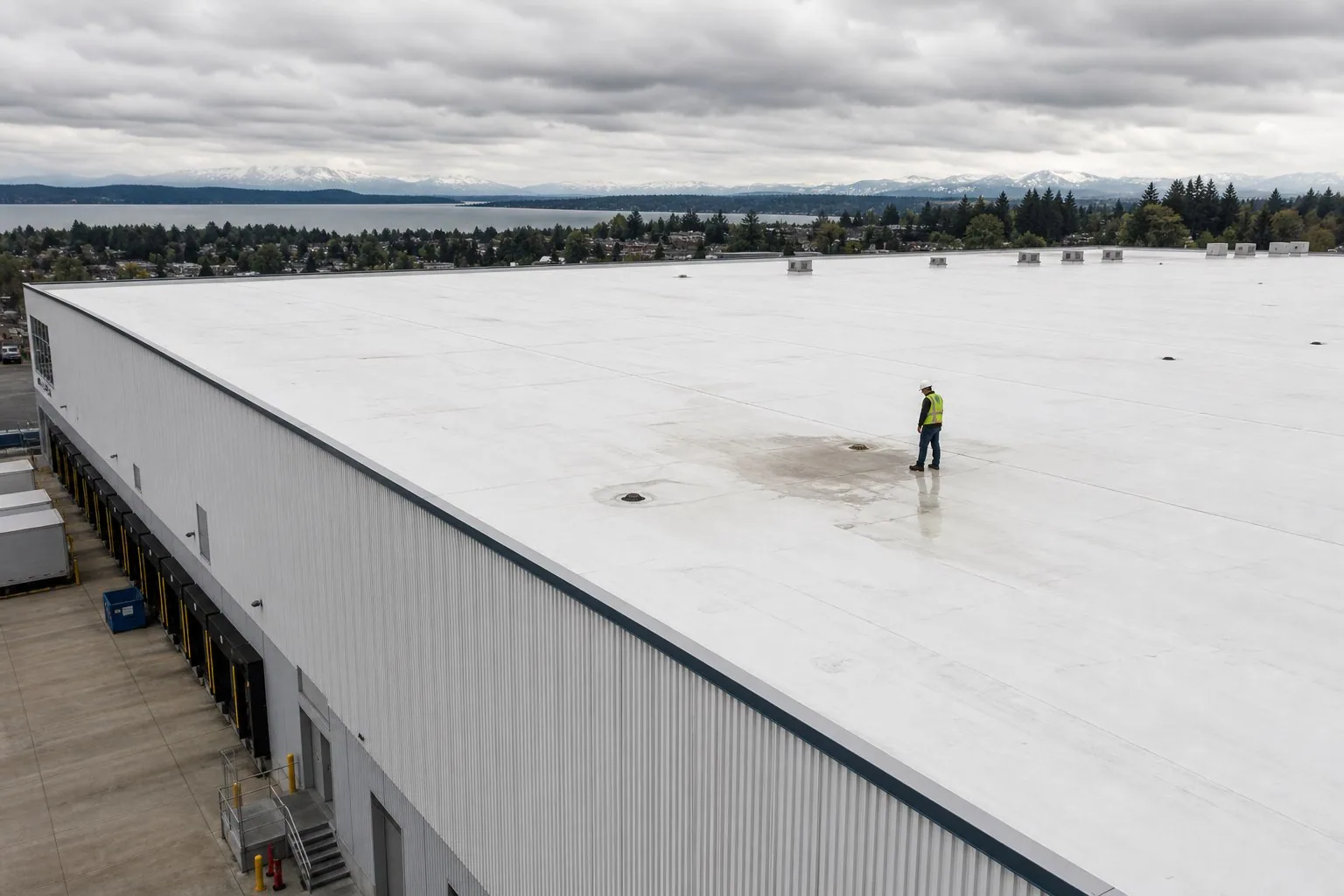
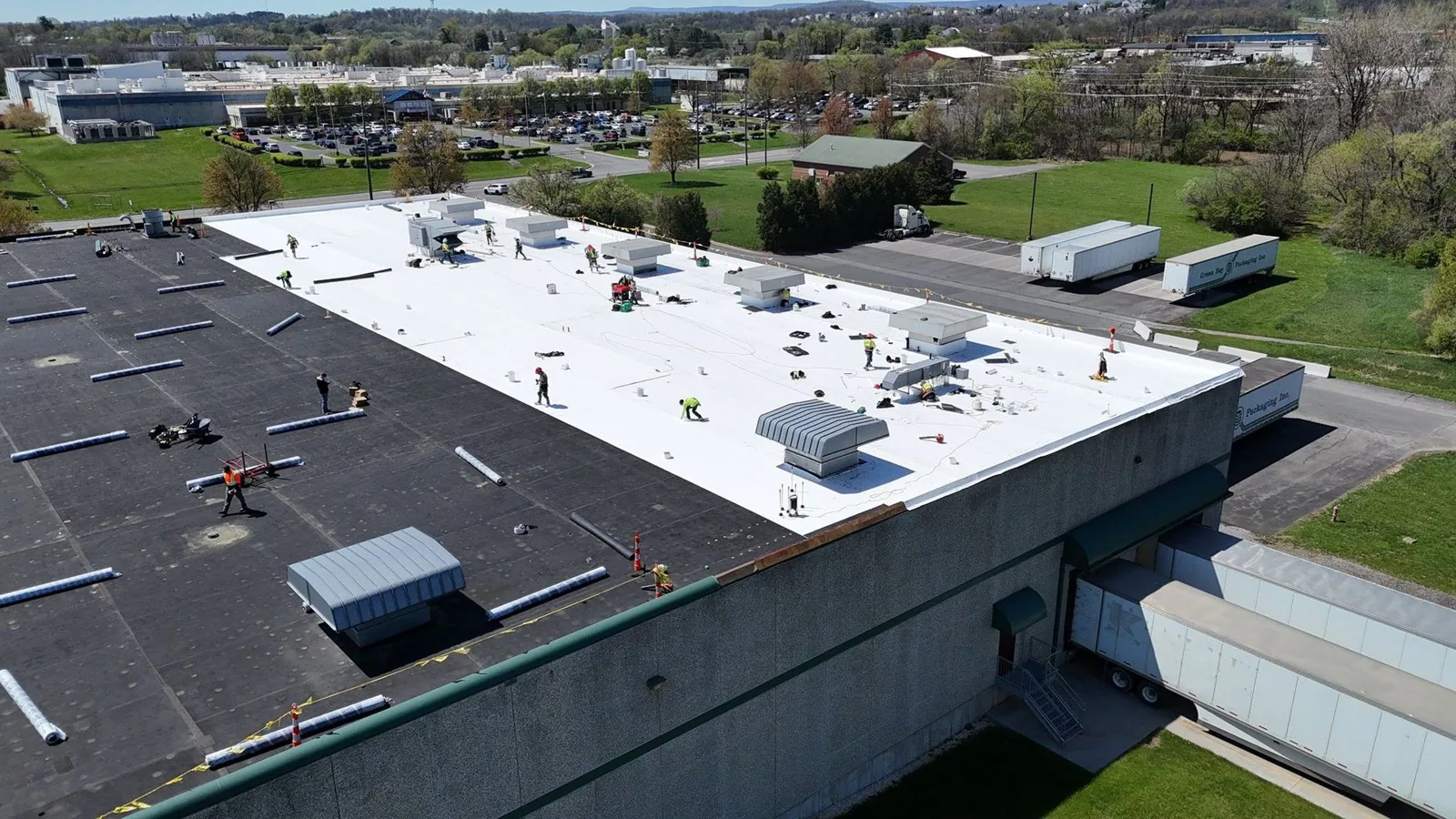
A damp cover board near a scupper changes the recover boundary. The new membrane cannot correct trapped moisture or a weak substrate beneath it. We inspect the existing layers, check suspected wet areas, and map drains, curbs, laps, and edges before recommending an overlay. In Roswell, warm-season rain tests the drain path repeatedly. A recover scope must show where the existing assembly is suitable to remain and where removal is required.
Commercial properties around GA 400 include offices, retail, schools, healthcare, civic buildings, and light industrial uses. Roof condition varies by zone, even within one property. We record visible defects and verify concealed conditions with appropriate testing before choosing a path. A full roof replacement remains an option when moisture, layers, or substrate condition make recovery unsuitable.
Verify what can remain
An overlay starts with the existing roof, not a new membrane sample. We identify the assembly where records and field observations allow, then check for wet insulation, loose or blistered membrane, deteriorated flashings, weak attachment, and deck movement. Core cuts may be useful where moisture is suspected. We document each test location and repair the opening with compatible materials. The findings establish which roof zones can carry a new assembly and which require removal.
Existing layer count and condition matter. Local code provisions may limit added layers or require specific assembly details. Georgia's current mandatory building code is the 2024 International Building Code with Georgia Amendments. Roswell's Building Division administers local construction permitting and links applicants to state requirements. We identify the applicable review path for the proposed work and include any needed scope coordination before material is ordered.
Moisture findings need careful boundaries. A reading or core sample represents a test point, not every adjoining section. We compare test locations with visible membrane conditions, interior evidence, slopes, and drainage patterns. If water is held at a low area near a drain, we check the drain bowl, overflow, and nearby insulation. Where wet material extends under otherwise sound-looking membrane, we mark the removal limit and explain how it will be confirmed after opening.
A recover can shorten disruption when the existing roof is dry, attached, and suitable to remain. It can also add weight and raise transitions at drains, doors, equipment, and parapets. We review these conditions together rather than treating overlay as a default shortcut. The written recommendation distinguishes verified suitability from conditions that require further opening.
Rework the transitions
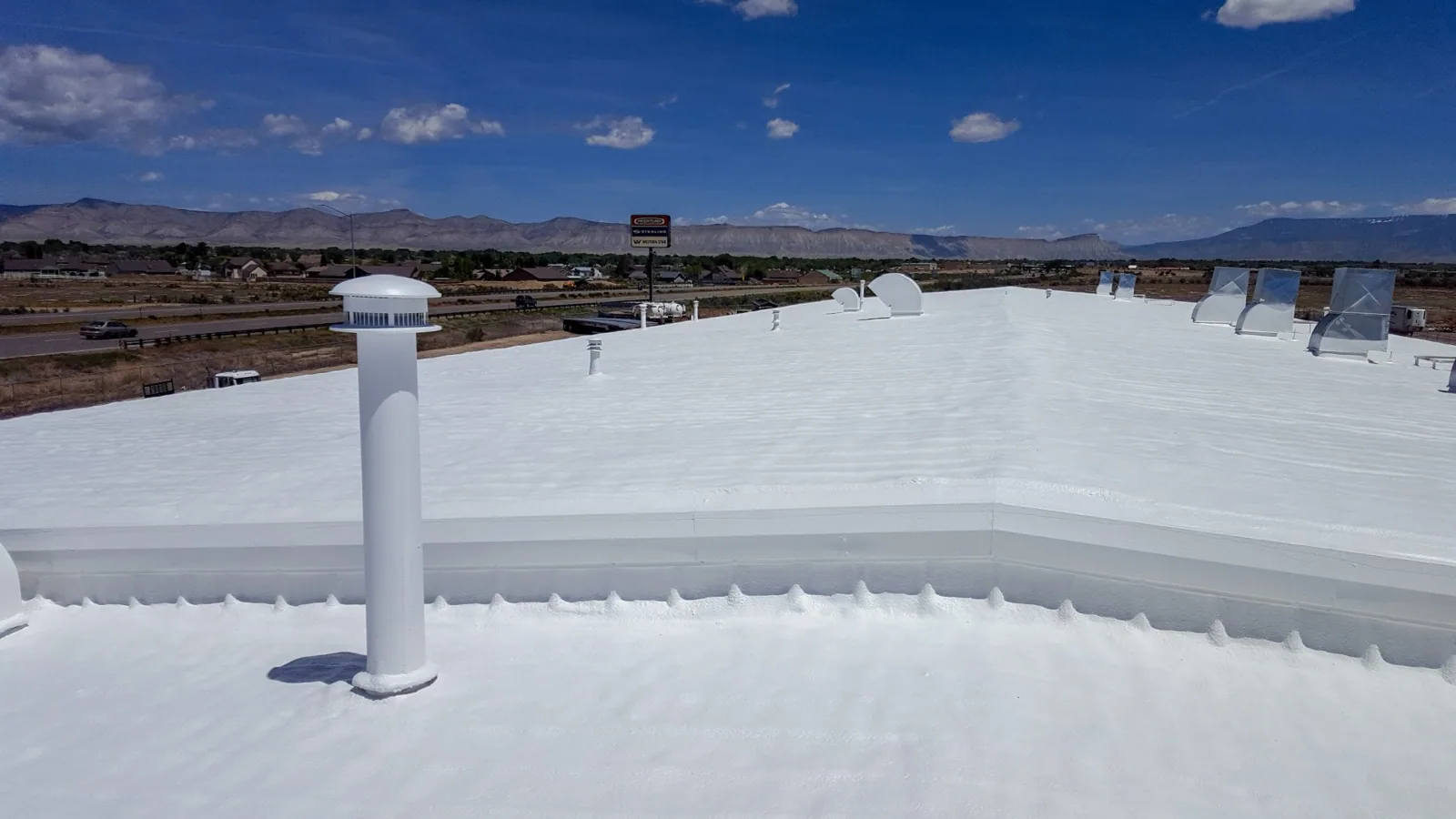
Added thickness alters more than the field surface. Drain sumps can become shallow, curb heights can lose clearance, and edge terminations can sit at the wrong level. We identify each transition and specify how the new layer will connect to walls, penetrations, equipment supports, and perimeter metal. If the existing flashing cannot accept a compatible tie-in, that area may need selective removal even when the field membrane remains.
Roswell's commercial building base includes older central business properties as well as office and retail corridors. A property in or near the Roswell Historic District may have exterior work subject to Historic Preservation Commission review. We consider visible edge and wall changes during planning and note permitting questions before construction. The district's review applies to qualifying exterior changes, not automatically to every roof scope.
Material compatibility also governs the assembly. We review the existing membrane and proposed attachment, insulation, cover board, and top layer. A mechanically attached or adhered TPO roof system may suit some assemblies; other roofs may call for a different membrane or coating strategy. We explain the selected detail at seams and terminations so the manager can compare it with the existing roof condition.
When metal interfaces need replacement, coordinate the recover with a metal roof retrofit scope only where the actual assembly requires it. We avoid extending a low-slope recommendation to a roof section with different materials or slope. Each zone receives its own condition note, repair limit, and transition detail.
Stage work around rain
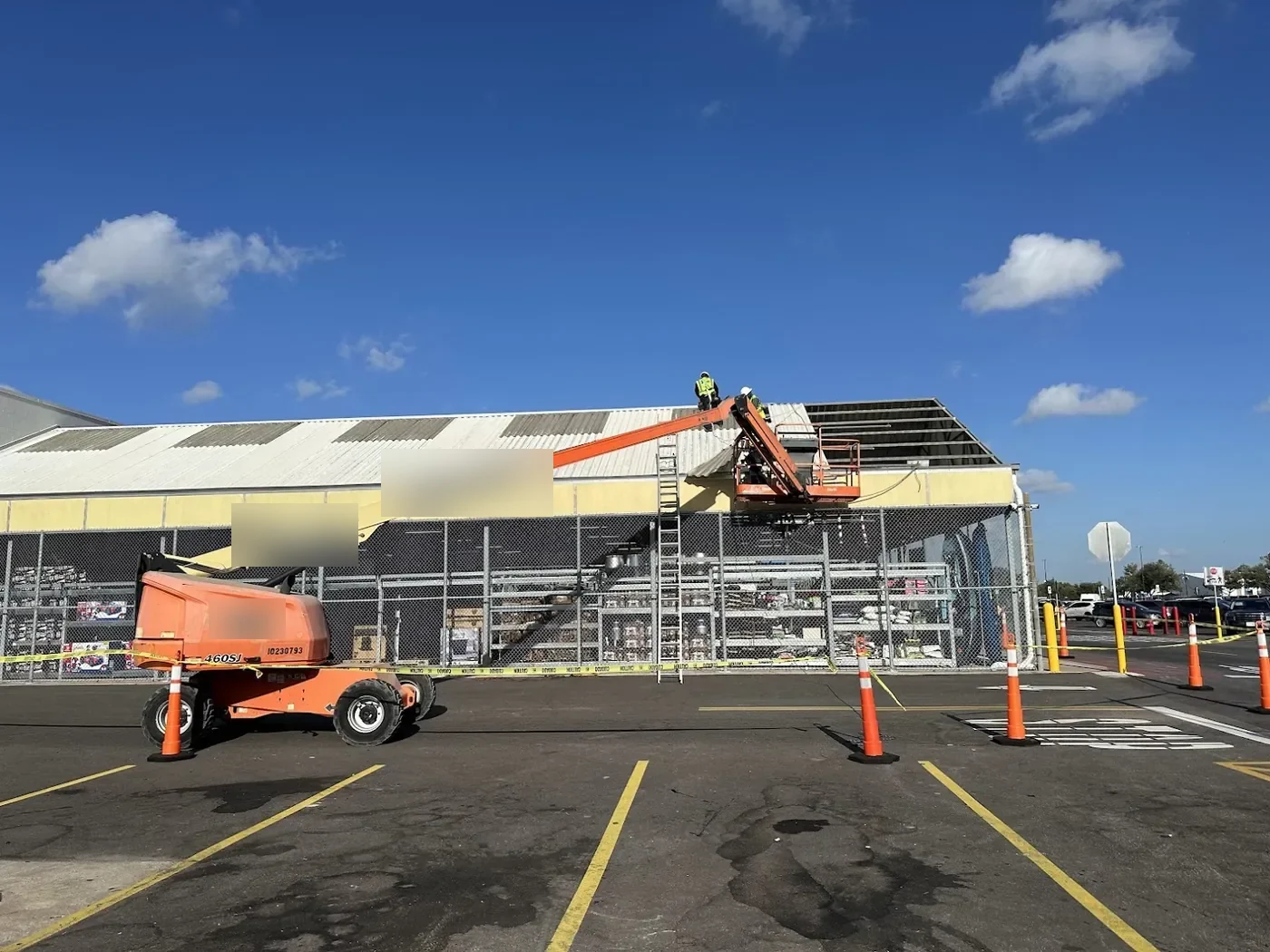
Recover work still needs a dry, secure work surface. We repair or remove unsuitable areas, prepare the substrate, install the specified insulation or cover board, and complete tie-ins without leaving open edges at the end of a shift. Roswell's humid weather and frequent summer rain make drain readiness and daily weather review part of the sequence. Temporary protection covers exposed openings while work moves between zones.
For an occupied office, medical practice, or school, we coordinate deliveries, roof access, noise, and any temporary restriction around rooftop equipment. Holcomb Bridge Road and GA 400 connect a mixed commercial area where site access and staging can differ from one property to another. We ask for the site's access rules, loading limits, and operating windows before setting the work plan. Those details affect duration and material movement.
Cost and timing depend on layer removal, wet insulation, deck repairs, flashing replacement, drainage changes, access, and weather holds. A clear proposal separates the base recover work from an allowance for concealed conditions. If opening a test area reveals damage beyond the mapped zone, we photograph it, identify the added limit, and obtain approval before changing the scope. That creates an auditable decision point.
A hands-on roof inspection can establish conditions before bidding. For moisture questions across a larger area, an infrared moisture survey may help direct test cuts, subject to suitable conditions and follow-up verification.
Keep the approval record clear
The recover package should show the existing assembly, test locations, moisture results, areas removed, new materials, tie-in details, and conditions that remain concealed. We photograph drains, curbs, edges, and penetrations as the work proceeds. This record helps the asset manager review completed zones and schedule later maintenance. Where defects call for localized work rather than an overlay, a defined repair scope can keep the decision limited to the observed condition.
We also mark a baseline for future comparison. The closeout record can identify drainage points to watch, membrane areas excluded from the recover, and any open question that needs another inspection after rain. For multi-building owners in North Fulton, a North Fulton roof program can track separate building conditions without assuming that one assembly fits every property.
Request an inspection or a scoped recover-versus-replacement comparison for a named roof zone. Share roof plans, prior repairs, leak locations, test results, access requirements, and operating hours. We will use those records to focus the site visit, confirm what can remain, and separate approved work from any allowance for concealed conditions.
Related Roofing Work
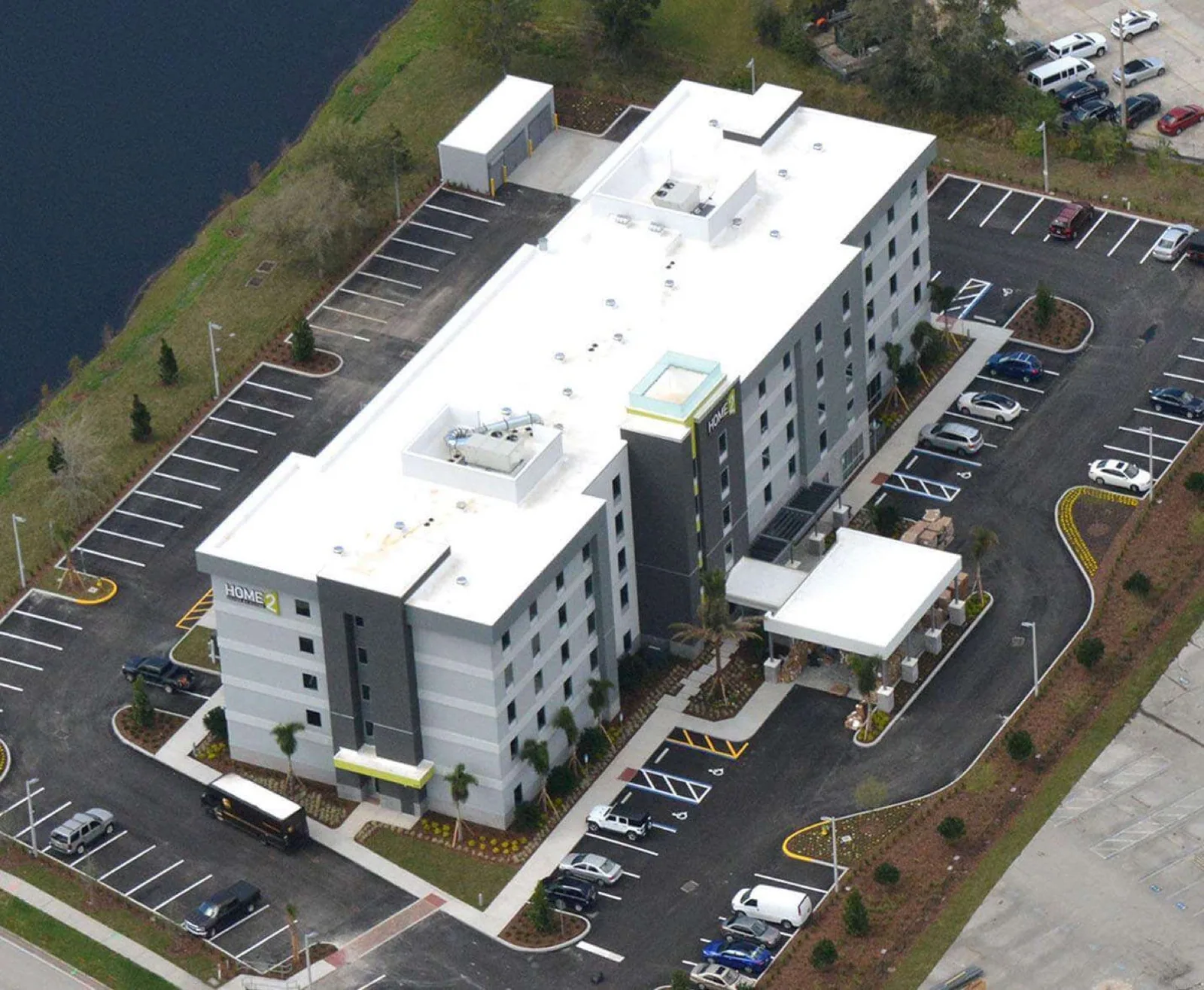
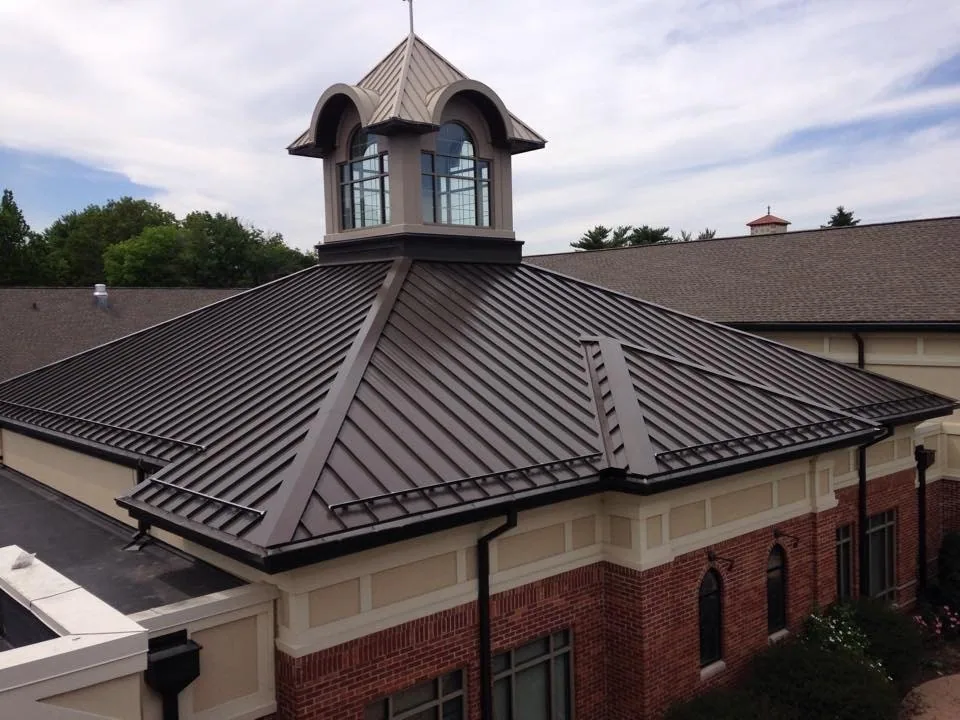
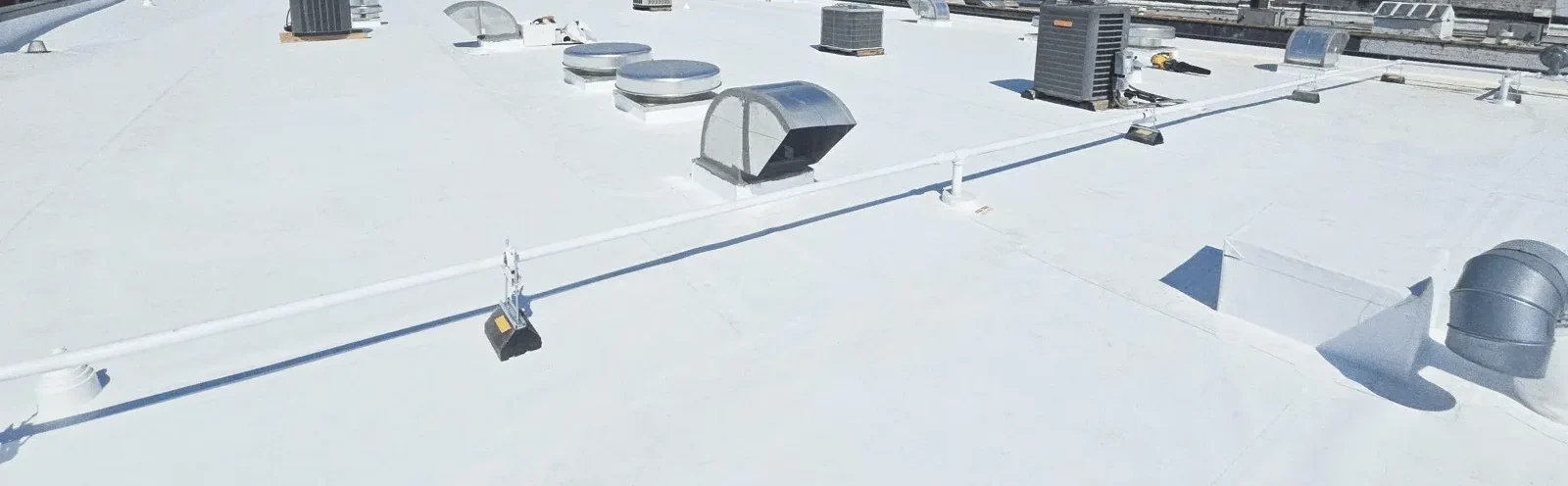
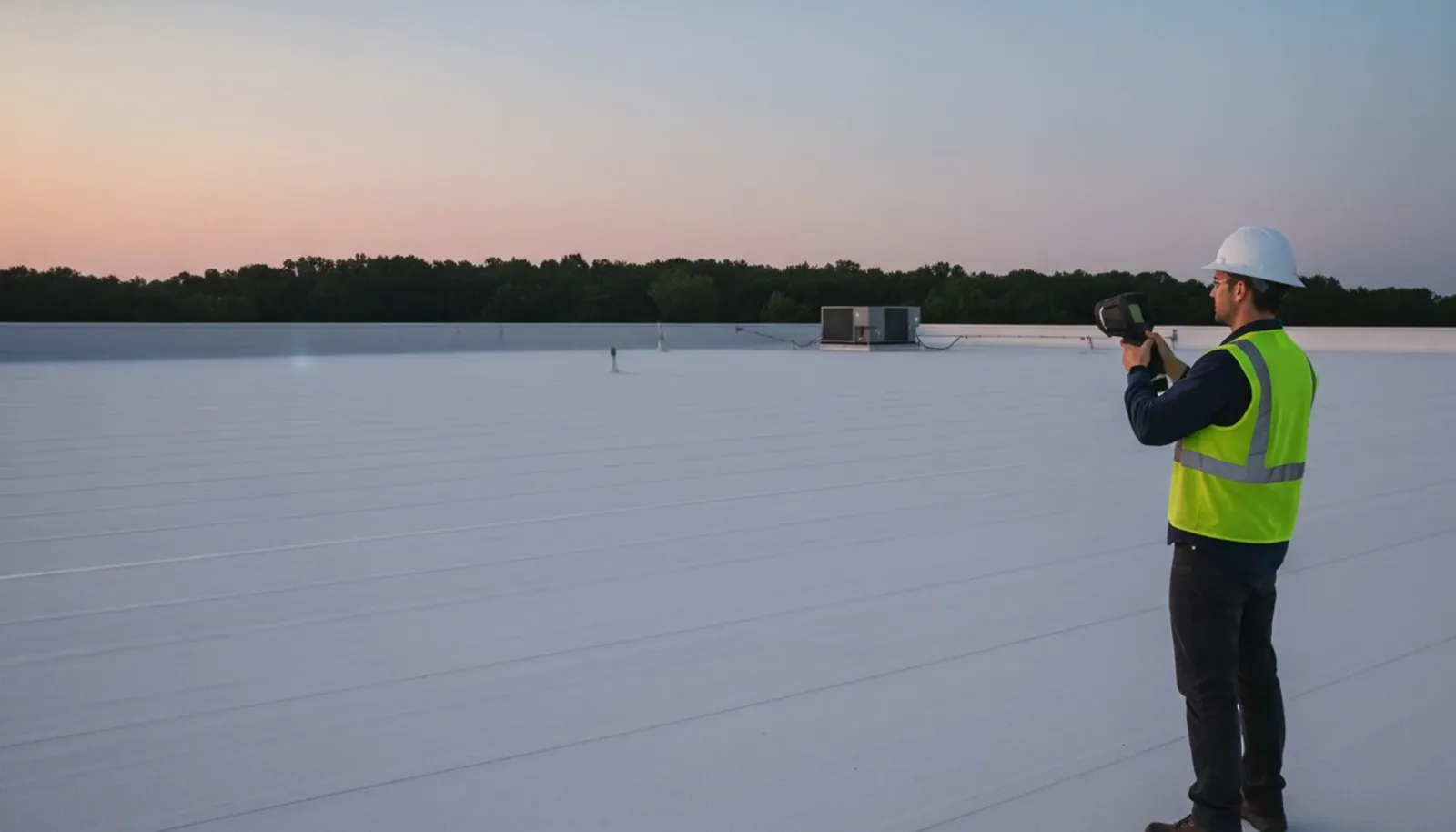
Check the roof before covering it
Request an inspection or scoped comparison for a named roof zone. Send existing plans, repair records, moisture tests, access rules, and operating hours so we can set the right test locations and approval limits.
Questions About Commercial Roof Recover
What moisture level rules out an overlay?
No single reading should set the whole roof boundary. We compare test results with the existing assembly, visible defects, interior evidence, and drainage. A core cut can confirm what is present at a specific location, while broader mapping helps identify where additional checks are useful. The recommendation names tested zones and keeps unverified areas separate from confirmed wet material.
Does an overlay change roof drainage?
Added insulation or membrane thickness can affect drain sumps, overflow openings, door transitions, and equipment curbs. We measure those transitions and include needed adjustments in the scope. A recover should preserve a clear path to primary and overflow drains. If ponding or a blocked drain already exists, we identify the cause before covering the area.
Can a recover be done while tenants remain in the building?
Work can often be sequenced by roof zone, with access, deliveries, noise, and temporary protections coordinated around the property's operations. We need the facility contact's access rules and restricted hours to plan that sequence. Weather and concealed deck conditions can still change daily work. The scope identifies protection and communication steps for occupied areas below each zone.
What should I compare between a recover and full replacement bid?
Compare the documented existing layers, moisture checks, areas removed, new assembly, drain and edge details, permit assumptions, daily dry-in, allowances, and closeout records. A lower removal scope is meaningful only when the retained roof is suitable. We state what supports recovery and what would trigger a change after the work opens the assembly.
Commercial Roofing Across Roswell and North Fulton
Roof Repair, Replacement and Maintenance for Every Kind of Commercial Building
From Historic Roswell and Canton Street to the Holcomb Bridge Road corridor, GA 400 and the North Point area, we inspect, repair and replace low-slope and metal roofs on offices, retail centers, medical buildings, schools and warehouses.