
Built-Up Commercial Roofing in Roswell, GA
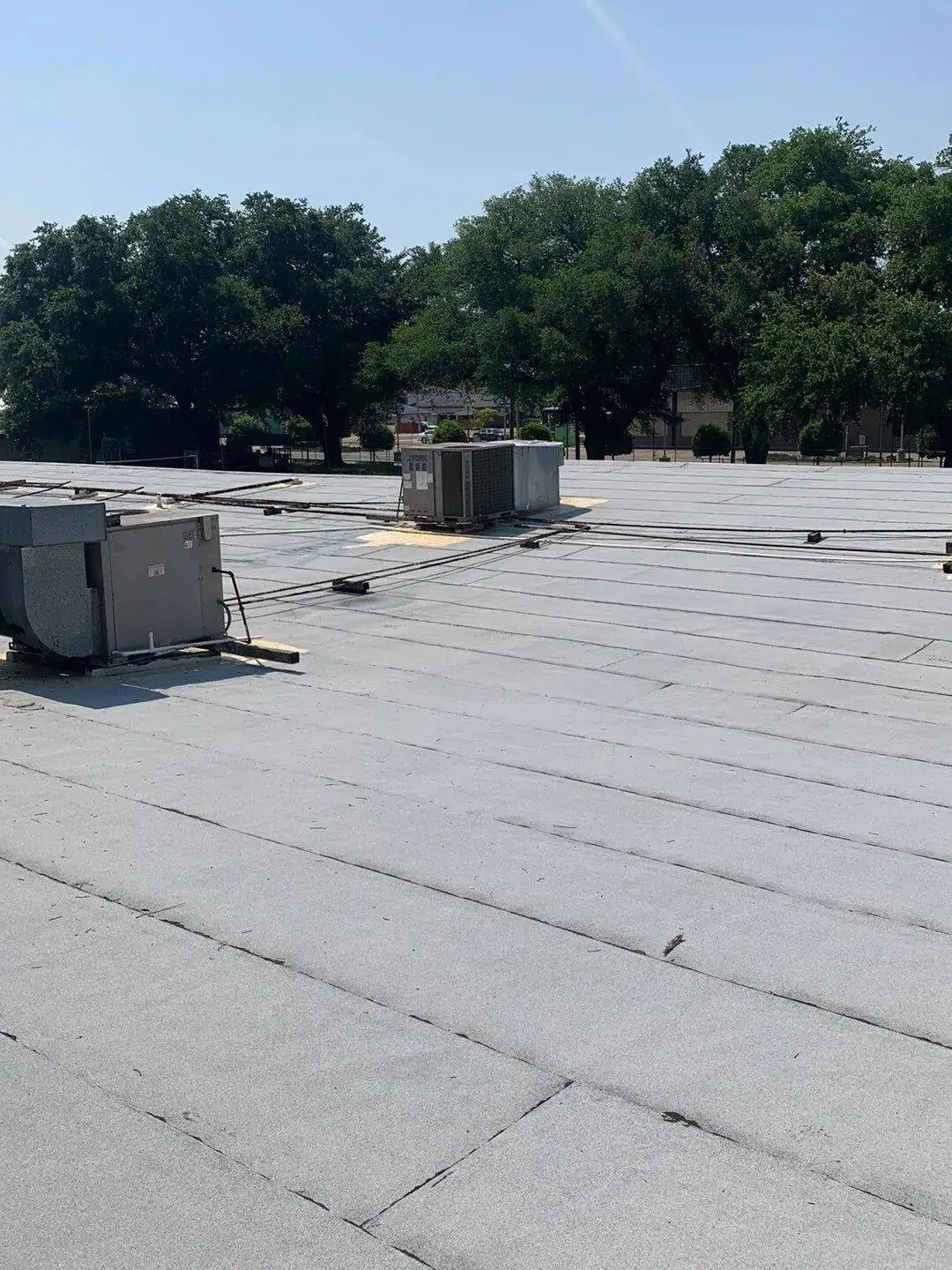
A bald channel through the aggregate exposes the flood coat below. Water can reach the plies or follow a seam toward a drain. We inspect surfacing, layers, flashings, and substrate before setting the repair boundary. Roswell's frequent warm-season rain tests low points and roof transitions. The scope depends on how far the wear extends through the built-up assembly.
Built-up roofing uses multiple plies assembled with bitumen and surfaced with aggregate or another protective layer. Each roof has its own layer count, attachment, and repair history. We check field conditions rather than infer the system from its age. The Historic Roswell District includes commercial and civic properties subject to exterior review when changes apply. That context can matter when roof-edge or wall details change.
Read the surface and plies
We inspect aggregate coverage, flood coat, exposed bitumen, blisters, splits, ridges, and patch edges. A worn area may be limited to the surface, or it may expose separated plies. We note its size, nearby seams, and whether the substrate feels soft. Test openings can show how many layers remain and whether moisture has traveled below the visible defect.
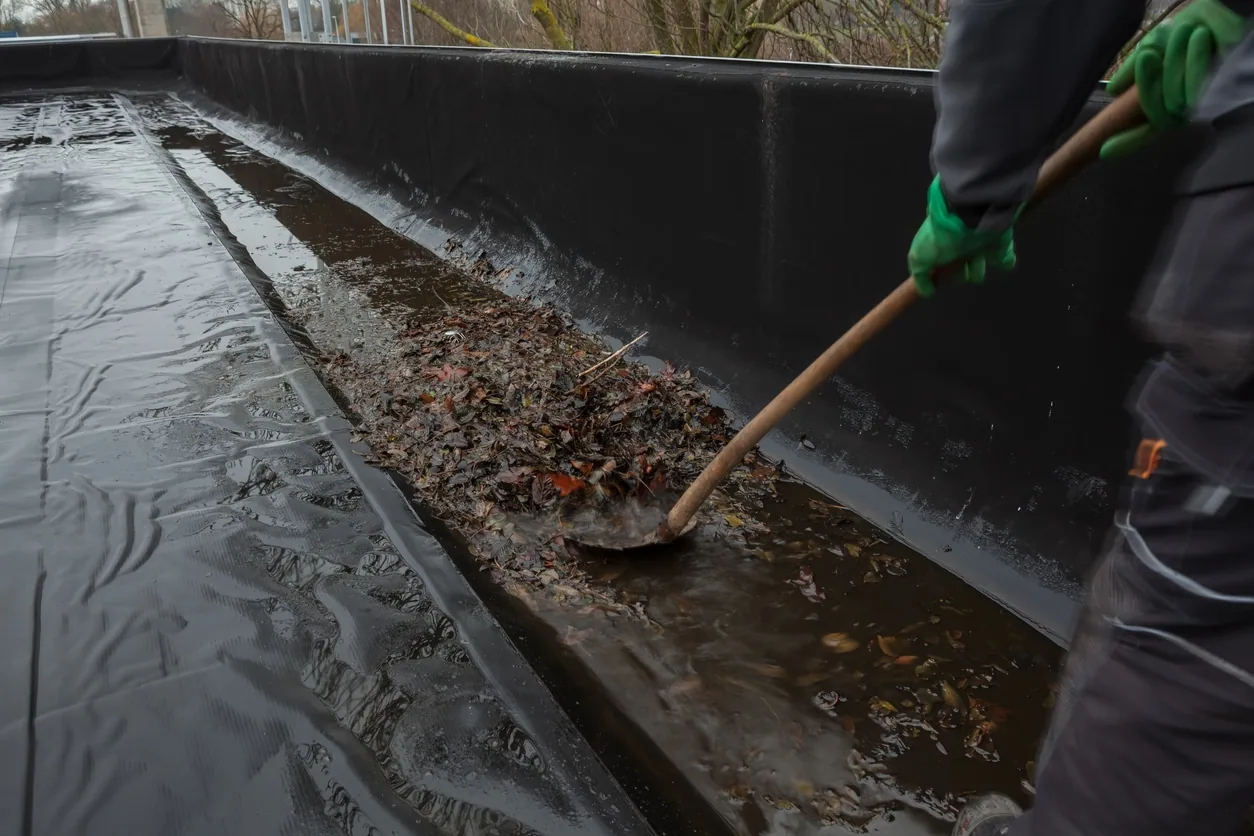
Water tracks need a close look. A low area may hold water over a weak lap, while a clear-looking surface can conceal wet insulation. We compare ponding marks with drains, scuppers, curbs, and interior reports. If an active leak does not line up with the visible damage, leak tracing can follow connected details. We mark confirmed and uncertain areas separately.
North and central Georgia experience severe thunderstorms, hail, and damaging wind. We inspect for displaced edge metal, punctures, fractured surfacing, or newly open seams. A weather report gives the inspection a time frame, but the roof condition defines the work. For a property in Roswell's central business district, we identify observed impacts by roof zone and preserve the condition record before making repairs.
Repair the affected plies
A repair starts with the exposed area and continues to sound material. We remove loose aggregate or bitumen, prepare the surface, and install compatible plies or flashing. The number of layers and repair method follow the existing build-up. We close the edge so water cannot enter below the patch. If the surface needs a new protective layer, the proposal names that separate step.
At a drain, we inspect the clamping detail, sump, and nearby plies. At a curb, we check flashing height, corners, and the connection to the field. A repair that covers the aggregate without restoring a loose flashing leaves the opening in place. A drainage assessment can separate a blocked outlet from a low-slope or membrane concern.
If a test opening finds wet insulation or deteriorated deck, we photograph each layer before removal. The asset manager approves work beyond the initial repair boundary. We remove unsound material to a dry, stable edge and tie new plies into the retained assembly. A cover board repair may restore a firm surface when the existing board cannot support the new layer.
Compare layered roofing options
Built-up roofing differs from a single modified-bitumen sheet. Multiple plies create a layered assembly, while modified bitumen uses reinforced asphalt sheets with polymer modifiers. The visible surface alone may not identify the build-up. We confirm layers at exposed edges or test locations, then select materials that match the actual roof. A modified-bitumen system may be a separate replacement option when the existing assembly is unsuitable to retain.
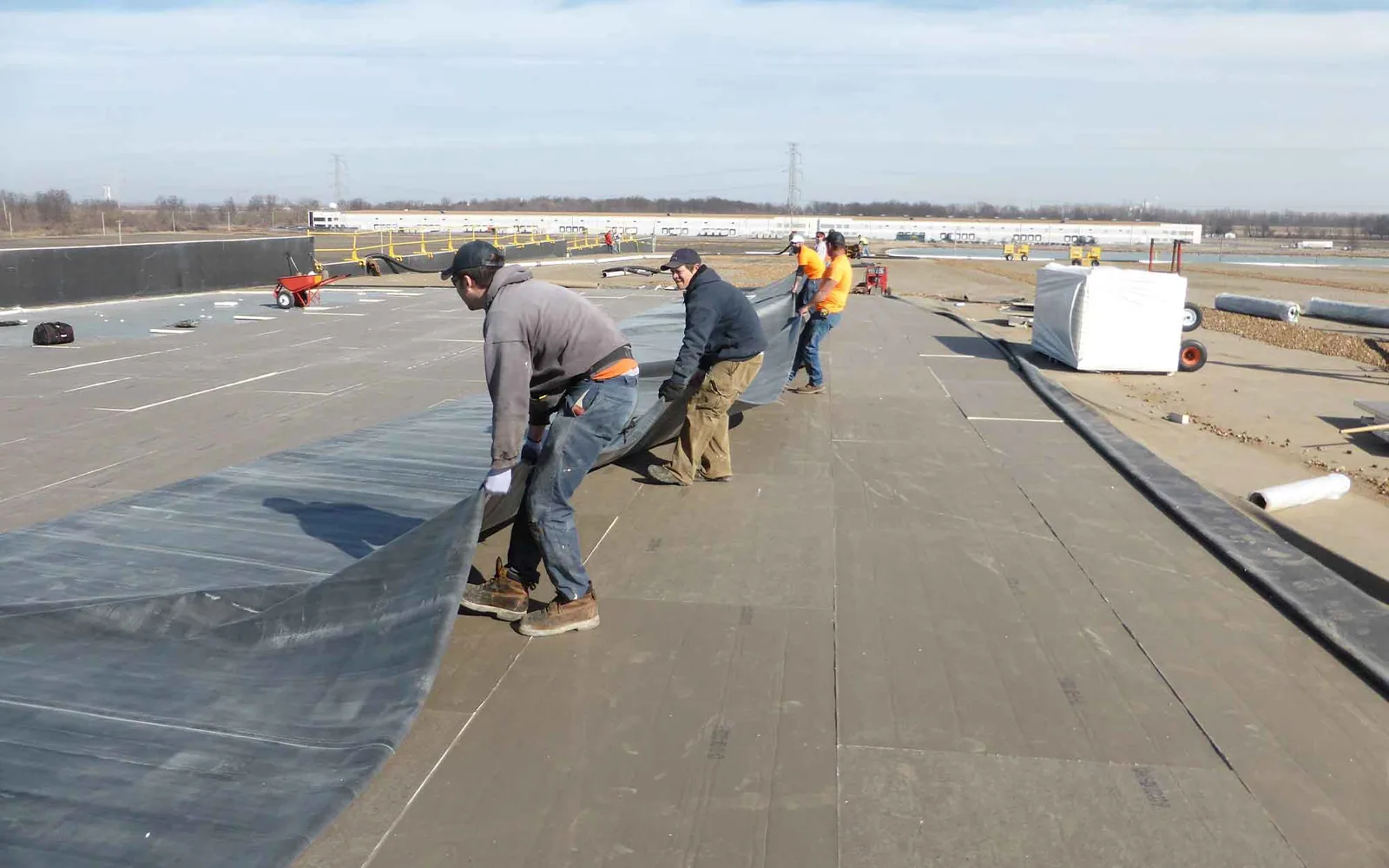
Drainage and transitions influence any repair or overlay. Added material can raise the roof near scuppers, curbs, doors, and parapets. We measure these details before recommending more layers. A recover requires a dry, attached roof and suitable substrate. If moisture or ply separation is broad, selective removal or replacement may be more appropriate. We document why each zone can remain or needs opening.
Roswell's warm, humid summers and frequent rain can reveal weak laps and soft low areas. We check the water route after the surface is exposed and before it is covered again. A low point may need slope correction separate from the ply repair. The EPDM single-ply assembly has different seam and flashing details, so material choice follows the confirmed layers and project requirements.
Schedule work by roof zone
We sequence removal, drying, ply installation, and surfacing in manageable sections. Rain can interrupt bitumen work, so open edges receive dry-in before the crew leaves. The plan identifies which zones can close each day and how drains stay clear during construction. A weather hold may shift work from one roof section to another without leaving the assembly exposed.
Roswell's commercial base includes offices, healthcare, schools, retail, civic buildings, and light industry along GA 400 and Holcomb Bridge Road. We confirm roof access, lift placement, loading, operating hours, and any occupied areas below the work. A facility contact can also identify prior leaks or repairs. Those details shape sequencing; field layers and damage define the roofing scope.
Cost and timing depend on the number of plies, surfacing, removal, flashing count, access, wet insulation, deck condition, and weather. We separate confirmed work from allowances for concealed layers. If opening a test area reveals a different build-up, we document it and request approval before changing quantities. An estimate should state what remains in place and what the crew will remove.
Record the rebuilt roof section
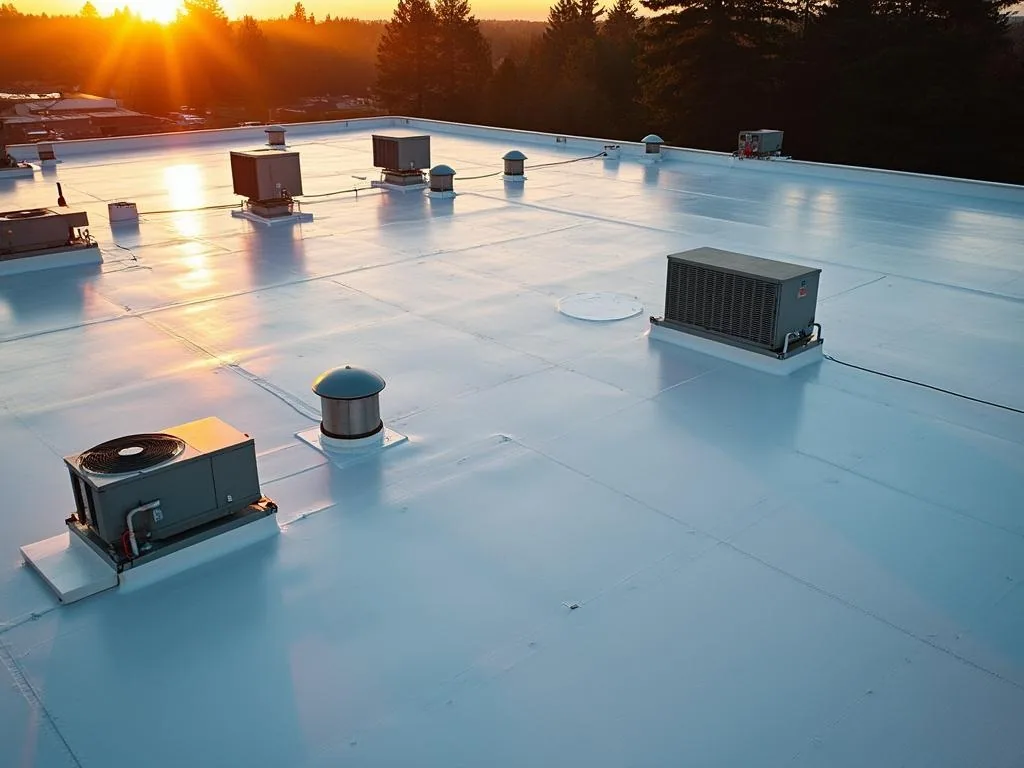
Closeout photos show the prepared substrate, plies, flashing, aggregate or protective surfacing, and adjacent transitions. We record the roof zone, materials, layers found, and any work excluded from the approved scope. If the assembly was opened, the notes identify insulation and deck conditions before they were covered. This record helps future maintenance follow the same area.
A later visit should inspect seams, curb edges, drain sumps, and places where aggregate has shifted. A maintenance program can keep drains clear and compare changed surfacing with the closeout photos. For building portfolios, a roof condition report can organize repairs without assuming the same assembly across sites.
Request a built-up roof inspection for a named property and roof zone. Share roof plans, leak history, prior repair records, access instructions, and any test results. We will identify the layers, map the repair boundary, and separate confirmed work from concealed conditions.
Related Roofing Work
Check the layers before repair
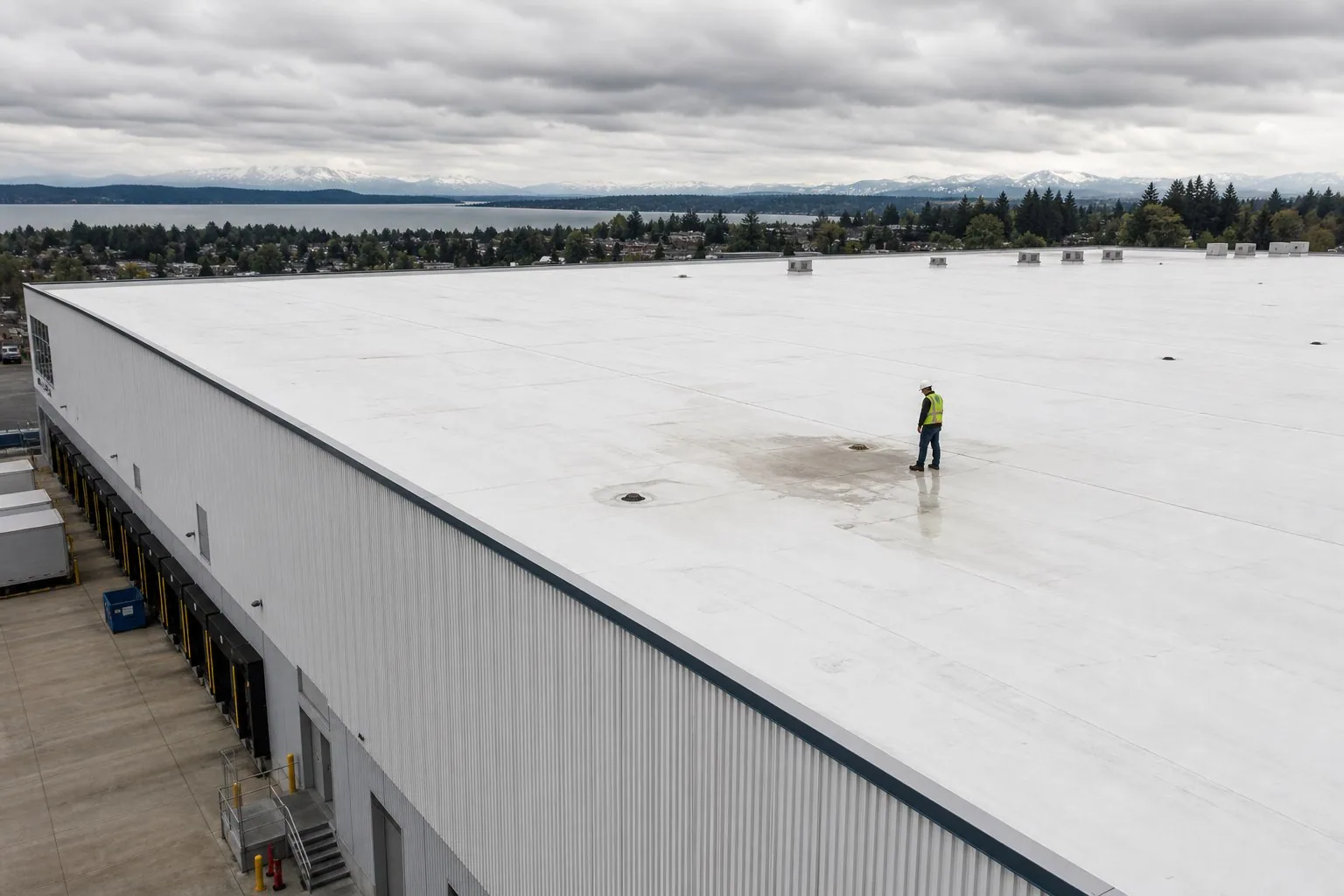
Name the building and roof zone. Send roof plans, test results, prior repairs, leak dates, access rules, and any assembly records so we can confirm the build-up and set a repair boundary.
Questions About Built-Up Commercial Roofing
How do you know how many plies a built-up roof has?
Exposed edges, repair records, and selected test openings help identify the layer build-up. A surface view cannot confirm every concealed layer. We mark opening locations, record the material found, and repair the test area with compatible materials. The proposal identifies which assumptions are confirmed and which still need verification.
Can a built-up roof be repaired without replacing the full assembly?
A local repair may work when damage is limited and the remaining plies and substrate are sound. We inspect adjacent layers, drainage, and flashings before choosing the boundary. Wet insulation, widespread ply separation, or a failing deck can require more removal. The recommendation maps retained areas separately from confirmed damage.
What does aggregate loss mean for the roof?
Bare or thin areas expose the flood coat and can leave bitumen more vulnerable to sun and weather. We check whether plies are also cracked, split, or wet. If only surfacing is worn, restoration may be limited. If the underlying layers have separated, the repair needs to address that condition rather than adding aggregate alone.
How do rain delays affect built-up work?
The surface and layers need to be dry enough for the selected bitumen method. We limit open areas, protect the edges, and keep drains clear before a weather hold. The schedule resumes when conditions support the next layer. The closeout record shows which zones were completed and what remains to be finished.
Commercial Roofing Across Roswell and North Fulton
Roof Repair, Replacement and Maintenance for Every Kind of Commercial Building
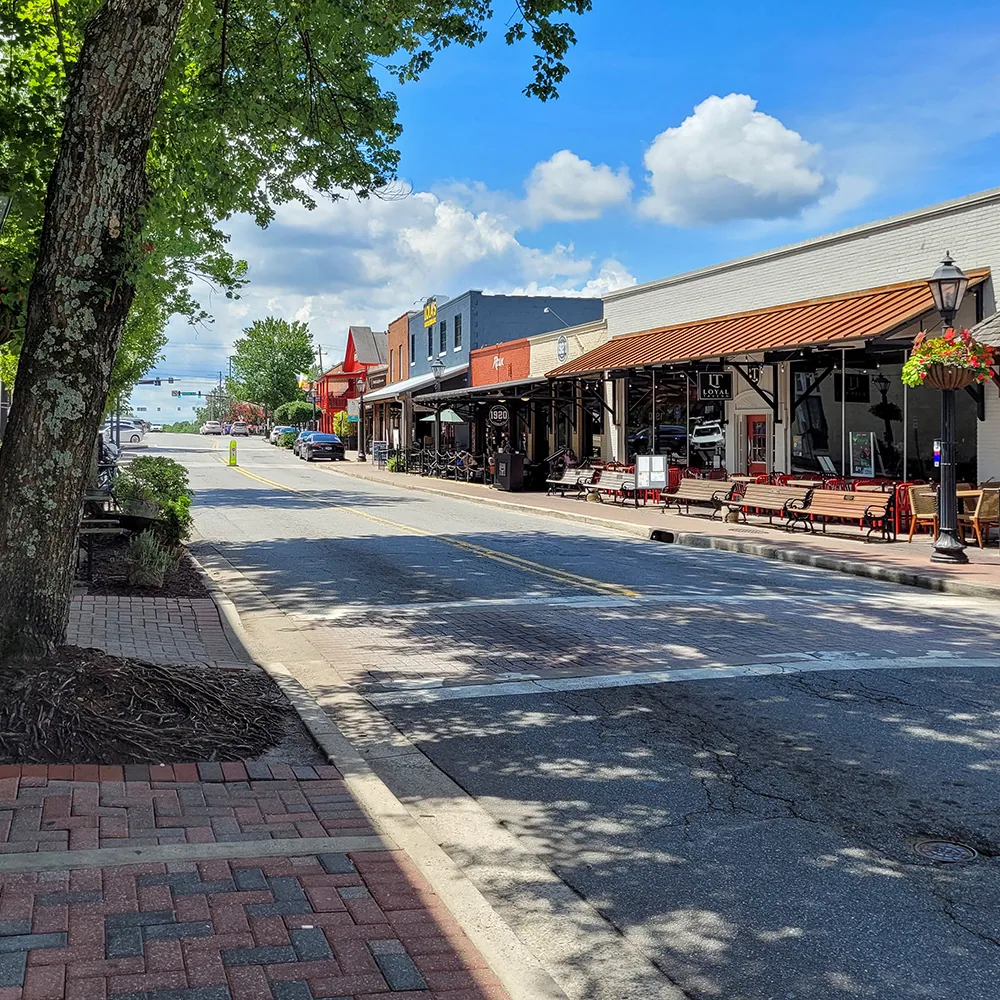
From Historic Roswell and Canton Street to the Holcomb Bridge Road corridor, GA 400 and the North Point area, we inspect, repair and replace low-slope and metal roofs on offices, retail centers, medical buildings, schools and warehouses.