Data Center Roofing in Roswell, GA
A curb flashing split beside a cooling unit can send water toward cable rooms before a leak appears indoors. We inspect the curb corners, seams, drains and substrate, then mark the roof zone that supports the repair boundary. A data center's cooling and power equipment make access and shutdown decisions part of the roof scope. Roswell's humid summer heat and frequent rain put exposed transitions under steady strain. We record confirmed defects separately from concealed moisture that needs testing.
We identify the installed membrane and attachment before choosing a repair or replacement system. Facility use does not reveal roof construction. Johns Creek's Technology Park contains office and industrial stock, and North Fulton employment districts connect through GA 400. That context reflects a regional technology economy, not a claim about a particular data center. A Technology Park area inspection still requires the facility's access rules and equipment plan.
Inspect around cooling and electrical equipment
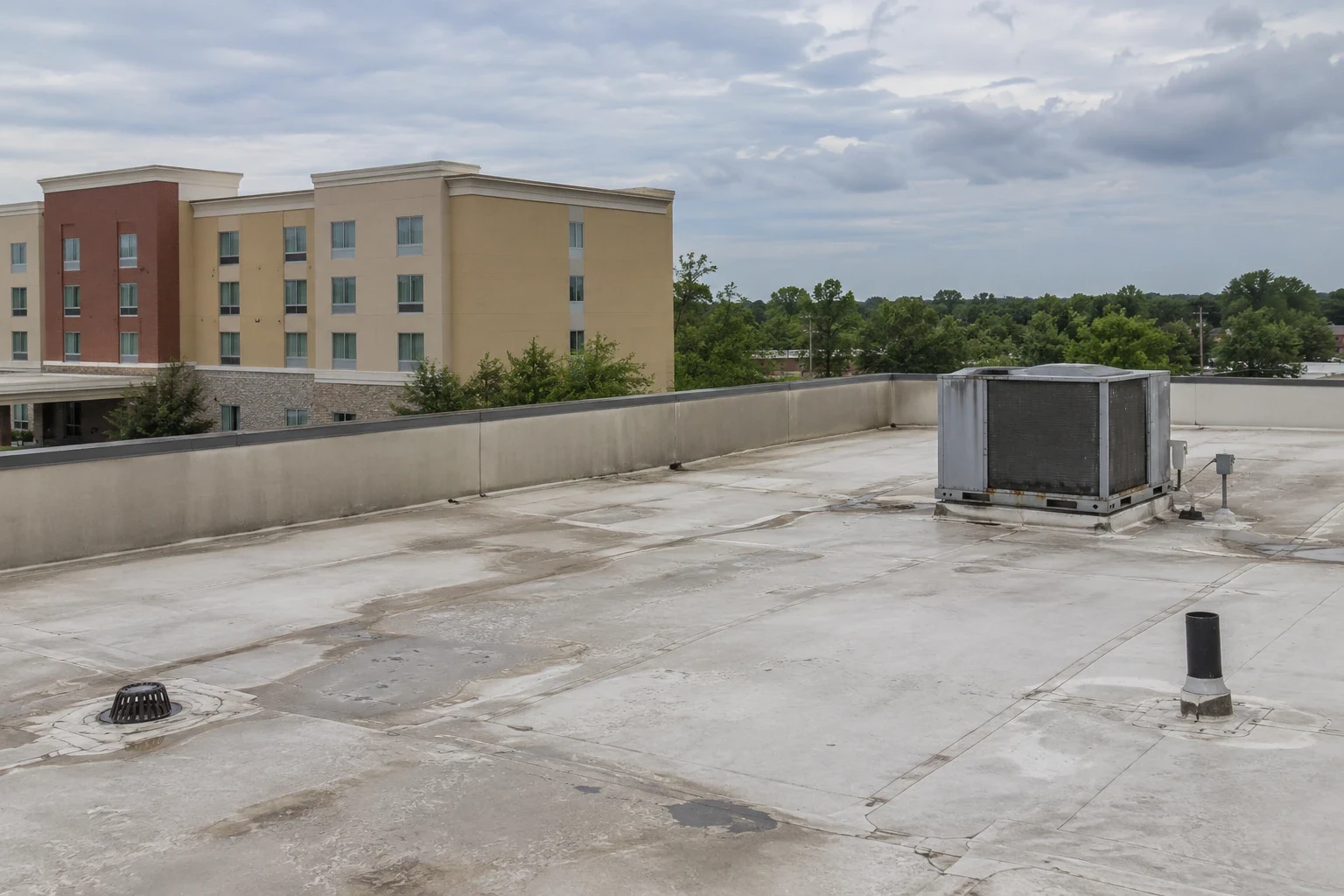
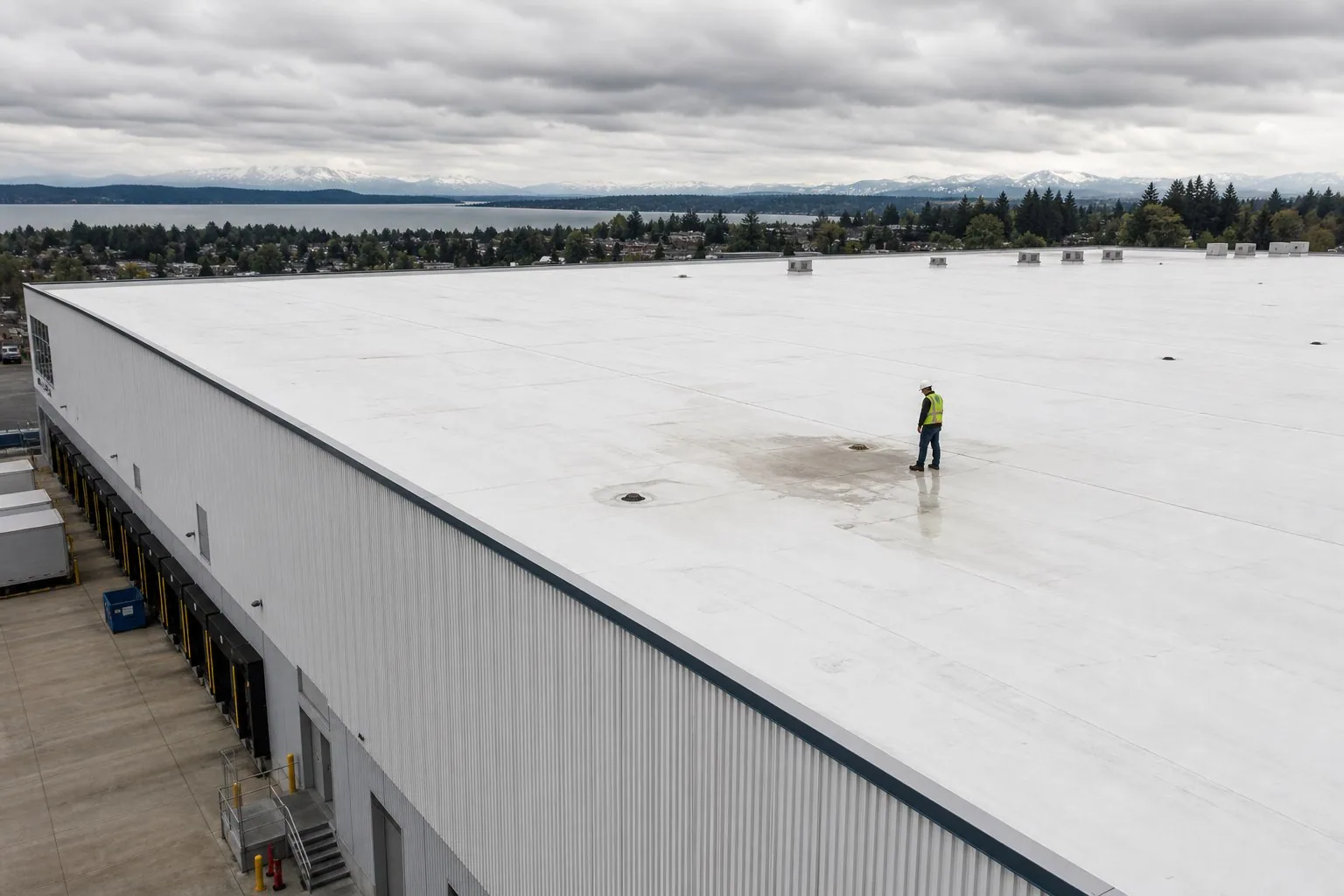
Cooling equipment creates roof curbs, pipe runs, conduit supports and service paths. We inspect flashing corners, penetrations, support feet, fasteners and nearby laps for movement or wear. Discharge airflow and service traffic can affect surface condition, while water may collect at equipment bases or blocked drains. We map each item by roof zone and photograph enough surrounding detail for the facility team to find it again.
A reported interior drip needs to be compared with the roof above and the route water could take below the membrane. We check seams, low areas, drains and transitions before connecting an interior symptom to a roof opening. If access is limited by energized equipment or security procedures, the report identifies what was not inspected and what coordination is required. A leak investigation can then focus on the confirmed path.
Roswell's commercial network follows GA 400 and Holcomb Bridge Road, the city's only interchange access to SR 400. At the interchange, Holcomb Bridge Road carries more than 70,000 vehicles per day. This travel context can affect arrival and delivery coordination, but it does not establish roof access or site conditions. We confirm badge procedures, escorts, loading locations and approved work windows directly with the facility.
Control access, outages and roof zones
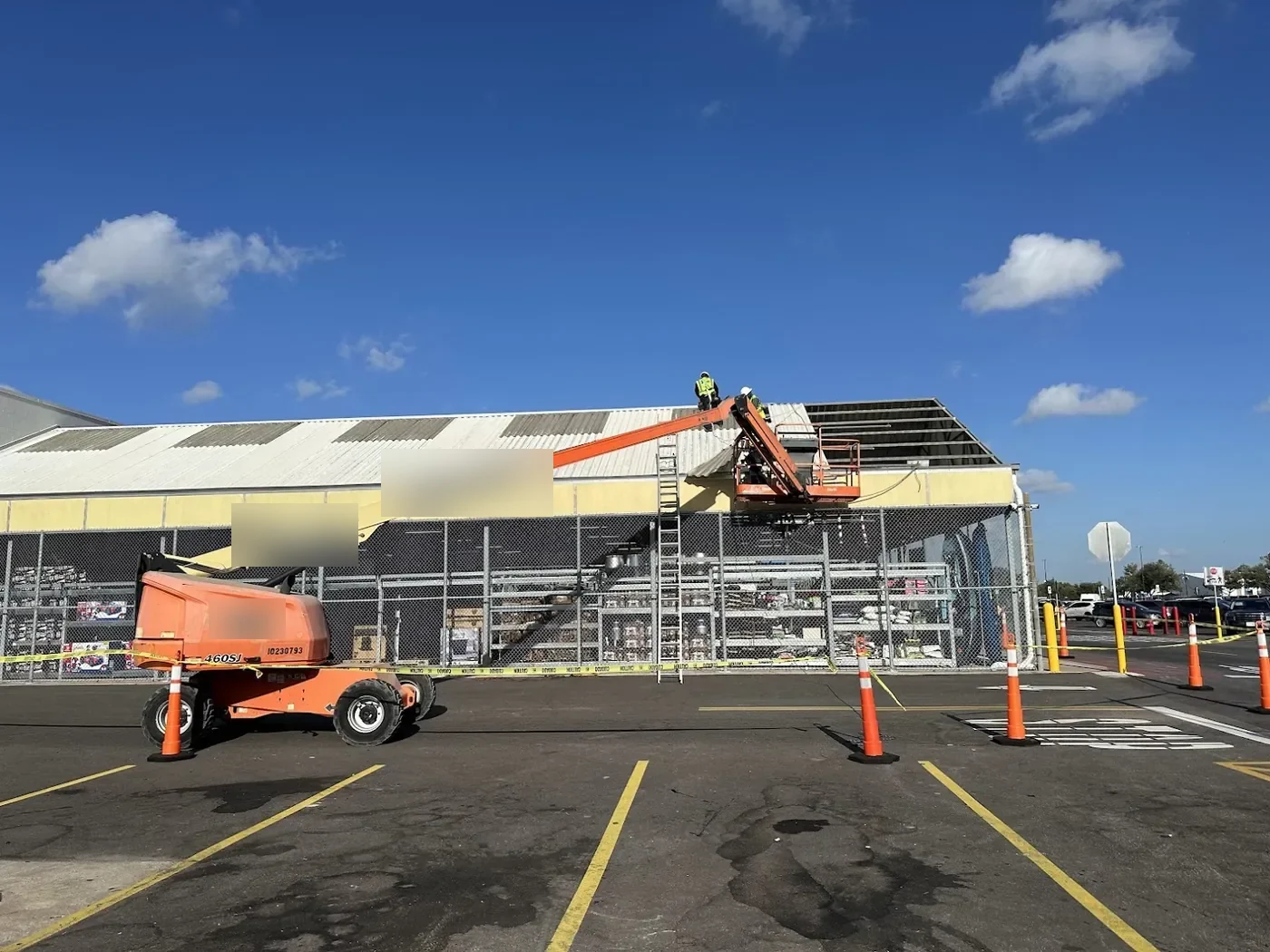
Before roof work, we identify who controls security, cooling, electrical switching, alarms, fire protection and access to critical rooms. The facility sets its change-control process, emergency contacts and restricted work periods. We confirm whether rooftop units can be isolated, which air intakes need protection and where material may be staged. A roof plan should identify the equipment zones and approved routes before mobilization.
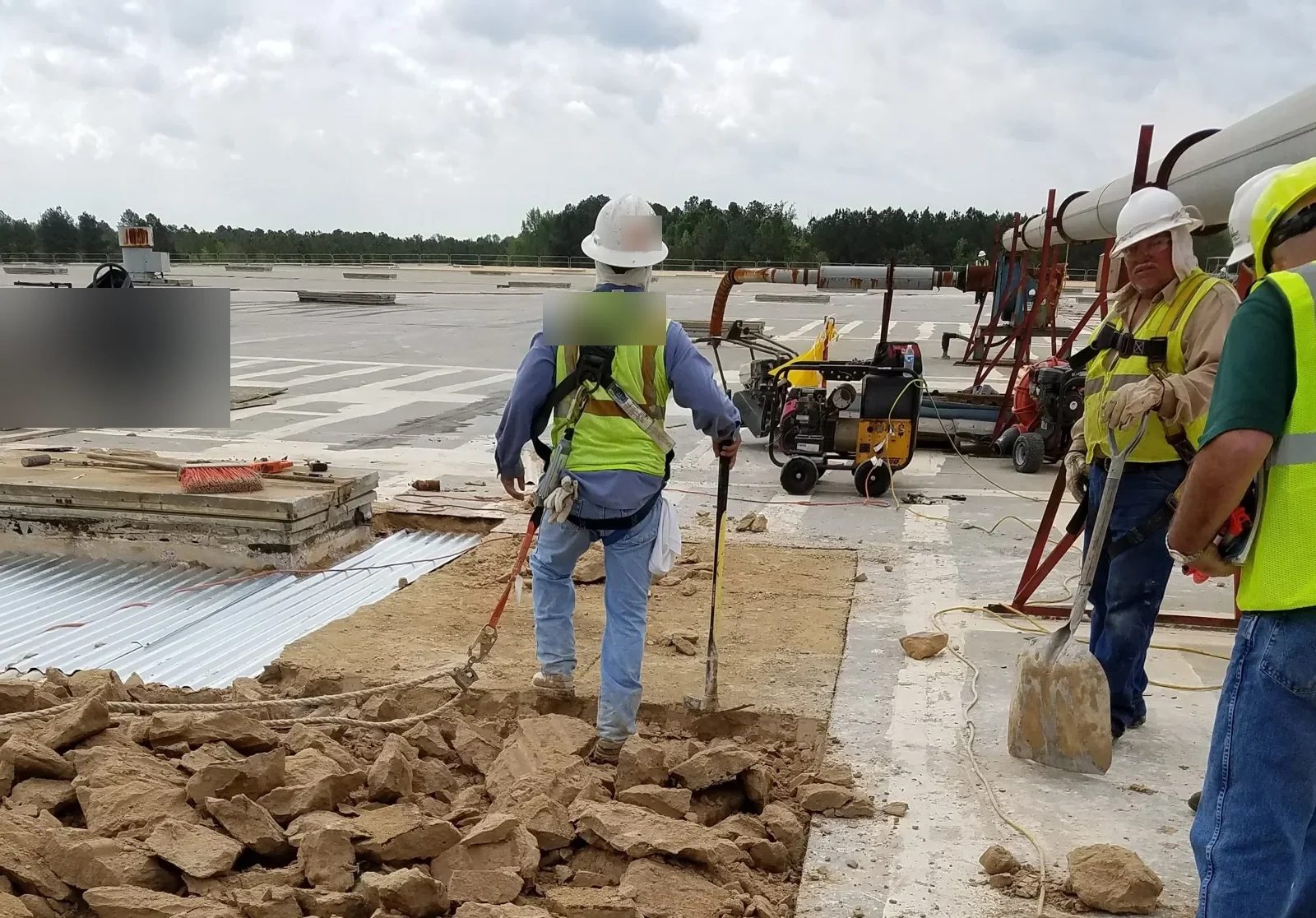
Large scopes need work areas small enough to close securely at shift end. We stage temporary protection, keep drains and overflows clear and preserve service paths. If removal exposes wet layers or a damaged deck, we photograph and measure the area. The crew secures the opening while the authorized contact reviews the added scope. Phased reroofing can show daily tie-ins and protection steps.
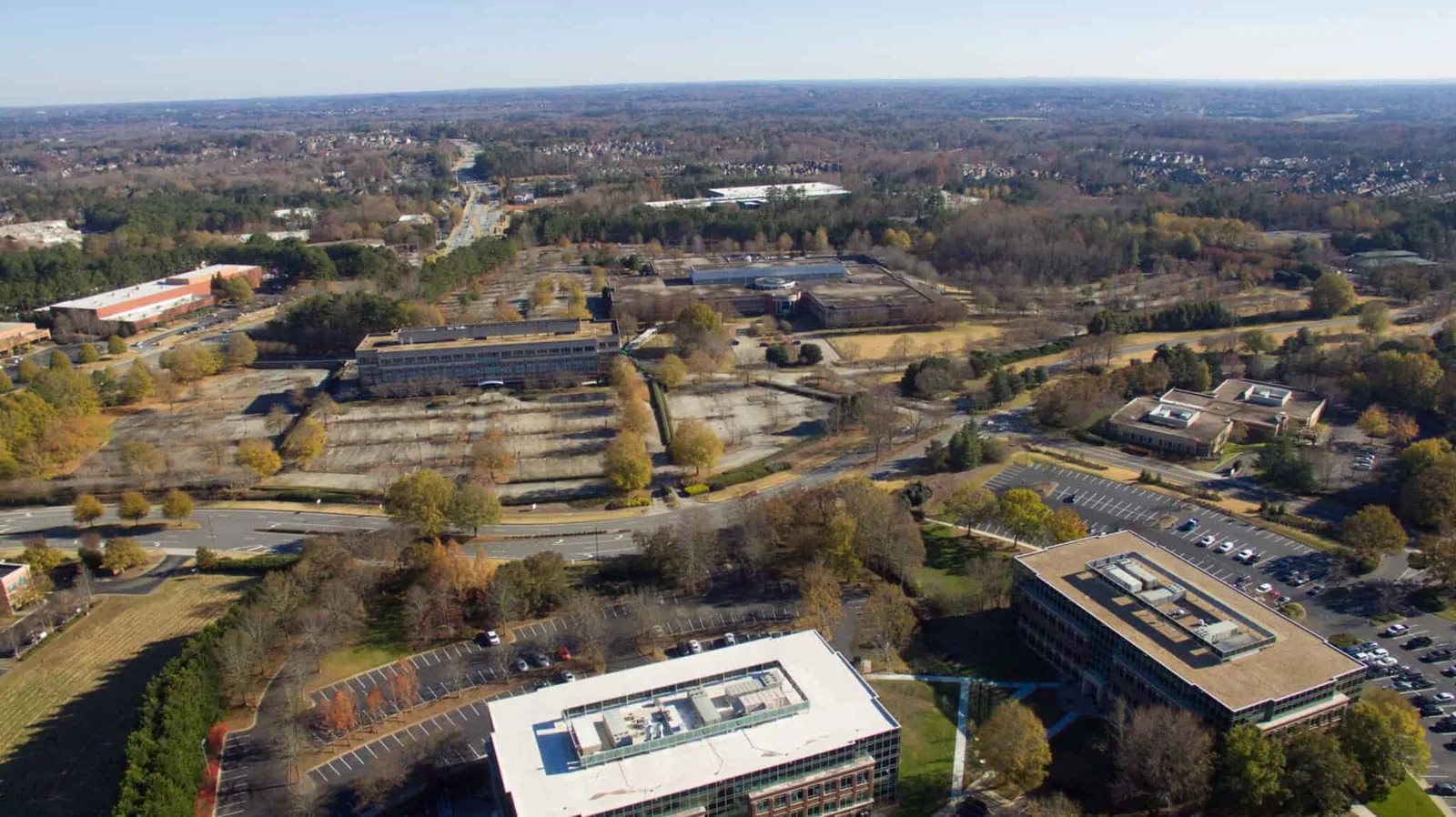
Technology Park in Johns Creek is a major employment node containing much of the city's office and industrial stock. It provides local context for business and technology properties without identifying any one roof. In a secured facility, escort requirements, tool controls, delivery screening and roof hatch procedures must be part of the mobilization plan.
Match repairs to the confirmed roof system
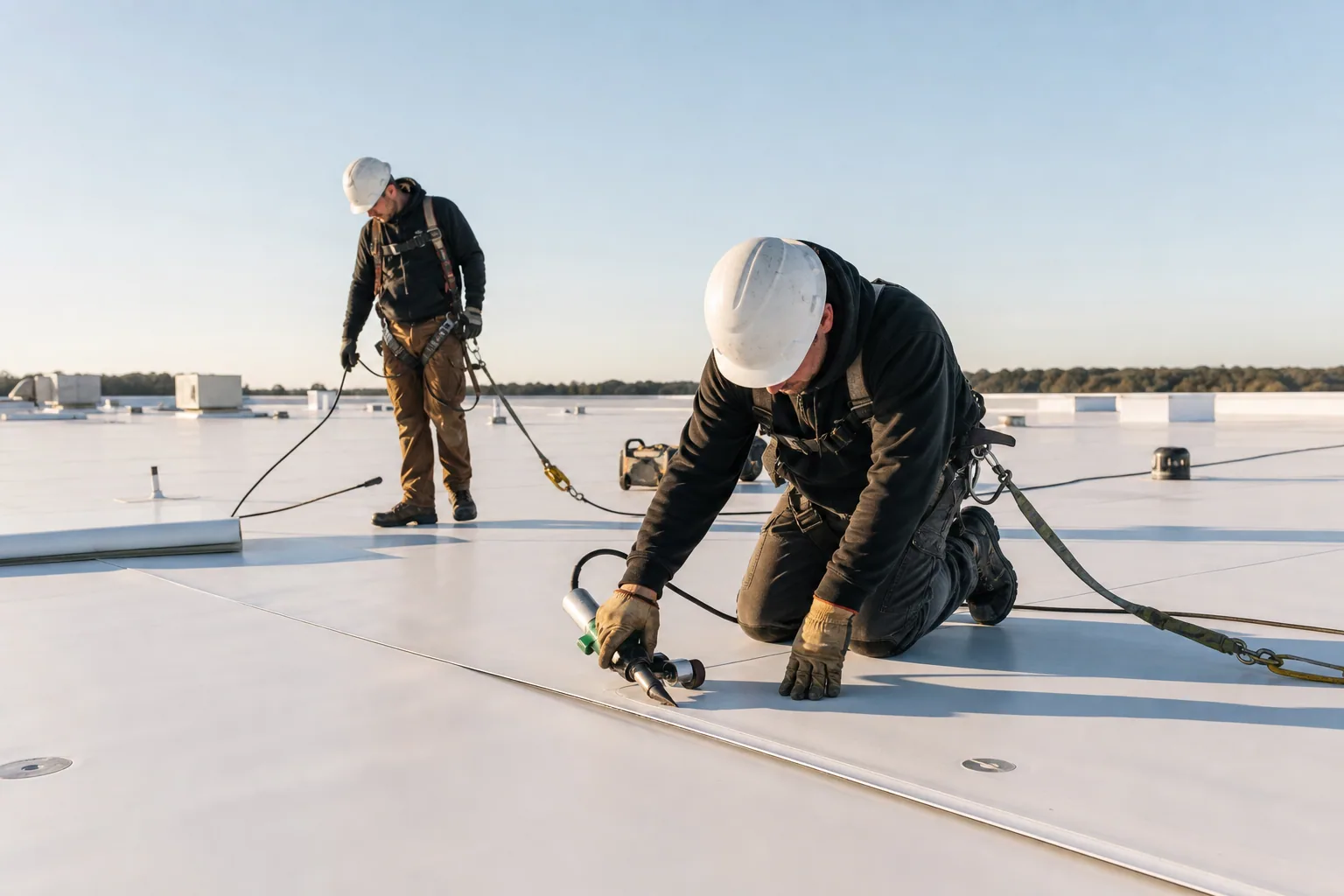
A patch must attach to prepared, sound material and stop at a defensible edge. We identify the membrane, test adhesion where appropriate and inspect nearby seams, penetrations and insulation. A dry surface above wet insulation is not enough to confirm the assembly is stable. If moisture is suspected, infrared scanning or test cuts can answer whether it has spread. We describe the test area and method before it becomes added work.
TPO, PVC, EPDM, modified bitumen, built-up and metal systems have different seam and flashing requirements. We verify what is installed rather than assuming a data center uses a particular membrane. Roof coatings are an option only where substrate, moisture, adhesion and drainage allow. TPO and PVC membranes can be compared by the assembly details and operational requirements at the site.
Replacement planning identifies removal layers, insulation, cover board, membrane, edge details, drains and curb interfaces. Cost and schedule depend on access controls, equipment coordination, staging, weather, roof zone size and concealed conditions. The proposal names the facility contact who can approve additional deck or insulation work. A replacement comparison should separate confirmed work from each allowance, with a clear trigger for use.
Set dry-in limits for Roswell weather
Hot, humid weather and frequent rain narrow the window for adhesives, coatings and exposed assembly work. We check forecast and substrate conditions before installation, protect each opened area and keep drainage clear. If wind or rain prevents a sound tie-in, we pause at a secure limit. Temporary protection must not block overflow paths or interfere with rooftop cooling equipment.
Regional storms can bring damaging wind, hail and tornadoes to the Atlanta area. A warning does not confirm a specific roof impact. We inspect reported trouble for punctures, lifted edges, displaced metal or loose flashing and record only what is visible. Emergency response runs day and night through weekends and holidays when an opening threatens equipment or operations.
Schedule also depends on security review, permits, equipment shutdown coordination, material lead time and approval turnaround. We state the decision points before work begins. A weather delay may move the next zone, while a concealed condition may require a scope review. The record should make the reason and approval visible to both facility operations and asset management.
Retain a clear closeout and maintenance trail
Closeout includes photographs of repaired seams, penetrations, curbs, drains and tie-ins. We identify zones, materials, approved changes and any concealed condition that remains. The facility retains that record beside equipment service logs and roof plans. A condition report supports future decisions when it distinguishes observed facts from recommendations.
Before handoff, we remove loose materials and verify drains and overflows. Follow-up items include details to review after rain, surfaces that need cleaning or areas that stayed inaccessible. A commercial office roof review may involve similar curbs and drains, but security and cooling constraints require this facility's own plan. Cold-storage roofing also coordinates with temperature-sensitive equipment.
Request an inspection or comparison for a named data center and roof zone. Send roof plans, security procedures, equipment schedules, outage rules, leak reports and prior repairs. We will document accessible conditions, define the repair boundary and set approval steps for concealed work.
Related Roofing Work
Scope a data center roof zone
Send roof plans, access procedures, equipment schedules, outage rules, leak reports and repair history. Name the facility and zone so we can plan an inspection around approved controls.
Questions About Data Center Roofing
Can roof work proceed without interrupting cooling?
Some repairs can proceed while cooling remains online when service paths, intakes and equipment clearances are protected. Work at a curb or unit may need isolation or a short shutdown. We coordinate with operations before entering the zone, and the facility authorizes any equipment change. The proposal states which systems must remain available and what access they require.
What details should we review after a cooling-unit replacement?
Check curb dimensions, flashing corners, conduit and pipe penetrations, support feet and nearby membrane seams. A replacement can change clearances or leave old fastener holes. We inspect the transition and identify any open joints or patch edges, then photograph the area. The roof detail should be coordinated with the mechanical scope before future unit work begins.
How should we compare repair and replacement?
Compare the confirmed moisture extent, membrane condition, recurring failures, equipment interfaces, removal layers and access constraints. A repair scope should name each zone and its tie-in. A replacement scope should define new insulation and membrane details, daily protection and allowances. We can present both options where the inspection evidence supports a fair comparison.
What security details do you need before an inspection?
Provide escort and badge rules, approved hours, roof hatch procedures, tool restrictions, equipment isolation rules and emergency contacts. Identify areas where photography is limited and how images should be handled. The facility contact can then arrange an inspection route that respects security controls while giving us access to the roof details under review.
Commercial Roofing Across Roswell and North Fulton
Roof Repair, Replacement and Maintenance for Every Kind of Commercial Building
From Historic Roswell and Canton Street to the Holcomb Bridge Road corridor, GA 400 and the North Point area, we inspect, repair and replace low-slope and metal roofs on offices, retail centers, medical buildings, schools and warehouses.