
Standing-Seam Metal Roofing in Roswell, GA
A backed-out fastener at a standing-seam panel end can change the water path. The panel may have shifted, or a nearby flashing joint may be open. We check seams, clips, end laps, penetrations, and roof edges before setting the repair boundary. North Georgia sees damaging wind and heavy rain. Metal panels need room to move while their seams and terminations keep water out.
Standing-seam roofs use raised joints that conceal many fasteners. Panel profile, clip type, slope, and details vary by assembly. We inspect the actual roof rather than infer its construction from a building's use. A metal roof retrofit evaluation can help when the existing panels have exposed fasteners or broad surface deterioration instead of standing seams.
Track panel movement
We inspect seams for separation, distortion, open hems, and signs of movement. Clips can loosen or restrain a panel, depending on the assembly. We check panel ends, eaves, ridges, hips, and valleys for water entry points. Scratches, oil canning, and dents are recorded separately from open seams. The report shows which conditions affect weather protection and which are surface observations.
Wind and temperature cycles can move long metal panels. A fixed detail may strain the seam or flashing where movement concentrates. We look for buckling near clips, pulled fasteners at exposed edges, and cracks in sealant at transitions. Severe thunderstorms and damaging wind are tracked across north and central Georgia. A wind damage inspection can document observed movement and edge conditions without assuming every storm caused a defect.
At curbs, pipes, and equipment supports, we inspect the metal pan, flashing, closures, and fasteners. Roof penetrations can interrupt panel seams and create a path below the metal. We check uphill diverters and nearby valleys where water approaches the opening. If the source is not clear, a roof inspection can include interior reports and adjacent roof zones before a repair is scoped.
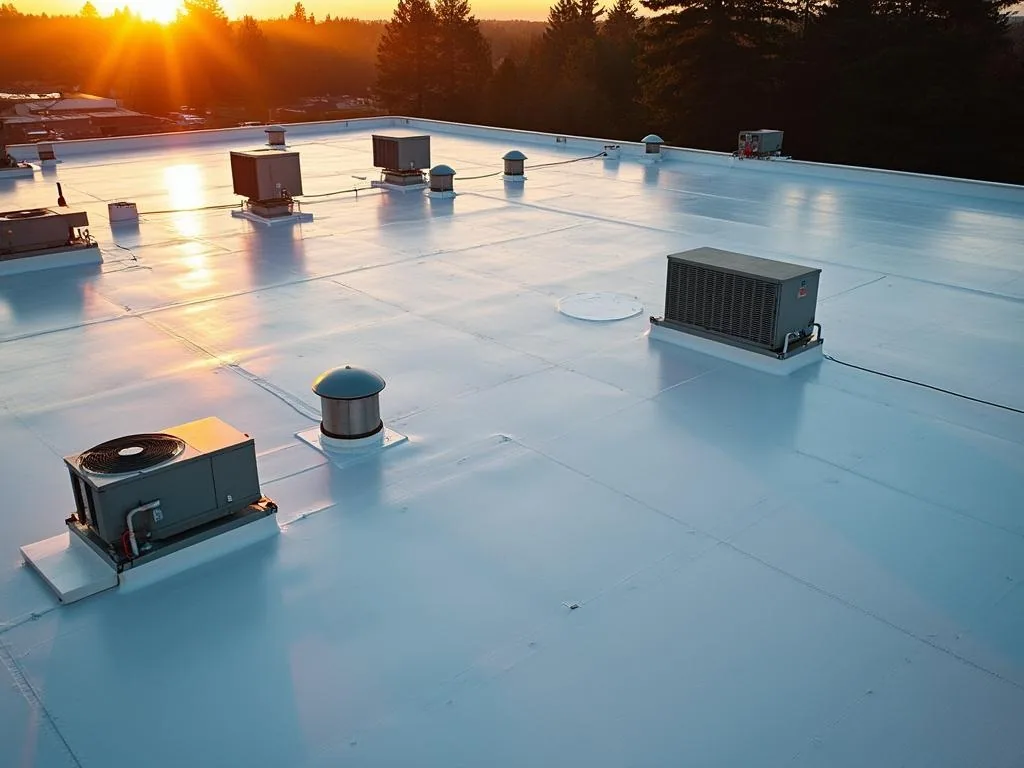
Restore seams and penetrations
A seam repair must suit the panel profile and movement allowance. We remove failed sealant where approved, prepare the metal, and install a compatible closure or flashing detail. A bead of sealant cannot hold a loose panel or replace missing clips. We check the completed seam and record its location. Any exposed fasteners receive the specified washer and closure detail where the existing design calls for them.
Penetrations require formed metal or compatible flashing that sheds water onto the panel surface. We inspect curb corners, pipe collars, closures, and the up-slope water path. A penetration flashing repair can address a curb or boot, while a perimeter metal scope can include eaves, ridges, or wall terminations. Each detail receives a separate boundary when materials differ.
Metal movement also affects gutters, edge metal, and adjacent low-slope assemblies. We check whether a transition lets the panel expand without pulling the membrane or flashing. A nearby modified-bitumen roof section needs its own water-shedding connection. We do not seal across a joint that must remain free to move. The repair note identifies the panel, transition, and fastener pattern reviewed.
Keep the drainage route open
Standing seams guide water toward eaves, valleys, gutters, or internal drains. We check slope, panel laps, closures, valleys, and outlet conditions. Debris can block a gutter and push water back toward a panel end. A downspout connection can also separate below the eave. We record where water should leave the roof and any point where the metal assembly interrupts that route.
Roswell's frequent warm-season rain can test end laps and valleys during a short storm. We look for sediment, staining, and corrosion near water paths. A low-pitched section with trapped water may need a different assembly review than a steep panel plane. We identify the actual slope and details before recommending replacement or repair. Drainage conditions remain separate from panel finish and cosmetic appearance.
Historic Roswell includes properties subject to exterior review when visible changes apply. A replacement panel profile, finish, or exposed edge can affect that review. We identify those questions before finalizing the metal specification. The Historic Roswell District is a recognized local context, but review requirements depend on the property and proposed exterior change.
Coordinate panel work and access
Metal work requires safe panel access and careful material handling. We confirm roof access, staging, lift locations, occupied entrances, and service routes before ordering panels. Long lengths can affect loading and hoisting. The plan identifies where old material comes off and how the roof closes at each shift end. We keep tools and fasteners clear of drains and finished panel surfaces.
Roswell's commercial properties span offices, healthcare, schools, retail, civic buildings, and light industry. Buildings along Holcomb Bridge Road and GA 400 have different delivery and loading limits. We ask the site contact for current access rules and operating windows. The corridor context can help plan the visit, but the roof geometry and actual access conditions control installation.
Timing and cost depend on panel profile, metal gauge, clip replacement, flashing count, substrate condition, lift access, and whether adjacent areas must remain open. A few loose seams differ from a full panel replacement. The proposal identifies confirmed work, color or profile assumptions, and any concealed substrate allowance. If opening a panel reveals damage, we photograph it and request approval before expanding the scope.
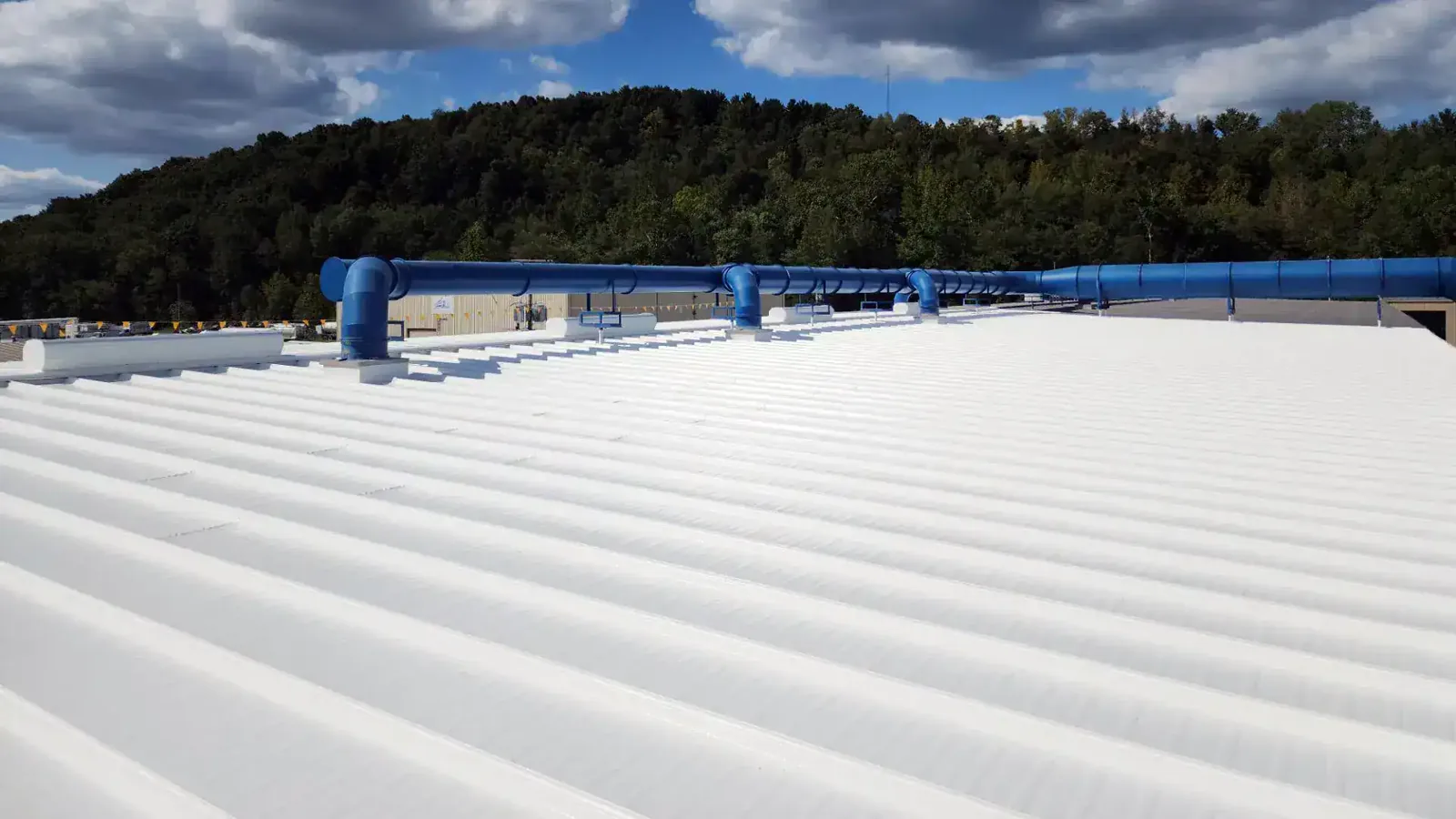
Record each panel and transition
Closeout photos show seams, clips, end laps, penetrations, eaves, and any repaired transition. We list panel areas worked, components replaced, and conditions left outside the approval. If the metal was lifted, the record identifies the substrate found below. This information gives the next inspection a reliable starting point at the same roof zone.
Follow-up visits can check panel movement, sealant condition, fasteners, gutters, and closures after severe weather. A maintenance inspection can revisit those details and clear debris from the drainage path. A roof condition report can retain separate records for standing-seam and low-slope sections.
Request a standing-seam assessment for a named building and roof zone. Send panel or shop drawings, leak locations, repair history, access restrictions, and photos. We will inspect movement, transitions, and drainage, then separate confirmed repairs from concealed conditions.
Related Roofing Work
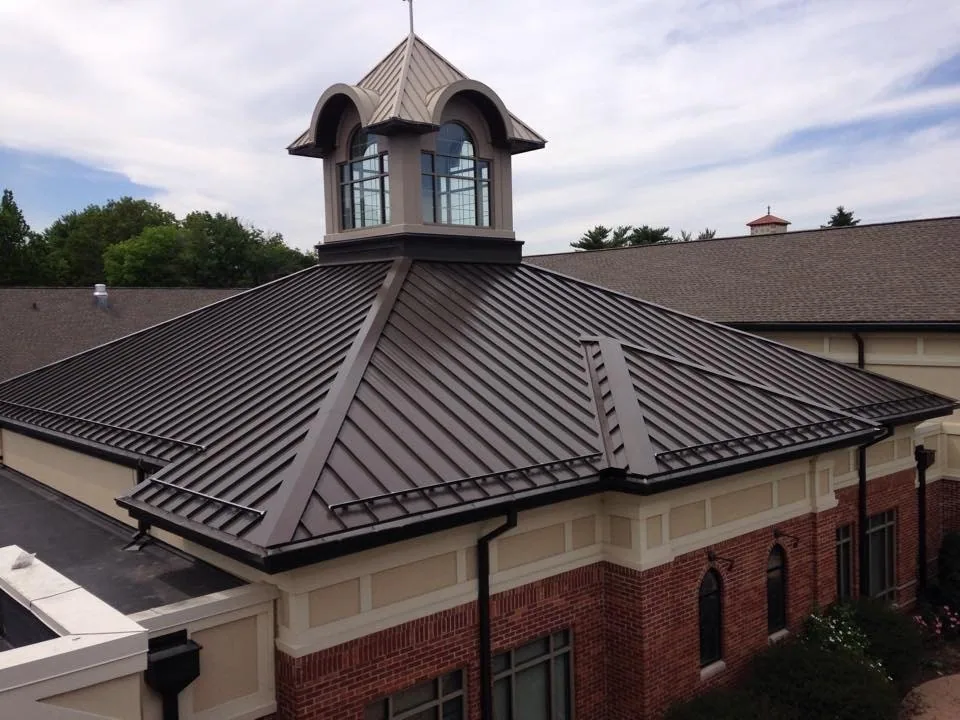
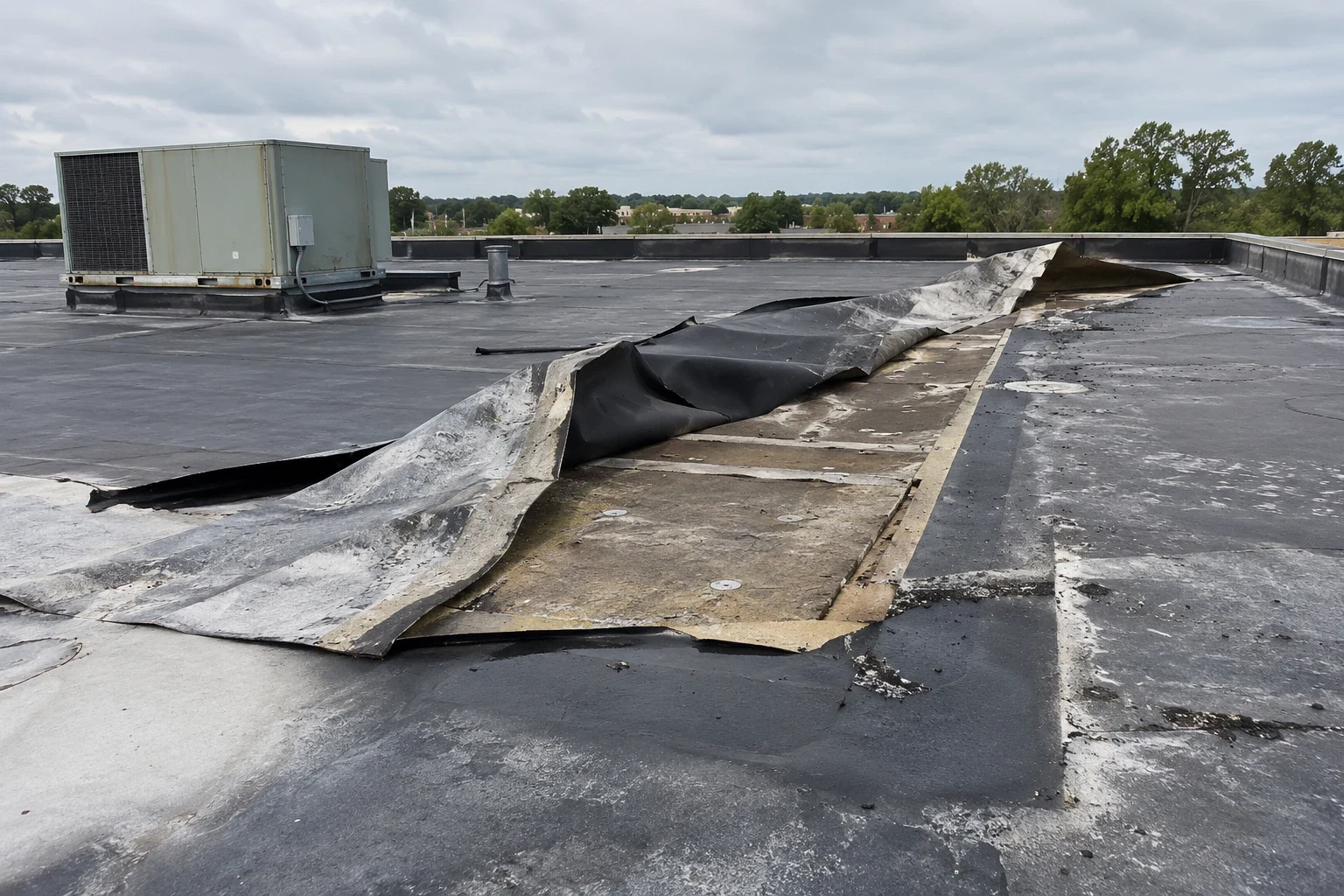
Inspect the standing-seam details
Name the property and roof zone. Send panel records, leak dates, prior repairs, access rules, and photos so we can map seams, penetrations, and edge conditions.
Questions About Standing-Seam Metal Roofing
Can a standing-seam panel be repaired without replacing the roof?
A local repair can work when the panel, clips, and surrounding seams remain sound. We inspect the movement detail, end laps, flashing, and substrate before setting the scope. If panel distortion or attachment failure extends beyond one area, the work boundary expands. Photos identify the affected panels and any concealed condition that needs approval.
What does a loose seam mean on a metal roof?
A seam can open because of movement, damage, or a failed closure. We check the panel profile, clips, end condition, nearby fasteners, and water path before choosing a repair. Adding sealant alone may leave the panel movement unresolved. The recommendation names the seam and transition that need work.
How do you check roof penetrations on standing seam?
We inspect the curb or boot, flashing material, panel cut, uphill water route, and connections to adjacent ribs. A formed diverter may be needed where water meets a wide curb. We record each opening and verify the detail allows panel movement. A penetration that cannot be safely reached is identified for a return visit.
Can panel color or dents show storm damage?
Finish marks and dents need review alongside seam condition, openings, and displaced metal. We photograph observed changes and compare them with prior records where available. A regional storm report alone does not establish damage to a specific panel. The repair scope follows confirmed loss of function or a clearly documented defect.
Commercial Roofing Across Roswell and North Fulton
Roof Repair, Replacement and Maintenance for Every Kind of Commercial Building
From Historic Roswell and Canton Street to the Holcomb Bridge Road corridor, GA 400 and the North Point area, we inspect, repair and replace low-slope and metal roofs on offices, retail centers, medical buildings, schools and warehouses.