Commercial Roofing in Windward District, Alpharetta, GA
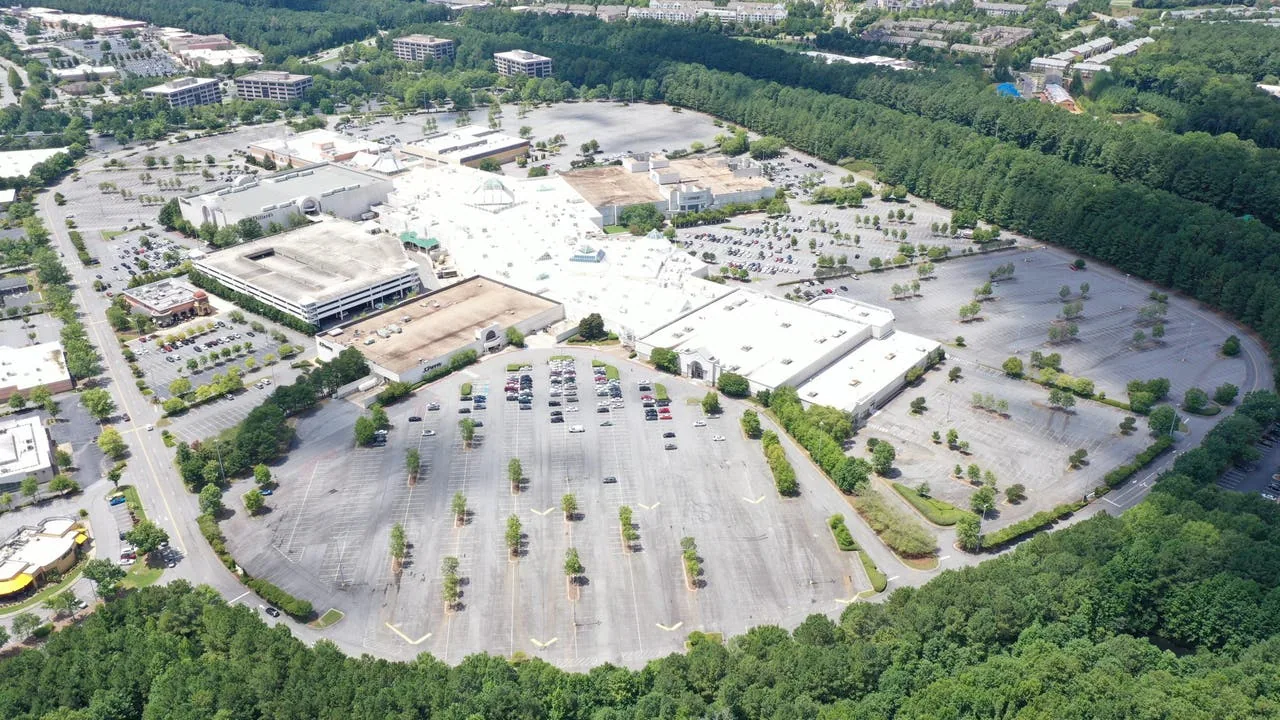
Debris packed in a drain well can force water toward a roof edge. We check the bowl, overflow, membrane termination, and adjacent lap before deciding whether the repair stops at the outlet. Windward is a master-planned Alpharetta district spanning more than 3,000 acres, with employment, retail, and residential areas. Its scale makes property-specific roof records essential. A district name does not tell us which system sits above an office, shop, or residence.
The Windward Tech District forms part of its employment area, and the larger district sits on the GA 400 north Fulton growth corridor. We plan each visit from the building's approved access and operating rules. A citywide Alpharetta roof review can organize broader records while the visit stays on Windward assets.
Trace the curb before replacing the surface
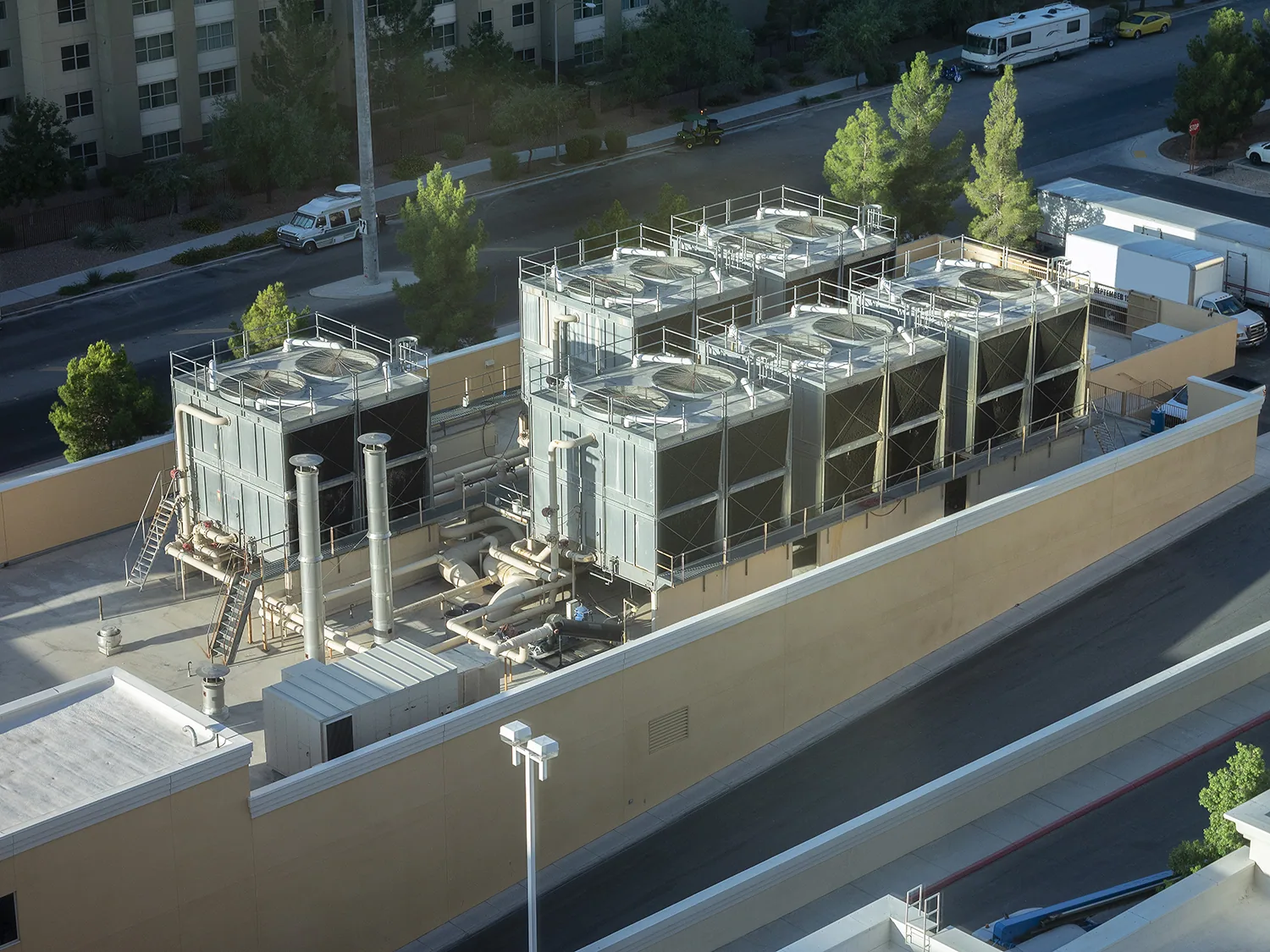
A curb base has several failure points. We inspect each corner, vertical flashing, counterflashing, attachment, and membrane connection. Mechanical service can affect these details, but we record evidence rather than assuming an equipment visit caused a leak. If water has reached insulation, we determine whether the repair can stop at a sound tie-in or needs an opening. The photos should show the curb and surrounding roof zone together.
Windward combines employment with retail and residential areas. For a commercial property, that mix can affect scheduling, pedestrian controls, deliveries, and the hours when noise is acceptable. It does not define the roof assembly. We confirm the operation with the property manager and identify restrictions before setting a work sequence. A North Point roof assessment can document that neighboring activity center on its own terms.
Atlanta climate normals show hot, humid summers and frequent warm-season rain, with a July normal high near 90 degrees Fahrenheit. Those conditions can stress flashing and laps through repeated heat and wetting. We inspect for open joints, degraded sealant, movement, and moisture. A forecast or seasonal pattern does not establish failure at any one property.
Keep records separate across the district
A large planned district can contain properties with different owners, systems, and access rules. A portfolio route may group visits, but each report needs a property identifier and roof-zone map. We label active leaks, open seams, soft areas, drainage concerns, and details that need testing. This lets an asset manager compare priorities while retaining the evidence for each building.
Windward's employment area includes the Windward Tech District, integrated with retail and residential uses. When work crosses an occupied site, we map material staging, roof entry, pedestrian paths, and equipment shutdowns. If several buildings share a contact, we still confirm which person can approve each scope. A multi-building roof program can standardize reporting without merging assembly histories.
Roof photographs should include the defect, adjacent transition, and a field reference that can be found later. If drawings are available, we use the same zone names on inspection notes and proposals. If a roof area cannot be reached, we mark it as uninspected rather than extending findings from an adjacent section. A condition report with photos gives the owner a record suitable for repairs and budget review.
Match the repair to confirmed materials
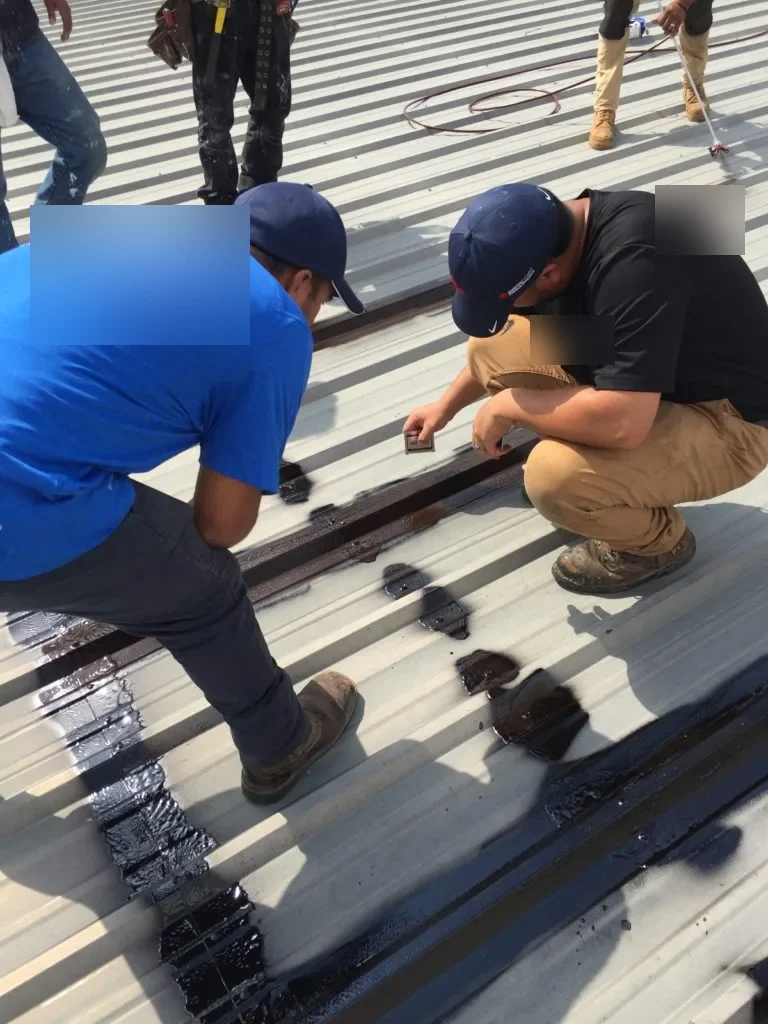
A curb patch must bond or weld to the existing assembly. Thermoplastic membranes may take a prepared welded flashing, while rubberized, asphalt-based, coated, and metal systems call for other details. We identify the roof surface from records or field inspection before selecting repair products. When layers are uncertain, a small opening can confirm the tie-in surface and the condition underneath.
If a curb has moved or its backing is deteriorated, sealing the membrane alone will not restore a stable connection. We inspect attachment and substrate, then describe any added carpentry or metal work separately. Wet insulation changes the repair limit. The estimate should show confirmed material removal and an allowance for concealed conditions that require owner approval. A curb and support repair can address the roof interface before new mechanical work begins.
Repeated failures across several roof zones may justify comparing repair with recovery or replacement. We review deck condition, roof height, drainage, existing layers, and penetrations. A roof's use or district does not establish its system or age. A replacement comparison should identify curbs, transitions, phasing, and temporary weather protection at each property.
Protect exposed zones through rain
Rain can halt cleaning, welding, or adhesive placement at a curb. We divide work into zones that can be restored or protected at each stopping point. The proposal identifies which opening can remain active, how it will be covered, and what surface condition must be met before permanent work resumes. If weather shifts, the crew has a clear closeout point for that shift.
North Georgia severe weather can include hail, strong wind, and tornado conditions. After an owner reports impact, we inspect the named zone and photograph what changed. A storm report alone does not establish roof damage. If a puncture or displaced edge is present, we note its location and distinguish it from older repairs or separate maintenance findings. A storm-related roof inspection can document confirmed effects.
Cost and timing depend on access, curb count, surface preparation, material compatibility, equipment coordination, wet insulation, and weather protection. Occupied mixed-use settings may require short work windows or staged material movement. We state those assumptions and keep concealed damage as an approval item. For an active leak, targeted leak tracing can locate the opening while a broader renewal decision is reviewed.
Leave each asset with a usable repair record
Closeout photos show the repaired curb, all corners, fasteners, membrane tie-in, and adjacent roof surface. We note the building, roof zone, material used, and extent of removal. If opening the assembly revealed concealed material, the record says what was found and restored. Any excluded condition remains listed separately so another manager does not mistake it for completed work.
Windward's employment, retail, and residential areas share a district plan, not one roof history. Keep records with each property's plans and access notes. Later inspections can compare the same curb or seam against its dated closeout photos. A planned maintenance visit can review the repair and adjacent details after the next wet season.
Request a roof inspection for a named Windward property or portfolio. Send roof plans, equipment schedules, access rules, leak dates, and prior repair records. We will map the affected zones, report confirmed conditions, and present repair or renewal options with concealed allowances identified.
Related Roofing Work
Review a Windward roof portfolio
Share property names, roof plans, equipment records, leak history, access rules, and operating hours. We will inspect named roof zones and report each building separately.
Questions About Windward District, Alpharetta
Can one roof report cover the whole Windward district?
A portfolio summary can show regional priorities, but each property needs its own roof zones, photos, system information, and access notes. We keep separate findings for employment, retail, and other properties. That makes the summary useful without suggesting every building has the same roof or condition.
What makes a curb leak require more than new flashing?
Loose attachment, a moving curb, wet insulation, or a damaged substrate can extend the work beyond the visible flashing. We inspect the curb base and adjacent membrane, then open the assembly if the evidence calls for it. Added removal is documented and priced for approval before proceeding.
How should roofing be scheduled in a mixed-use district?
We confirm property hours, material routes, pedestrian movement, equipment access, and any noise or shutdown limits with each owner. A district-wide schedule can group visits, but the work sequence remains site-specific. The plan also sets a weather-safe stopping point for each roof zone.
What records help compare Windward properties?
Roof plans, prior invoices, leak dates, system data, access instructions, and dated photographs help compare conditions. We mark owner-supplied details separately from field observations. The report can then show which roofs need immediate repair, another test, or a capital comparison.
Commercial Roofing Across Roswell and North Fulton
Roof Repair, Replacement and Maintenance for Every Kind of Commercial Building
From Historic Roswell and Canton Street to the Holcomb Bridge Road corridor, GA 400 and the North Point area, we inspect, repair and replace low-slope and metal roofs on offices, retail centers, medical buildings, schools and warehouses.