Grocery Store Roofing in Roswell, GA
A loose curb corner beside a refrigeration line can carry water below the membrane. We check the flashing, nearby seams, insulation and drain path before defining a repair zone. Grocery stores have equipment and receiving schedules that can constrain roof access. Roswell, GA has warm, humid summers and frequent rain, so drains and penetrations need close attention. The roof plan must protect store operations while keeping confirmed work separate from concealed conditions.
Johns Creek and Cumming are distinct commercial service areas within the wider north Georgia market. A grocery group with properties in both needs a separate roof map and condition record for each building. We inspect the actual assembly rather than infer it from store use. A Roswell grocery roof inspection can start with a leak, recurring drain issue or capital review.
Map refrigeration and roof penetrations
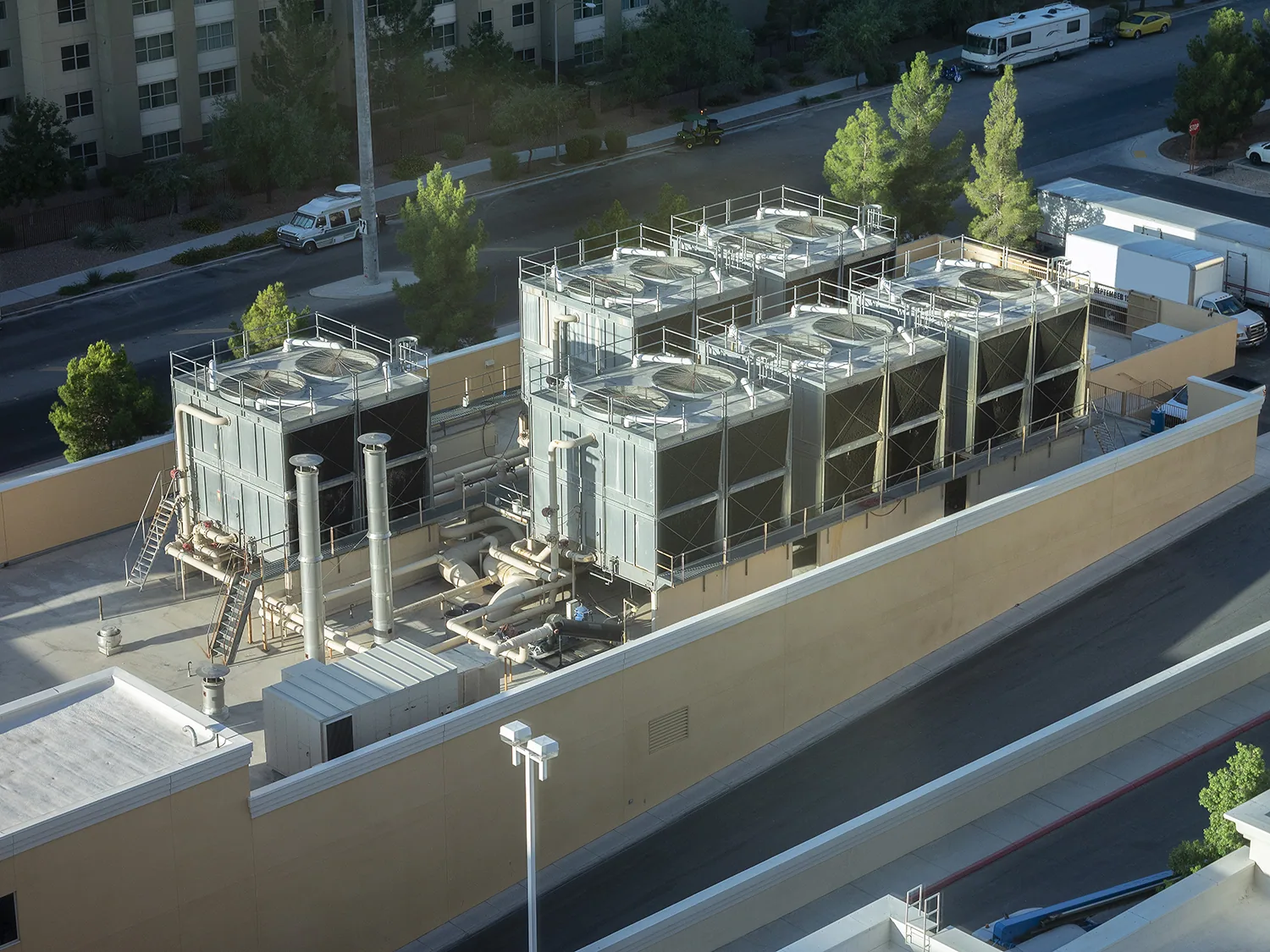
A refrigeration curb, conduit support or exhaust penetration can fail at the flashing even when its equipment runs normally. We inspect curb corners, boots, sealant, terminations and nearby laps for movement, open joints or water retention. Roof plans and equipment schedules help identify service paths, but field inspection confirms the condition. We label each finding by roof zone and mark units that require protected access.
We coordinate any shutdown with the store's facilities contact and refrigeration provider. The scope identifies what must remain in service, who can authorize interruption, and whether another service visit is needed before the roof is closed. Materials stay clear of equipment intakes and maintenance routes. A curb and equipment support inspection can list each penetration requiring repair.
Interior reports help narrow the search but do not prove a nearby unit caused the leak. Water may travel beneath insulation or across a deck before staining a ceiling. We compare the report with roof seams, drains, curbs and prior patches. A leak tracing visit identifies the source where evidence supports it and specifies testing when the path remains concealed.
Keep drains clear of standing water
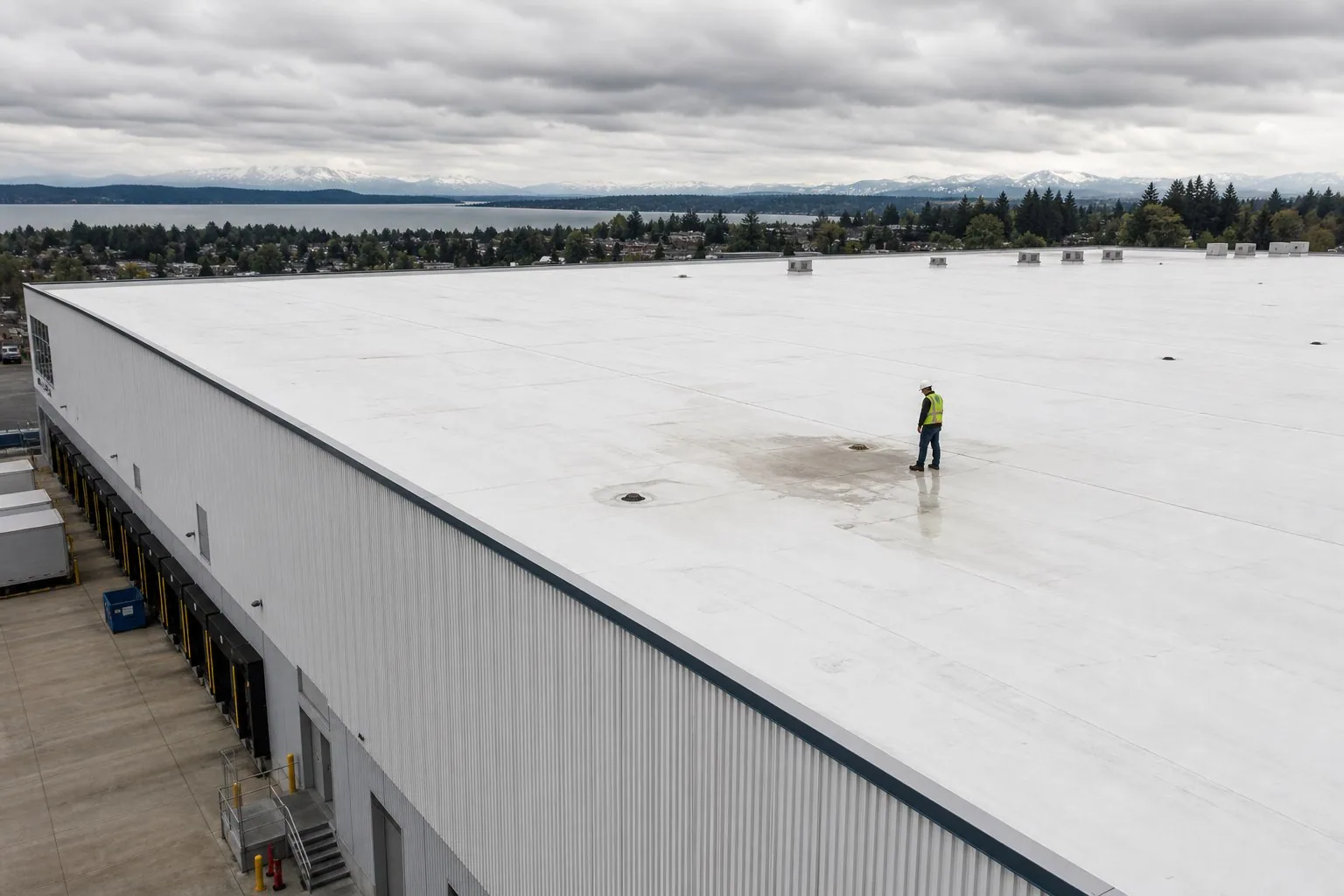
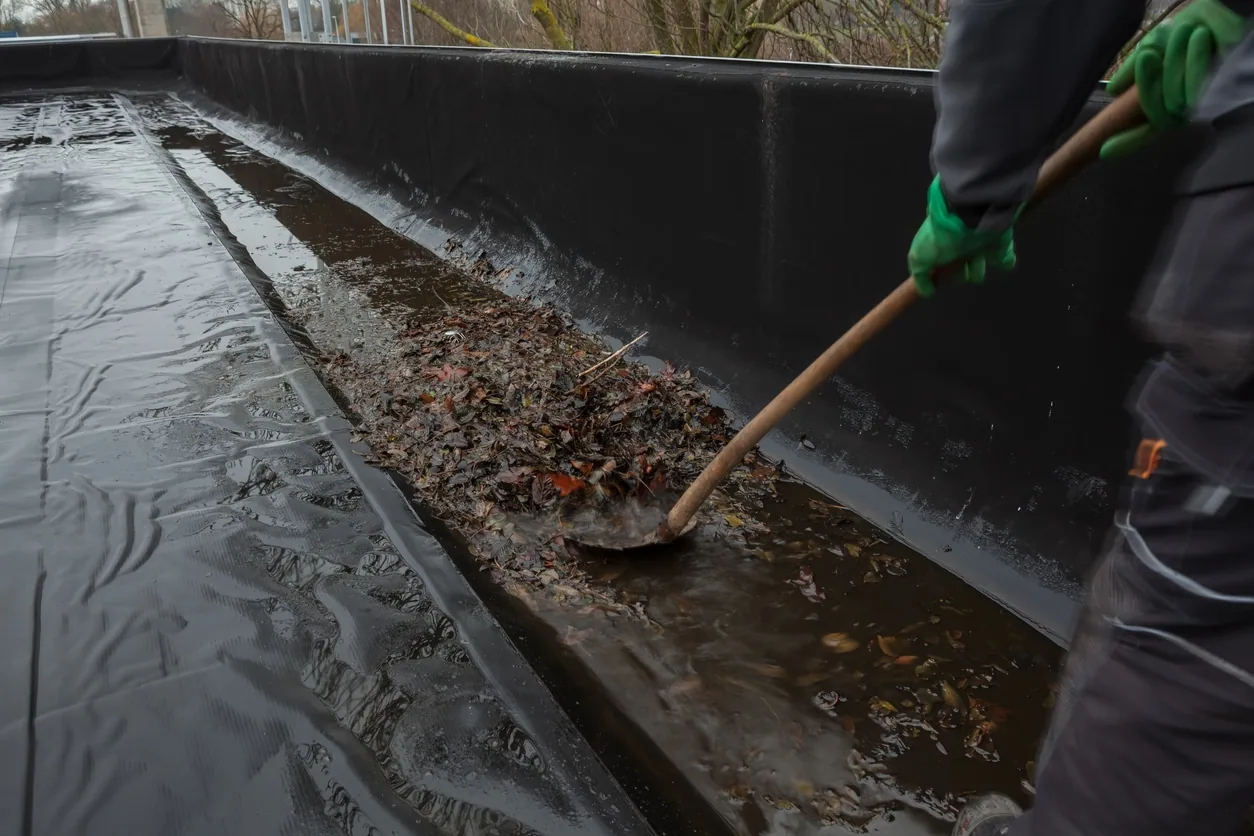
Warm-season rain can leave water beside a blocked strainer or failed drain flashing. We inspect the primary outlet, overflow, bowl, slope and nearby membrane as one path. Debris may be a maintenance issue, while wet insulation or a loose clamping detail changes the repair boundary. Photos show the outlet, surrounding seams and any ponding. The drain and scupper scope distinguishes clearing from membrane work.
Roswell's inland setting brings humidity and heavy rain, not coastal salt or surge conditions. Repeated wetting can expose weak laps and low spots, especially where equipment curbs interrupt drainage. If water has reached insulation, an infrared survey may help identify additional areas for testing. Test cuts confirm the layers at selected locations. We describe the area and question before authorizing either method.
Once moisture is confirmed, a patch over the top may leave the wet layer in place. The limit moves to sound, dry substrate and compatible membrane. If the roof remains attached outside that zone, a local repair may be enough. Widespread wet insulation, repeated failures or poor tie-ins may call for a recovery or replacement comparison. The report shows which findings support each option.
Sequence work around receiving and service
A receiving door, delivery lane and customer entrance may all use different schedules. We ask the manager for delivery windows, public hours, staging limits, freezer or refrigeration restrictions, waste pickup and emergency access. The plan names where materials arrive, where debris leaves and who can approve a route change. If a roof hatch sits above an active service area, that access path is recorded before mobilization.
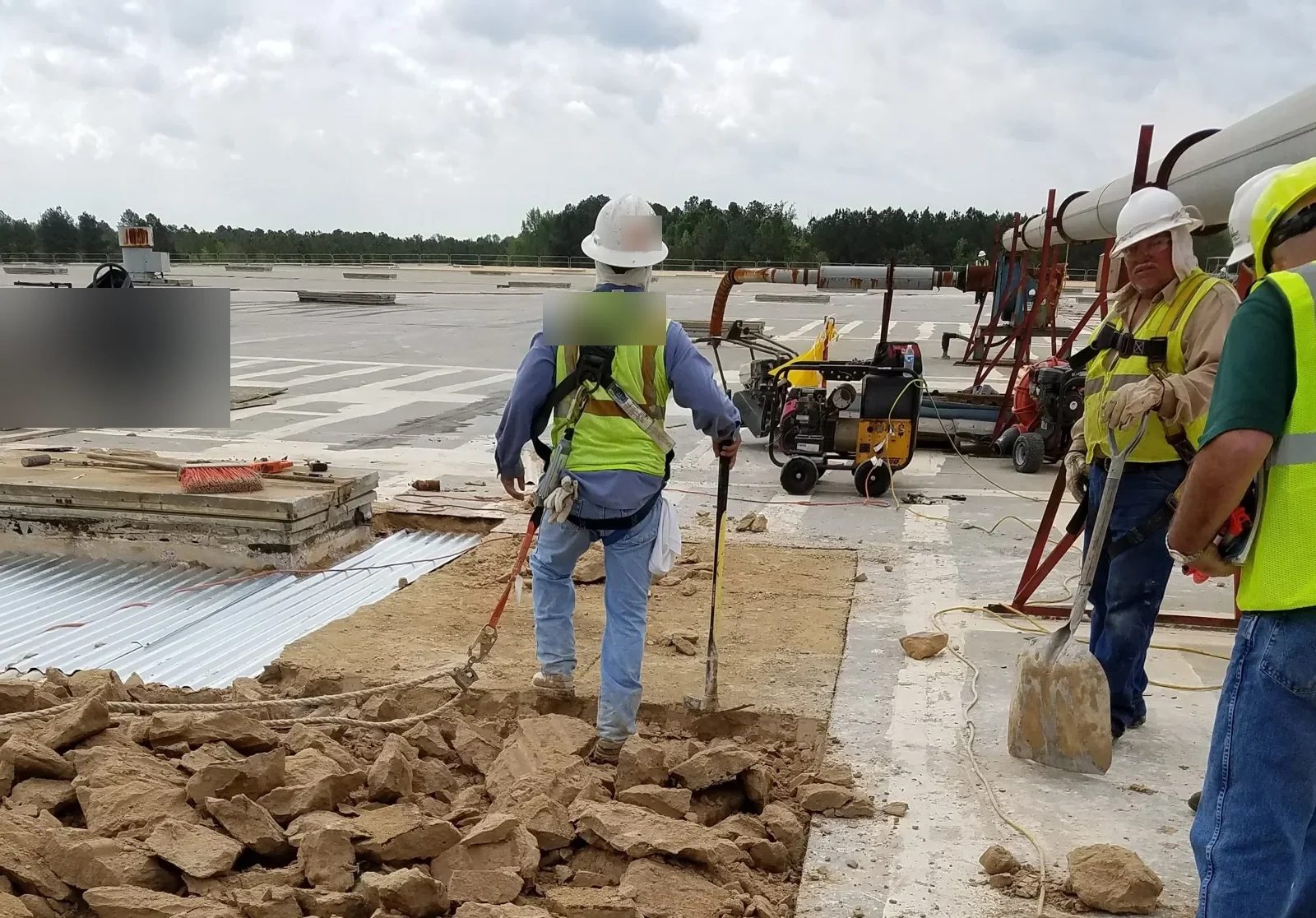
For a larger repair or replacement, work advances by zones that can be dried in at the end of each shift. We protect drains, keep equipment service clear and coordinate interior safeguards below open areas. If tear-off exposes damp insulation or a weak deck, we photograph the exposed layer and protect the opening. The manager approves any added quantity and price before crews resume. Occupied-store reroofing can be arranged in stages around operating needs.
Schedule depends on weather, receiving access, equipment availability, material readiness and the number of roof zones. Warm surfaces and humidity can affect adhesives and coatings. We check roof and substrate conditions before covering work. The manager receives any revised work window and the area that will remain protected while the crew waits for suitable conditions.
Choose a repair that fits the existing system
Store use does not establish whether a roof is TPO, PVC, EPDM, built-up, modified bitumen, metal or coated. We identify visible layers, attachment, insulation and deck condition before pricing a tie-in. A local repair may fit an isolated defect in compatible, dry material. Recovery is considered when existing layers can support another assembly. Replacement may be needed when moisture or repeated failures make retention unsuitable.
A grocery store may also have roof equipment and refrigeration loads that require careful curb flashing and service coordination. That does not make it a cold-storage warehouse. A cold-storage roof assessment addresses a different building use, while restaurant roof planning may involve kitchen exhaust details. We separate each property's roof condition and operating requirements.
Cost changes with penetration count, drain work, equipment moves, removal layers, access, material choice and confirmed insulation or deck repairs. Proposals should list the same roof zones, equipment details, protection steps and exclusions. Any allowance names its trigger and approval contact. That gives ownership a clear point to review if opening the assembly reveals a concealed condition beyond the visible defect.
Document details for the next service visit
Closeout photos show completed seams, equipment curbs, drain details, edges and tie-ins. We record the store, roof zone, materials, work performed, approvals and any concealed area left unresolved. The manager can match that record with refrigeration service history and leak reports. Before handoff, loose material is removed and primary drains and overflows are checked.
North Georgia can experience severe thunderstorms, damaging wind, hail and tornadoes. A weather report does not establish damage at an individual store. After a reported event, we inspect accessible zones for punctures, open seams, displaced edge metal and flashing damage. Our crews respond nights and holidays as well as during the day when an opening needs temporary protection. We document visible impact and identify areas needing follow-up access.
For a grocery roof review, identify the affected branch and zone. Send equipment schedules, roof plans, leak reports, receiving hours, access limits and repair history. We will map confirmed work and show which decisions depend on opening the assembly.
Related Roofing Work
Review a grocery roof zone
Name the store and affected area. Send equipment schedules, roof plans, leak reports, receiving hours, access rules and prior repair records.
Questions About Grocery Store Roofing
How do you coordinate roofing beside refrigeration equipment?
We identify units, service paths, required clearances and the contact who can approve a shutdown. The sequence keeps materials away from intakes and records any refrigeration-provider visit needed before closure. If a curb or support must be changed, we state the planned work and approval point. The store receives a zone update before equipment access is restricted.
Can you repair a grocery leak without closing the store?
A localized repair can often be isolated from customer areas, but access, staging and interior protection determine the sequence. We plan roof work around receiving hours, entrances and equipment service. Any shutdown or restricted area is confirmed with the store contact. If removal finds wet insulation, the repair extent and timing may change after approval.
How do you check whether water has reached the insulation?
We inspect the membrane, seams, drains and penetrations, then compare those findings with interior reports. Infrared scanning can point to areas for testing; a test cut confirms conditions at that location. The report labels suspected moisture separately from material confirmed wet. We set the repair edge from evidence and identify any area that still requires opening.
What information should a grocery roof proposal include?
Look for named roof zones, penetration and drain work, equipment coordination, receiving and access assumptions, temporary dry-in, exclusions and closeout records. Concealed-condition allowances should state the trigger and approval contact. We can review the store's equipment schedule and delivery rules before fixing the work sequence.
Commercial Roofing Across Roswell and North Fulton
Roof Repair, Replacement and Maintenance for Every Kind of Commercial Building
From Historic Roswell and Canton Street to the Holcomb Bridge Road corridor, GA 400 and the North Point area, we inspect, repair and replace low-slope and metal roofs on offices, retail centers, medical buildings, schools and warehouses.