Commercial Roofing in Chamblee, GA
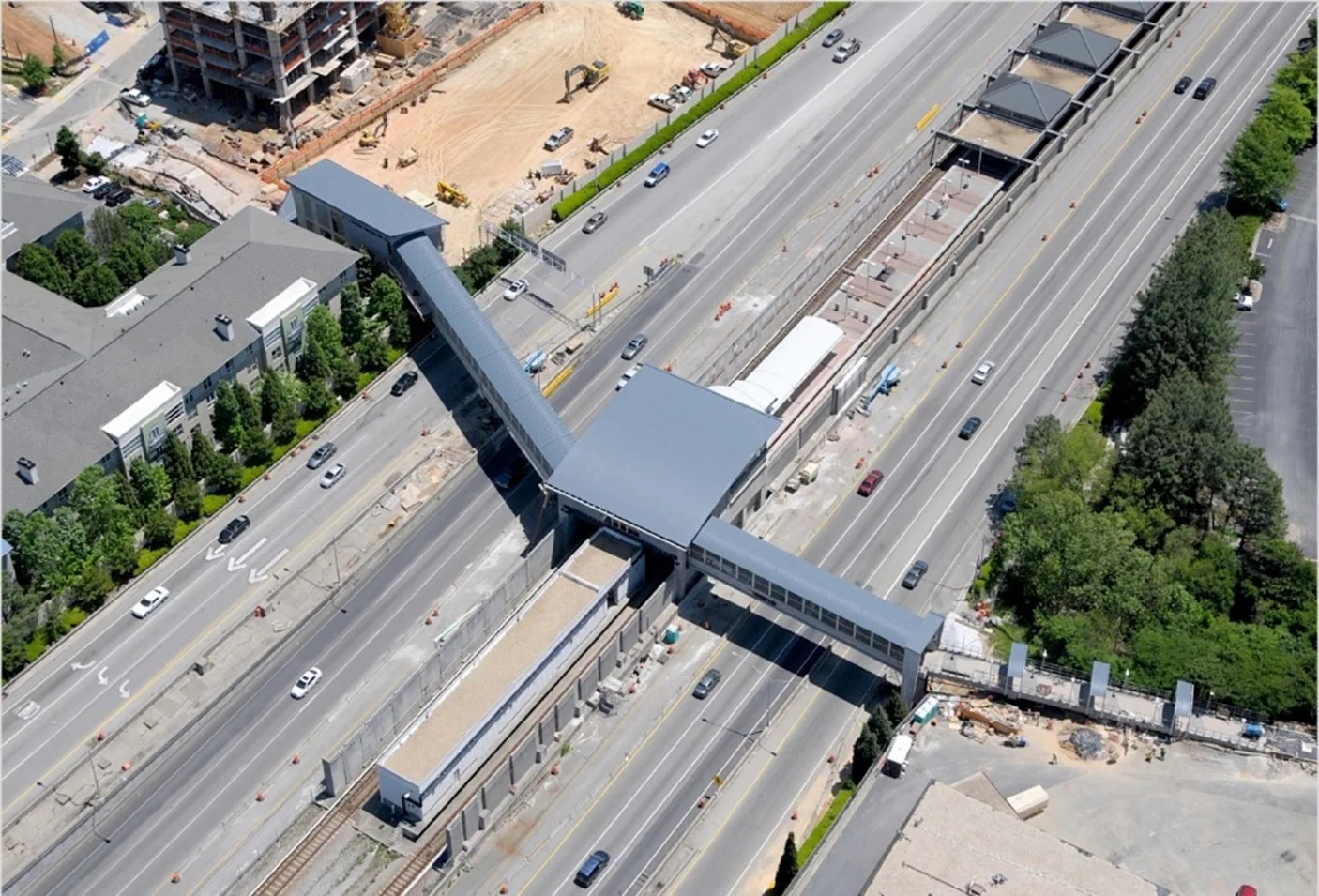
A loose coping joint can let rain reach the roof edge and follow the wall below. We check the metal splice, fasteners, membrane termination, and nearby drainage before drawing a repair limit. Chamblee zoning includes corridor commercial areas for retail, services, offices, and mixed-use development. The city also supports a transit-oriented district near Chamblee MARTA, with pedestrian connections and a mix of uses. Those settings create access questions, not assumptions about any property's roof assembly.
Chamblee shares a community improvement district with Doraville across a broader multi-property commercial area. When work spans the shared district, a Doraville roof assessment can record its property conditions separately; each Chamblee building keeps its own roof and access record. We confirm site instructions, roof access, and active operations before proposing work.
Coordinate work beside active pedestrian routes
Transit-oriented properties can bring pedestrian paths close to building entrances, loading points, and potential staging areas. We ask the manager which routes are active, where deliveries may stop, and how a lift or material path can be set up. The proposal identifies barriers and work hours if an entry must remain open. We confirm those details on the property rather than infer them from the district map.
Chamblee's corridor zoning supports retail, services, offices, and related mixed-use development. The MARTA-area district adds offices, retail, service uses, and pedestrian connections. Each building may operate differently. We verify current tenant hours, equipment needs, and any interior spaces that require protection. A phased reroof sequence can keep a work area contained while the rest of a building stays in use.
For portfolios across the shared Chamblee-Doraville improvement district, we can coordinate visit timing while retaining separate roof records. A condition at one office does not establish the condition at another property. A multi-property roofing schedule can track inspection dates, approvals, and budgets by address without blending the site instructions.
Follow the edge detail into the roof field
At the parapet, we inspect coping joints, cleats, end dams, fasteners, membrane turn-up, and the surface just inside the edge. A small opening at a splice can admit water that travels before it reaches a visible ceiling mark. We photograph the edge and adjacent roof zone, then compare the findings with any reported interior location. If an obstruction prevents inspection, the report names the access gap. Coping replacement also depends on cap width, cleat attachment, splice layout, and the wall condition beneath the metal. We measure those details before fabricating a new section, so the proposed termination can be checked against the actual parapet and membrane turn-up.
We also check nearby curbs, penetrations, drains, and prior patches. Repeated movement, corrosion, open sealant, or a lifted membrane can change the repair boundary. The fix may involve metal, membrane, or both. We identify the installed materials before selecting a compatible tie-in. A flashing failure inspection can document the metal and membrane transitions where the opening appears.
Atlanta's climate normals show humid summers, recurring rain, and a July normal high near 90 degrees Fahrenheit. For a parapet review, repeated heat and wetting make edge joints and termination lines useful checkpoints. The site's actual condition decides the repair. A commercial roof inspection can record the visible edge, adjacent field, and any concealed area that needs testing.
Keep the repair boundary tied to evidence
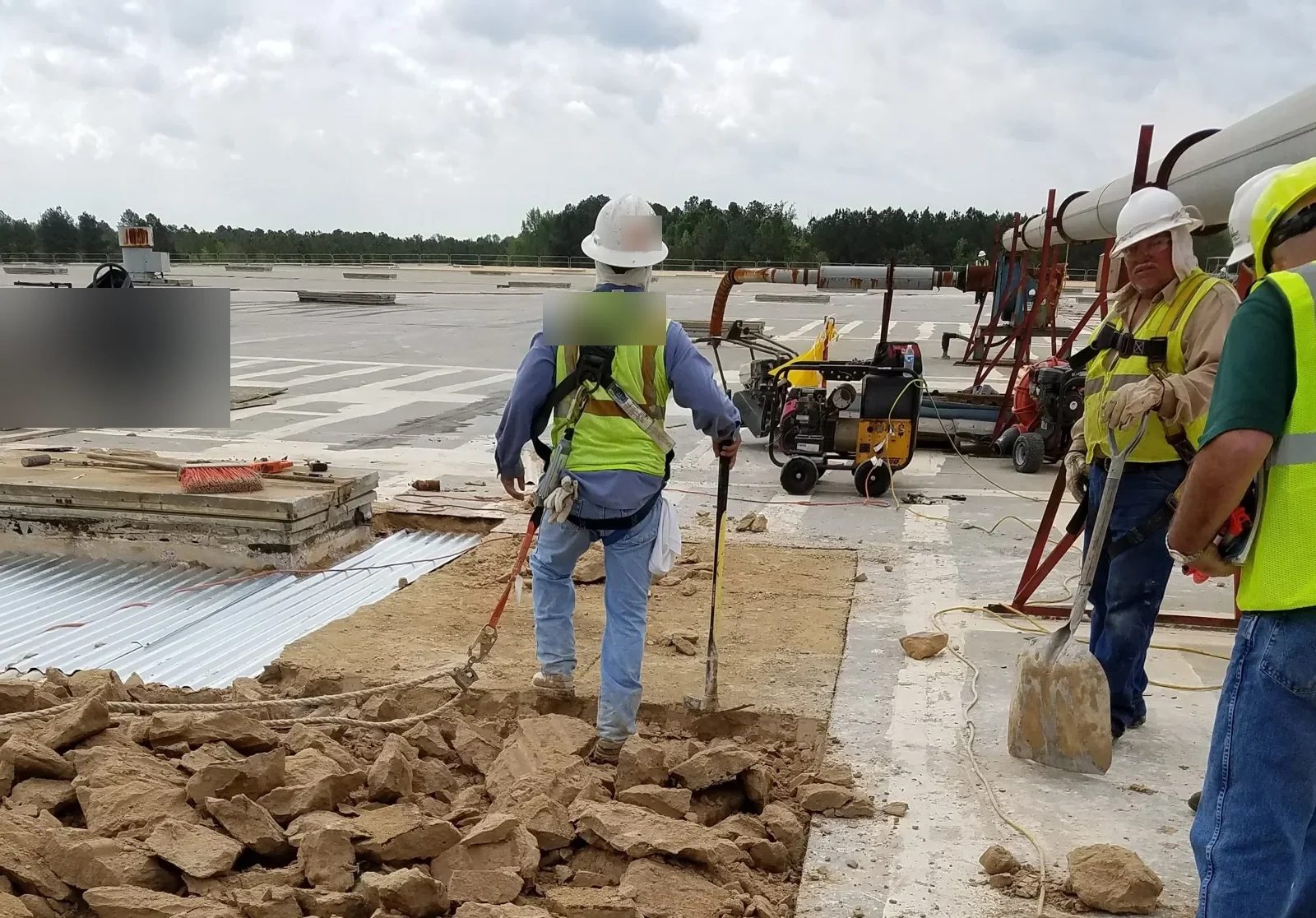
A local edge repair may be enough if the surrounding membrane, substrate, and cleats remain sound. We remove failed material only as far as needed to make a reliable tie-in. If moisture extends into insulation, the opening grows to reach dry material. A deck condition that appears after removal stays separate until the owner reviews the photographs and approves the added work.
Roof systems use different attachment and flashing methods. TPO and PVC can use heat-welded details; EPDM, modified bitumen, built-up roofing, coated surfaces, and metal require other preparation. We review records and visible seams before choosing products. If layers are concealed under older work, a controlled test opening can confirm what is present. A defined repair estimate can list materials, removal, restoration, and allowance items separately.
Several edge failures or recurring leaks may lead to a recovery or replacement comparison. We inspect the deck, roof height, drainage, equipment curbs, and number of existing layers. A roof renewal scope should explain how walls, edges, and penetrations will be finished. It should also state how open sections remain protected while crews move across the building. The proposal can distinguish replacing one failed splice from renewing a longer coping run, with the affected elevations and end conditions named. That gives the manager a measurable limit for approval and a clear point for closeout photographs.
Set staging and weather limits before mobilization
Price and duration depend on edge length, metal fabrication, access equipment, existing system, surface preparation, and moisture below the membrane. Transit access or pedestrian movement matters only if it affects the actual staging route. We confirm that constraint with the property manager and include the approved path in the work plan. If the building stays occupied, the estimate also identifies interior protection and daily cleanup.
Warm-season rain can pause sealant, primer, welding, or coating work. We define the temporary cover and the point where the crew can safely stop. Permanent materials go down after the surface meets their installation conditions. A roof restoration review can help compare coating work with localized edge repair when the surrounding surface is suitable.
If a storm is reported, we inspect for visible changes such as displaced metal, punctures, or opened seams. A regional alert alone does not establish damage on a Chamblee roof. The owner receives observations tied to the inspected zones, with any inaccessible area listed separately.
File closeout by building and roof zone
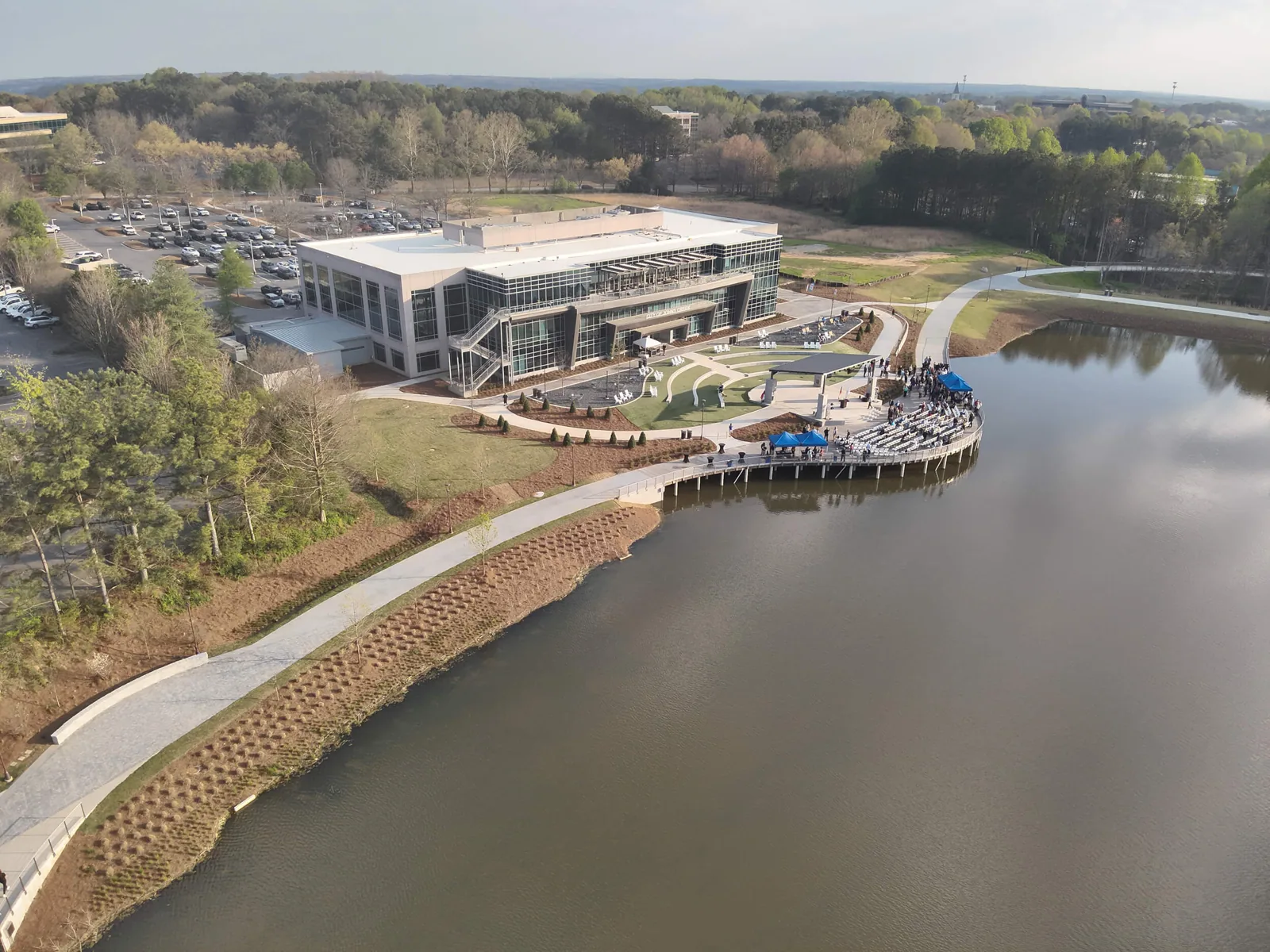
Closeout photos should show the coping joint, membrane termination, repair tie-in, and enough surrounding roof to locate the work later. We identify the material, removal extent, and any unresolved condition. If the opening exposed wet insulation, the report states where it was removed and what layers were restored.
The shared Chamblee-Doraville CID represents a multi-property commercial area across both cities. That district-level context can help an owner organize contacts, but roof findings still belong to individual buildings. Keep roof plans, access instructions, equipment changes, and prior repair dates in each property's file. A Buford Highway commercial-area review can support a separate corridor portfolio without substituting for Chamblee records.
Request an inspection for a Chamblee building or a group of assets under common management. Send roof plans, reported leak locations, prior work, business hours, and access rules. We will document confirmed details, define the repair edge, and compare broader options where inspection evidence supports them.
Related Roofing Work
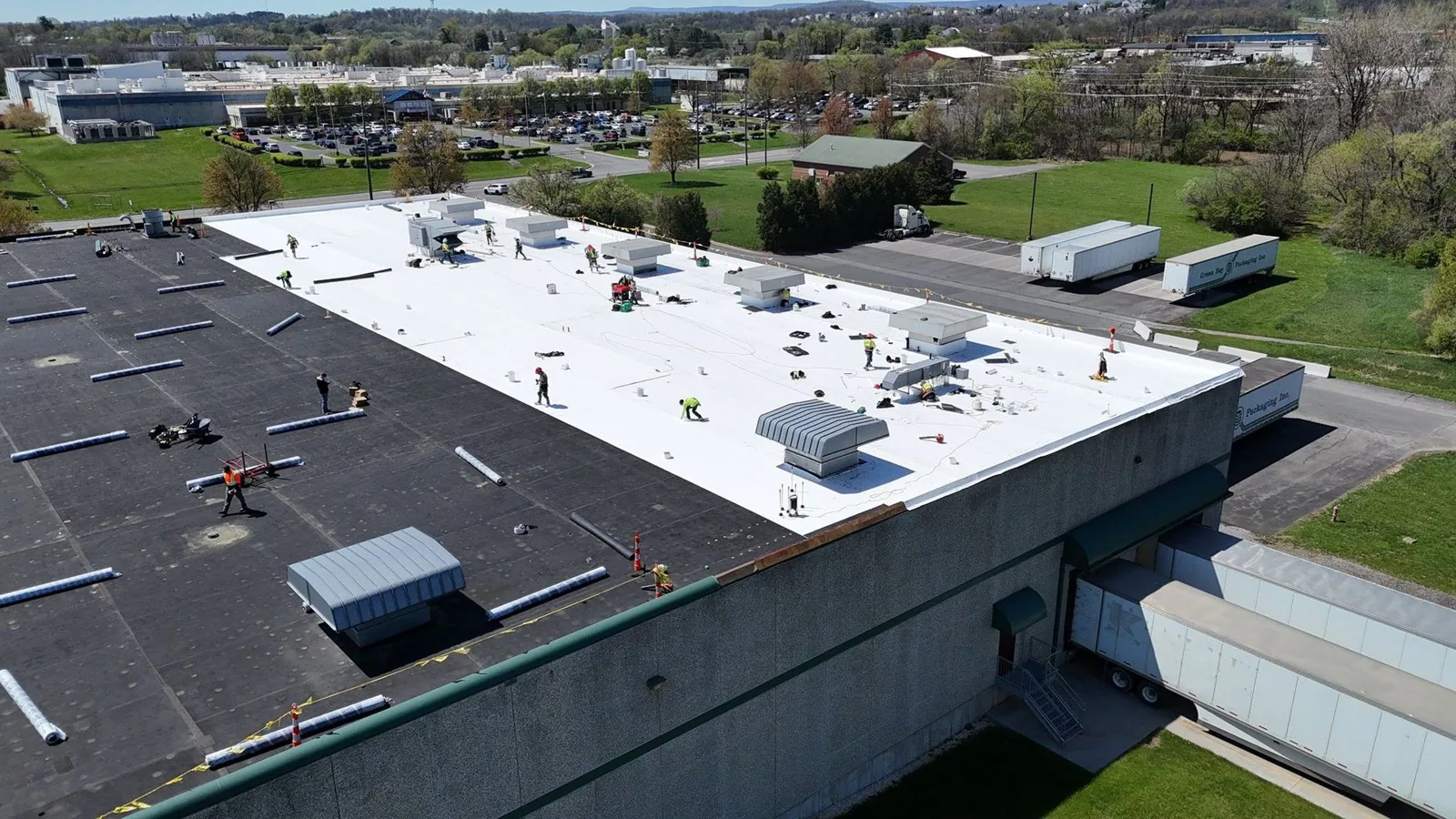
Review a Chamblee roof edge
Send roof plans, leak details, access rules, operating hours, and prior repair records. We will inspect the named roof zones and document the confirmed repair boundary.
Questions About Chamblee
Does transit-oriented zoning change the roofing material?
No. It helps us ask about pedestrian routes, entrances, and staging. We identify the roof system through visible details and records, then choose a repair compatible with the assembly and substrate.
How should a parapet leak be investigated?
Inspect coping joints, cleats, end dams, membrane termination, and nearby roof details. We compare the edge with interior reports and document how far the opening extends. If the leak path stays concealed, we state what test or access is needed.
Can one visit cover properties in both Chamblee and Doraville?
We can coordinate a route across the shared improvement district. Each property still needs separate access instructions, photos, roof-zone notes, and approvals. A finding in one city does not transfer to another building.
What should a repair closeout include?
Keep photographs of the coping, membrane tie-in, adjacent seams, and restored layers. Record the building, roof zone, materials, removal limit, and any condition excluded from the approved work.
Commercial Roofing Across Roswell and North Fulton
Roof Repair, Replacement and Maintenance for Every Kind of Commercial Building
From Historic Roswell and Canton Street to the Holcomb Bridge Road corridor, GA 400 and the North Point area, we inspect, repair and replace low-slope and metal roofs on offices, retail centers, medical buildings, schools and warehouses.