Commercial Roofing in the Buford Highway Corridor, Norcross and Chamblee, GA
A curled patch edge can let water work beneath a repair and spread beyond its visible outline. We check the patch perimeter, adjoining lap, insulation, and drain path before setting a new boundary. Buford Highway refers to a broad commercial corridor in more than one municipality. Norcross has adopted a plan for the stretch between Jimmy Carter Boulevard and Beaver Ruin Road; the Chamblee-Doraville CID also covers commercial land around Buford Highway, bounded by other named routes.
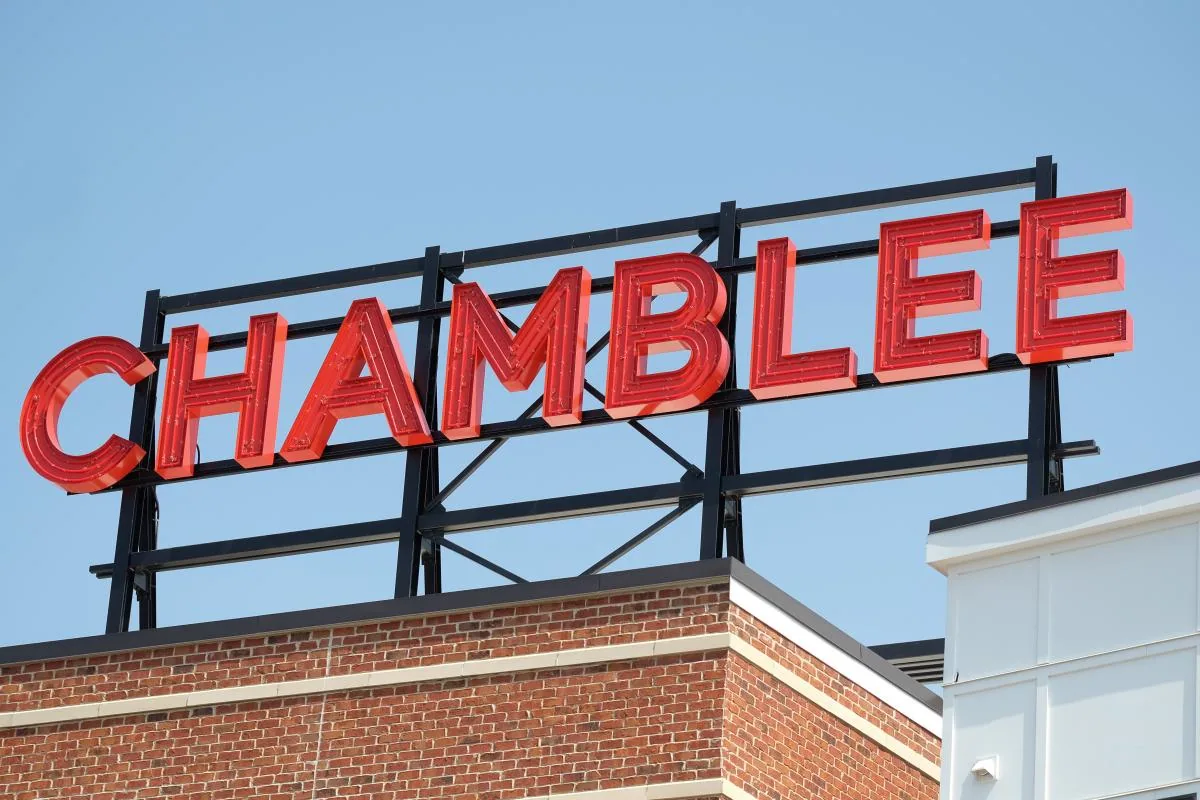
In Chamblee, DeKalb County describes Buford Highway as an international commercial district with restaurants and retail serving northern Atlanta suburbs. That context points to active businesses and access coordination, not a uniform roof inventory. A Norcross roof inspection can focus on city properties, while this route addresses selected assets along the broader corridor.
Keep each property inside the corridor file
The route name covers several commercial areas, so the work order should name the property group being inspected. We confirm the city, building contact, roof access, operating hours, and work restrictions for every stop. A restaurant, retail space, and office may have distinct interior protection needs. The corridor's land-use mix does not tell us the roof assembly, leak history, or condition at any address.
For Norcross, the planned Buford Highway stretch includes retail, parks, homes, and office uses in its future vision. The Chamblee-Doraville district brings together several commercial routes, linking Peachtree Boulevard and Buford Highway with the Assembly area near I-285 and Chamblee Tucker Road. These are useful location references for asset lists and routing. They do not replace property-specific access instructions. A Chamblee commercial roof record can track that city's inspection separately.
We can schedule several buildings on one route, then write separate findings for each. Roof-zone labels, photos, drainage notes, and approved work limits remain attached to the property that produced them. A multi-building roof program can align visits and budget reviews across the corridor without combining unrelated defects.
Inspect above occupied storefronts and offices
An interior report should identify the room, date, and operating activity below the suspected leak. Water may travel along a deck or insulation before it marks a ceiling. We inspect nearby roof seams, penetrations, wall transitions, curbs, and drains, then compare the evidence with the report. Photos show the detail and the roof zone, so the owner can distinguish an observed opening from a suspected route.
At an active restaurant or shop, the owner may need to preserve customer access, deliveries, kitchen equipment, or work below the repair. We confirm those details before selecting a staging path. A phased reroof plan can define the daily work area, temporary cover, and protection required before reopening the space below.
NOAA's long-term Atlanta record puts the average July daytime high close to 90 degrees Fahrenheit. Warm-month showers can shorten a storefront work window, so we confirm surface dryness before welding or applying coatings. The forecast informs timing; the roof walk identifies the needed repair. A leak tracing visit can document active entry without treating every interior stain as the same defect.
Confirm the membrane before closing the opening
Different roof surfaces need different repair details. TPO and PVC may take welded patches; EPDM, modified bitumen, built-up roofing, metal, and coated systems use other preparation and attachment methods. We confirm the installed material before choosing products. If an older repair conceals the original layer, a test opening may show whether a new patch can bond to sound material. The patch must meet clean, dry material around its full edge. We inspect the finished weld or bond, then photograph both the tie-in and its position within the roof zone. That record lets a later visit distinguish the repair from surrounding seams and helps confirm whether movement has resumed. A simple roof-plan mark can show the removed area and the final tie-in for the owner.
Moist insulation can carry water beyond the visible defect. We document the layers as they are exposed and remove only enough material to reach a sound substrate. Any concealed deck condition remains outside confirmed work until the owner reviews it. A commercial repair scope can name the affected zones, tie-in method, restoration, and allowance for hidden conditions.
Repeated trouble across a roof may support a broader comparison. We inspect deck condition, drainage, height, existing layers, curbs, and planned equipment changes before discussing recovery or replacement. A roof replacement assessment should show how crews move across the selected structure and how exposed sections stay protected. Corridor-level planning cannot stand in for those building details.
Set staging and dry-in points before work
Work windows depend on the business schedule, access route, repair method, and weather. We confirm where materials can be unloaded and where a lift or safety controls may be placed. We also check whether storefront access, delivery traffic, or public paths constrain the selected roof zone. For a restaurant or retail operation, we ask which public entrances and delivery periods must stay clear. If several cities appear on an asset list, the manager should supply current entry instructions for each stop.
Rain can interrupt cleaning, primer, welding, adhesive work, or coating. We divide work into areas that can be closed and covered before the crew leaves. Product installation resumes only after surface conditions meet requirements. The estimate names temporary protection and the limit of each open section.
Cost depends on repair size, roof type, access, preparation, moisture below the membrane, and any fabrication or interior protection. The corridor's planned development and improvement projects do not establish current road closures at a property. We verify active restrictions and record the assumptions that affect mobilization. A roof condition inspection can establish the findings needed for a scoped estimate.
Close each corridor visit with its own record
Closeout photographs should capture the patch, tie-in, nearby seam, drain, and any adjacent area inspected. We label the building and roof zone, note materials and removal limits, and list conditions not included in the approved work. If an opening reveals wet insulation, the closeout states what was replaced and what remains concealed.
Buford Highway connects planned and existing commercial contexts in Norcross, Chamblee, and Doraville. Keep each property's roof plan, access contact, repair date, and report with its own asset record. A Doraville roof portfolio review can cover properties on that municipal side without transferring findings from Norcross or Chamblee.
Request a corridor assessment for selected commercial buildings. Share the property list, leak dates, plans, operating limits, and entry instructions. We will inspect the named structures, document confirmed conditions, and separate immediate repair from any larger renewal decision.
Related Roofing Work
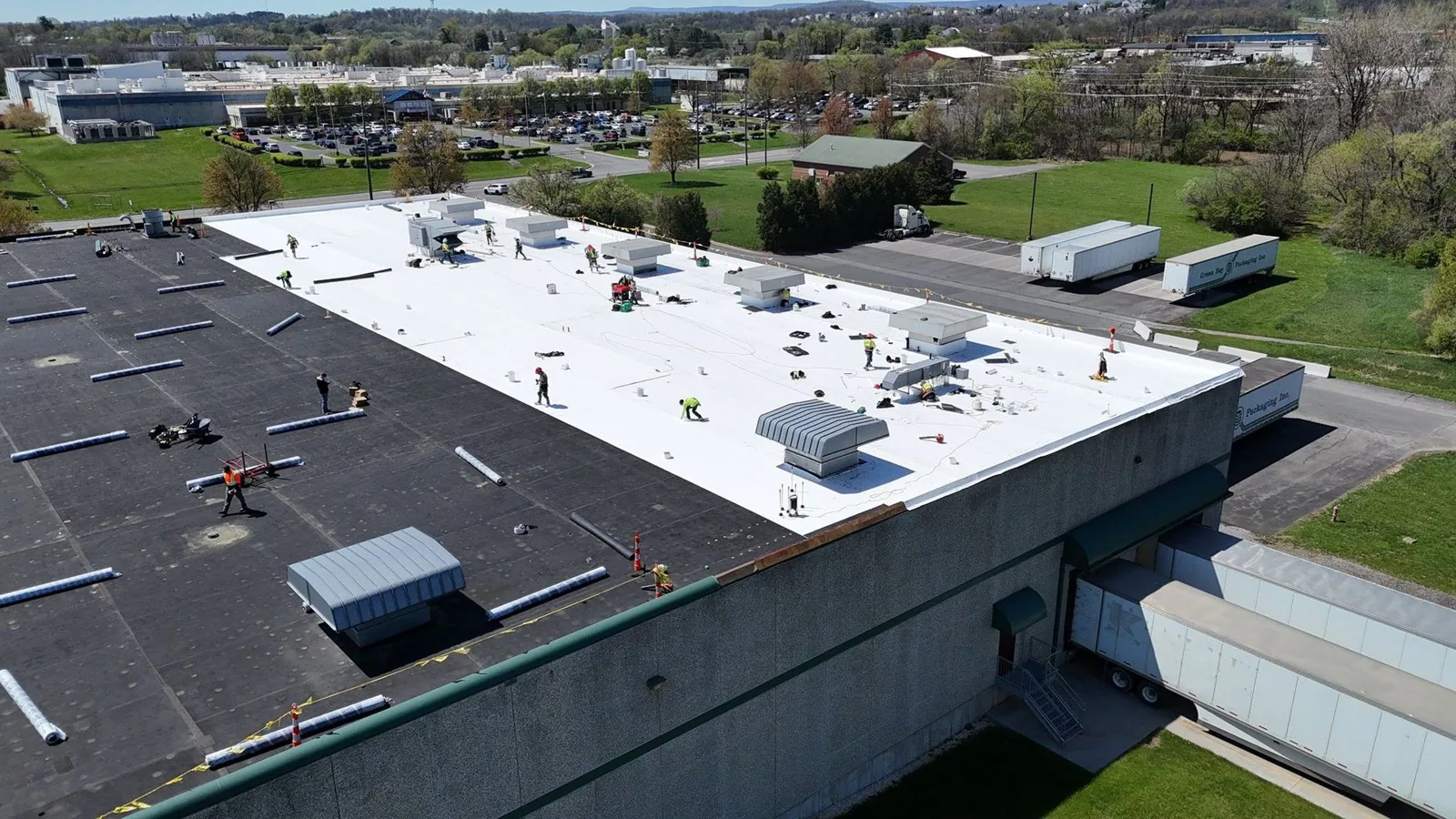
Plan roofing work along Buford Highway
Send the selected property list, municipality, roof plans, leak reports, access rules, and business hours. We will document inspected zones and define the approved work area for each site.
Questions About Buford Highway Corridor, Norcross and Chamblee
Can one inspection include every Buford Highway business?
No. The owner selects the properties for inspection. Each building receives its own access plan, roof-zone notes, photographs, and scope.
Which Buford Highway locations belong in an asset list?
Use the city and property names that match your portfolio. The Norcross planning stretch runs between Jimmy Carter Boulevard and Beaver Ruin Road; the Chamblee-Doraville improvement area follows a broader set of boundaries. We verify the municipality and current access for every site.
How do active retail or restaurant hours affect repair work?
The manager identifies delivery windows, open entrances, equipment needs, and interior protection. We list those limits, then set staging and dry-in steps around the approved operating schedule.
Can one corridor route combine sites in several cities?
A route can coordinate appointments, but estimates and findings stay separated by building and municipality. Provide the contact, roof plan, access rules, and operating hours for each property before dispatch.
Commercial Roofing Across Roswell and North Fulton
Roof Repair, Replacement and Maintenance for Every Kind of Commercial Building
From Historic Roswell and Canton Street to the Holcomb Bridge Road corridor, GA 400 and the North Point area, we inspect, repair and replace low-slope and metal roofs on offices, retail centers, medical buildings, schools and warehouses.