Commercial Roofing in Doraville, GA
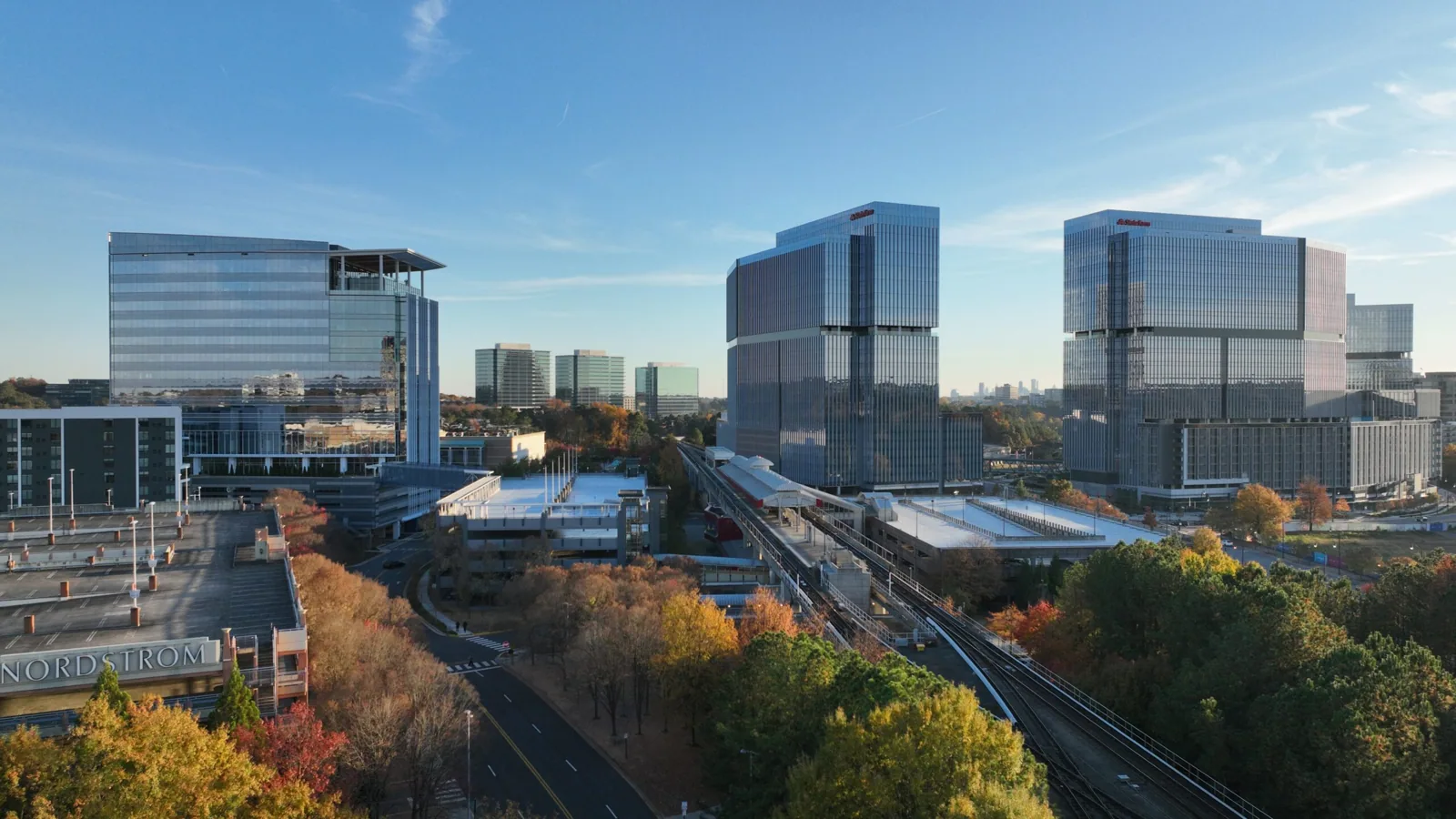
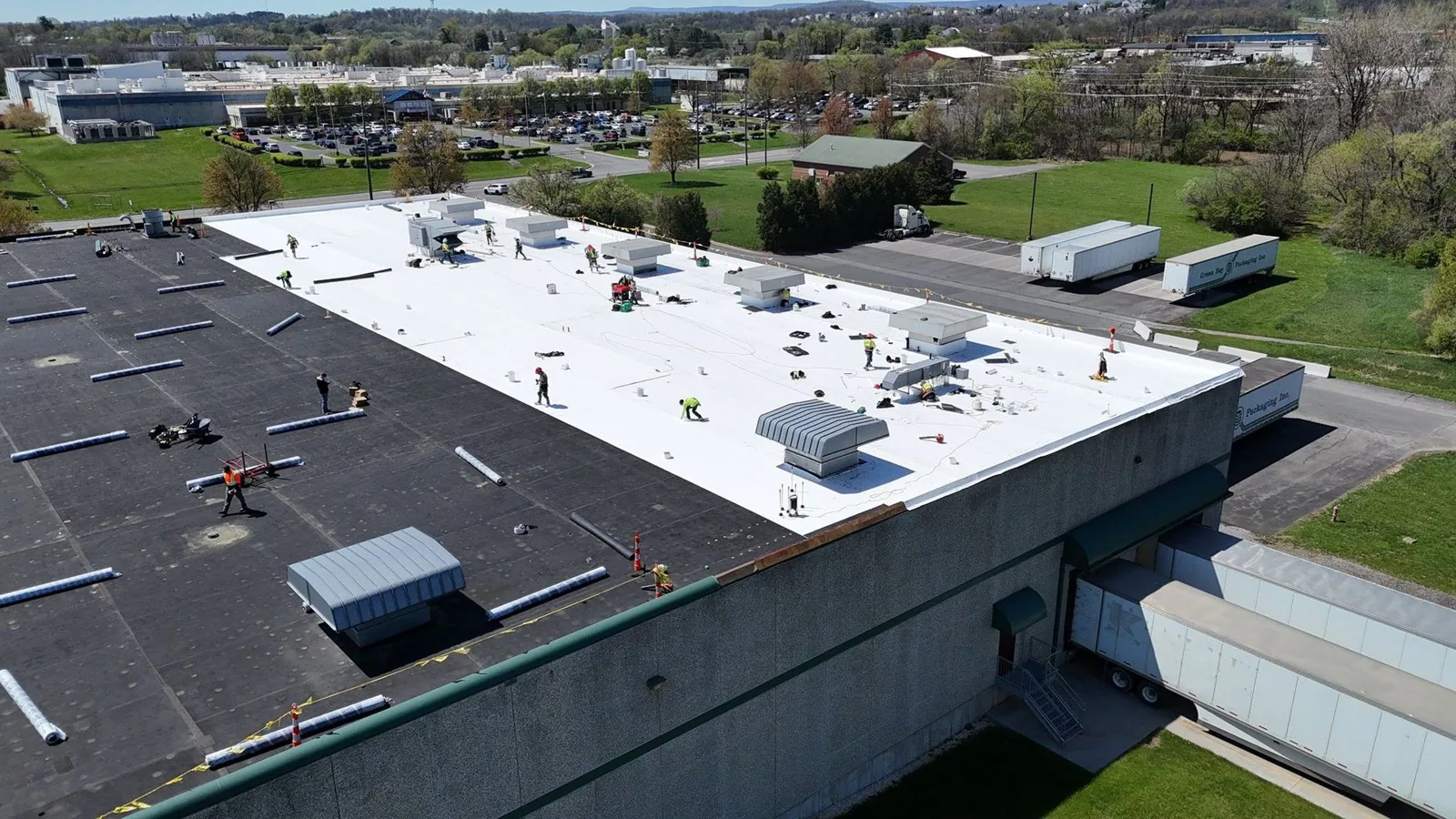
A puncture near a rooftop unit can move the repair beyond the visible hole if water has reached the insulation. We inspect the curb, membrane base, surrounding laps, and substrate before setting the boundary. Doraville shares a commercial property improvement district with Chamblee, covering a wide area from Peachtree Boulevard to Buford Highway and from I-285/Assembly to Chamblee Tucker Road. The district spans multiple commercial properties, each with its own roof assembly, access plan, and approval contact.
The improvement district directs investment toward infrastructure, mobility, and commercial property needs. That context makes access and staging useful planning questions for roofing work across the area. A Chamblee commercial roof inspection can keep records for the neighboring municipality separate. This Doraville review stays focused on the properties and roof zones selected by the owner.
Name the building before setting the scope
A district map helps locate the portfolio, but it does not identify an individual roof's system or condition. We confirm the property contact, access point, roof height, and operating limits before mobilizing. The CID spans multiple corridors and jurisdictions, so entry instructions, deliveries, and work-hour restrictions should be tied to the actual building. A crew should not carry one property's gate, lift, or interior-protection notes to another.
We identify the property and divide its roof into zones before inspection. Photographs and findings stay tied to the building inspected, so a route across the district never substitutes for property-specific evidence. We also confirm shared loading paths and pedestrian routes before moving materials. A multi-property roof program can coordinate visits and capital reviews across multiple assets without averaging their condition.
For each selected roof, we inspect edges, seams, curbs, drains, penetrations, and prior patches. We note open laps, punctures, loose metal, ponding, and signs of wet insulation. If a portion cannot be reached safely, the report identifies the limit and the access needed to finish the walk. A commercial roof inspection can establish a baseline before the owner chooses repairs.
Track the puncture through adjacent layers
A puncture is easy to see when the surface is exposed; its full effect is not. Water may move laterally through insulation or along a deck before it reaches a ceiling. We check the opening, nearby seams, curb flashing, and drainage path, then compare them with interior reports. Photographs should show the roof zone and a close view of the damage so a repair boundary can be reviewed.
A July afternoon in Atlanta averages near 90 degrees Fahrenheit, while summer showers return regularly. After a puncture is reported, we inspect the surrounding patch perimeter for lift or water paths and choose a dry installation window. The measured roof condition, not climate alone, sets the repair size. A membrane puncture repair review can identify a localized patch or the need to open a broader area.
If water is active inside, we trace the likely route before closing the roof. The visible mark may not be directly below the entry. We identify areas that need testing and describe the restoration method for each opening. A leak investigation can connect an interior report to roof-level observations and keep uncertain paths separate from confirmed defects.
Check compatibility before repairing the surface
TPO, PVC, EPDM, modified bitumen, built-up roofing, coatings, and metal use different repair details. We identify the existing material before choosing an adhesive, welded patch, flashing, or coating. Service records and roof plans can help, but field details confirm what is exposed. If earlier work obscures the system, a controlled opening may be needed to see the layers and plan a sound tie-in.
Wet insulation changes how far material must be removed. We record exposed layers, remove only what is needed to reach sound substrate, and separate hidden deck work from the confirmed repair. A written roof repair scope can show the zone, method, restoration, and approved allowance so the owner can authorize the work in steps. Before closure, we check that the patch bond or weld runs through the full perimeter and that runoff remains unobstructed.
Repeated failures across multiple zones may warrant a recovery or replacement comparison. We review deck condition, roof height, drainage, layers, equipment curbs, and the amount of disruption an occupied property can support. An asset manager can then compare local correction with planned renewal. A replacement assessment should state how the work will be staged and where tie-ins finish.
Coordinate roofing with commercial-area work
The Chamblee-Doraville CID directs attention to infrastructure, mobility, and commercial property needs. That broad focus can intersect with property access, public paths, or concurrent improvements, but current site conditions must be confirmed. We ask the owner about active construction, lift placement, deliveries, and routes that must remain open. A Buford Highway corridor roof review can address corridor-level planning without treating the entire commercial district as one property.
Cost and duration depend on roof area, material, access equipment, removal depth, work-hour limits, and concealed moisture. The area's boundaries help describe the service territory, not the number of buildings or their roof conditions. We estimate the selected structure and list any assumptions about staging or protection. If crews must split a job around other work, the sequence should show daily dry-in points.
Rain can interrupt primer, welding, adhesive, or coating work. We identify temporary protection and the surface conditions required before resuming. A weather hold should not leave an open roof area without a defined cover. The manager receives an updated sequence if conditions alter the planned work window.
Keep district coordination separate from roof findings
Closeout photographs should show the repaired puncture, adjoining membrane, curb or seam, and final tie-in. We note the building, roof zone, material installed, opening size, and limit of removal. Any hidden condition outside the work stays identified as unconfirmed. This allows a later inspection to return to the same area instead of treating a whole property as repaired.
The CID's commercial area spans Peachtree Boulevard, Buford Highway, I-285/Assembly, and Chamblee Tucker Road. Its combined real estate value and investment focus are district facts; individual roof budgets still follow inspection evidence. A Norcross roof portfolio review can support a separate municipal inventory if ownership crosses broader corridors. Keep each site's plans, repair dates, warranties, and access contacts in its own file.
Request an inspection for a Doraville property or selected group of buildings. Share roof plans, leak dates, prior repairs, access rules, and any current construction details. We will document confirmed conditions, identify testing needs, and separate immediate repair from longer-term capital decisions.
Related Roofing Work
Inspect a Doraville commercial roof
Send the selected property list, roof plans, leak reports, access rules, and active project details. We will document each building separately and identify repair or testing needs.
Questions About Doraville
Does the Chamblee-Doraville CID represent one roofing project?
No. It is a broad commercial property district shared by two municipalities. We can coordinate routes across several sites, but each building needs its own access plan, inspection record, and estimate.
What determines how far a puncture repair extends?
The boundary follows the material needed to reach sound substrate. We inspect surrounding membrane and insulation, then document exposed layers. If the opening reveals added moisture or deck damage, we seek approval before expanding the work.
Can a district investment plan determine roof access?
It provides area context, but the property manager confirms current entry, staging, and work-hour instructions. We list any approved delivery or pedestrian controls for the selected building in the scope.
How should an owner compare roofs across the district?
Use consistent zone labels and condition categories, then preserve each roof's photographs and assembly notes. We can summarize priorities across assets while keeping repair costs and findings tied to the property that produced them.
Commercial Roofing Across Roswell and North Fulton
Roof Repair, Replacement and Maintenance for Every Kind of Commercial Building
From Historic Roswell and Canton Street to the Holcomb Bridge Road corridor, GA 400 and the North Point area, we inspect, repair and replace low-slope and metal roofs on offices, retail centers, medical buildings, schools and warehouses.