Military Hangar and Maintenance Facility Roofing in Roswell, GA
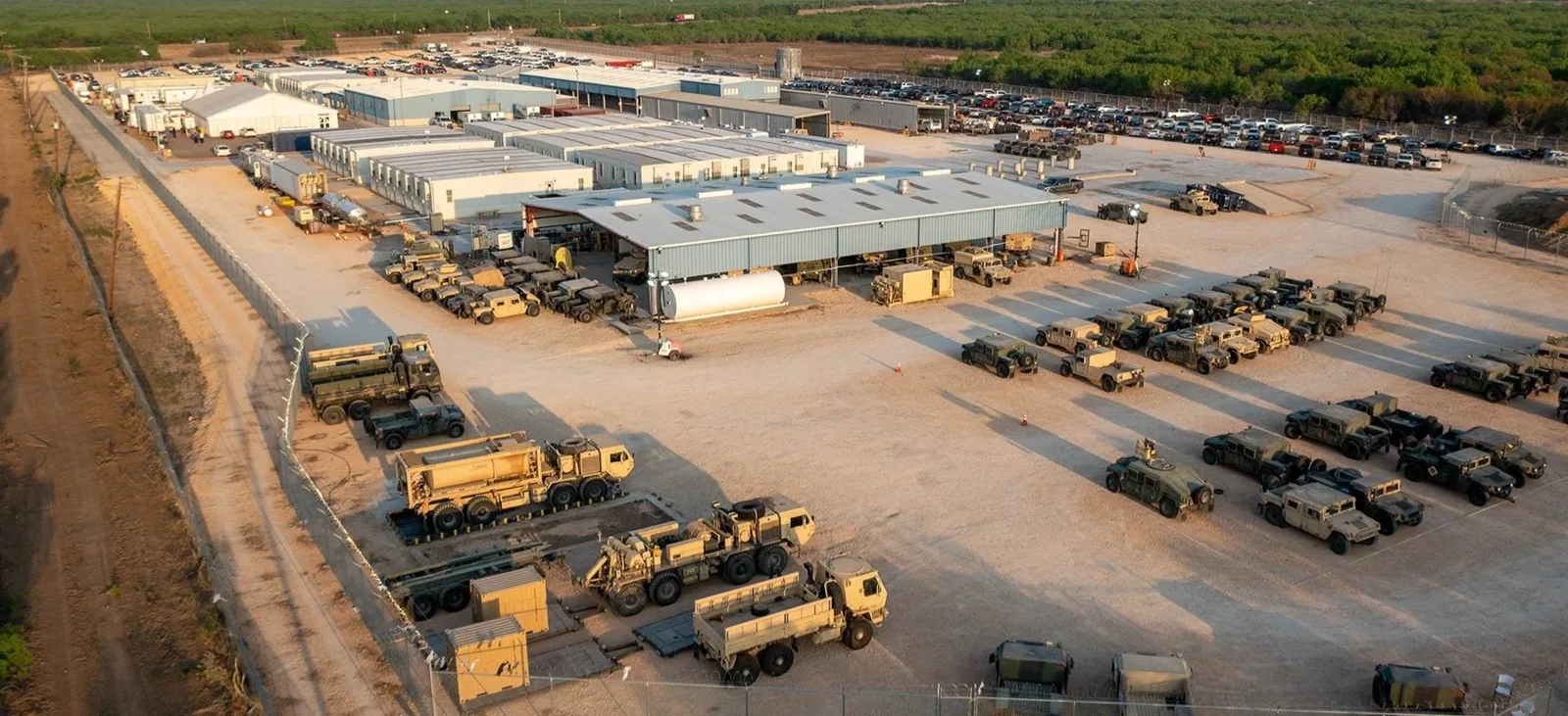
A loose panel clip above a hangar bay can move the repair boundary along the standing seam. We check the clip line, panel laps, ridge, eave and penetrations before selecting a repair. Dobbins Air Reserve Base, about 18 miles southwest of Roswell, supports the 94th Airlift Wing's C-130 airlift missions and includes active flight-line, aircraft-maintenance and hangar facilities. This establishes the nearby facility types, not the condition of a particular roof. We inspect the assigned building and its actual assembly.
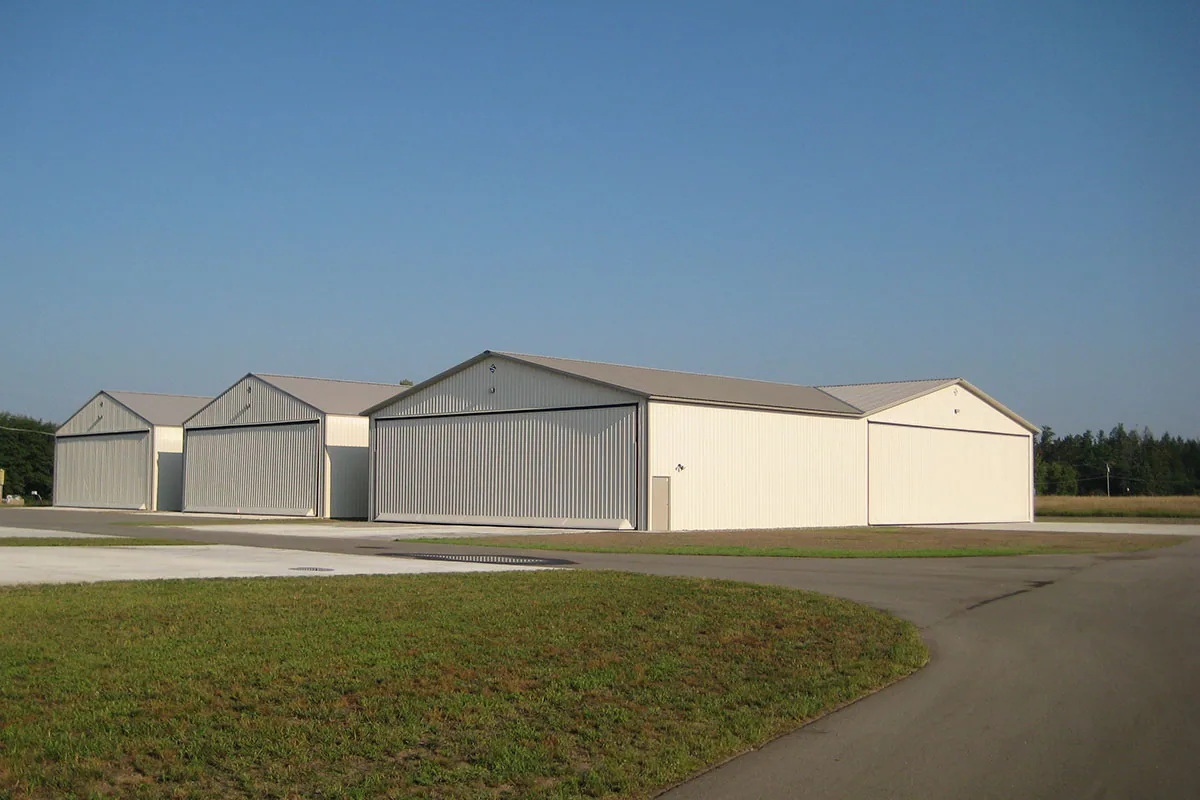
Clear-span roofs add long panel runs, high eaves, large doors and limited interior access to the review. Roswell's humid summer rain tests transitions and drainage, while safe access near aircraft operations adds scheduling controls. We identify the roof zone, condition and tie-in before comparing repair, retrofit or replacement. A military roofing inspection gives the asset manager an evidence-based scope for each building.
Inspect the long runs and high edges
A metal roof can loosen at fasteners, clips, ridge caps, eaves or end laps. We check whether movement opened a seam or distorted flashing. Sealant can hide a moving joint. Membrane roofs have different failure points, including laps, curb corners and edge terminations. We identify the assembly before selecting materials.
Large bay doors make weather exposure relevant, but do not prove roof damage. We inspect edge securement for movement, displaced metal, open laps or damaged flashing. Project documents set uplift and attachment requirements. We compare visible details with available plans.
Maintenance facilities may have exhausts, support curbs, conduits and service equipment crossing the roof. We check each penetration and adjacent substrate. A commercial hangar roof review uses related clear-span checks while keeping access specific to the military facility.
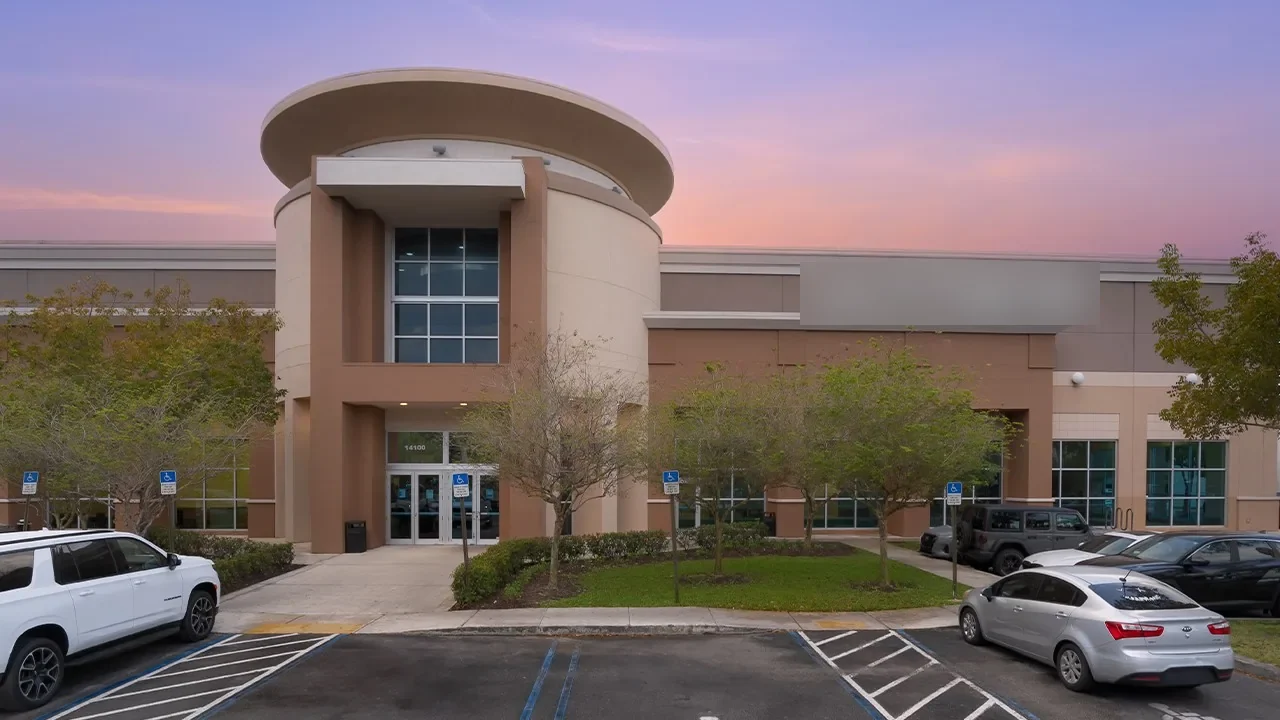
Map drainage across a broad roof
Rain may travel along a low-slope deck before showing near the bay. We compare interior reports with roof slope, seams, ridges, gutters, drains and scuppers. At a gutter, we check outlets, supports, joints and the roof edge. At an interior drain, we inspect the bowl, overflow and surrounding membrane. Photos tie findings to a gridline or fixed feature.
Roswell's summer rain makes drain paths and edge discharge worth checking together. Debris or a damaged lap can leave water at a curb. We note ponding and inspect the material around it. Infrared scanning or a test cut may answer whether moisture reaches insulation. The work plan identifies the test location and approval point.
Holcomb Bridge Road carries traffic to Roswell's GA 400 interchange. It helps frame local delivery timing, while the facility contact approves gate access, staging, lifts and vehicle movement. We plan a temporary water path if a drain is out of service.
Match the repair to the roof system
Span does not identify standing seam, retrofit metal, TPO, EPDM or another system. We verify profile or membrane type, attachment, substrate and prior repairs. A metal panel or clip repair must tie into adjacent runs and ridge or eave details. A membrane patch needs compatible, prepared material. Concealed layers remain noted as unknown.
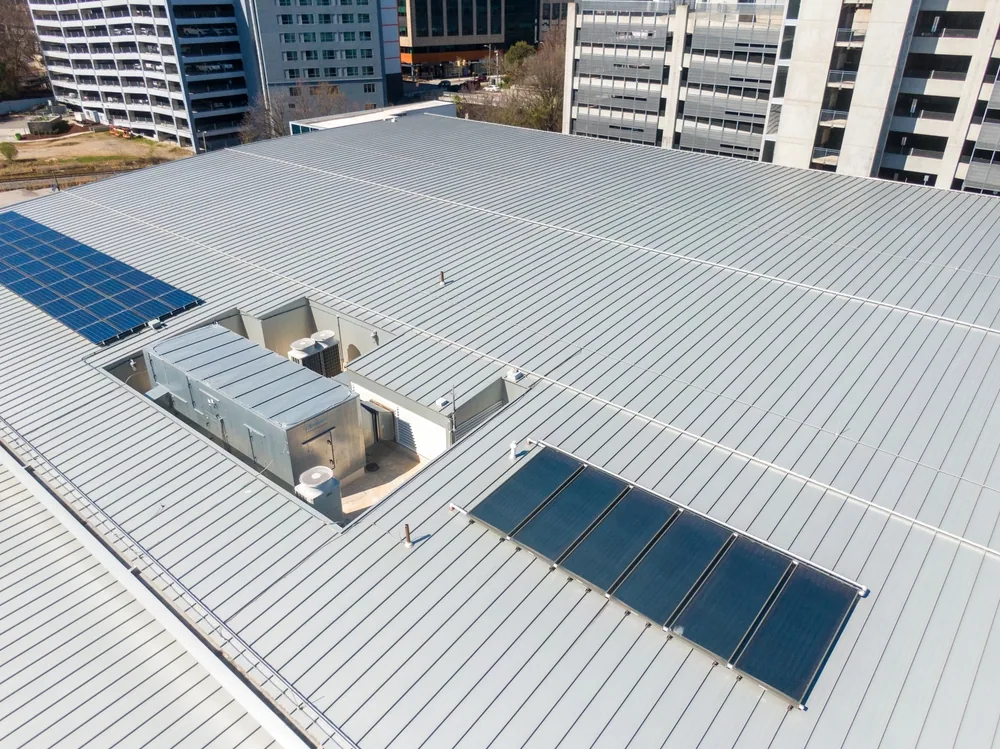
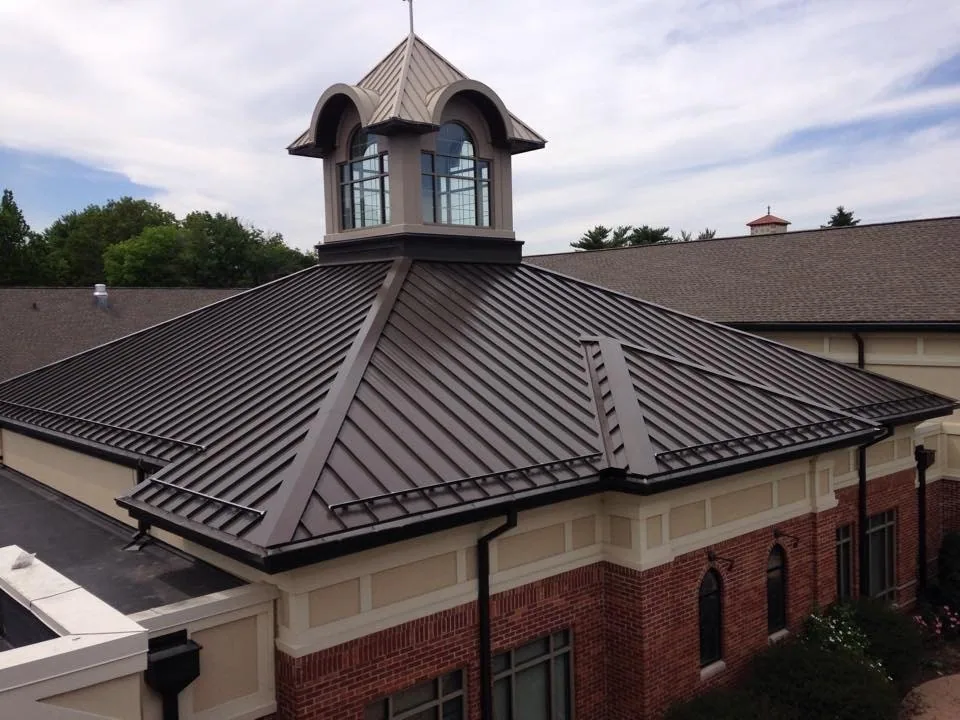
If panels remain serviceable, localized work may address loose fasteners, flashing or a damaged section. A standing seam assembly review checks clips, seams and transitions. Broader corrosion or substrate issues may support a metal roof retrofit or replacement, subject to project criteria.
For membrane, we check laps, terminations, insulation and drains before comparing a TPO system. Coating requires suitable substrate, adhesion and drainage. Inspection and project requirements determine the option.
Plan around aircraft and maintenance activity
Flight-line work can require controlled access, escorts, badges, vehicle approval and coordination with operating personnel. The facilities contact confirms requirements. We request the roof route, access windows, no-go areas, lift rules, delivery instructions and equipment shutdown limits before mobilization.
Hangar work may affect doors, aircraft movement, maintenance activity and staging. The facility contact identifies protected areas and operating windows. We divide work into zones that close securely at shift end. If operations change the window, crews hold at the planned tie-in and protect the exposed area until released.
The daily report names completed zones, temporary protection, access delays and decisions awaiting review. A base roof coordination plan has similar entry controls, while the hangar sequence follows its operating map.
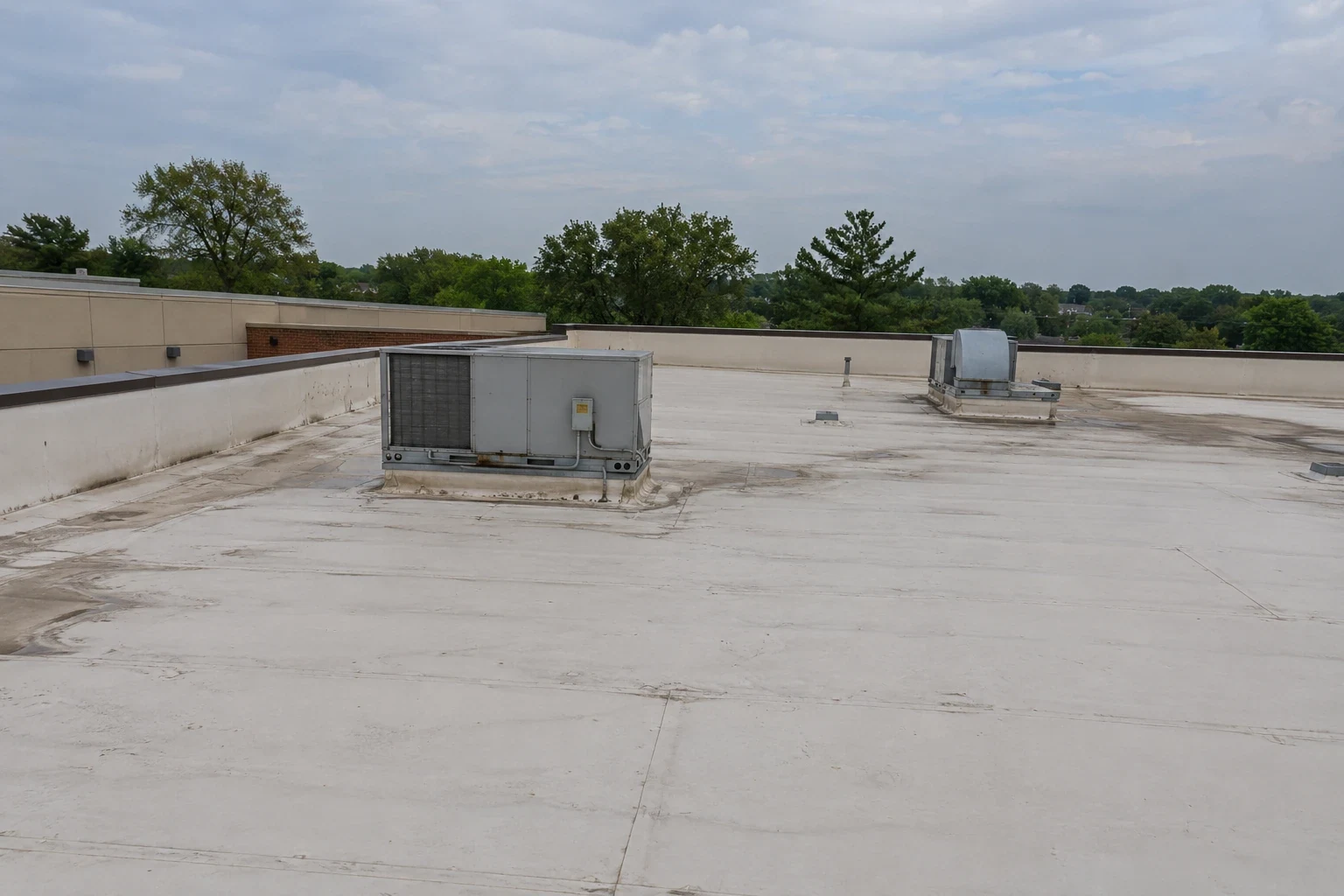
Set a safe repair and approval limit
A local patch can work when surrounding material remains secure and dry. Metal work may involve clips, panels, ridge caps, gutters or flashing. Membrane work needs a prepared lap and compatible tie-in. If removal finds wet insulation, corrosion or deck damage, we photograph it and stop at a stable limit. The contact approves added scope before work extends.
Replacement scope names panel or membrane type, attachment, insulation, ridge, eaves, transitions, drains, gutters, fall protection and dry-in. A replacement proposal identifies demolition and tie-in limits. A recover comparison is considered only if existing layers and structure can accept it.
Cost changes with height, access equipment, system, panel length, removal depth, interior protection and confirmed repairs. Schedule depends on design review, procurement, escorts and weather. We separate confirmed quantities from an approved allowance for concealed conditions.
Secure the bay before the next shift
Roswell rain and humidity can interrupt exposed work. We limit removal to a section that closes with a panel, membrane tie-in or temporary cover. Gutters and drains stay available where possible. Coating or adhesive work waits for suitable conditions. If weather interrupts, crews stop at a stable boundary.
Across the Atlanta forecast area, NWS tracks damaging gusts, hail and tornado development. A regional report does not confirm hangar damage. We inspect accessible clips, panels, seams and penetrations, then photograph changes. Emergency response is available around the clock, including holidays, for an active opening.
After repair, we check the tie-in and drainage before releasing the zone. If access limits delayed inspection, the report identifies what remains and the next approved window.
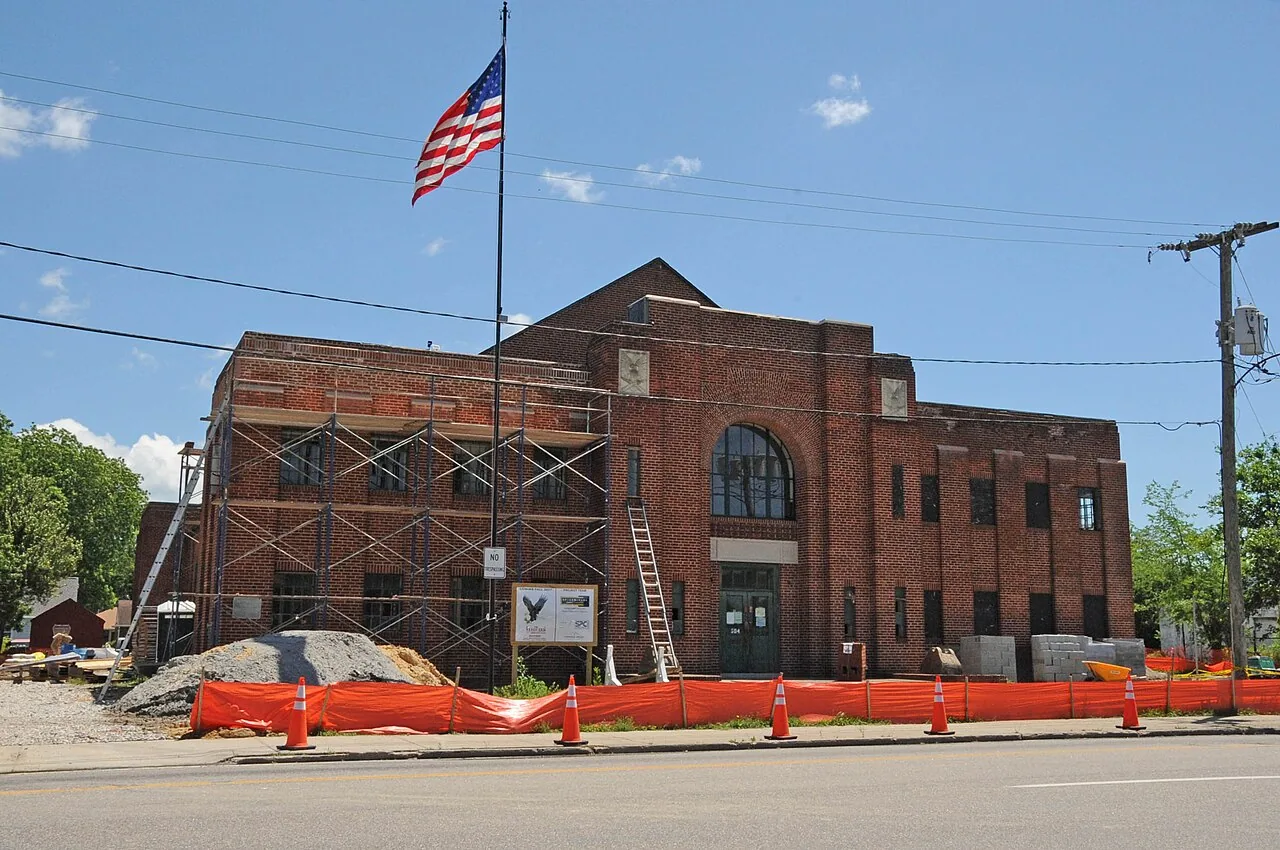
Record panels, penetrations and approvals
Closeout photos show the repaired panel or membrane, ridge, eave, penetrations, gutters, drains and tie-ins. The record names the building, roof zone, materials and approval reference. Concealed conditions, inaccessible areas and maintenance items are listed separately.
Dobbins' documented C-130 mission includes flight-line, aircraft-maintenance and hangar facilities. Roswell's commercial network follows GA 400 and Holcomb Bridge Road, but installation gate procedures are project-specific. The Roswell roof assessment ties local review to the actual building.
Request a comparison for a named hangar or maintenance building. Send plans, assembly records, prior repairs, leak locations, access rules, aircraft restrictions and work windows. We will map defects and approval points.
Related Roofing Work
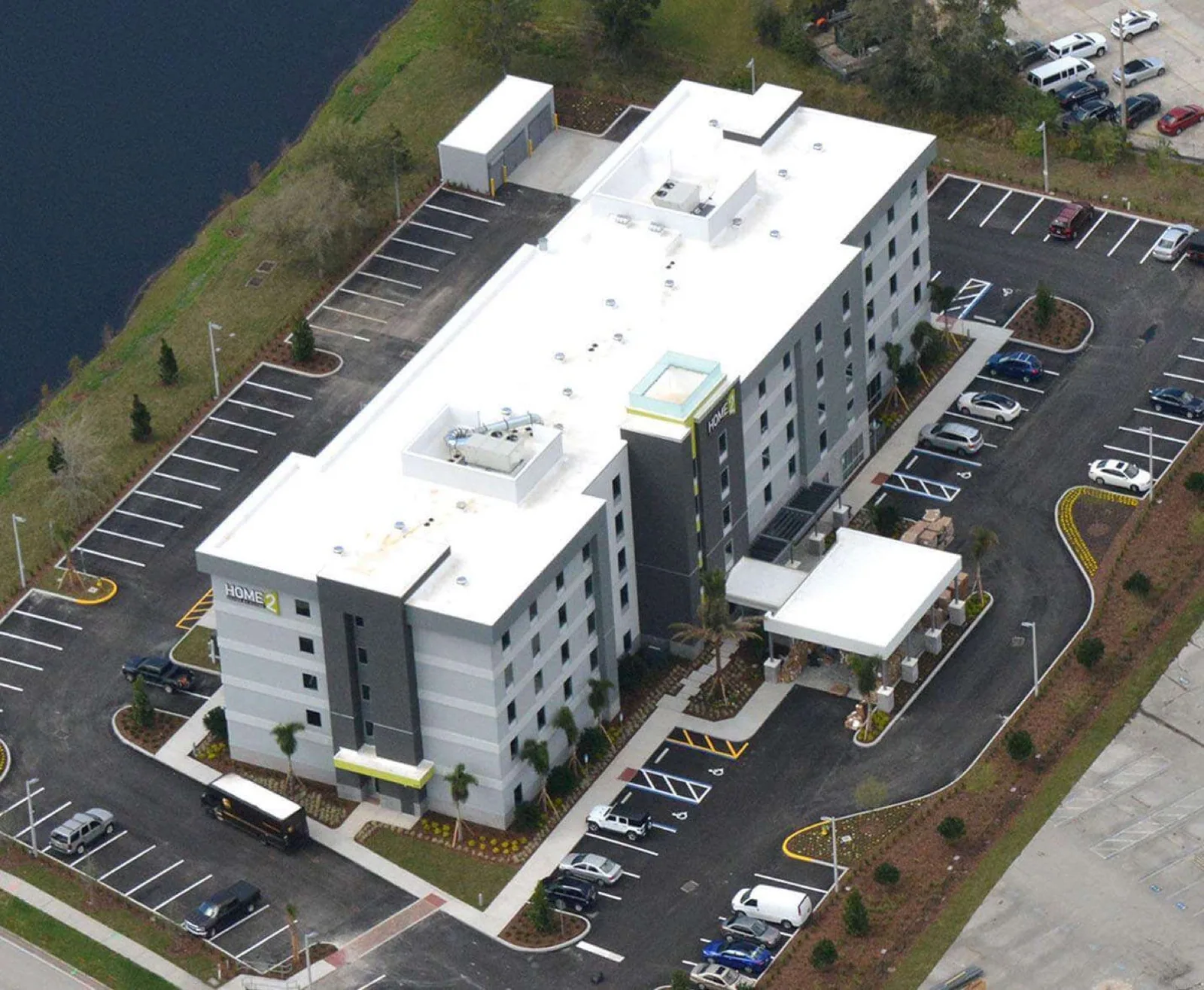
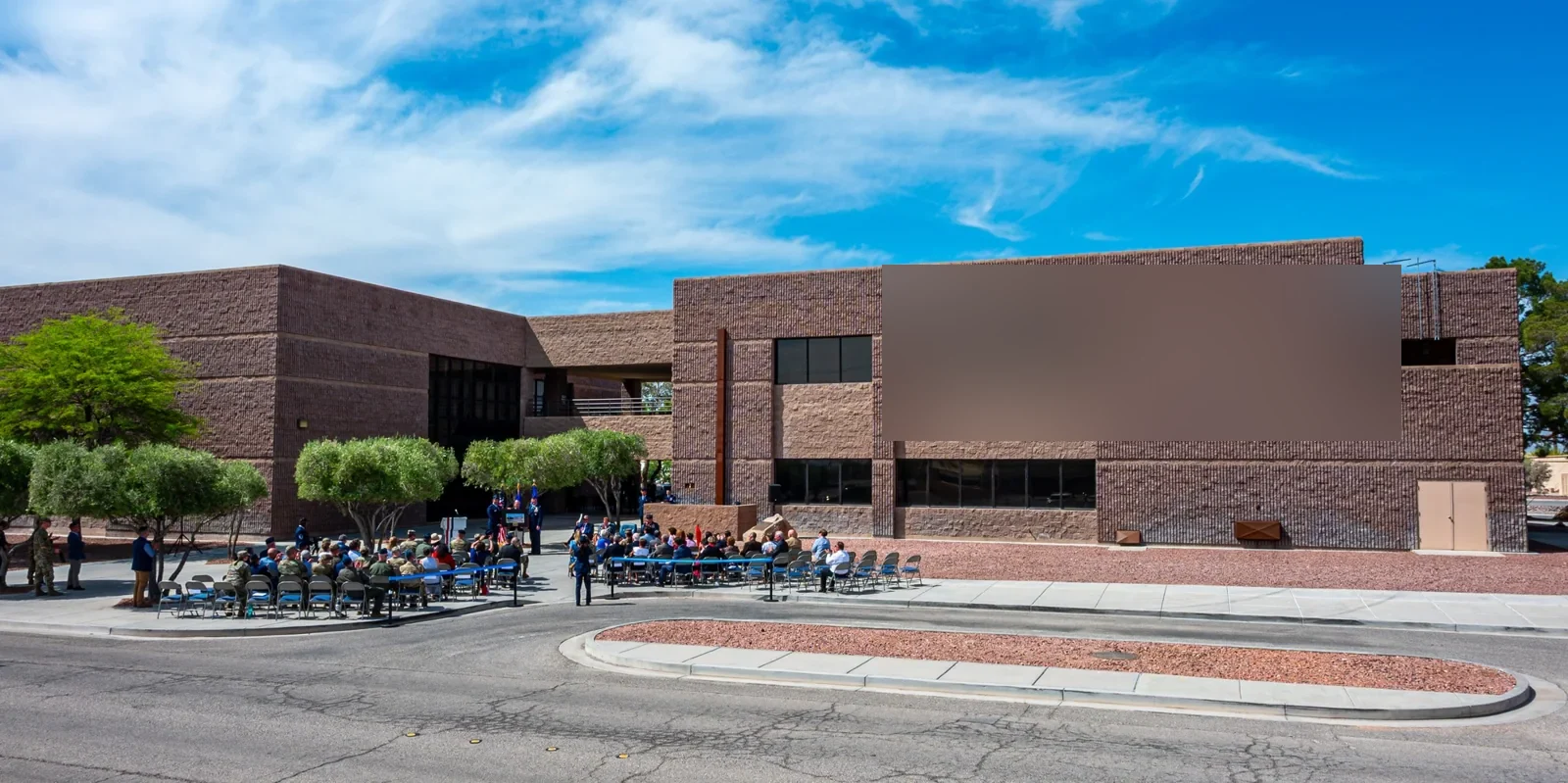
Scope a hangar or maintenance roof
Name the building and roof zone. Send plans, assembly records, repair history, reported leaks, aircraft or equipment restrictions, access procedures and work windows for a documented inspection or comparison.
Questions About Military Hangar and Maintenance Facility Roofing
Can we repair a standing seam panel without replacing the full hangar roof?
That depends on panel condition, clip attachment, seam engagement, substrate and whether adjacent runs remain secure. We inspect the affected panel and nearby ridge, eave and penetrations. If the defect is local, the proposal can price a bounded repair. Broad corrosion, repeated movement or compromised substrate may support a wider option.
How do you inspect a high hangar roof safely?
We plan roof access, lift or fall-protection needs, controlled areas and any escort before the visit. The facility identifies aircraft movement, door operation and ground restrictions. We map accessible roof zones and report any area not reached. The inspection method and access limits appear with the findings, so the repair recommendation matches the evidence collected.
What changes when work is above an active maintenance bay?
Interior protection, tool control, noise, staging and equipment shutdowns may need coordination with the facility lead. The daily plan identifies the roof zone, work window and secure stopping point. If operations change, the crew protects exposed material and waits for a revised release. Added work requires the named approval before removal continues.
What should a hangar roof proposal include?
Compare the same roof zones and assembly details. Each proposal should state panel or membrane type, attachment assumptions, drains, gutters, ridge and eave work, temporary dry-in, access controls, interior protection and closeout photos. It should also explain allowances for concealed deck or insulation conditions and identify who can approve them.
Commercial Roofing Across Roswell and North Fulton
Roof Repair, Replacement and Maintenance for Every Kind of Commercial Building
From Historic Roswell and Canton Street to the Holcomb Bridge Road corridor, GA 400 and the North Point area, we inspect, repair and replace low-slope and metal roofs on offices, retail centers, medical buildings, schools and warehouses.