
Air Force Base Roofing in Roswell, GA
A lifted termination at an aircraft maintenance curb can widen the repair boundary before water reaches the interior. We check the edge, curb corners, fasteners and membrane, then mark the roof zone. Dobbins Air Reserve Base, about 18 miles southwest of Roswell, is home to the Air Force Reserve's 94th Airlift Wing and 22nd Air Force headquarters. Its C-130 mission includes active flight-line, maintenance and hangar facilities. Each roof assembly still needs direct inspection.
Roswell's hot, humid summers and frequent warm-season rain stress seams, drains and flashing. We document visible defects and substrate evidence before recommending repair, recovery or replacement. A military installation roof scope starts with the building, access procedure and roof zone under review.
Trace the opening past flight-line details
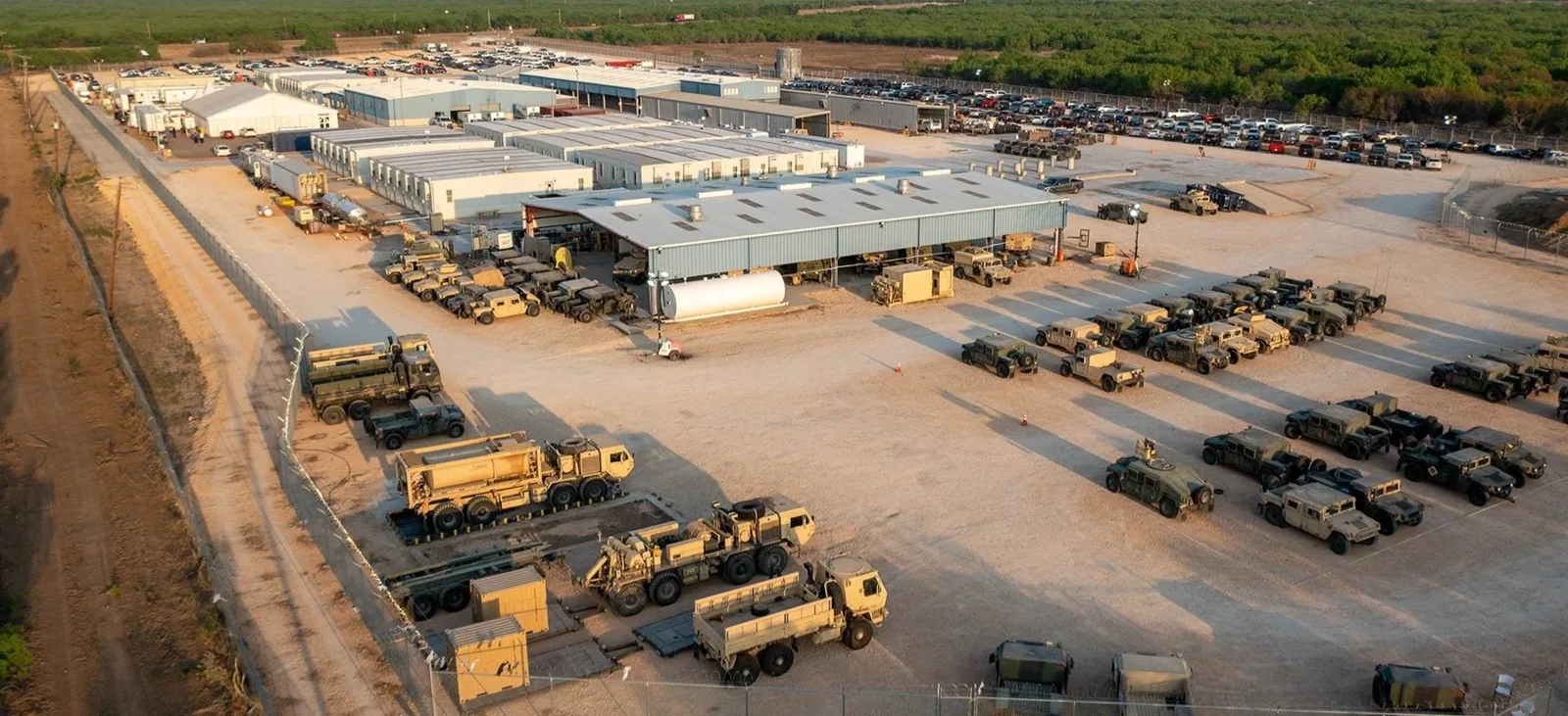
At a flight-line building, a damaged termination or curb can affect more than the membrane lap. We check support bases, equipment clearances, edge metal and drainage, then match each observation to the facility plan. On metal, the review includes fastener condition and panel joints. On a membrane, we probe the seam and termination for adhesion. The marked roof zone shows where the confirmed defect ends.
Aircraft maintenance buildings may carry penetrations and equipment supports, but use does not identify the roof assembly. We confirm membrane or panel type, attachment, insulation and deck where visible. If a roof plan or prior repair log conflicts with field conditions, the report records the discrepancy for review. We note areas that remain concealed or inaccessible so the repair decision rests on observed evidence.
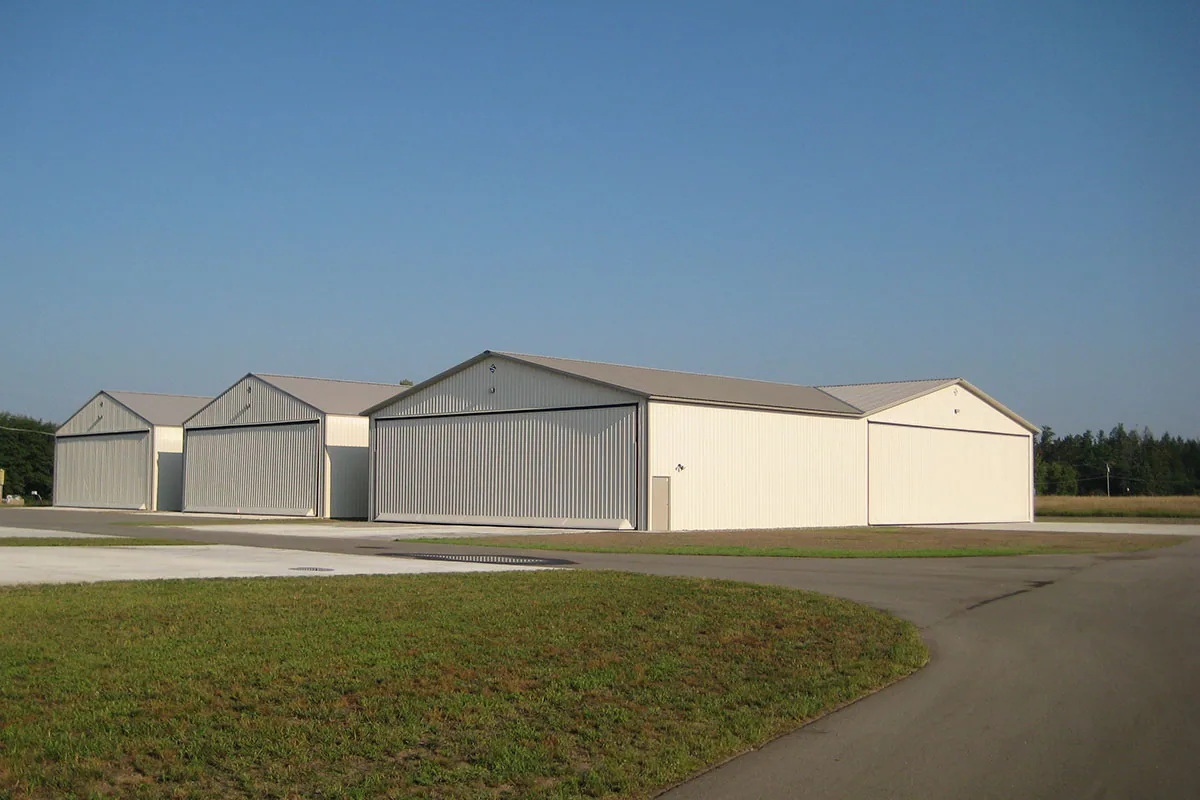
Dobbins has active flight-line, maintenance and hangar facilities supporting its C-130 mission. The facilities contact identifies work zones, equipment limits and mission coordination. We record which areas were not reached. At aircraft hangar roof details, the assembly and clear-span transitions also need field confirmation.
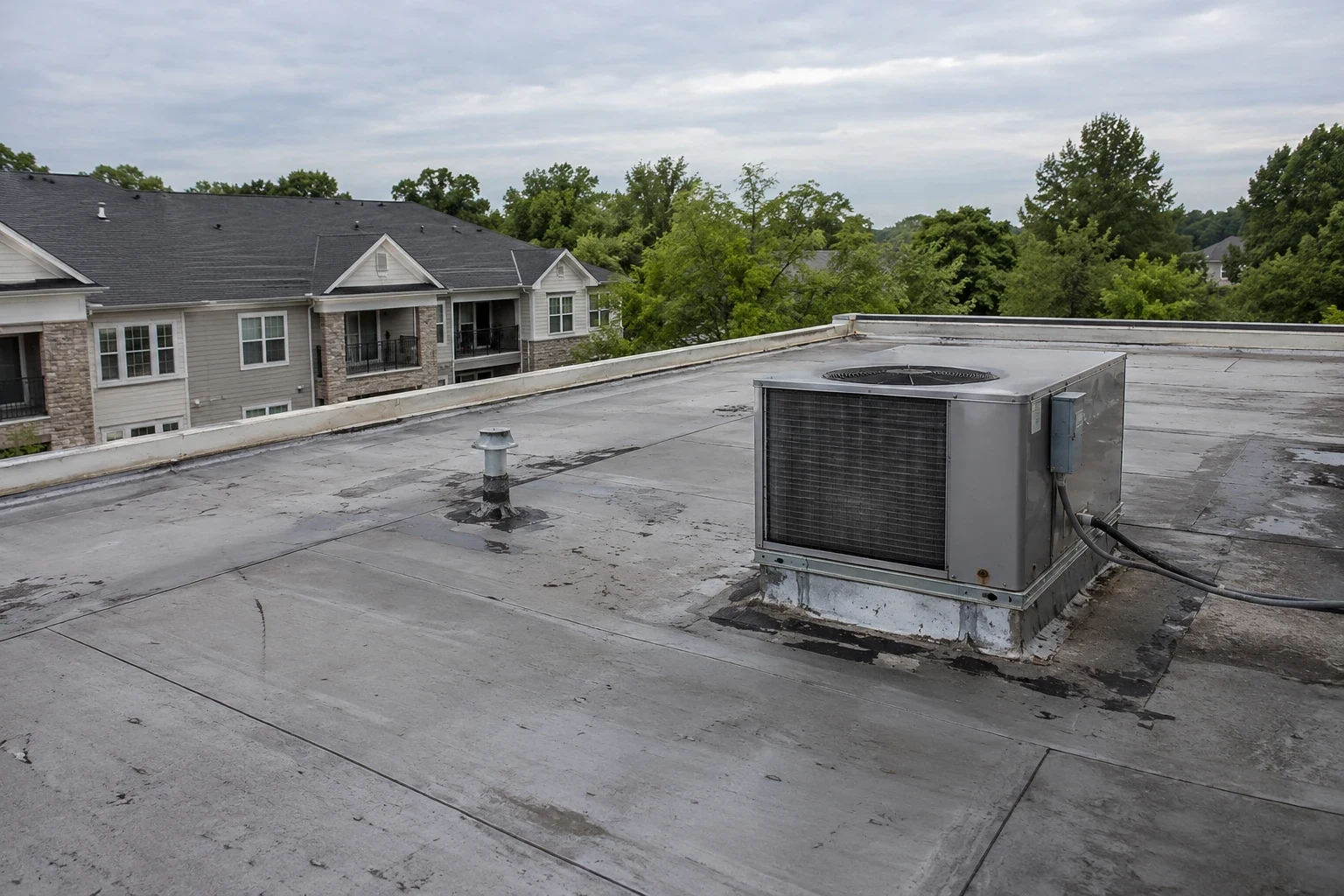
Set the repair on confirmed material
At a membrane split, we probe beyond the opening for adhesion and inspect insulation at the tie-in. A prepared patch can terminate only on material that supports the bond. Loose clips or panel distortion need a different metal detail. Moisture at insulation or deck changes the removal boundary. Infrared review or a test cut may answer that concealed-condition question, with its location and limits stated in the scope.
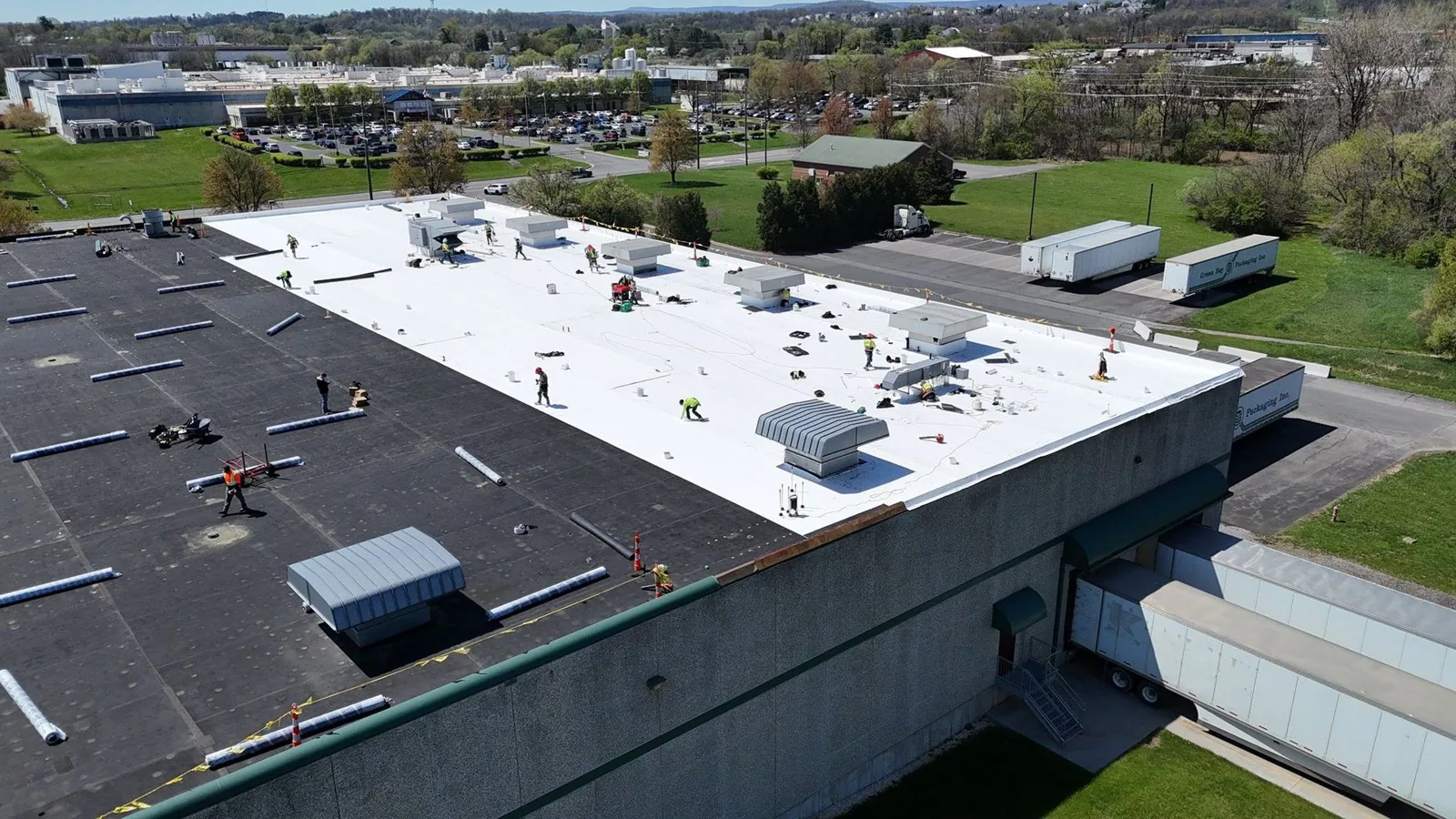
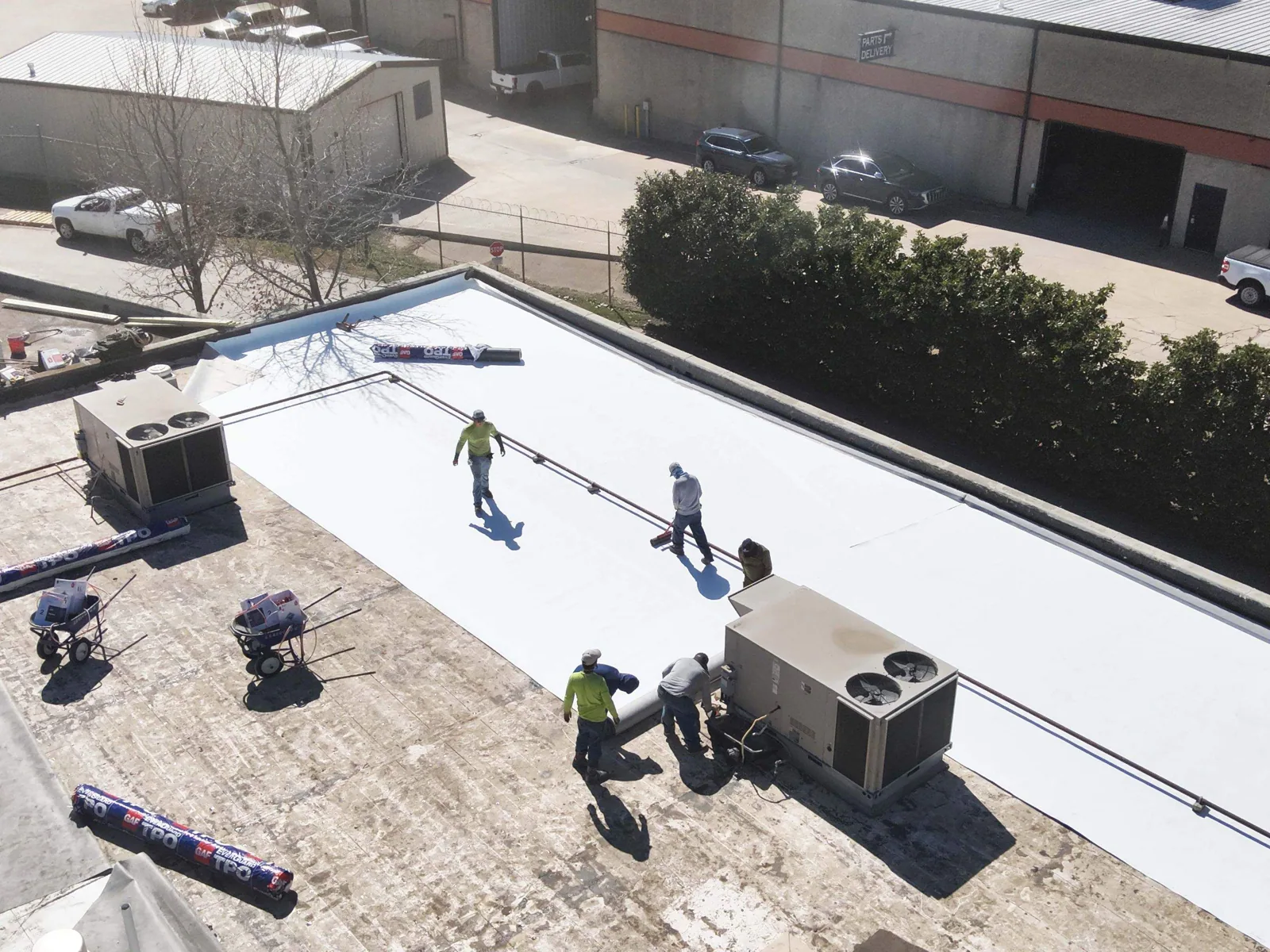
TPO, PVC, EPDM, KEE, modified bitumen, built-up roofing, standing seam and retrofit metal use different seams and transitions. We identify the assembly before selecting a tie-in. A localized commercial repair shows the defect, preparation, materials and termination. Broader deterioration may support comparing a roof recovery with replacement, subject to existing layers and deck condition.
Federal project documents may require roofing to meet applicable Unified Facilities Criteria. We document field conditions and build the approved scope to supplied details for attachment, edge securement and assembly requirements. Deviations or concealed conditions follow the designated review and approval path.
Coordinate entry before staging material
Base entry may require advance badging, escorts, vehicle screening and limits on tools, photography or delivery. The contracting officer or facilities lead identifies the current rules. We request access instructions, escort contact, roof hatch route, work hours and staging area before mobilization. The work plan carries the facility's confirmed procedure.
Flight-line adjacency can affect lifts, debris containers and material carts. The base contact identifies controlled areas, aircraft movement limits and equipment shutdown requirements. We sequence approved roof zones to secure open work at shift end. If access changes, crews hold at the agreed dry-in point until the responsible contact resets the sequence. We record the facility access plan with the confirmed gate instructions and scope authority before staging.
Roswell's commercial network runs along GA 400 and Holcomb Bridge Road. Delivery timing near those corridors needs practical scheduling, while base gates use installation rules. We confirm the actual route and delivery window with the owner. A Roswell-area roof review uses the property's access and operating information.
Protect the assembly through rain holds
Warm-season rain can arrive while a roof zone is open. We divide removal into sections that close to a stable termination before crews leave. Drains and overflows stay clear, and temporary protection avoids intakes and access routes. Adhesive work waits until the substrate meets installation requirements. If rain or wind makes the next step unsuitable, work holds at the protected boundary.
North Georgia alerts include hail, tornadoes and severe thunderstorm gusts. After a reported event, we inspect accessible seams, edges, penetrations and equipment for visible changes. Photos show confirmed conditions and inaccessible zones. Emergency response can be dispatched at any hour, including holidays, for an active opening.
Heat and humidity affect substrate and material handling. We check surface dryness and temporary seals before resuming. Wet insulation or a softened deck can change the removal limit. The facilities contact receives the protection status and approval request if concealed damage appears.
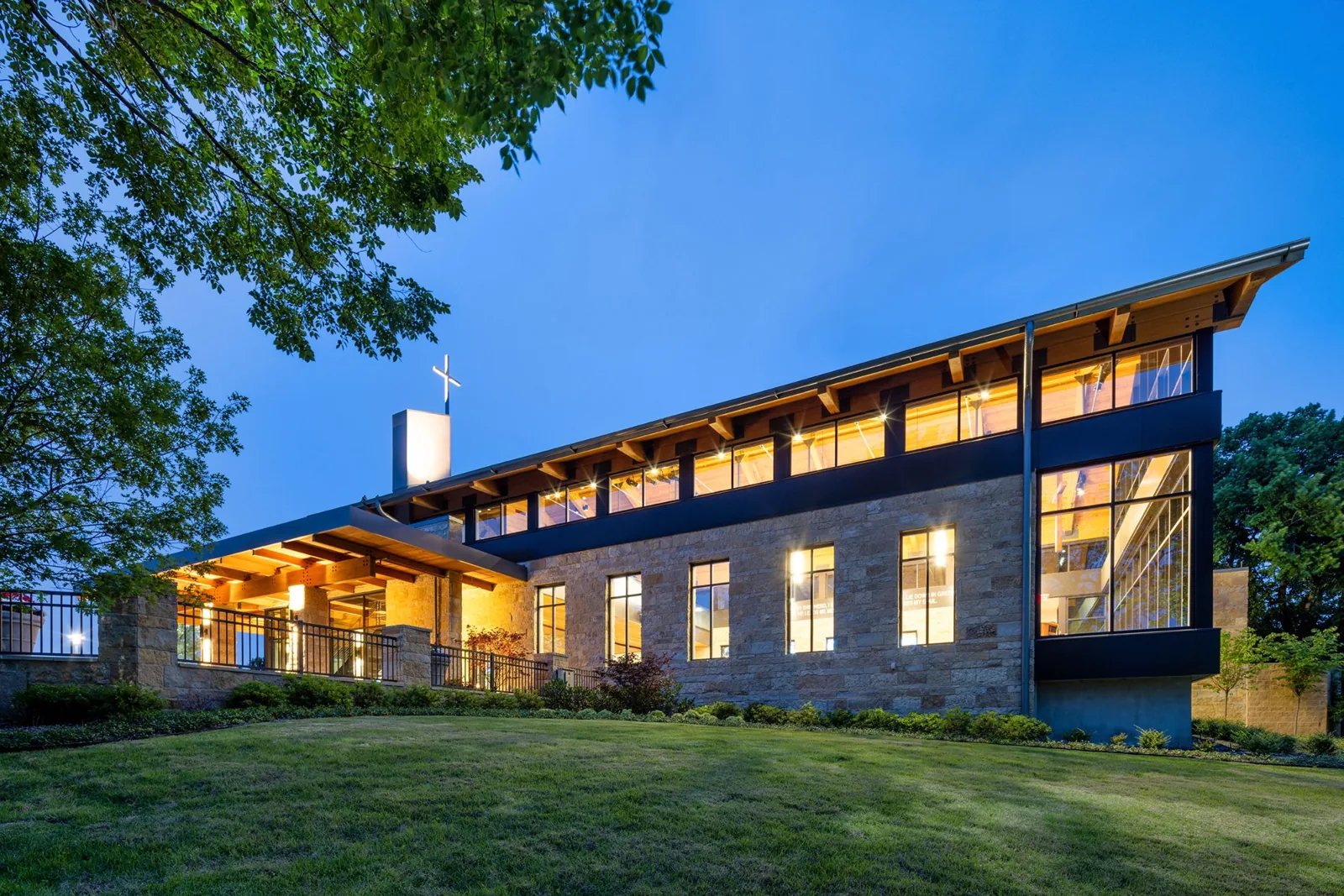
Price the building and approval limits
Cost changes with access controls, roof height, system type, number of penetrations, staging, removal layers and confirmed deck or insulation damage. A proposal names each building and roof zone. It lists preparation, repair or replacement materials, drain and edge work, temporary dry-in, exclusions and closeout photos. Any allowance identifies the concealed condition it covers and the contact authorized to release it.
Timing depends on submittal review, material availability, escort windows, equipment coordination and weather. The project schedule should identify the first access date, daily secure limit, inspection hold points and final walk. If testing is proposed, we state the question it answers and how findings could affect the scope. A roof condition record can tie photos and observations to building plans for later review.
Roswell's warm-season rainfall can interrupt exposed work, while traffic at the Holcomb Bridge Road and GA 400 interchange can affect local delivery timing. Neither fact sets a base schedule. The installation's access rules and project controls decide the actual sequence. We keep weather holds, approvals and added quantities in the closeout record so the asset manager can reconcile planned and completed work.
Related Roofing Work
Scope an Air Force roof zone
Name the building and roof area. Send roof plans, access instructions, escort contacts, mission or equipment limits, prior repair records and project details so we can document confirmed conditions and approval points.
Questions About Air Force Base Roofing
What should a scope say about hangars and maintenance roofs?
Name each facility, roof zone, assembly observed, access limit, repair detail and dry-in point. We record penetrations, support curbs, drains, edges and nearby equipment individually. If a test cut or infrared review is proposed, the scope states its location and purpose. The project documents remain the authority for required materials and details.
How does base access affect a roofing schedule?
Escort availability, badge processing, vehicle screening, tool controls and delivery windows can constrain the workday. We request the installation's current procedure and list the access contact in the schedule. Each shift needs a secure stopping point. If a gate or mission restriction changes, work pauses until the facilities lead confirms the revised route and window.
Can a membrane patch address water above an aircraft work area?
A patch is appropriate only when the surrounding membrane and substrate can support a compatible tie-in. We inspect the lap, curb, penetration and adjacent insulation before defining the repair boundary. If moisture reaches the deck, the scope expands to sound, dry material. We also coordinate any protection required below the roof with the facility contact.
What does the closeout record need to include?
The record should identify the building, roof zone, installed materials, completed details, inspection photos and approvals. We note concealed conditions, areas not accessed and maintenance items separately. If the project required escorts or restricted work zones, the record can show which limits affected the inspection. This gives the asset manager a useful reference for the next repair decision.
Commercial Roofing Across Roswell and North Fulton
Roof Repair, Replacement and Maintenance for Every Kind of Commercial Building
From Historic Roswell and Canton Street to the Holcomb Bridge Road corridor, GA 400 and the North Point area, we inspect, repair and replace low-slope and metal roofs on offices, retail centers, medical buildings, schools and warehouses.