College and University Roofing in Roswell, GA
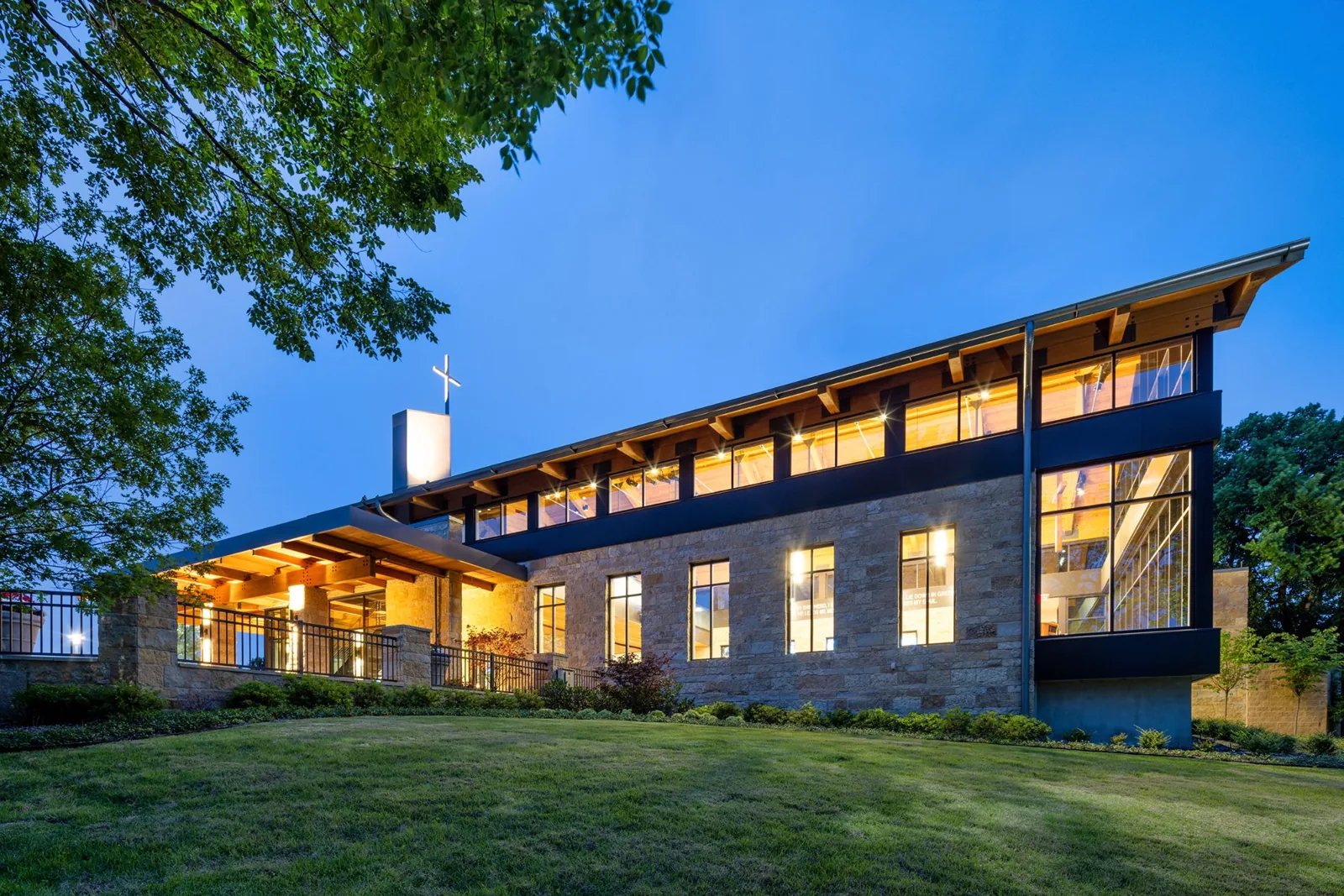
A lifted curb flashing above a lecture room can move water beyond the visible defect. We check its corners, adjoining seams, nearby insulation and drain path before setting the repair boundary. College properties can combine classrooms, offices, dining, residence and athletic buildings, each with separate access and operating demands. Roswell, GA has humid summers and frequent warm-season rain. Those conditions test laps and penetrations while campus activity continues below.
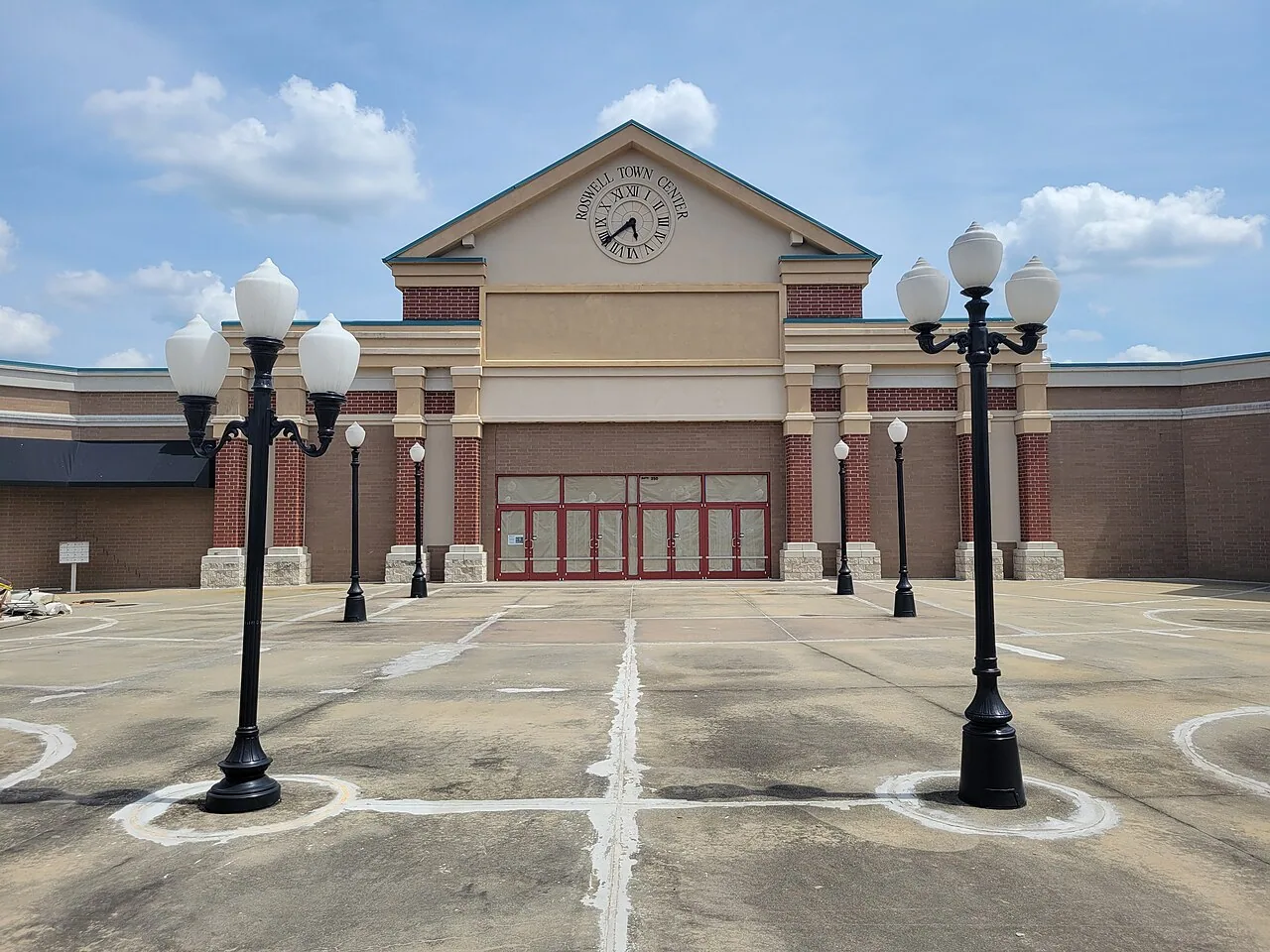
The city lists a Town Center and Atlanta Street Corridor study, and Atlanta Street links central Roswell's commercial core with the wider north Fulton road network. The Historic Roswell District also carries exterior design review for changes within its boundary. These places affect planning context, not the condition of any particular campus roof. We map each building from current drawings and field evidence. A campus roof review near Atlanta Street starts with the actual roof zones, access limits and approval path.
Identify each assembly before pricing
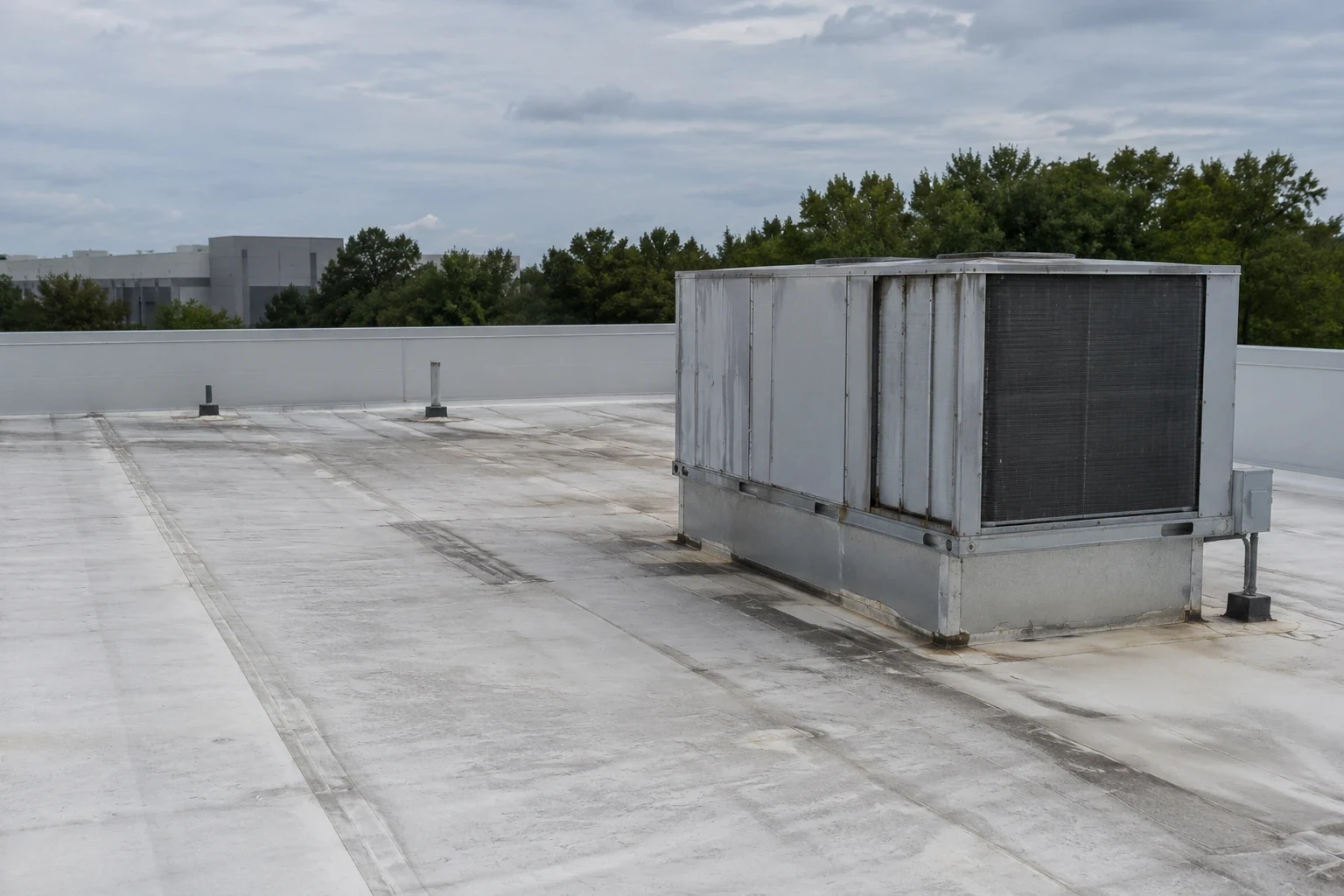
A roof use does not identify its membrane. We inspect exposed layers, seams, attachment, insulation, deck transitions, drains and curbs before selecting a repair method. A college portfolio may include additions from different projects and dates, but we record only the layers visible or confirmed by testing. The building schedule and roof plan help us assign each finding to the right structure. A condition inspection can document current defects before a capital decision.
On a thermoplastic roof, a failed weld needs clean, compatible material for a durable tie-in. EPDM seams use different preparation. Built-up, modified bitumen and metal each have their own transitions and repair details. We check the substrate at the defect and adjacent details rather than bridge a patch across a weak edge. If the assembly cannot be identified without opening it, the report says what test would confirm it. Options such as modified bitumen or standing-seam metal are compared only after the existing roof and project criteria are known.
Historic Roswell's 640-acre district subjects exterior changes to review by the Historic Preservation Commission. For a campus property within that district, visible edge metal, roof-mounted screening or material changes may need early coordination. We record what is proposed and where it is visible, then the owner checks applicable review requirements. The roof scope should state its limits clearly so preservation review and construction pricing address the same work.
Coordinate people, routes and roof access
A controlled hatch or busy service drive can define the work window. We coordinate class schedules, dining deliveries, residential quiet hours, events, emergency paths, escorts and equipment shutdowns with facilities. The university identifies restricted areas and the contact who can release each building. We list staging, debris routes and interior protection before mobilization. One building's approval does not automatically clear access to another roof.
For a replacement, work is divided into zones with secure tie-ins at shift end. The schedule shows rooms below active work, temporary dry-in and loud or odor-producing tasks. If removal exposes wet insulation or a soft deck, we photograph it, secure the area and submit the proposed extent for approval. An occupied-building sequence can be revised by zone while other buildings remain accessible.
Separate wet layers from surface defects
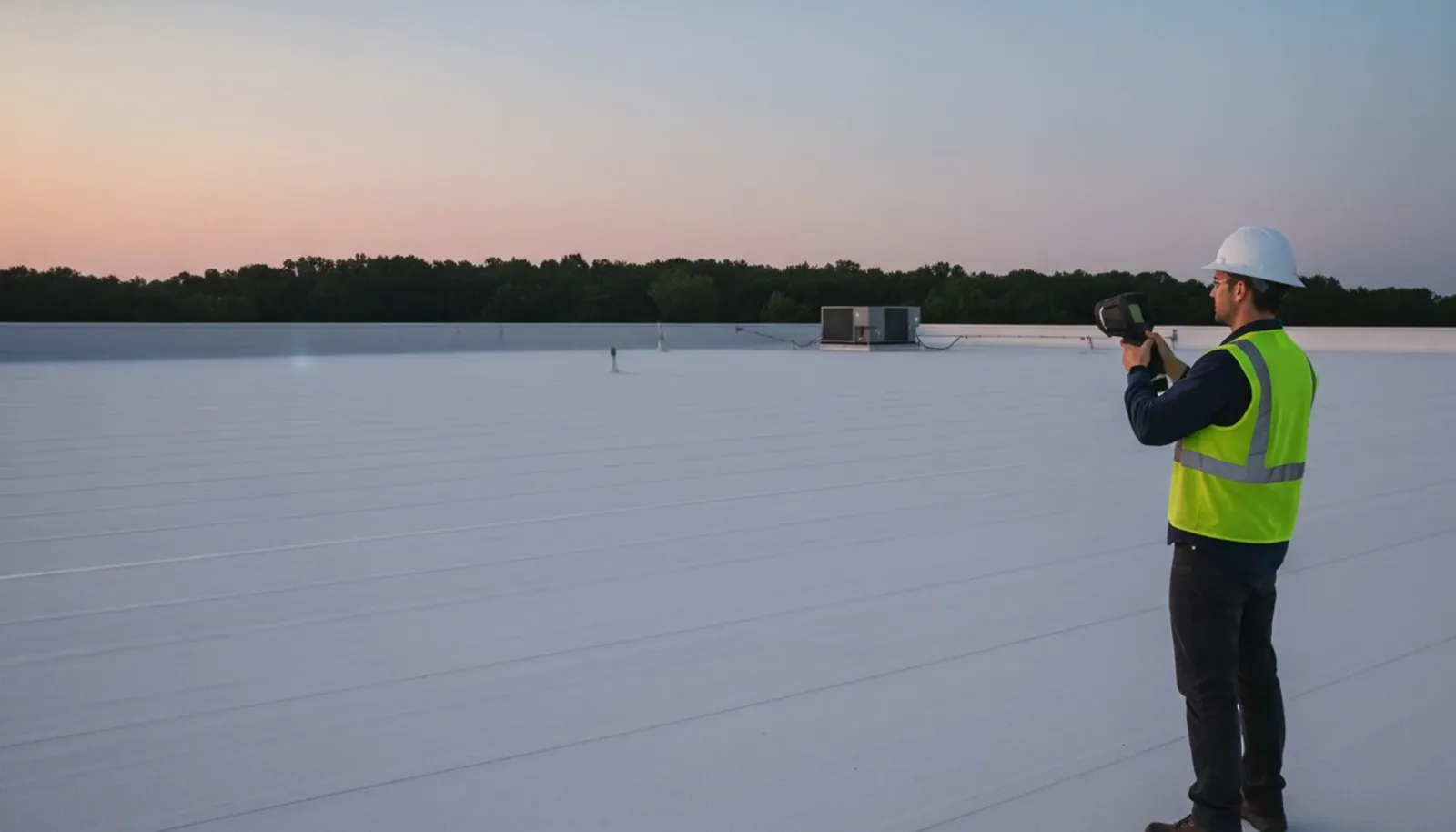
A blister or open seam may sit above a larger wet area. We probe accessible material and compare it with ceiling reports, drain positions and prior repairs. Infrared scanning can help locate temperature patterns associated with moisture, while a test cut can confirm what is inside a layer. We define the question, locations and limits of each method before adding it to the scope. A moisture survey can inform a repair map without treating every thermal variation as confirmed damage.
Frequent warm-season rain makes the drain path important. We inspect strainers, bowls, overflows, slopes and nearby laps for debris, standing water or failed clamping details. Water that remains near a curb can stress its flashing; a blocked outlet calls for a different response than wet insulation. A targeted drain review records the outlet and surrounding membrane together.
When concealed material is confirmed wet, a surface patch does not resolve that layer. The repair boundary moves to dry, sound material. If the roof is otherwise attached and compatible, a local correction may be practical. Broader moisture, repeated seam failure or poor tie-ins may support a recovery or replacement comparison. We mark confirmed work separately from any allowance that depends on opening the assembly.
Close each shift at a stable tie-in
Heat, humidity and sudden rain affect adhesive work and exposed insulation in north Georgia. We check the roof surface and forecast before opening a zone, keep drains clear and protect unfinished edges. Each shift ends at a stable tie-in with temporary protection secured. If the substrate is wet or weather threatens the open area, the next zone waits. The facilities lead receives the revised area and restart conditions.
Across north and central Georgia, severe storms can bring damaging gusts, hail or tornadoes. A regional storm does not establish roof damage at a college. Following a report, we inspect for lifted edge metal, punctures, loose flashing, open seams and interior evidence. Our emergency crew can respond at any hour, including weekends and holidays, when an active opening needs protection. The visit records visible impact and any area that could not be accessed.
Work plans also need a communication route for a storm interruption. We identify the contact who receives a protection update, the roofs that remain closed and any temporary condition that needs another check. That record helps the facilities team coordinate classes and deliveries while the roof is secure.
Compare scope, allowance and closeout
Cost depends on roof area, repair count, removal layers, access, staging, edge and drain work, membrane compatibility and confirmed deck or insulation damage. Timing changes with weather, academic calendars, material delivery, equipment restrictions and zone count. We show buildings, quantities, details, exclusions and approval roles. Concealed-condition allowances name their trigger and review step.
Closeout photographs show laps, curbs, drains, edges, transitions and the completed tie-in. We record the building, roof zone, material, work and any unresolved condition. Facilities staff can attach the record to capital planning and maintenance history. Portfolio records should remain comparable without carrying a finding from one roof to another. We map school roof zones around classroom access and separately plan shopping roof review work around storefront staging.
Request an inspection or scoped comparison for a named campus building and roof zone. Send roof plans, leak reports, event schedules, access rules, equipment limits and prior repair records. We will document confirmed conditions, identify testing for open questions and show where approval is needed before the work boundary expands.
Related Roofing Work
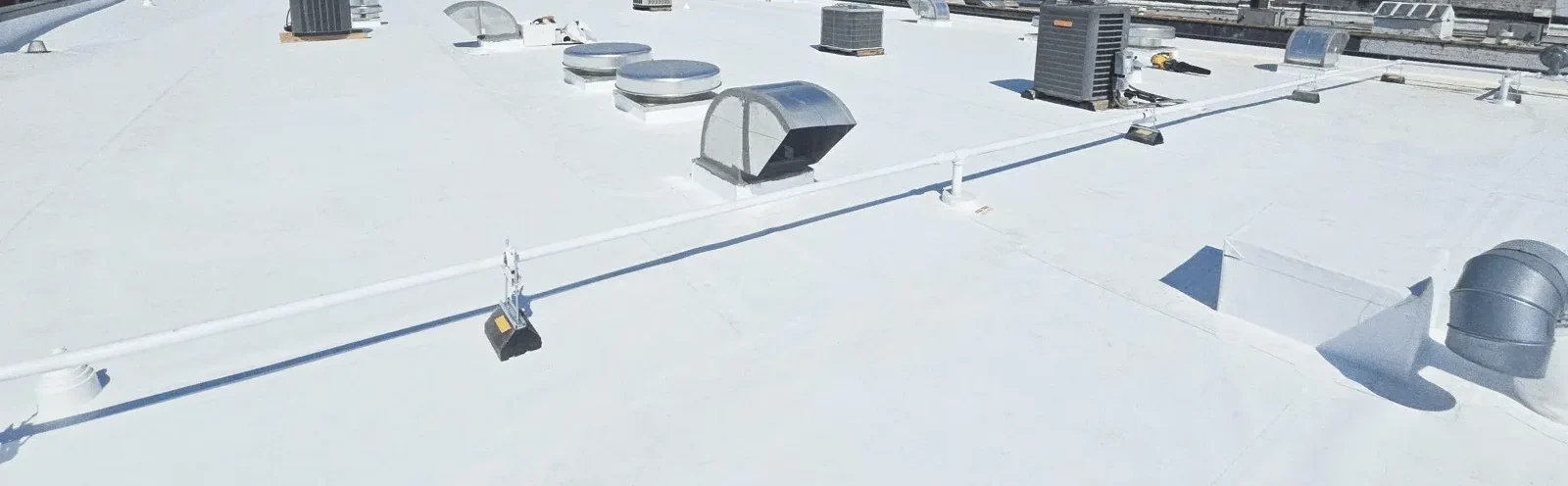
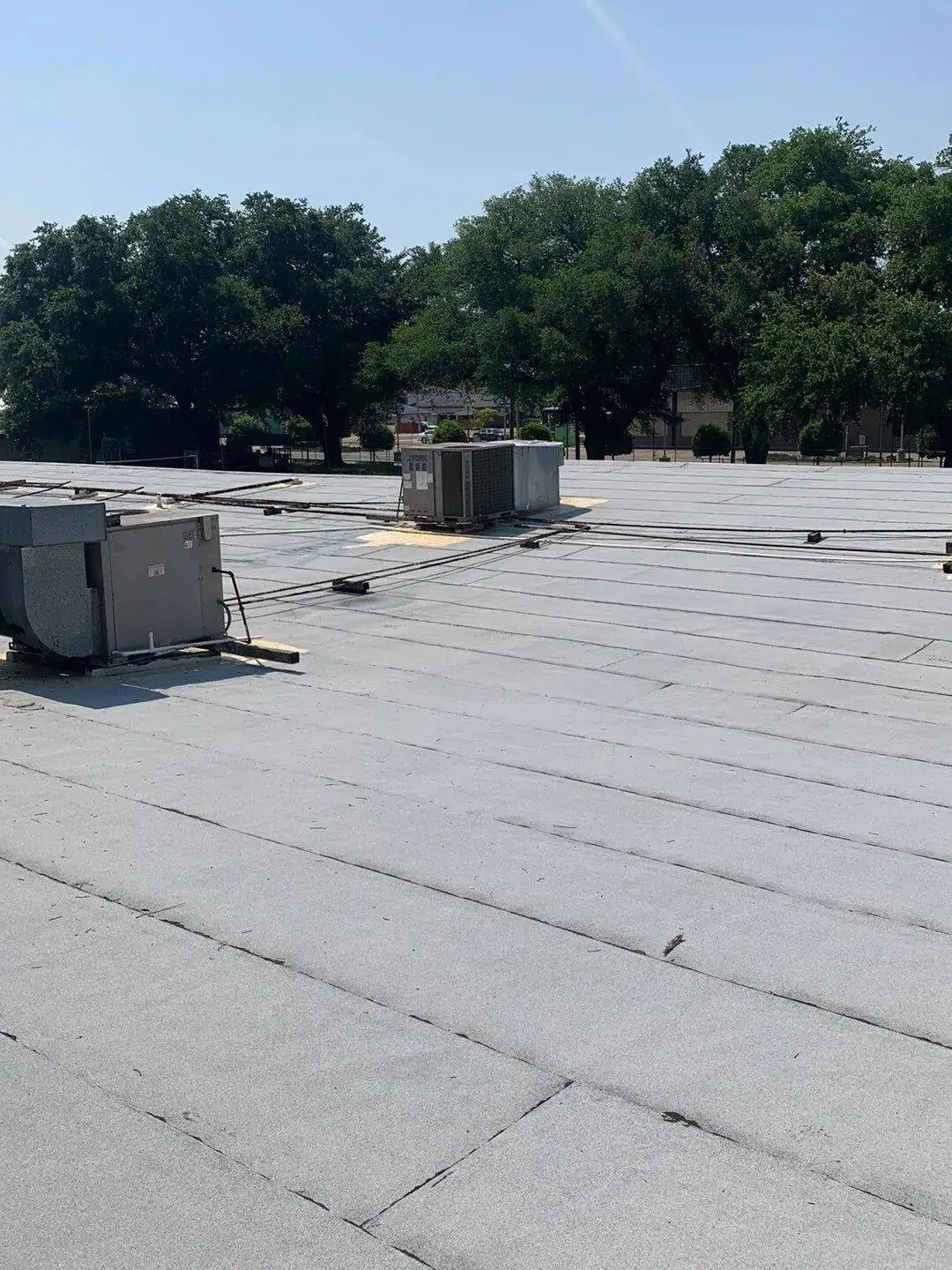
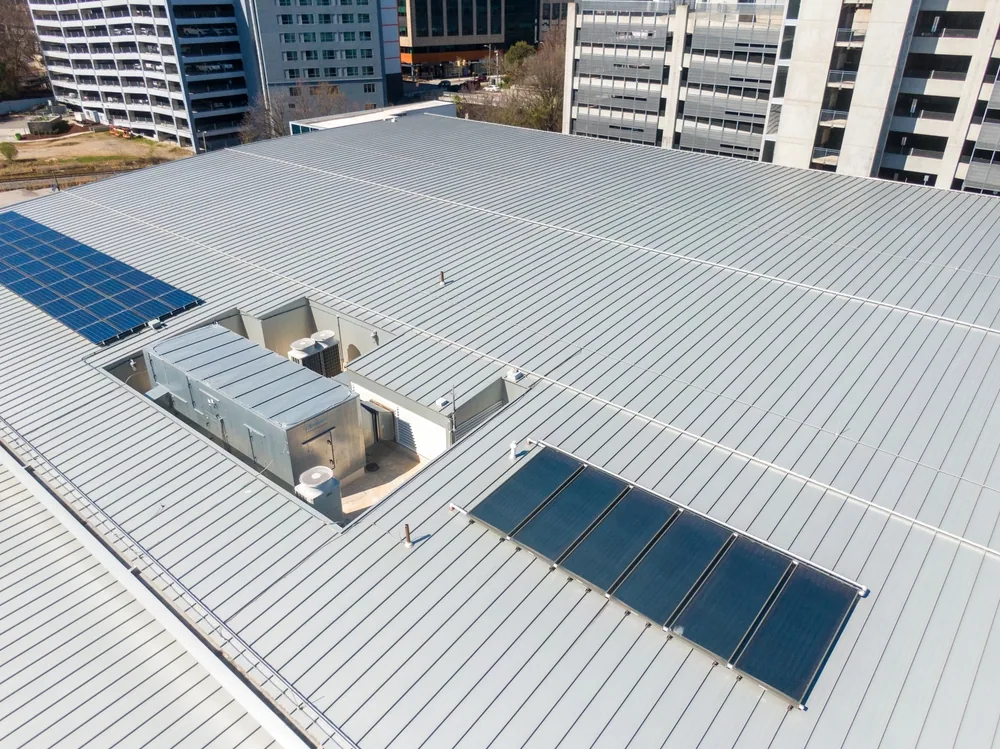
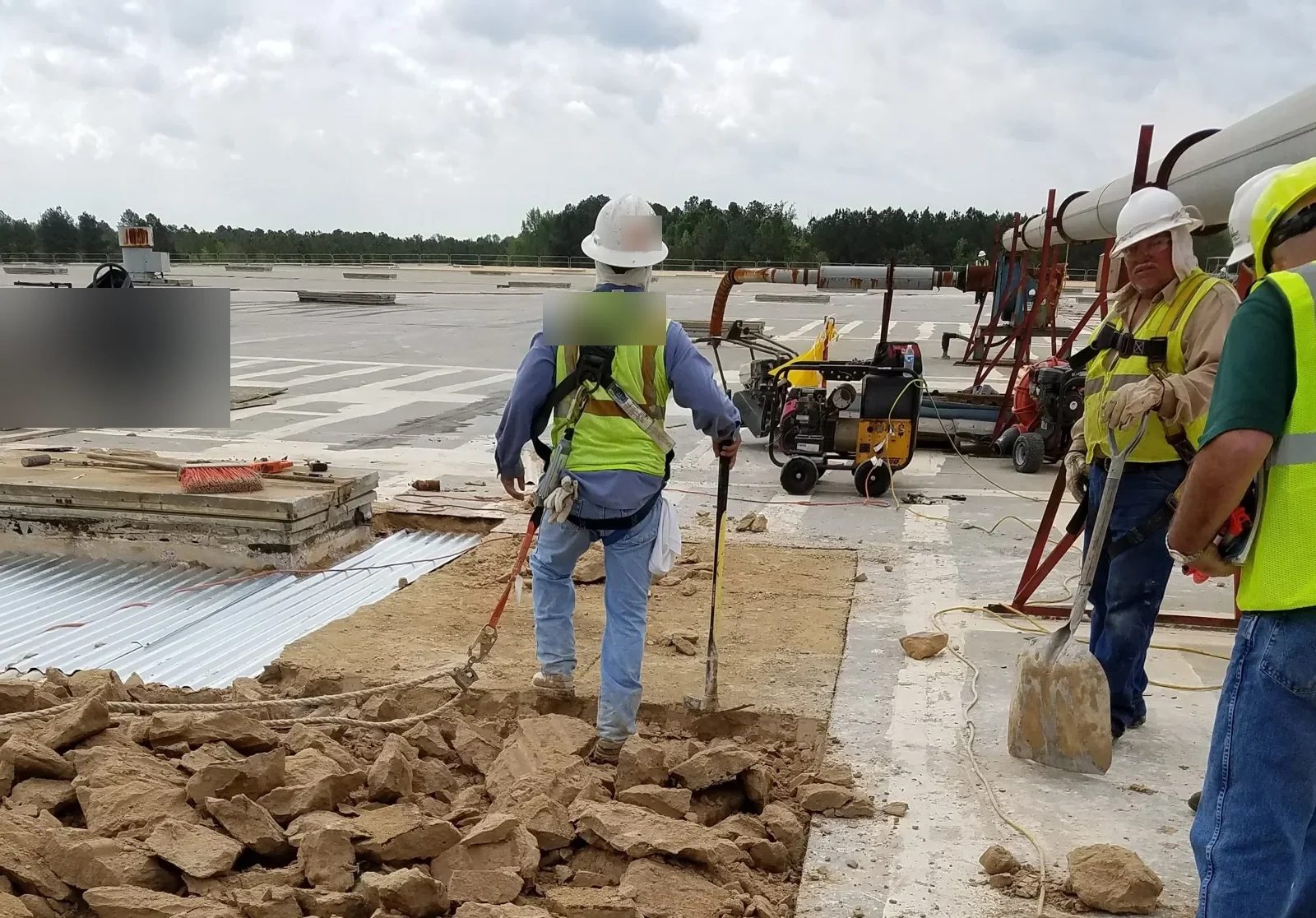
Review a campus roof zone
Name the building and zone. Send roof plans, event schedules, access procedures, leak reports, equipment limits and prior work records for a scoped review.
Questions About College and University Roofing
How do you coordinate roofing across buildings with different access rules?
We request a campus map, roof plans, hatch locations, escort requirements, delivery routes, restricted hours and the facilities contact for each building. The work schedule names each zone and its approved access route. A procedure used at one structure is not applied to another without confirmation. If an event or class schedule changes, facilities reviews the revised sequence.
Can you determine whether a roof leak has reached insulation?
Field evidence can narrow the area, but concealed layers may require testing. We inspect seams, penetrations, drainage and prior repairs, then recommend infrared scanning or test cuts when they answer a specific question. The report distinguishes suspected moisture from material confirmed wet after opening. We price the confirmed repair and state the approval point for added removal.
What should a university compare in roof replacement proposals?
Use the same buildings and zones as the comparison basis. Check system layers, drainage, curb work, access, staging, occupied-area protection, daily tie-ins and closeout records. Each proposal should state exclusions and how concealed deck or insulation damage is reviewed. We can provide a zone schedule so facilities staff can compare sequence as well as material scope.
Does a campus in Historic Roswell need a different roofing scope?
The district's exterior review makes visible changes a coordination item. We identify proposed materials, edges, rooftop screening and the portions visible from outside, then the owner confirms applicable review requirements. That review does not establish the roof's condition or system. The construction scope should match the approved details and identify any work excluded from the review.
Commercial Roofing Across Roswell and North Fulton
Roof Repair, Replacement and Maintenance for Every Kind of Commercial Building
From Historic Roswell and Canton Street to the Holcomb Bridge Road corridor, GA 400 and the North Point area, we inspect, repair and replace low-slope and metal roofs on offices, retail centers, medical buildings, schools and warehouses.