School Roofing in Roswell, GA
A separated lap beside a classroom curb can widen the repair boundary quickly. Water may track below the membrane before a ceiling mark appears. We check the curb corners, nearby seams, insulation and drain path, then tie each finding to a roof zone. Roswell, GA has hot, humid summers and frequent warm-season rain. Those cycles test flashing details while classrooms, offices and activity rooms remain in use.
School roofs need clear access rules and work limits. East Roswell is a recognized planning area, and the Riverside Road project segment runs from Riverside Park to Old Alabama Road. We coordinate each school visit around the property's current access, bus circulation, and operating rules. We inspect the actual assembly before recommending a patch, recovery or replacement. A school roof inspection in East Roswell can begin with one leak report or a planned capital review.
Trace the leak above the reported room
A ceiling stain identifies where water became visible, not necessarily where it entered. We record the room, date, recent weather and any ceiling or wall observations, then inspect the roof above and upslope. Seams, curbs, wall transitions, skylight flashings and prior patches each need a close look. Photographs show the defect beside a fixed reference point. This gives facilities staff a useful record when the same area is checked after the next rain.
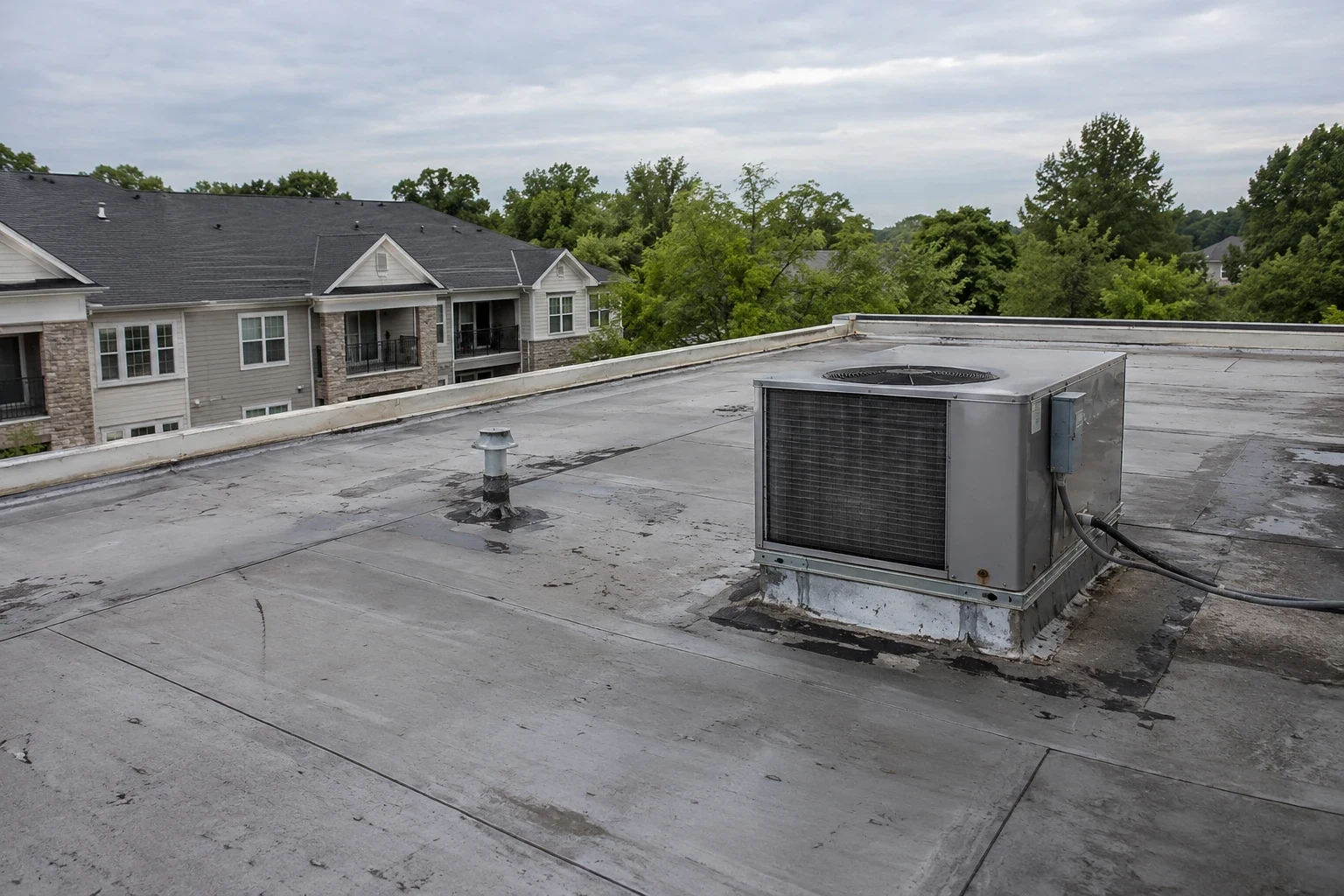
School roofs can serve separate wings, gyms, kitchens, offices and mechanical areas. Use does not reveal the membrane type or its condition. We identify visible layers, attachment, drainage and roof access, then check penetrations and terminations for movement or open joints. A leak tracing visit can include infrared scanning or test cuts when those methods can answer a defined moisture question.
North Fulton includes schools among Roswell's civic and commercial building stock. That context makes records across separate buildings useful, especially when an owner manages more than one campus. Each roof gets its own findings, access limits and repair boundary. A defect on one wing does not prove that another wing has the same assembly or condition.
Plan each work zone around school use
Roof access and the route below belong in the work scope. We coordinate student schedules, staff access, deliveries, outdoor areas, kitchen service and rooms that must stay quiet. The facilities lead identifies restricted hours, emergency routes, hatch controls and who can approve a changed sequence. Those limits are recorded before staging.
For a larger repair or replacement, we divide the roof into zones that can be closed safely at shift end. The sequence lists dry-in, debris handling, equipment coordination and interior protection. If removal uncovers wet insulation or a soft deck, we photograph it and pause at a stable limit. The authorized contact reviews added scope and allowance before work extends. Phased reroofing for occupied buildings can keep unaffected areas in service while one zone is open.
Riverside Road improvements are planned between Riverside Park and Old Alabama Road, including trails, sidewalks and intersection work. That corridor context can affect delivery timing. We confirm the school's current access instructions and ask the site contact to identify bus circulation, parent pickup and service entrances roofing traffic must avoid.
District portfolios may include civic facilities alongside schools. We record each building separately, as with government building roof scopes. If the portfolio also includes postsecondary buildings, a college roof record needs its own zones and access plan.
Keep drains and overflow paths clear
Warm-season downpours expose a blocked strainer, low area or failed drain flashing. We inspect the grate, secondary outlet, drain bowl, slope and membrane at their junctions. Debris can hold water against a seam, while a loose clamping detail can admit it below the roof surface. The report shows where water stands and whether the outlet is open. A drain and overflow review can separate a maintenance item from a membrane repair.
Where water has reached insulation, a surface patch alone may leave the wet layer in place. We mark the confirmed wet area and determine whether a test opening can define its edge. If the deck is dry and the membrane remains attached, a local repair may be sufficient. If moisture extends beneath adjacent seams, the limit moves. A moisture survey can help map likely wet areas, with test cuts used where confirmation is needed.
Compare repair choices by evidence
A patch is appropriate when the surrounding membrane is compatible, attached and dry enough for a sound tie-in. We identify the preparation and termination required to close the defect. Recovery may be considered when the existing layers, deck and attachment can support another assembly. Replacement becomes relevant when wet materials, repeated failure or poor tie-ins make retention unsuitable. We explain what evidence supports each path and where a concealed condition remains unresolved.
Material choices depend on the roof found at inspection. Thermoplastic, rubber, asphalt-based and metal assemblies each need compatible seam and flashing details. We do not assign a system based on school use. For example, TPO roofing needs thermoplastic detailing, while EPDM repairs call for different surface preparation and lap methods. We identify the existing system before pricing work.
Cost changes with repair count, access, removal layers, equipment moves, drainage work and confirmed insulation or deck damage. Schedule depends on the school calendar, work-zone size, weather, delivery access and material readiness. A written scope names the buildings, roof zones, included details, exclusions and approval contact. It also gives a trigger for any approved allowance, so added work has a clear decision point before removal continues.
Record the repair and remaining conditions
Closeout photographs show the completed lap, curb corners, drains, edges and tie-in to retained roofing. We label them by school building and roof zone, then list materials, work performed, approvals and any condition still concealed. Facilities staff can attach the record to a maintenance log and compare it with the next inspection. We also note debris removal and whether the primary and overflow paths are open.
Severe cells in north Georgia can bring hail, damaging gusts and tornadoes. A warning does not establish damage at a school. Following a weather call, we examine accessible roof areas for punctures, edge displacement, open seams and flashing separation. Our response team is available any time, even on holidays, to protect an active opening. The report separates visible impact from areas that could not be reached.
Request an inspection or scoped comparison for a named school building and roof zone. Send roof plans, leak locations, room schedules, access rules, prior repair records and any equipment shutdown limits. We will map confirmed conditions, identify tests that could resolve concealed questions and provide a closeout record tied to the work performed.
Related Roofing Work
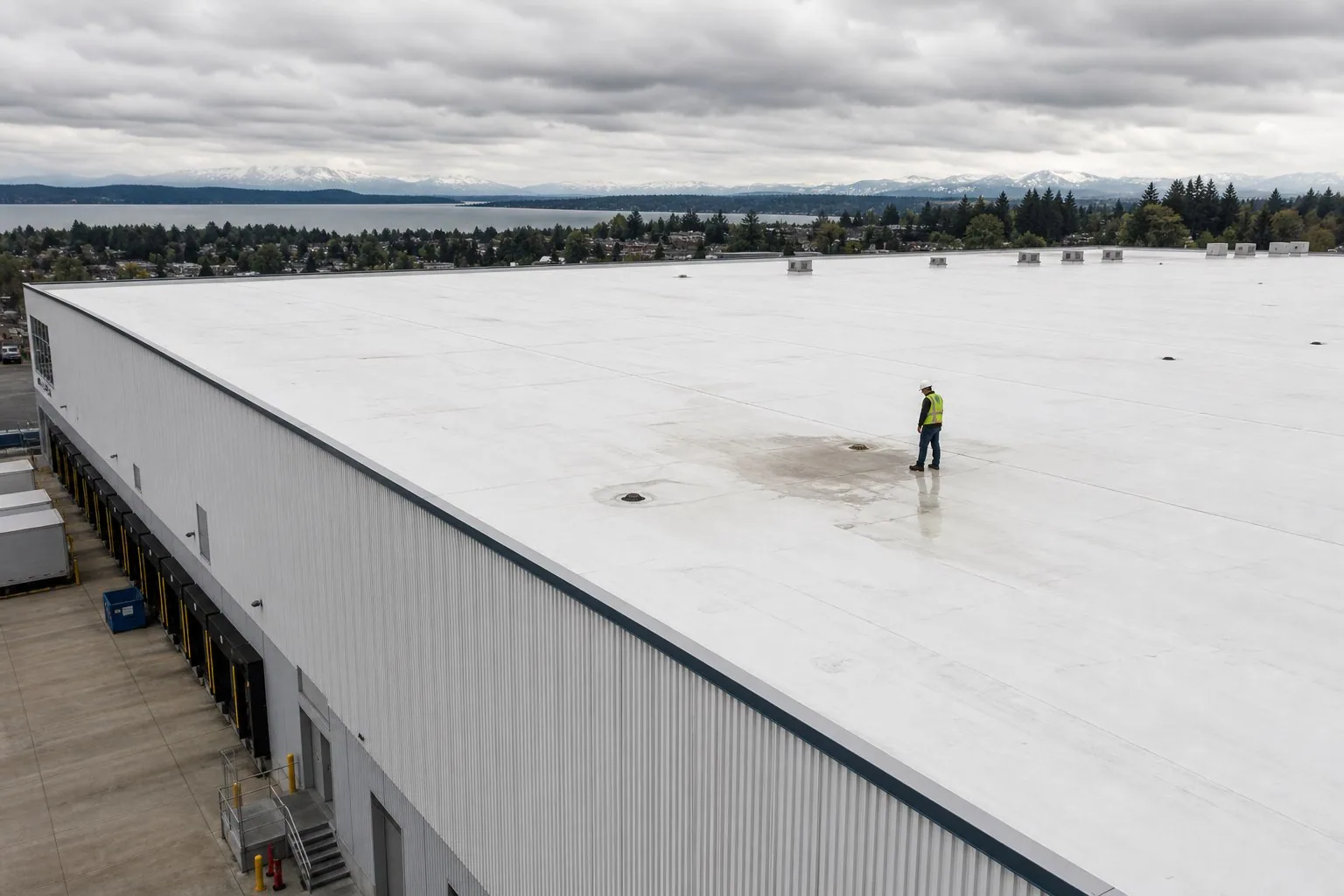
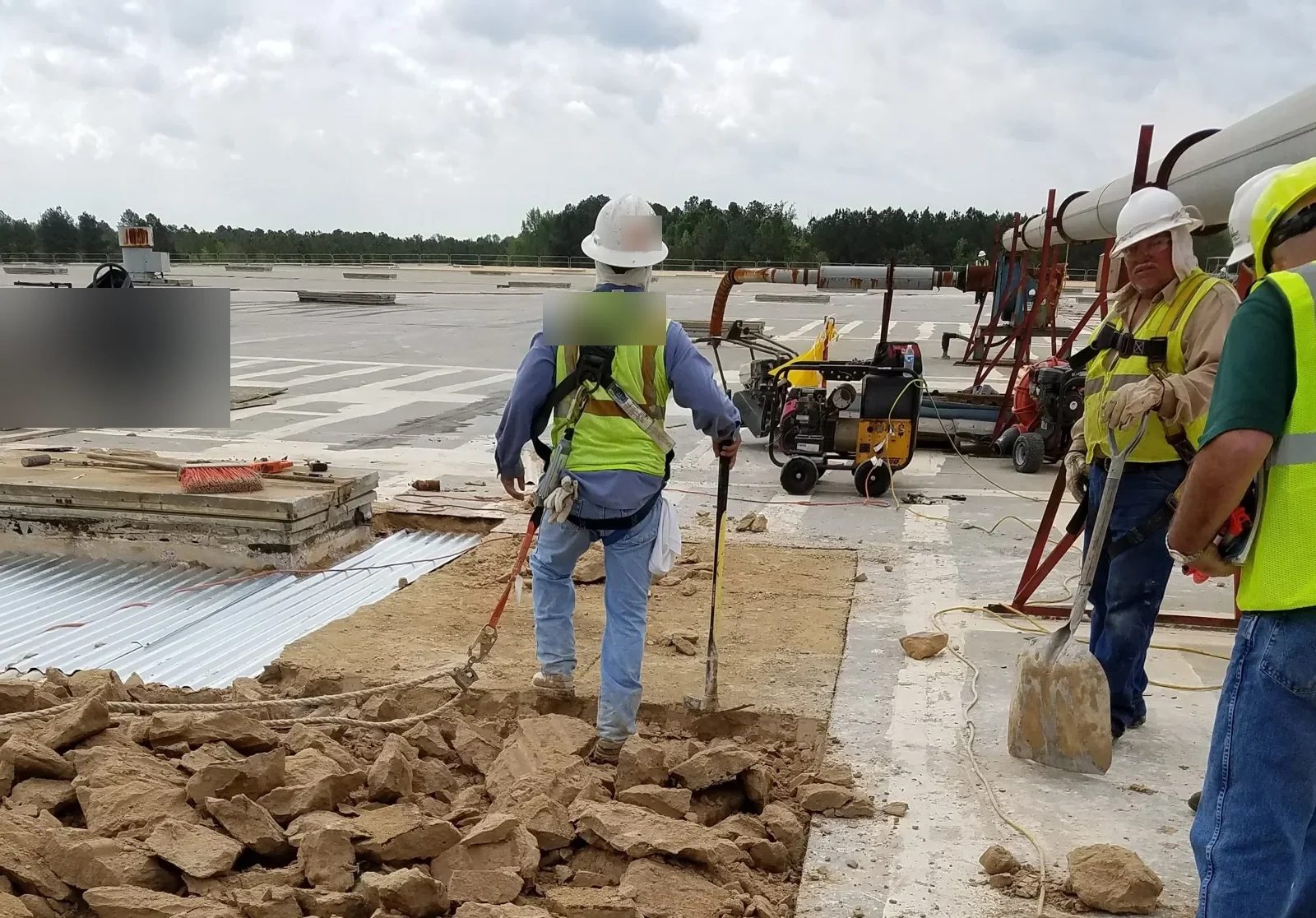
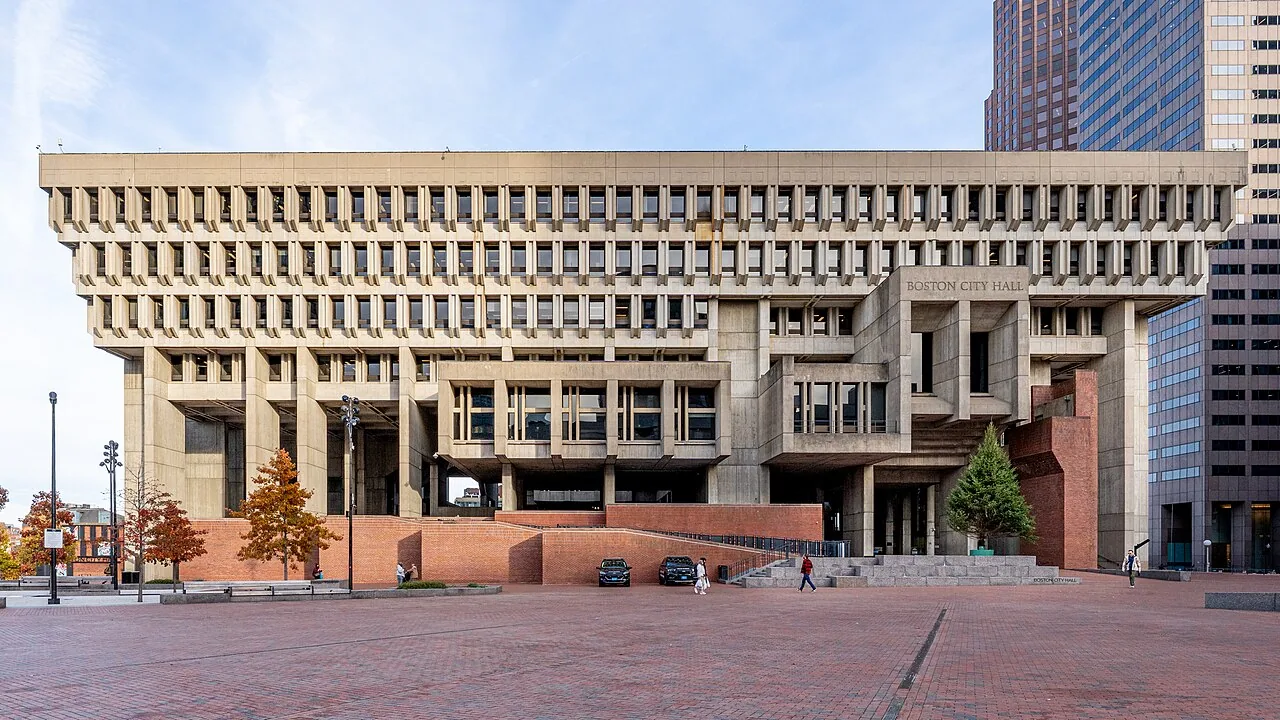

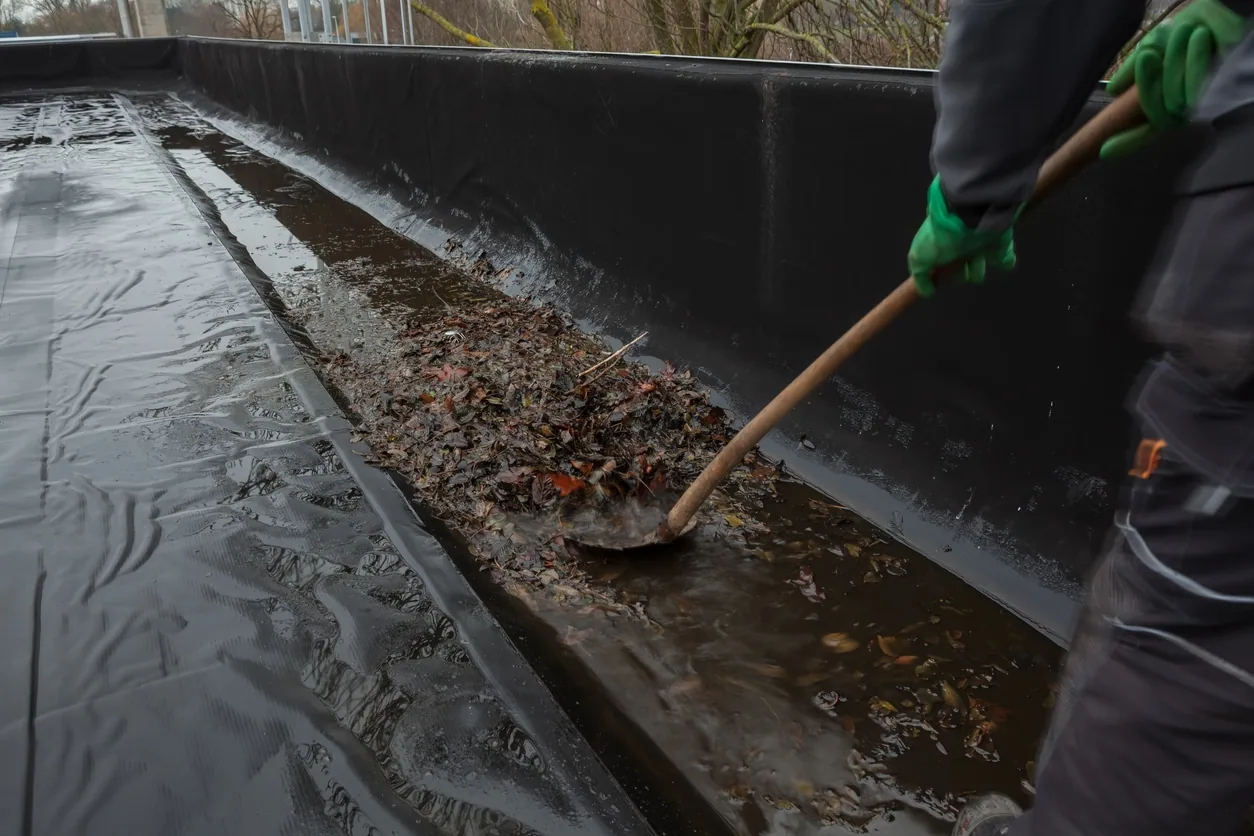
Scope a school roof zone
Name the school and roof area. Send plans, leak records, schedules, access rules and prior repairs so we can confirm conditions and set approval points.
Questions About School Roofing
How do you check whether a classroom leak extends beyond one roof detail?
We compare the room report with seams, curbs, walls, drains and the roof area upslope. Water can move beneath the membrane before it reaches a ceiling. Photographs locate visible defects, and moisture testing can help define a concealed wet area when it answers a specific question. The scope separates confirmed repair from further testing.
Can summer work be scheduled while school programs are operating?
The school calendar and access rules set the available work windows. We plan around rooms in use, bus and service routes, noise, odors, equipment shutdowns and interior protection. Each open zone receives a daily dry-in limit. If a weather hold or concealed condition changes the sequence, the facilities contact reviews the change before crews move to another area.
What belongs in a school roof replacement allowance?
An allowance should identify the concealed condition that triggers it, the affected roof zone, how quantities will be measured and who may approve the added work. Wet insulation or deck damage cannot be confirmed before the assembly is opened. We photograph and describe exposed material, secure the opening and present the change for review before extending removal.
How should a district compare bids for several school buildings?
Compare matching buildings and roof zones, system details, drain and edge work, staging, daily dry-in and closeout records. Each proposal should identify access assumptions and exclusions. A multi-building schedule should show which zones can proceed independently and who approves changes. We can map findings building by building so a repair at one school is not carried to another without evidence.
Commercial Roofing Across Roswell and North Fulton
Roof Repair, Replacement and Maintenance for Every Kind of Commercial Building
From Historic Roswell and Canton Street to the Holcomb Bridge Road corridor, GA 400 and the North Point area, we inspect, repair and replace low-slope and metal roofs on offices, retail centers, medical buildings, schools and warehouses.