Senior Living Roofing in Roswell, GA
A lifted curb corner above a resident room can send water below the membrane. The visible stain may sit several feet from the opening, so we check the lap, insulation and drain path before setting a repair boundary. Senior living work also needs a defined route for staff, residents and deliveries. Roswell's hot, humid summers and frequent warm-season rain keep seams, curbs and drains under regular stress. The inspection records the confirmed condition by roof zone.
Roswell's commercial building base includes healthcare, civic facilities, schools and neighborhood retail along the GA 400 and Holcomb Bridge Road network. North Fulton also has substantial healthcare campus and medical-office inventory. These regional facts describe the operating context, not a condition at any one community. A Roswell roof inspection starts with the actual assembly, access rules and reported leak locations.
Trace water beyond the room report
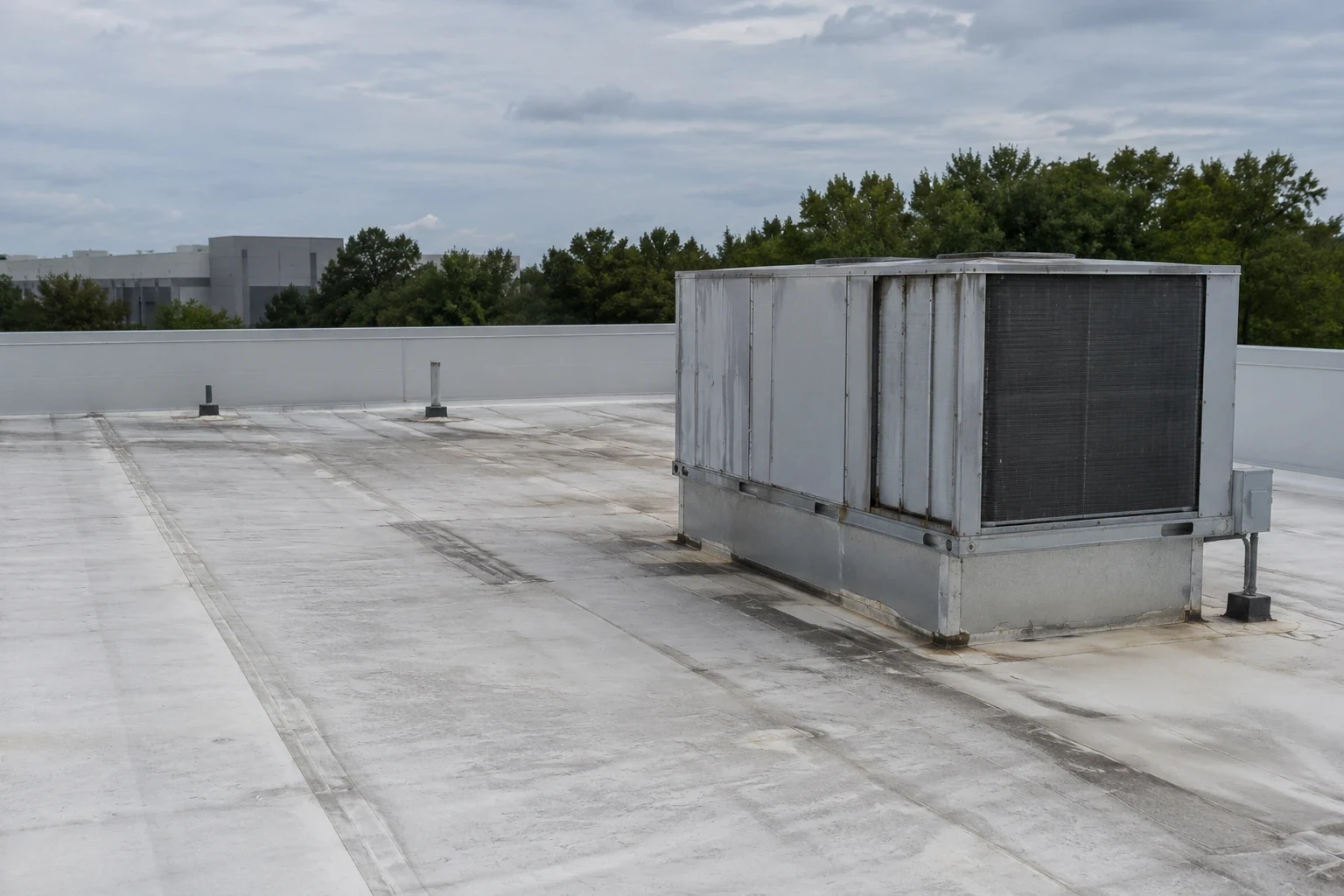
A drip over a resident room calls for two records: the roof defect and the room's immediate use limits. Staff can mark whether furnishings, mobility equipment or care routines need protection while we inspect above and upslope. We check curb corners, pipe flashings, seams and wall transitions for a path under the membrane. Photos link the finding to a fixed roof reference, so the repair boundary can be reviewed without moving residents through the work area.
Dining rooms, common areas and resident rooms may sit below separate roof zones. The property contact helps us identify which room can be entered and when. At a drain, we inspect the bowl, overflow and slope as one path. Our leak tracing scope records the roof evidence, the interior access we received and any concealed moisture question that could affect a resident area. The reported room alone does not define how far water traveled.
Roswell's lone GA 400 interchange meets Holcomb Bridge Road. We confirm the community's arrival route and delivery window before staging begins.
Set work limits around daily care
The operations contact maps resident paths, meal periods, visiting hours, quiet times and emergency routes. We ask which doors must remain clear and where staff want tools and materials kept. Roof hatch control, deliveries and equipment interruptions go on the same plan. One named person receives updates and approves changes that affect occupied rooms.
We phase noisy removal away from scheduled activities where the roof sequence permits. Each day closes with a secure roof edge and a protected route below. If a concealed defect expands a work zone, the site contact reviews the photos and added scope before work enters another area. Phased roofing for occupied buildings can define separation between active construction and daily care routines.
Identify the roof before choosing a repair
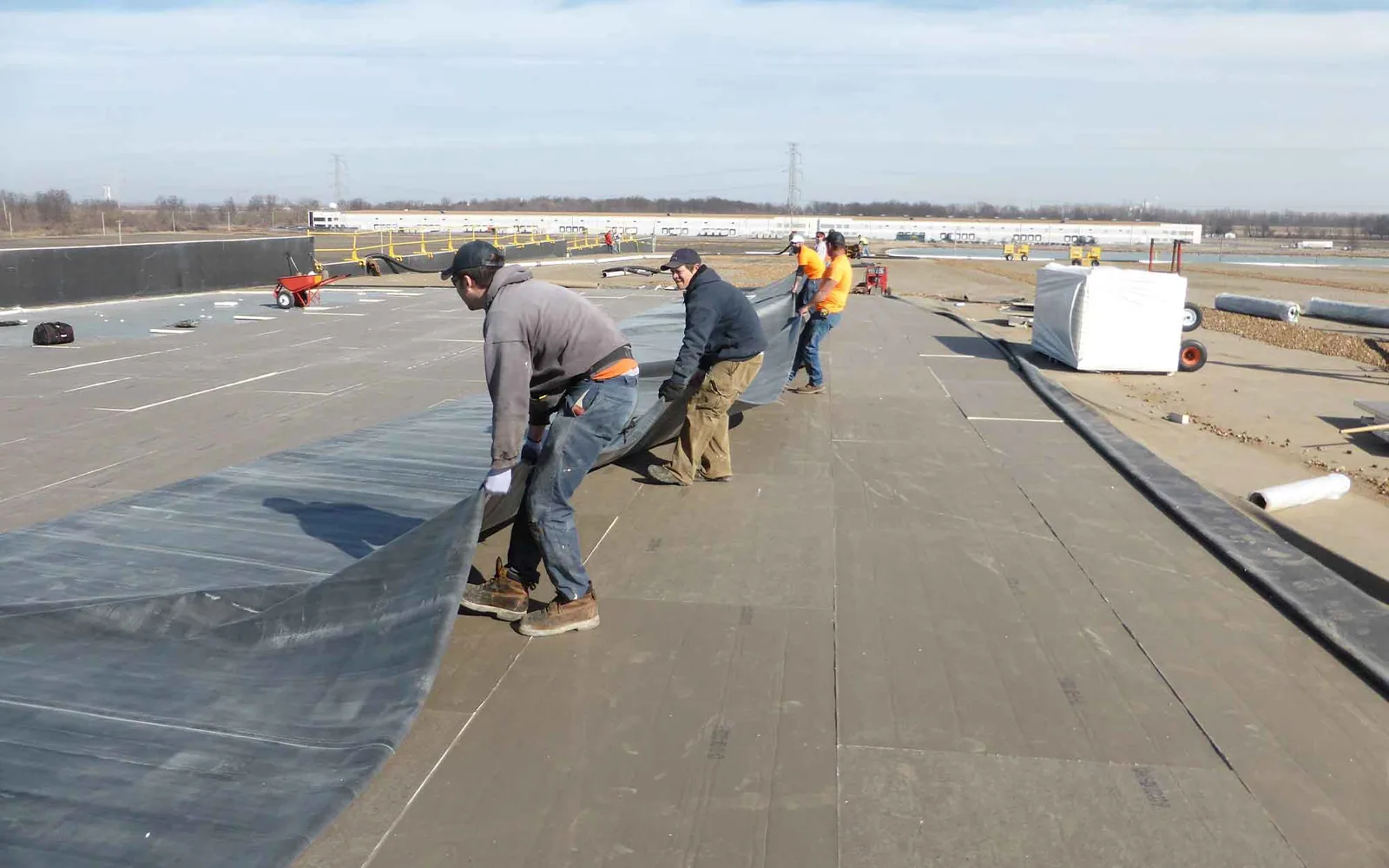
A senior community may have additions from different construction periods, so connected wings can present separate membrane transitions. We identify the roof material, attachment and visible deck at each work zone. TPO seams, EPDM laps and metal joints require distinct preparations. That assembly check matters where one repair meets another roof section or crosses an addition tie-in.
We examine the perimeter of each old patch and the substrate around it. A secure, dry membrane can support a limited repair. Loose material, wet insulation or a softened deck changes the limit. A TPO roof review or EPDM repair assessment identifies the system details before we price a tie-in. Roof type follows the material observed, never the building's use.
Coating is considered only when adhesion, moisture and drainage support it. We report visible layers, flag what remains concealed and price any approved test separately from repair work.
Protect care routines during weather holds
Roswell's warm-season rain can interrupt work above occupied rooms. We leave a sealed termination at the shift limit, keep drain paths open and tell staff which rooms or routes sit under the protected zone. Before coatings or adhesives go down, we confirm suitable surface conditions. If rain changes the plan, the named contact receives the revised access area and next review time.
Forecasters monitor Atlanta-area and broader north-Georgia storms for hail, damaging gusts and tornado activity. That regional watch does not locate damage at one community. After a reported event, we check the accessible roof for lifted metal, open seams and punctures, then tell staff what to monitor indoors. Around-the-clock emergency response is available daily, holidays included, when a breach needs temporary protection.
Price confirmed work and concealed conditions
Repair cost changes with defect count, compatibility, access, staging, removal layers and confirmed insulation or deck damage. The scope names included drains, curbs, edges and interior protection. It records exclusions, equipment coordination and who can approve added work. An allowance applies only when a stated concealed condition is documented.
Timing depends on roof area, material availability, weather, resident schedules and access. We set a closeout point for each zone. If infrared scanning or test cuts could map moisture, the proposal states the question and limits. Our capital planning review ties each item to photos, condition and timing. Compare the same zones when reviewing repair, recovery or replacement work.
A portfolio may also include hospital roof scopes or medical office roof work. Similar access controls can apply, but each building needs its own assembly review and repair boundary.
Leave staff a usable roof record
Closeout photos show the repaired lap, curb, drain, edge and termination. The record lists the building, roof zone, materials, work and approvals. It also notes unresolved concealed conditions and any detail to review after heavy rain or equipment service.
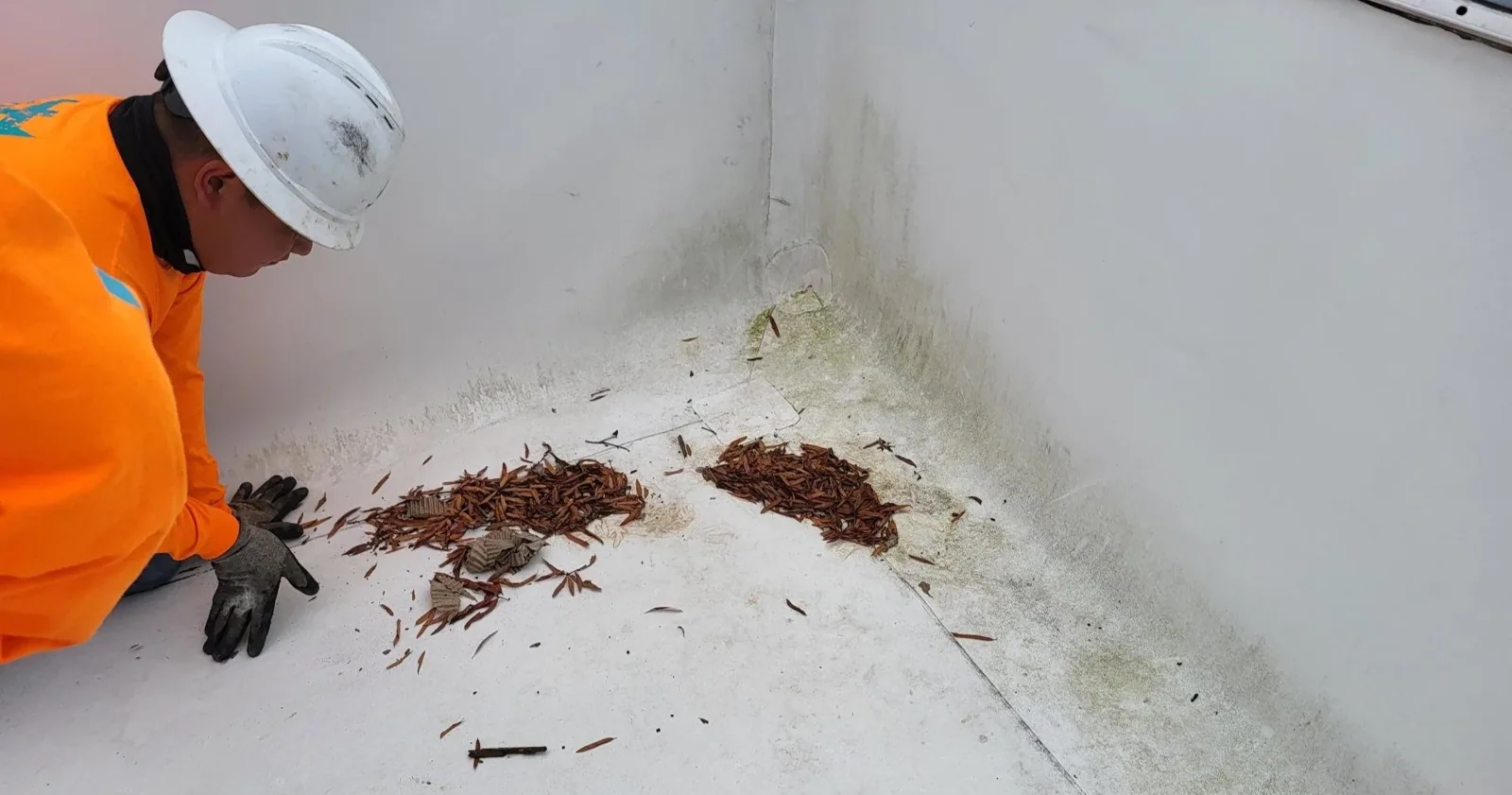
Before handoff, we clear debris and confirm the primary and overflow paths are open. A roof condition report separates completed repairs from future maintenance items.
Request an inspection or comparison for a named community and roof zone. Send roof plans, leak locations, repair records, access rules, resident schedule limits and equipment restrictions. We will map visible defects, identify tests for concealed conditions and price confirmed work with a clear approval point.
Related Roofing Work
Scope a senior living roof zone
Name the community and roof area. Send roof plans, leak reports, prior repairs, access rules, resident schedule limits and equipment restrictions so we can map conditions and price confirmed work.
Questions About Senior Living Roofing
Can roofing repairs proceed above occupied resident rooms?
Work can be planned by roof zone when the access route, room use and repair method allow it. We ask the facility contact to identify quiet periods, resident routes, emergency paths and any rooms needing advance notice. Each open section receives a defined daily closeout and dry-in limit. If the repair reaches insulation or deck, we document the change and review it before extending the work area.
How do you determine whether a leak is above a resident room?
We compare the interior report with roof seams, curbs, penetrations and drains above and upslope. Water can travel beneath the membrane before becoming visible indoors. Photos mark the roof finding, while infrared review or test cuts may help answer a specific question about concealed moisture. The scope identifies what is confirmed and what would need further access or testing.
What should a senior living roof allowance cover?
An allowance should name the concealed condition that activates it, the affected zone, how additional work will be measured and who can approve it. Wet insulation or deck damage cannot be priced as confirmed before the assembly is opened. We photograph exposed materials, secure the area and submit the change for approval before removal continues.
How can we compare proposals for several communities?
Compare matching buildings, roof zones, system details, drainage, edges, access assumptions, temporary protection and closeout evidence. Each proposal should identify schedule limits and exclusions. Shared portfolio rules can be noted, but findings and repair limits stay attached to the inspected building. That lets an asset manager separate immediate repair from planned capital work.
Commercial Roofing Across Roswell and North Fulton
Roof Repair, Replacement and Maintenance for Every Kind of Commercial Building
From Historic Roswell and Canton Street to the Holcomb Bridge Road corridor, GA 400 and the North Point area, we inspect, repair and replace low-slope and metal roofs on offices, retail centers, medical buildings, schools and warehouses.