Medical Office Roofing in Roswell, GA
A loose pipe flashing over an exam room can admit water long before staff see a stain. We trace the penetration, adjacent lap, substrate and drain path before marking the repair zone. A clinic roof also needs an access plan that accounts for patient routes, operating hours and equipment below. Roswell's summer heat, humidity and frequent rain put flashing corners and terminations under regular stress. The inspection record states what is confirmed and what still needs an opening or test.
North Fulton has a substantial medical-office inventory and healthcare campuses, while Roswell's commercial network includes healthcare properties along GA 400 and Holcomb Bridge Road. Johns Creek names healthcare, life sciences and innovation among its target industries. That regional context makes careful coordination useful, but each clinic sets its own access and operating rules. A medical office roof inspection in Roswell starts with the affected building and zone.
Locate the opening without disrupting care
We take the room or corridor report, its timing and any visible ceiling change, then compare it with roof details above and around the area. Water can travel beneath a membrane, so the entry point may sit beyond the interior stain. We inspect seams, curbs, exhausts, plumbing penetrations, drains and transitions. Photos identify each finding by roof zone without including patient information.
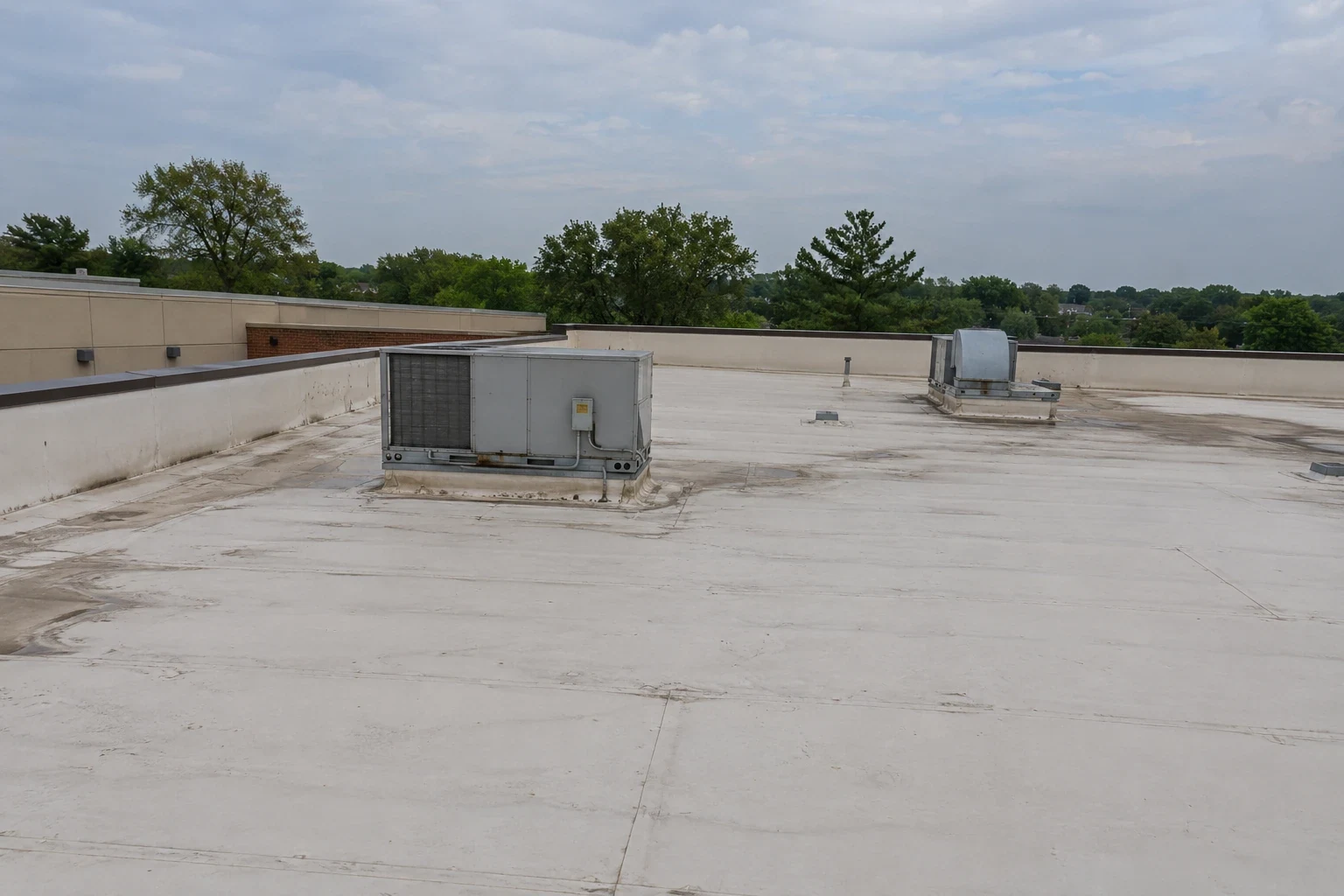
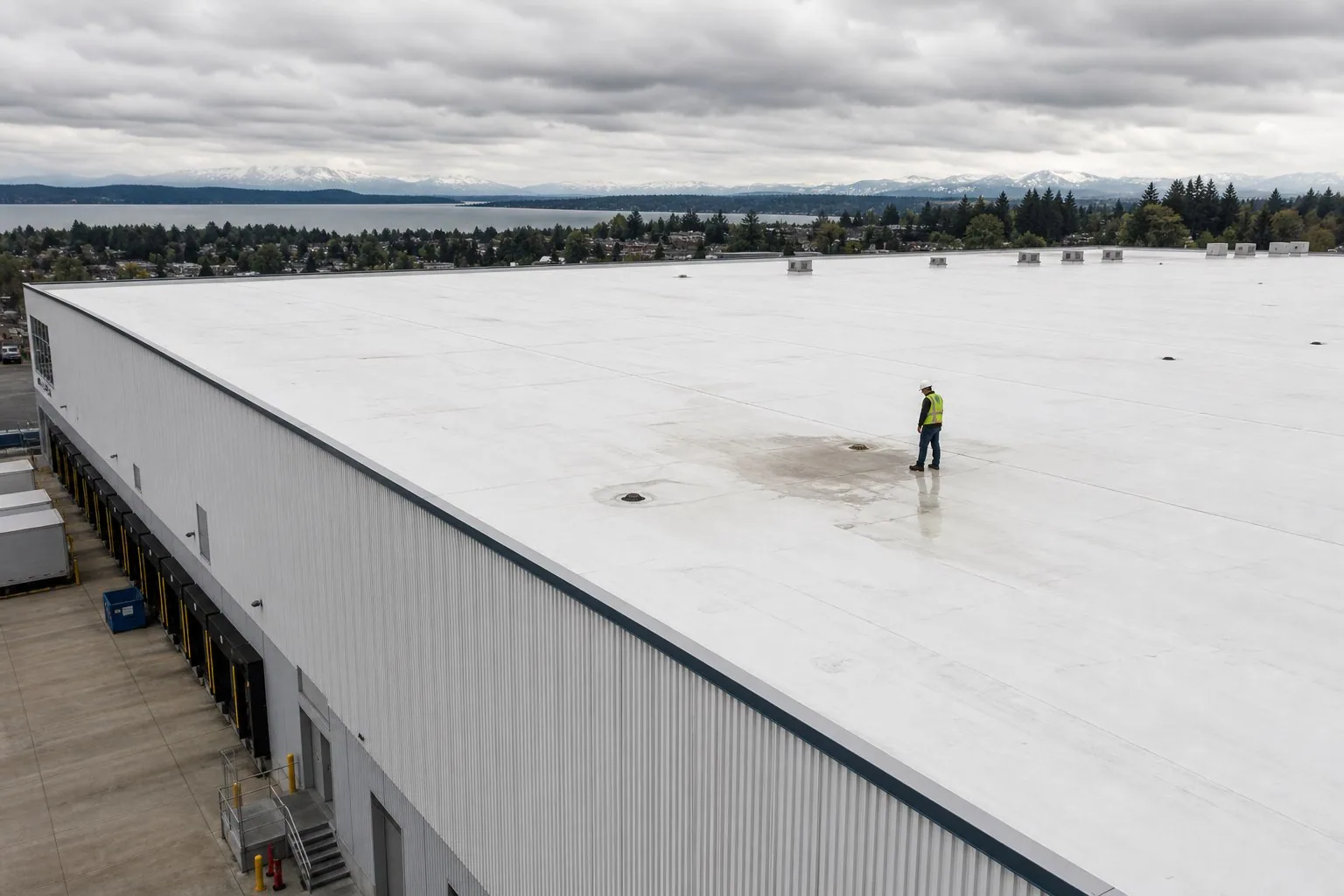
Clinic roofs can carry mechanical units, exhaust fans, medical gas lines and service access points. We inspect exposed flashings and supports but confirm equipment names and restrictions with the facility contact. Around a drain, we check the bowl, overflow, slope and signs of blocked flow. A leak tracing visit compares reported symptoms with roof evidence. If ceilings or equipment restrict access, the report identifies the limit and next step.
Johns Creek identifies healthcare, life sciences and innovation as target industries, and North Fulton has substantial medical-office and healthcare campus inventory. Those regional facts explain why operating controls can matter during roofing work. Each clinic's equipment, roof assembly and patient-area restrictions still come from its own records and inspection.
Plan around patients, staff and building controls
Before work starts, we confirm patient entry points, clinic hours, restricted rooms, roof hatch access, deliveries and any infection-control or noise procedures provided by the facility. The manager names the person who can coordinate notices and approve an access change. We map the work zone to the rooms below, protect openings where required and keep emergency routes clear.
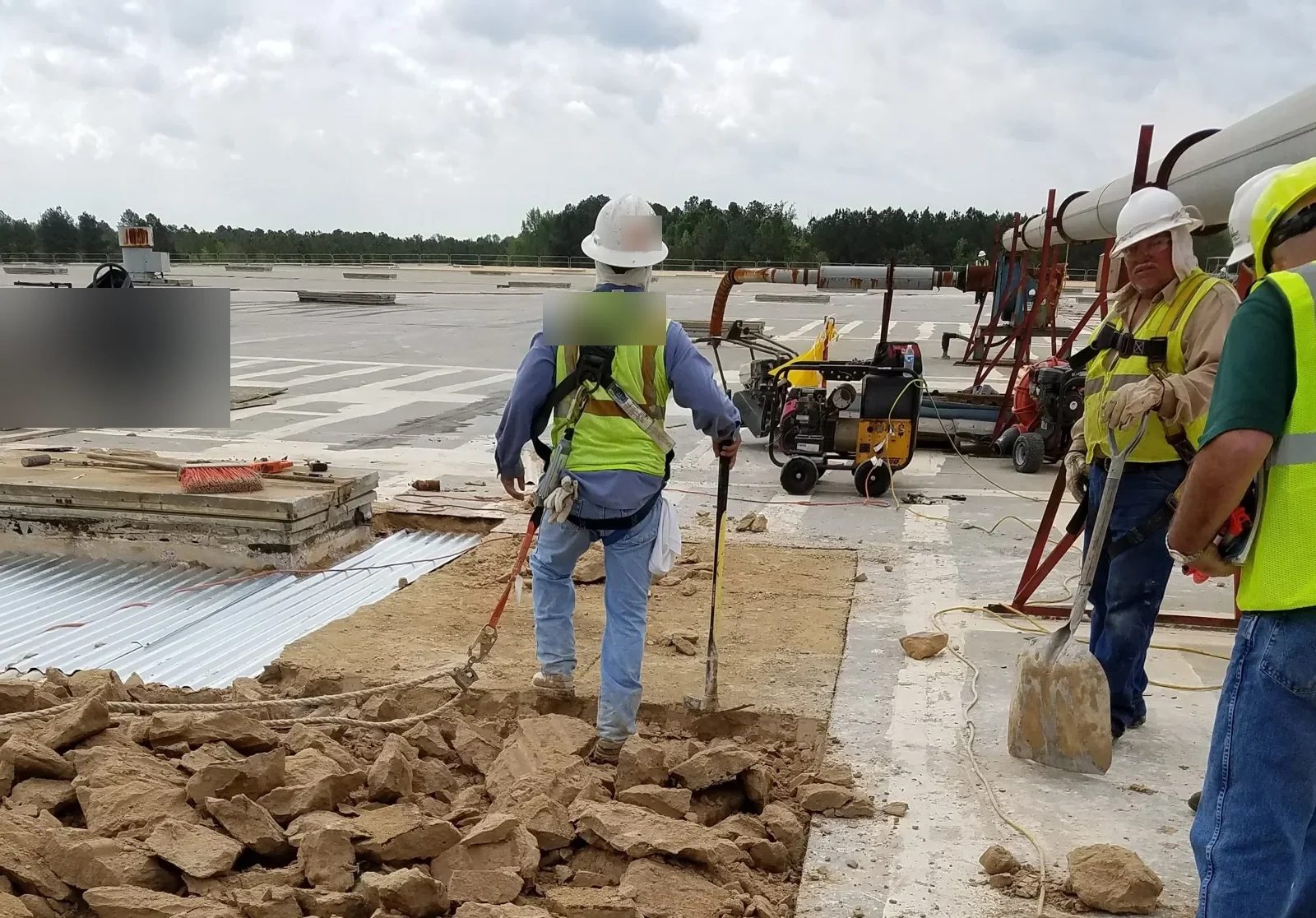
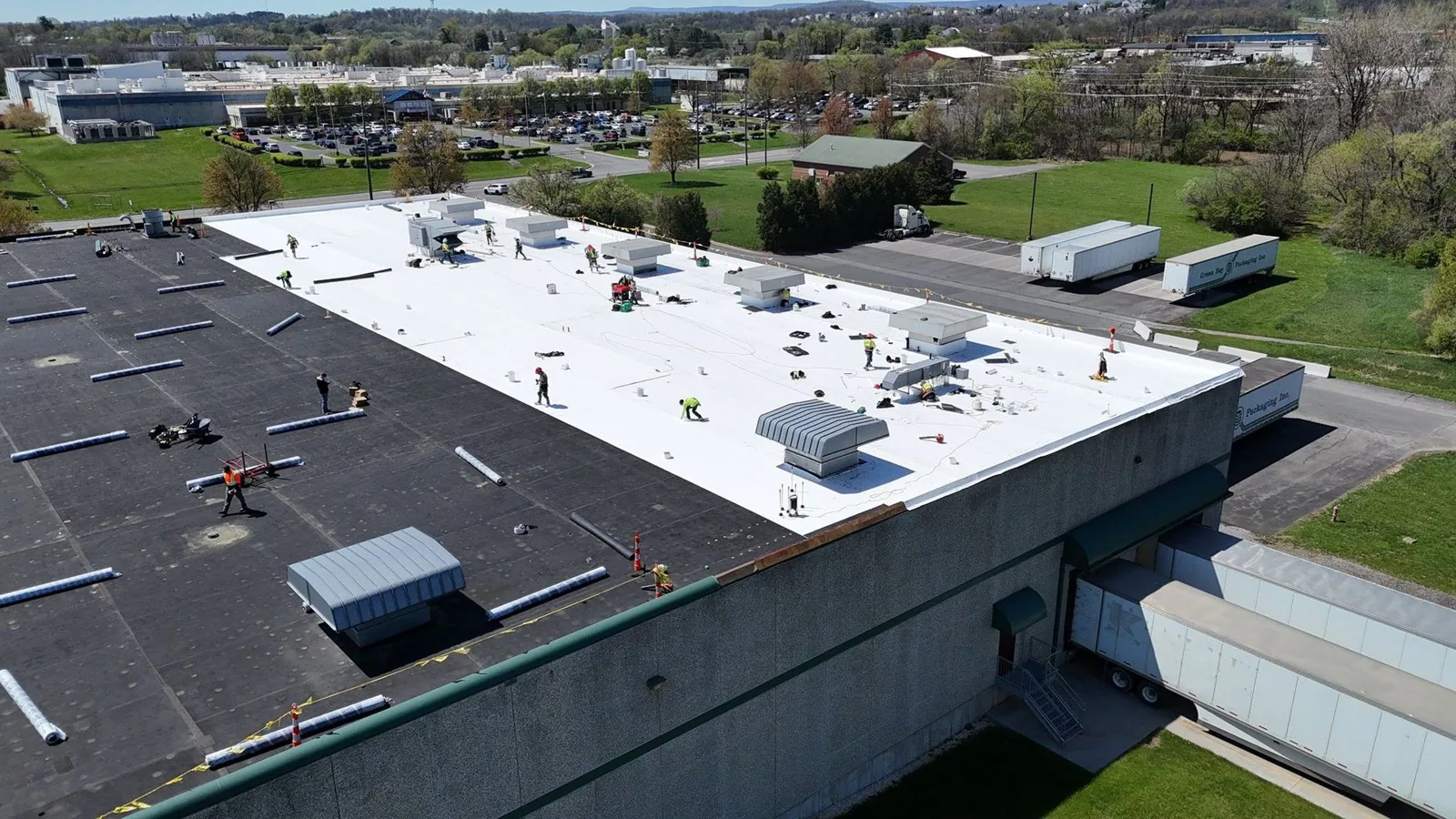
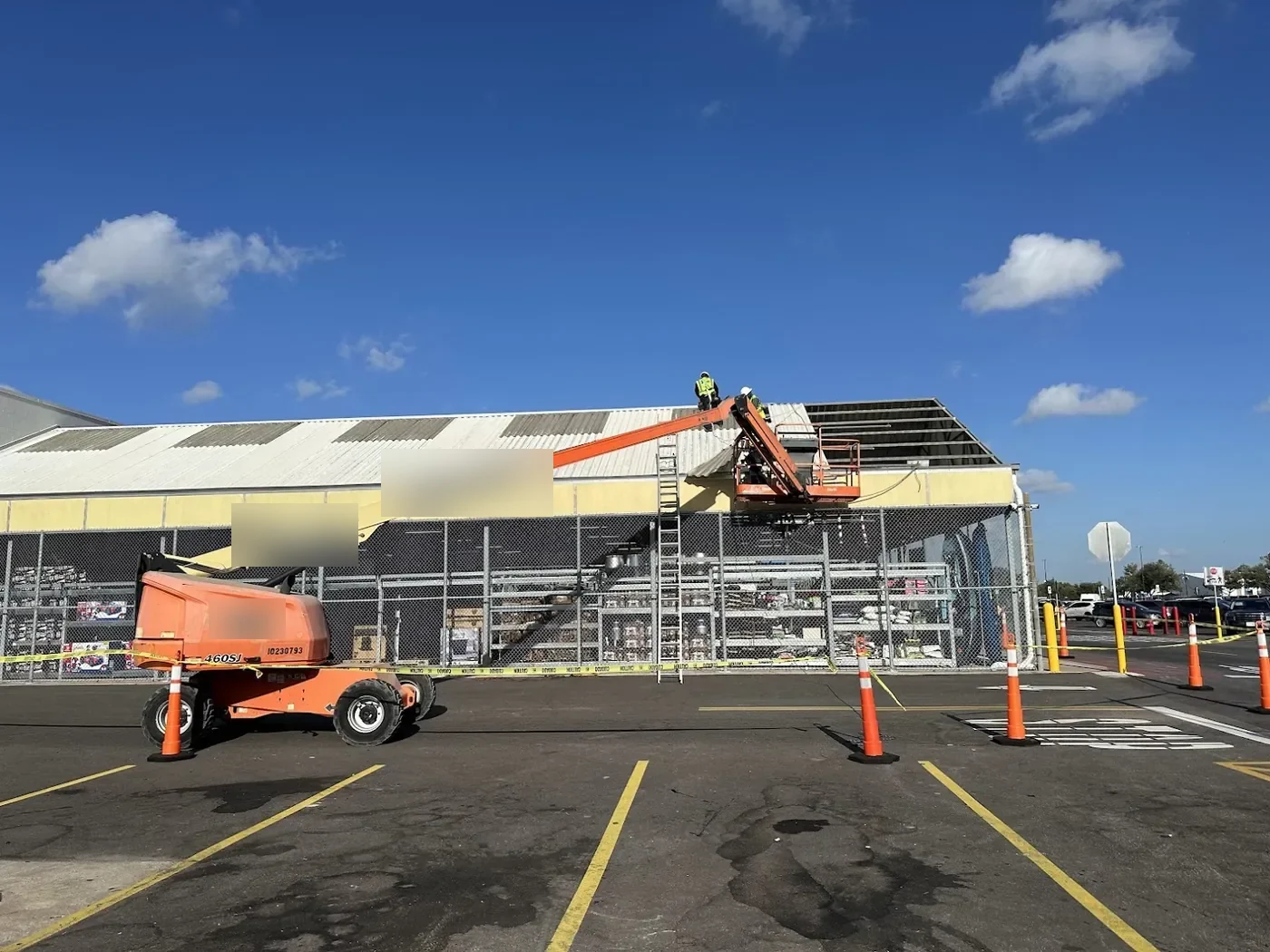
For replacement, the sequence identifies removal limits, temporary dry-in and daily tie-ins. We coordinate equipment interruptions before reaching a curb or intake. If removal exposes moisture or a deteriorated deck, we send photographs and measurements to the authorized contact. The opening is secured while the manager reviews the added price and extent. Phased occupied-building reroofing can separate work periods by wing or roof area.
Roswell's 640-acre Historic District is subject to exterior design review for applicable changes. A medical office there may need the owner to coordinate roof details with the relevant review process. We identify visible materials and scope impacts; the owner confirms property-specific requirements. This early check can affect product choice, submittal timing and schedule.
Match the repair to the roof layers
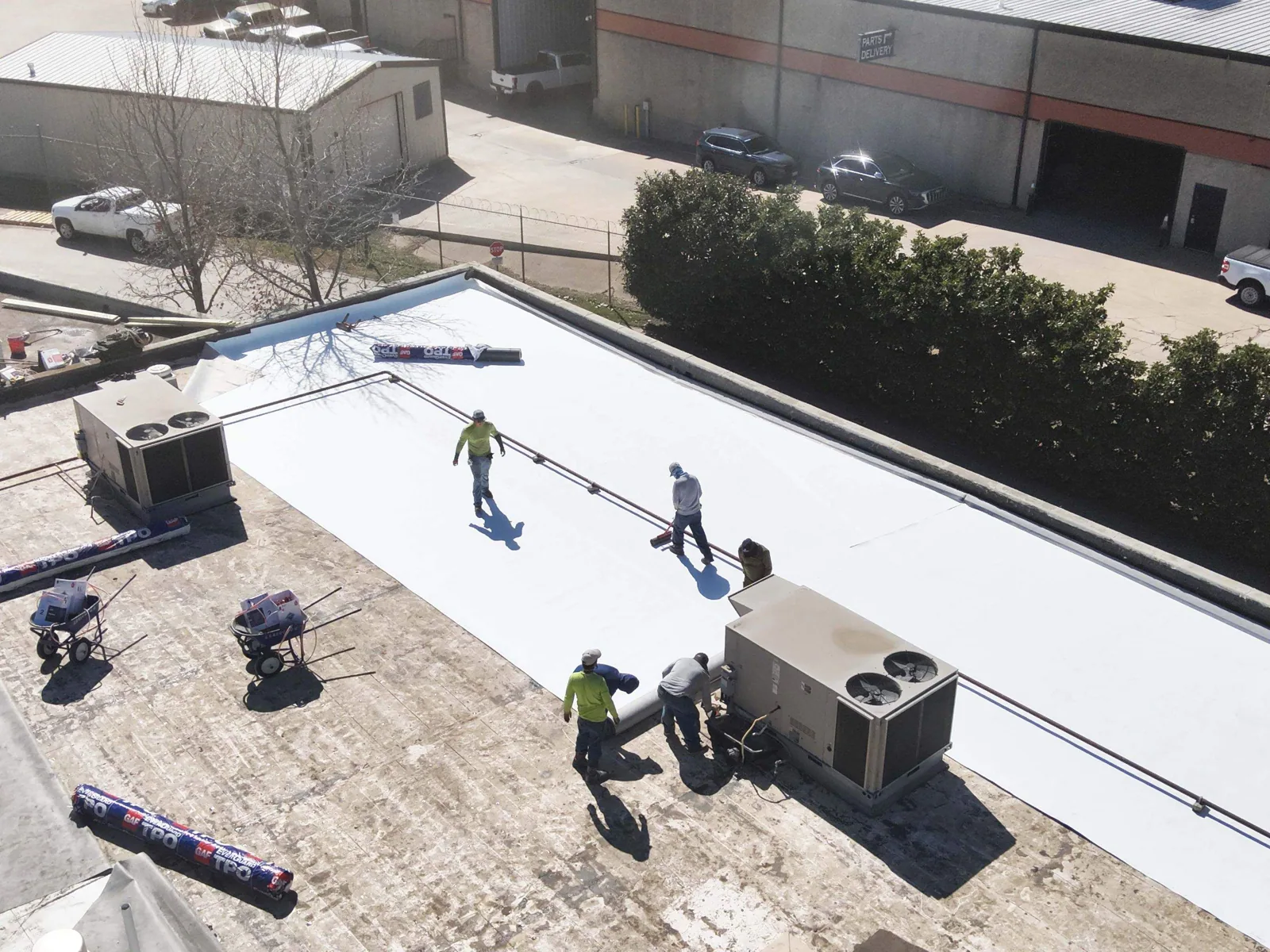
A local patch needs compatible membrane and sound material around its lap. We check attachment, surface condition and the substrate before setting the patch size. If moisture extends into insulation or the deck, the repair boundary moves to dry and stable material. Infrared scanning or test cuts can help answer whether the affected area is wider, and we state the limits of each method.
Roof type cannot be assumed from clinic use. TPO, PVC, EPDM, KEE, modified bitumen, built-up and metal systems require different seams and flashing. Coatings need suitable adhesion, moisture conditions and drainage. We identify the roof present and compare options against its condition. A scoped roof repair names locations, preparation, materials and closeout evidence. A recover assessment or replacement proposal can be compared when the inspection supports broader work.
Cost depends on repair count, access, equipment coordination, material compatibility, removal layers, wet insulation and deck condition. Schedule depends on clinic hours, material lead time, weather and approval turnaround. We identify costs for confirmed work separately from allowances. The facility knows which items are approved before a crew opens another zone.
Keep the roof secure through changing weather
Roswell's humid summer conditions and frequent warm-season rain can narrow the time available for adhesive or coating installation. We confirm the surface is suitable, protect each exposed area and maintain open drain paths. If rain approaches before a seam is ready, the crew closes the work at a stable boundary or holds the next zone. A wet substrate is not closed over as though it were dry.
North Georgia also experiences severe thunderstorms, damaging wind, hail and tornadoes. A regional alert is not proof of damage at a particular clinic. After a reported event, we check for visible punctures, lifted metal, open seams and damaged flashing, then photograph findings. Around-the-clock emergency response is available every day, including holidays, when an opening needs immediate attention.
Work timing can shift when safe access, dry-in or patient routing changes. We tell the named contact which area is affected, the protection in place and what must be approved before work resumes. Emergency access, interior protection and temporary covers should be agreed before the roof scope begins.
Leave a record the clinic can use
Closeout photos cover repaired seams, penetrations, curbs, drains and terminations. The record lists the building, roof zone, materials, work completed, approvals and any concealed condition left open. We note details that need another look after rain or equipment service. The facility can retain the report with maintenance records without including patient information.
A roof condition report separates confirmed repairs from recommended tests and maintenance. Hospital roof planning may share the need to preserve care operations, but a hospital campus has different departments, emergency routes and building controls. Office roof scopes also involve tenant schedules, while clinic access needs its own limits.
Request an inspection or scoped comparison for a named clinic and roof zone. Send roof plans, leak locations, clinic hours, access rules, equipment restrictions and prior repairs. We will document accessible details, define the repair limit and identify approval points for concealed conditions.
Related Roofing Work
Inspect a medical office roof zone
Send roof plans, leak locations, clinic hours, access rules, equipment restrictions and repair records. Name the building and zone so we can coordinate a focused inspection.
Questions About Medical Office Roofing
Can roof repairs be scheduled outside patient hours?
We can plan work windows around clinic hours when access, weather and the repair method allow it. The facility identifies patient routes, restricted rooms, quiet periods and notice procedures. A larger scope may use separate zones or approved weekend periods. The schedule includes temporary protection and the contact who can authorize a change.
What should we do with a ceiling leak over a treatment room?
Protect the room and report the location and timing to the facility contact. We compare that information with roof penetrations, curbs, seams and drainage above the room. The visible stain may not align with the opening. We document the roof evidence and any access limits, then recommend a targeted repair or test based on what is confirmed.
Will a clinic need to shut down mechanical equipment?
A shutdown is needed only when the work reaches a unit, intake, exhaust or service area that cannot remain active safely. We identify the affected equipment and coordinate a window with the facility's mechanical contact. The scope records shutdown assumptions and any access restriction. Systems outside the work zone can follow the clinic's operating plan.
Which information helps price a clinic roof repair?
Send roof plans, system records, leak locations, prior repairs, access controls, clinic hours and equipment restrictions. Identify whether ceiling access or interior protection is limited. We can then define the inspection area and separate confirmed work from any test or allowance needed for concealed layers.
Commercial Roofing Across Roswell and North Fulton
Roof Repair, Replacement and Maintenance for Every Kind of Commercial Building
From Historic Roswell and Canton Street to the Holcomb Bridge Road corridor, GA 400 and the North Point area, we inspect, repair and replace low-slope and metal roofs on offices, retail centers, medical buildings, schools and warehouses.