Self-Storage Roofing in Roswell, GA
A puncture over a storage corridor can wet units before a tenant reports a ceiling mark. We locate the opening, follow the water path and check the membrane, insulation and deck before setting a repair limit. Unit access and tenant notices also affect how the roof zone can be inspected. Roswell's hot, humid summers and frequent warm-season rain put drains, laps and penetrations under stress. The finding must connect a roof defect to the area below without treating every unit as affected.
Old Alabama Road is a multi-segment Roswell transportation corridor connecting the eastern side with the Holcomb Bridge Road and GA 400 network. That context helps plan service arrival, while each property's gate and loading rules determine access. A roof assessment near Old Alabama Road starts with the facility's actual leak map and operating instructions.
Map the reported unit to a roof zone
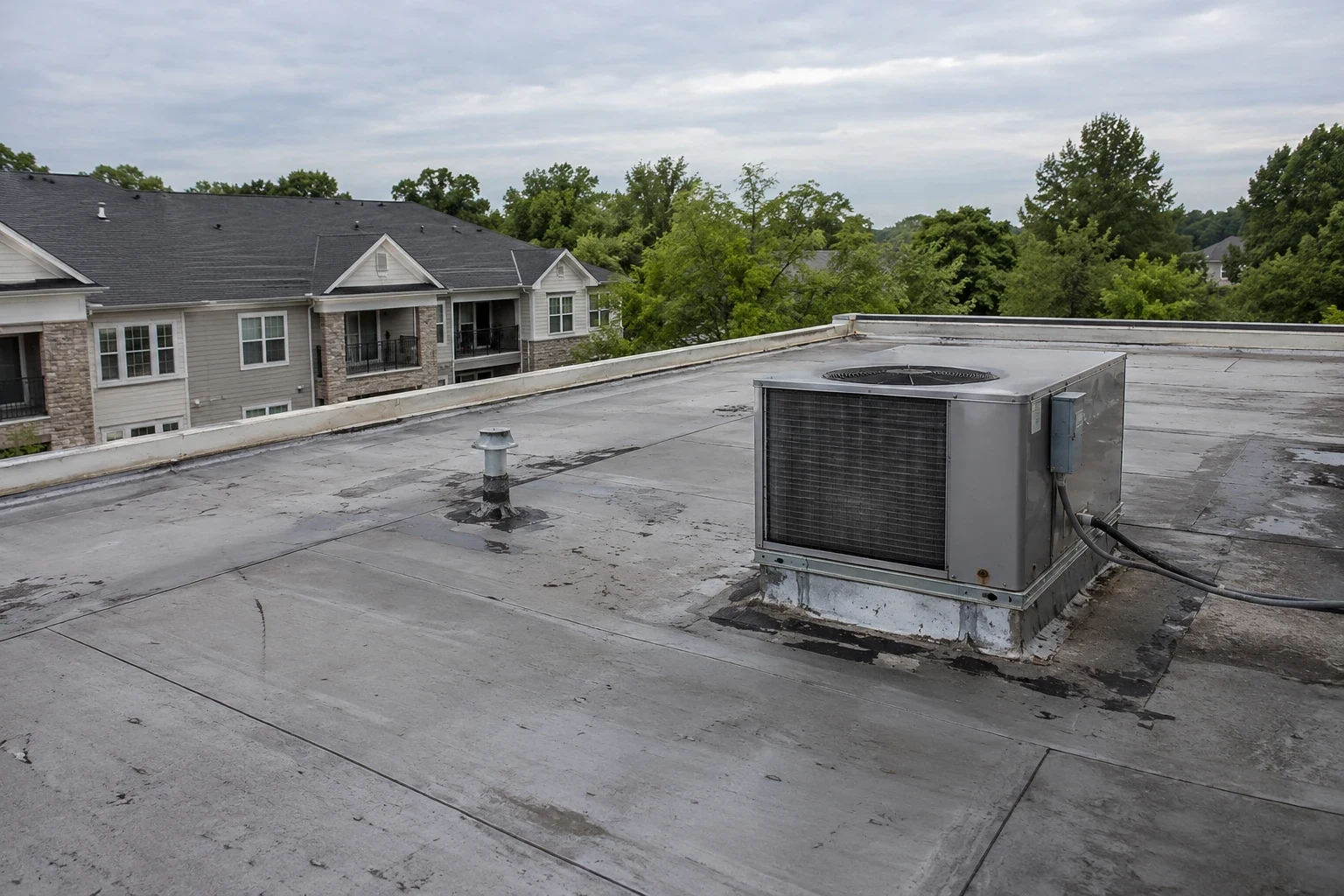
A tenant report gives a time, unit or corridor, not a confirmed roof opening. We compare that report with roof details above and upslope. Seams, parapets, rooftop equipment, skylights and drain bowls can all change the water path. We photograph the defect beside a fixed reference and mark which storage row or common area sits below. If access to a unit is restricted, the inspection notes that limit.
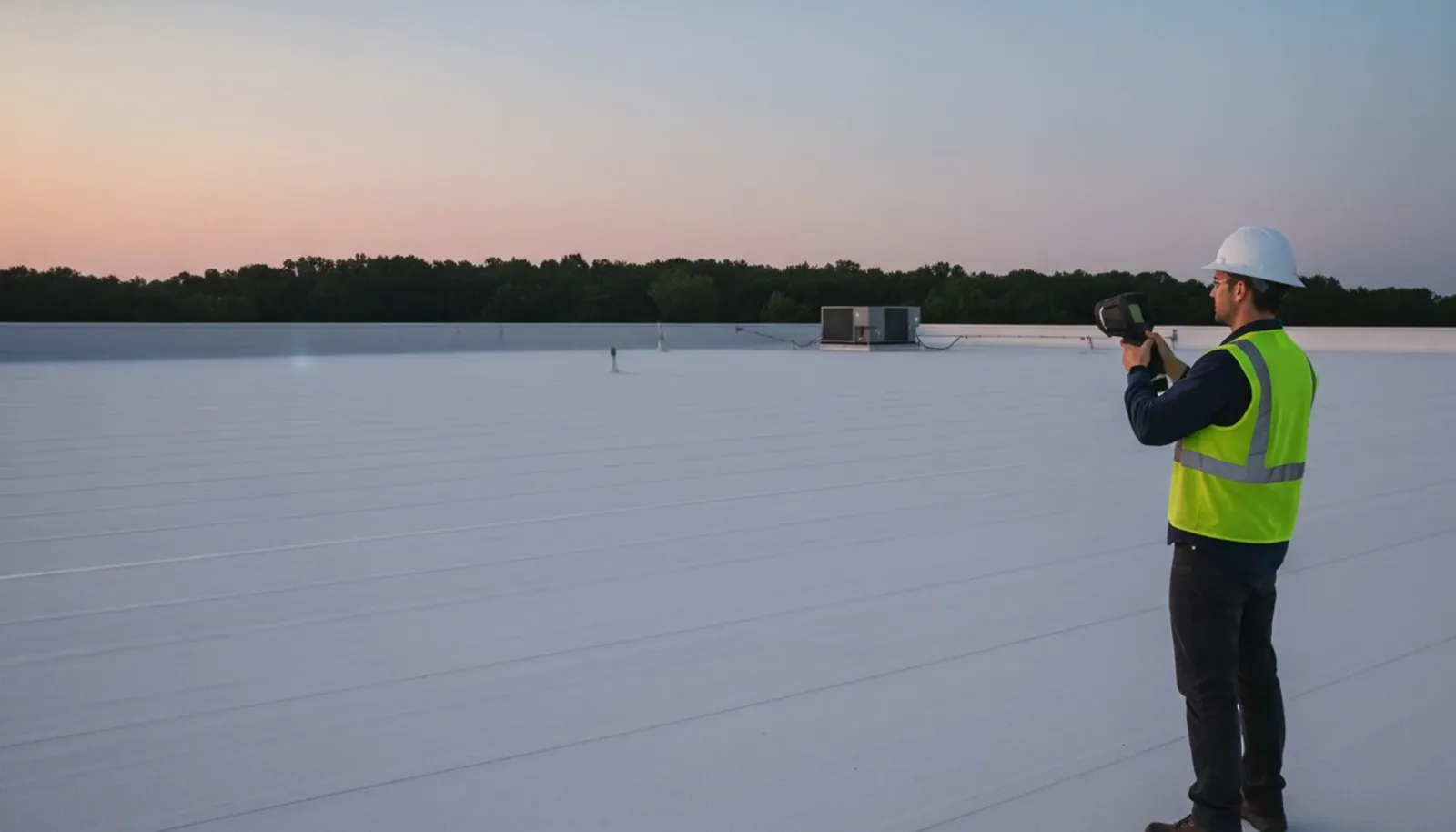
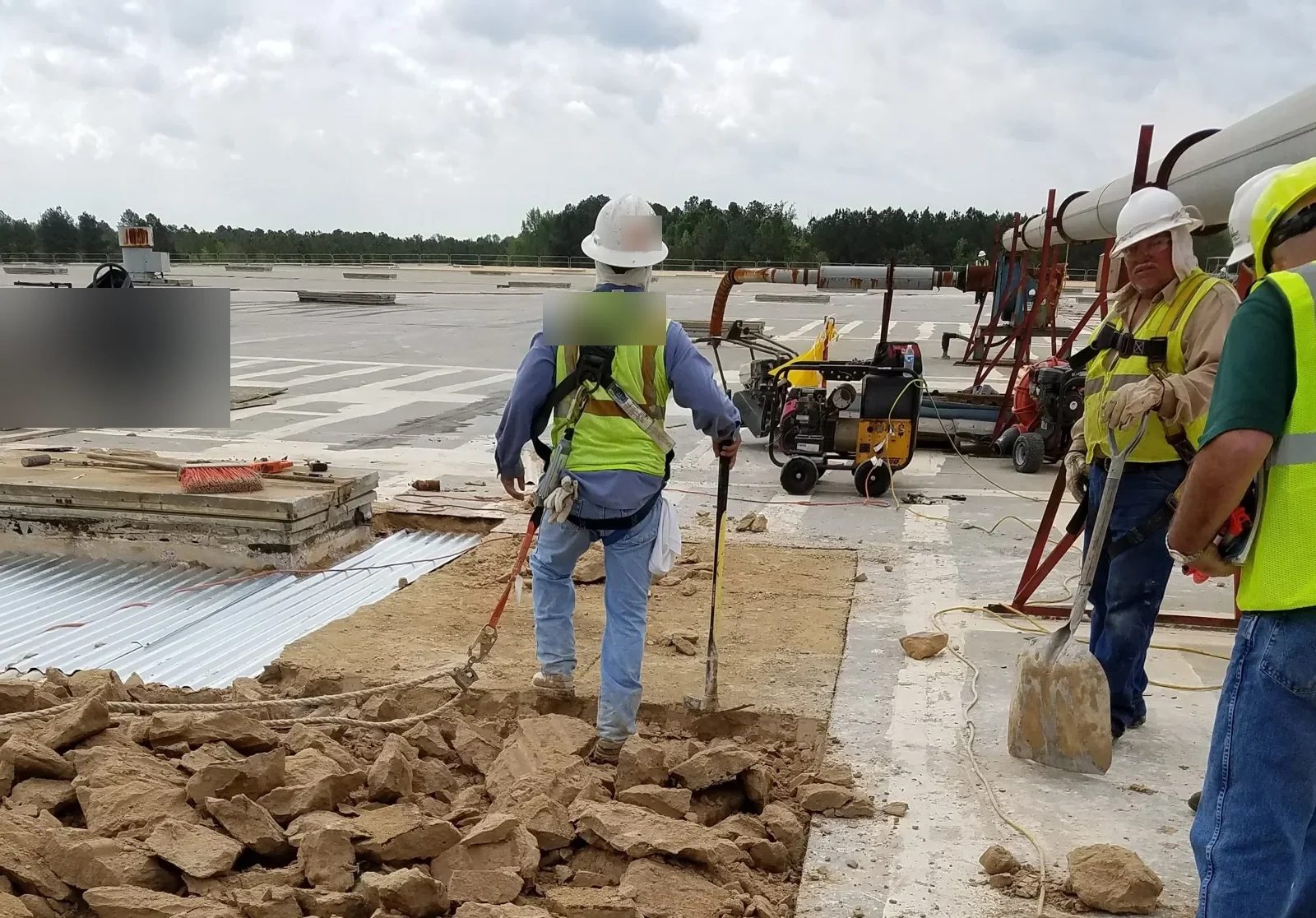
Water can travel between deck flutes or beneath insulation before it shows inside. The first visible damp area may therefore sit away from the entry. We look at the lap, curb corner and substrate around the reported zone, then check whether moisture crosses a divider or stops at a dry boundary. A moisture survey may help map likely wet areas; test cuts confirm layers where access and approval permit them.
At GA 400 and Holcomb Bridge Road, more than 70,000 vehicles pass daily on this key Roswell route. We schedule equipment delivery around customer traffic and gate controls.
Protect customer access during repairs
Before work, the manager identifies occupied units, office hours, gate controls, truck circulation and access needed by tenants. We ask which corridors must stay open and whether notices or escorts are required. The roof map pairs each work zone with the units below it. That gives the manager a defined area for notices instead of a property-wide disruption.
A repair over occupied units can use smaller work areas when the condition allows. We keep material staging clear of customer vehicles, close each roof section at a stable termination and coordinate any interior checks. If a test opening is needed, the authorized manager helps arrange access and notice. Phased roofing for occupied properties can sequence removal around gate hours and unit access.
Storage sites may have separate structures and drainage paths. We label each building, roof zone, units checked and access not granted. A leak in one row does not establish a condition elsewhere.
Choose a repair that suits the assembly
Storage use does not tell us whether a roof is TPO, EPDM, modified bitumen, built-up, metal or coated. We identify the system, attachment and visible substrate at inspection. A thermoplastic seam needs different preparation than an EPDM lap or panel joint. A patch placed over loose or damp material may cover the symptom while moisture continues below.
We check prior patches, penetrations, curbs and terminations. If the surrounding membrane is attached and dry, a local repair may be appropriate. Wet insulation, a soft deck or recurring openings can move the repair boundary. A EPDM roof review or metal roof assessment identifies the material and detail before we propose a tie-in.
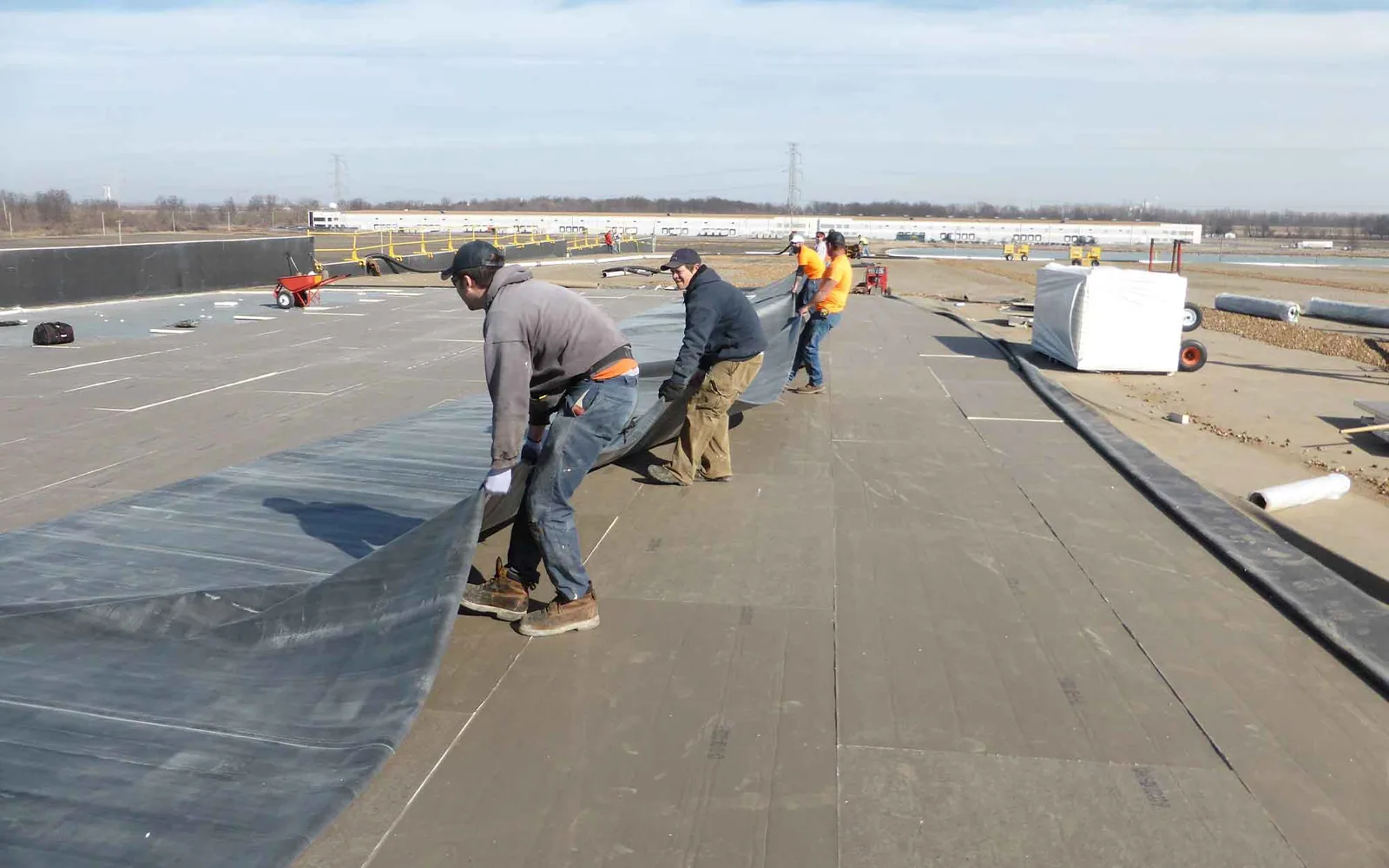
Recovery depends on existing layers, deck and attachment. Replacement may fit when the assembly cannot accept local repair. The scope lists removal, edges, drains and concealed-condition approvals.
Keep wet layers and stored goods in view
Warm-season rain can find an open seam or blocked drain quickly. We inspect the primary outlet, overflow, slope and nearby laps together. Before removal, the manager identifies units that need extra protection below. Each day ends with a closed roof section, clear drain paths and a record of any temporary measure.
Georgia storm monitoring includes damaging gusts, hail and tornado activity across the Atlanta region and nearby counties. A regional event does not prove damage at this property. After a reported storm, we inspect reachable seams, edge metal, penetrations and exposed panels. Emergency response is available at any hour, holidays included, for an opening needing immediate cover. We identify the affected zone and next inspection step.
Roswell's humid heat can leave moisture concealed after surface water disappears. If a scan or test cut would answer that question, we state its purpose, access needs and limits. Unit contents are handled only under the facility's direction.
Price the defined zones and access plan
Repair cost changes with defect count, material compatibility, gate access, staging, removal and confirmed insulation or deck damage. The proposal lists each roof zone, the preparation needed, drains, edges, interior protection and closeout photos. Exclusions and access assumptions are visible. A concealed-condition allowance is separate from confirmed repair work.
Timing depends on material availability, weather, tenant notices, unit access and the number of buildings. We identify work hours, daily stopping points and the contact who can approve a change. Compare bids against the same zones and unit protections. A multi-site roof program can track separate buildings while preserving a distinct condition record for each one.
Roswell's east-west connection relies heavily on Holcomb Bridge Road, with planned Big Creek Parkway connections improving area circulation. We verify current access conditions with the property contact before scheduling lifts or delivery vehicles. Road plans do not replace a gate or traffic plan for the site.
Tie every repair to a building record
Closeout photos show the repaired seam, curb, penetration, drain and transition. The record names the structure, roof zone, materials, work completed, approvals and any concealed limit. We note whether interior access was available and what units or corridors staff should monitor after rain. Before handoff, we clear debris and confirm drainage paths.
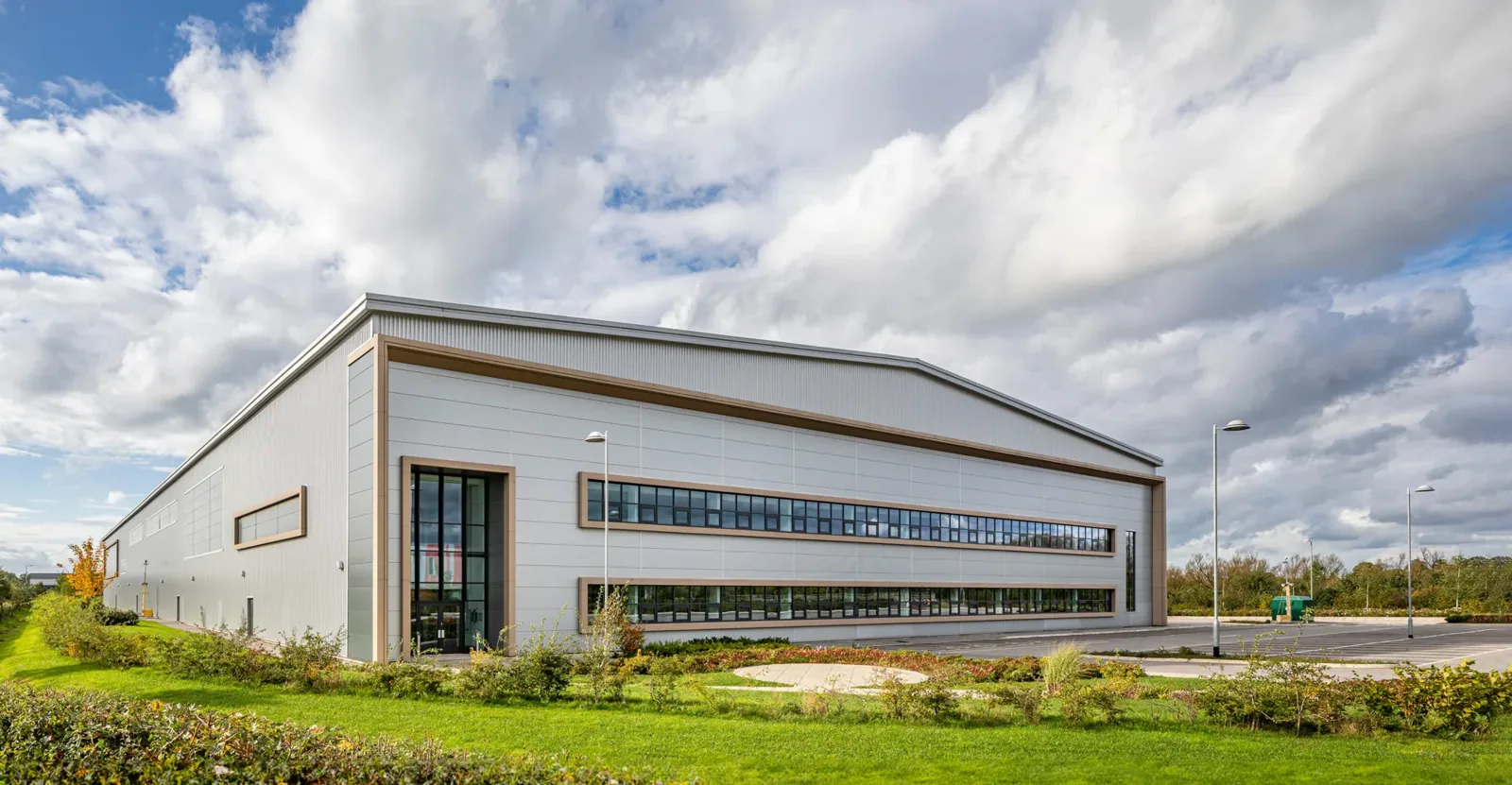
Self-storage portfolios can include warehouse properties or distribution buildings, but their access patterns and roof conditions need separate review. A condition report gives managers a clear record for the next maintenance cycle.
Request an inspection or scoped comparison for a named storage building and roof zone. Send roof plans, reported units, tenant access rules, gate hours, prior repairs and emergency contacts. We will map findings, state what is confirmed and separate repairs from any testing or allowance that requires approval.
Related Roofing Work
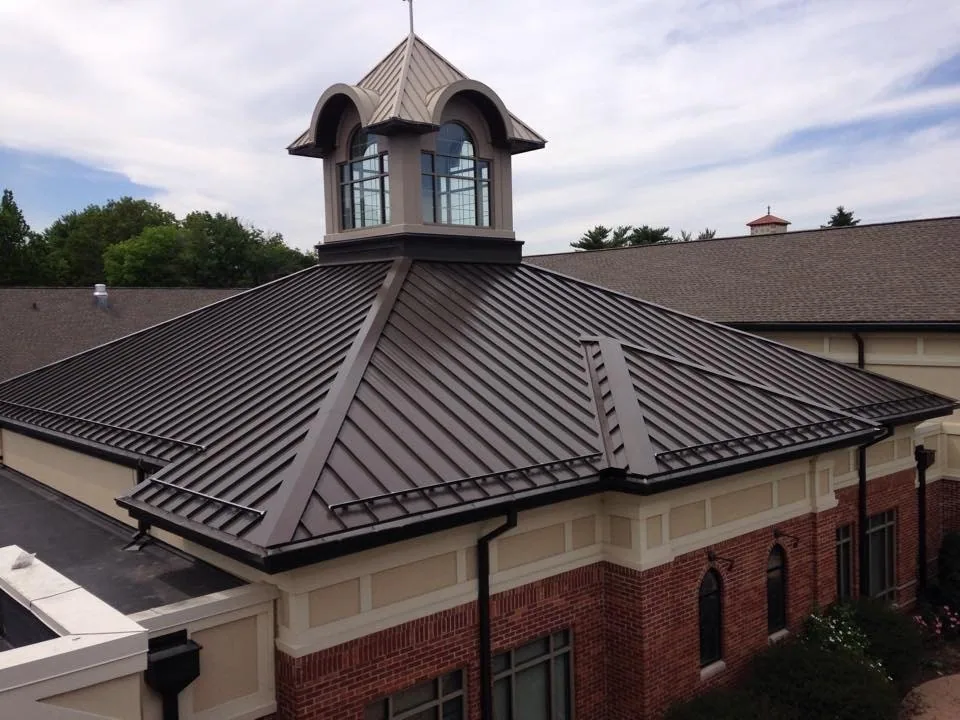
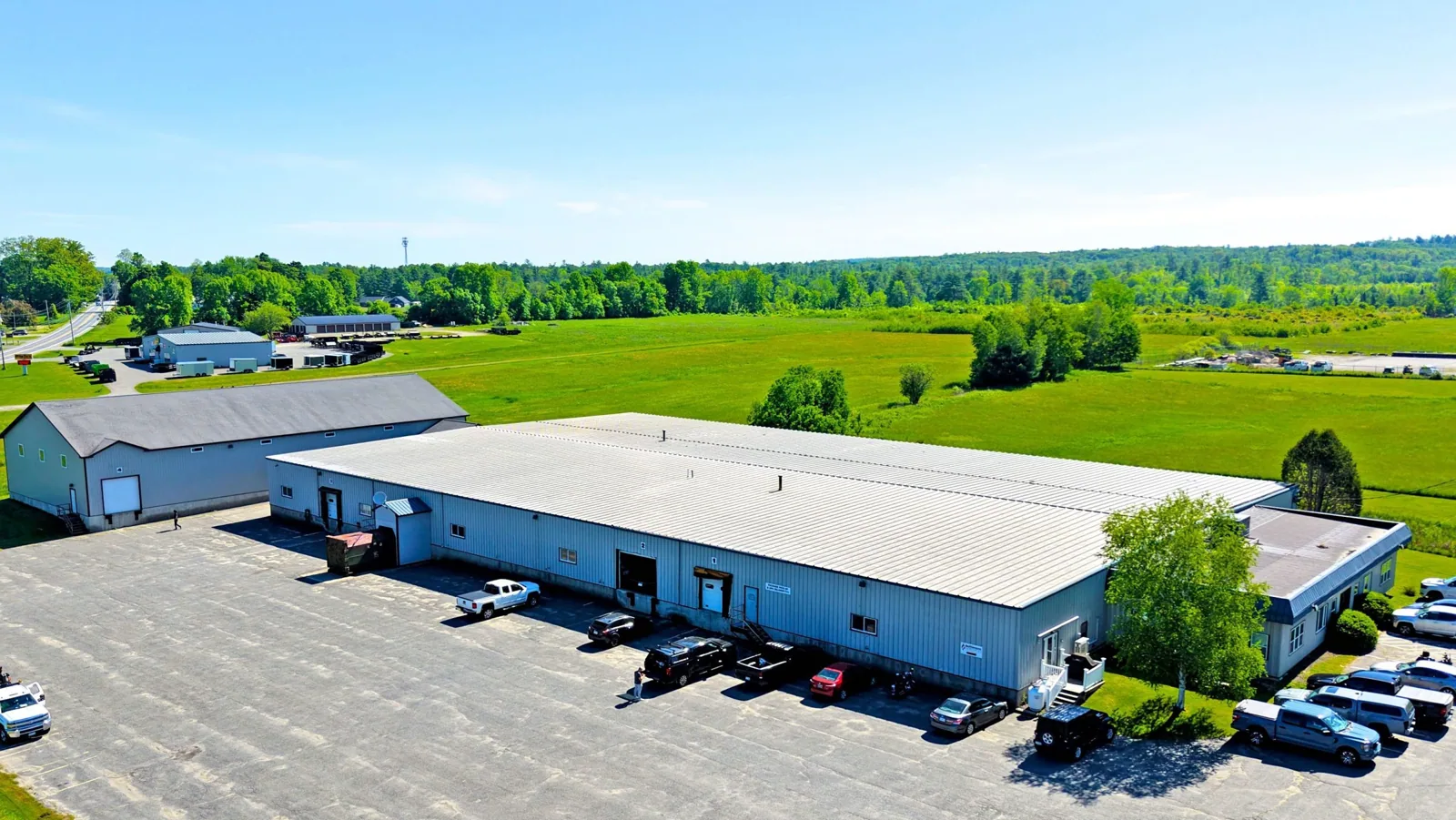
Map a storage roof repair
Name the building and roof zone. Send the unit or corridor reports, plans, access hours, gate rules, prior repairs and site contact so we can plan inspection and tenant protection.
Questions About Self-Storage Roofing
Will repairs require tenants to clear their storage units?
Only when the inspection method or repair area requires interior access or protection. We map the roof zone to the units below and identify which spaces need notice. The manager directs tenant communications and access. If a test opening is useful, the scope explains its location and purpose before access is arranged.
How can we tell whether a leak affects several units?
A roof map and interior reports provide the starting points. We inspect seams, penetrations, drains and the substrate above each reported area, then check whether moisture crosses a dry boundary. A thermal scan can indicate likely wet areas, while test cuts confirm material conditions at selected points. The report names confirmed areas and any access still needed.
Can a roof be repaired while customers use the facility?
Work can be staged while the facility operates if roof access, truck movement and the area below remain controlled. We agree on gate hours, delivery routes, customer parking, notices and restricted corridors with the manager. A large scope may move by building or roof zone. Each shift closes at a secure edge, and changes receive approval before crews extend the work.
What belongs in a self-storage roof proposal?
The proposal should identify each building, roof zone, leak location, materials, drainage work, access limits, staging, unit protections and closeout records. It should separate confirmed repairs from testing and concealed-condition allowances. For multiple properties, keep each building's findings distinct. That gives the manager a usable record instead of one broad scope that hides which areas were inspected.
Commercial Roofing Across Roswell and North Fulton
Roof Repair, Replacement and Maintenance for Every Kind of Commercial Building
From Historic Roswell and Canton Street to the Holcomb Bridge Road corridor, GA 400 and the North Point area, we inspect, repair and replace low-slope and metal roofs on offices, retail centers, medical buildings, schools and warehouses.