Auto Dealership Roofing in Roswell, GA
A loose curb flashing above a service bay can let water reach lifts, tools or vehicles below. We inspect the curb, adjacent seams and drain path before setting a repair boundary. Dealership work also needs protected parking, controlled lift access and a sequence around customer appointments. Roswell's humid summer heat and frequent rain test rooftop details during busy operating hours. We document what is confirmed and mark any concealed condition that could change the scope.
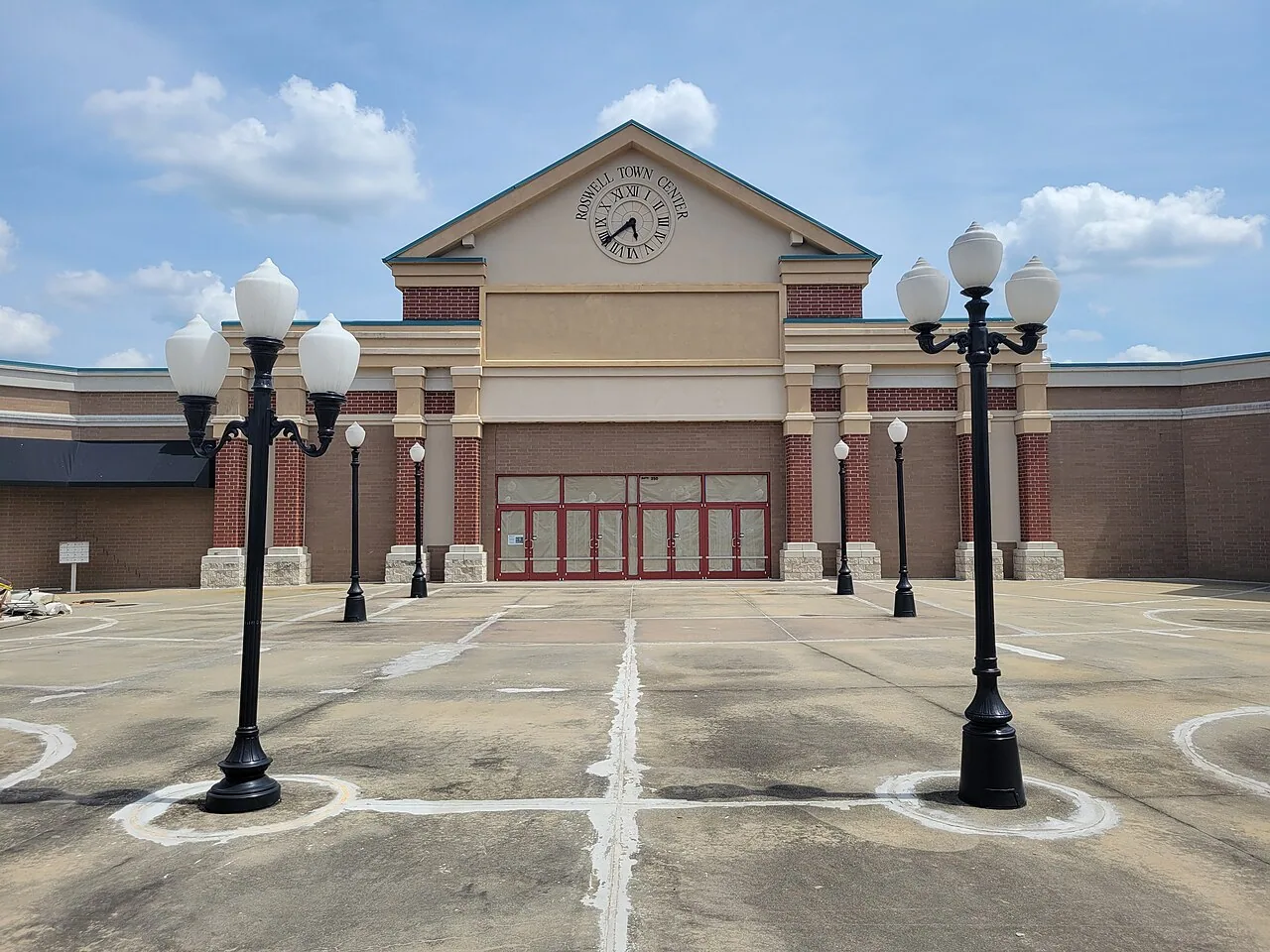
Roswell Town Center and the Atlanta Street Corridor sit within the city's broader framework for land use, transportation and economic investment. Holcomb Bridge Road is the city's only GA 400 interchange. Those commercial routes help frame delivery planning, while each dealership's lot and service entrance need a separate access review. A dealership roof review near Town Center starts with the actual building and work area.
Trace water above the service lane
A drip near a vehicle bay may begin at a roof curb, skylight, exhaust or seam some distance away. We note the affected work area and inspect above and upslope. Water can track along the deck before it appears indoors, so the visible spot does not set the repair edge. Photos connect each roof defect to a fixed grid or bay reference.
Showrooms, parts rooms and repair bays may occupy different roof sections. We identify the assembly at each zone rather than assuming one roof system throughout. At drains, we inspect the bowl, overflow and surrounding membrane for debris, open flashing or ponding. A leak tracing visit can compare the report with roof evidence and define any test needed to check concealed moisture.
Holcomb Bridge Road carries more than 70,000 vehicles per day where it meets GA 400. For dealership operations, the property manager can separate material delivery from customer circulation and vehicle transfer. We confirm the current route and access hours before bringing lifts or roofing materials onto the site.
Keep vehicles and service operations clear
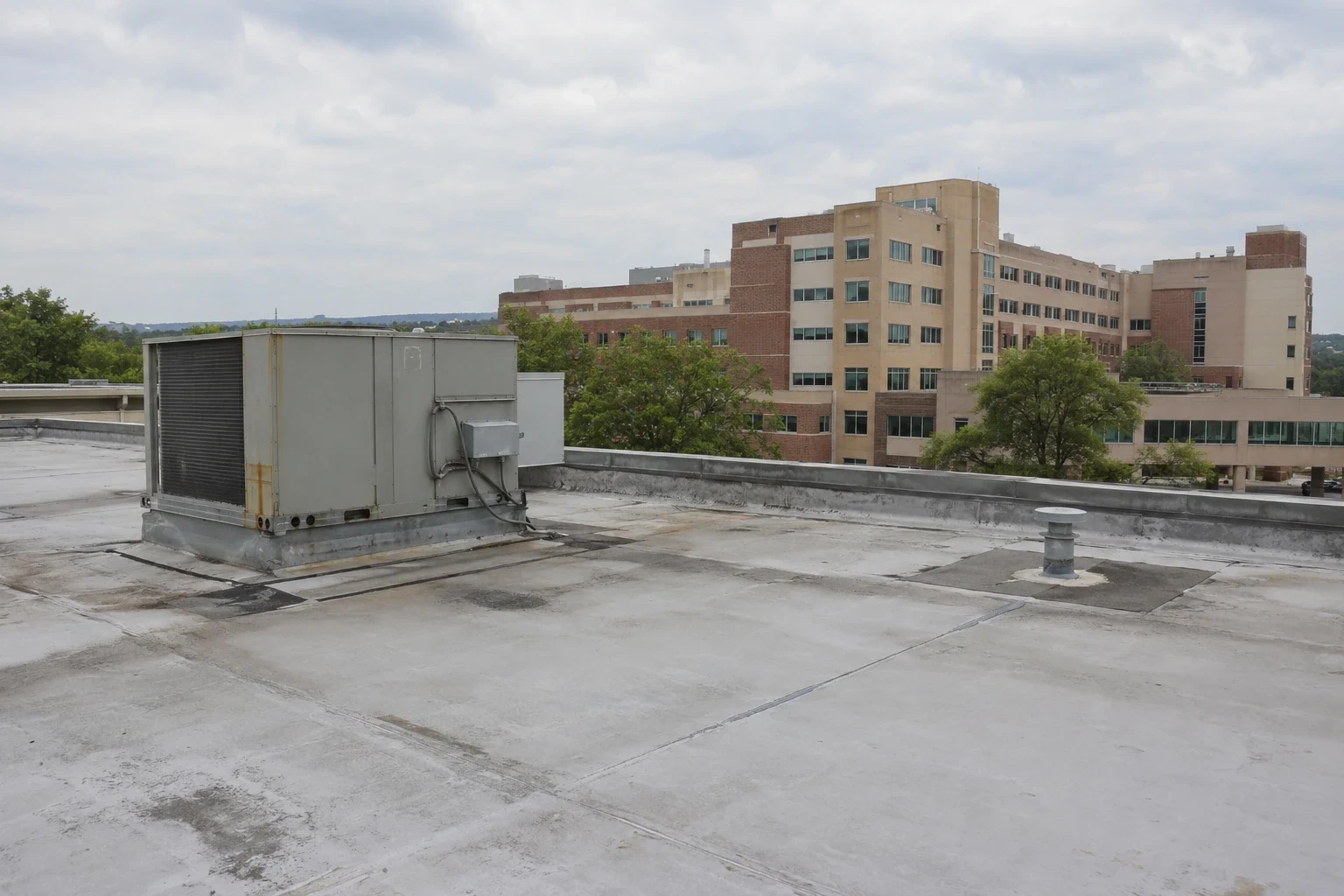
Before staging, the site contact identifies customer parking, inventory rows, service doors, parts deliveries, lifts and outdoor work areas. We mark a buffer below the roof zone and set a route for tools and removed materials. The dealership confirms which vehicles can be moved and who controls each area. Roof access and service-bay access are planned together, not left to the day work begins.
Some repairs can proceed above one bay while nearby areas continue operating. The work sequence identifies noise periods, equipment interruptions, debris handling and temporary interior protection. If removal exposes wet insulation or a damaged deck, we pause at a stable termination, photograph what is open and obtain approval before extending the zone. Phased roof work for occupied buildings can keep service interruptions tied to a named area.
Roswell lists a dedicated study for the Town Center and Atlanta Street corridor. That broad commercial setting is useful for planning a site visit; it does not identify any individual dealership or its roof condition. We use the property's own access map and operating instructions to coordinate work.
Check the roof before selecting materials
A showroom roof can use thermoplastic or rubber membrane, asphalt-based roofing, metal panels or a coating. We identify the material, attachment, insulation and deck before choosing a method. Welded seams, bonded laps and panel joints call for different preparation. Any patch needs a compatible, dry surface at the tie-in.
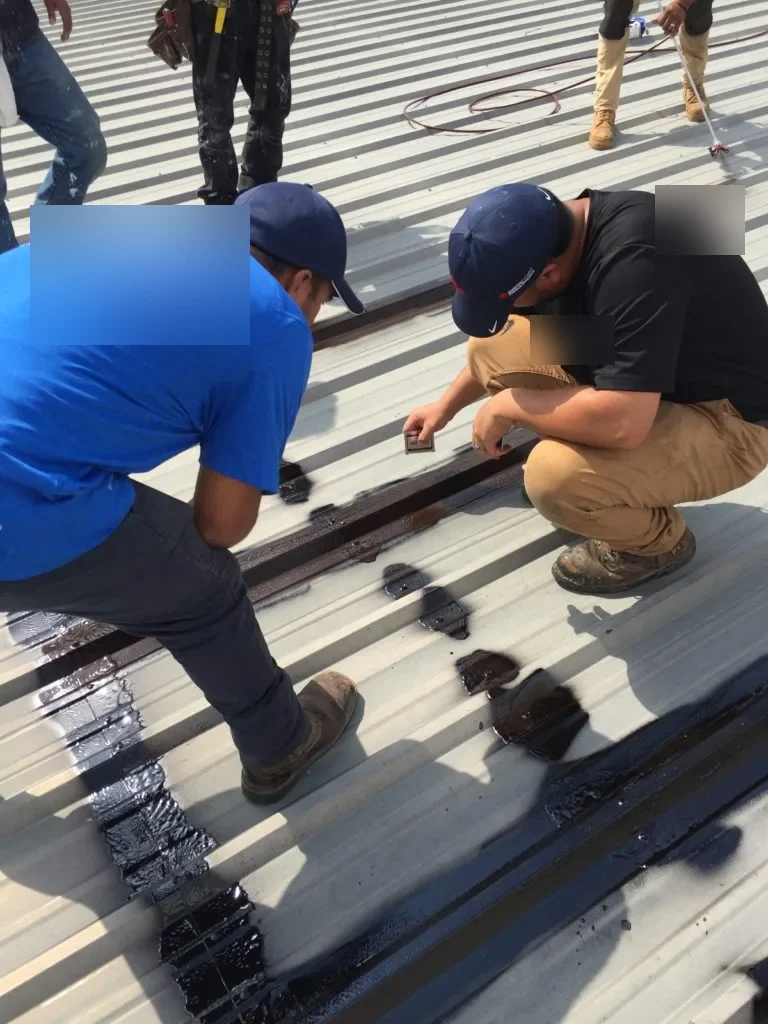
We check curb corners, pipe flashings and past repairs for movement or trapped moisture. A local patch may work when the surrounding assembly is attached and dry. If water reaches insulation or deck, the limit moves to stable material. TPO roof repair and standing seam details call for separate surface and flashing checks.
A coating needs suitable adhesion and drainage; it cannot correct a blocked outlet or unstable substrate. Recovery depends on existing layers and attachment. A replacement proposal should list removal, insulation, drains, edges and transitions by roof zone. We separate confirmed work from any allowance for concealed damage.
Plan around rain, hail and wind
Warm-season rain can expose a failed lap or drain while vehicles move below. We keep outlets clear, stop removal at a stable edge and protect exposed layers before a weather hold. The material manufacturer's conditions guide adhesive and coating work. The property contact knows which bays and vehicle areas sit under each open zone.
North Georgia's Atlanta region is tracked for severe thunderstorms, damaging wind, hail and tornadoes. A regional warning does not demonstrate damage at a dealership. After an event report, we inspect accessible seams, metal edges, penetrations and skylights for visible impact. Emergency roof response is available around the clock, including holidays, when an opening needs immediate protection.
Scope each roof zone and allowance
Cost changes with the number of defects, material compatibility, vehicle protection, lift access, removal layers and confirmed insulation or deck damage. The scope identifies bays, showroom areas, parts rooms or other zones included. It lists debris handling, staging, drains, edges, interior protection and closeout photos. An allowance states which concealed condition triggers additional work.
Timing depends on weather, material readiness, service appointments, parts deliveries and access to each zone. The proposal names operating-hour assumptions and the approval contact for changes. Compare options using the same repair locations, temporary protection, removal and closeout requirements. A roof condition report can keep the inspection record tied to each work area.
For owners with several sites, warehouse roof scopes or shopping center repairs may share planning questions. Vehicle inventory and lift access remain specific to each dealership.
Return each bay with clear documentation
Closeout photographs show repaired seams, curbs, drains, penetrations and roof edges. The record names the building, roof zone, materials, completed work and any limitation that remains concealed. We clear loose debris and check primary and overflow drainage before releasing the area. The site contact can verify vehicle and service areas below are clear before normal operations resume.
A roof capital plan can distinguish active leak control from later system work. Keep each dealership and repair zone linked to its own findings. An inspection at one site does not establish a matching need elsewhere.
Request an inspection or scoped comparison for a named dealership and roof zone. Send plans, leak locations, vehicle and bay restrictions, service schedules, access routes and prior repairs. We will mark the repair boundary, document confirmed conditions and identify approval points for concealed work.

Related Roofing Work
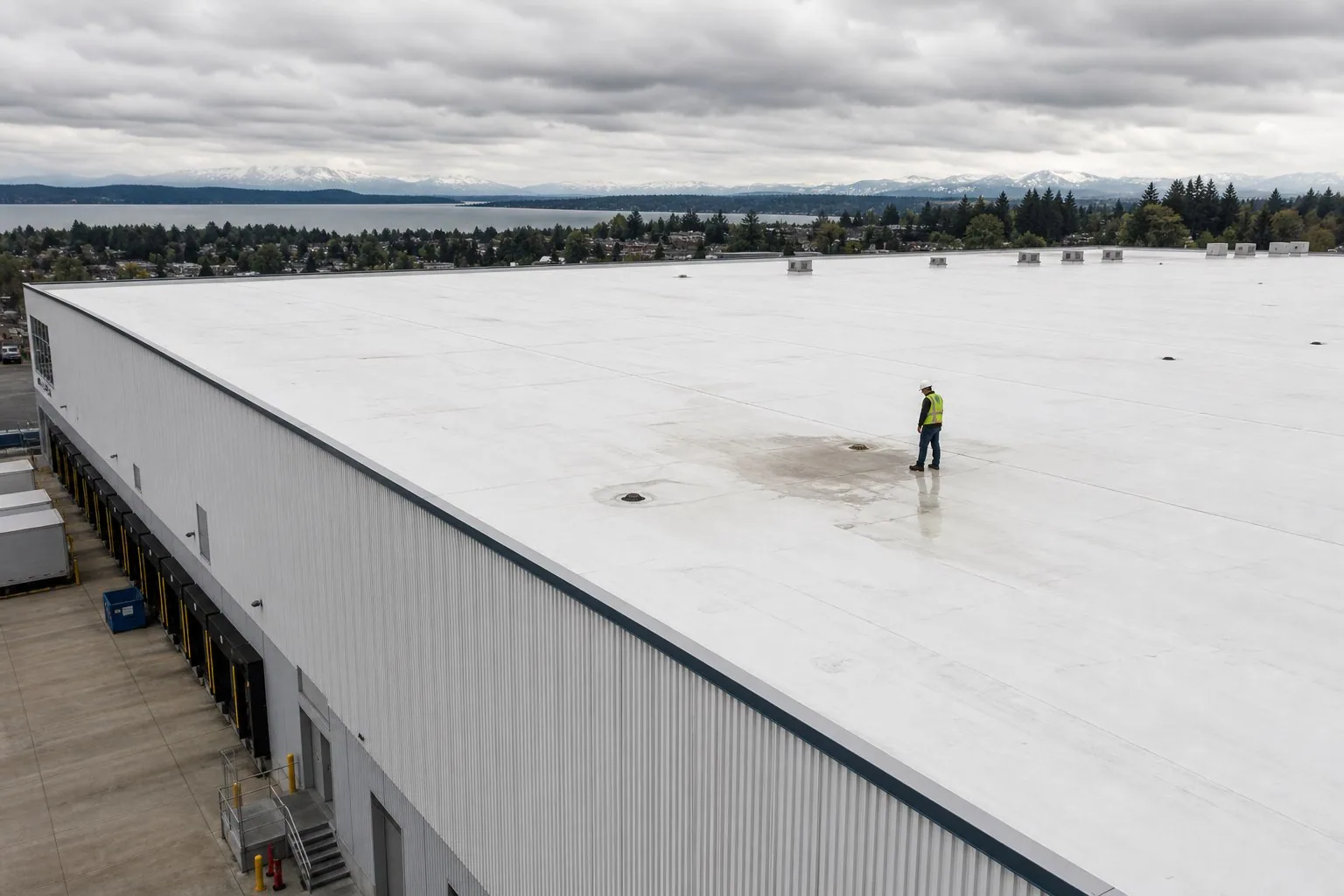
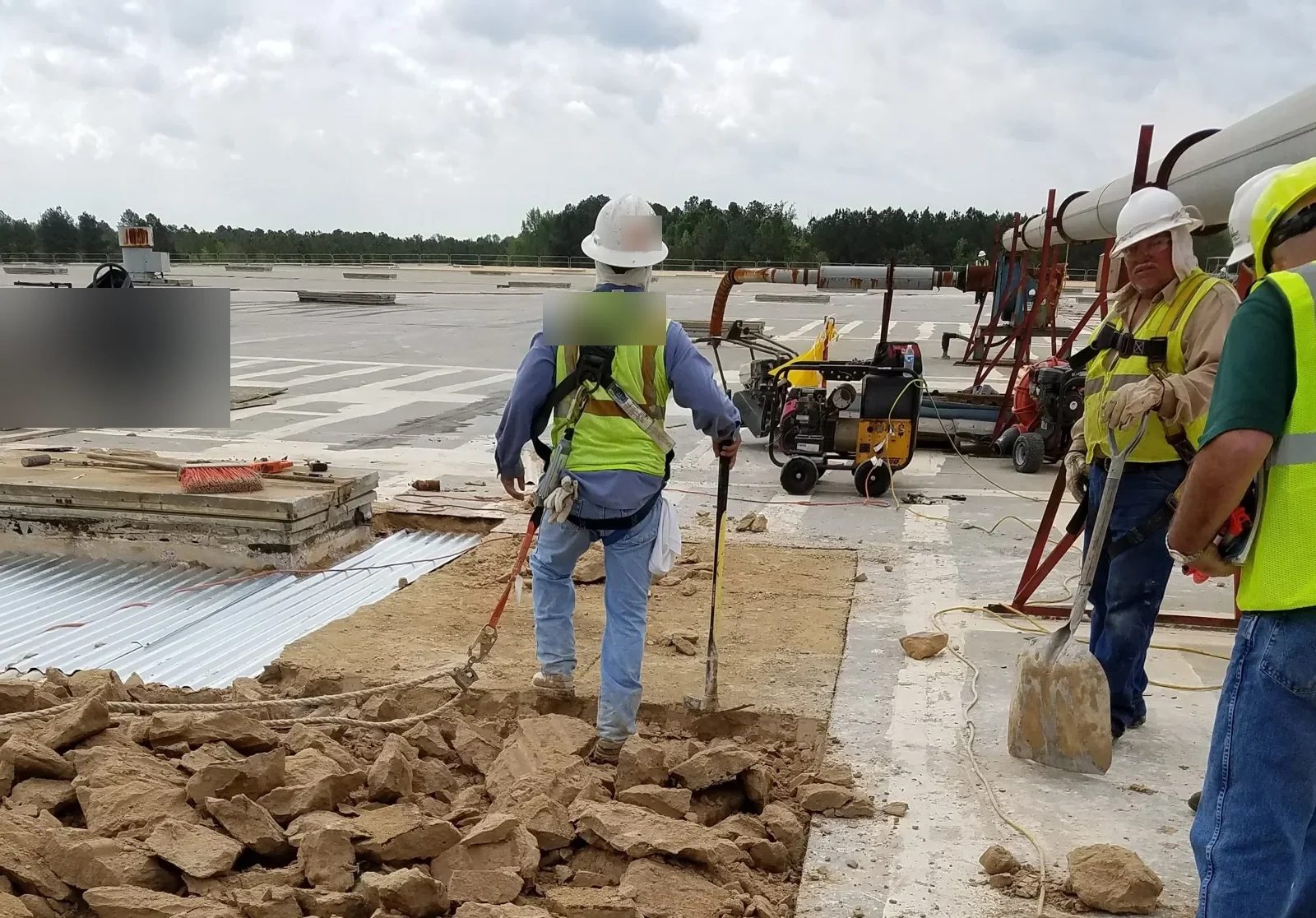
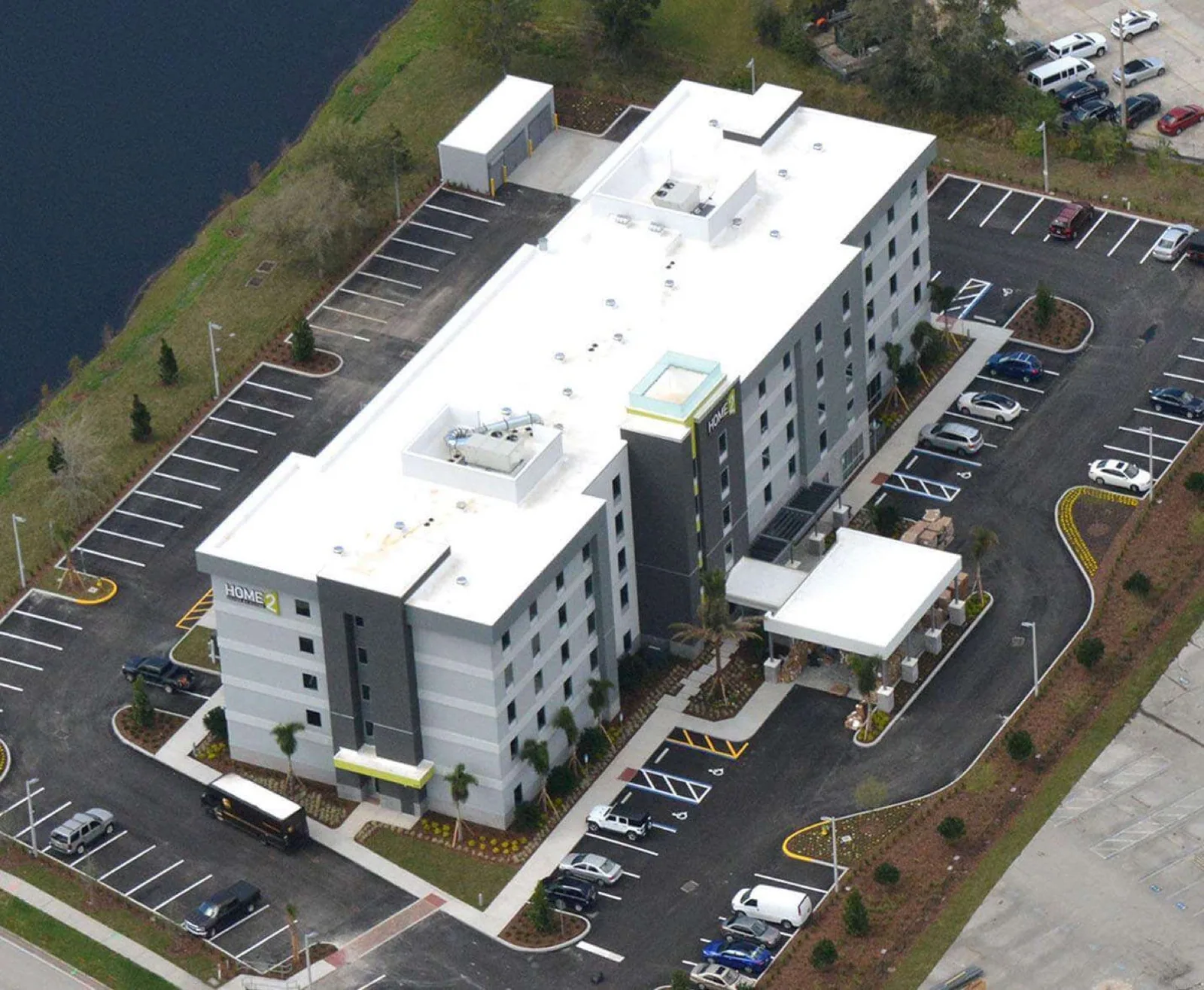
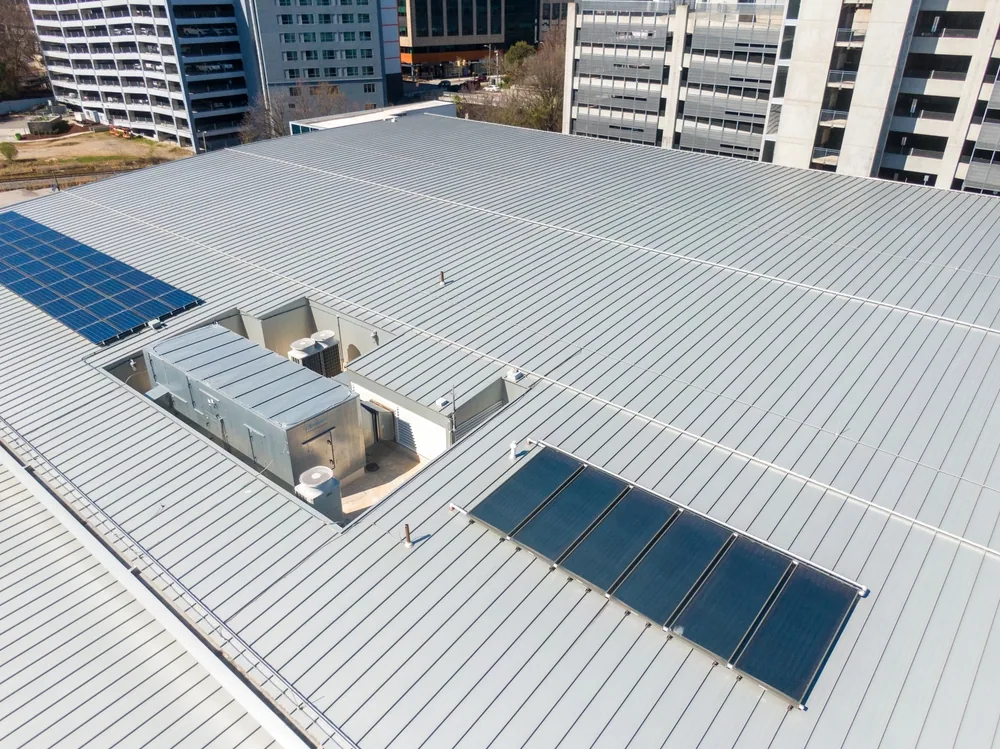
Scope a dealership roof zone
Name the site, roof area and affected bay. Send plans, leak reports, service schedules, vehicle restrictions, access routes and prior repairs so we can plan a focused inspection.
Questions About Auto Dealership Roofing
Can roofing take place while service bays remain active?
A roof zone can sometimes be isolated while other bays continue operating. We coordinate lifts, service lanes, parts delivery, noise limits and vehicle movement with the operations contact. Each work area receives a marked boundary and end-of-shift cover plan. If an exposed condition requires a larger repair, the team reviews the scope before the affected bay is brought into the next phase.
How do you protect vehicles during roof work?
The dealership identifies customer parking, inventory rows, service doors and any vehicle that cannot be moved. We define material staging and debris routes away from those areas, then note any buffer or temporary closure needed below the work zone. The plan lists who releases each area and when it can return to use.
What if a leak appears above a lift or service department?
Record the bay, equipment and time of the report, then keep the area clear as the facility directs. We inspect roof details above and upslope, including curbs, seams, penetrations and drainage. The entry may not align with the interior mark. The findings distinguish a confirmed defect from moisture that would need scanning or a test opening.
Does hail require a full dealership roof replacement?
Hail exposure alone does not set the scope. We inspect the roof material and accessible details for punctures, fractured components, displaced edge metal and other visible evidence. The report marks the affected zones and any area that could not be reached. Repair, further testing and broader replacement review remain separate decisions based on observed conditions.
Commercial Roofing Across Roswell and North Fulton
Roof Repair, Replacement and Maintenance for Every Kind of Commercial Building
From Historic Roswell and Canton Street to the Holcomb Bridge Road corridor, GA 400 and the North Point area, we inspect, repair and replace low-slope and metal roofs on offices, retail centers, medical buildings, schools and warehouses.