Commercial Roofing in Peachtree Corners, GA
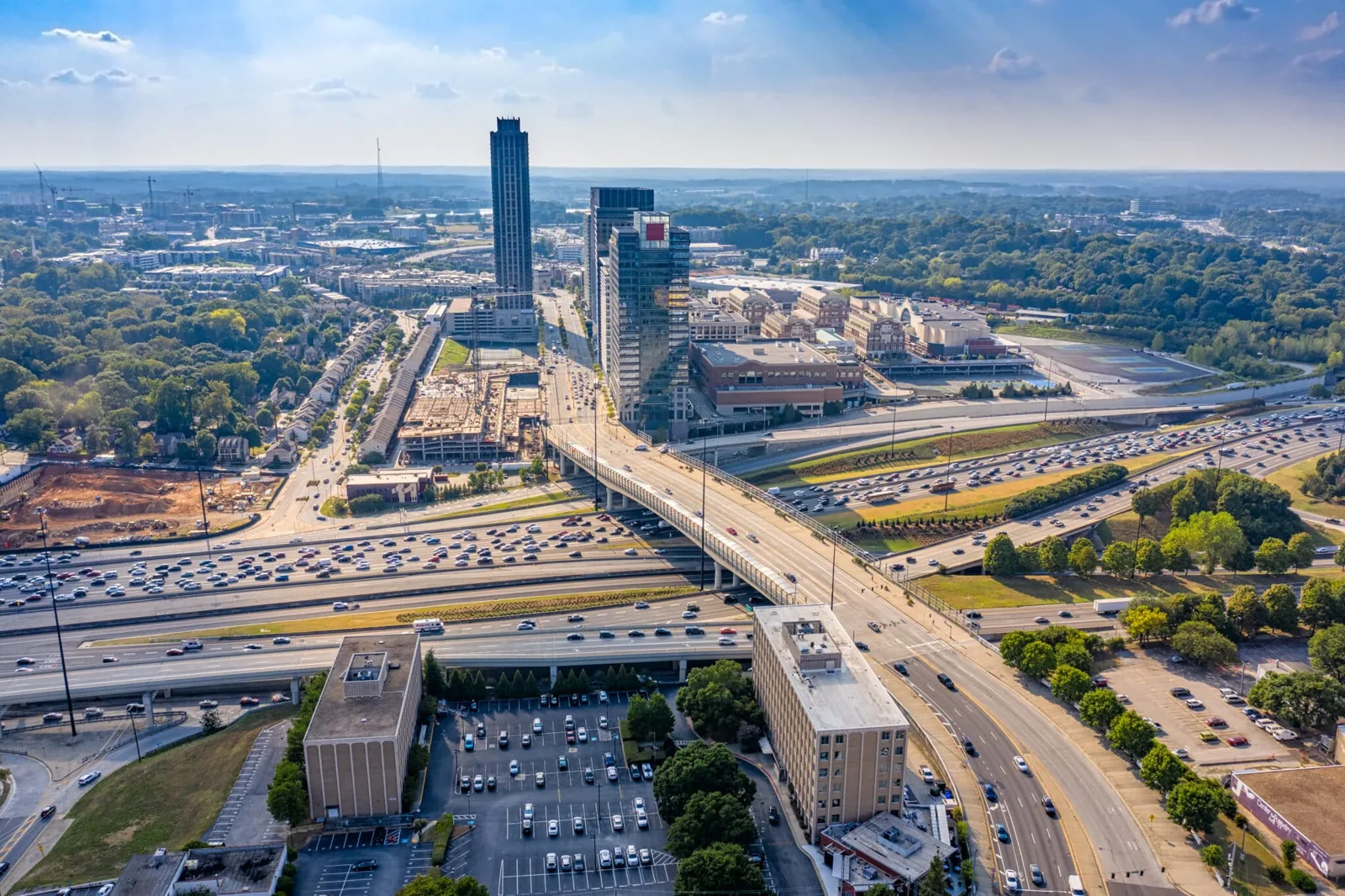
An open curb seam can let water under a membrane before the ceiling below shows a mark. We inspect the curb base, nearby lap, and route to a drain before setting the repair edge. Peachtree Corners includes Technology Park Atlanta, a 500-acre low-rise office and technology campus. The city also identifies employers in technology, engineering, healthcare, and business services, plus connected retail and office activity at Town Center and The Forum.
Those uses span different operations, but they do not establish what sits on an individual roof. We confirm the assembly, access rules, and affected zones before recommending work. A Technology Park Atlanta roof review can focus on the multi-building campus, while this city assessment keeps the full Peachtree Corners context in view.
Trace the curb into the roof field
At a curb, we inspect the vertical flashing, corners, fasteners, membrane base, and nearby seams. Water can enter where one plane meets another, then travel beneath the field material. We photograph the transition and check whether the surrounding surface is attached and dry. If the curb itself moves or its backing is compromised, the repair may reach beyond flashing replacement.
Technology Park Atlanta's low-rise office and technology campus gives the city a broad employment district. The label does not tell us whether a roof is metal, membrane, or coated. Plans and repair records help identify the assembly. When the tie-in material remains uncertain, a test opening can reveal the actual layers before a permanent repair is chosen.
Long-term Atlanta observations put July's average daytime high around 90 degrees Fahrenheit and show humid summers with regular showers. At a curb, changing surface moisture and sun exposure make the flashing base and adjacent lap useful points to check for movement or weathering. Climate context guides the walk; it does not prove a defect. A roof condition report with photos can show the observed detail and any zone that remains inaccessible.
Plan around campus and mixed-use activity
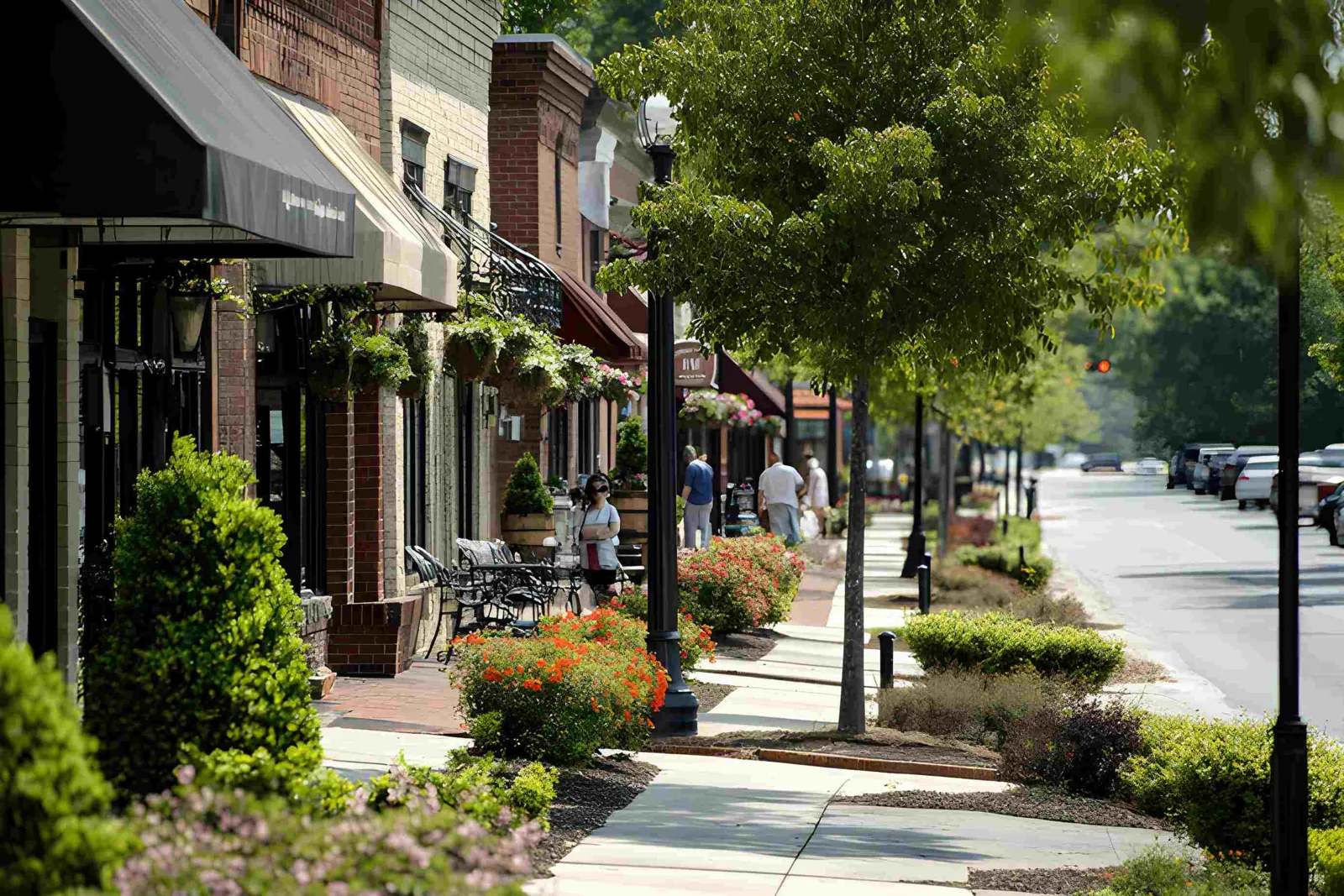
Town Center and The Forum form a connected mixed-use retail and office destination, linked by a pedestrian bridge over Peachtree Parkway. That layout makes pedestrian movement a useful planning question near a work area. We ask the property contact about active entries, loading points, delivery hours, and access to the roof. If a lift or material route crosses a public path, barriers and timing belong in the work plan.
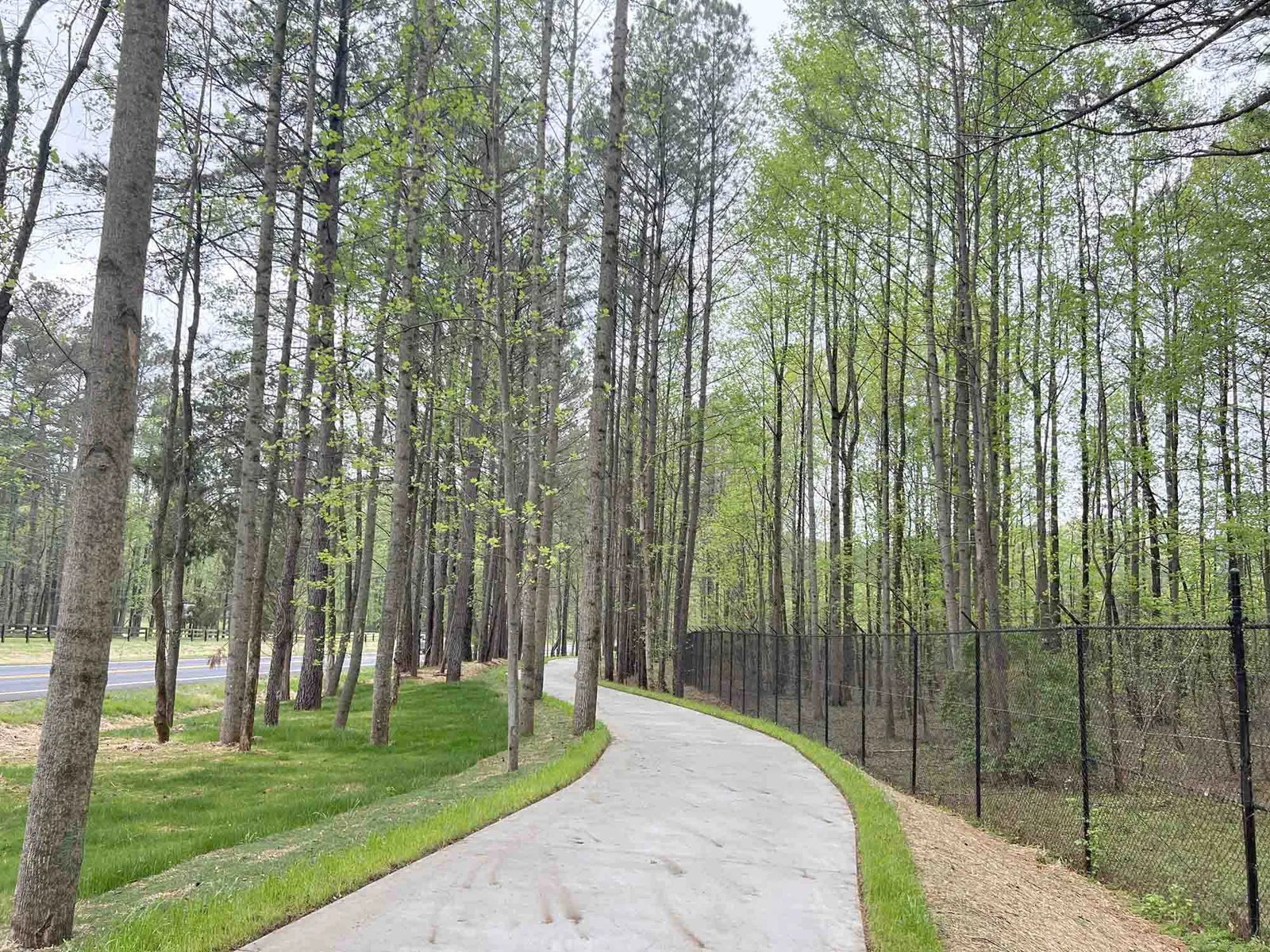
Technology Park Atlanta's planned multi-use trail links offices with nearby retail and residential areas. Trail and property access should be checked directly before mobilization. We do not assume a specific closure or right-of-way restriction. The roof scope names the building, entry method, staging point, and daily work zone. A regional roof portfolio review can coordinate additional properties while keeping each site's access record separate.
Technology, engineering, healthcare, and business service operations can have different schedules and rooftop equipment needs. We confirm which units must stay active, whether odor or noise limits apply, and what space below needs protection. A phased roof replacement plan can define daily dry-in limits when the building remains in use.
Match repair material to the confirmed roof
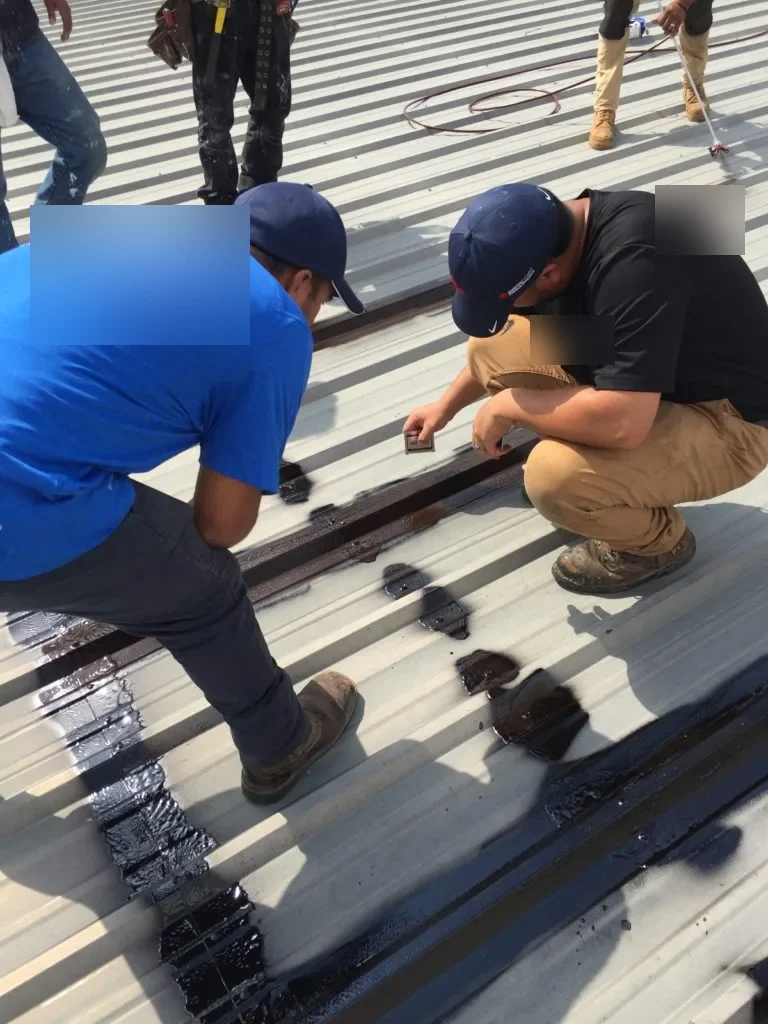
A localized curb or seam repair depends on the surface around it. Weldable thermoplastic sheets need clean, prepared material. Rubber, asphalt-based, coated, and metal roofs use different attachment and flashing details. We identify the existing system before choosing products. If prior repairs cover the original surface, a small opening or test may be needed to confirm where a new tie-in can hold.
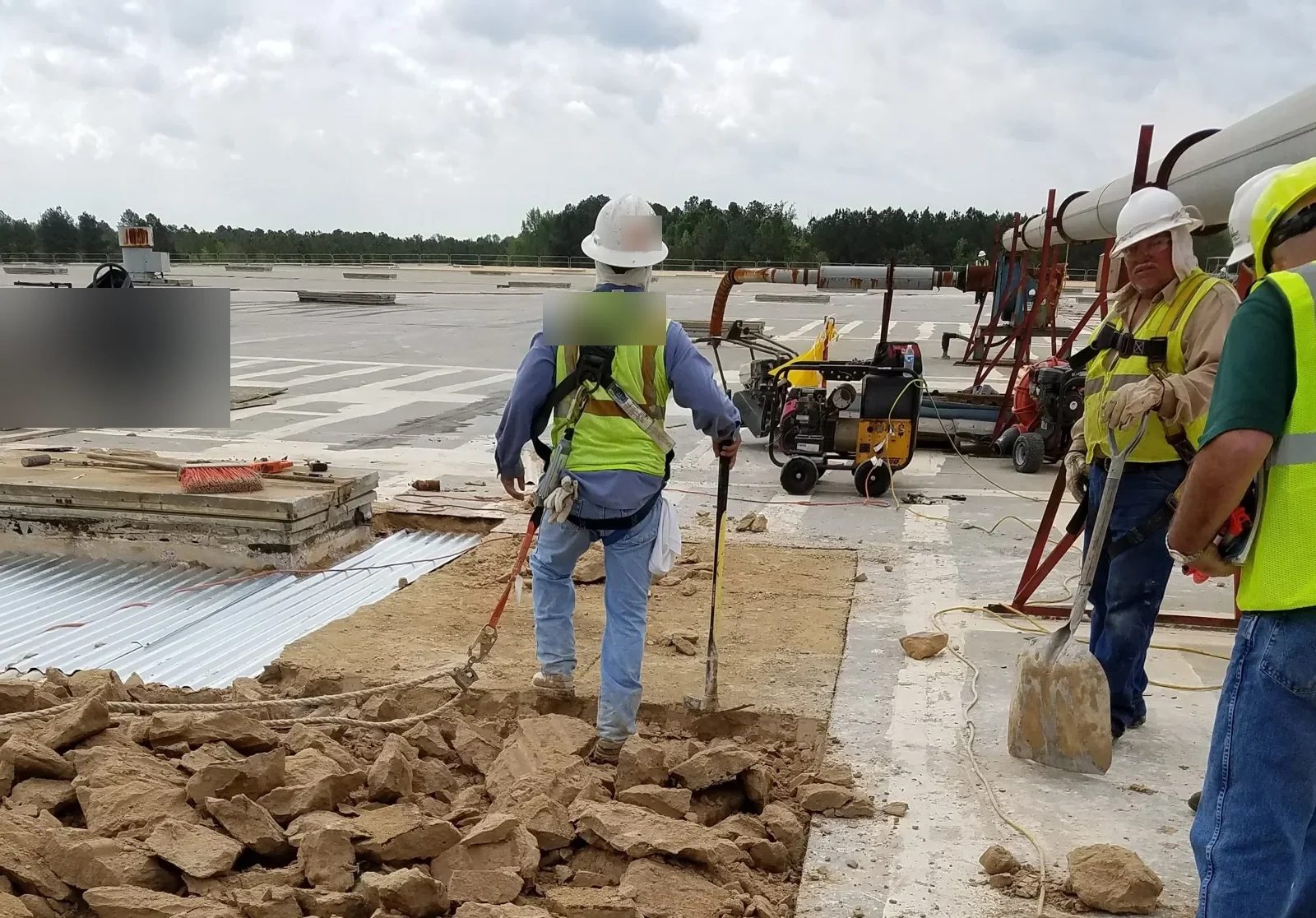
Moist insulation can move the repair boundary. We note how far material must be opened to reach a sound substrate, then photograph the layers before restoring them. Any concealed deck condition is separated from the confirmed work. A defined roof repair scope can state the curb, lap, and roof zone included, plus the allowance needed if hidden damage extends farther.
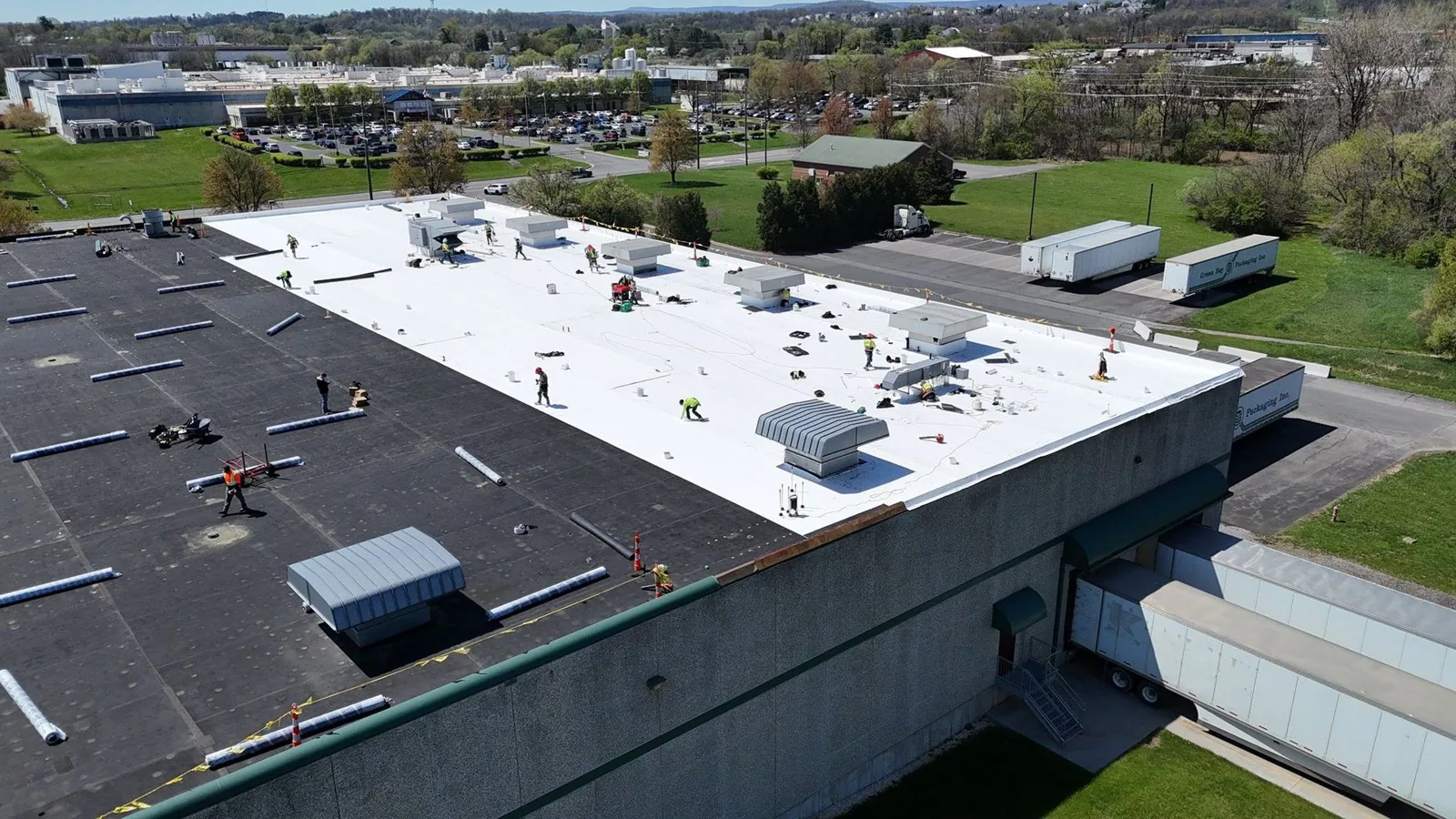
If several zones show repeat failure, compare localized repair with recovery or replacement. We inspect deck support, drainage, roof height, existing layers, and equipment curbs before describing options. A replacement comparison should show how new material terminates at walls and penetrations, and how open areas stay dry during each phase.
Set a safe stopping point for each shift
Warm-season rain can interrupt cleaning, welding, priming, or adhesive installation. We divide the work so each opened section can be protected before the crew leaves. The plan identifies the temporary cover, the next surface-preparation step, and what must be dry before permanent flashing resumes. A weather delay changes sequence, not the approved repair limit.
North and central Georgia storms can bring damaging wind, hail, and tornado conditions. A regional warning does not confirm damage at a specific roof. If the owner reports an impact, we inspect the named zone for punctures, open seams, loose metal, or a shifted curb. A hail damage inspection can record visible effects and separate them from existing maintenance items.
Cost and timing depend on access, curb count, material compatibility, preparation, moisture, equipment coordination, and staging. Town Center's pedestrian bridge and campus trail make it useful to confirm material routes with the site contact. A leak tracing visit can locate active water entry while permanent options are reviewed.
Keep each campus building's record distinct
Closeout photographs show the repaired curb, seam, tie-in, and nearby membrane. We label the property and roof zone, note materials and work limits, and list any excluded condition. If concealed layers were opened, we record what was found before covering them. Those details help the next inspection return to the same location rather than treating the full building as repaired.
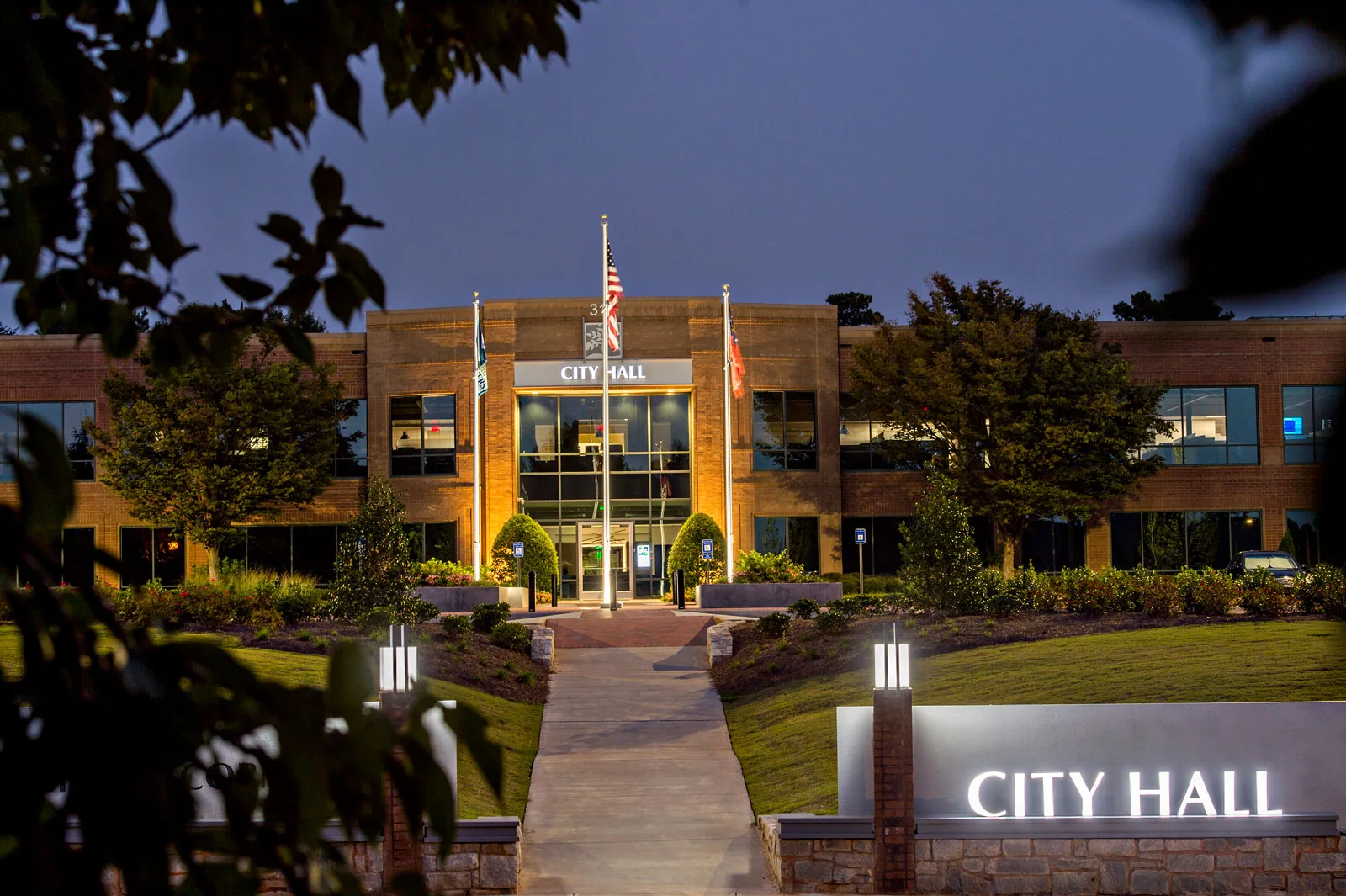
Peachtree Corners has a technology campus, employer groups across several industries, and connected mixed-use destinations at Town Center and The Forum. The property file should retain its roof plan, access contact, equipment changes, and prior repair dates. A scheduled roof maintenance visit can check completed details after rainfall without applying one building's findings to another.
Request an inspection for a named Peachtree Corners property or group of assets. Share roof plans, reported leak locations, service schedules, access rules, and any planned construction. We will document confirmed conditions, set repair boundaries, and compare renewal choices where the evidence supports them.
Related Roofing Work
Assess a Peachtree Corners roof zone
Send roof plans, leak dates, curb locations, equipment schedules, access details, and prior repairs. We will inspect the affected zone and separate confirmed work from concealed conditions.
Questions About Peachtree Corners
Can one roofing route cover Technology Park and Town Center?
A route can combine appointments, but each property needs its own access plan, roof-zone references, and inspection record. Town Center and The Forum have connected pedestrian paths, while Technology Park is a broader campus. Share building contacts and work hours so material movement can be planned for each stop.
Does a technology or healthcare tenant determine the roof system?
No. The industry tells us about potential operating needs, not the membrane or concealed layers. We inspect the surface, review available drawings, and identify any uncertainty. If the assembly cannot be confirmed, we propose a test opening with restoration steps before specifying permanent materials.
How should pedestrian access affect a roof project?
Map active entries, delivery routes, bridge or trail paths, and lift staging with the property contact. We identify where barriers are needed and when material can move. The work plan should state which areas remain open and how each roof section will be protected if weather stops the shift.
What should a curb repair include in its closeout?
Keep photos of all curb corners, the flashing base, the membrane tie-in, and adjacent seams. Record the roof-zone name, material installed, removal extent, and any excluded condition. If the opening exposed wet insulation, note what was replaced and where the repair stopped.
Commercial Roofing Across Roswell and North Fulton
Roof Repair, Replacement and Maintenance for Every Kind of Commercial Building
From Historic Roswell and Canton Street to the Holcomb Bridge Road corridor, GA 400 and the North Point area, we inspect, repair and replace low-slope and metal roofs on offices, retail centers, medical buildings, schools and warehouses.