
Commercial Roofing in Brookhaven, GA
A split flashing lap beside a rooftop penetration can let water reach the deck while the field membrane remains intact. We inspect the boot, adjoining seam, and drain path before deciding where the repair ends. Brookhaven is developing City Centre as a civic and business gathering place beside the Brookhaven-Oglethorpe MARTA station. The project also has a special service district that includes nonresidential properties, so roof work should be scoped to the actual building and its approval contact.
City Centre is planning context for Brookhaven, not a stand-in for the city's wider commercial properties. We verify each roof system, operating limit, and access route before proposing work. A Sandy Springs roof assessment can support a separate regional property schedule without combining Brookhaven's findings with another municipality.
Follow the penetration to a stable tie-in
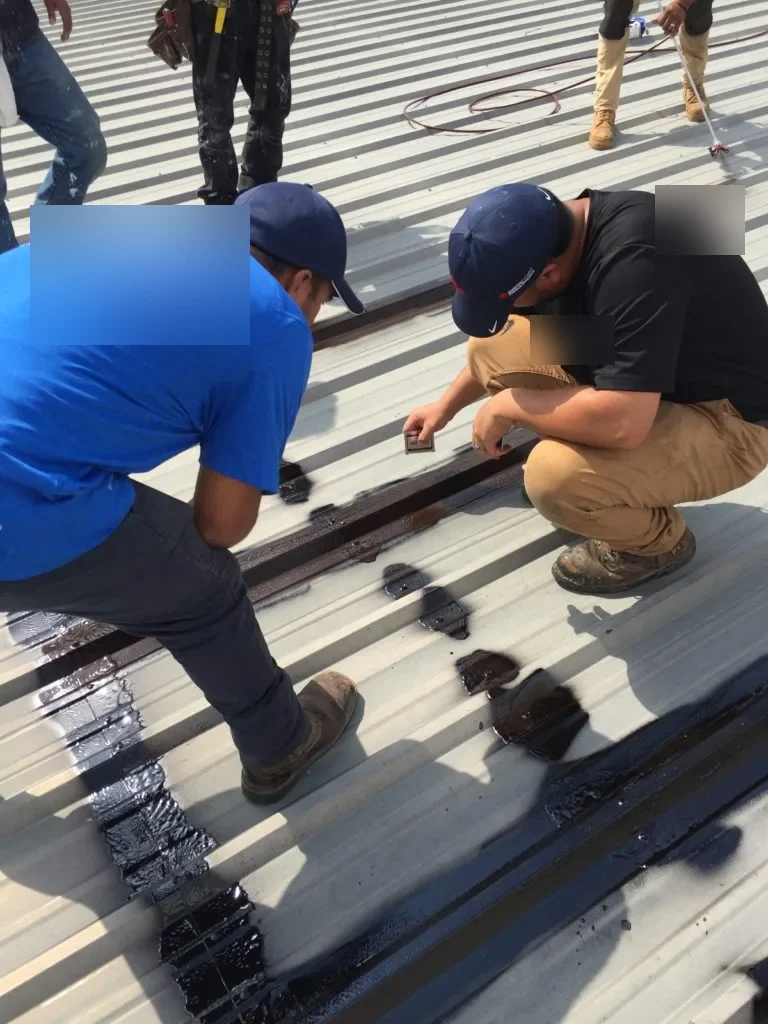
At a penetration, we inspect the flashing boot, base, sealant, fasteners, and nearby membrane. Water can enter at one corner, then travel along the insulation or deck before it shows inside. We compare the reported interior area with drains and connected roof details. If the membrane around the penetration is loose or damp, the repair may need to reach beyond the visible split.
Warm, humid summers and recurring rain in Atlanta climate normals can test penetration flashings and drainage. July's normal high is near 90 degrees Fahrenheit. We look for lifted laps, soft material, and retained water after rainfall. A seasonal pattern does not establish a defect at a specific Brookhaven building. A photo-supported condition report can record what was confirmed and what would require an opening to verify.
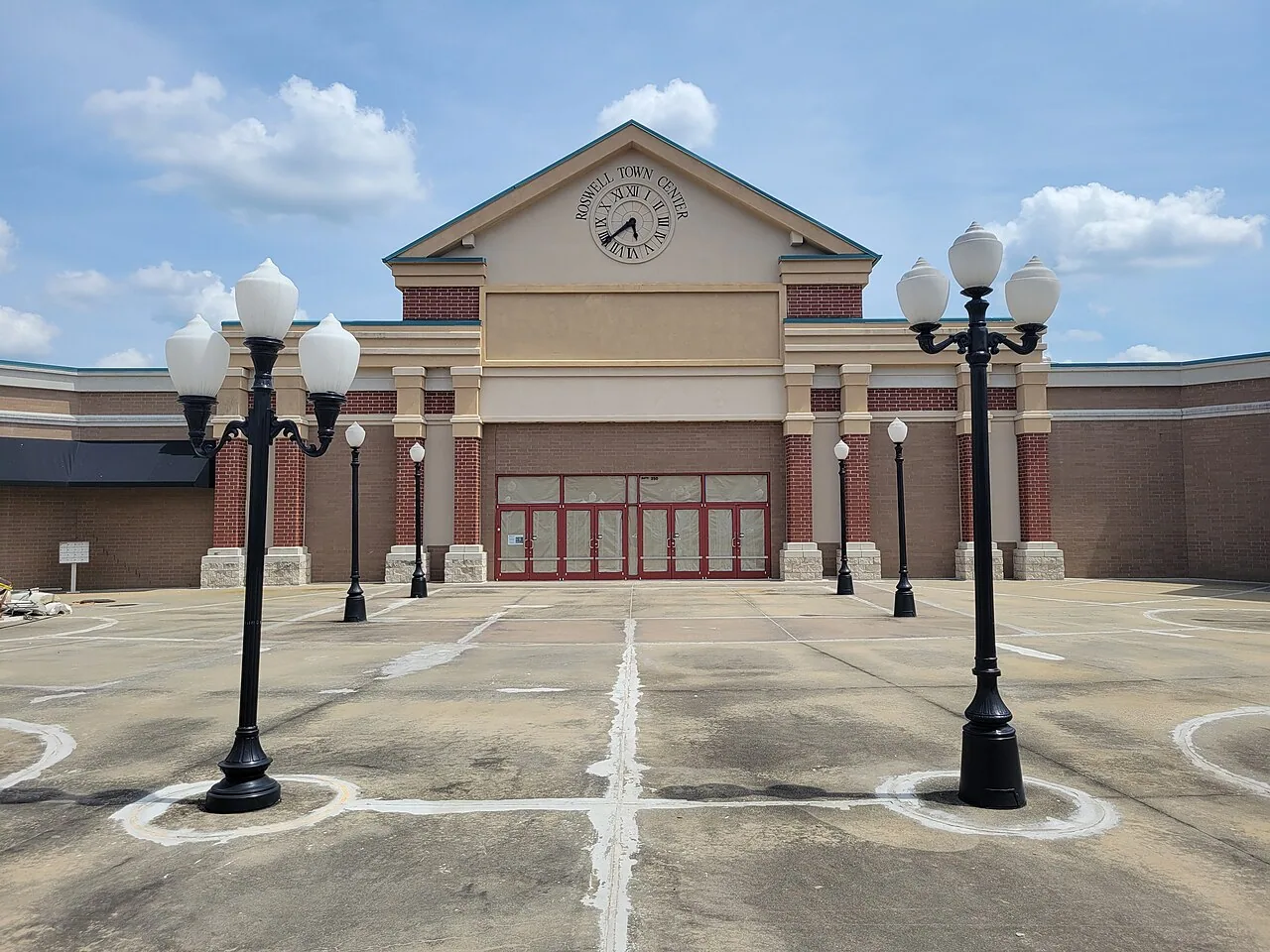
Brookhaven's City Centre plan places a civic and business gathering space beside the Brookhaven-Oglethorpe MARTA station. If a property project overlaps nearby public activity, the owner should confirm access and pedestrian controls before work. We do not infer construction dates or closures from a planned development. The roofing plan lists its own material route, work zone, and temporary protection.
Keep roof approvals separate from site planning
The city acquired the City Centre site from MARTA and is developing it as a public civic center. That process is distinct from a roof inspection at another Brookhaven property. We identify the specific building and approved contact, then record existing membrane, drains, transitions, and past repairs. If civic or redevelopment work changes roof penetrations, edge geometry, or water flow, those interfaces should appear in the property scope.
The special service district for the City Centre project includes nonresidential properties and is funded through urban redevelopment bonds. This describes a funding structure, not the condition or ownership of a neighboring roof. When several properties share an asset manager, we retain building-level photos and approvals. A multi-property roofing schedule can coordinate visits while leaving each project record separate.
Before work begins, we check for mechanical service, roof access restrictions, hours of operation, and areas below that need protection. A public civic setting can bring pedestrian considerations; site-specific instructions determine actual controls. If a lift or material delivery affects a walkway, the proposal should identify the staging point and barrier plan. A phased roof plan can define daily work limits for an occupied property.
Choose a flashing detail for the installed system
A penetration repair must match the roof surface. TPO and PVC may accept welded flashing after the membrane is cleaned and prepared. EPDM, modified bitumen, built-up, coated, and metal roofs need different materials and lap details. We identify the assembly from drawings or field evidence before selecting a patch. If records are missing, a test opening may confirm the layers that will receive the tie-in.
Wet insulation or damaged deck can extend the work beyond a boot replacement. We document what appears after opening and price additional removal separately. A defined flashing repair should state which penetration, seam, and roof zone it covers, along with any concealed-condition allowance. That gives the owner an approval point before new work is added.
Repeated failures at several penetrations may justify a broader system review. We inspect deck, drainage, roof height, attachment, and existing layers before comparing repair, recovery, and replacement. A roof replacement comparison should account for equipment, membrane transitions, and temporary weather protection, not only the visible field surface.
Protect the opening when rain interrupts
Warm-season showers can interrupt surface preparation or flashing installation. We sequence work so an opened penetration can be covered before the crew leaves. The plan identifies what must dry before permanent material is applied and which temporary protection stays in place if weather shifts. That keeps the repair boundary clear through a hold.
North Georgia storm activity can include damaging wind, hail, and tornado conditions. A regional alert does not prove a roof was damaged. If an owner reports a concern, we inspect the named roof zone and photograph punctures, lifted metal, opened seams, or no observed change. A wind-related roof review can separate visible storm effects from unrelated wear.
Cost and timing depend on roof access, penetration count, material compatibility, preparation, wet insulation, and whether another trade must coordinate equipment. Brookhaven's MARTA station and planned civic project make it useful to confirm current access instructions, but the building manager provides the actual staging rules. For active water entry, a leak tracing visit can locate the opening while the owner reviews a permanent repair or renewal.
Leave photos tied to the property
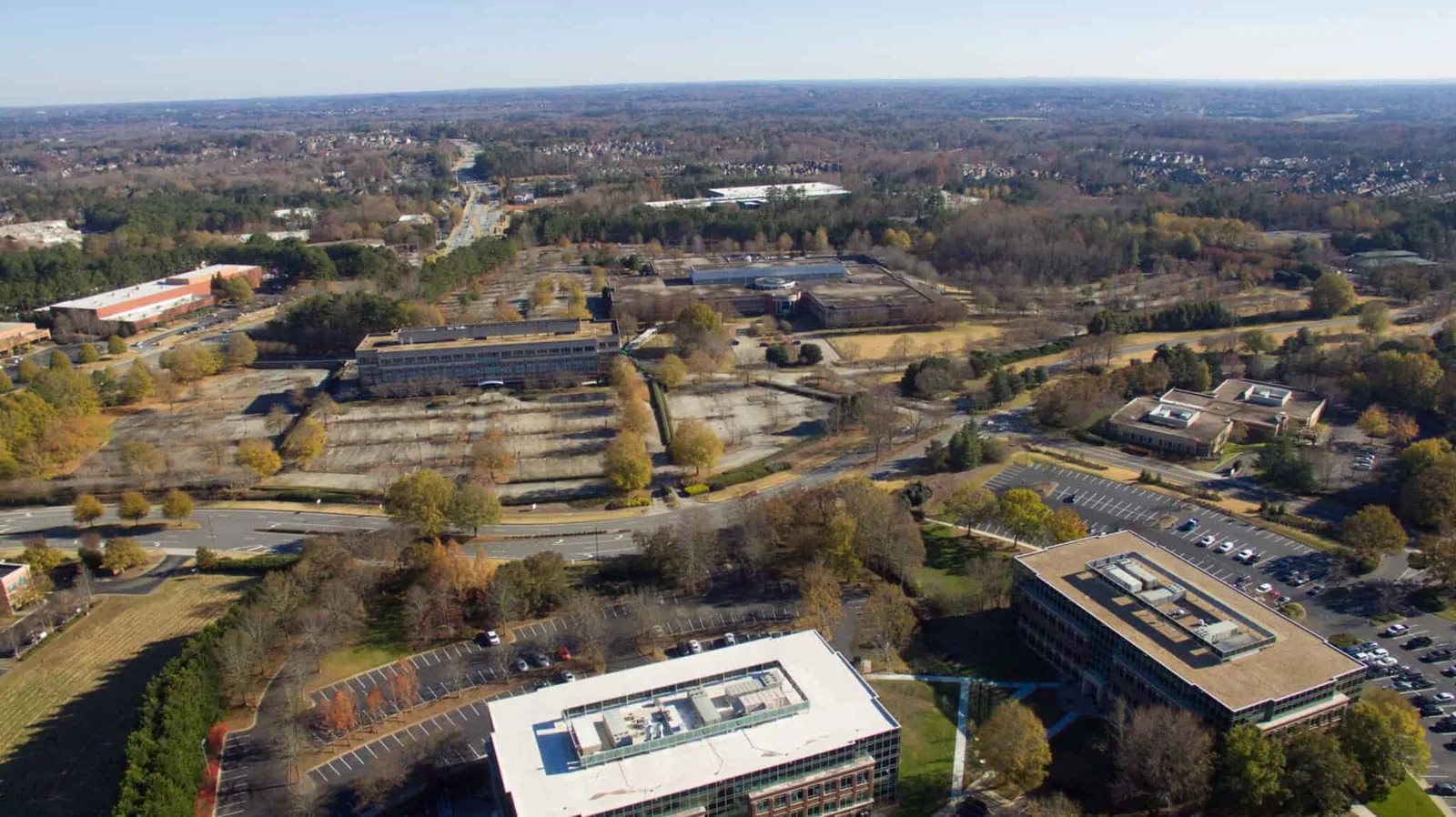
Closeout photos should show the repaired boot, base flashing, adjacent seam, and nearby drain. We label the property, roof zone, material, and repair extent. If hidden layers were exposed, the record describes what was found and restored. Any area outside the approved scope stays open as a separate item, not a presumed repair.
Brookhaven's planned City Centre work and its nonresidential service district are part of the city's civic development context. Owners coordinating multi-city assets can keep a separate Sandy Springs roof record with its own access and approval notes. Each building file still needs its own access notes, inspection date, repair approvals, and next review trigger. A scheduled maintenance visit can revisit the repaired detail after rain and compare it with the closeout images.
Request a roof assessment for a named Brookhaven property or portfolio. Provide roof plans, penetration locations, leak dates, previous repair notes, access contacts, and any current project schedule. We will map confirmed conditions, define the tie-in, and price any concealed work for approval before expanding the scope.
Related Roofing Work

Assess a Brookhaven roof penetration
Send roof plans, leak dates, penetration locations, previous repairs, site access details, and any current project timing. We will document the failure and separate confirmed work from concealed conditions.
Questions About Brookhaven
Does City Centre's service district define my building's roof scope?
No. The district is a project and funding boundary for the planned civic center. A roof scope is based on the building under inspection, its assembly, and its access rules. We identify the property and approval contact before documenting a repair or replacement recommendation.
Can water enter at a penetration even if the membrane looks sound?
Yes. A boot, base flashing, sealant, or fastener can fail while the nearby field sheet remains intact. We inspect each connection and check for moisture below it. If the tie-in area is wet or detached, the opening may need to reach stable material beyond the visible split.
What should be coordinated before roofing near a public civic project?
Confirm active access restrictions, pedestrian paths, deliveries, staging, and any scheduled work that could overlap. The owner or project contact supplies current conditions. We then identify the roofing work zone, barriers, and daily protection in the proposal rather than assuming a closure from a project plan.
How do you handle an unknown roof assembly?
We review drawings and repair records, then inspect visible details. If the tie-in surface remains uncertain, we propose a small test opening with restoration steps. The permanent repair method follows the confirmed material, while any concealed damage found during opening is priced for approval.
Commercial Roofing Across Roswell and North Fulton
Roof Repair, Replacement and Maintenance for Every Kind of Commercial Building
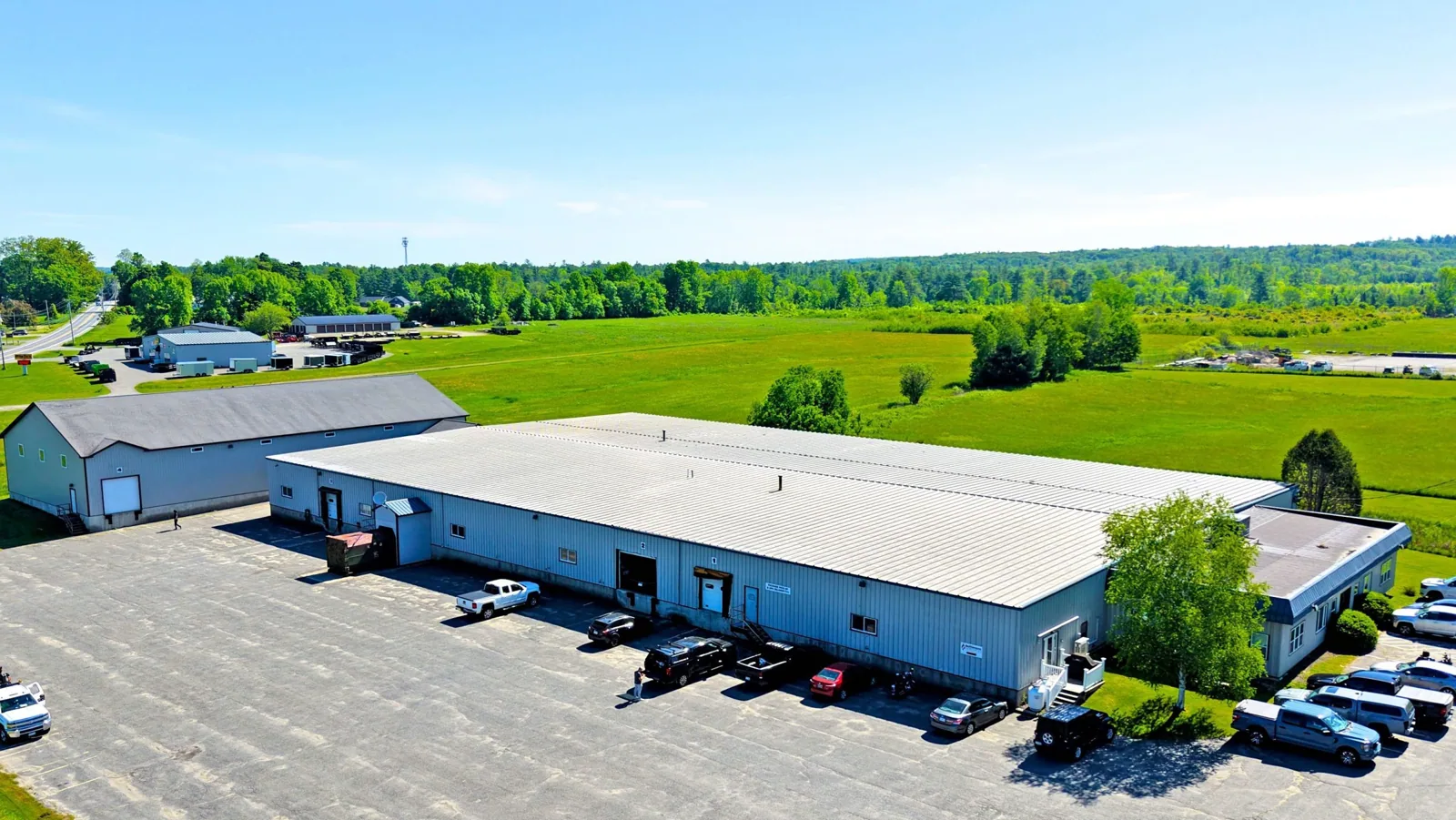
From Historic Roswell and Canton Street to the Holcomb Bridge Road corridor, GA 400 and the North Point area, we inspect, repair and replace low-slope and metal roofs on offices, retail centers, medical buildings, schools and warehouses.