
Carlisle SynTec Commercial Roofing in Roswell, GA
A Carlisle SynTec repair begins by identifying which membrane is on the roof. Sure-Weld TPO, Sure-Flex PVC or KEE, and Sure-Seal EPDM use different seam methods and accessories. A lifted edge cannot be repaired correctly from the brand name alone. We examine the membrane, lap, substrate and nearby transition before setting the boundary.
Roswell's commercial corridors serve offices, medical properties, civic buildings and light industrial sites. A Roswell roof inspection records the installed system at the property and separates visible findings from information supplied in old project files. We then match repair details to the confirmed assembly.
Confirm the Carlisle system in place
Carlisle SynTec manufactures commercial EPDM, TPO and PVC membranes, along with insulation and roof accessories. Its system families include Sure-Seal EPDM, Sure-Weld TPO and Sure-Flex PVC and KEE membranes. Each has its own handling and tie-in requirements. We check submittals, closeout documents, membrane markings and field details before recommending a repair material.
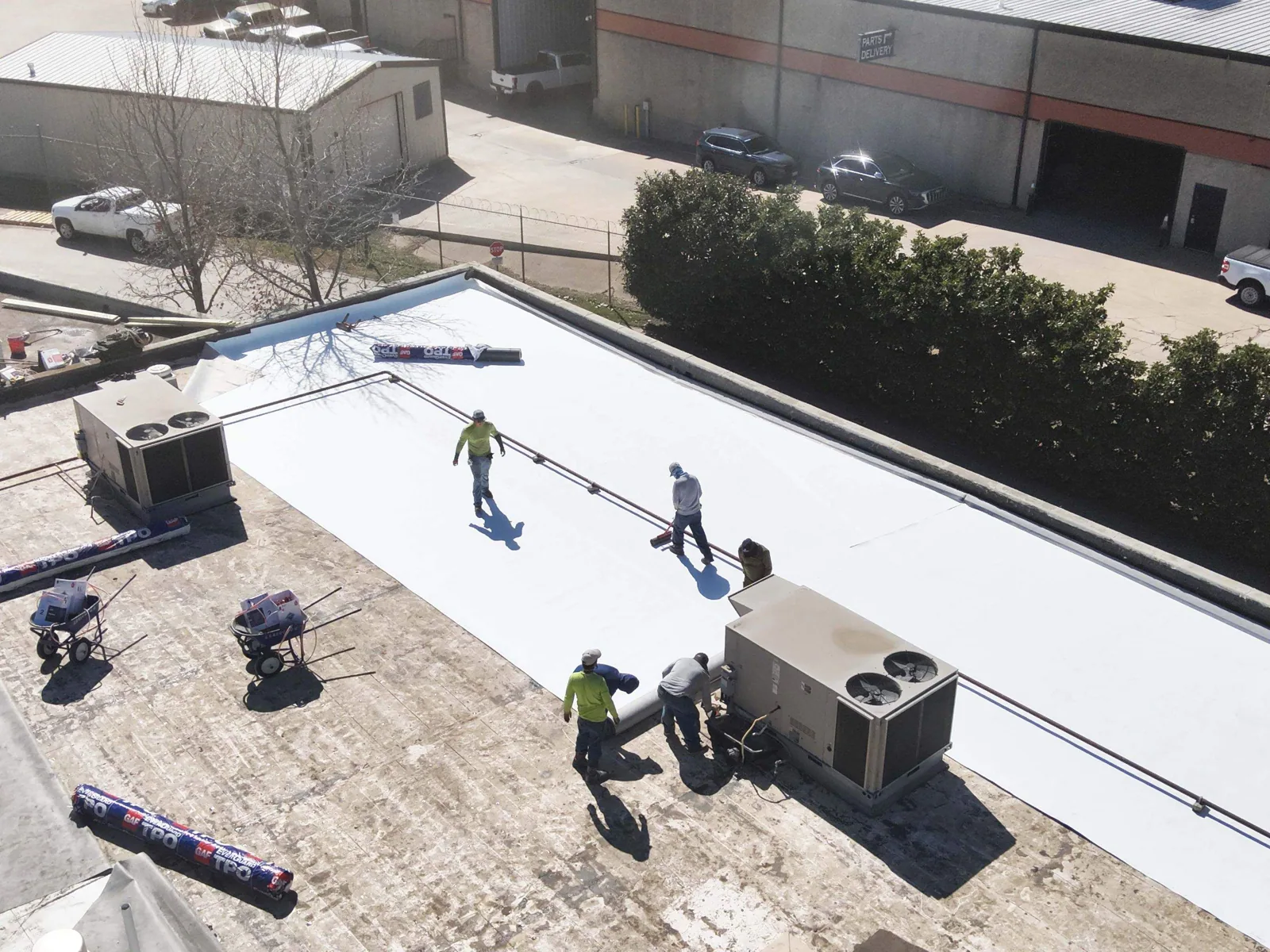
TPO and PVC are thermoplastic membranes, so seams are joined with hot-air welding. The installer needs a clean, prepared surface and a weldable lap. EPDM is a thermoset rubber sheet; seams and flashing rely on compatible primers, tapes, adhesives or detail materials rather than heat welding. KEE products remain a distinct PVC-based membrane formulation. We do not substitute a TPO patch simply because the surfaces look alike.
For an EPDM roof, the concern may be a tape edge, corner, pipe boot or adhesive bond. For a thermoplastic roof, it may be a loose weld, field patch or curb flashing. During an EPDM assembly review, we inspect seam and penetration details for release or damage. We record which repair method fits the actual Carlisle material.
Project records should also show the insulation, cover board, attachment and perimeter securement. A membrane can remain intact while a substrate has shifted or retained moisture. If the documents and field condition disagree, we note the difference and avoid carrying an unconfirmed assembly into the proposal.
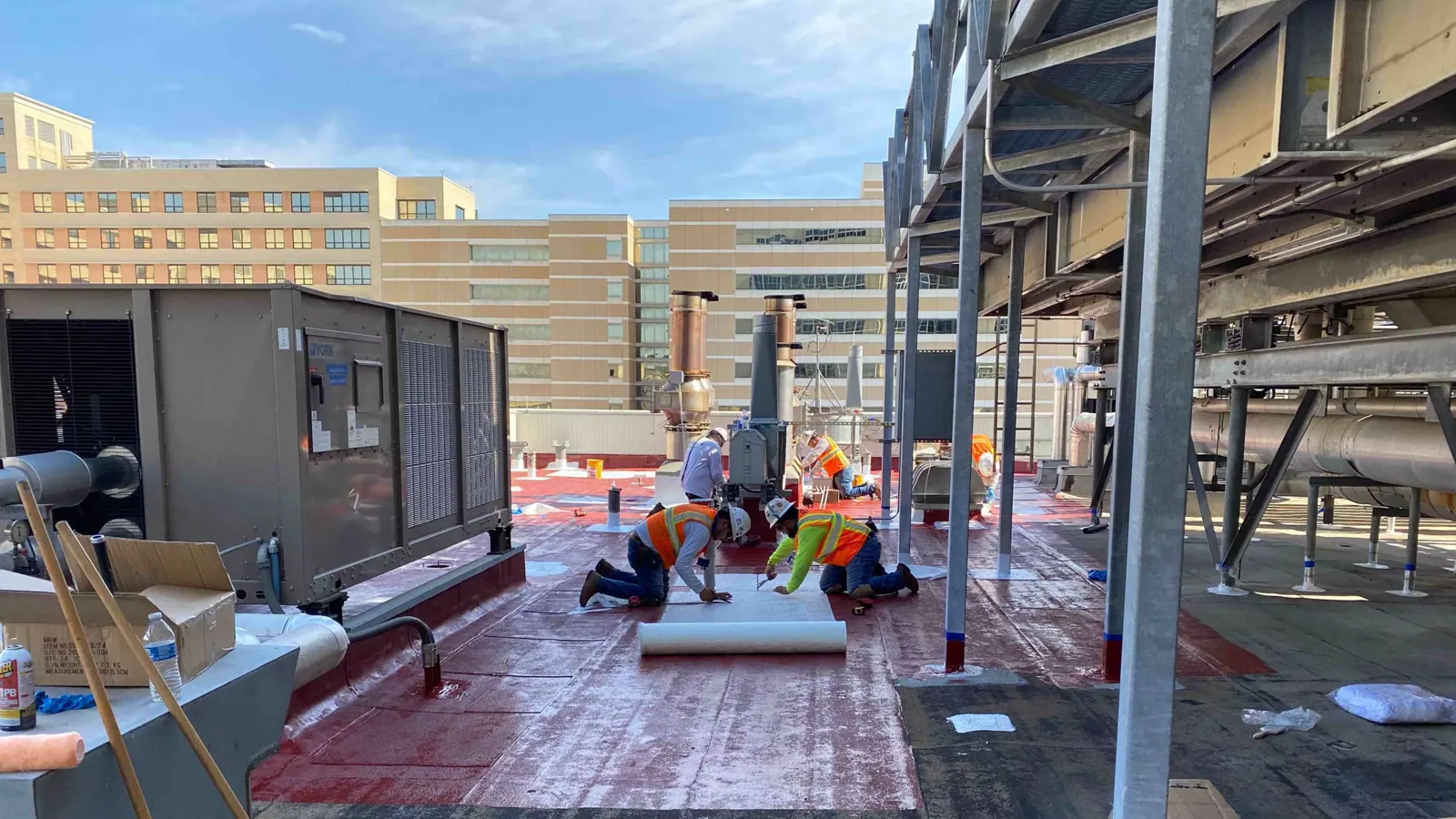
Inspect seams, corners and terminations
At a thermoplastic lap, we look for contamination, incomplete welds, edge lift, wrinkles and stress around a previous patch. At an EPDM seam, we inspect the tape line and check whether adhesive or primer has released. Pipe boots, curb corners and wall transitions need close attention because movement concentrates at changes in plane. We photograph the detail with a roof-zone reference.
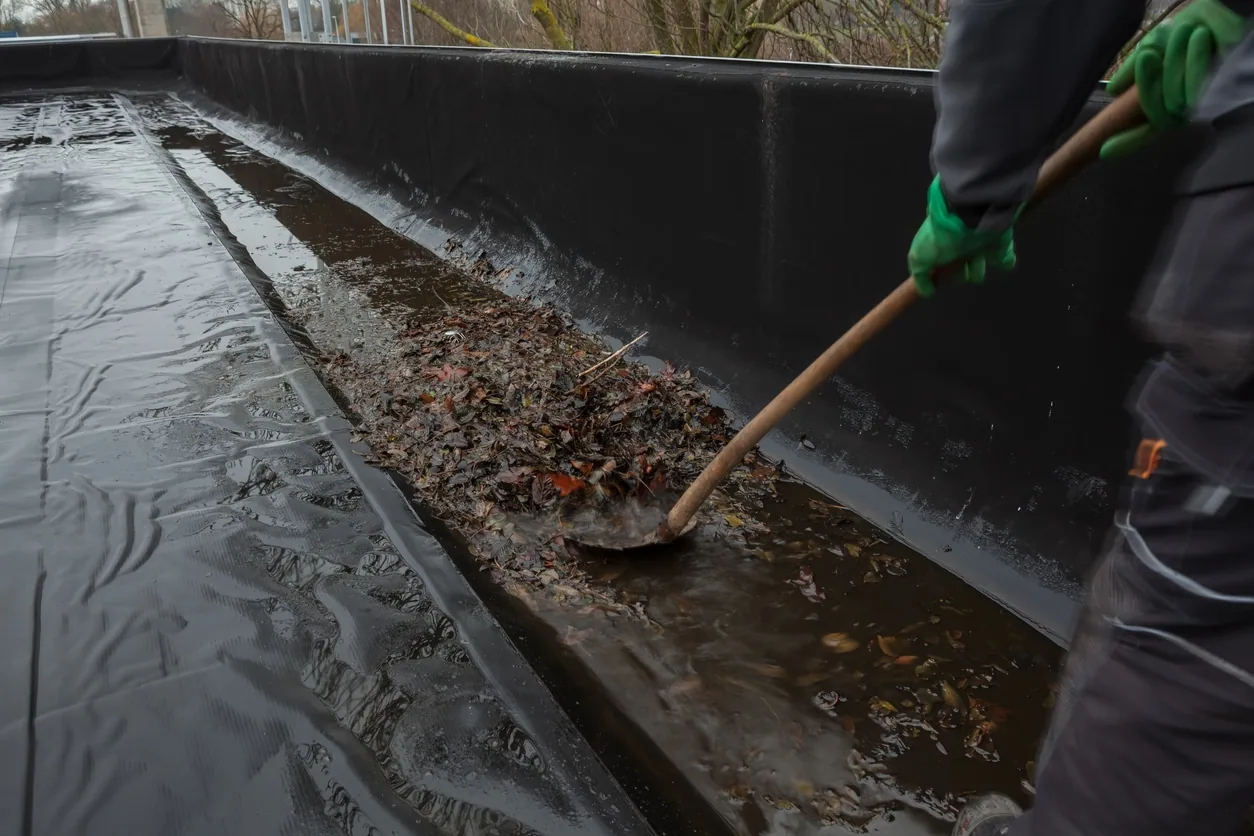
Drain connections add another interface. We inspect the membrane termination, clamping ring, bowl and overflow opening. If water remains around the drain, the cause may involve debris, a low area or damaged insulation. A drain and scupper review can clarify whether cleaning or a separate slope correction belongs in the repair plan.
Where water has reached below the sheet, the proposal needs a removal boundary. We open only the approved area, document layers and replace wet or unsound material to a dry, stable edge. New membrane ties into compatible existing material. The scope lists any test, allowance or added removal separately, with an approval point before the boundary expands.
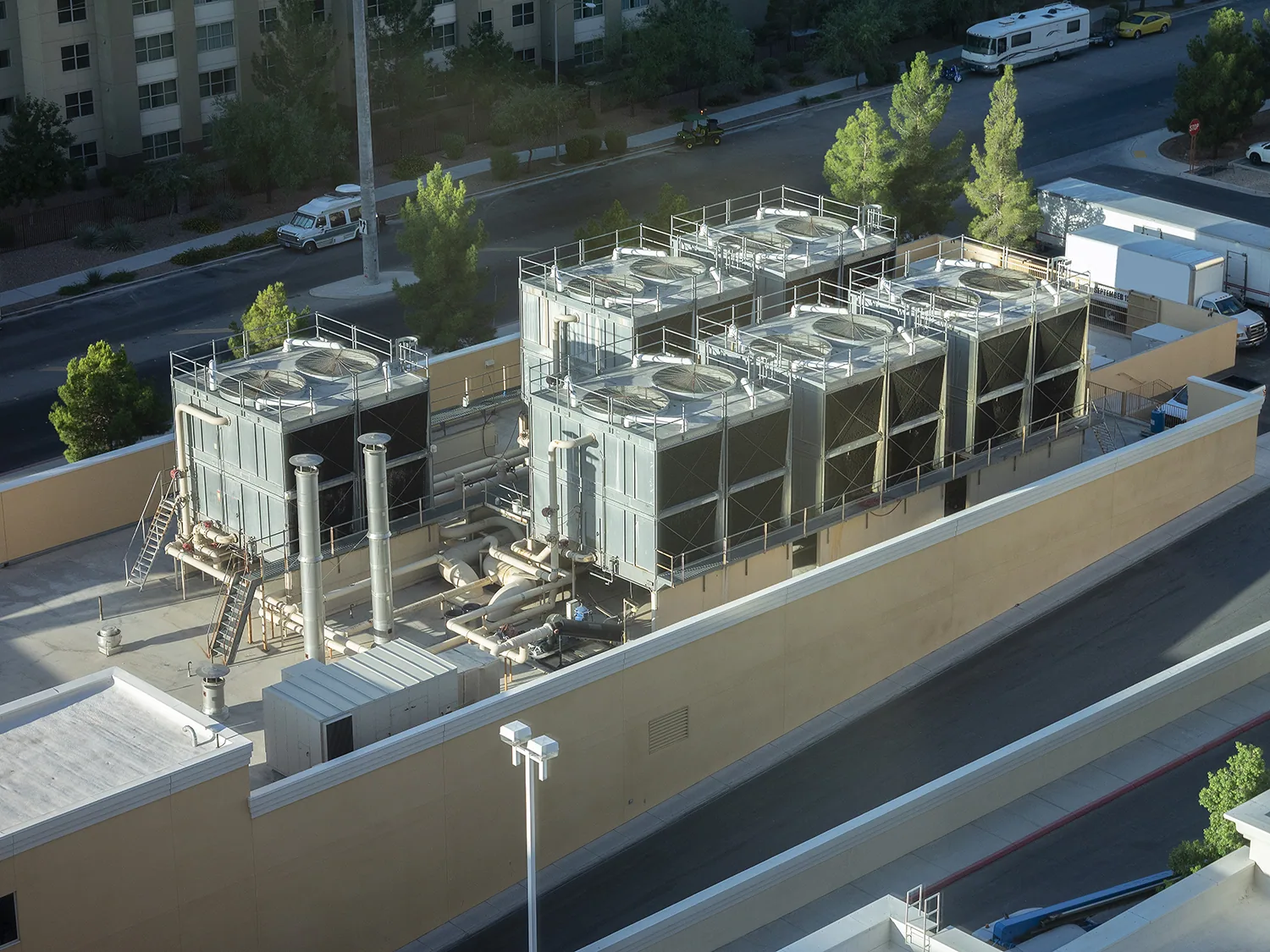
Equipment changes create new roof openings. A curb flashing should integrate with the field membrane and leave the termination secure. The equipment curb detail needs coordination with mechanical dimensions, support spacing and roof access. We photograph the completed tie-in so later service work does not obscure the roof record.
Compare attachment and recovery options
Carlisle systems can be installed using different attachment methods, subject to the specified assembly. Mechanically attached, adhered and fleece-backed approaches change how the membrane transfers load, how seams are arranged and what substrate preparation is required. We inspect the actual attachment and roof deck instead of choosing from appearance alone.
A recover project can avoid removing layers only when the existing roof is dry, stable and compatible with the proposed assembly. Wet insulation, loose membrane or uncertain attachment can rule out that approach. We identify test locations and explain what core cuts could reveal. A recover evaluation checks assembly conditions, drainage, curb heights and added load before a new membrane is considered.
Full replacement exposes more of the roof and lets the crew inspect the deck and insulation. The replacement scope identifies removal depth, insulation design, edge details, drains, penetrations and temporary protection. Cost changes with access, existing layers, roof-zone count and concealed damage. We separate confirmed quantities from approved allowances.
GAF and Johns Manville also offer commercial membrane families, but a Carlisle detail does not automatically transfer to another manufacturer. A GAF system review or Johns Manville assembly requires its own material documents and installation details.
Plan the work window around site conditions
Atlanta climate normals show a hot, humid summer pattern with regular warm-season rainfall. Adhesive and primer work needs a suitable substrate, and welded seams need a dry surface. We sequence one area at a time and close open edges before leaving the roof. A rain delay is recorded with the temporary protection and restart condition.
North and central Georgia experience severe thunderstorms, hail, damaging wind and tornadoes. After a reported event, we inspect the property for confirmed changes such as displaced edge metal, punctures or seam movement. A storm report by itself does not establish that a Carlisle roof has failed. The affected zone, owner-supplied event date and observed evidence stay together in the job record.
Holcomb Bridge Road is Roswell's only interchange access to GA 400. Deliveries and crew arrival can be affected by the site's route and loading rules. We confirm those details with the property contact, then stage membrane rolls and equipment without blocking drains or occupied access. Historic Roswell's 640-acre district also includes properties subject to exterior review when work changes visible features.
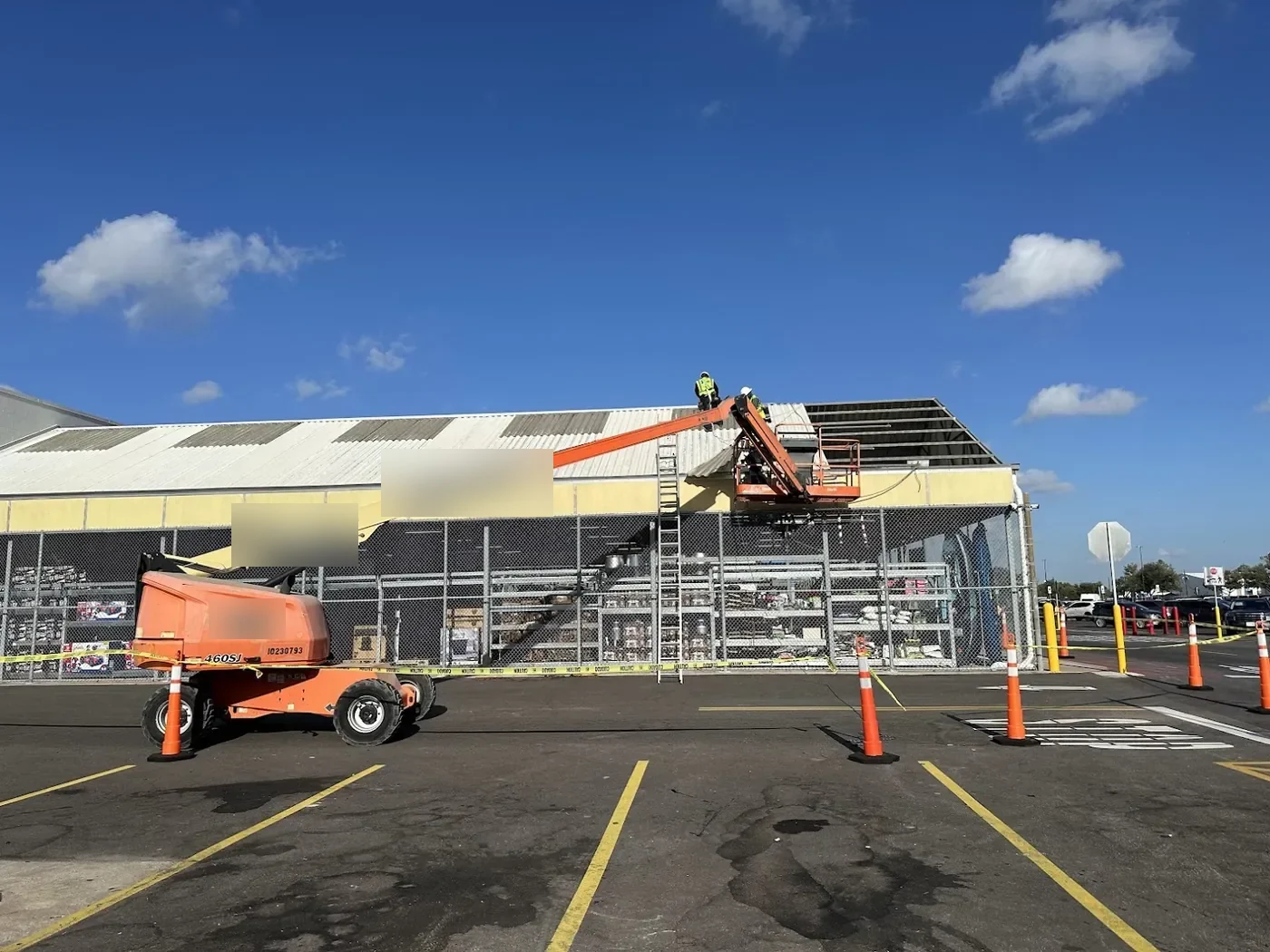
Occupied offices, clinics and civic buildings may require escorts, shutdown coordination or restricted work hours. We identify the roof hatch, mechanical rules, interior protection and daily cleanup plan before starting. Those controls shape the schedule, while the specified Carlisle assembly governs installation details.
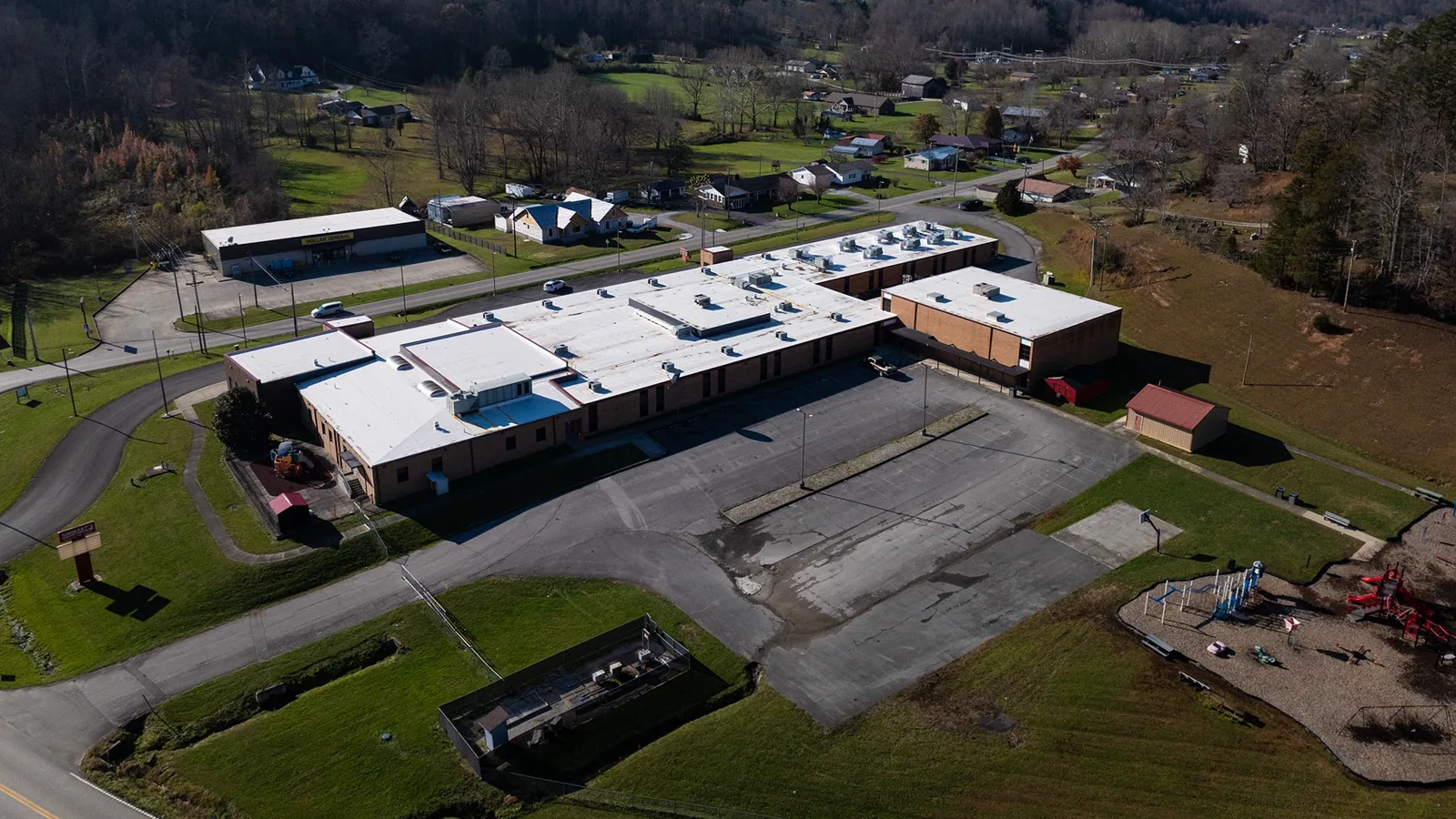
Keep system records tied to the roof zone
Closeout includes photos of the repaired lap, flashing, substrate and adjacent transitions. We identify which Carlisle membrane was installed, what work was completed and which areas remain outside the scope. If records were incomplete, we update the field description without changing the manufacturer's product designation. The property file retains the approved detail and any warranty correspondence.
A condition report can preserve baseline photos and open items for a later visit. For multi-building owners, a roof asset record keeps the Carlisle system, repair history and access limits with its own property. Similar membrane brands do not establish identical roof assemblies.
Request an inspection or scoped comparison for a named Carlisle SynTec roof zone. Send product submittals, roof plans, repair history, leak dates and access rules. We will identify the membrane, check its connection details and document the repair boundary before work expands into concealed layers.
Related Roofing Work
Inspect a Carlisle SynTec roof
Name the property and roof zone. Share Carlisle submittals, plans, prior repairs, leak dates and access rules for a system-specific inspection and repair comparison.
Questions About Carlisle SynTec Commercial Roofing
Can the installer use the same patch method on Carlisle EPDM and TPO?
No. EPDM seam work uses compatible tape, primer or adhesive details, while TPO seams are heat welded. We confirm the installed material and surface condition first. If a roof includes multiple systems, each zone receives its own repair method and closeout record.
What makes a Carlisle seam repair fail early?
Contamination, moisture, a degraded lap edge or movement in the substrate can prevent a reliable tie-in. We inspect the material beyond the visible separation and test the proposed repair surface when needed. If the surrounding sheet will not accept the repair, removal extends to stable material with owner approval.
How can I confirm which Carlisle membrane is installed?
Start with submittals and closeout documents, then compare them with field labels, seam construction and accessories. Color is not enough to identify the material. We record unresolved differences and request manufacturer documentation or an approved test before specifying an uncertain repair.
Can a Carlisle roof be recovered instead of removed?
A recover depends on moisture, attachment, substrate condition, drainage and added load. We inspect and test where needed before recommending a second system. If wet insulation or loose layers are present, replacement may provide a clearer basis for repair and closeout.
Commercial Roofing Across Roswell and North Fulton
Roof Repair, Replacement and Maintenance for Every Kind of Commercial Building
From Historic Roswell and Canton Street to the Holcomb Bridge Road corridor, GA 400 and the North Point area, we inspect, repair and replace low-slope and metal roofs on offices, retail centers, medical buildings, schools and warehouses.