Commercial Roofing in Cumming, GA
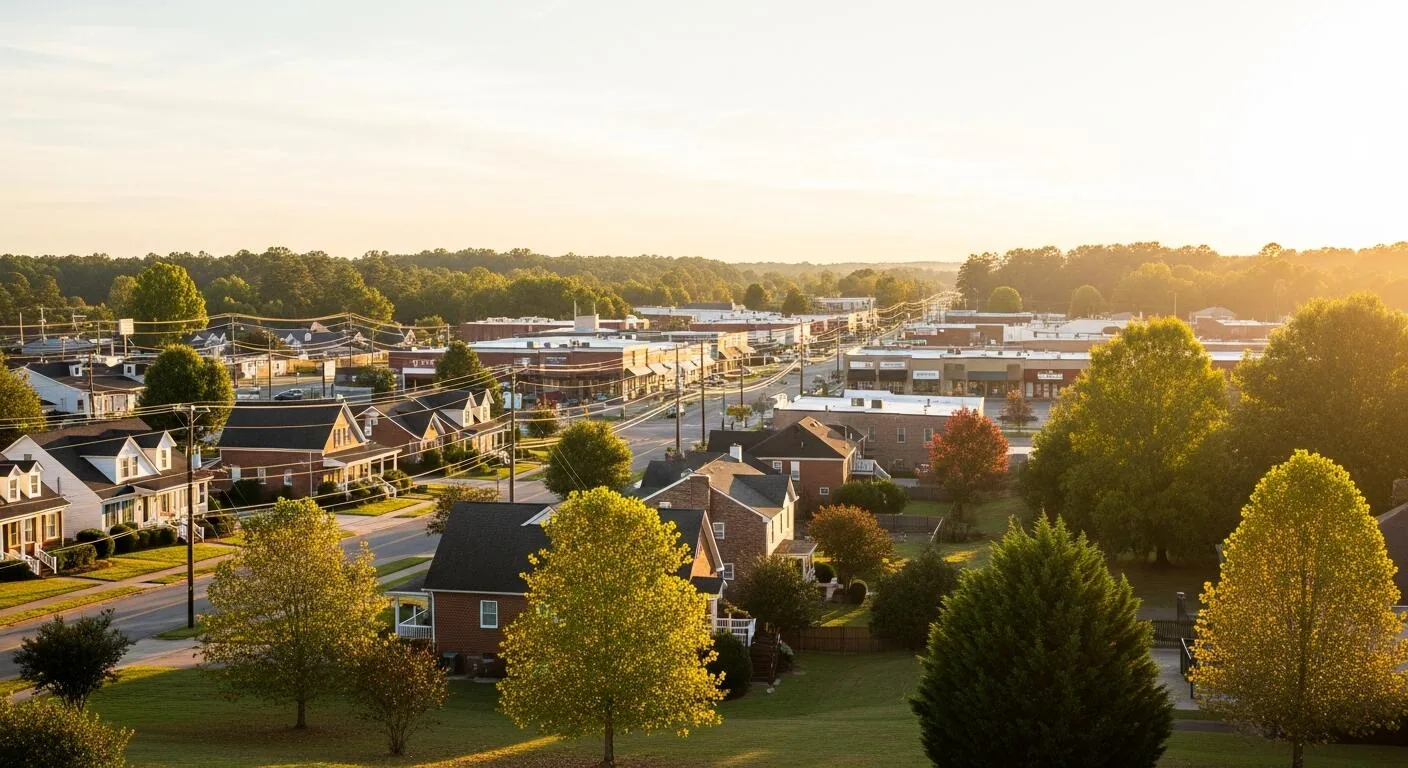
A roof assessment in Cumming starts with the building's use, drainage, and current maintenance record. The city describes itself as Forsyth County's commercial and service center, with medical offices, manufacturing, industrial businesses, and industrial parks among its planning priorities. Those categories describe a broad market, not the construction of any one roof. We identify the property, confirm safe access, and trace reported concerns to specific roof zones before defining a scope.
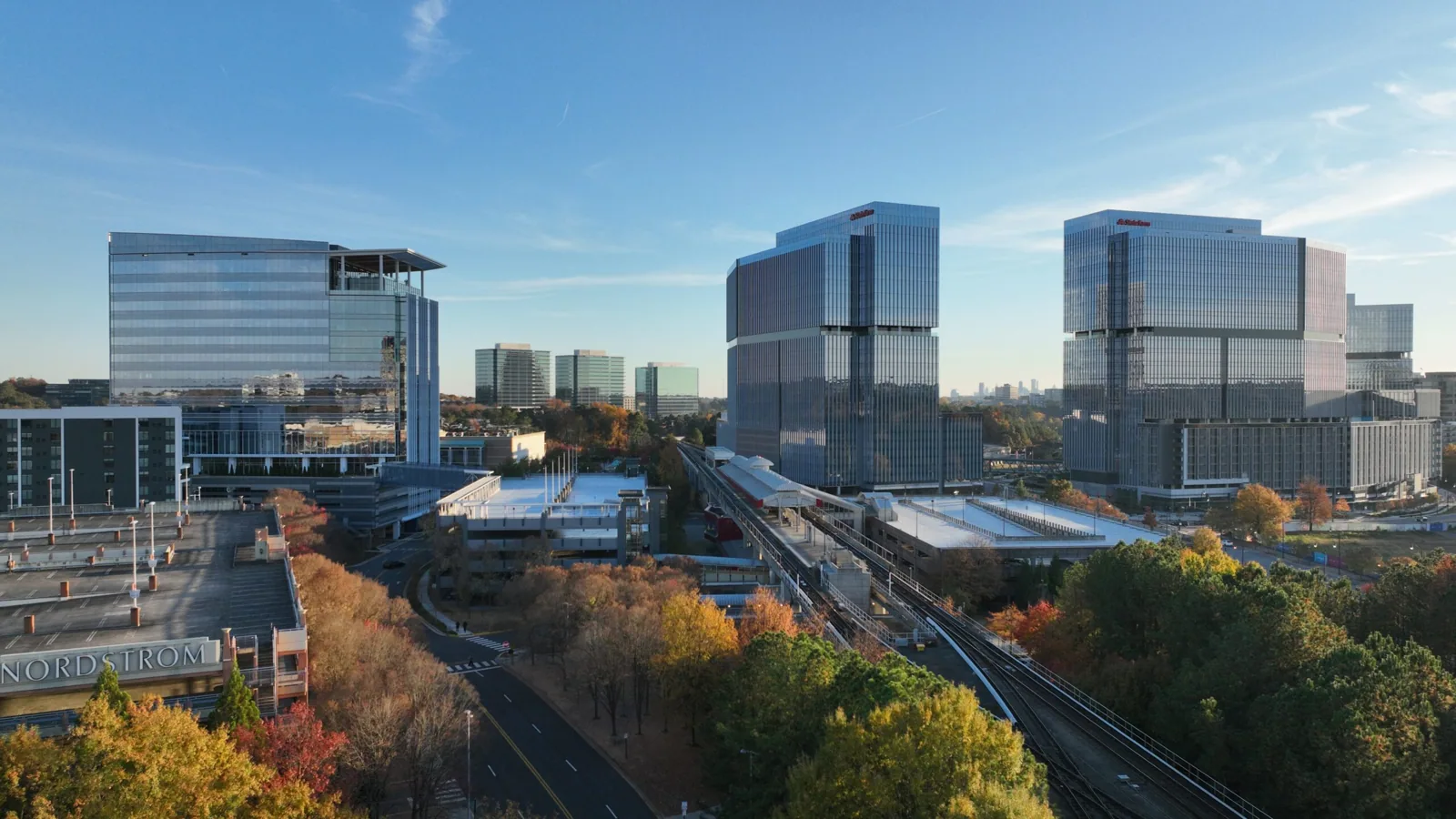
Cumming's comprehensive plan also anticipates infrastructure capacity for future office, commercial, and light-industrial activity, especially near GA 400. For owners managing an occupied property or planning a renovation, the roof review should establish what is installed, what remains serviceable, and which details may affect later work. A North Fulton portfolio review can coordinate properties across a broader ownership group; each Cumming building still receives its own findings.
Start with the roof's actual condition
We begin at drains, edges, wall transitions, penetrations, and visible repairs. Those details often show where water can enter or where movement has stressed a seam. The field surface matters too: we look for open laps, punctures, blistering, loose metal, and areas where water remains after surrounding sections dry. Photographs and roof-zone labels give the owner a useful record instead of a general statement about the whole building.
Property type helps shape questions, but it does not identify the assembly. Medical offices may need predictable access and interior protection. Manufacturing or light-industrial operations may have equipment, exhaust, or process schedules to coordinate. We verify those conditions with the site contact and review available plans or prior repair records. If the membrane or insulation layers cannot be confirmed visually, a controlled test opening can establish the tie-in before permanent materials are selected.
Atlanta climate records show warm, humid summers and regular rain; the July normal high is close to 90 degrees Fahrenheit. For a roof walk, that makes drainage paths, lap edges, and wall flashings practical checkpoints after wet periods. Climate only guides where we look. A commercial roof inspection can document observed conditions and identify areas that still need access or testing.
Fit roof work around business operations
Commercial and service properties cannot all pause operations for roofing. We ask which entrances stay open, where deliveries arrive, what equipment must remain active, and whether work below a roof zone needs protection. For a clinic, that may mean confirming patient-facing hours and sensitive interior areas. For a production or warehouse operation, it can mean identifying exhaust, staging, and equipment-clearance limits. The property manager decides the constraints; the estimate records them.
When several roofs share ownership, a route can reduce repeated mobilization, but the inspections should not merge into one campus-wide assumption. We label buildings, elevations, and affected zones separately. If the city plan's anticipated office or light-industrial growth becomes a renovation project, we can review roof interfaces with the construction schedule while keeping existing conditions distinct from proposed work. A multi-property roofing program helps organize budgets, inspections, and approvals without losing building-level detail.
Access planning also addresses ladders, hatches, fall protection, lift placement, and material movement. If a work zone sits over active rooms, the sequence should define temporary protection and the daily stopping point. A phased reroofing plan can map those steps before crews begin, particularly when the owner needs operating areas returned at the end of each shift.
Choose a scope after confirming the assembly
A repair should connect compatible materials to sound existing surfaces. Thermoplastic membranes, EPDM, modified bitumen, built-up roofing, coatings, and metal systems each require different preparation and details. We identify the current roof before selecting a patch, flashing method, or coating. If prior work has covered original materials, records or a test opening may be needed to determine whether a proposed repair can bond and terminate correctly.
Moist insulation can widen the work area. We note the visible limits, open only what is needed to reach a reliable substrate, and document concealed layers as they appear. Any hidden deck deterioration or additional wet material should be priced and approved separately. A defined repair proposal can state the locations, materials, removal extent, protection, and allowances in plain terms.
Repeated defects across several zones call for a comparison with recovery or replacement. We review the deck, drainage, roof height, existing layers, penetrations, and expected service needs. The owner can then compare near-term repair cost with the longer-term work plan. A roof replacement assessment should explain tie-ins at walls and equipment, removal assumptions, and how exposed areas stay protected during construction.
Set work limits around rain and heat
Warm-season showers can interrupt surface preparation, adhesive work, welding, and coating application. We divide a project into areas that can be closed and protected before the crew leaves. The sequence identifies temporary dry-in materials, required cure or drying conditions, and the next inspection point. If a forecast shifts the workday, the plan should preserve the approved repair limits rather than expanding an opening without review.
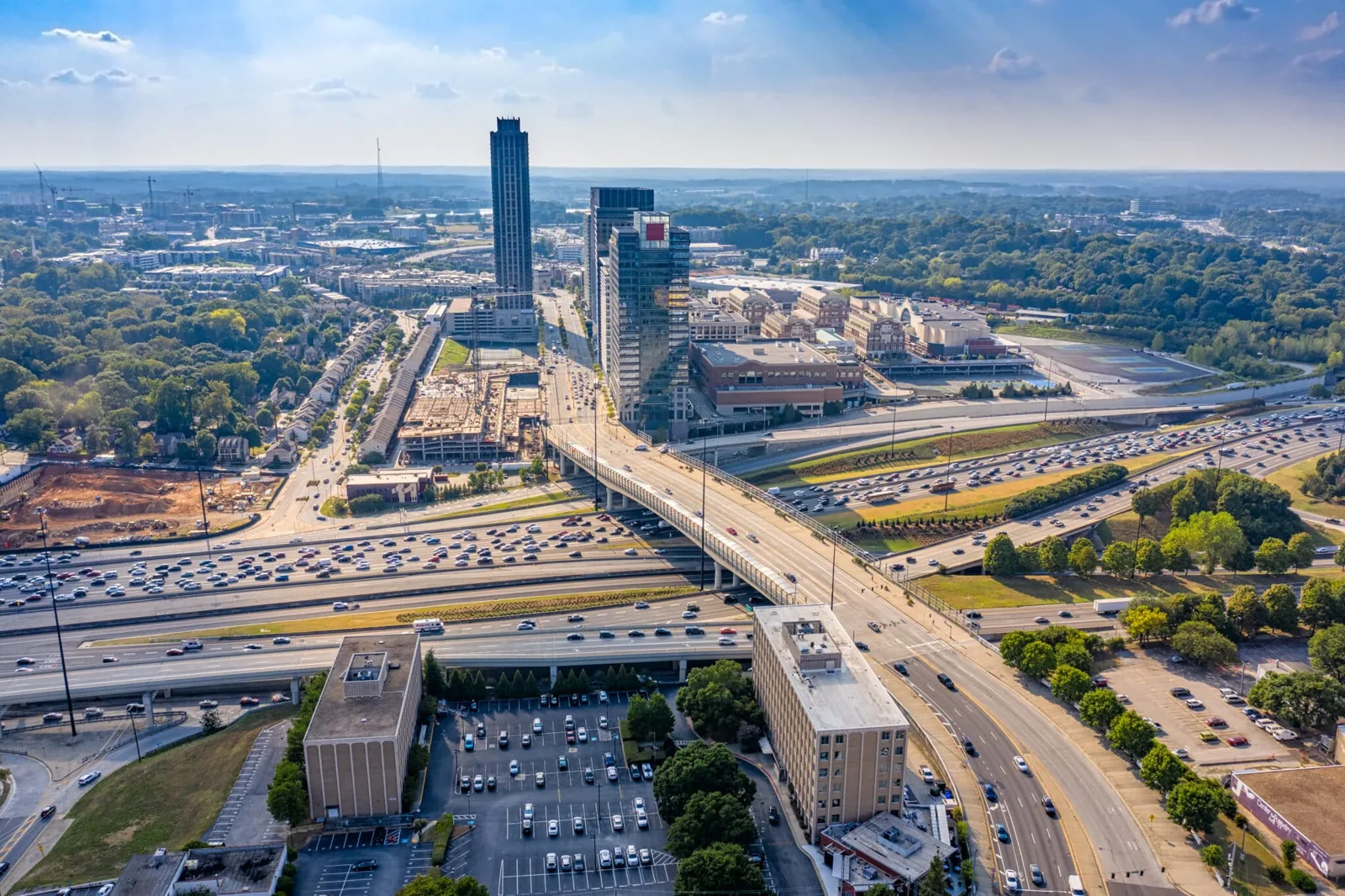
Timing and price depend on roof area, drainage details, material compatibility, access equipment, occupied-space controls, and the quantity of damaged or wet material. A medical office, manufacturing operation, or flex building may each have different constraints even when the roof type is similar. We confirm actual operating requirements instead of assigning them from a market category. When an active leak needs immediate attention, leak tracing and repair can document the entry path while longer-term options are evaluated.
Projects near planned development activity may also intersect with other construction. We ask whether rooftop units, new penetrations, or altered drainage are part of the work. Coordination avoids sealing a detail that another contractor will soon reopen. The estimate should identify who owns each interface and what information must be available before mobilization.
Leave a useful roof record behind
Closeout documentation should show the repaired area, adjacent details, materials installed, and limits of the approved scope. We record what was opened, what layers were visible, and whether a concealed condition remained outside the work. The owner receives building and zone labels that can be used in the next inspection, budget review, or contractor handoff.
Cumming's planning priorities include medical offices, manufacturing, industrial businesses, and existing industrial parks. That mix makes consistent records useful, but it does not justify treating different properties as identical. Keep roof plans, warranty details, equipment changes, repair photographs, and access instructions with the corresponding building file. A Roswell-area roofing review can support a broader regional portfolio while preserving Cumming-specific observations.
Request an assessment for a commercial property or a list of buildings in Cumming. Share roof plans, reported leak locations, repair history, access rules, and any planned construction. We will document visible conditions, explain the options supported by the inspection, and separate confirmed work from concealed items that require approval.
Related Roofing Work
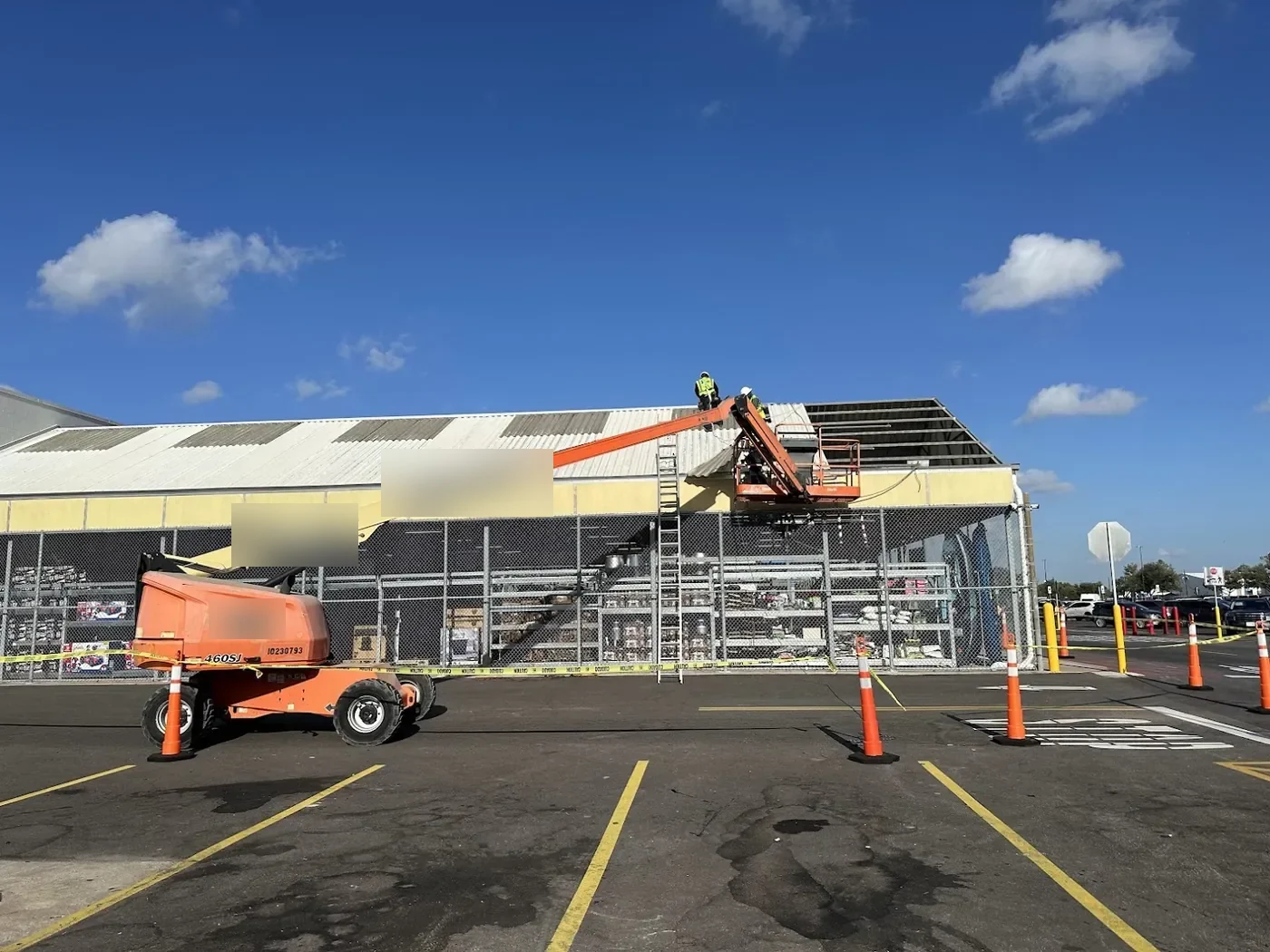
Review a Cumming commercial roof
Share the building use, roof plans, reported concerns, repair history, and access rules. We will inspect the affected zones and outline repair or renewal options based on confirmed conditions.
Questions About Cumming
Can a roof inspection cover multiple Cumming properties?
Yes, we can coordinate a route when access contacts and schedules are available. Each roof still receives its own photographs, zones, assembly notes, and recommendations. A defect at one address does not establish the condition of another property.
Does a medical or industrial use determine the roofing system?
No. Building use helps us plan access, interior protection, and operating constraints. We identify the installed material through visible details, records, and testing when needed before recommending a compatible repair or renewal.
What should an owner prepare before a first roof visit?
Send any roof plans, prior repair reports, warranty information, leak dates, and access instructions. A contact who can describe operating hours and sensitive rooms helps us plan the walk and record the relevant work limits.
When is replacement worth comparing with repair?
Compare options when failures recur across multiple zones, wet insulation is widespread, or repairs approach a large share of the roof. We inspect the deck, existing layers, drainage, and interfaces before presenting costs and sequencing assumptions.
Commercial Roofing Across Roswell and North Fulton
Roof Repair, Replacement and Maintenance for Every Kind of Commercial Building
From Historic Roswell and Canton Street to the Holcomb Bridge Road corridor, GA 400 and the North Point area, we inspect, repair and replace low-slope and metal roofs on offices, retail centers, medical buildings, schools and warehouses.