
Spray Polyurethane Foam Commercial Roofing in Roswell, GA
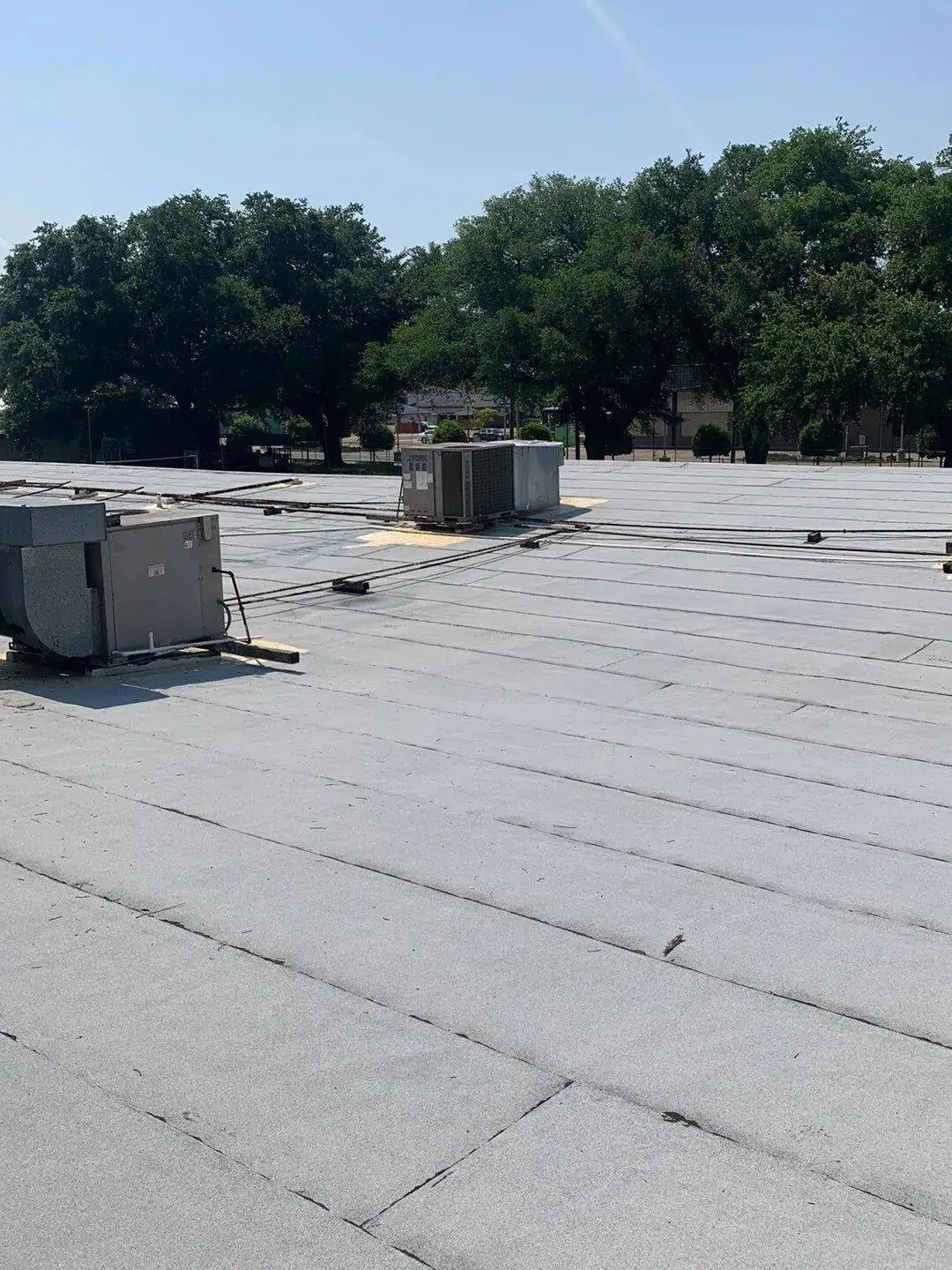
A cracked foam coating near a curb exposes the SPF surface below. The crack may stop at the coating, or it may extend into foam and hold water. We inspect the protective layer, foam profile, flashing, and drainage before setting the repair boundary. Roswell's humid summers and frequent rain test the coating at seams and penetrations. We record the condition of each layer separately.
Spray polyurethane foam forms a continuous roof surface that depends on a protective coating. That coating shields the foam from weather and wear. We examine both the surface and the foam beneath it before recommending repair or restoration. A roof insulation inspection can help map areas where the foam has softened or lost support.
Check coating and foam together
We inspect the coating for cracks, blisters, thin areas, punctures, erosion, and separation at terminations. A crack can expose foam without showing how far moisture has moved. We probe selected areas and compare them with staining, roof slope, and previous repair locations. The report marks test points and distinguishes a coating defect from foam damage confirmed beneath it.
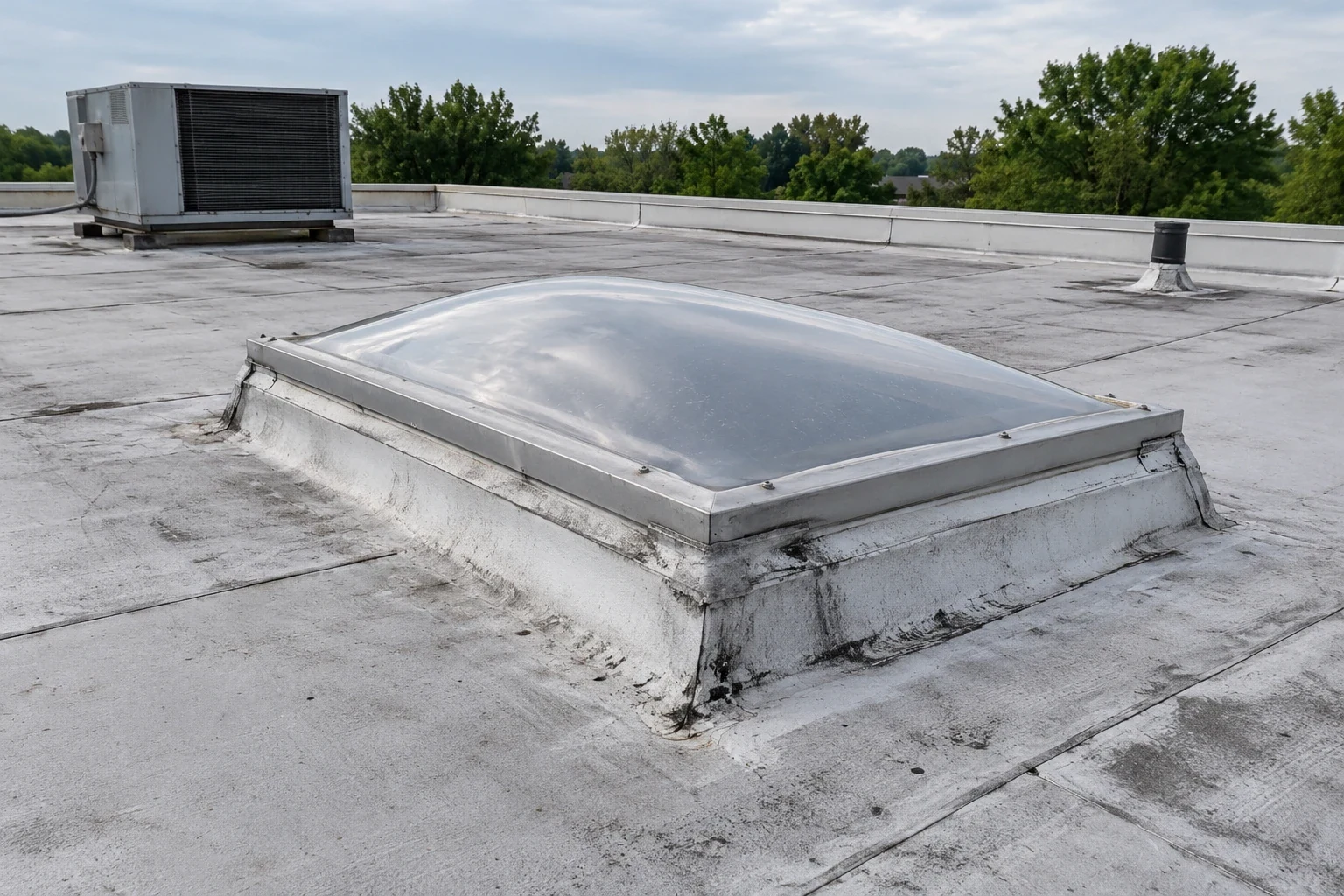
At curbs, pipes, and rooftop equipment, we check coating terminations, sealant, and the foam contour. Water can hold behind a raised edge or low pocket. We inspect the drain and overflow route before closing a repair. A curb detail may need reinforcement separate from a broad field coating. A flashing repair can address a confirmed penetration failure without treating the full SPF surface as defective.
Roswell's hot, humid summers and regular rain can leave coating surfaces damp after a shower. We check moisture and adhesion before applying new material. If the foam is wet or deteriorated, coating over it can hide the boundary rather than restore support. We open selected areas when needed, record the foam condition, and keep untested sections outside the confirmed repair scope.
Restore the foam profile
We remove loose coating and damaged foam within the approved repair limit. Sound foam is shaped to match the surrounding profile, then prepared for a compatible protective layer. The new coating must tie into clean, stable material. We check thickness and drainage at the repair edge so the patch does not leave a ridge that holds water.
Foam erosion can create a depression even when the coating still appears intact. We compare the roof surface with drains, scuppers, and low areas before choosing fill or replacement. A drainage assessment can determine whether the outlet, slope, or foam profile is affecting water movement. At drains, the foam should fall toward the bowl without narrowing the opening. We check strainer and overflow clearance after shaping, then photograph it before coating. We keep outlet cleaning separate from foam correction when both are required.
Coating system choice follows existing material, adhesion, surface condition, and weather. Silicone and acrylic products have different application requirements. A silicone coating system may suit certain SPF surfaces when testing supports the tie-in. We specify preparation, reinforcement, and work limits instead of treating a coating name as proof of compatibility.
Protect the finished surface
After repair, the coating protects the foam from sun, rain, and service traffic. We inspect seams, penetrations, drains, edge metal, and prior repairs before applying a renewal coat. A coating may need additional reinforcement at corners or transitions. We identify those zones and record where existing material remains outside the restoration.
North Georgia sees hail and severe thunderstorms. We check SPF roofs for punctures, coating fractures, and displaced flashing after visible impacts. Hail or wind reports alone do not prove foam damage at a particular property. We document the condition, photograph the area, and test the foam where the coating no longer provides a reliable view. The findings set the repair scope.
For a roof in Roswell's commercial corridors, equipment service paths and access can affect how SPF work is staged. We confirm roof hatch rules, loading limits, and areas where foot traffic must remain off the foam. A lift or material route may need to avoid exposed landscaping or occupied entrances. Those site details inform sequencing; the coating and foam condition determine the technical work.
Set preparation and cure windows
SPF repairs need dry foam, clean edges, and a weather window that supports the selected coating. We divide the roof into zones and protect each open repair before forecast rain. Humidity, surface moisture, and temperature affect preparation and cure. If conditions change, the crew secures the repair boundary and returns when the surface is ready for the next layer.
Occupied offices, healthcare, schools, retail, and light industrial properties need coordination below the work. We confirm delivery timing, roof access, HVAC operation, and restricted areas with the facility contact. Roswell's Holcomb Bridge Road corridor connects with the city's only GA 400 interchange, so staging instructions can matter to a service visit. We request site-specific access details before mobilizing.
Cost and timing depend on test areas, foam removal, coating preparation, reinforcement, access, drainage correction, and weather holds. The proposal identifies confirmed restoration and any allowance for concealed foam damage. If opening a test area reveals wet insulation or deck, we photograph it and obtain approval before extending removal. A repair scope can address adjacent membrane or flashing defects separately.
Record foam repairs and coating
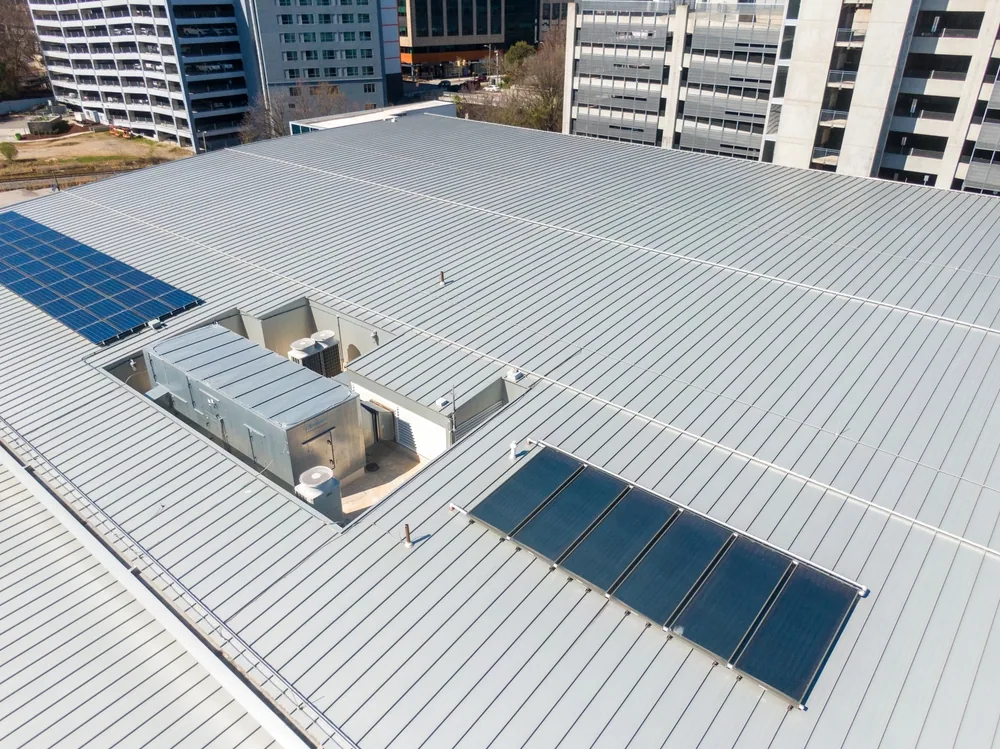
Closeout photos show the prepared foam, repaired profile, coating boundary, penetrations, and drain transitions. We list materials, test locations, and areas excluded from the approved restoration. Where the foam was opened, we note the substrate and any replacement layers. This record gives a later inspection a baseline for coating wear and new surface changes.
Follow-up checks should revisit repaired coating, exposed foam, curbs, drain sumps, and service paths. A compatible acrylic coating review may be relevant for future restoration only when the existing SPF and coating pass compatibility checks. For a North Fulton portfolio, a North Fulton roof record can keep each building's foam condition and maintenance history distinct.
Request an SPF roof assessment for a named building and zone. Share coating records, leak dates, roof plans, prior repairs, access restrictions, and any moisture findings. We will inspect the foam and protective surface, then separate confirmed repair from concealed conditions.
Related Roofing Work
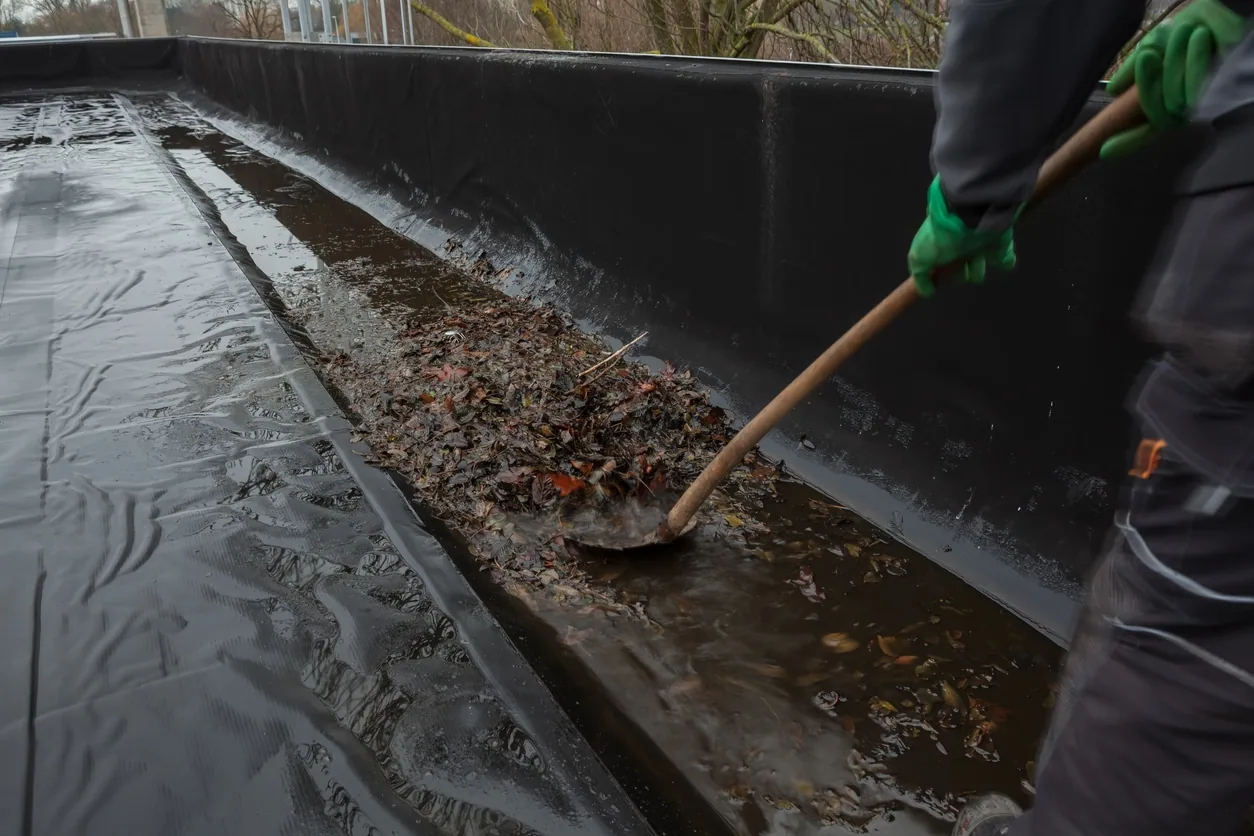
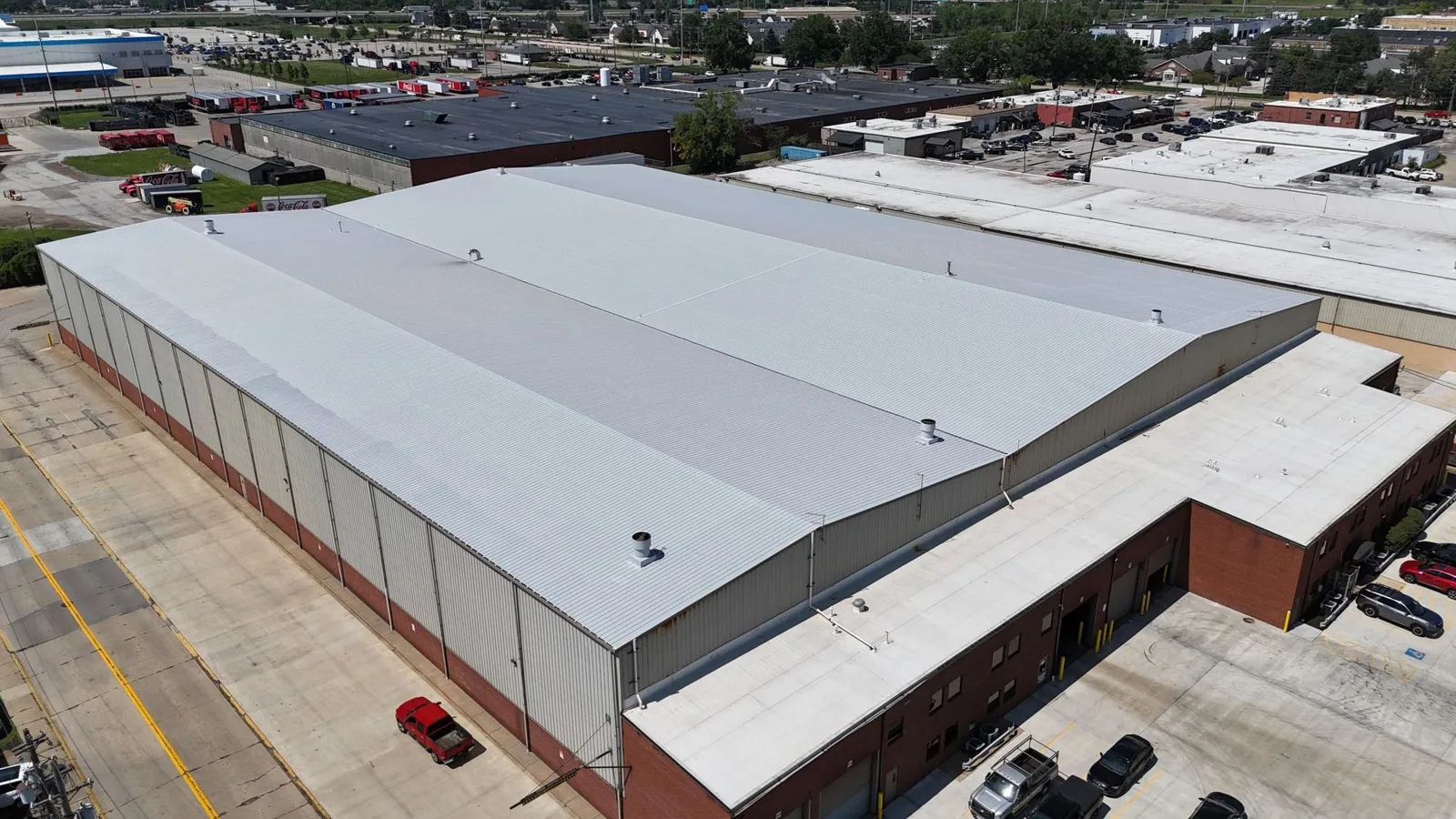
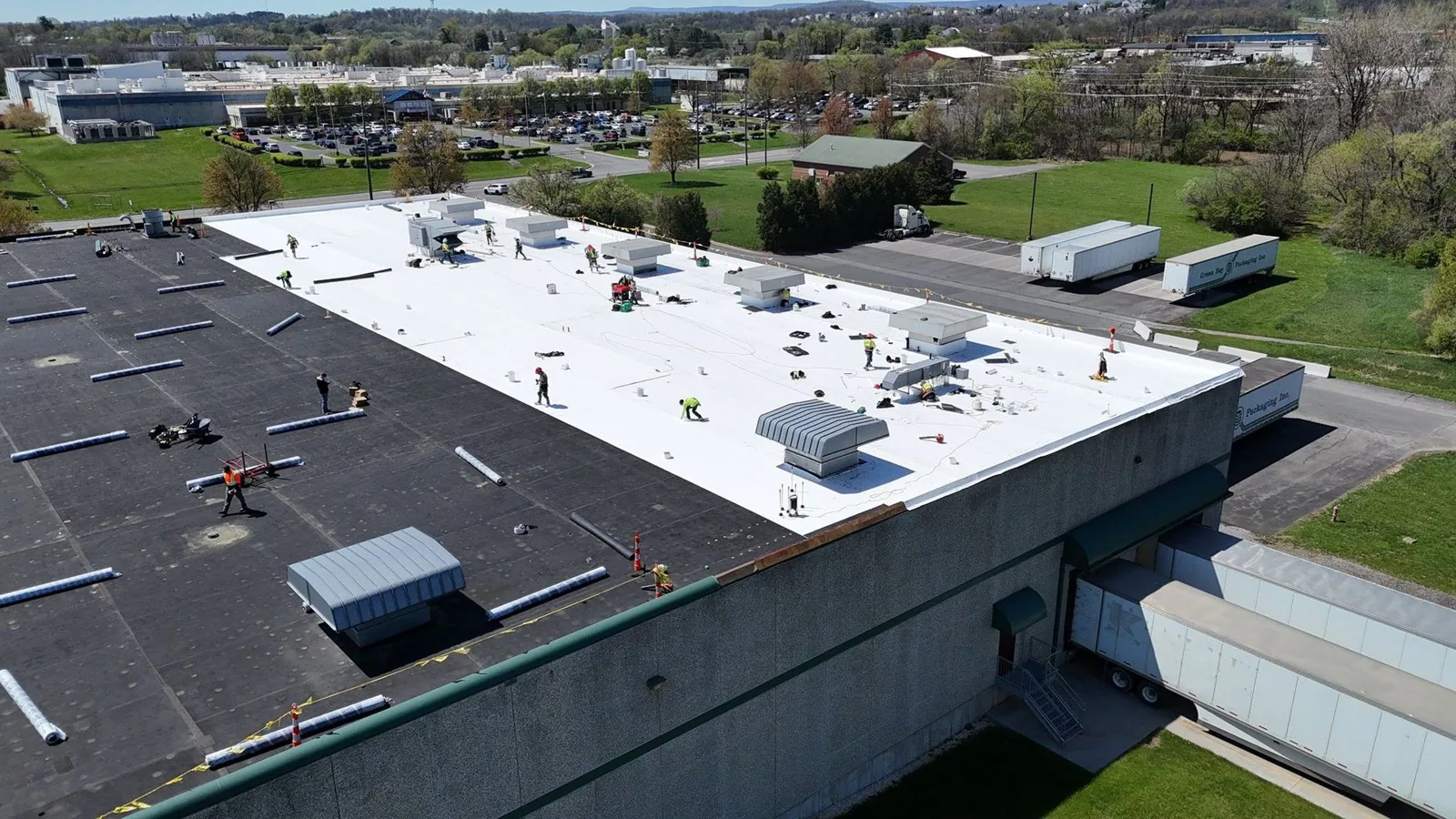
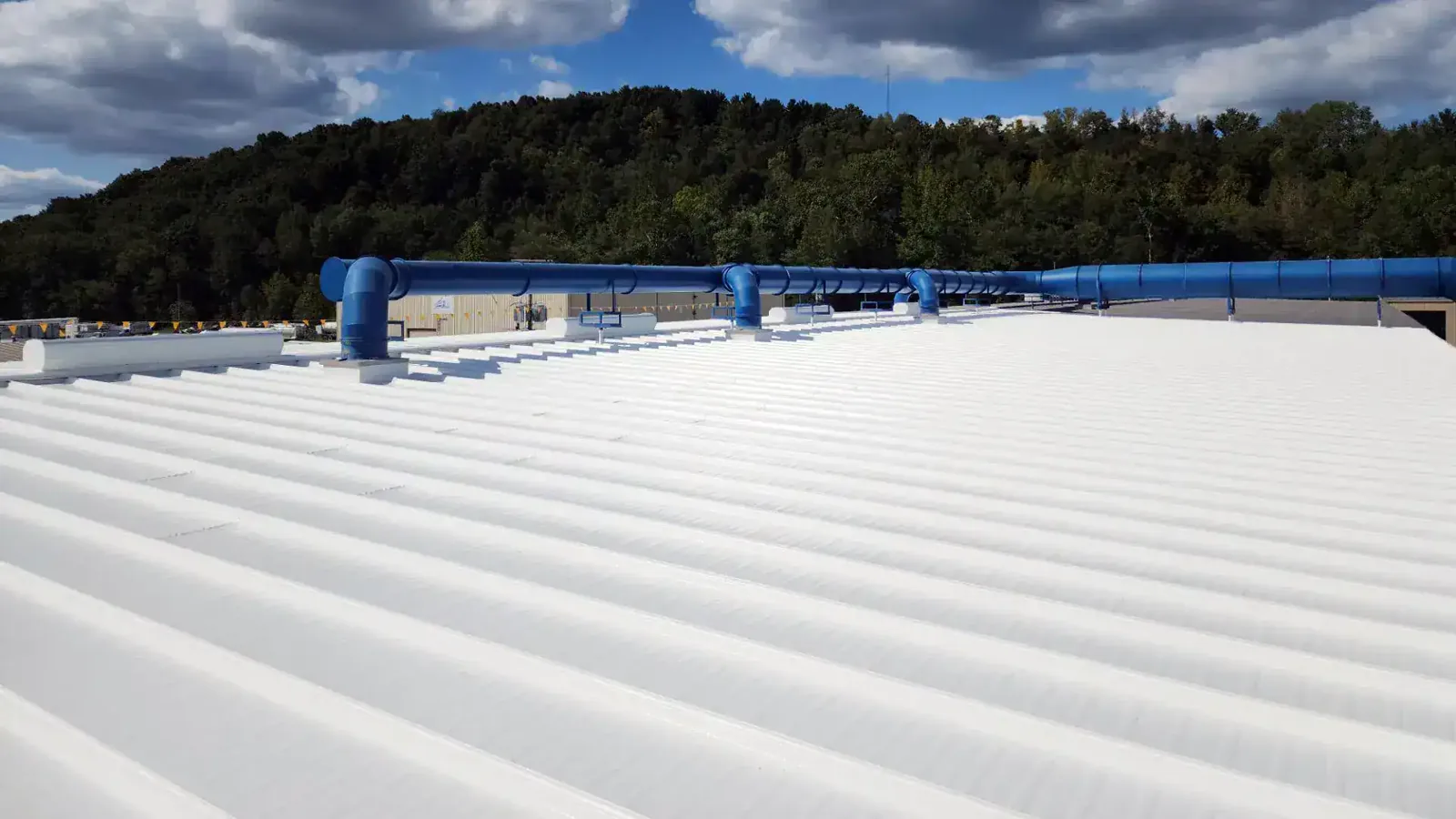
Inspect the foam beneath the coating
Name the building and roof zone. Send coating records, moisture findings, leak dates, prior repairs, plans, and access rules to focus the SPF evaluation and define approval limits.
Questions About Spray Polyurethane Foam Commercial Roofing
How do you tell whether damage reached the foam?
We check for exposed cells, soft areas, erosion, moisture, and coating separation. A surface crack alone may not show the foam condition beneath it. Selected test openings can confirm the layer and repair boundary. We record each location and keep untested roof areas separate from confirmed damage.
Can you coat over an existing SPF roof?
A renewal coat is considered after we inspect adhesion, foam condition, surface preparation, drainage, and existing coating. Loose material and damaged foam need repair first. We test compatibility where needed and identify the approved zones. If moisture or deterioration reaches the substrate, those layers require correction before new coating is applied.
What causes a low spot in a foam roof?
Erosion, impact, compression, or an earlier repair can change the foam profile. We compare the depression with the coating, drain path, and surrounding roof level. If water remains after the outlet is clear, we define foam reshaping or replacement separately from coating renewal.
How should SPF be checked after hail?
We look for fractured coating, punctures, exposed foam, and damaged flashings. Photos show the impact and its roof-zone reference. Where the coating masks the foam, selected testing can confirm what is below. We base repairs on observed damage rather than a regional hail report alone.
Commercial Roofing Across Roswell and North Fulton
Roof Repair, Replacement and Maintenance for Every Kind of Commercial Building
From Historic Roswell and Canton Street to the Holcomb Bridge Road corridor, GA 400 and the North Point area, we inspect, repair and replace low-slope and metal roofs on offices, retail centers, medical buildings, schools and warehouses.