SOPREMA Commercial Roofing in Roswell, GA
A granule-surfaced SBS lap that opens beside a drain can expose more than the top ply. We inspect the surface, seam, flashing and layers beneath before marking a repair boundary. SOPREMA's commercial portfolio includes SBS-modified bitumen, PVC single-ply and polymeric liquid-applied membrane systems. The installed assembly and approved detail determine how the roof is repaired.
From Downtown Roswell's business center to properties near the GA 400 interchange, roof type and site access vary. A Roswell roofing inspection records the materials visible at the building and identifies any layers that remain concealed. We do not select a repair from the manufacturer's name alone.
Read the plies and lap condition
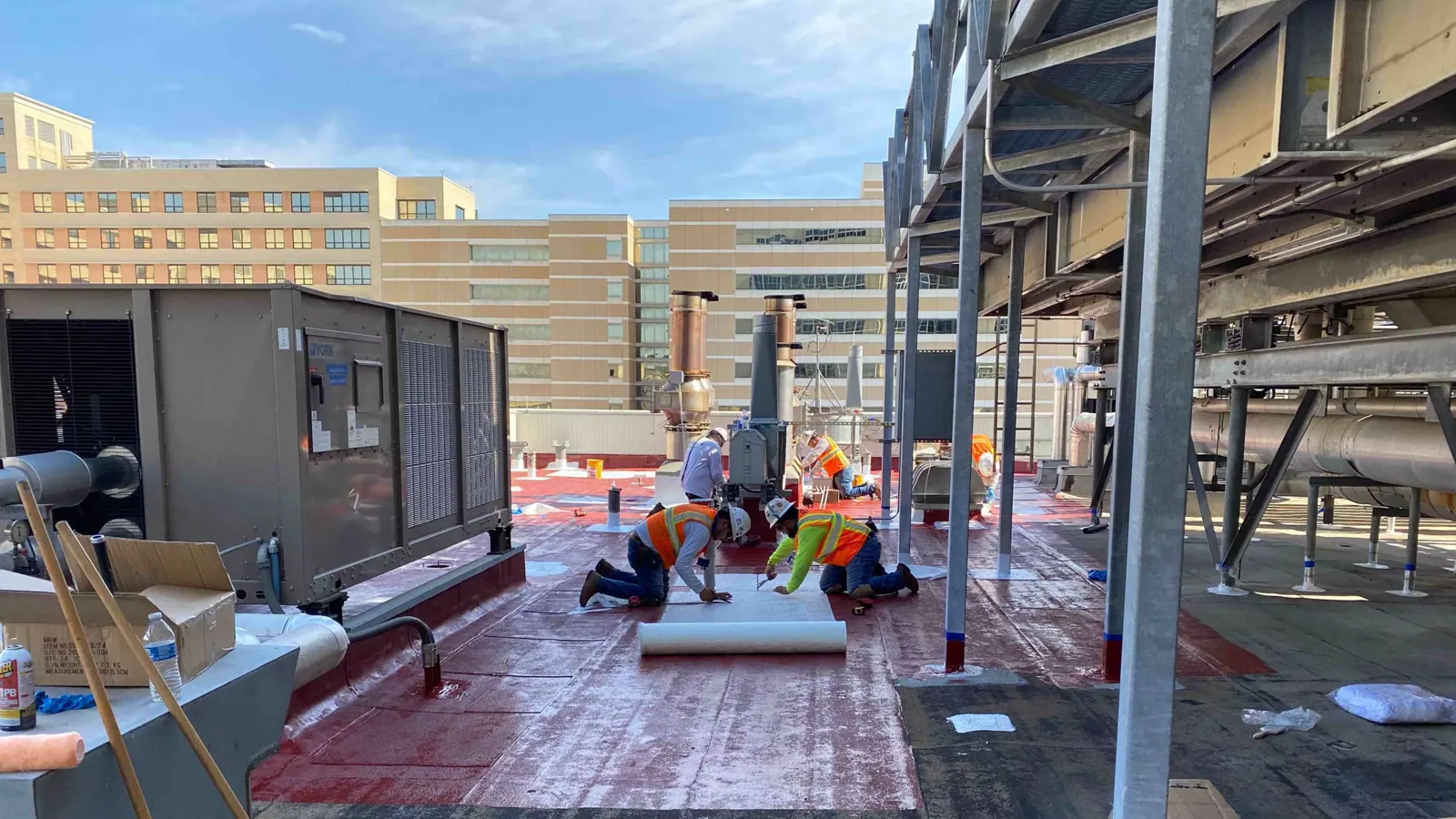
SBS-modified bitumen uses reinforced asphaltic sheets modified for flexibility. Roofs may include base and cap plies, with surfacing and attachment determined by the selected assembly. We inspect laps, granules, exposed reinforcement, blisters, fishmouths and flashing transitions. A surface split may extend below the cap sheet, so we check the underlying layer before deciding whether a patch is local or needs broader removal.
SBS systems can be installed using different application methods. The method on the project documents matters for repair. We identify whether the existing materials were heat applied, cold applied, self-adhered or otherwise installed. A new material must tie into the confirmed assembly and be compatible with the substrate. An SBS roof review records lap construction, surfacing and the system details that control repair.
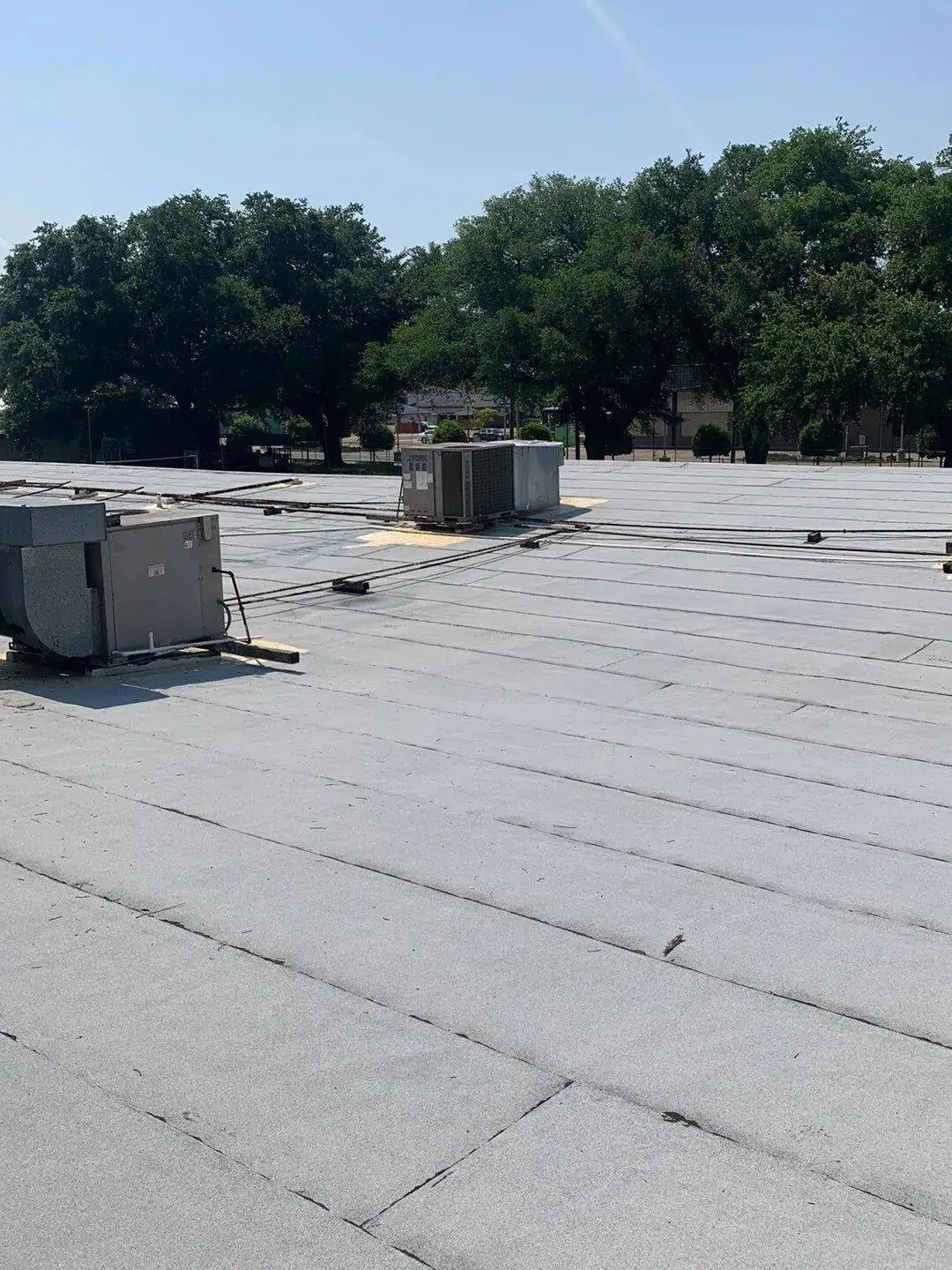
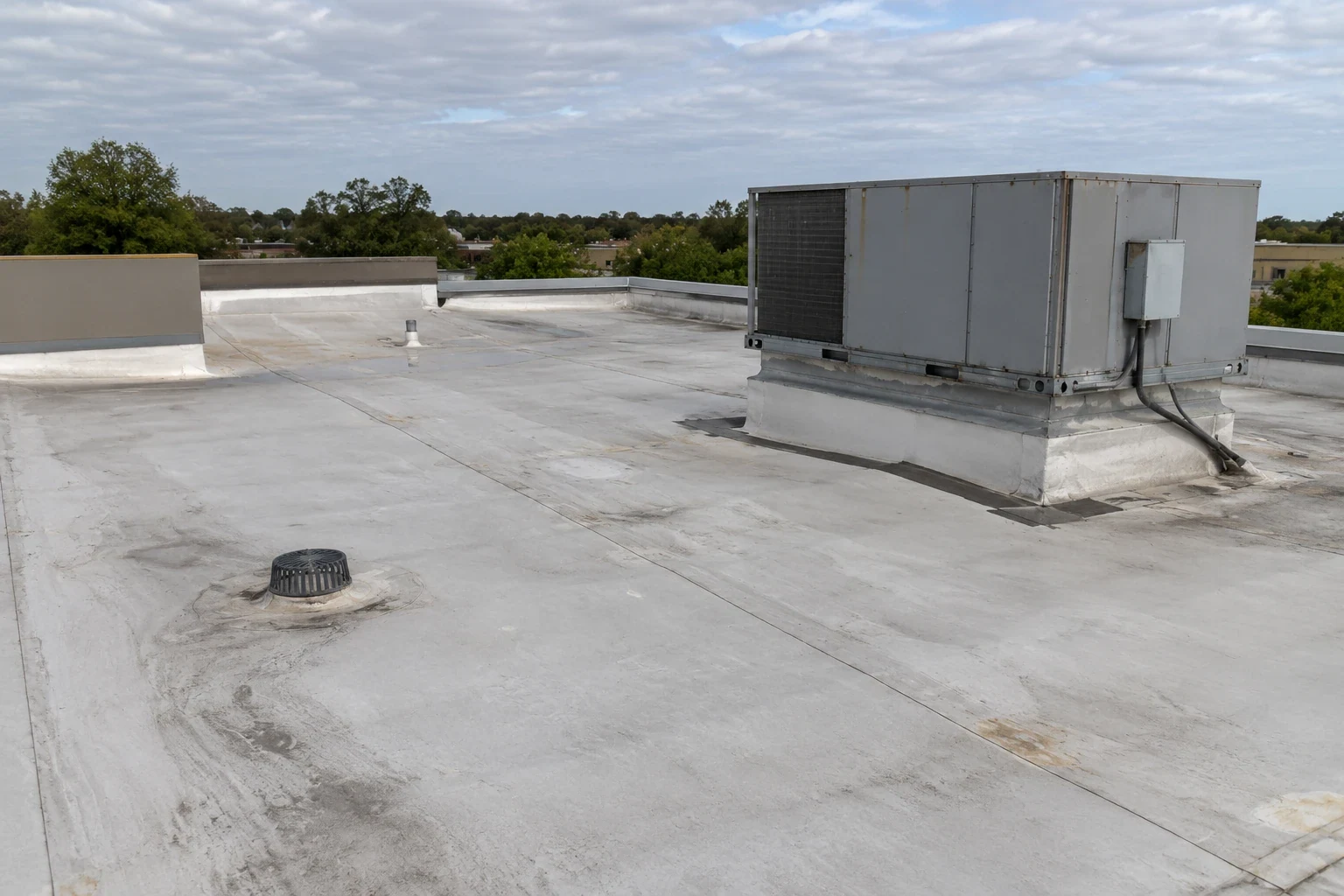
At a drain, we check the membrane termination, bowl, clamping ring and nearby insulation. At a parapet, we inspect base flashing and termination. At rooftop equipment, we review corners and the transition to vertical surfaces. Each detail can fail independently. The report uses a roof-zone reference and photographs so the repair plan addresses the opening, not merely the nearest dark spot.
When water reaches insulation, we open only the approved area and record the layers exposed. Wet material is removed to a dry boundary before the new SBS detail closes the roof. A quantity allowance identifies concealed removal separately from the visible repair.
Match the repair to each membrane family
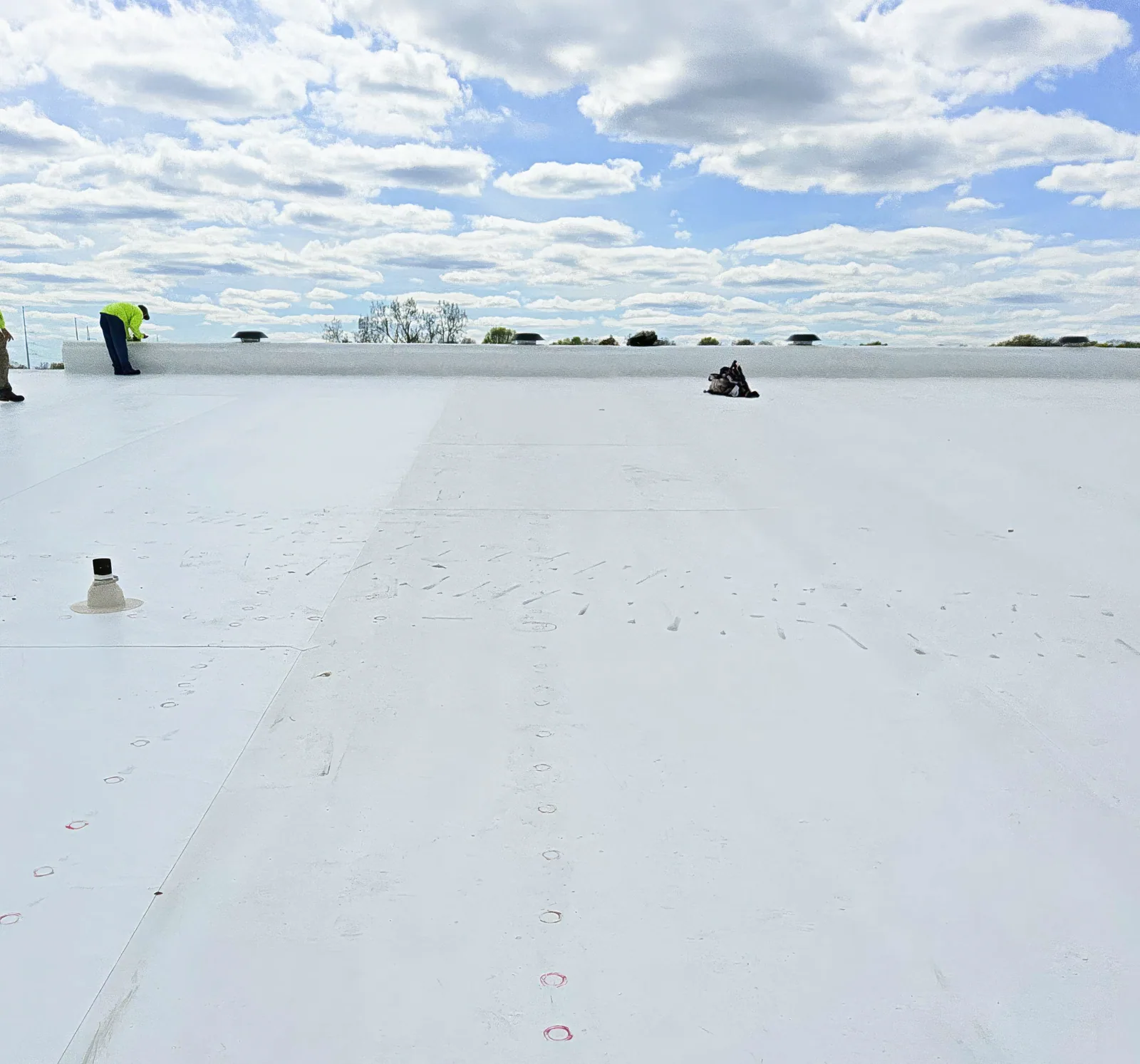
SOPREMA also manufactures synthetic PVC roofing membranes. Their seams are heat welded, and flashing details must match the PVC assembly. A surface that resembles another thermoplastic membrane is not enough to confirm material. We compare roof records and field details, then document the product and connection before choosing a repair.
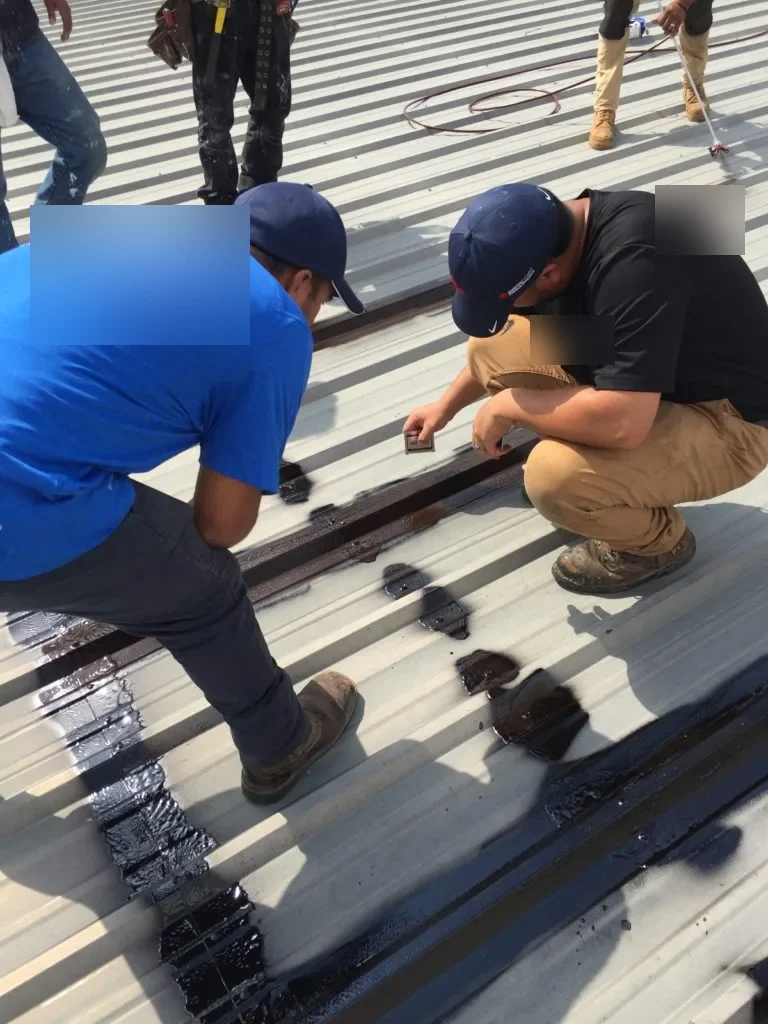
Polymeric PMMA and PMA liquid-applied membranes form continuous layers when installed over suitable, prepared surfaces. At a penetration or wall, the system may use reinforcement and liquid flashing details. We inspect adhesion, cracks, pinholes, thickness consistency where measurable and the edge of previous repairs. A coating restoration assessment distinguishes a suitable substrate from wet, loose or incompatible material.
Each system has different substrate requirements and cure conditions. A liquid-applied detail cannot bridge active movement without the specified reinforcement. A PVC patch cannot correct a loose layer beneath. SBS cap material should not be applied over moisture that remains in the assembly. The proposal states preparation steps and the condition required before application.
A roof may contain more than one SOPREMA product family after additions or past work. We label each zone and identify where assemblies meet. If a transition between systems is exposed, we inspect how the materials terminate and what flashing connects them. That joint may need a separate detail from the field repair.
Check drainage after Roswell rain
Atlanta climate normals show frequent warm-season rainfall and hot, humid summers. Rain can reveal lap defects and ponding around drains; summer heat can stress exposed flashing and surfacing. We note which roof details retain water and whether the substrate appears changed. Those local conditions help frame exposure, while the repair recommendation follows the observed roof.
North and central Georgia track severe thunderstorms, damaging wind, hail and tornadoes. After an owner reports a storm-related concern, we inspect released zones for displaced edge metal, impact marks or opened seams. The event date remains part of the record. A regional alert does not establish a defect in a SOPREMA assembly.
Holcomb Bridge Road meets GA 400 at a central east-west access point for Roswell. We set delivery and staging with the property manager; the named site governs load-in, not the route label. Rolls, adhesives and hot-work equipment arrive only after those instructions are confirmed.
For heat-applied SBS work, the approved work method includes controls for hot materials and open flame. We confirm the location, surrounding construction, fire protection and permit requirements with the project team before work begins. If a safer application method fits the specified system, the proposal identifies it for review rather than changing methods without approval.
Price the confirmed work and the hidden layer
A local SBS patch may be appropriate when surrounding plies remain bonded and dry. We remove deteriorated material, prepare the exposed surface and install compatible reinforcement and cap details. At a PVC roof, the crew prepares and welds matching membrane. For a liquid system, substrate preparation and reinforcement determine the tie-in. The work description names the method at each location.
Widespread moisture or repeated lap failure may support replacement rather than another isolated repair. A replacement scope lists tear-off layers, insulation, flashing, drains, edge details and temporary protection. Recovery may be considered only when the old assembly remains dry, secure and compatible with added material.
Costs vary with application method, number of plies, access, removal, fire-watch controls, substrate repair and work-zone protection. Schedule depends on weather, cure conditions, access and material availability. We separate confirmed work from allowances for concealed deck or insulation issues. The owner approves added removal before quantities expand.
Occupied properties may require restricted hours, tenant notices or equipment coordination. We identify the roof route, delivery point and interior area below the repair. If work pauses, temporary protection and the restart condition are included in the daily log.
Keep the assembly history intact
Closeout photos show the prepared area, installed plies or membrane, flashing transitions and drain connections. The record lists SOPREMA materials used, the repair boundary, any exposed layers and sections left unopened. If manufacturer documentation was supplied, it stays with the property file and the completed scope.
A photo condition report can preserve the affected roof zones and remaining questions. For another multi-ply or single-ply specification, a Johns Manville assembly or Carlisle SynTec system receives its own material review.
A roof plan that changes visible metal or profile within Roswell's preservation area may require commission consideration. We identify the exterior detail for owner follow-up before ordering. The survey records current roof conditions separately from any municipal review.
Request an inspection or scoped comparison for a named SOPREMA roof zone. Send plans, product documents, prior repair history, leak dates and site access rules. We will identify the system in place, record confirmed defects and state which concealed conditions need testing.
Related Roofing Work
Inspect the SOPREMA roof assembly
Name the property and roof zone. Share SOPREMA submittals, plans, repair history, leak timing and access rules for a documented inspection and scoped comparison.
Questions About SOPREMA Commercial Roofing
Can SBS-modified bitumen be repaired with a coating?
Only when the surface and underlying assembly meet the coating system's requirements. We inspect surfacing, moisture, adhesion and prior repairs before recommending a liquid-applied option. The work scope identifies preparation, reinforcement and excluded conditions rather than treating coating as a universal patch.
How do you find a leak in a multi-ply SOPREMA roof?
We compare the reported interior location with laps, drains, curbs and flashing above. Water may travel beneath the cap sheet or through insulation before it appears indoors. We map visible evidence and propose an approved opening if concealed layers control the repair limit.
Can a liquid-applied repair be installed in damp weather?
The substrate and ambient conditions must meet the selected product requirements. We check moisture, temperature, surface preparation and cure conditions before applying the system. If the roof is not ready, we protect the area and schedule work when the detail can cure as specified.
What records help evaluate a SOPREMA roof?
Provide product submittals, application records, roof plans, warranty documents, leak dates and prior repair notes. Those details can identify the system and method used. We compare them with field conditions and label any unresolved layers before setting the repair scope.
Commercial Roofing Across Roswell and North Fulton
Roof Repair, Replacement and Maintenance for Every Kind of Commercial Building
From Historic Roswell and Canton Street to the Holcomb Bridge Road corridor, GA 400 and the North Point area, we inspect, repair and replace low-slope and metal roofs on offices, retail centers, medical buildings, schools and warehouses.