
Commercial Roof Seam Failure Repair in Roswell, GA
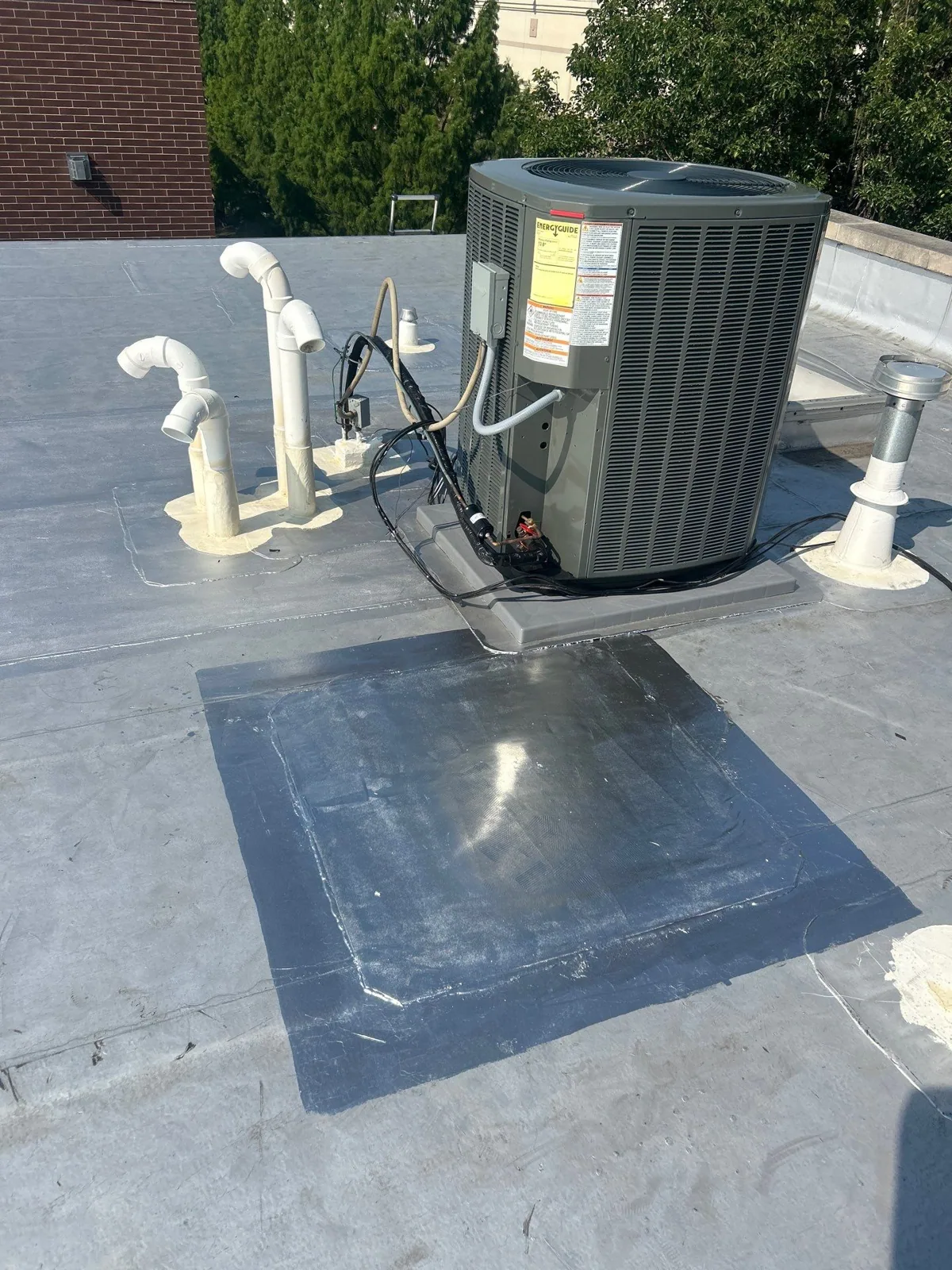
A parted lap beside a rooftop support can let water into the assembly without loosening the surrounding sheet. We inspect the seam ends, field weld or bond, adjacent membrane and substrate before sizing a repair. Roswell's hot, humid summers and frequent rain put laps through repeated heating and wetting. The open line may reflect poor adhesion, movement, contamination or stress near a transition. We identify which condition is visible before choosing a repair method.
The commercial network follows GA 400 and Holcomb Bridge Road, where service access can affect delivery timing. The highway route does not identify membrane type or seam condition. A Roswell roof seam assessment starts with the actual system, reported leak area and roof zone that can be inspected.
Read the split before closing it
A seam may separate at a T-joint, curb corner, end lap, field splice or change in plane. We check whether the opening continues under the sheet, whether the edges remain bonded, and whether nearby patches have lifted. On thermoplastic membrane, the weld needs a clean surface and compatible material. On EPDM or asphalt-based roofs, the lap uses a different preparation and repair detail. We confirm the system before specifying the work.
Movement can concentrate at roof supports, expansion joints, equipment curbs and transitions between old and newer sections. We look for wrinkling, fishmouths, membrane shrinkage, fastener pull-through or a damaged substrate that may load the seam again. A flashing failure review addresses adjacent curb or wall metal when that joint has its own defect.
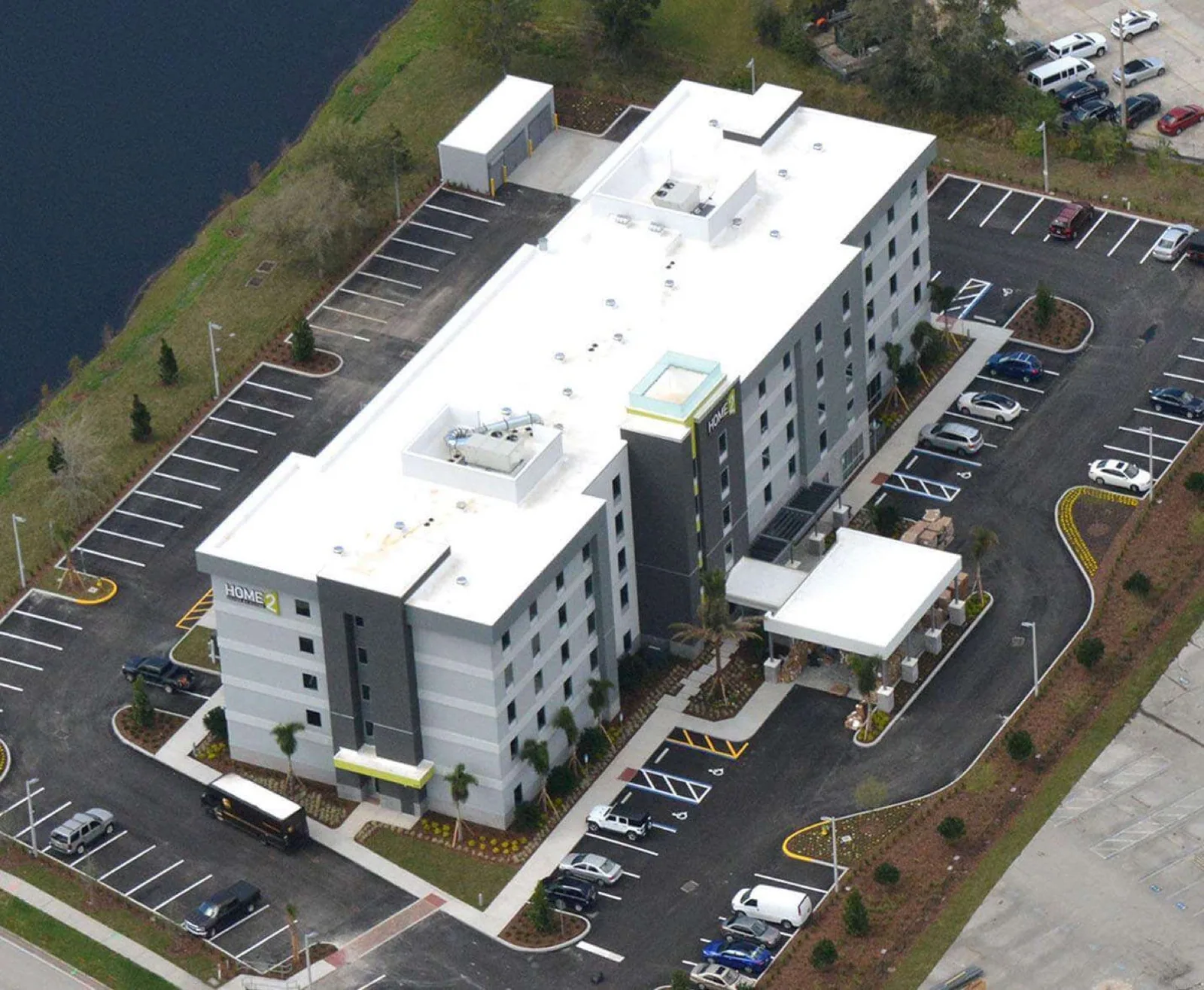
Roswell's building stock spans offices, healthcare, retail, civic buildings and light industrial properties. Their roof systems vary. We do not infer membrane type from use or appearance from the ground. Field identification, available plans and test results determine the seam repair. The inspection record shows the opening, nearby details and any area hidden by equipment or previous work.
Trace water beyond the seam line
Water entering a split lap can move laterally below the sheet or follow the deck before appearing indoors. We compare the leak report with slope, seam direction, curbs, penetrations and drains. The survey marks the visible separation and the likely route to the reported room, while keeping a suspected path distinct from confirmed moisture. Photographs include a fixed roof feature and seam orientation.
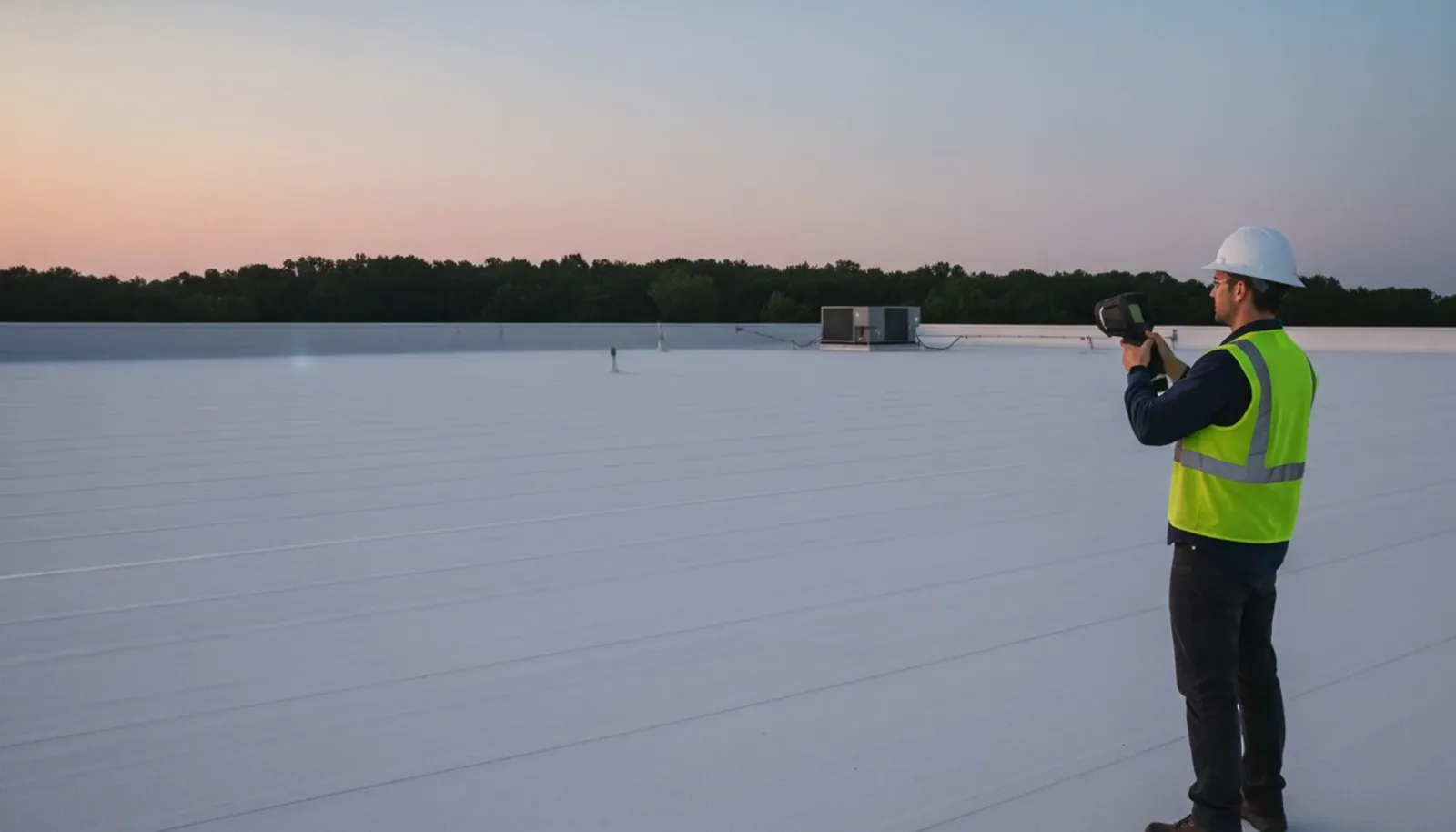
We inspect insulation and cover board near the opening for softness, staining or moisture. Infrared scanning may identify areas for confirmation, while a test cut can reveal layers at a selected point. Neither method should be used as a blanket substitute for examining the seam. A moisture survey can help set test locations when its results will change the repair boundary.
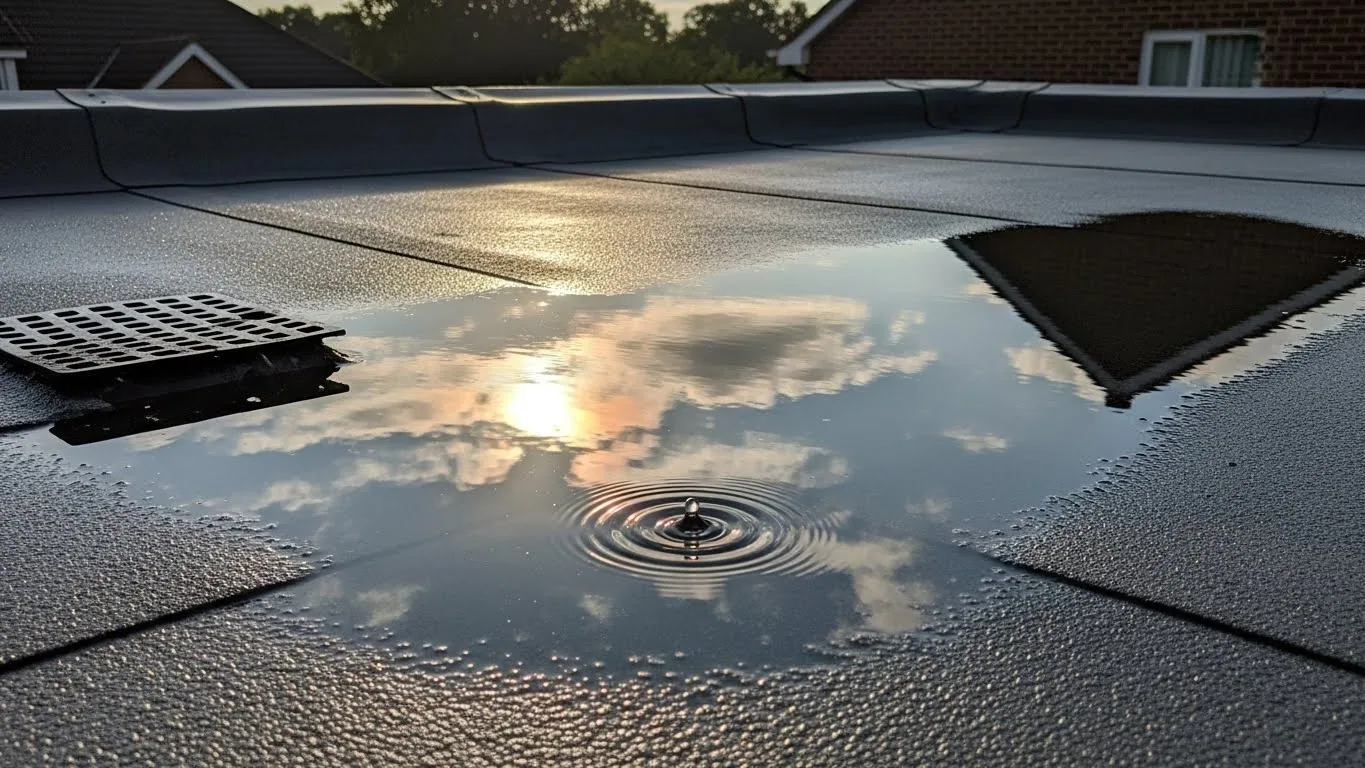
Warm-season rainfall in Roswell can expose a weak lap where drainage concentrates water. We inspect nearby low areas and confirm that primary and overflow drains remain open. If the seam sits beside a scupper or outlet, a ponding-water review can separate retained water from a seam opening as the active condition.
Carry the patch into bonded material
A seam repair needs sound, compatible material beyond the split. We clean and prepare the surface using the system's requirements, then make the tie-in wide enough to bond beyond the failed edge. A probe checks the new seam after installation. If the substrate is wet or the sheet remains under tension, a surface patch may not resolve the underlying failure. The scope identifies any added removal or restraint detail.
Where a seam has opened repeatedly, we check the original cause before applying another patch. Poor drainage, movement at a curb, incompatible materials or an unstable substrate may need correction. A TPO seam repair follows the field material and weld condition; an EPDM or modified bitumen lap requires another method. The actual assembly sets the repair detail.
Cost changes with seam length, roof access, system type, substrate condition, number of transitions and interior protection. If moisture extends beneath the lap, removal and replacement may exceed the visible opening. We separate measured work from an allowance for concealed damage. The owner receives an approval point before crews enlarge the repair.
Protect the seam until welding or bonding
Seam work depends on a clean, dry surface and conditions suited to the chosen system. We protect exposed membrane from rain and keep debris out of the open line. If humidity, surface moisture or weather prevents a reliable bond, we secure the zone and return when the substrate is ready. The daily record notes the area protected and the condition required to restart.
When a lap has separated, we first determine whether its edges remain weldable or need replacement material. A damp substrate, trapped debris or contaminated surface can compromise a seam repair even after the roof dries. We record preparation conditions and verify the completed tie-in before removing temporary protection. Emergency response is available all hours, weekends and holidays, when a separated seam leaves an active path into the building.
Roswell's Holcomb Bridge Road and GA 400 junction is the city's interchange access to the north-south route. It can affect material staging or crew arrival, but roof access remains controlled by the property. We coordinate delivery, hatch access and protected work hours with the facility contact before opening the assembly.
Compare a seam patch with broader work
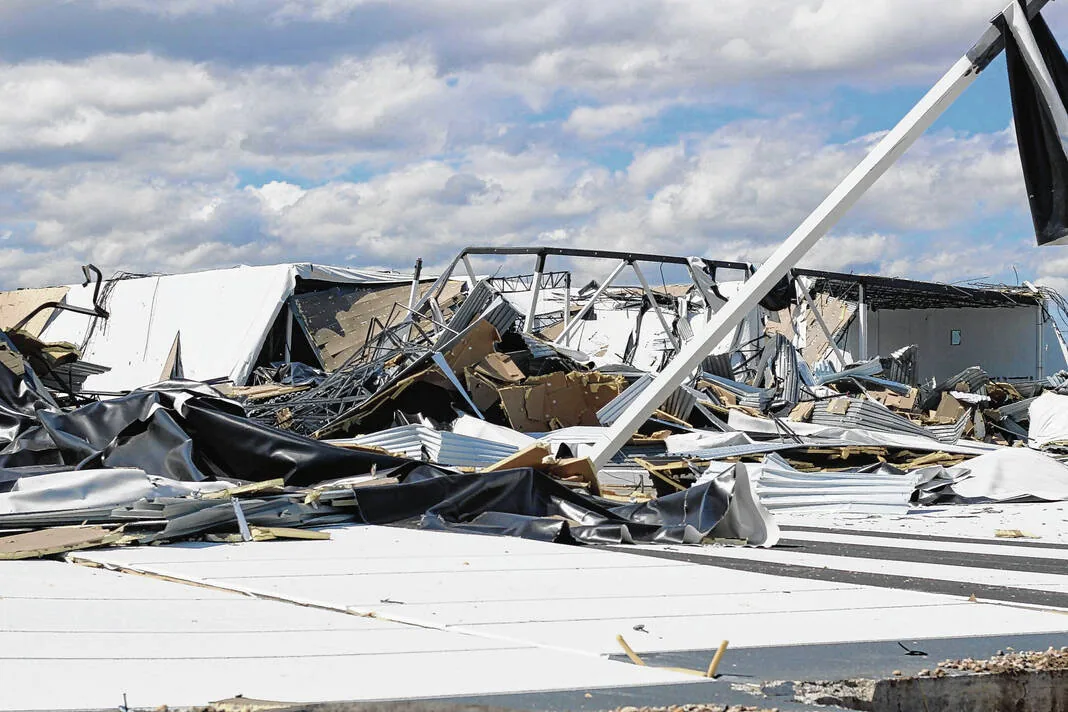
A local patch may work when separation is limited and nearby membrane remains bonded. If adjacent seams show the same condition or insulation is wet, the boundary may expand. We photograph test openings and record what the material shows. Replacement depends on assembly condition, not one separated lap.
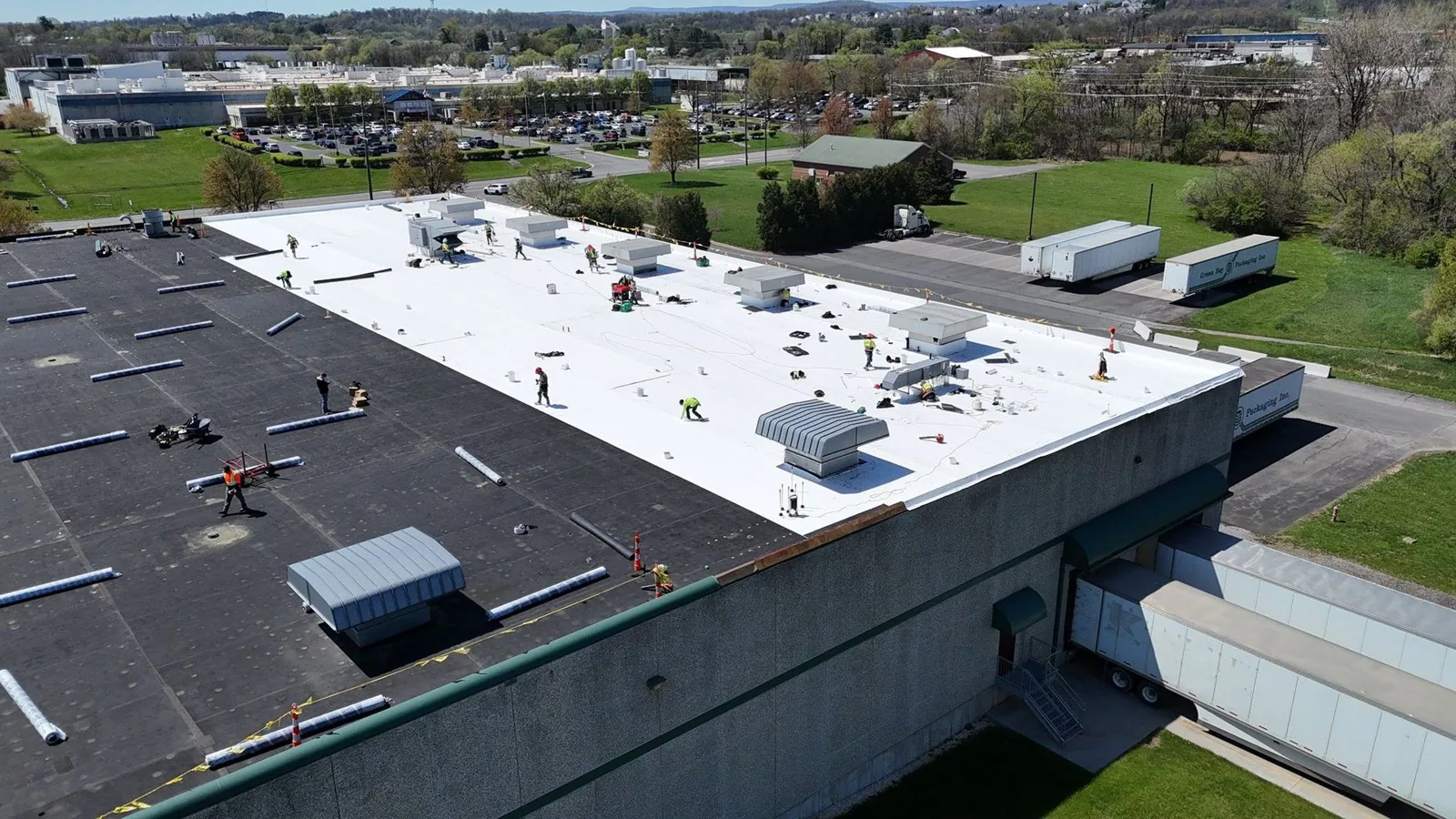
Recovery can be reviewed when existing layers, attachment and drainage support another system. Replacement exposes insulation and deck. A commercial seam repair scope names the runs and tie-ins. A roof replacement comparison uses the same roof-zone limits and states removal assumptions.
A roof-wide coating may not address a failed weld or bond. If proposed, adhesion, moisture and drainage still need review. We compare it with identified defects and substrate evidence, then list what remains outside the work area.
Map the completed seam work
Closeout photos show the original opening, prepared surface, tie-in and adjacent transition included in the repair. The record identifies the roof system, seam location, material, test result and approval. We note concealed areas and any follow-up check after heavy rain.
Roswell's humid summers and commercial building mix make seam records useful across office, healthcare and light industrial roofs. A roof condition report ties observations to the building and roof plan for later review.
Request an inspection for a named building and seam run. Send plans, membrane details, leak history, prior patches, access rules and safe photos. We will identify the system, trace the opening and set a supported repair limit.
Related Roofing Work
Inspect a split roof seam
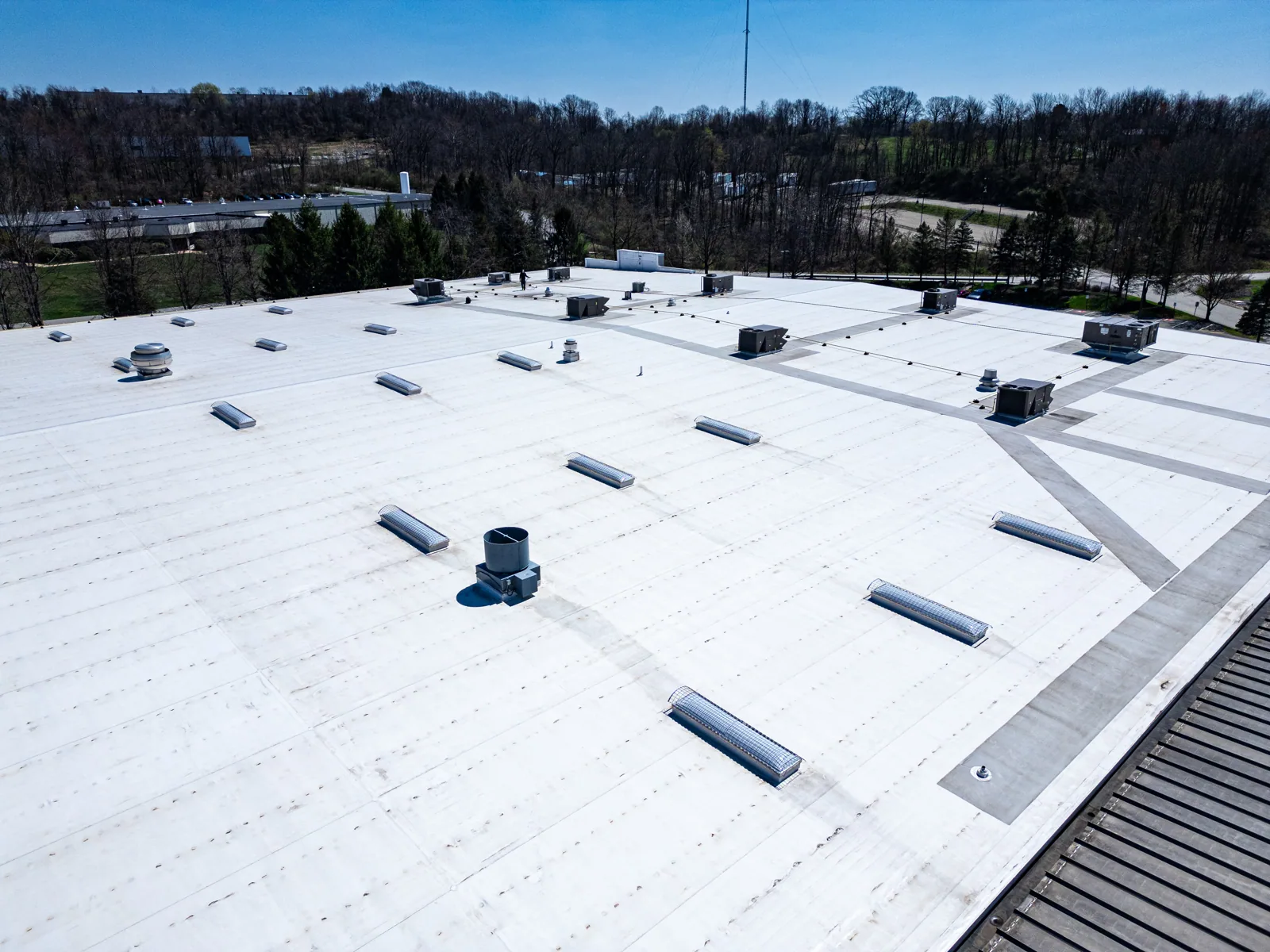
Name the building and seam run. Send roof plans, system details, leak locations, previous patch records, access rules and clear photos so we can identify the assembly and scope confirmed repairs.
Questions About Commercial Roof Seam Failure Repair
Can a split seam be welded back together?
That depends on membrane type, surface condition and whether the material beyond the opening remains compatible. We identify the system, clean and prepare the area, and check the finished tie-in with a probe where applicable. If the sheet is under tension or the substrate is wet, the repair must address those conditions too.
Why did the same lap open again after a patch?
The underlying cause may remain, such as movement, poor adhesion, water retention or a softened substrate. We inspect the original repair, adjacent runs and nearby transitions before pricing another tie-in. Photos and test results show whether the repeat opening is limited or linked to a wider assembly issue.
How do you tell whether water reached insulation below a seam?
We inspect accessible layers and may recommend infrared scanning or a test cut at a defined location. A temperature pattern indicates where to investigate; it does not establish the material condition by itself. We record the test point, observed layer and the limit of any area that remains concealed.
Should we replace the roof because one seam has separated?
One opening does not define the condition of every roof zone. We inspect neighboring seams, transitions, substrate and drainage, then compare the confirmed repair with broader work only if evidence supports it. The report identifies what was checked and which areas could not be reached.
Commercial Roofing Across Roswell and North Fulton
Roof Repair, Replacement and Maintenance for Every Kind of Commercial Building
From Historic Roswell and Canton Street to the Holcomb Bridge Road corridor, GA 400 and the North Point area, we inspect, repair and replace low-slope and metal roofs on offices, retail centers, medical buildings, schools and warehouses.